Dolby has come a long way from being synonymous with the cinema experience. What began with film and cinema has steadily expanded across televisions, smartphones, home entertainment and, increasingly, cars. Today, Dolby Atmos is becoming an increasingly familiar name in the automotive world, as carmakers look to make the cabin a more immersive entertainment space. The shift is particularly interesting because the car has always been an important environment for music. But with increasingly sophisticated in-car audio systems, connected services and the industry's growing focus on entertainment, the role of the car is changing. Dolby now finds itself at the intersection of these trends, working with manufacturers to bring immersive audio to an increasingly wider range of vehicles.
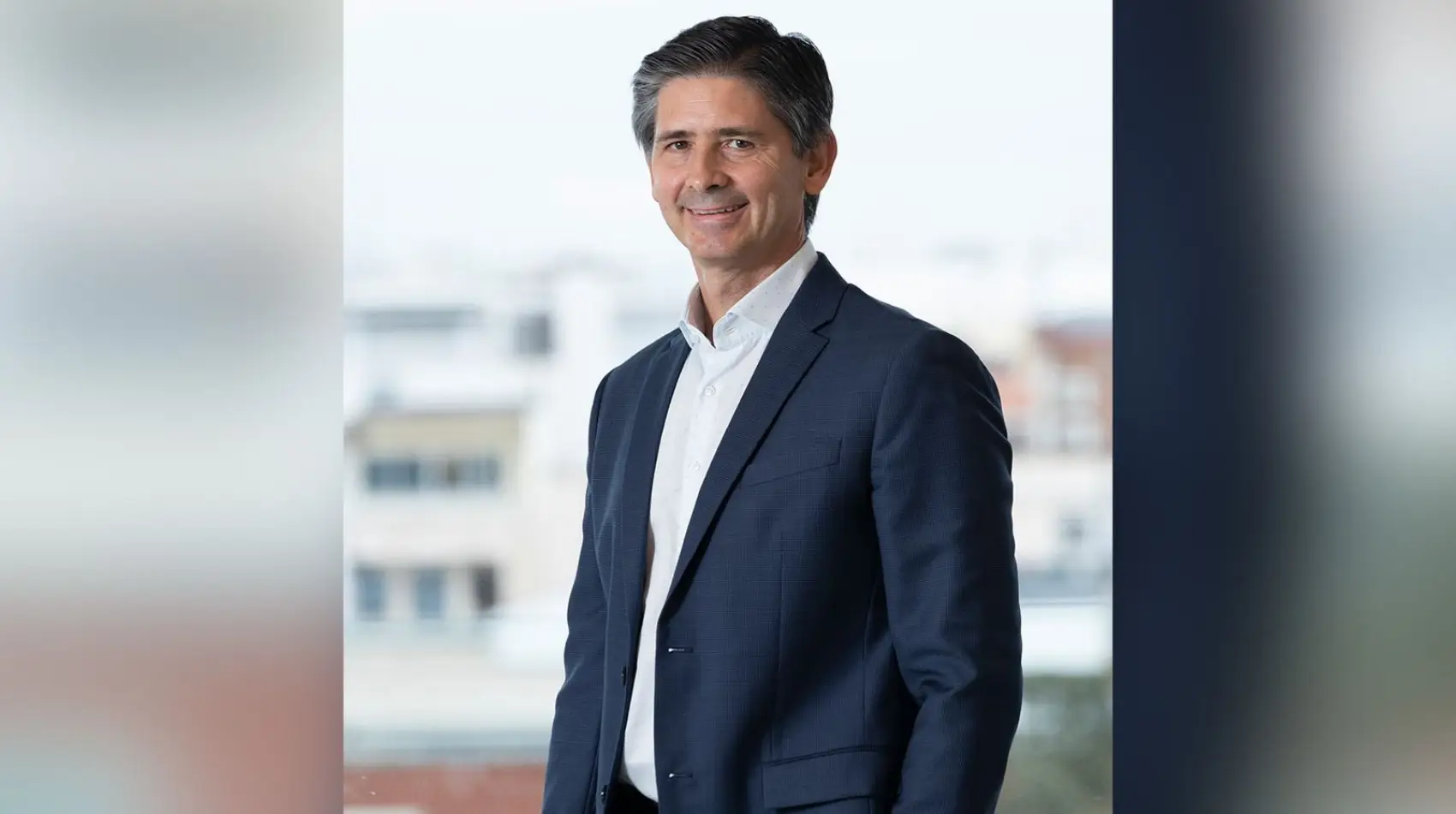
India, meanwhile, has emerged as an important market for Dolby, both because of its scale and because of the speed at which local manufacturers are adopting new technologies. Mahindra, for instance, has gone from being a new Dolby customer to one of its biggest automotive customers globally. We spoke to Javier Foncillias, Vice President, Global Commercial Partnerships at Dolby, about how the company sees its ecosystem evolving, why cars have become such an important platform, the growing role of social media and content creators, and what makes India such an important market for Dolby.
SN: What does the Dolby ecosystem look like five years from now?
JF: Five years from now, I think we'll have expanded into many more cars. We started with cinema and film, then expanded into sports and other devices in the home, mobile phones and cars. Now we're also seeing social media becoming part of that ecosystem.
In some markets, including China, we're already seeing cars with social media services integrated into them. So, from an ecosystem point of view, one of the big trends we're seeing is the growth of social content across devices.
At the same time, we're seeing new devices being developed for content creation, whether that's new cameras, glasses or other capture devices. We're expanding our content creation tools to serve that market as well.
SN: Is Dolby becoming more of a technology layer, or is it becoming a consumer-facing brand?
JF: Traditionally, we've thought of ourselves as an ingredient brand, but in markets like India we're also very well known as a consumer brand, partly because of our presence in cinemas.
We're now seeing that become more explicit in the automotive space as well. In India, for example, we have cars where the sound system itself is branded Dolby Atmos. That gives us much more visibility with the consumer.
Of course, our model still depends on working with partners, so we remain an ingredient brand in many ways. But we also want consumers to recognise Dolby and associate it with a certain level of experience.
SN: When do you think immersive content will become the default rather than a premium experience?
JF: I think social media and cars are going to be major drivers in making that happen.
Historically, home theatre was a very premium market. But as Dolby moves into cars, including more affordable cars, and into mobile phones, the technology is becoming much more mainstream.
We're seeing that in India as well, with Dolby coming to cars with more mainstream specifications. Ultimately, it's about democratising the premium experience so that more people can have access to it.
SN: What makes India such an important market for Dolby?
JF: The first thing is obviously the size of the market. But beyond that, there's a lot of agile innovation happening in India.
Mahindra, for example, has gone from being a new customer for us to becoming one of our biggest automotive customers in the world. That's because they've rolled out so many different products in such a short period of time.
We've seen similar things with some of our other partners. There's a real agility in the way companies here bring products to market. So it's the size of the market, the speed at which companies operate and the innovation we're seeing here that makes India very important to us.
SN: Why has the car suddenly become such an important platform for Dolby?
JF: The car has actually always been an important platform for music. If you go back to the days of cassette decks, for example, people would often take their music into the car to listen to and evaluate it.
When we started rolling out Dolby Atmos Music, one of the big demands we had from mixers, artists and studios was to bring that experience into the car.
The car is a perfect environment for immersive audio because we know where you're sitting, we know the exact placement of the speakers and we know the acoustics of the cabin. That means we can tune the car to deliver an ideal experience.
At the same time, the automotive industry itself is changing. With more self-driving features and an increasing focus on entertainment, the car is becoming more than just a means of getting from one place to another.
Traditionally, the focus might have been on things like getting a bigger engine. Now entertainment is becoming a much more central part of how the car is designed, and that's one of the reasons the automotive space has become so important for us.
SN: Finally, what is Dolby's biggest opportunity in India right now?
JF: Cars are obviously a huge opportunity and that market is growing very quickly. But I think mobile and social media are going to be equally important.
India is a very mobile-centric market, so we expect to see a lot of Indian creators producing and sharing content in Dolby formats. That content can then feed into the wider Dolby ecosystem and help us build something much bigger.