There are few things better than settling into a cinema seat with a bucket of popcorn, watching the lights dim and letting a good film take over. But here's a question I found myself thinking about after the credits rolled: what actually makes a movie feel cinematic? Is it the picture, the sound, or that elusive combination of the two that makes you forget where you are for a couple of hours?
As someone who spends a fair amount of time around cars, I couldn't help wondering if that experience could be recreated on four wheels. After all, modern cars have increasingly large infotainment screens, connected apps and sophisticated audio systems. But does having all that technology actually make watching a movie or listening to music inside a car a more immersive experience?
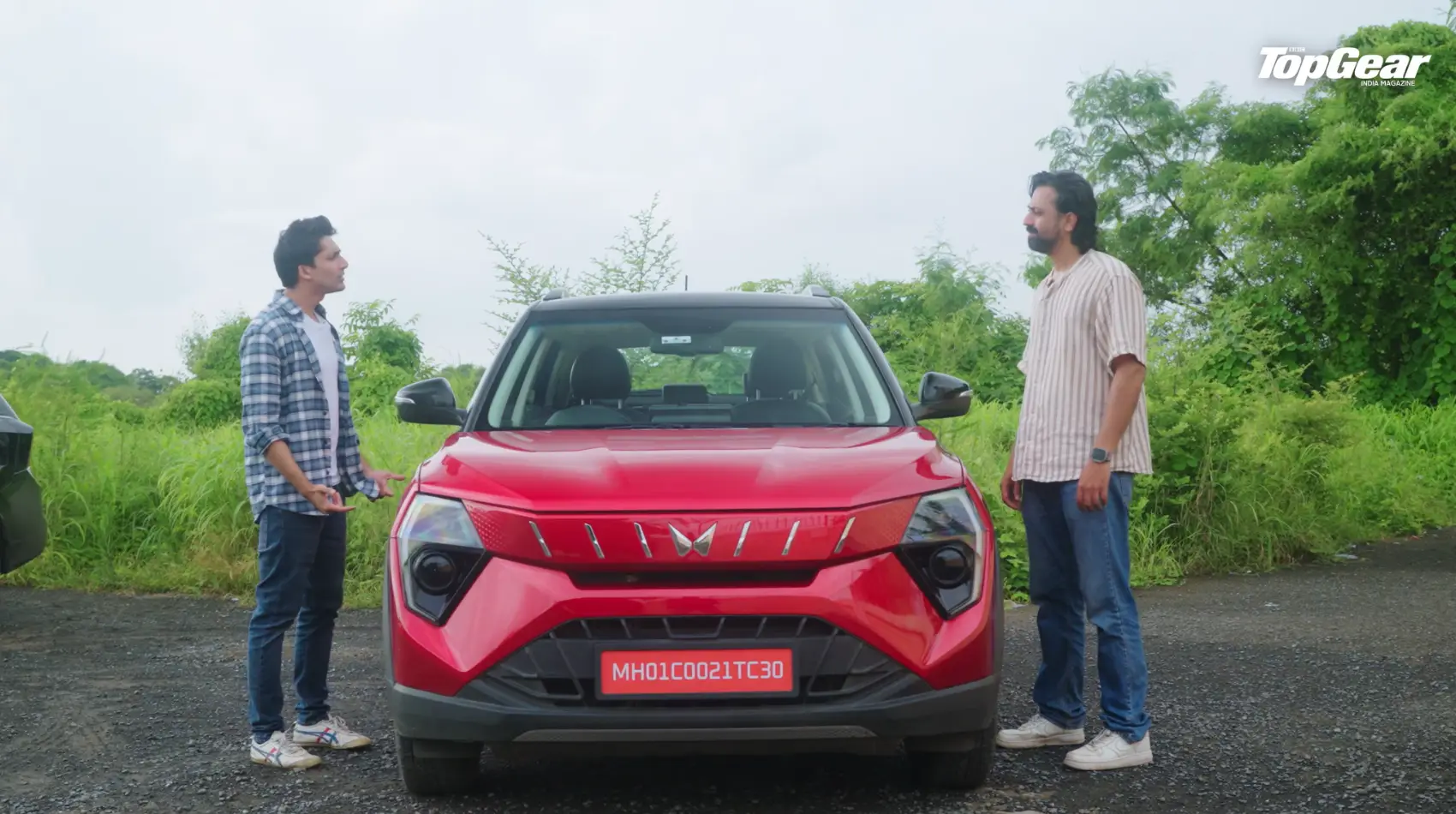
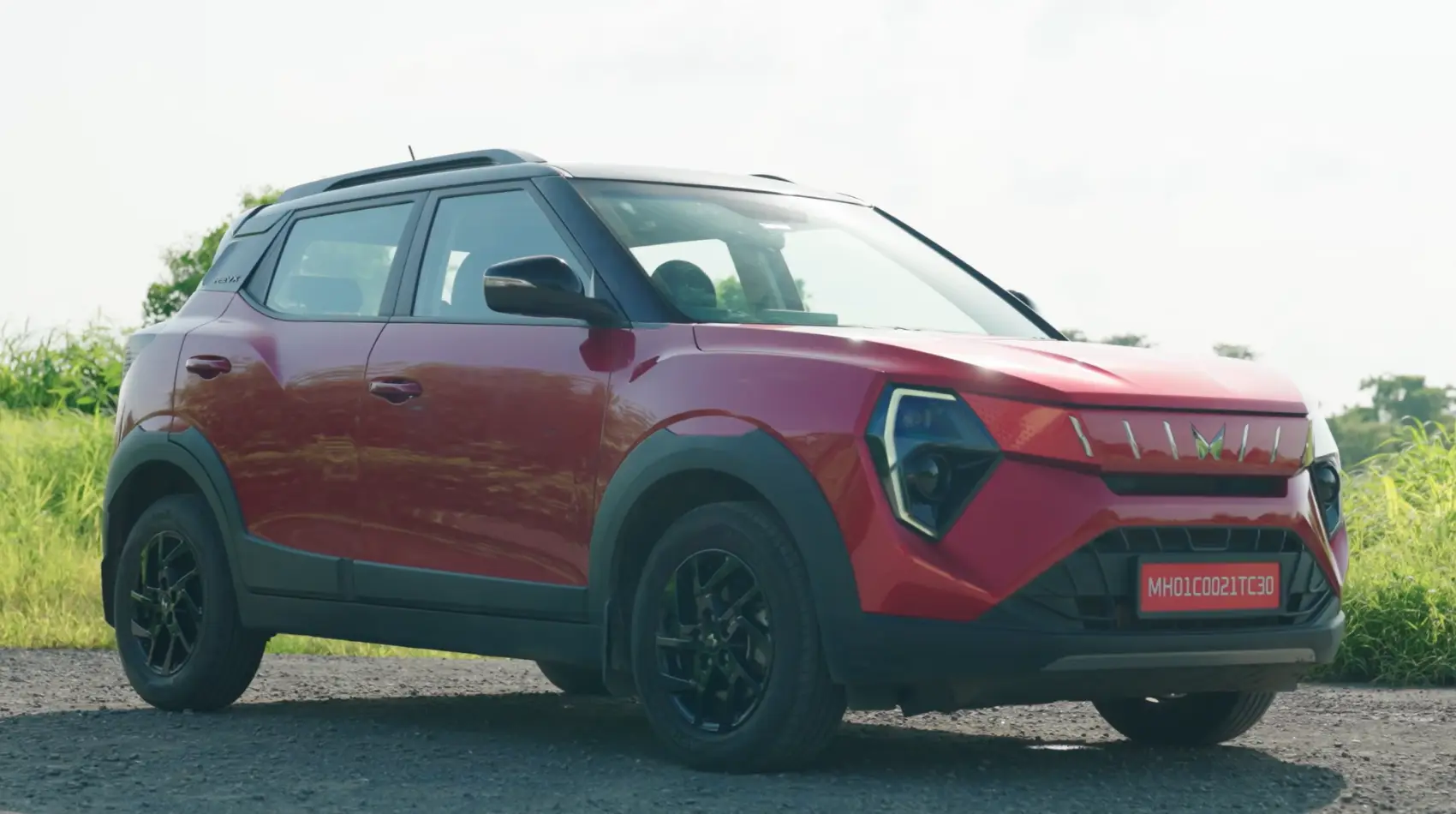
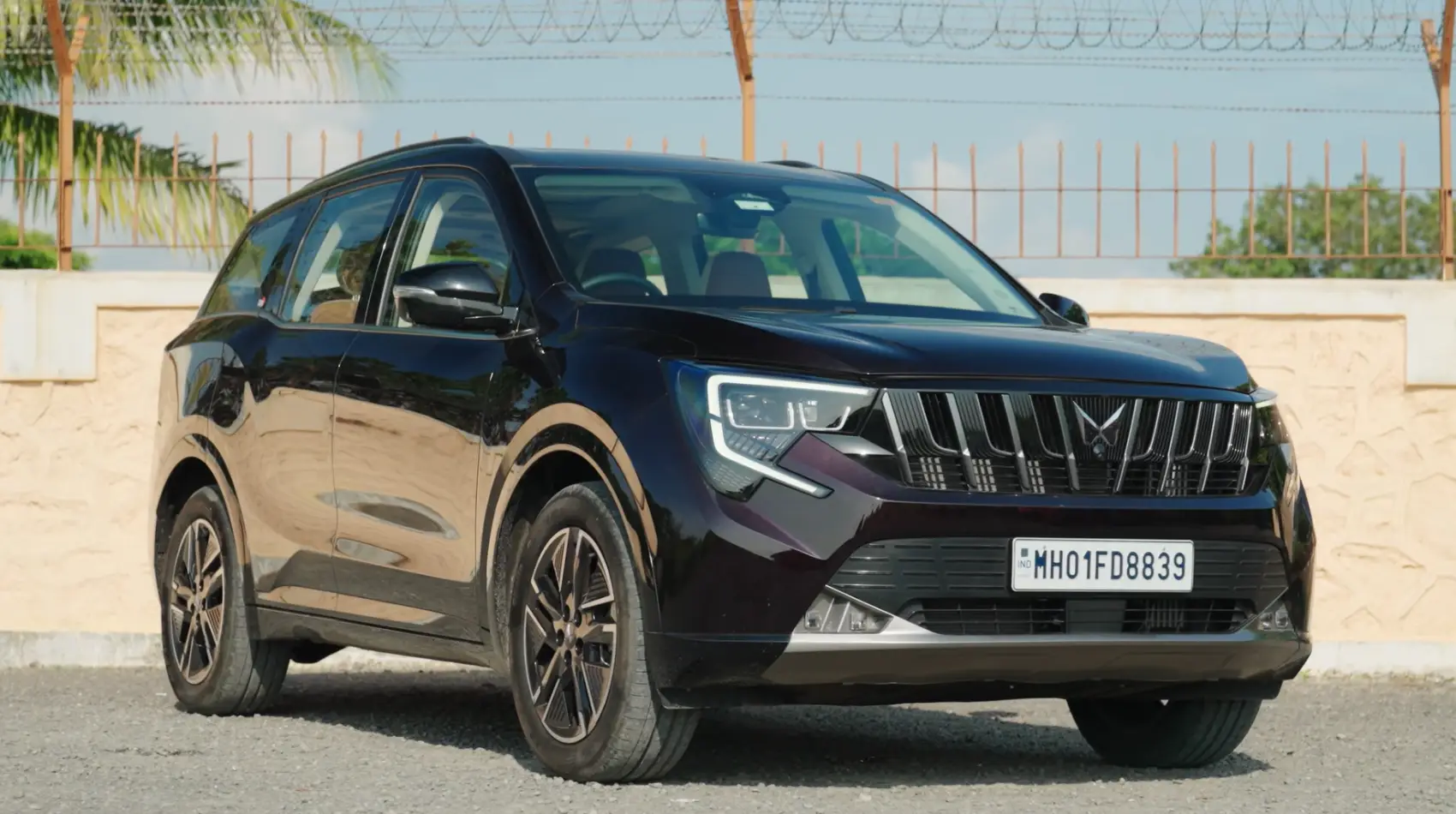
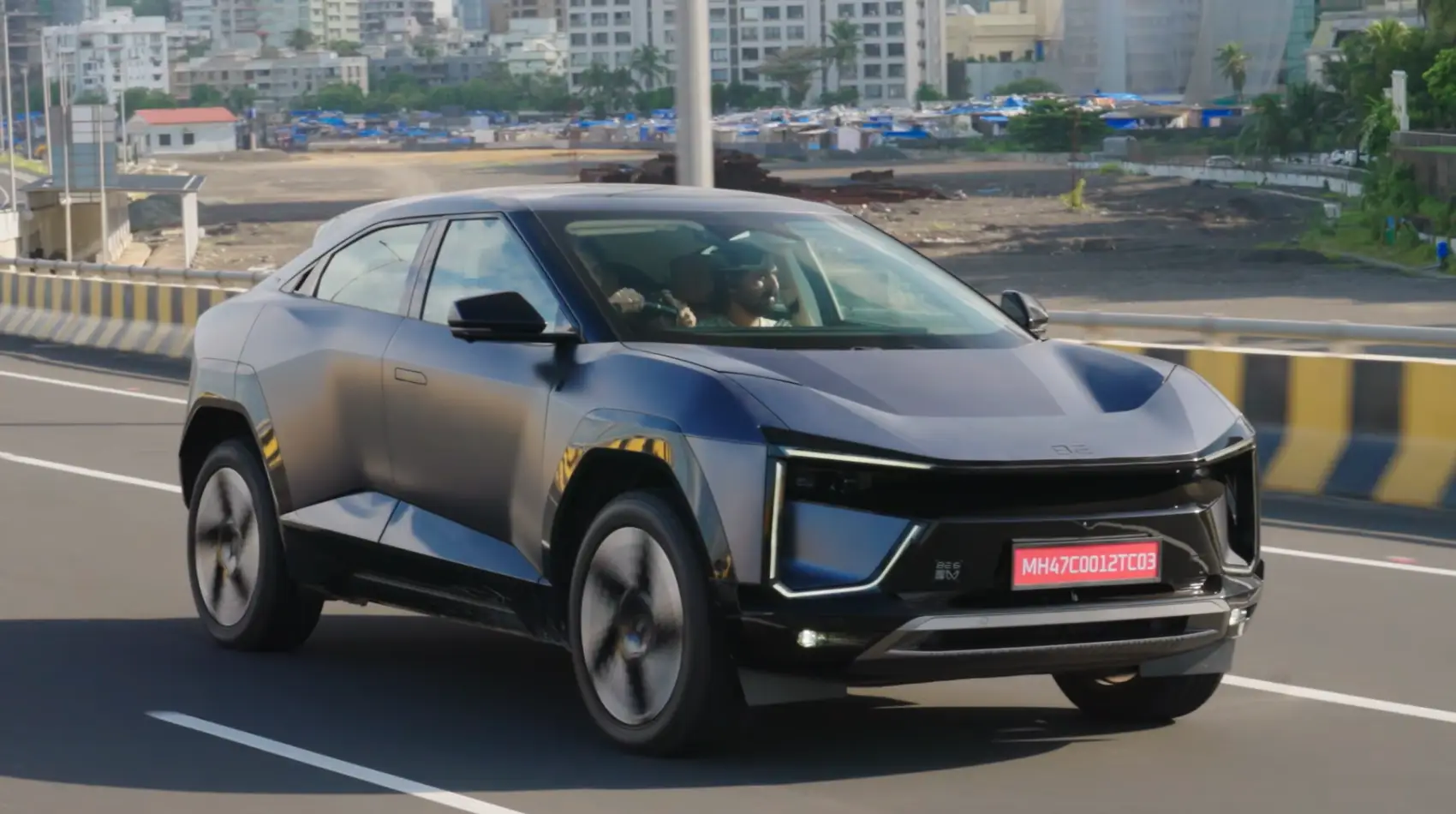
To find out, we took three Mahindra SUVs around Mumbai: the BE 6 SPORTEQ, the XUV 7XO and the XUV 3XO. Each had a role to play in our little experiment, with Dolby Vision and Dolby Atmos providing the ingredients for what we hoped would be a ‘theatre on wheels’.
Picture that Pulls You In
We started with the Mahindra BE 6 SPORTEQ on busy Mumbai streets. There's already plenty to like about its dramatic design, but we weren't here to talk about its looks, performance or futuristic cabin. Instead, our attention was on the infotainment screen. The BE 6 SPORTEQ is India's first EV with Dolby Vision and Dolby Atmos, bringing two technologies that have transformed home entertainment into the automotive space.
The first thing we tried was Dolby Vision, which is all about picture quality, colours, and contrast. If you've watched content on a Dolby Vision enabled television, you'll know that it isn't simply about making everything brighter or turning up the colours. The technology uses dynamic metadata to optimise the picture scene by scene, delivering a wider range of brightness, contrast and colour where the display supports it.
In practical terms, that means brighter highlights, deeper blacks and more detail in darker areas. A scene with sunlight pouring through a window, for instance, can retain the brightness of the outdoors without turning everything inside into a dark blur.
Finding compatible content is fairly straightforward, too. Supported entertainment apps come pre-installed on the car's infotainment system, and the Dolby Vision badge helps identify content mastered in the format.
The difference was particularly interesting in a car. Unlike a television in a controlled living room, an automotive display has to contend with sunlight, reflections, and constantly changing ambient light. It's a far less predictable viewing environment, which makes picture quality all the more relevant.
Of course, there's a little more to Dolby Vision than what happens on the screen. Before a film reaches your car, it goes through a production and mastering process in a Dolby Vision certified studio. This is where colourists and filmmakers work on content and test it on multiple compatible displays, ensuring that the intended visual experience makes it through to the final product.
Seeing the same content on the BE 6 SPORTEQ brought that process into perspective. You're actually watching content that has been prepared to deliver a particular visual experience. And while no car can replace the sheer scale of a cinema screen, the ability to enjoy a film with that level of detail does make the cabin feel like a second living room.
That said, picture quality is only half the equation. A beautiful image can draw you into a scene, but it's often the sound that makes you feel as though you're actually there.
Sound Becomes a Space of its Own
Our next stop was the Mahindra XUV 7XO, which takes the entertainment experience further with Dolby Vision and Dolby Atmos. If Dolby Vision is about what you see, Dolby Atmos is about how you hear it.
Traditional surround sound generally works with audio channels, directing sound to particular speakers. Dolby Atmos adds another dimension by allowing supported audio to be mixed using objects that can be positioned and moved within a three-dimensional sound field. The result, when reproduced by a compatible system, can make sounds feel as though they're coming from specific positions around and above you.
We settled into the XUV 7XO and paid attention to the details we'd normally overlook. There was the dialogue up front, the subtle activity in the background and then the sounds that seemed to move around the cabin.
The sound of a helicopter passing overhead is an obvious example, but it's the smaller details that can be more revealing. A voice coming from behind you, an object moving from one side to another, or ambient sounds that establish the scale of a scene can all contribute to a stronger sense of space.
What struck me was how much easier it became to follow the scene with my ears. Instead of hearing everything as one continuous stream of sound, I could pick out individual elements and get a better sense of where they belonged. The soundtrack wasn't simply louder or bass-heavy; it felt more layered.
That's the real appeal of Dolby Atmos. It can make entertainment feel less like something playing through a set of speakers, and more like an environment you're sitting inside. Of course, the final result depends on the content, the car's audio system and how well the experience is reproduced. But with a compatible soundtrack, the difference can be genuinely engaging.
And since we'd established that our ears were doing a fair amount of the heavy lifting, we decided to put them to the test.
Blindfolds, a Soundtrack and the XUV 3XO
The Mahindra XUV 3XO brought us to the next part of the experiment. It's the world's first SUV under ₹12 lakh to feature Dolby Atmos, an important step in making immersive audio more accessible beyond the premium end of the market.
Our plan was simple: take away the one sense we usually rely on when watching something and see how much information our ears could pick up.
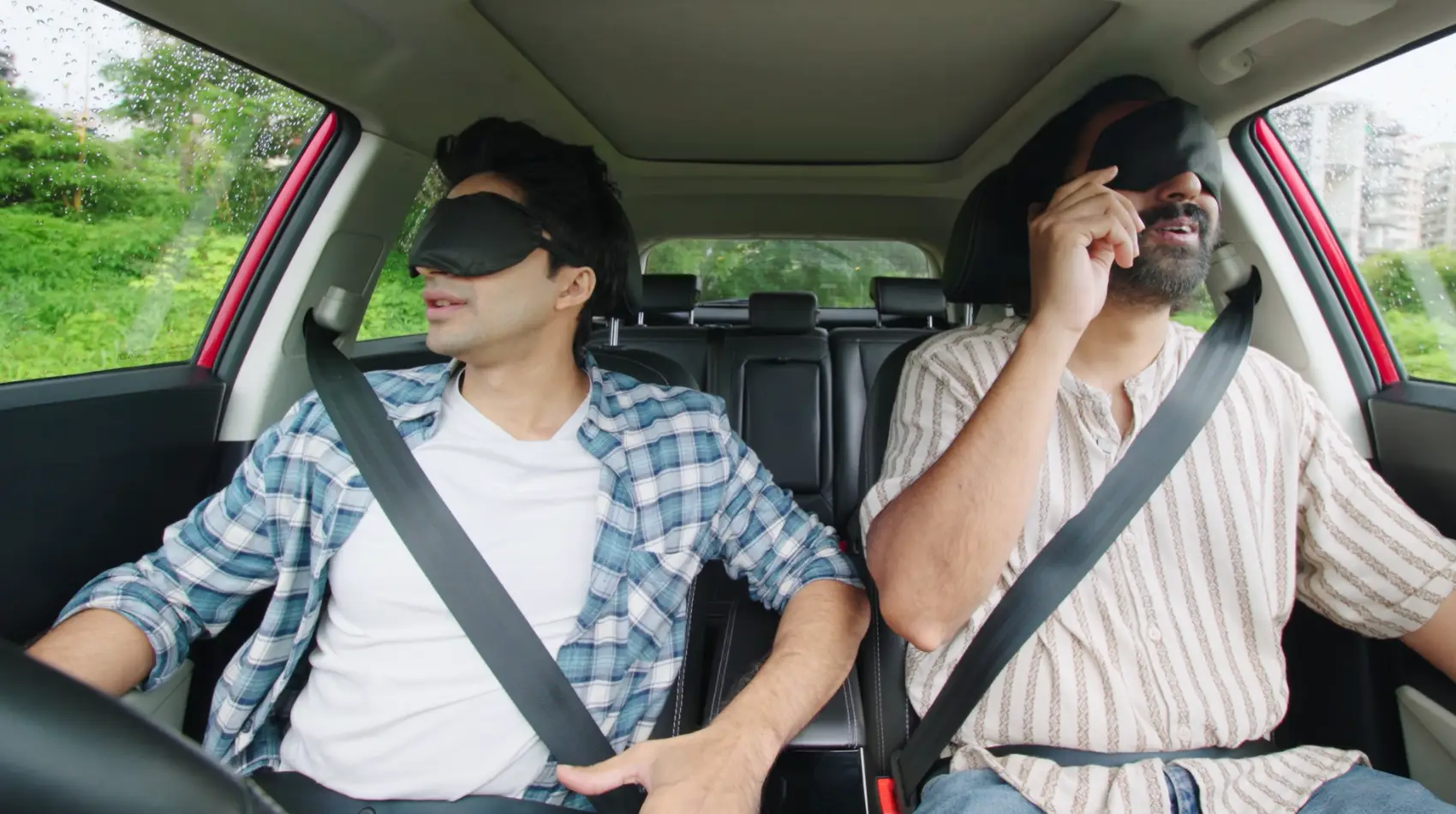
Parked safely, with both my colleague and I blindfolded, we played a Dolby Atmos sequence on the infotainment system. Almost immediately, the immersive experience began. Something appeared to be happening to the left. Another sound seemed to come from behind. Then, as the sequence progressed, the sound shifted position, giving us the impression of movement around the cabin.
It was a surprisingly effective demonstration. Without being able to see anything, we found ourselves trying to map the sounds in our heads. Where was that coming from? Had it moved? Was that something above us?
Once the blindfolds came off, the reason became clearer. Dolby Atmos can create a more convincing sense of direction and space by allowing compatible content to place sounds within a three-dimensional audio environment. Your brain uses those cues to build a mental picture of what's happening, even when your eyes aren't helping.
It isn't quite the same as seeing an object move across a screen, naturally. But it does demonstrate how much spatial information sound can carry. And in a car, where your attention might be split between the road, passengers and whatever is playing, that added dimension can make entertainment more involving.
There's also something reassuring about seeing this technology in a vehicle positioned at a more accessible price point. Features that once felt reserved for high-end home theatres are gradually finding their way into everyday cars, allowing more people to experience them without having to invest in a dedicated entertainment setup.
Not Just For Movies
By this point, we'd explored picture quality, dissected sound and even resorted to blindfolds. But there was one obvious question left. Does Dolby Atmos make a difference when you're not watching a film?
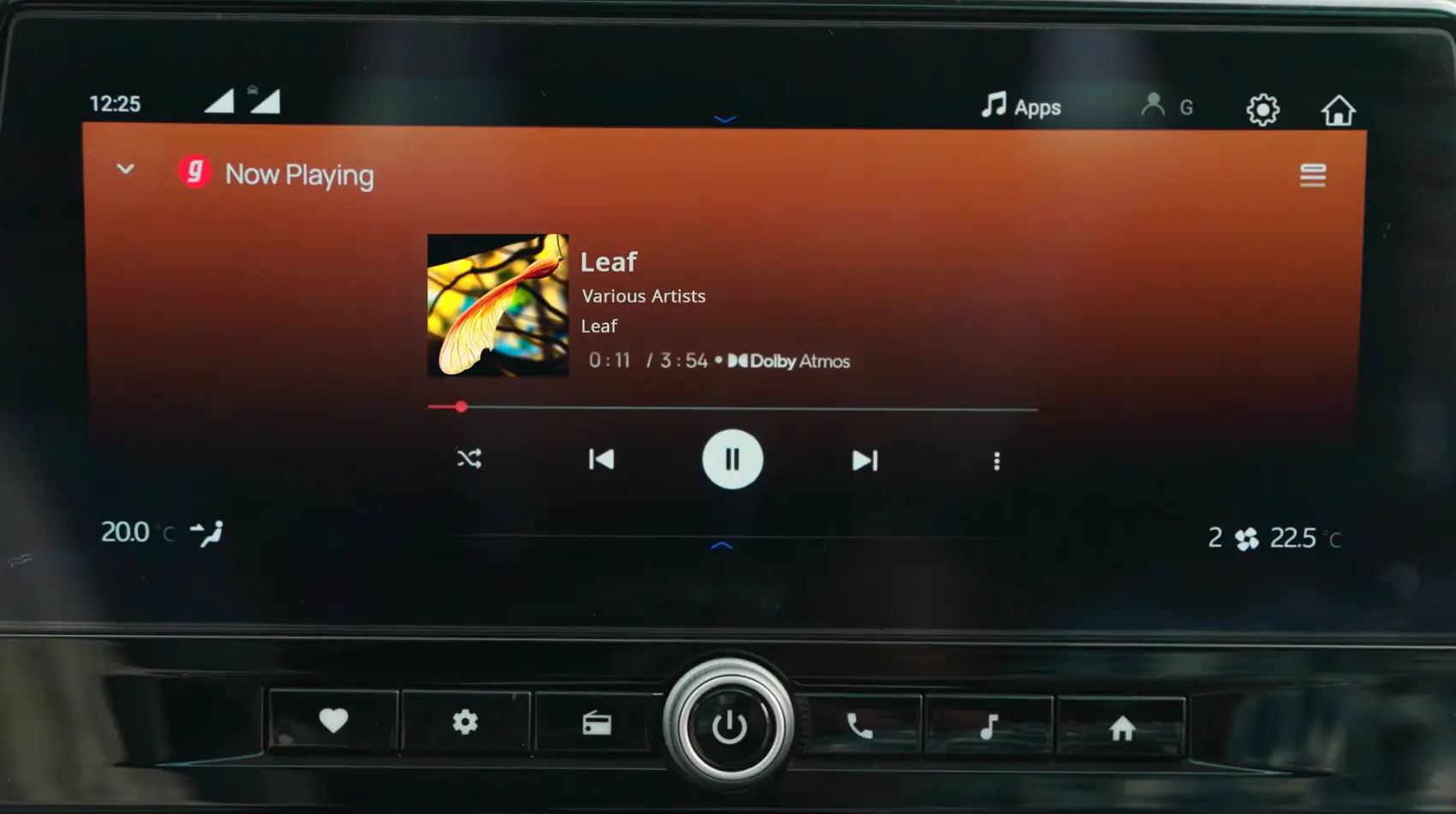
We headed towards a secluded spot in Mumbai, still in the XUV 3XO, and opened Gaana to explore its Dolby Atmos music catalogue.
Music is an interesting test because we're often so familiar with our favourite tracks that we know exactly how they're supposed to sound. Yet listening through a compatible Dolby Atmos setup can reveal a different presentation of the same song.
We picked a track and listened. The vocals occupied their own space, the instruments felt more separated, and the arrangement seemed to stretch beyond a single point in the cabin. Rather than everything being pushed towards you from the front, there was a greater impression of width and depth.
It doesn't mean every track will suddenly sound better, nor will every mix deliver the same effect. The experience depends on whether the music has been mixed and mastered in Dolby Atmos and on the playback system that plays it.
The best part is that there's no elaborate setup involved. You can open Gaana, look for tracks carrying the Dolby Atmos badge and explore the catalogue from the comfort of your car. For anyone who spends long hours commuting or regularly takes road trips, that can add a new dimension to the time spent inside the cabin.
Naturally, entertainment while driving comes with one important caveat: the driver must remain focused on the road. Video playback should be enjoyed only when the vehicle is safely parked, while music and audio experiences should never distract from driving.
Your Second Living Room, On Four Wheels
By the end of our drive, we'd come to a fairly simple conclusion. A cinematic experience isn't defined by the size of the screen or the number of speakers alone. It's about how well the picture and sound work together to draw you into whatever you're watching or listening to.
The Mahindra BE 6 SPORTEQ demonstrated how Dolby Vision can bring greater depth, contrast and detail to compatible video content. The XUV 7XO showed how both Dolby Vision and Dolby Atmos can create an immersive experience, while the XUV 3XO made a convincing case for bringing Dolby Atmos to a wider audience. Together, they offered three different ways to explore the same idea: making in-car entertainment more than just a feature on a specification sheet.
So, the next time you're parked up and waiting for someone, or taking a break on a long road trip, you might want to look beyond the usual playlists and scrolling sessions. Play a film in Dolby Vision or cue up a playlist in Dolby Atmos, and give your car's entertainment system a proper workout.