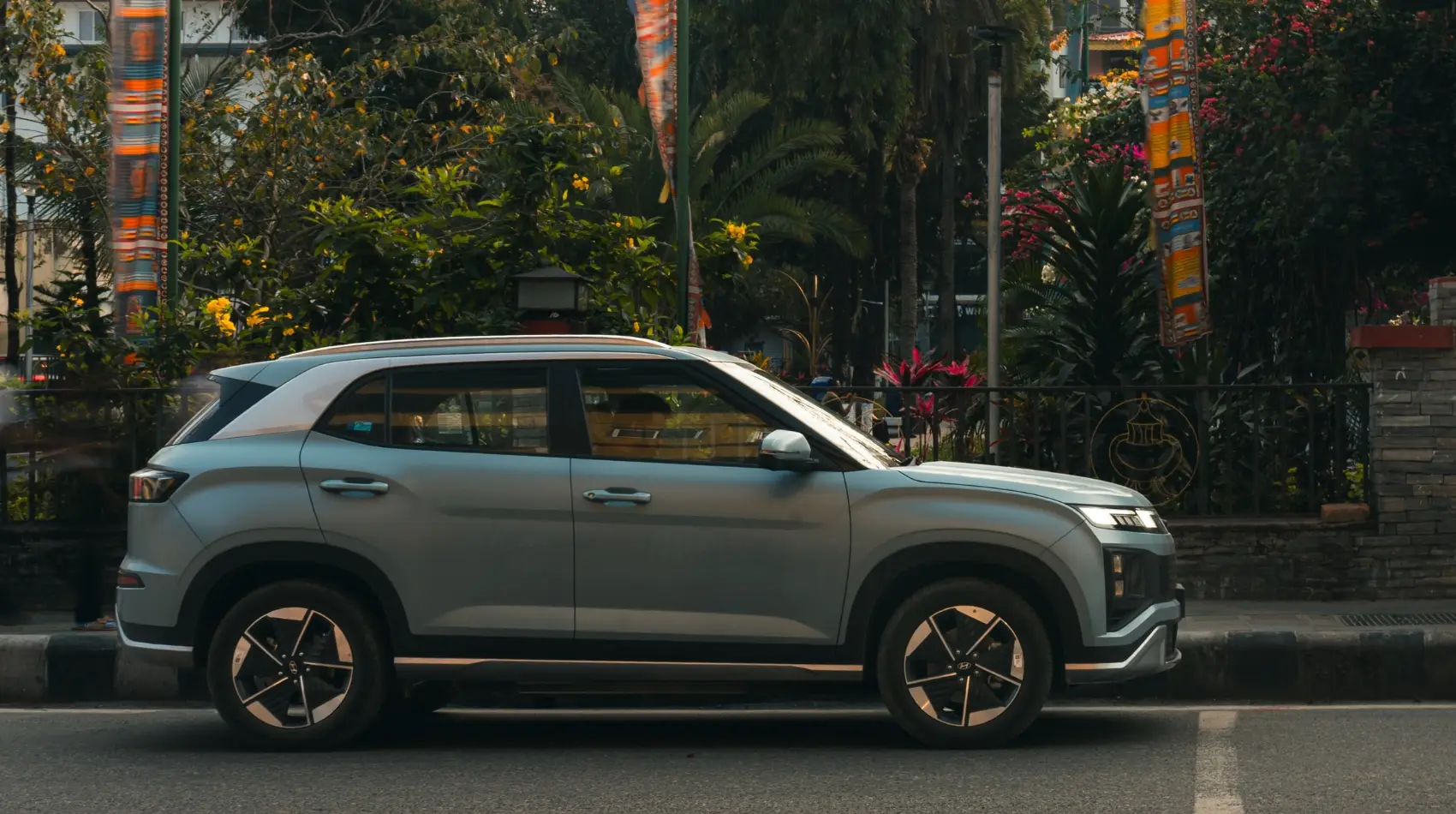
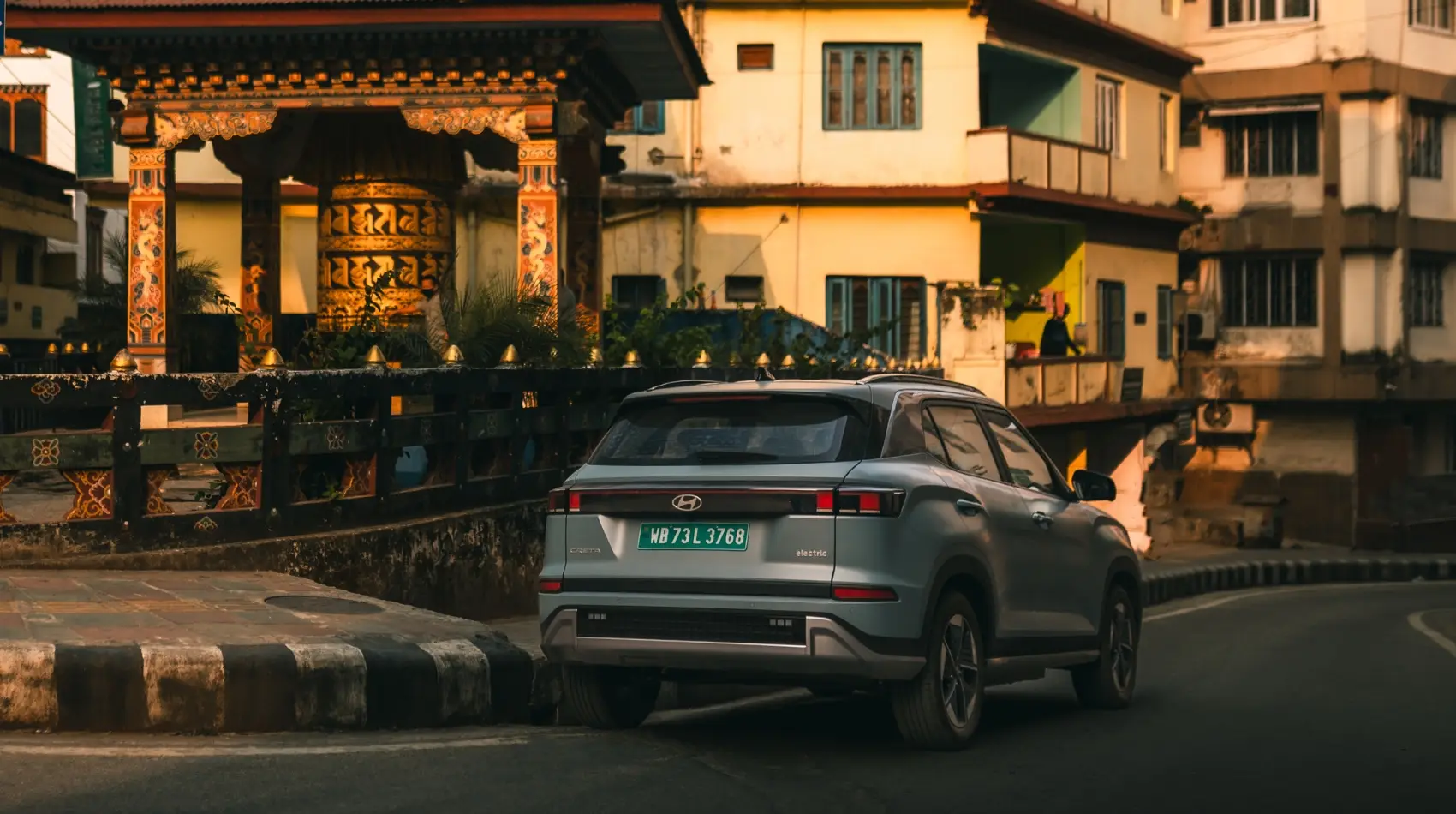
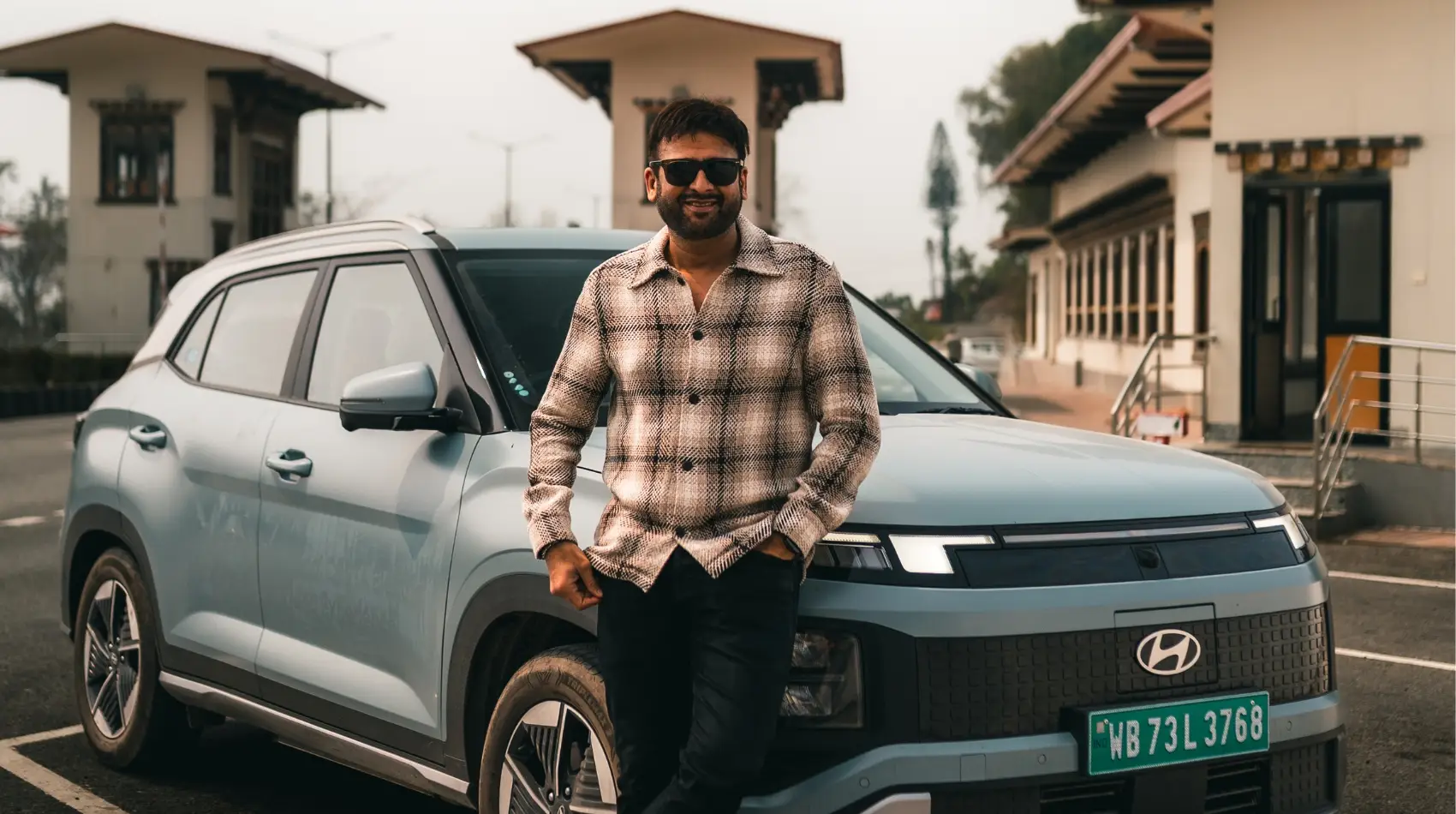
The first time I drove into Bhutan, it was in a Mercedes EQB. Big grille, big presence, and plenty of electric tech. But the thing I remember most was not the luxury. It was the silence. Bhutan has a strange effect on cars. The roads slow you down. The air feels cleaner. The mountains tower quietly above everything, and somewhere between the bends you begin to drive differently. Even the driver becomes slightly more philosophical. So when the opportunity came to return, bringing an electric SUV felt almost inevitable. This time I crossed the border in the Hyundai Creta Electric. Dependable, well engineered, and completely silent. No engine noise. No exhaust fumes. Just a battery pack quietly storing energy, ready to climb mountains.
The border town of Phuentsholing is where India slowly fades and Bhutan begins. The transition is immediate. Traffic thins. Streets become calmer. Cafés spill onto sidewalks. Prayer flags begin to appear. The pace of life shifts down a gear. Ironically, the car I’m driving doesn’t have gears. But from here the real journey begins. Because from Phuentsholing the road climbs steadily towards Paro.
Crossing into Bhutan, though easy for Indians, is still a process. There is a ₹1200 per day Sustainable Development Fee (SDF) for staying in Bhutan, and you pay an additional ₹4,500 for your car each night. Unfortunately, the server was down when we arrived, so we had to wait until the next morning. From there begins a four to five hour ascent through forests, rivers and winding mountain passes, exactly the sort of terrain where electric cars reveal their character.
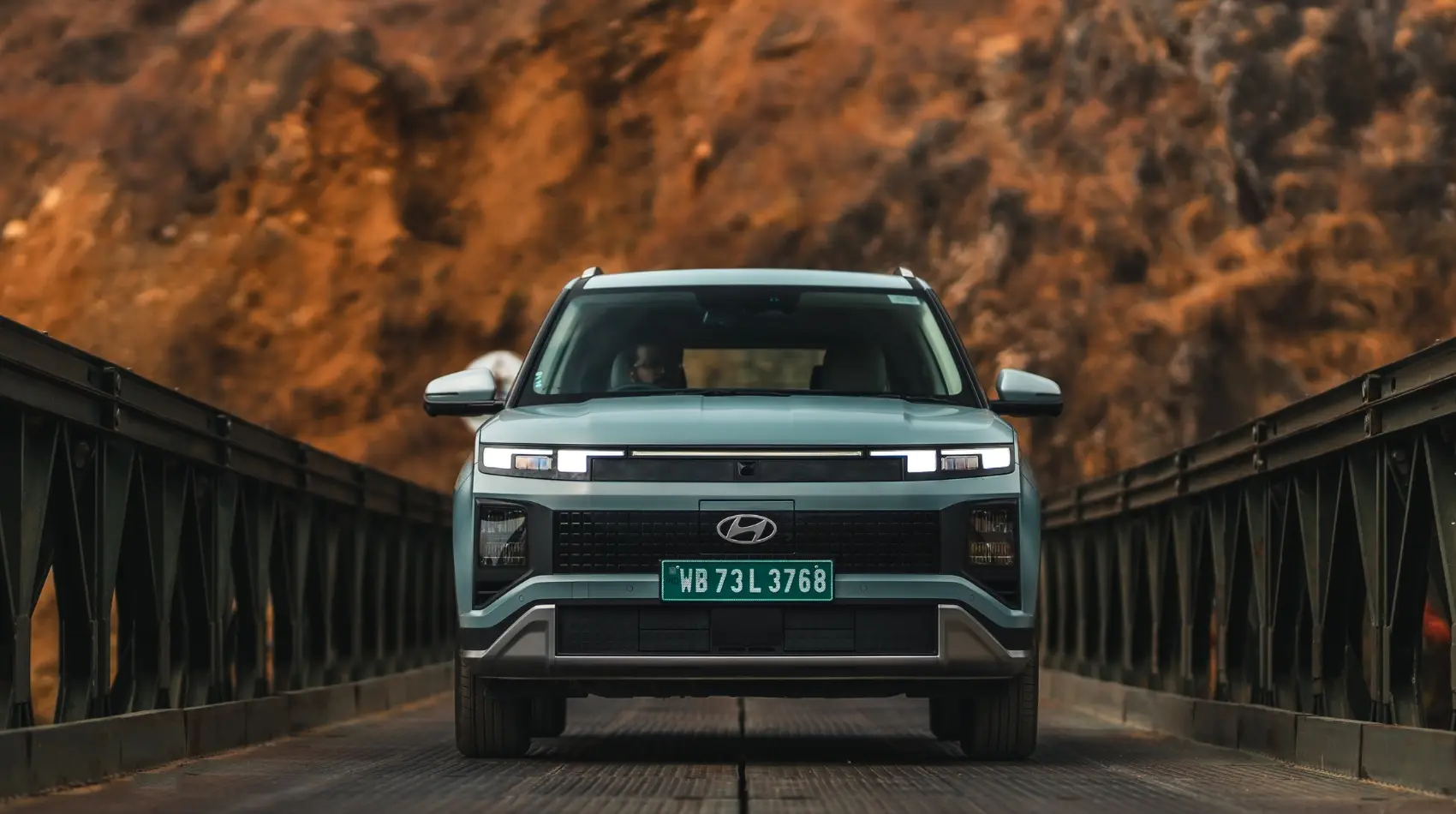
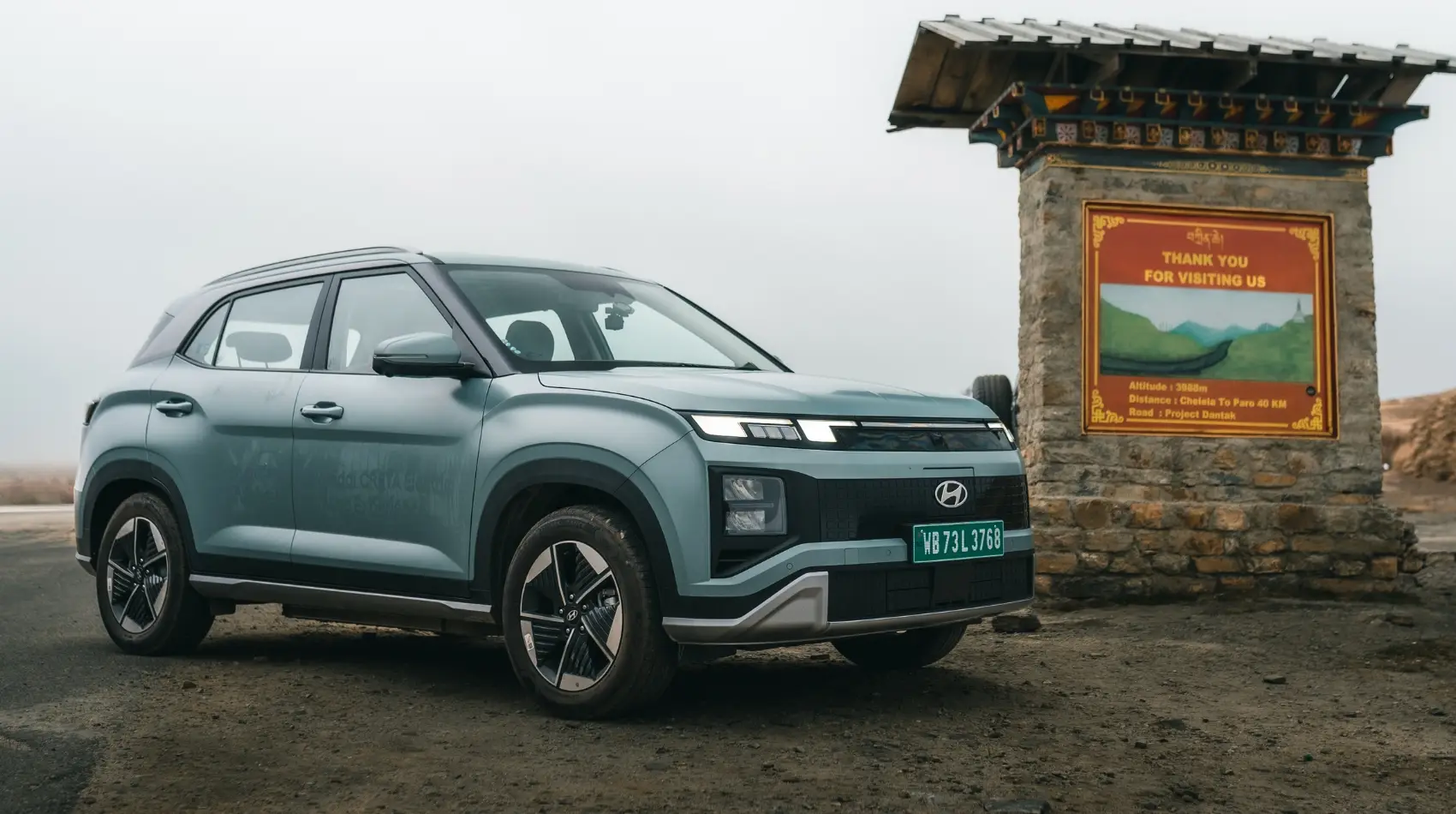
At first glance, the Creta Electric looks familiar. But underneath it’s a very different machine. Depending on the variant, the Hyundai Creta Electric comes with either a 42 kWh battery pack or a larger 51.4 kWh long range battery, producing between 133 and 169 horsepower along with 255 Nm of instant torque. Which in EV language means one thing. Press the pedal and it goes immediately. No gears, no lag and no waiting for the engine to wake up. Just smooth, silent acceleration pushing you up the mountain.
The only slightly annoying part is the check posts before Paro. On our four hour drive we encountered two of them, where you have to show passports, permits and vehicle papers. Your guide also has to be present with you all the time in Bhutan. It is perhaps one of the few countries where you cannot travel without a licensed guide accompanying you throughout the trip. Do you really need one? Not always, but they do serve some purpose in helping navigate the country and the formalities. Interestingly, Indian Rupees and Bhutanese Ngultrum share the same value, which means your currency is easily accepted everywhere without any exchange hassle. The only thing Bhutan slightly overdoes is its check posts. On our four hour drive we encountered two, and while they are polite and orderly, repeatedly showing documents and passports can start to feel a bit tedious.
Silent Mountain Goat ?
Mountain driving is not about outright power. It’s about balance. The Creta Electric sits on a 2610 mm wheelbase, giving it reassuring stability through sweeping bends, while its compact 4340 mm length keeps it nimble enough to thread through tight Himalayan hairpins. On roads like these, instant electric torque is a genuine advantage. Every corner exit feels effortless, and the quiet drivetrain lets you hear things you normally miss. Wind through pine forests. The faint sound of rivers far below in the valley.
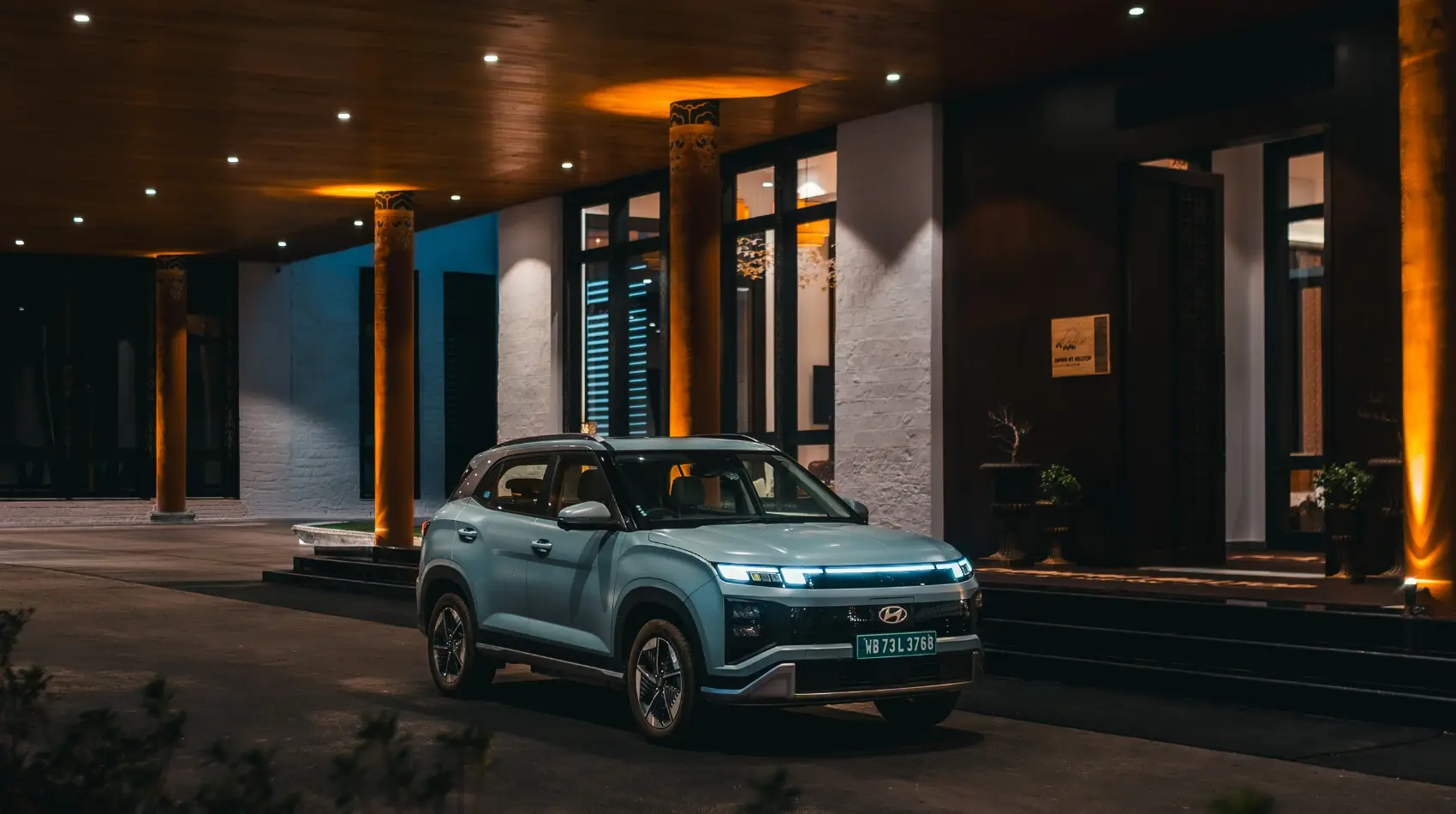
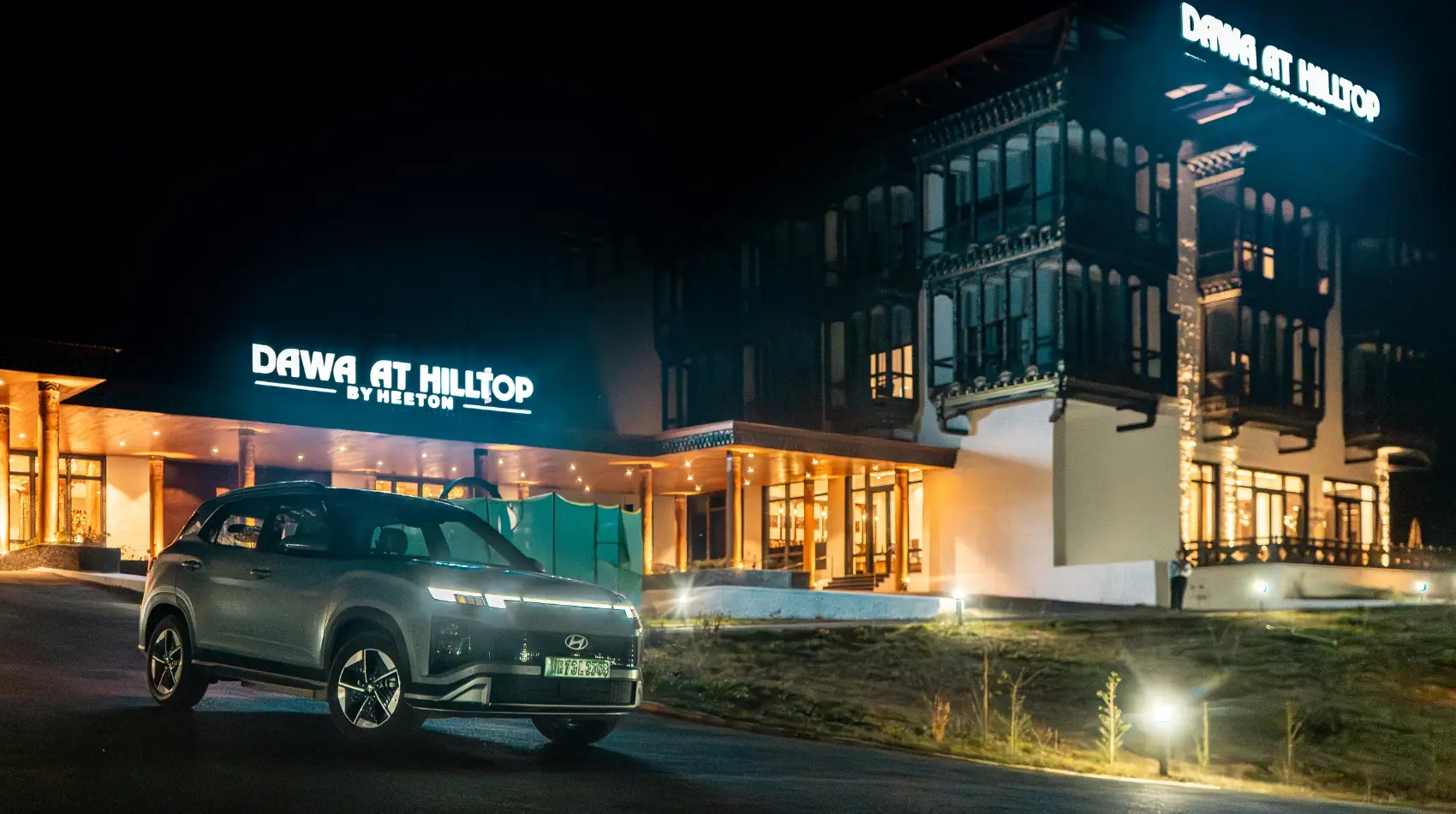
And as the road climbs higher, the temperature drops. Eventually the road opens up and Paro reveals itself, a valley that feels almost designed to slow you down. Traditional wooden houses line the hillsides. Monasteries cling to cliffs. Prayer flags stretch across mountain ridges like colourful threads connecting sky and earth. We check into Dawa at Hilltop by Heeton, perched above the valley with sweeping views of the surrounding peaks.
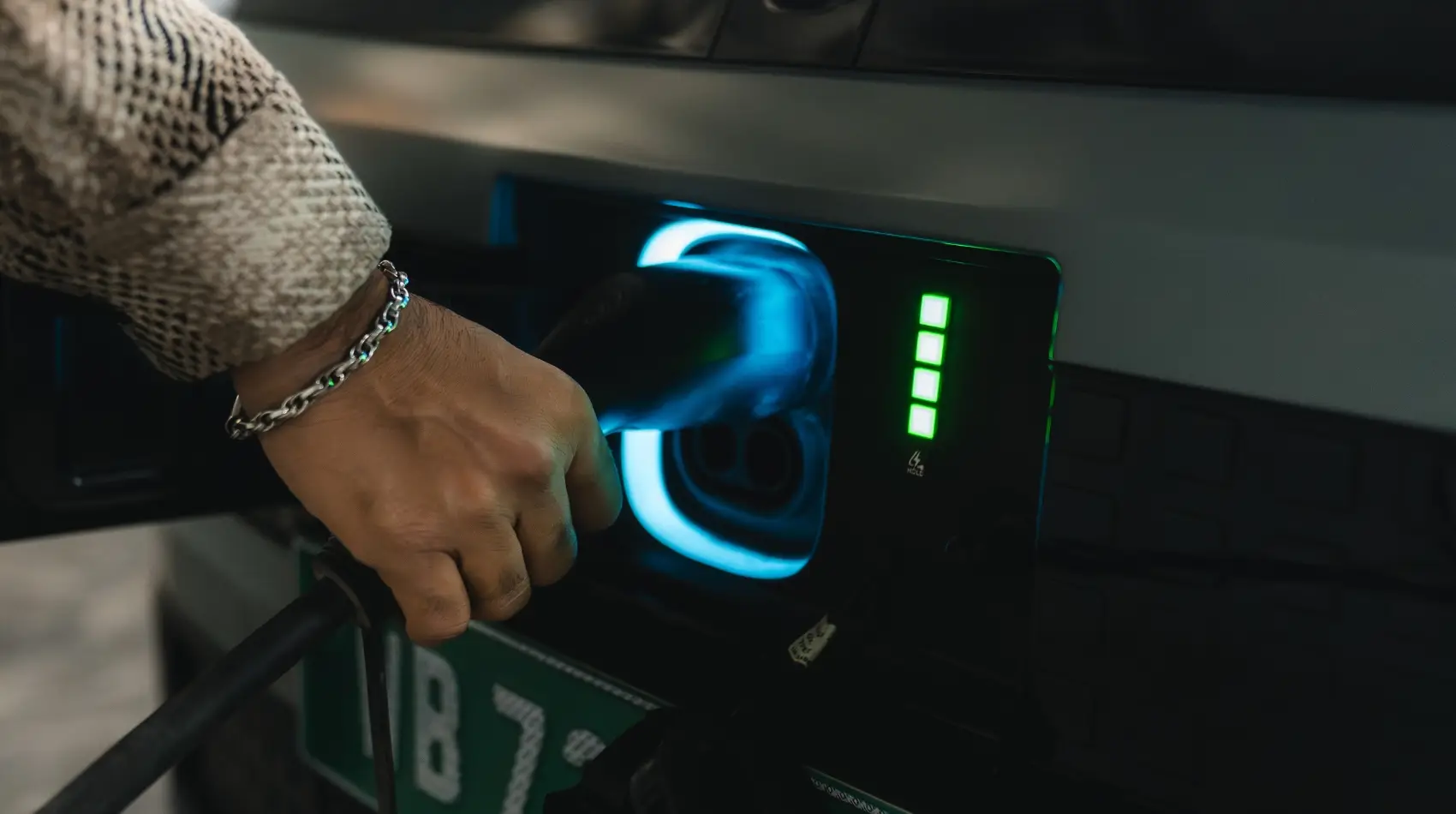
Early March in Paro is crisp. Cold mornings and even colder nights, the kind of weather that makes mountain drives irresistible. The Creta Electric feels completely at home here. The hotel also had its own charger which made life easy. Partly because of the way it drives, but also because it’s built for practical road trips. With 433 litres of boot space, everything fit in easily. Suitcases, camera gear, winter jackets and the usual road trip chaos.
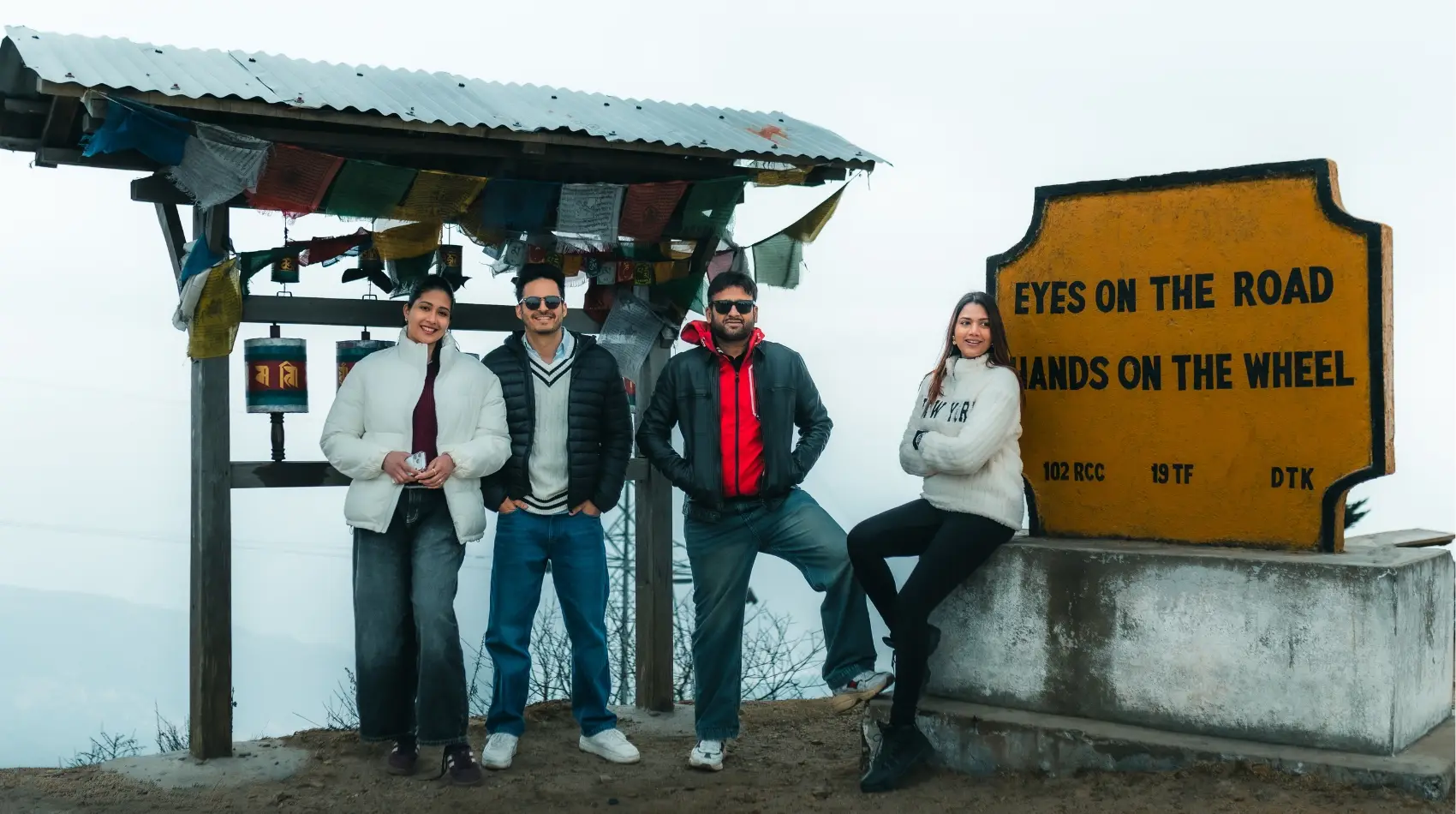
Just when the day feels perfectly calm, I bumped into a few familiar faces in the hotel lobby. Mohit Malhotra, Aishwaria and Saloni Mittal had flown down to explore Bhutan. Clearly the valley is attracting influencers now. Within minutes the plan is obvious. If they’re here, they’re joining the next drive.
The next morning begins with a visit to one of Bhutan’s most iconic landmarks. Rinpung Dzong, a fortress monastery built in 1646, stands above the Paro River with towering whitewashed walls and wooden balconies that have watched centuries pass by. Long before cars and roads. Long before electric SUVs. Arriving here in the Creta Electric feels oddly poetic, almost like lithium meeting legacy. Pictures aside, its structure is a towering 17th century fortress standing tall above the valley.
And then we climb again towards Chele La Pass. About an hour outside Paro lies Chele La Pass, one of Bhutan’s highest motorable roads at 3,988 metres above sea level. The road twists upward through thick forests before the trees slowly disappear. The air grows thinner. Prayer flags multiply along the ridgelines, fluttering wildly in the mountain wind. We also saw snow and felt slightly breathless as the oxygen levels dropped.
At this altitude, even petrol engines begin to struggle. Electric motors do not. The Creta Electric delivers the same torque regardless of altitude, which makes the climb feel effortless. “This thing pulls like a mountain goat,” Mohit laughs from the passenger seat. Saloni glances at the dashboard. “Except this goat has WiFi and ADAS.” She’s not wrong.
The Creta Electric features Level 2 ADAS, including forward collision warning and blind spot monitoring, along with six airbags, ESC and tyre pressure monitoring to keep the drive safe even on unfamiliar mountain roads. Driving electric in the mountains has another unexpected benefit, regenerative braking. Every downhill stretch feeds energy back into the battery. In simple terms, the mountain helps recharge the car as you descend.
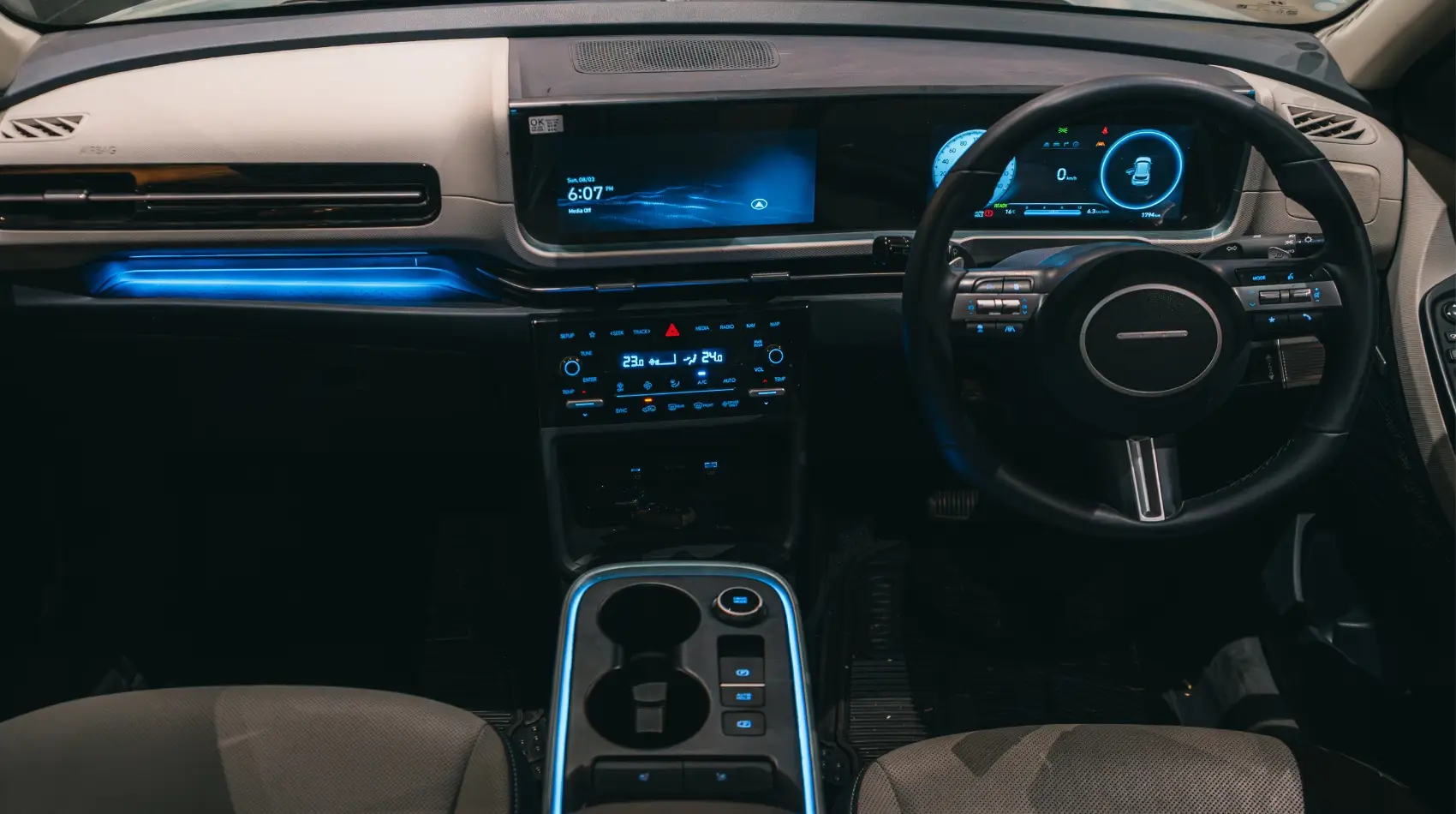
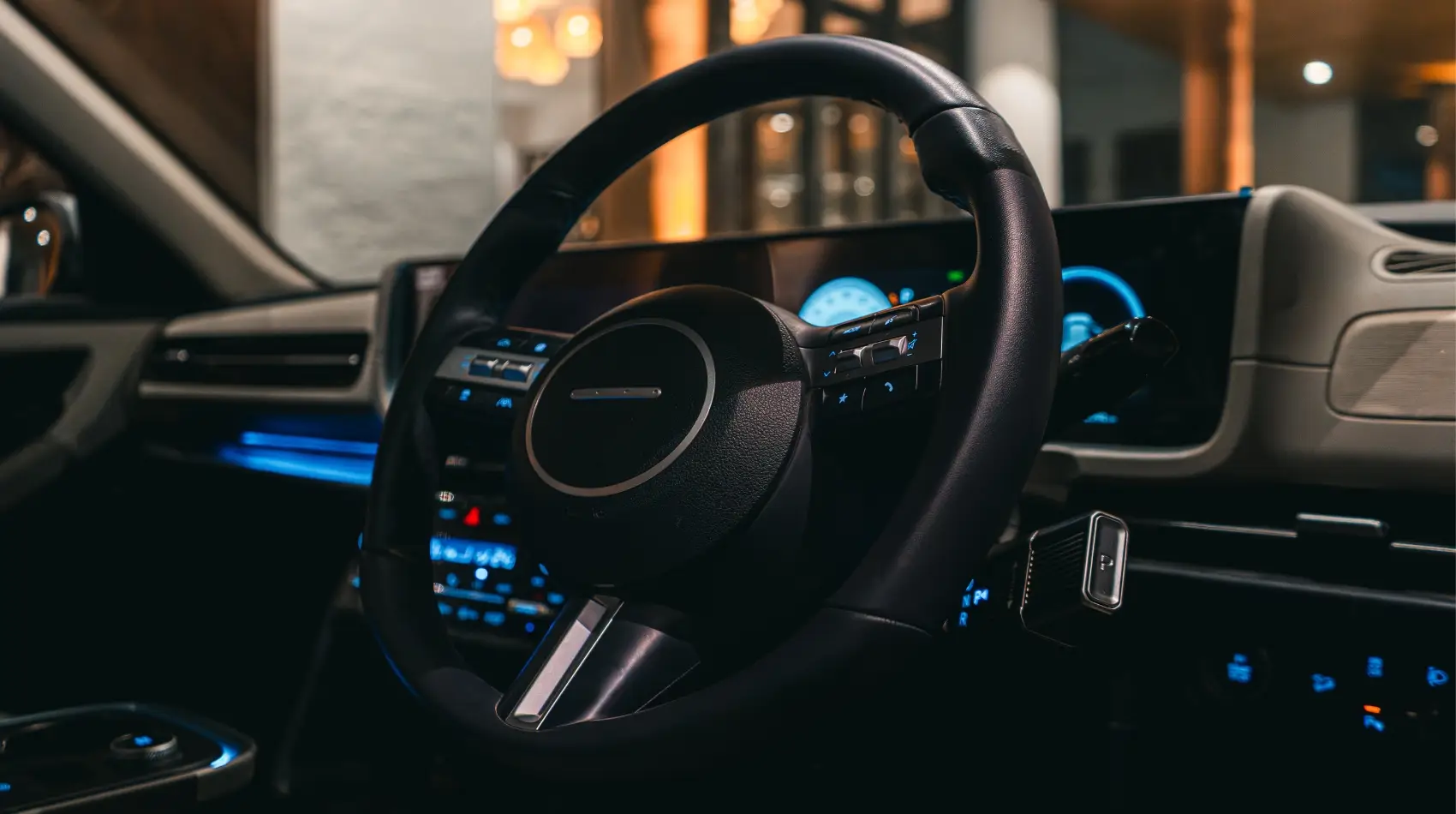
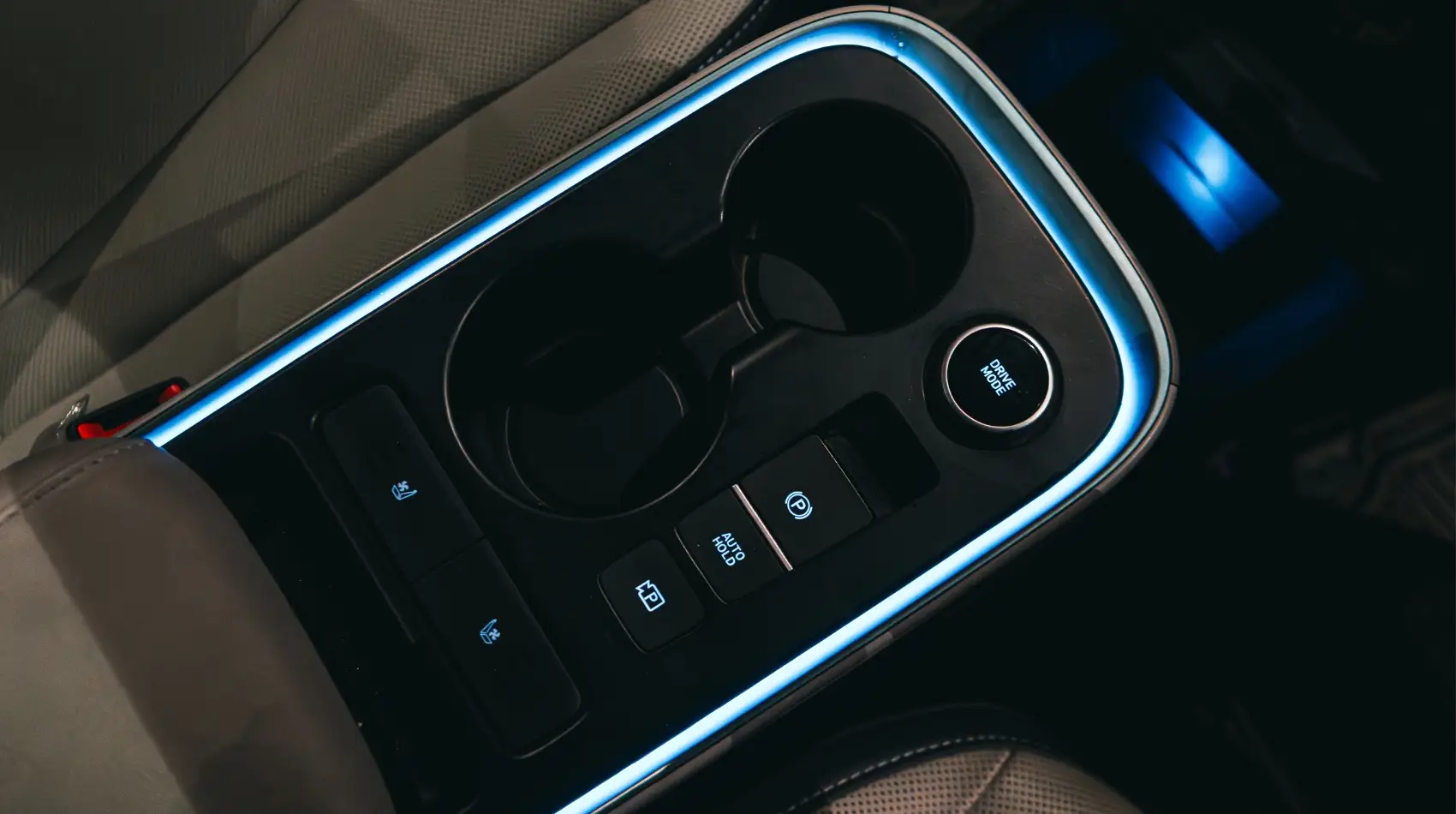
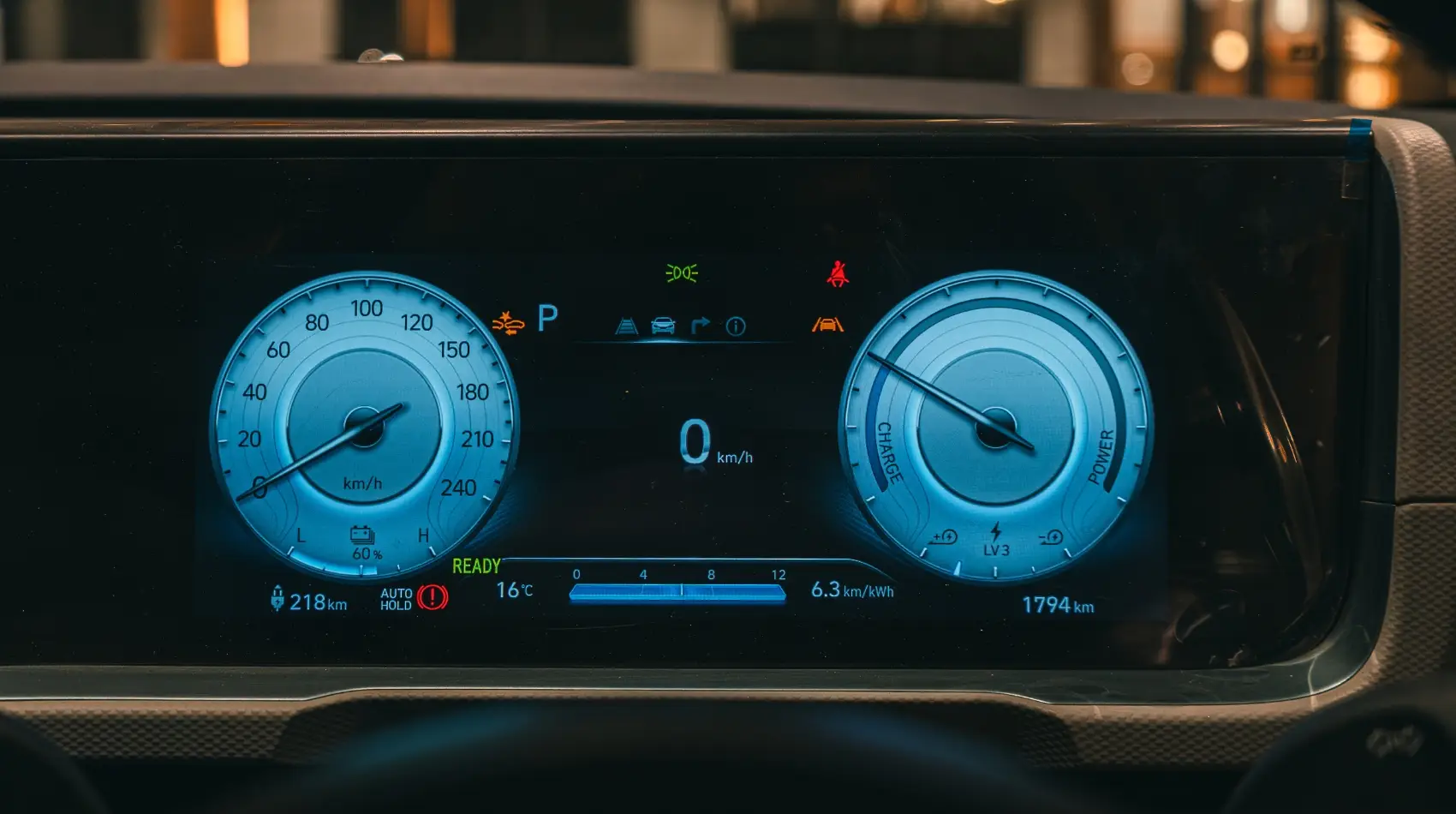
Inside the cabin the Creta Electric feels modern and comfortable, with a digital instrument cluster, ventilated seats and even Vehicle-to-Load capability, which allows the car to power external devices. In fact, on our way back we had an eight hour drive and nearly half of it was downhill, so we did not have to charge even once. Charging your car in Bhutan is currently free, which makes EV travel even easier.
With a 50 kW DC fast charger, the battery can go from 10 to 80 percent in around 58 minutes, perfect for a relaxed lunch stop. Overnight, an 11 kW AC charger can replenish the battery from 10 to 100 percent in under five hours, which makes road trips like this surprisingly easy. Depending on the battery pack, the Creta Electric offers a range of roughly 390 to over 450 kilometres, making cross country drives entirely achievable.
Standing at the summit of Chele La Pass, nearly four thousand metres above sea level, the view stretches endlessly across the Himalayas. Suddenly the choice of car feels perfectly appropriate. Bhutan generates most of its electricity through hydropower, harnessing the energy of rivers that flow through these mountains. Which means driving an electric car here is essentially driving on energy created by nature itself.
A quiet circular system. Rivers power electricity. Electricity powers the car. And the car climbs the mountains that feed those rivers. After a thousand breathtaking pictures and videos, we had Maggi and tea while the Creta Electric stood against that dramatic backdrop looking rather spectacular.
The journey from Phuentsholing to Chele La Pass reveals something simple. Electric mobility does not have to be futuristic or complicated. Sometimes it simply means travelling more quietly. The Hyundai Creta Electric may be packed with technology, but in Bhutan its greatest strength is silence. From warm border towns to high Himalayan passes, it moves through the landscape without disturbing it.
And perhaps that’s the most fitting way to explore a country that measures progress not in GDP, but in Gross National Happiness. Sometimes the best journeys are not the loudest ones , they are the quietest, and the Hyundai Creta Electric proved to be a rather perfect silent companion.