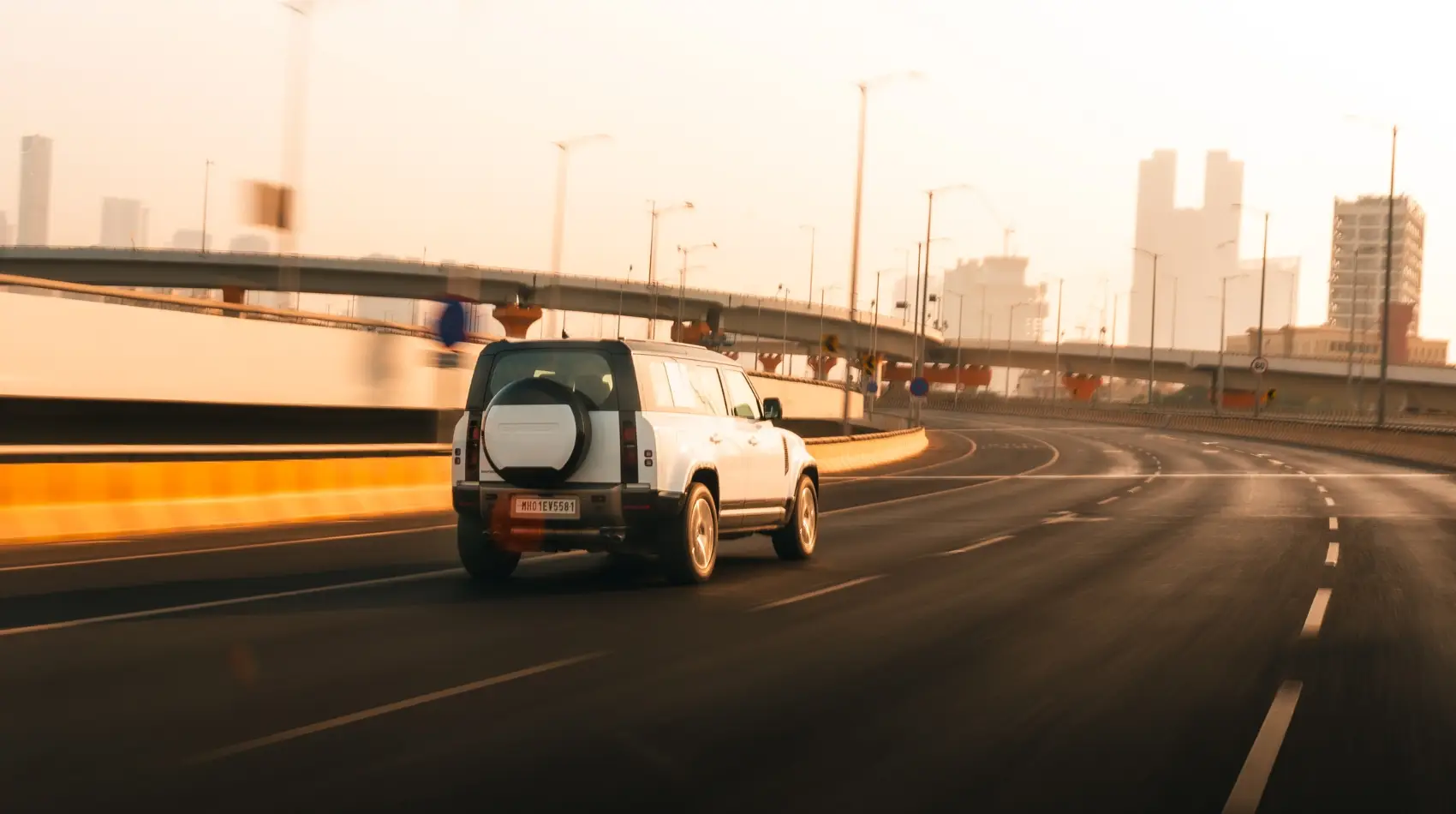
There are cities that grow. And then there is Mumbai, or Bombay whatever your heart feels like calling it, a city that remembers.
It remembers in fragments. In the flaking pastel of an Art Deco balcony. In the stubborn creak of a colonial shutter. In the hiss of a kettle at a street side bakery that has outlived empires, governments, and trends. The city doesn’t move forward in a straight line; it spirals, folding its past into its present like the criss crossing tracks of the Mumbai local train network.
And on a rare, almost suspiciously generous Gudi Padwa morning, the kind where the city pauses just long enough to let you breathe, we decided to trace that memory. Not with a map, not with a checklist, but with something far more instinctive. Food. And a machine that, much like this city, refuses to forget where it came from. The Defender. And with a man who knows Mumbai and Bombay both sides of this glorious city like almost no other the culinary raconteur himself Kunal Vijayakar.
Of Biscuits and Beginnings
We began, as all good Mumbai stories do. Not with a grand statement, but with something quiet. Something crumbly. Something that dissolves faster than your resolve to eat “just one.” Paris Bakery.
There’s a certain honesty to a bakery that doesn’t try too hard. No neon signs, no curated nostalgia, no forced quirkiness. Just glass jars, wooden trays, and decades of muscle memory baked into every batch.
Shockingly, in a lane where in the last 38 years of my existence I have never ever known of any parking space available at first glance, the Defender commandeered one, its heart beating with restrained arrogance, as if aware that this was not its stage. Not yet.
Inside, the symphony began.
Khari biscuits, impossibly light, defiantly flaky, were dunked into cutting chai with the kind of reverence usually reserved for ritual. Ginger biscuits followed, sharp and comforting. Wine biscuits, delicate and crumbly. Batasas that carried with them the unmistakable signature of Parsi kitchens. And then came the mawa cake. And then, the double mawa cake.
Because in this city, moderation is a suggestion, not a rule.
We didn’t just eat. We lingered. We spoke of textures, of memories, of how certain flavours don’t just sit on your tongue, they sit somewhere deeper, somewhere harder to articulate. And Kunal’s presence gave me a never before offered access to the kitchens. And let’s just say, you could eat off the surfaces here.
Outside, the Defender stood like a sentinel. Square jawed, unapologetically upright, a silhouette that could’ve belonged to any decade from the last seventy years. Like the buildings around it, it wore its history not as baggage, but as identity. It knew this was just the beginning, there was more for it to do today, both show some more lowly SUVs, both real and pseudo ones their place and of course keep its food loving ahem ahem passengers tall and comfortable.
But before we moved on, we HAD to do the one thing every Bombayite, every Mumbaikar has done at least once in his life. Khari Biscuit, dunked in a hot fresh cup of tea. Uff, the memories. And I don’t even like tea.
The Democracy of the Vada Pav
The city, however, does not let you stay still for too long. It nudges you forward. Sometimes gently. Sometimes with the chaos of a signal turning green. Our next stop wasn’t planned. It couldn’t be. Because some of the best things in this city aren’t destinations, they’re accidents.
I had a theory. A controversial one, perhaps. Or maybe just inconveniently true. There is no bad vada pav in Mumbai. Not if it’s fresh. Not if the vada is hot, the pav is soft, and the chutneys are honest.
We decided to test it the only way that made sense, by removing every variable of bias. No famous stalls. No recommendations. Just a random street, a random vendor, and a random order placed in the most Bombay way possible. From the car. Because in this city, a car like car isn’t just transport. It can be a statement. And while mostly this city does not care about the whole might is right like some other cities do, for a split second, you do get a glancing look of respect from kaali peeli drivers, from pedestrians, from the junta, till they go back to their own hustle. But today, the Defender had other roles to play too.
It’s dining table, refuge, observation deck, and sometimes, confession booth and Kunal had his own confession to make too.
The vada pav arrived, wrapped in newspaper that had seen better days, held together by instinct and the signature dori or thread. The first bite was immediate validation. Heat. Spice. A whisper of sweetness from the chutney. The soft resistance of fresh bread gives way just enough.
Kunal smiled, but not in agreement. Because he had his own theory. That the true soul of Bombay isn’t the vada pav. That it might, in fact, be bhel puri. Or pani puri. That chaat, with its layered chaos of textures and flavours, represents the city more accurately. He said this because while Vada Pav is a construct of the 1970s, chaat places have existed for over a century more. Especially at the famous Chowpatty. He wasn’t wrong. But neither was I. And perhaps that’s the point. Bombay or Mumbai doesn’t have one truth. It has many. All coexisting. All equally valid.
Stone, Steel and Rumble
As we moved further south, the city began to change. Not dramatically. Not suddenly. But perceptibly. The buildings grew older, but somehow more confident. Gothic spires pierced the skyline with quiet authority. Art Deco facades curved with elegance that felt almost defiant in a city obsessed with straight lines and faster timelines. Brutalist blocks stood unapologetically heavy, like concrete reminders of a different kind of ambition.
And through all of this, the Defender made perfect sense. Because it, too, is a contradiction that works. A modern machine dressed in memory. Flat surfaces. Upright stance. Exposed intent. It doesn’t chase trends, it acknowledges them, nods politely, and continues being exactly what it has always been.
Much like the city does.
A Pause in Ballard Estate
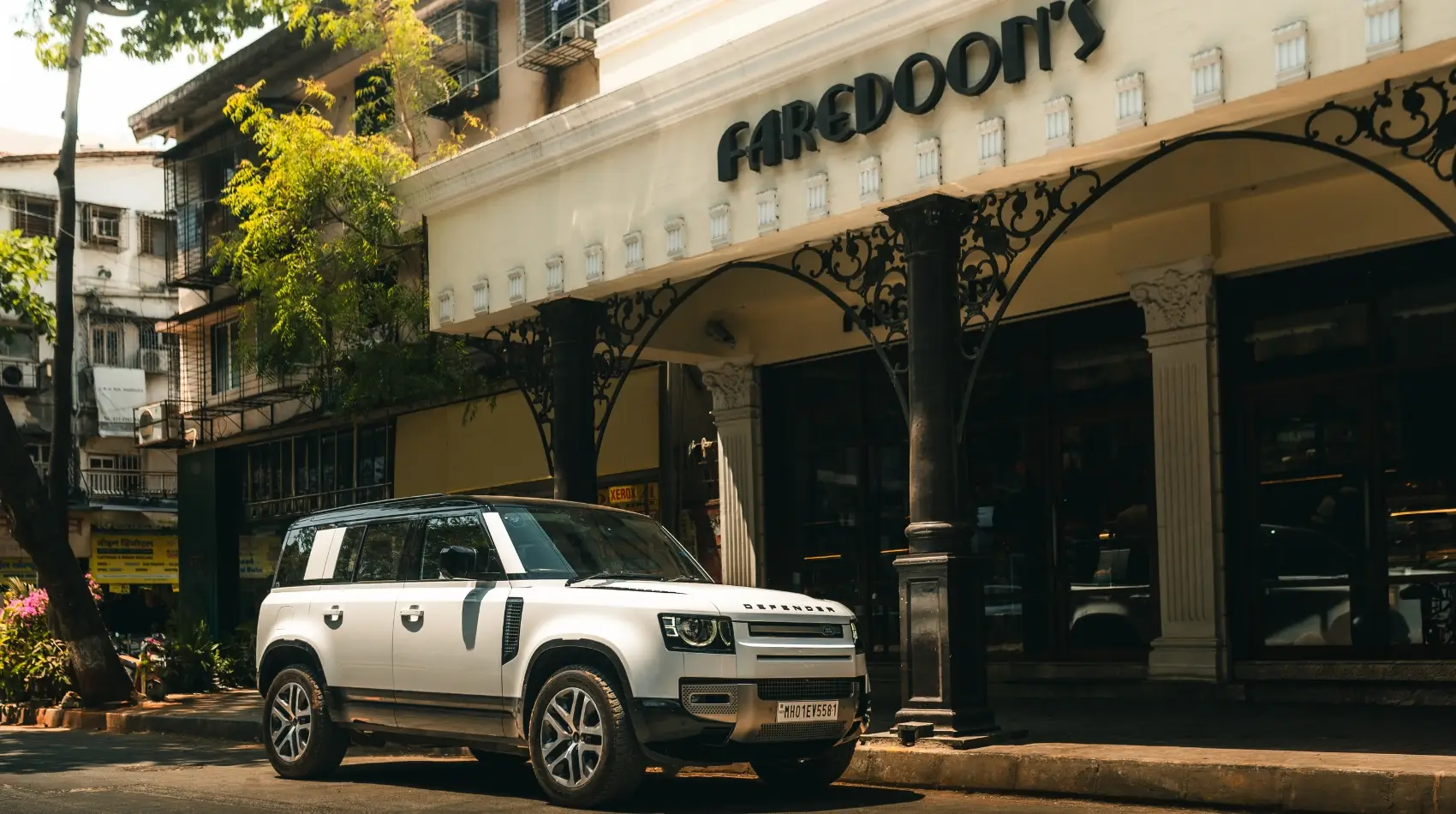
Faredoon’s, yes, with the apostrophe used correctly. If Bombay had a way of bottling its quieter moments, they would taste like raspberry soda from a place like Faredoon’s. Yes, it is a relatively newer place but it screams old school charm without trying too hard, like a certain chain of cafes seems too.
Ballard Estate, with its symmetrical streets and colonial echoes, feels like a part of the city that exists slightly out of time. The arches. The proportions. The way light falls on the buildings as if it knows it needs to behave here.
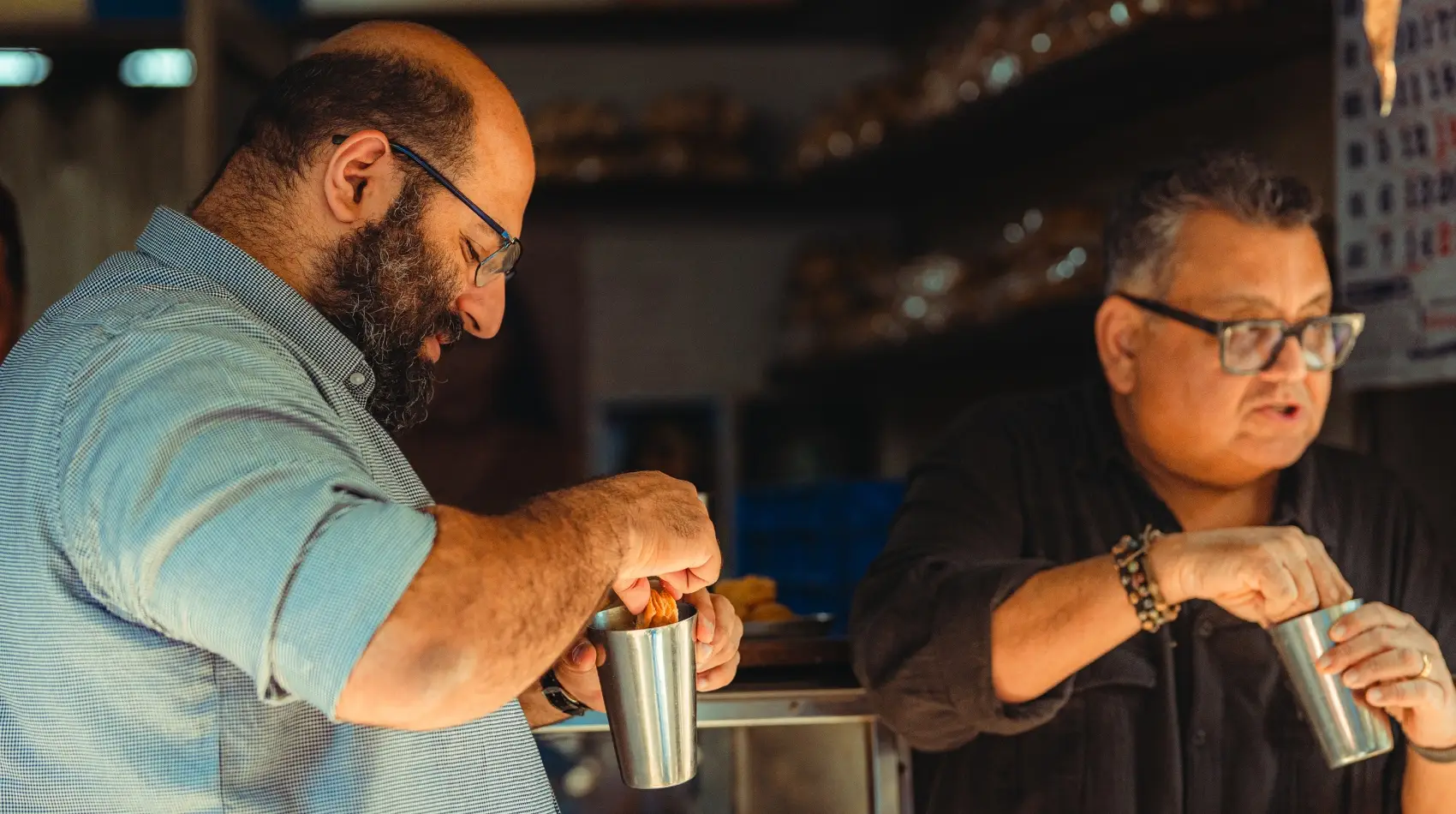
Inside Faridun’s, even the soda machine tells a story. An illustrated skyline. Marine Drive. Rajabai Tower. A visual love letter to a city that refuses to be reduced to a single narrative. After the spice of the vada pav, the raspberry soda wasn’t just refreshing, it was restorative. Sweet, fizzy, almost nostalgic in a way that’s difficult to place.
We spoke of old Bombay sodas. Of Duke’s. Of a time when soft drinks weren’t global brands but local identities. And outside, for perhaps the only time anyone can remember, there was parking. For a Defender. On a weekday. In South Bombay. Gudi Padwa, clearly, is capable of miracles.
This was our first refueling stop as you would call it. And while the Defender sipped it’s 100 octane fuel, only the best for this beast, inside, Kunal and I sipped a bit of a forgotten drink that only a few people hold higher than any other refresher in the world.
Kheema and Continuity
Our fourth stop of the day was shockingly one I had never been to. Never even heard of. And for a food obsessed human like me, this was shocking.
In fact, my friends often say, the only thing I love more than cars, is food. They are wrong, of course and just to make myself VERY clear, one of my absolute favourite cars in recent times, has been a version of the Defender. The almighty Octa. Of how nice it would be to be rich. But for the next place, that isn’t a criteria.
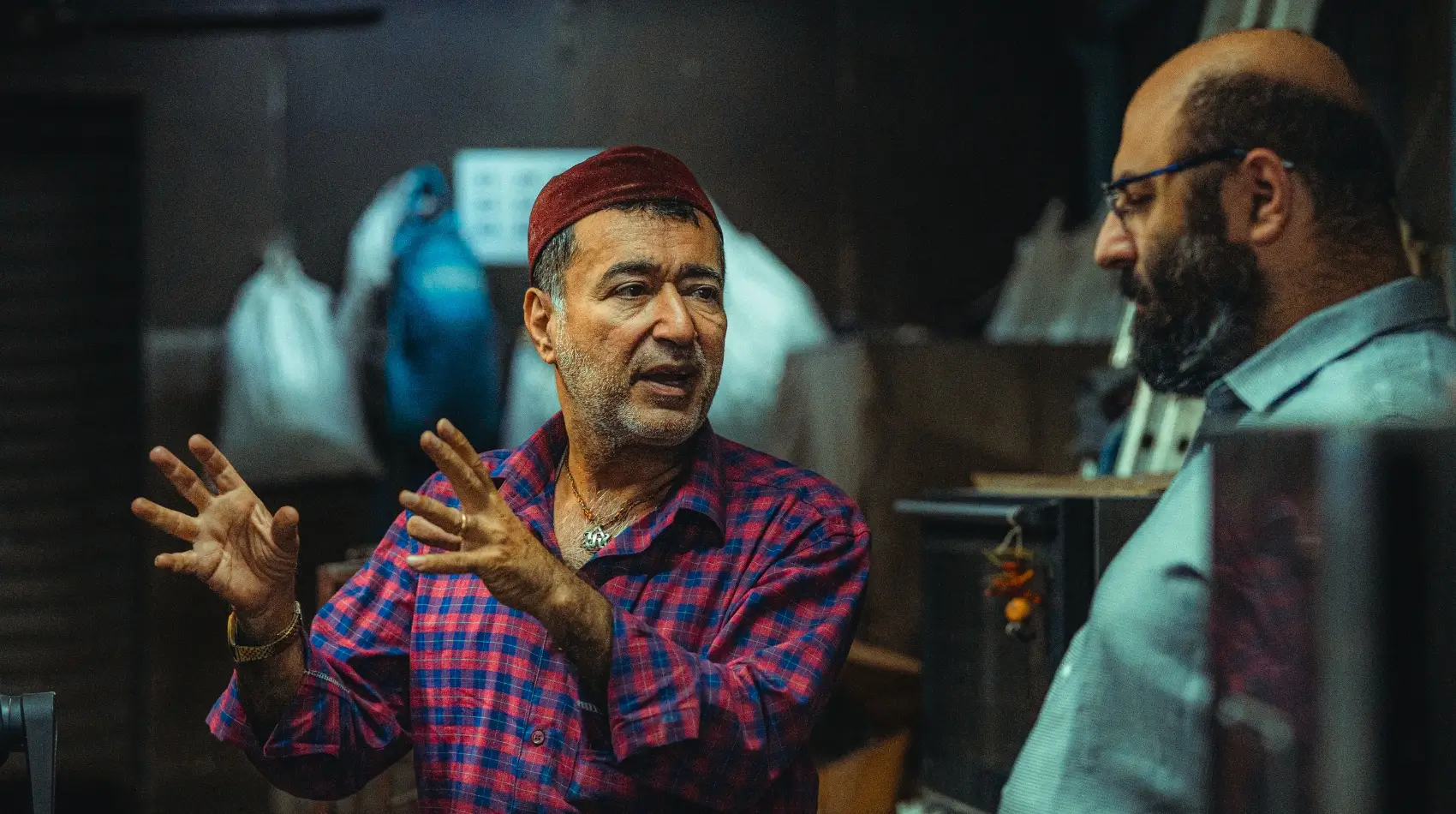
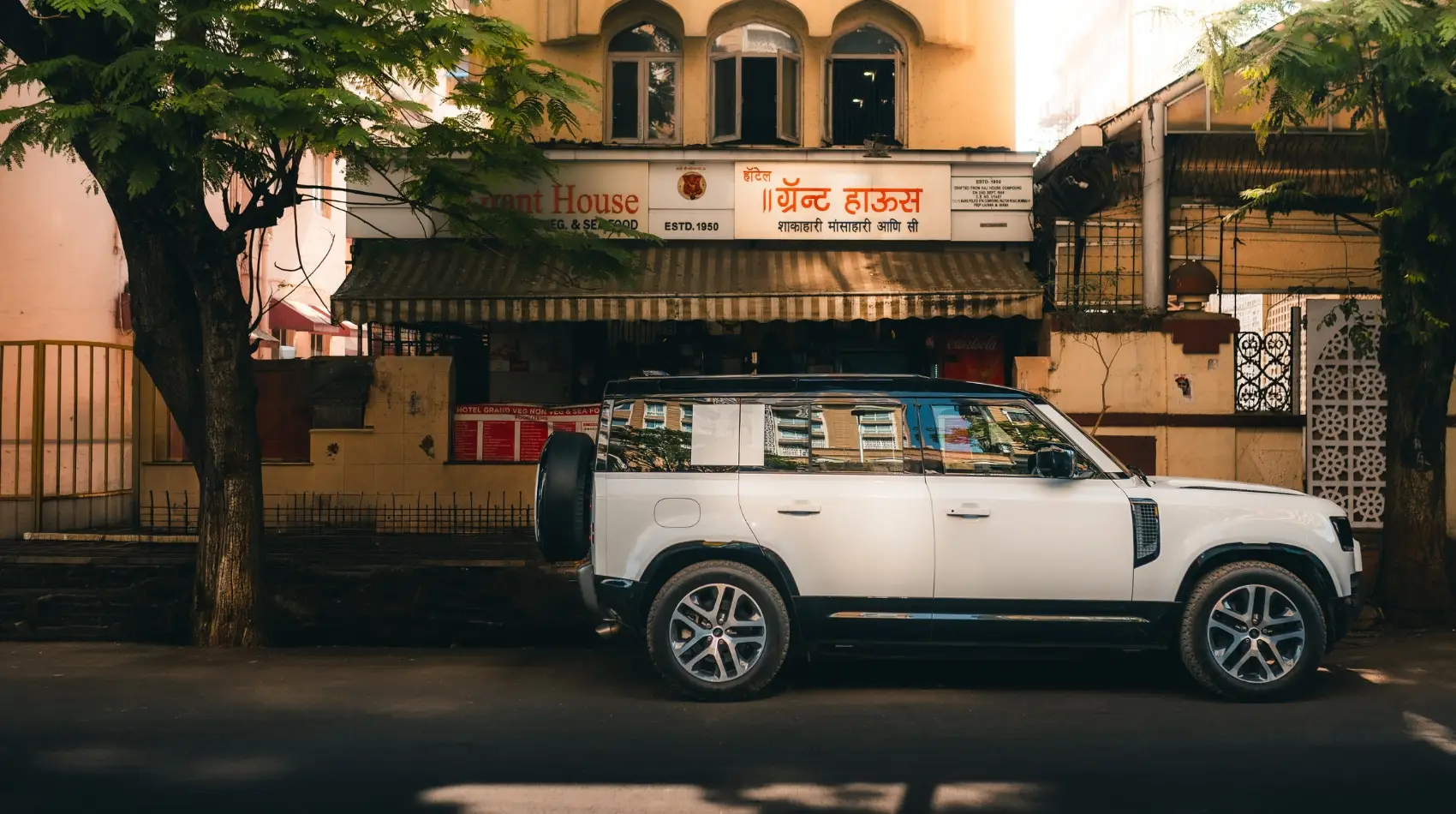
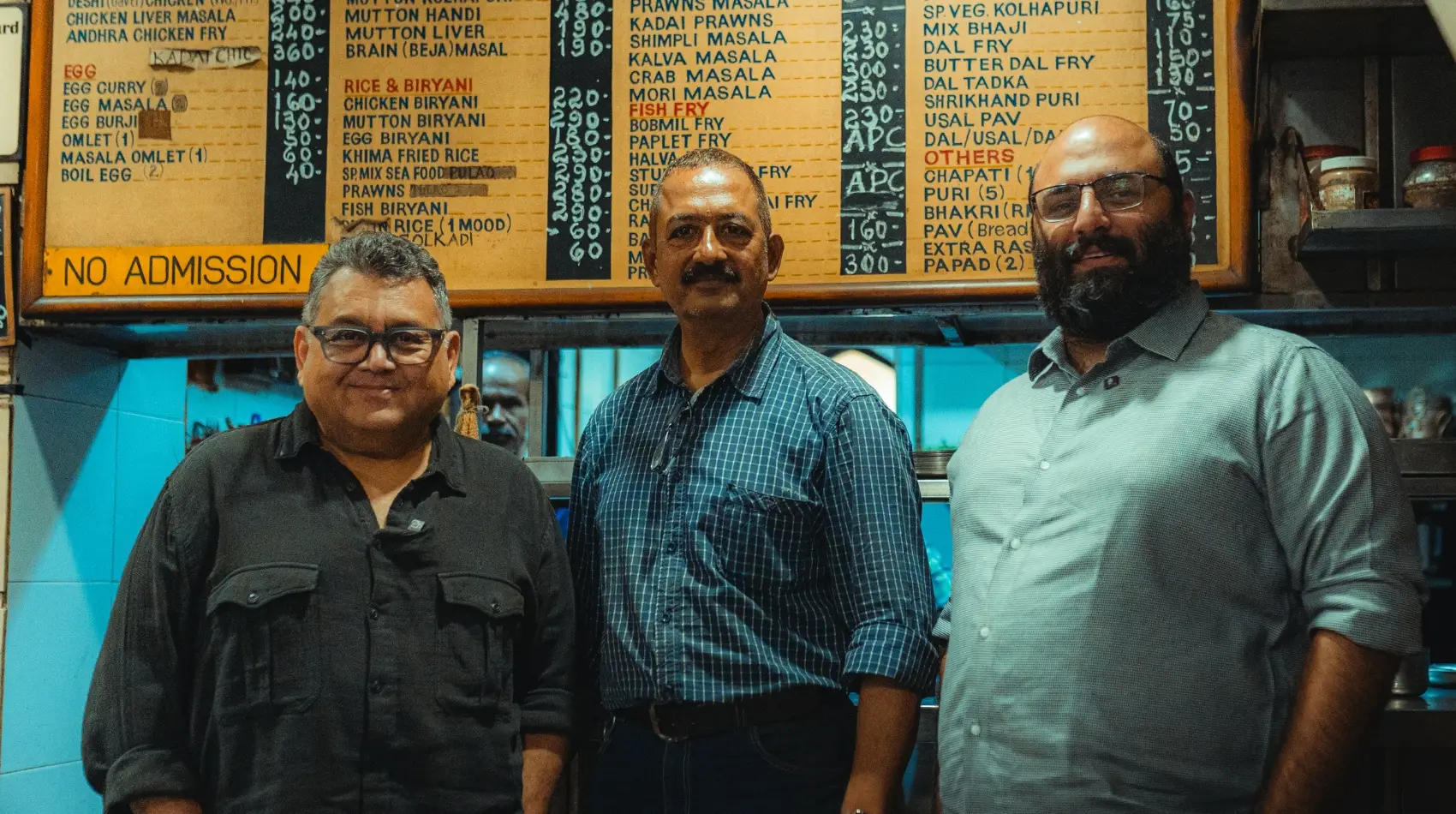
Grant Café doesn’t announce itself. It doesn’t need to. Tucked away near the Hajj House, known to many still as the Police Canteen, it carries the kind of legacy that doesn’t rely on marketing.
Because when something has been done right, consistently, for decades, word travels. Slowly. But surely.
The story begins in 1950. A small space. A police station. A man making chai. And then, kheema pav.
Not just any kheema pav. A version that would quietly become one of the city’s best kept secrets. Cooked first on gas, then left to simmer over charcoal. A process that isn’t efficient, isn’t modern, but is undeniably effective.
The result?
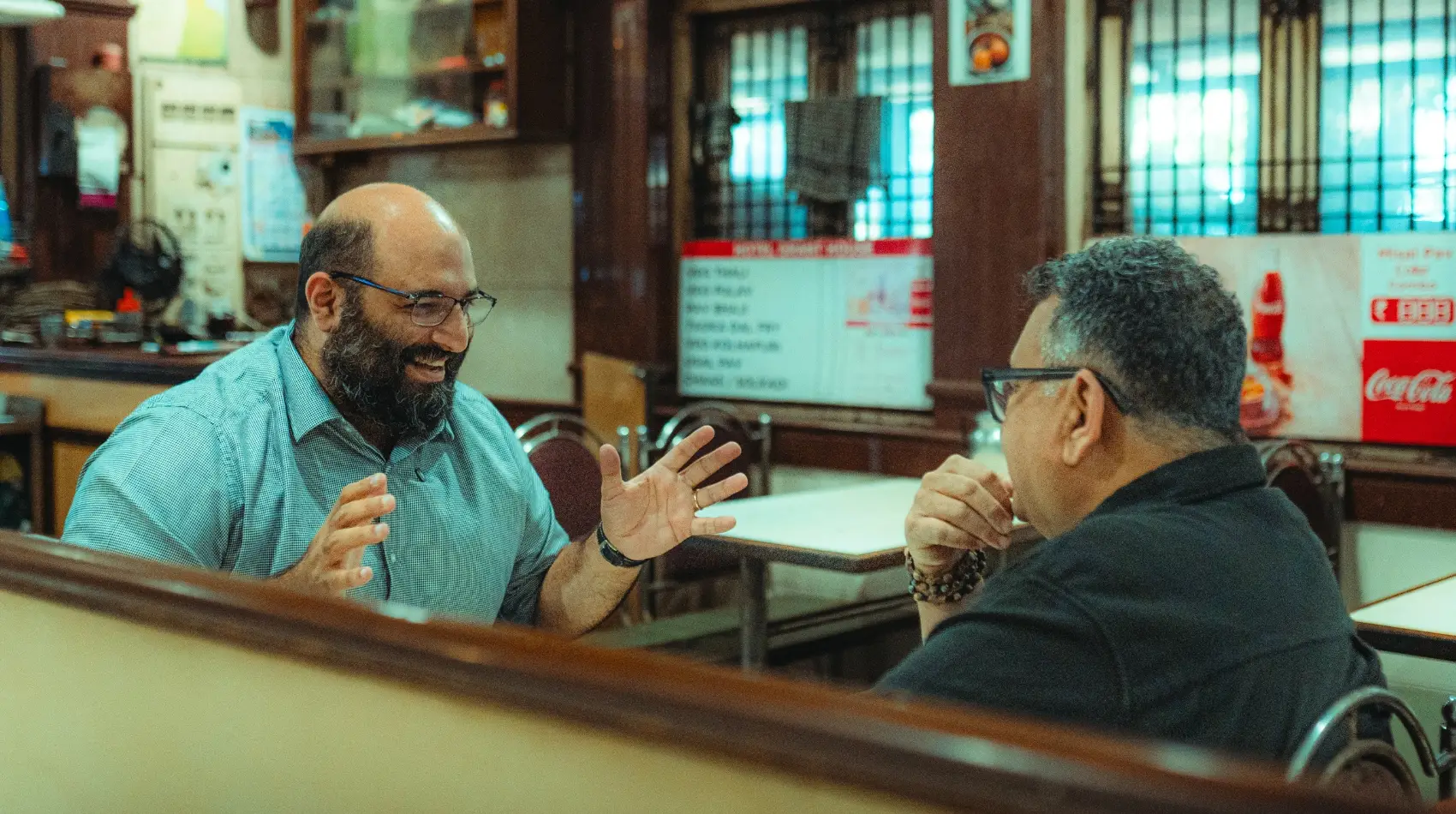
Depth. Warmth. A kind of flavour that doesn’t shout but lingers. The pav, once again, was fresh. Because in Mumbai, fresh pau isn’t a luxury. It’s a baseline. IT IS EXPECTED. Kunal spoke of his days at JJ School of Arts. Of coming here as a student. And as he made me feel very young, this place made both of us feel like children. Because here, one of the secrets was still doing things the old way, a coal fired stove to slow cook the Kheema through the day. That explained it all.
Of how some places don’t just serve food, they serve continuity. Generations pass. Recipes don’t and the Defender, parked outside, felt almost symbolic. Everyone scoffed when the baton was passed from the old defender to the new. Everyone said it had become too soft. Too plain. Too boring. Not man enough. But it has proven everyone wrong. The Defender is one of the best embodiments of culture and history passed from generation to generation and the only story that probably does it better involves a father named Vito and a son named Micheal. A machine that has evolved, yes. But has never abandoned its core.
Man and the Machine
Somewhere between bites and conversations, I asked Kunal about cars. Not because I expected a technical breakdown. But because I was curious. His answer was perfect. He doesn’t care about engines. About horsepower. About torque figures or gear ratios. He cares about how a car feels.
How it looks. How it sits. How it holds you.
And in that moment, the Defender made complete sense to him. Because it isn’t just a car you drive. It’s a car you inhabit. And for two men who are, let’s say, not built like racing drivers, it fit like it was meant to.
“Yeh gaadi hum jaise logon ke liye hi bani hai,” he laughed.
And he wasn’t entirely joking. This is one of the few cars that does not make me feel ….. Big. The only thing he wondered about was, do they make a smaller one that would fit my parking. Maybe soon. Maybe someday.
Ice Cream and Identity
K. Rustom & Company.
If there is one place that perfectly captures the paradox of Bombay, its warmth and its impatience, its hospitality and its boundaries, it is here.
We arrived expecting a crowd, afterall, K. Rustom, which in my long memory has always been a quiet place that my grandmother ALWAYS found a quiet corner in. A place I have some very very strong and conflicting memories of but that is for another conversation. But recently, it is a place that has been found by Instagram. By the online generation and the last time I was there, there was a bloody line. Kunal and I both laughed heartily at this absolute 180 this place has had and while driving up, there was one thing we thought was certain. There will be a line and there will be no parking.
What we found instead, was space. Both outside this historical ice cream store that opened it’s doors in 1953 and more importantly, WE FOUND PARKING. Trust me when I say this, this is rarer than a needle in a haystack.
We also found resistance. “No cameras. Put it away.” The owner’s voice cut through the air with the kind of authority that only comes from years of dealing with people who don’t listen.
And perhaps, for a moment, we were those people. But Bombay has a way of softening edges. A few words in Parsi Gujarati, my native tongue and there was a shift in tone. A recognition of shared roots. The anger didn’t disappear. But it eased. Just enough.
We didn’t shoot up close, only from afar. Boundaries were and will always and SHOULD always be respected. And we didn’t need to. Because some experiences are better remembered than recorded.
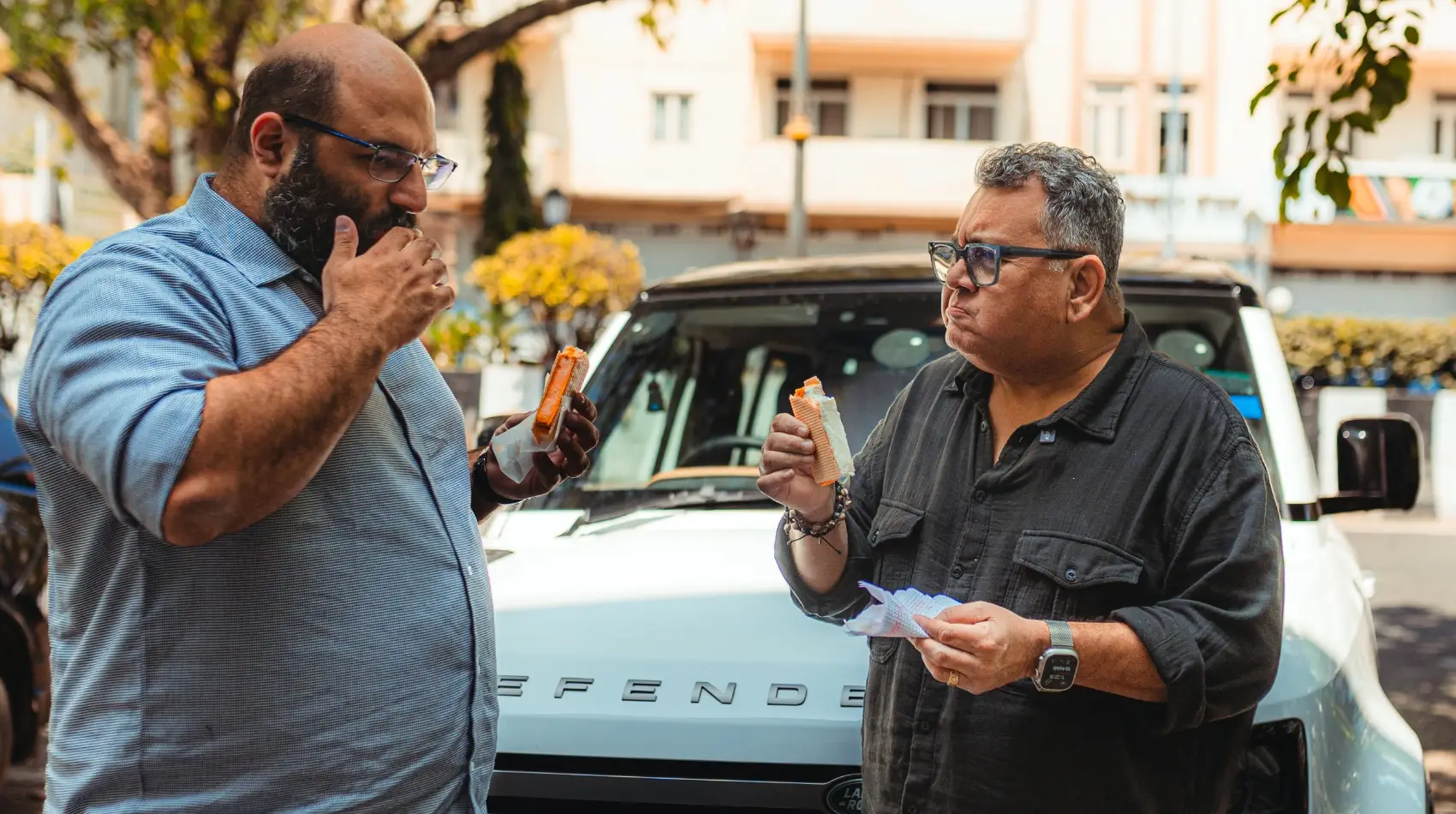
The sandwich ice cream, simple, seasonal, perfect, was everything it needed to be.
Mango season had arrived. And with it, that unmistakable sense of fleeting joy.
We stood by the Defender. Ate. Another thing that the city encourages with legendary midnight food stalls like Ayubs. We spoke. Looked around.
And suddenly there was a crowd and was all about, were they perhaps all here for the ice cream. Or course they were. But they were also here for Kunal, a man that with his warm voice, disarming charm and sheer wit has made a million new fans of food. For the first time then, the Defender was not the star of the show, but it provided a monstrous, foreboding and illustrious background. If this was a supercar, it would have shouted, the Defender stood by graciously instead.
Brabourne Stadium loomed nearby. The Ambassador Hotel stood quietly, its revolving restaurant now still, but its presence undiminished. This was Mumbai or Bombay, however you want to look at it, at its most honest. Unpolished. Unfiltered. Unapologetically itself. And I love it.
City and Car both with Soul
By the time the day began to wind down, it was difficult to pinpoint exactly what we had done. We had eaten, yes. Driven, certainly. But more than anything, we had connected.
With places. With people. With a city that doesn’t ask for your attention but rewards it generously if you choose to give it.
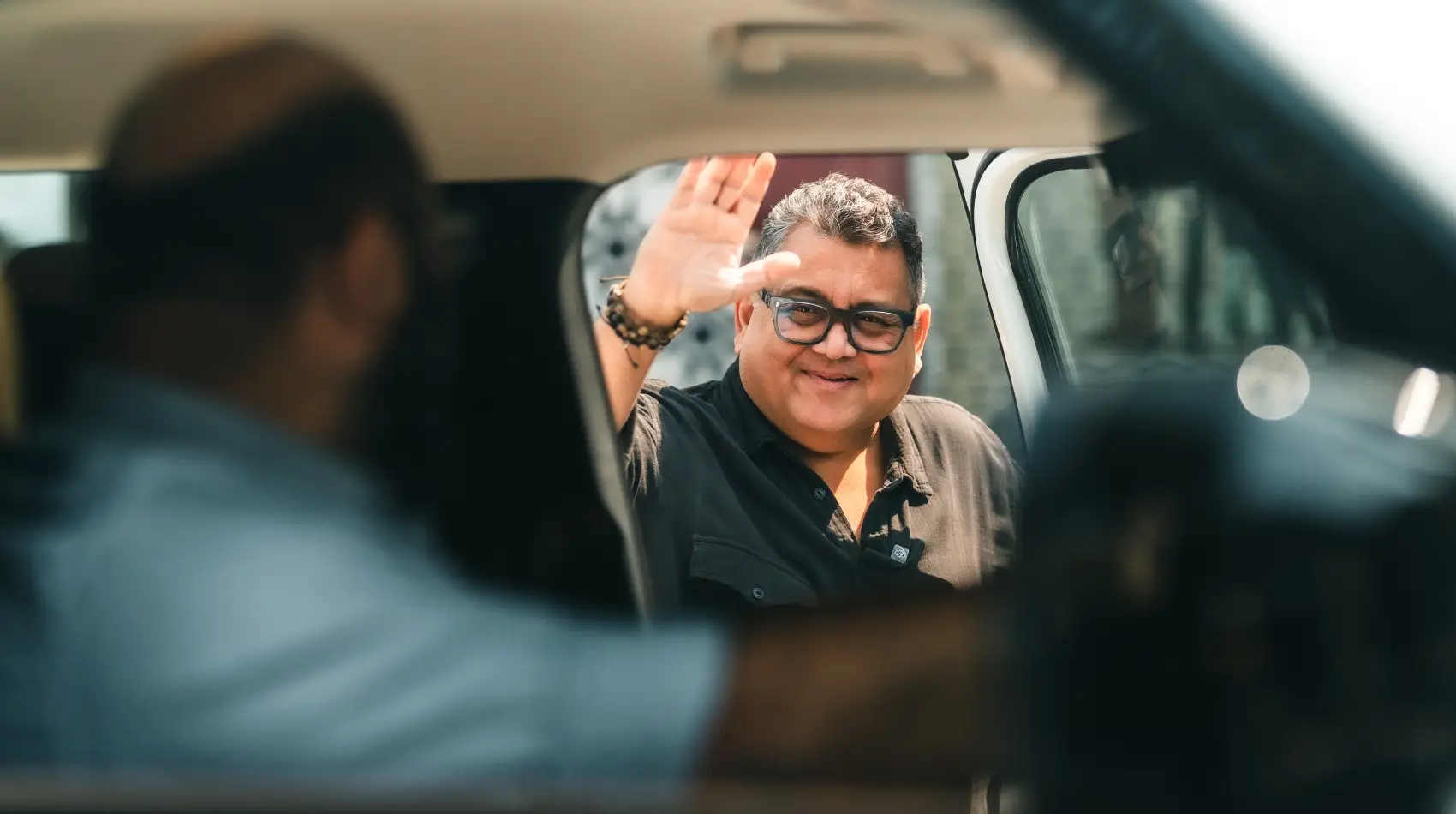
The Defender, had been more than transport. It had been a participant. A bridge between eras. Between conversations. Between moments. Because heritage isn’t just about age. It’s about relevance. About surviving change without losing yourself. The city has done it. The Defender has done it. And somewhere between a khari biscuit and a mango ice cream, so did we.
People will call it Bombay. Others will insist on Mumbai.
It doesn’t matter.
Because regardless of what you call it, the city, much like the Defender, remains exactly what it has always been.
Enduring. Evolving. And impossible not to love. The greatest city of them all.