Where can you drive in India and feel like you are chasing something that will not wait for you, will not slow down and has never once been late? Not a question you would normally ask, especially in a country where traffic, road conditions and sheer unpredictability dictate the pace of any journey. And yet, every single day, there is something that moves across this country with absolute consistency. The Sun rises over the eastern edge of India, travels across the sky and sets into the Arabian Sea on the west coast. It does this without interruption, without deviation, and without the slightest regard for what is happening on the ground below, which is precisely what makes it worth racing.
And to do it, we picked a name India remembers, even if this is an entirely new car. The Sierra, in diesel form, made sense for the distance ahead. Not for nostalgia, but because this was going to be a long day. Across states, across conditions, and we needed something that would simply get on with it.
The original plan was simple enough to feel almost underwhelming. Start at sunrise on the east coast, drive across southern India, and reach the west coast before the same Sun disappears into the sea. A few hundred kilometres, a little over twelve hours in hand and roads that, at least on Google Maps, looked straightforward. Very quickly, it becomes about numbers. Distance, time, average speed. Something you tick off and move on from.
Because that is what most long drives in India eventually become. Except that straightforwardness rarely leads to anything memorable. So we made it harder.
Instead of heading directly west, we decided to first drive to the southern coast. All the way to Kanyakumari, the southernmost tip of mainland India, where the seas meet. Only after that would we head west, cutting across Tamil Nadu and Kerala to reach Varkala on the Arabian Sea. It does not look like much on the map. Just a slight dip before the line straightens out again. In reality, it adds distance, adds time, and more importantly, introduces uncertainty into a plan that already relies on timing.
Because India does not reveal its distances easily, nor does it respect plans. And more often than not, it has a way of rewriting them.
Which means what looks like a comfortable margin on paper can disappear very quickly once the drive begins. From Dhanushkodi, the route takes us back through Rameswaram, onto the mainland, down to Kanyakumari, and then westward across highways, towns, and eventually the slower, denser roads of Kerala. Google Maps suggests ten hours. From sunrise to sunset, we have just over twelve.
That leaves a margin. But not one you would want to waste.
Dhanushkodi is not a place you arrive at unintentionally. It feels remote in a way that is increasingly rare in India. A narrow strip of land stretches out into the sea, held between the Bay of Bengal on one side and the Indian Ocean on the other. The wind is constant, sweeping across the sand and across the road, carrying with it the faint sense that this place exists on borrowed time. The remains of the old town, destroyed by the cyclone of 1964, still stand scattered across the landscape. Broken walls, fragments of buildings, the occasional arch that leads nowhere. It feels less like a destination and more like a boundary. And every morning, this is one of the first places in India to see the Sun.
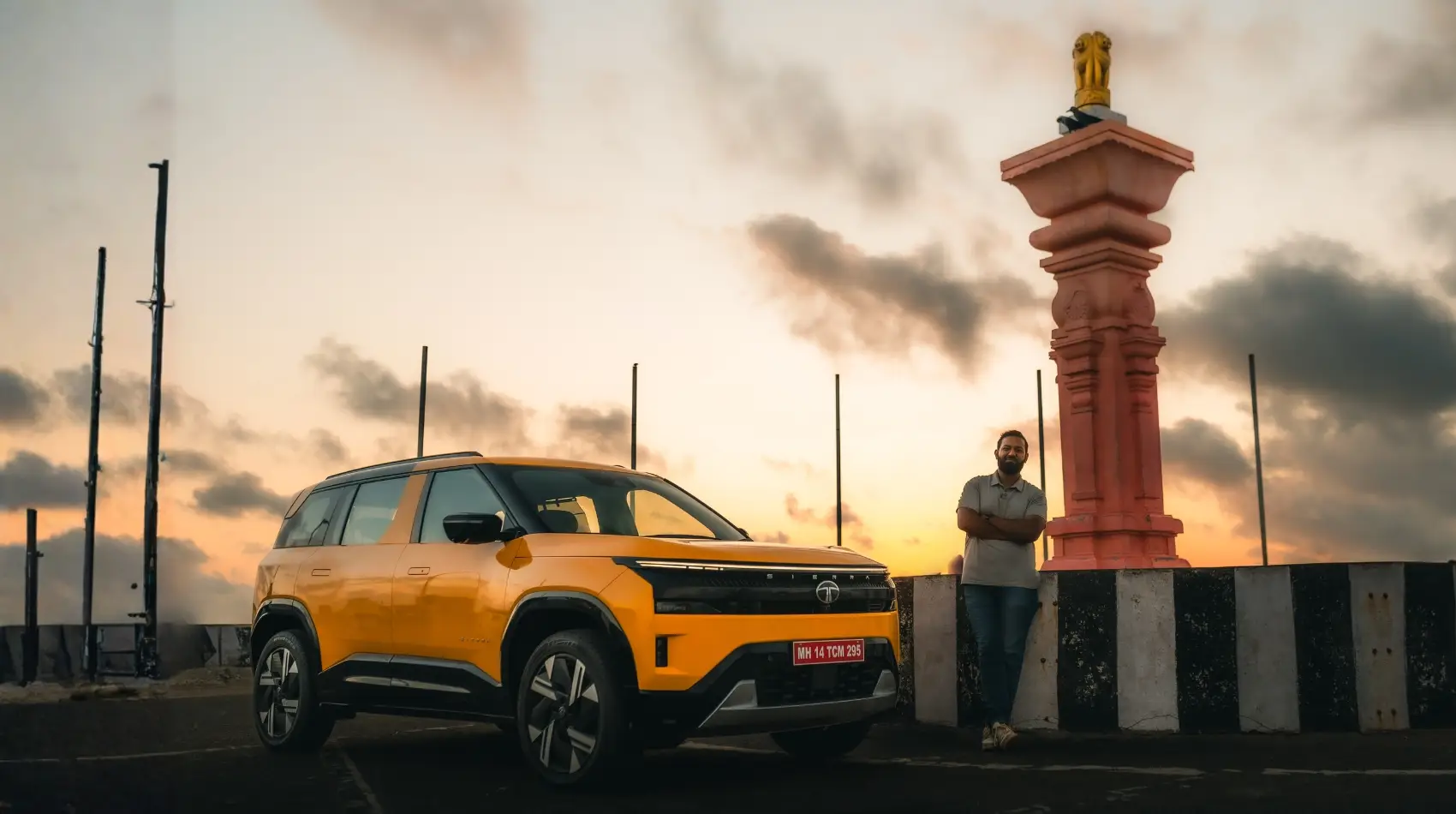
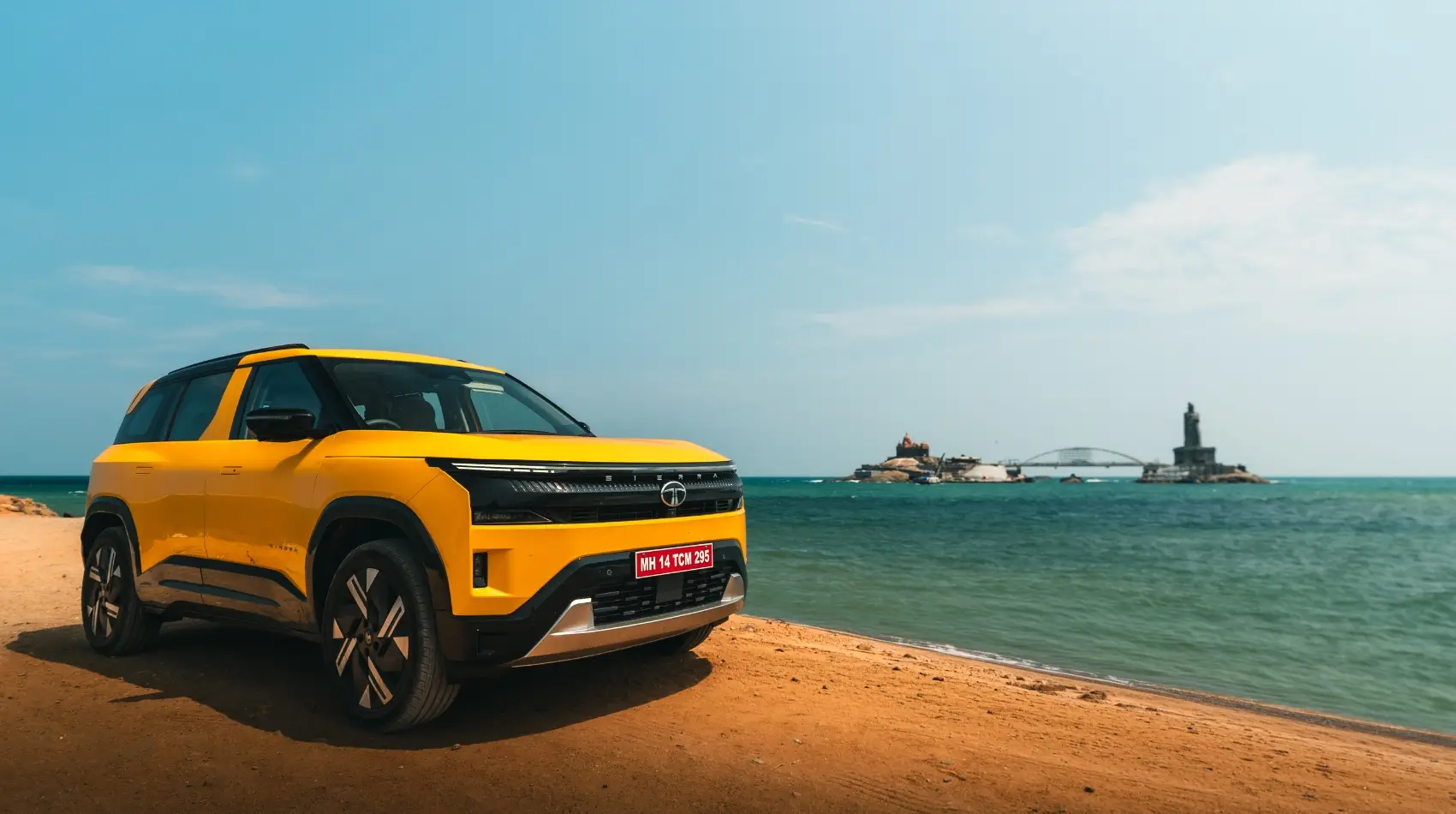
As the light begins to come up, the Sierra stands on the sand-lined road. It is a familiar name, even if the car itself is entirely new. The original was never about volumes; it was about opening up the idea of adventure to a generation that hadn’t really considered it before. That wraparound glasshouse effect is still here, and it still defines the car. Everything else has moved on. The proportions are cleaner, the stance more planted, and it feels current without trying too hard. Even here, it doesn’t go unnoticed.
But that’s not really the point. This isn’t a drive about design. It’s about distance.
The road out of Dhanushkodi is one of the most unusual stretches you will drive anywhere in India. It runs between two bodies of water, sometimes close enough that you feel as though the sea could reclaim it at any moment.
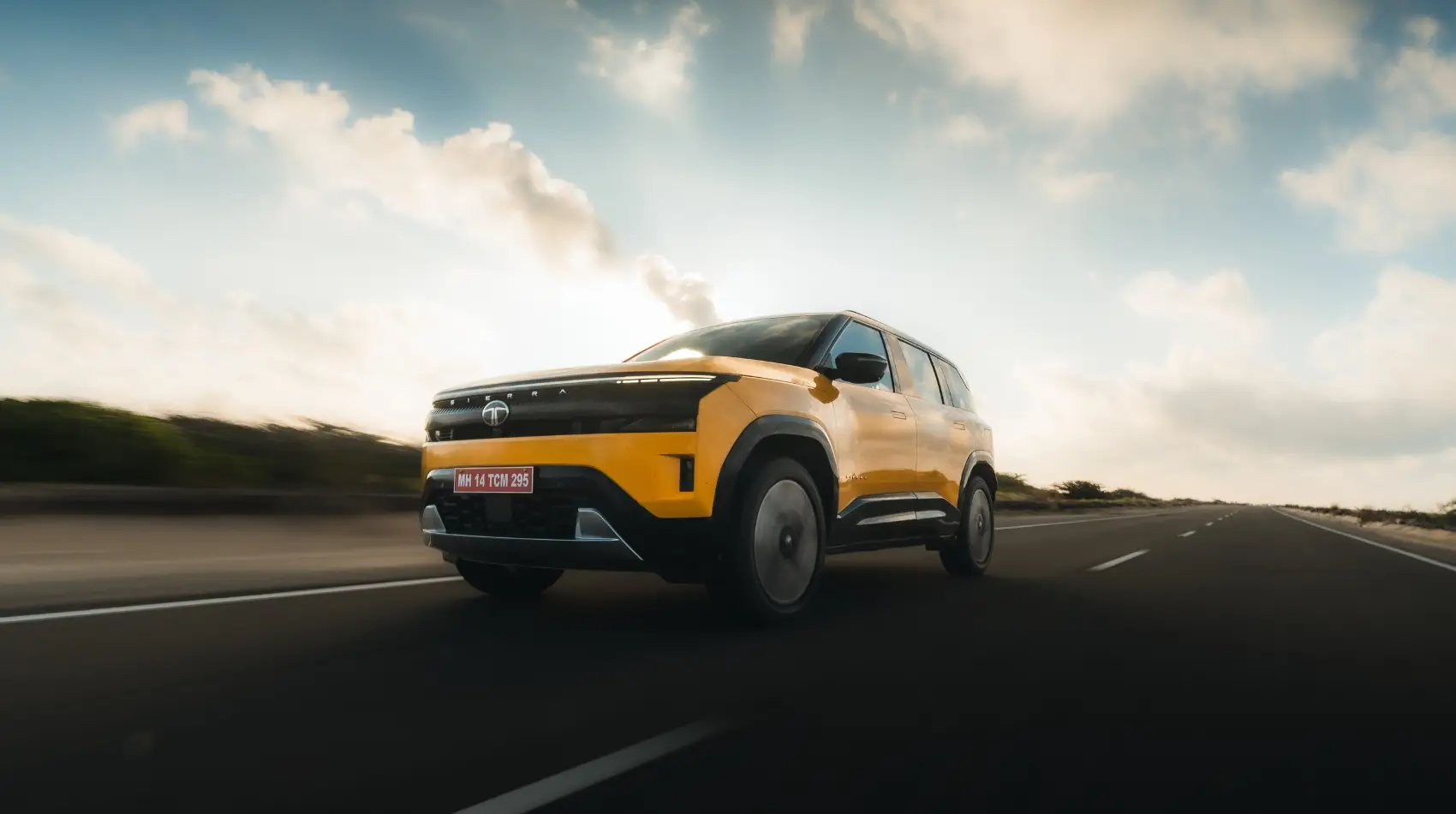
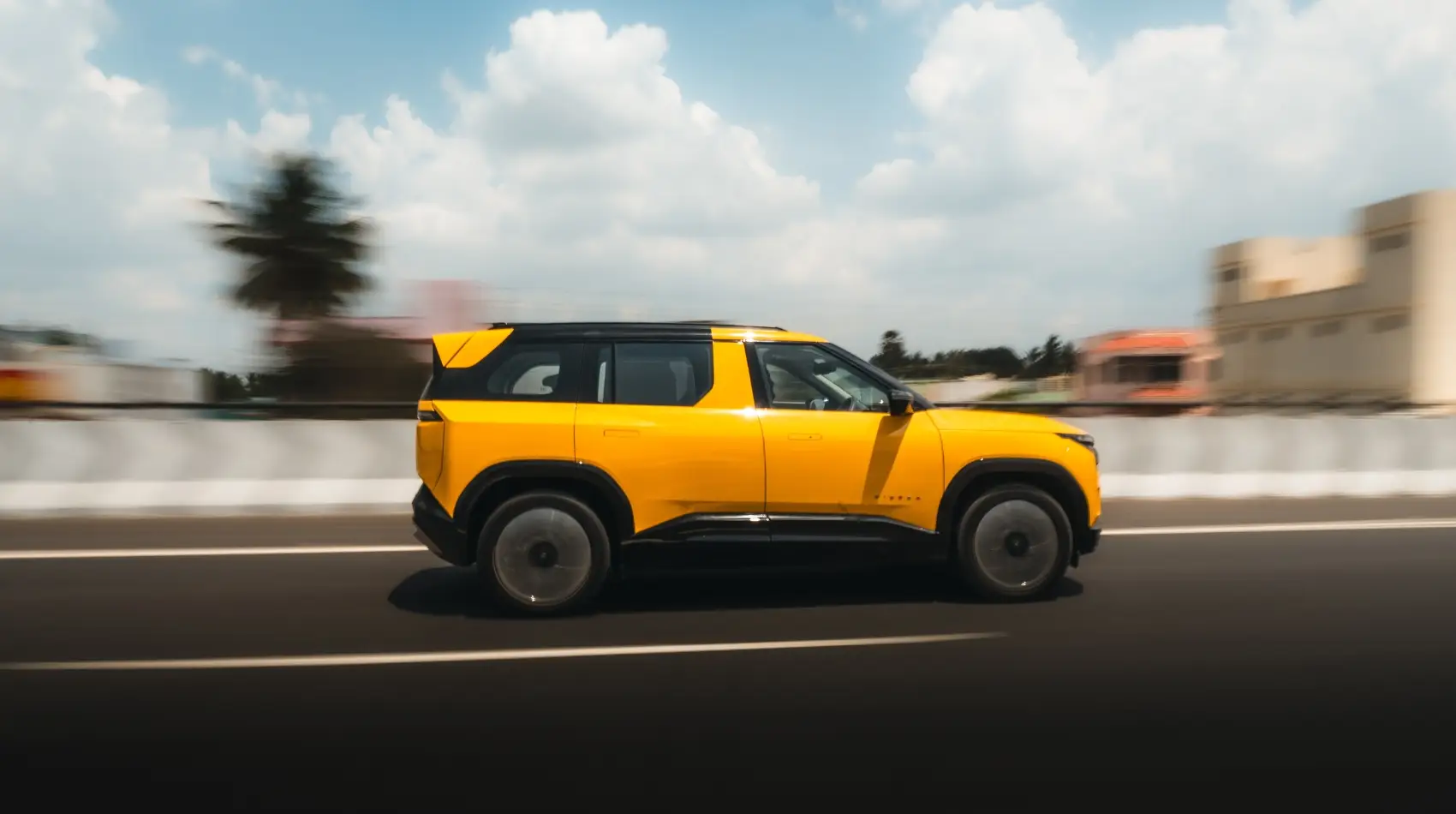
The Sierra does not make a fuss of it. The 1.5-litre diesel mill settles into a smooth, easy rhythm almost immediately. The torque-converter automatic is smooth and unobtrusive, keeping the engine right where it needs to be, so you rarely feel the need to intervene. You just point it down the road and it keeps going. And then there’s the ride. As you’d expect from a Tata, this is where the Sierra really stands out. It feels composed, almost unbothered, even when the road isn’t. Broken patches, uneven surfaces, the odd rough section, just deals with it. There is a hint of firmness at lower speeds, and occasionally a sharper edge will come through, but as speeds build, it settles down and begins to glide. Larger potholes and ruts are absorbed without drama, and even brief detours off the road don’t seem to trouble it much. The 205mm of ground clearance helps, as do the terrain modes that subtly adjust how the car responds underneath you.
What stands out more, though, is how well it disguises its size. Body movements are controlled, there’s enough grip to carry speed through corners, and while the steering is on the lighter side, it is predictable. You’re not thinking about how the car is coping. You’re just getting on with the drive.
And that’s when the distance really starts to disappear.
Once past this stretch, the road reconnects with the mainland and the drive begins to normalise. The sea fades into the background, replaced by open land and the gradual build-up of traffic. The isolation fades. So does the sense of being at the edge of the country.
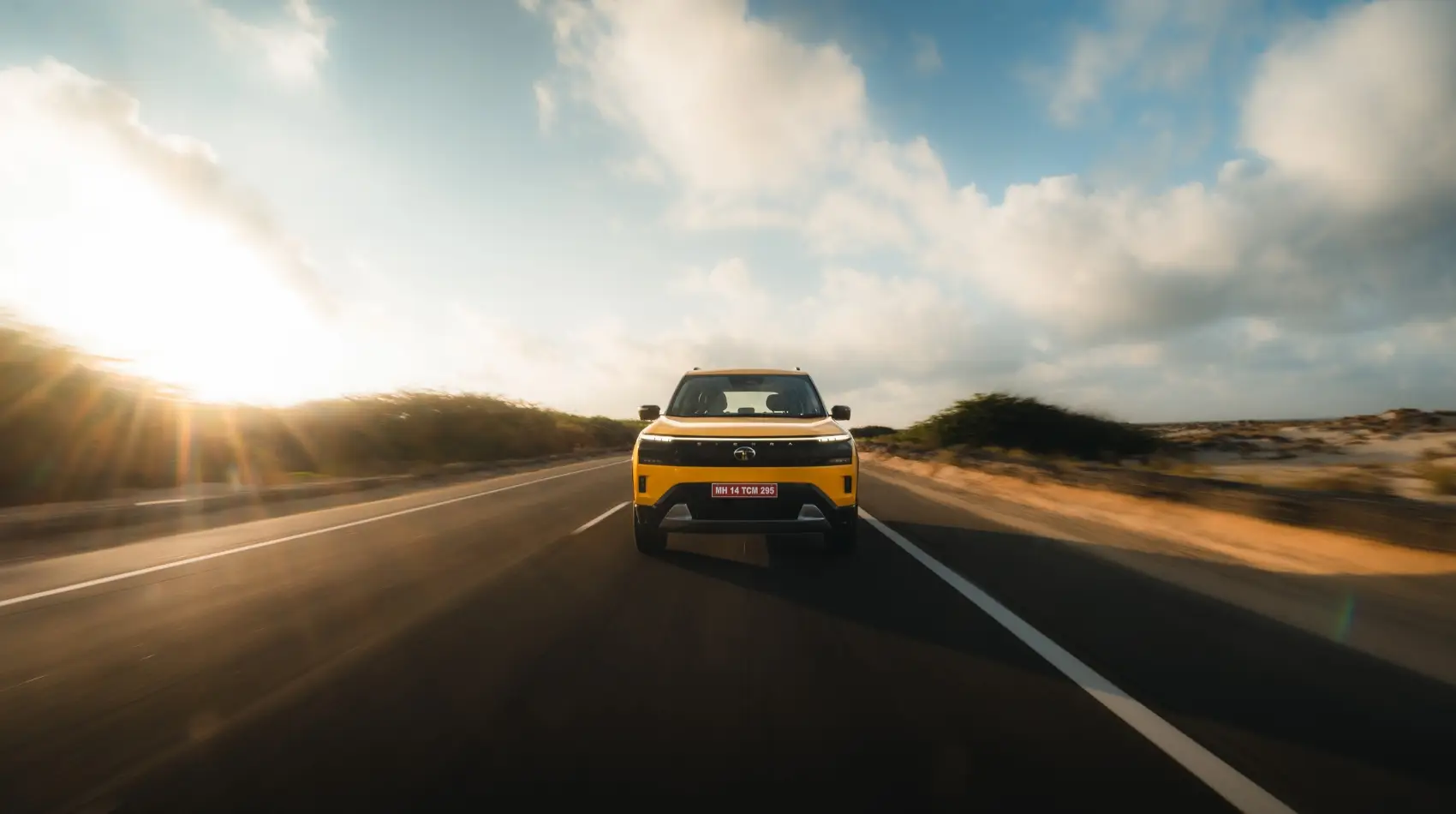
Tamil Nadu, at this hour, offers exactly what you need. Long, open highways, light traffic, and the ability to maintain a steady pace. Here, it’s about consistency, not speed. Because speed is easy, holding it for hours is not.
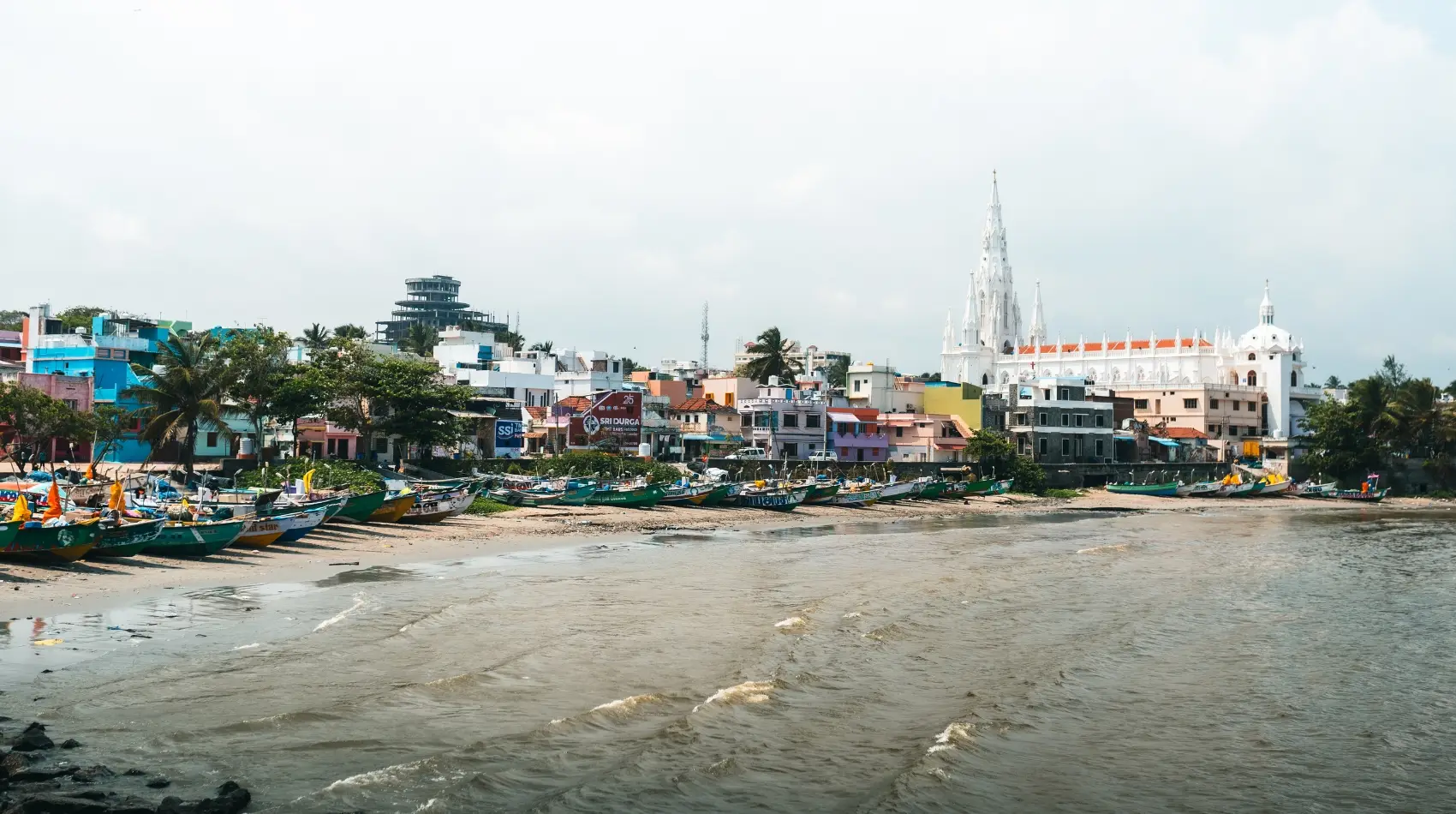
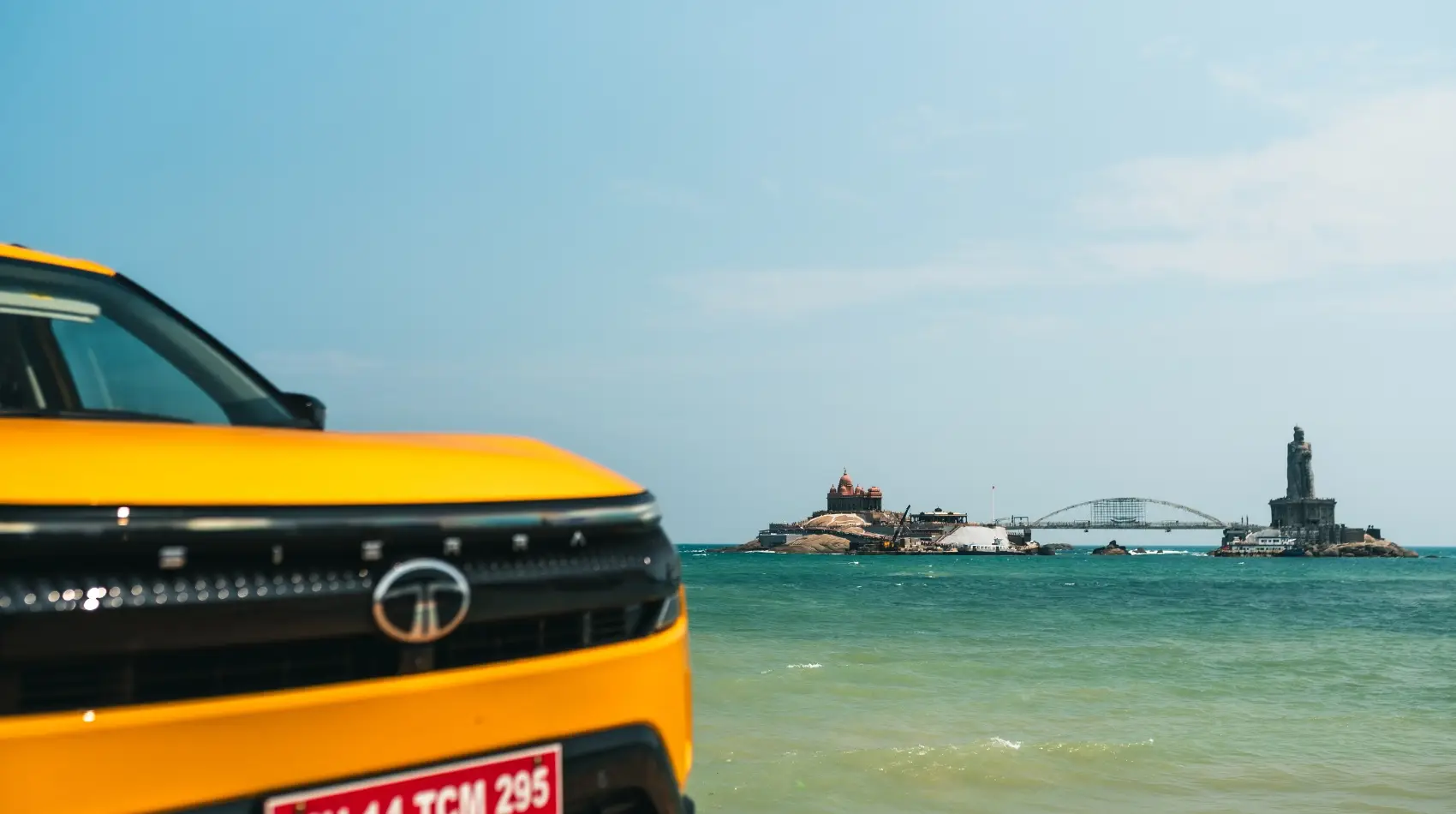
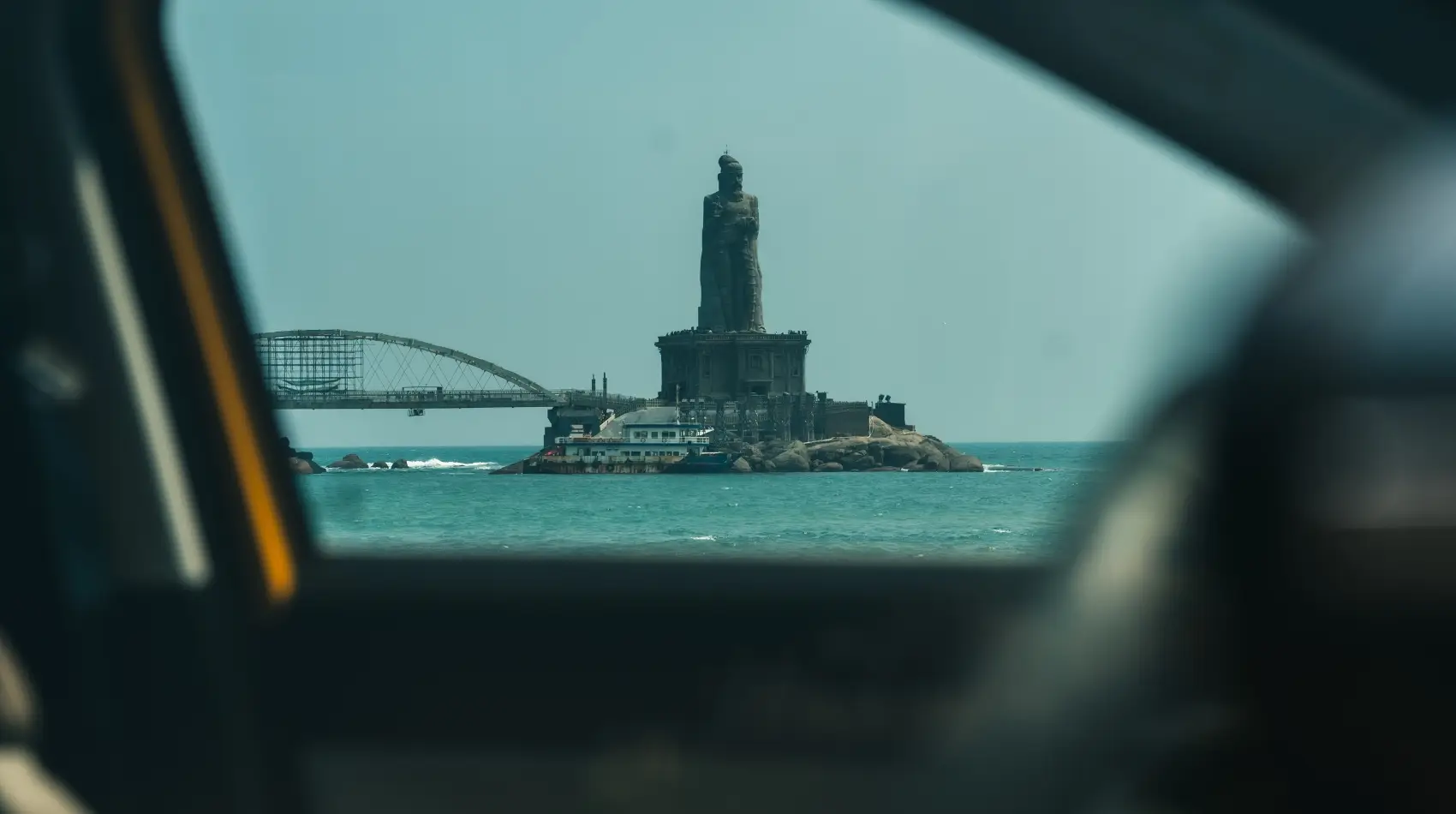
Kanyakumari arrives sooner than expected. The roads narrow, the traffic thickens slightly, and then suddenly, you are there. The southernmost point of mainland India. Three seas meet here, but what stands out more is the sense of activity. There are people everywhere. Vendors, tourists, buses, constant movement.
Most people come here to watch the Sun.
We are here to leave it behind.
There is no time to linger. A quick stop, a look at the horizon, a quick picture, and then it is back into the car. Because while we have been heading south, the Sun has been moving west. And from here on, we are chasing it.
The change in mindset is immediate. The direction shifts, and the drive becomes more focused from behind the wheel. There is still a long way to go, and the margin that seemed reasonable earlier is now thin.
Because now, every delay starts to matter. The Sierra continues without fuss, holding its pace and leaving you to concentrate on the road.
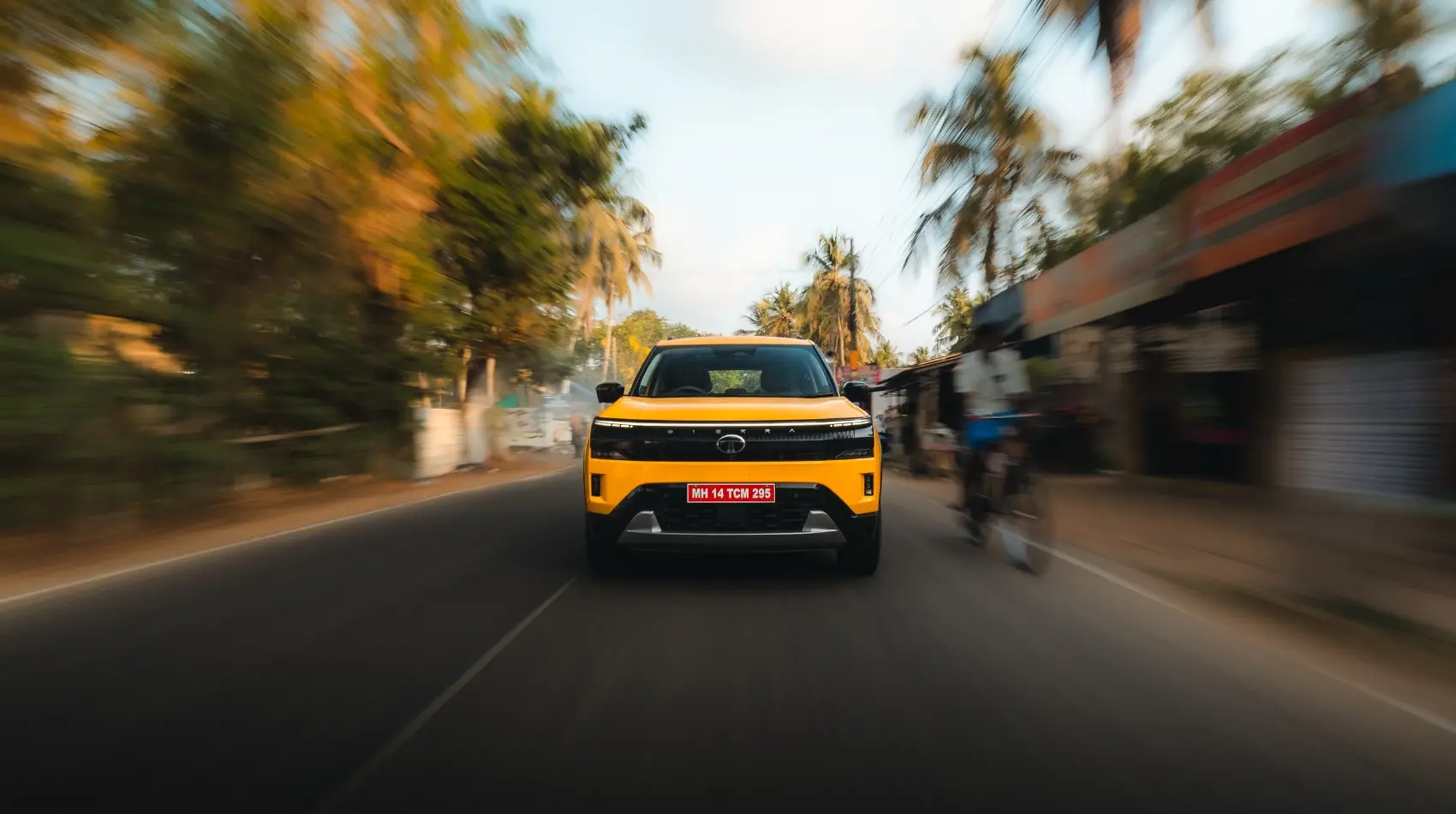
Somewhere along this stretch, the Sierra begins to get noticed. In smaller towns, at junctions, even at fuel stops, people look up as it passes. Some try to place it, others just watch it go by. The design has clearly struck a chord.
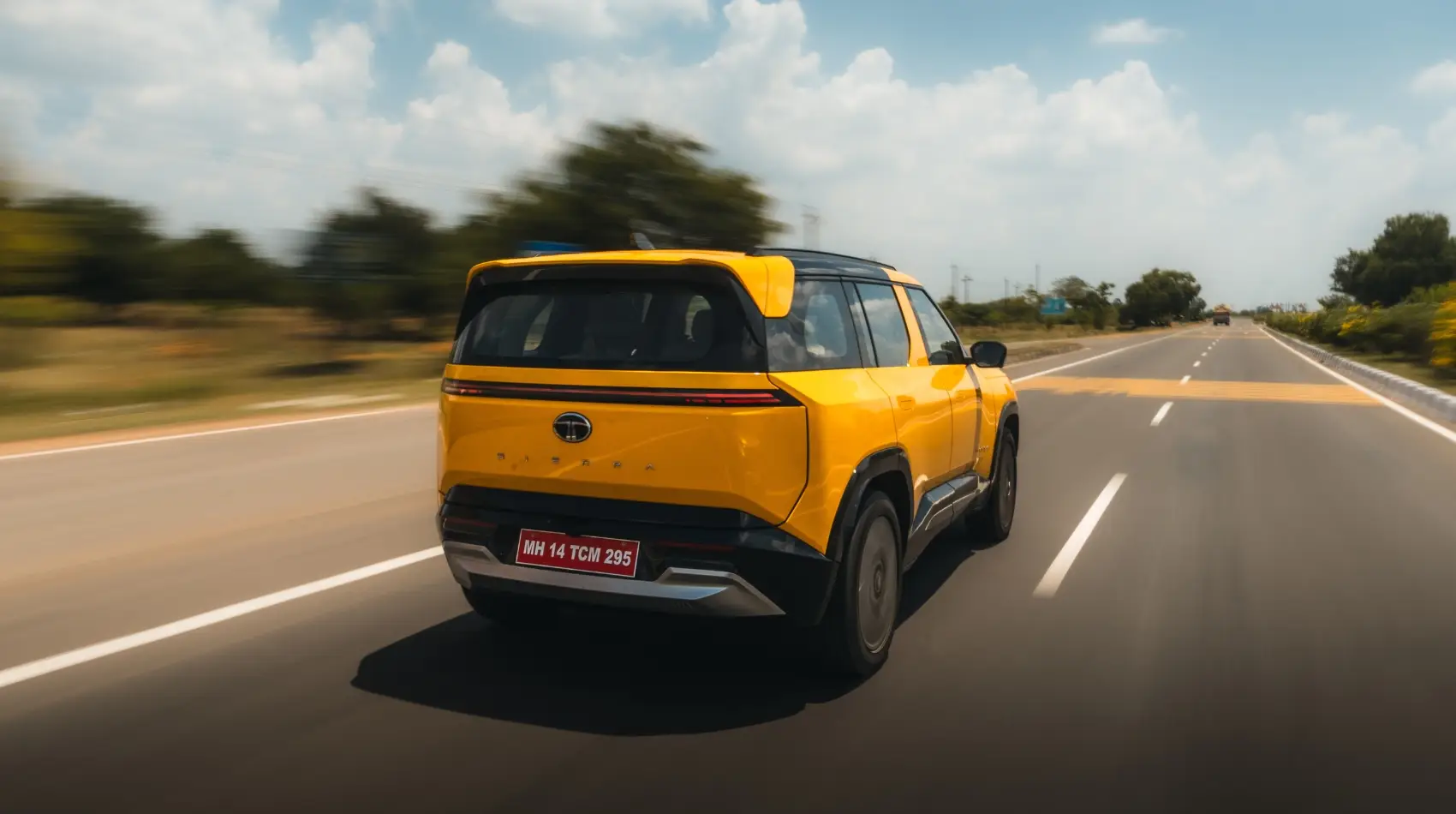
And you can see why. There are clear links to the original if you know where to look. The upright stance, that thick B-pillar, the blacked-out rear glass that hints at the old wraparound effect. But it doesn’t feel retro. The lines are cleaner, the surfaces more resolved and the details more modern. Slim LED lightbars, flush door handles, sharp headlamps, all of it comes together without trying too hard.
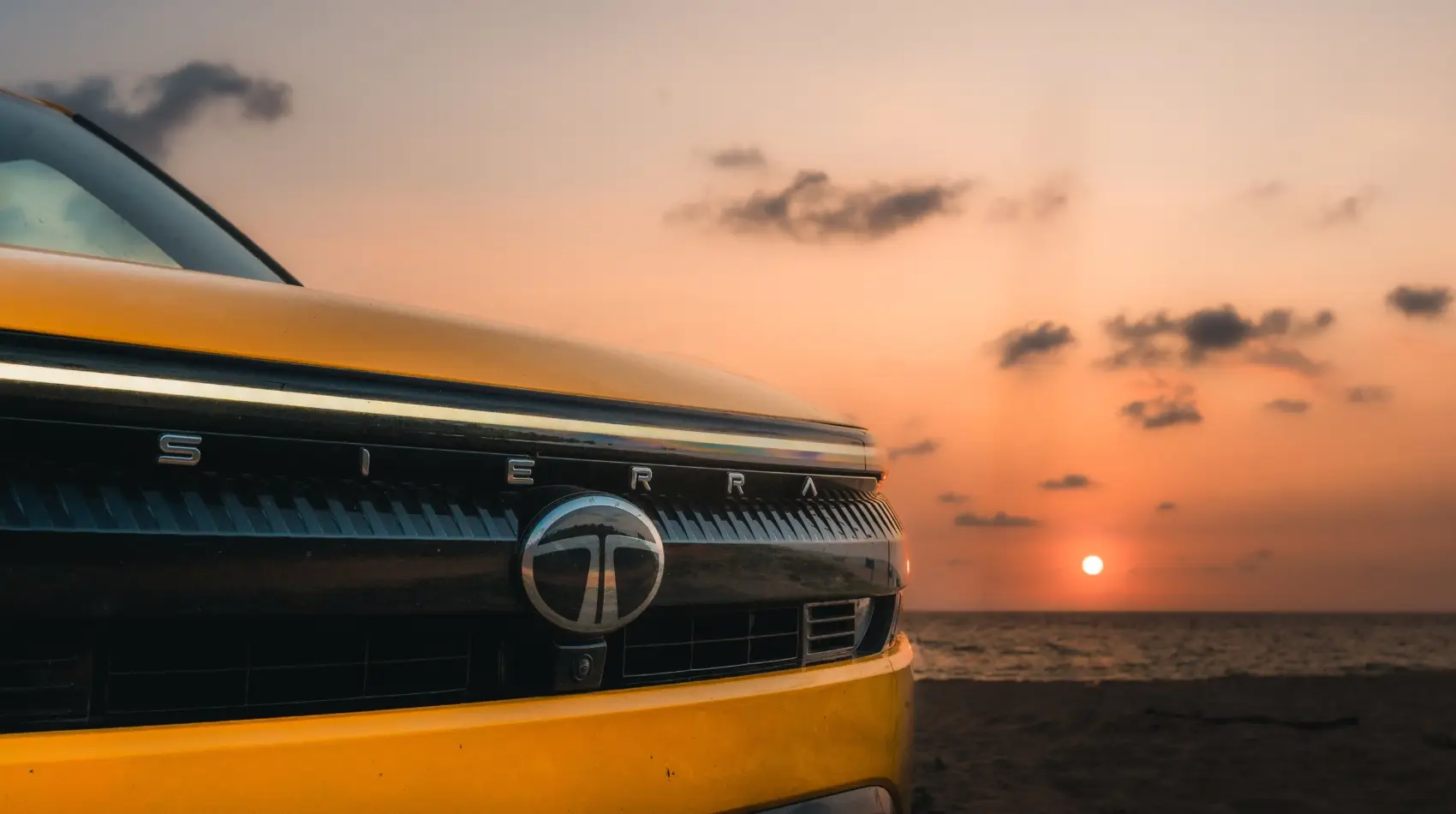
It stands out, but it doesn’t shout. Even in yellow, it works.
By midday, the Sun is directly overhead, which is not ideal. Because it means half the day is gone. And there is still a long way to go.
The light is harsher now, the heat more noticeable, and the drive begins to feel different. Fatigue starts to creep in. The AC goes up, the shade comes across the panoramic roof, the ventilated seats come on. You settle into it. Long hours behind the wheel, constant focus, the need to maintain pace.
This is where the Sierra’s cabin starts to matter. The seats offer good support, with the extendable under-thigh support making a noticeable difference over longer hours. The cushioning feels well judged, not too soft, not too firm, and over time, that balance begins to work in your favour. There’s space to move around, to adjust your position without feeling restricted, and the large glass area keeps the cabin feeling open, even as the day wears on.
Spend enough time in here and you begin to notice the rest of it. The layout is clean, the materials feel a step up from what Tata has done before, and everything you need is where you expect it to be. The screens are sharp and easy to read at a glance, the controls fall easily to hand, and nothing really demands your attention for too long, which is exactly how it should be on a drive like this.
It helps. And that counts. Because on a drive like this, comfort is not a luxury. It is what keeps you going.
As the hours pass, the landscape begins to change. The dry stretches of Tamil Nadu give way to the greener surroundings of Kerala. Palm trees line the roads, the air feels heavier, and the character of the drive shifts.
It is a clear indication that the easy part is over.
The transition into Kerala is immediate. The roads narrow, traffic thickens and the flow of our journey changes completely. Buses occupy more space than they should, scooters move through gaps that do not seem to exist, and cars operate in a rhythm that is less about lanes and more about intent.
Progress slows. There is no way around it because this is where averages fall apart.
You adapt quickly, reading the road, anticipating movements, finding small windows to keep moving. But it is slower.
And that is what matters because the Sun is still moving.
As the road turns north along the coast, the Arabian Sea comes into view. The light begins to soften, the harshness of midday giving way to something warmer. Shadows grow longer, the sky begins to change, and the urgency builds.
The destination is close. But not close enough to relax.
The Sierra carries on. No strain, no sense of effort. It adapts to the conditions and keeps its composure. That consistency stands out.
Because by now, that is what defines the drive.
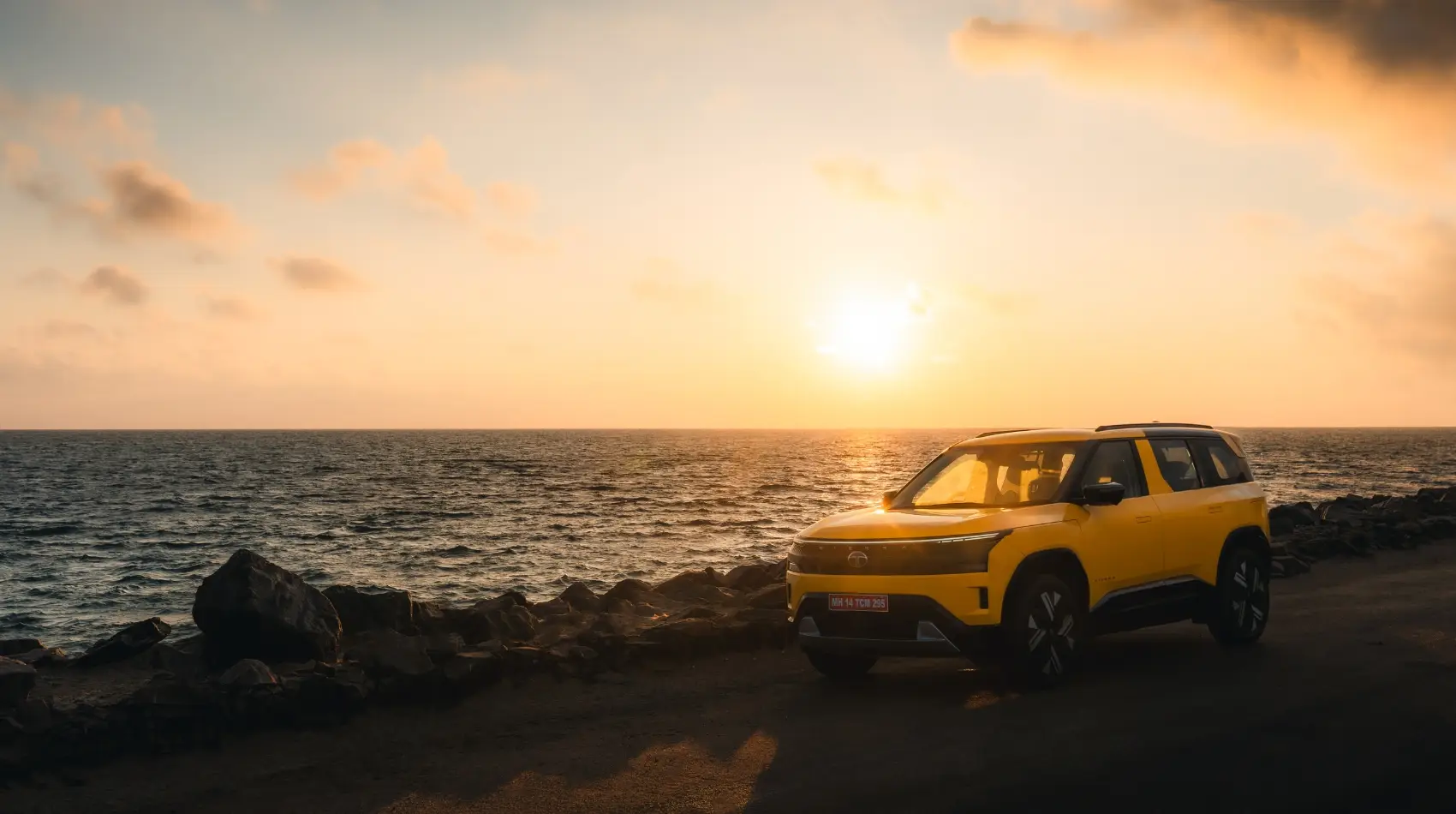
Varkala appears almost without warning. The cliffs rise above the sea, offering a clear view of the horizon. It is one of the few places on India’s west coast where you can watch the Sun set from that kind of vantage point.
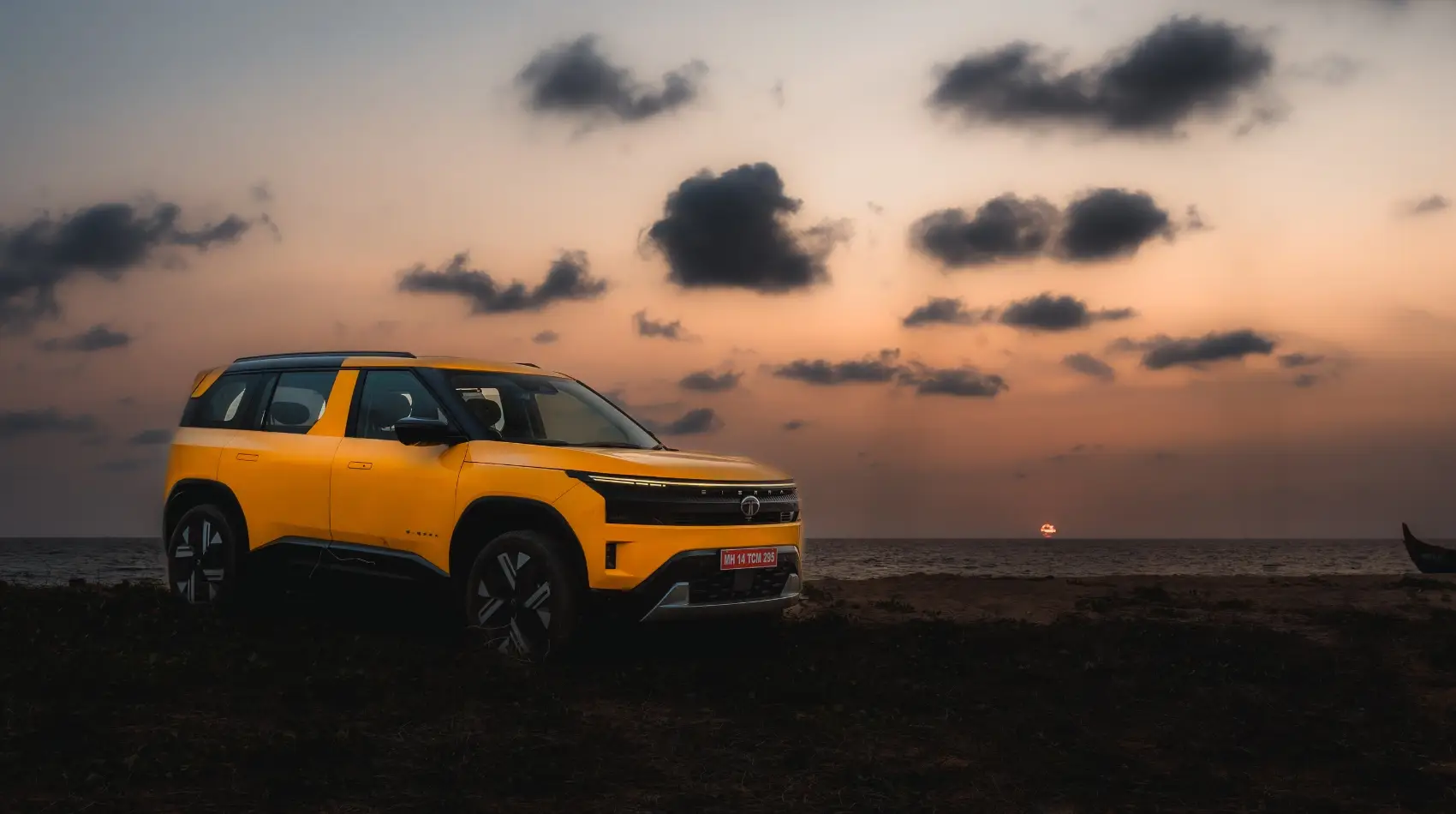
As the Sierra makes its way onto the cliffs, the timing feels precise. The Sun is already low. Its reflection stretches across the water. And then, as the car comes to a stop, it begins its final descent.
We started the day at the eastern edge of India. From Dhanushkodi, we drove south to Kanyakumari and then turned west, crossing two states in an attempt to follow the path of the Sun.
Hundreds of kilometres. An entire day on the road.
And in the end, it comes down to timing.
The Sun runs out of India before we run out of road.