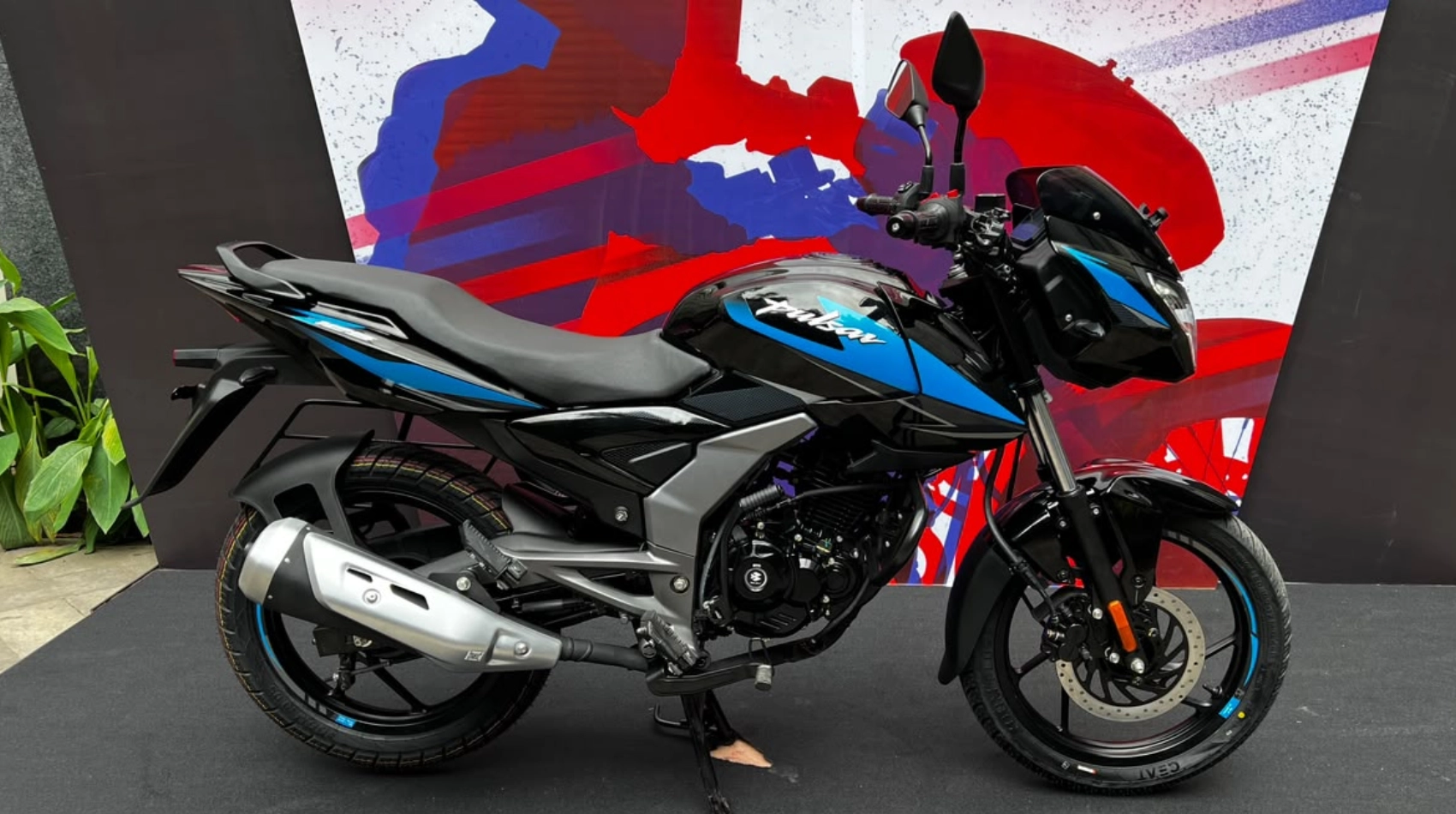
Bajaj has launched the all-new Pulsar 125 and Pulsar 150 as part of the 25th anniversary celebrations of the Pulsar brand. While the two motorcycles still carry the familiar Pulsar identity, Bajaj has made significant changes to both bikes' underpinnings. They now get a new chassis, new engine and more electronics. Here is everything you need to know about the all-new Pulsar 125 and 150.
Design
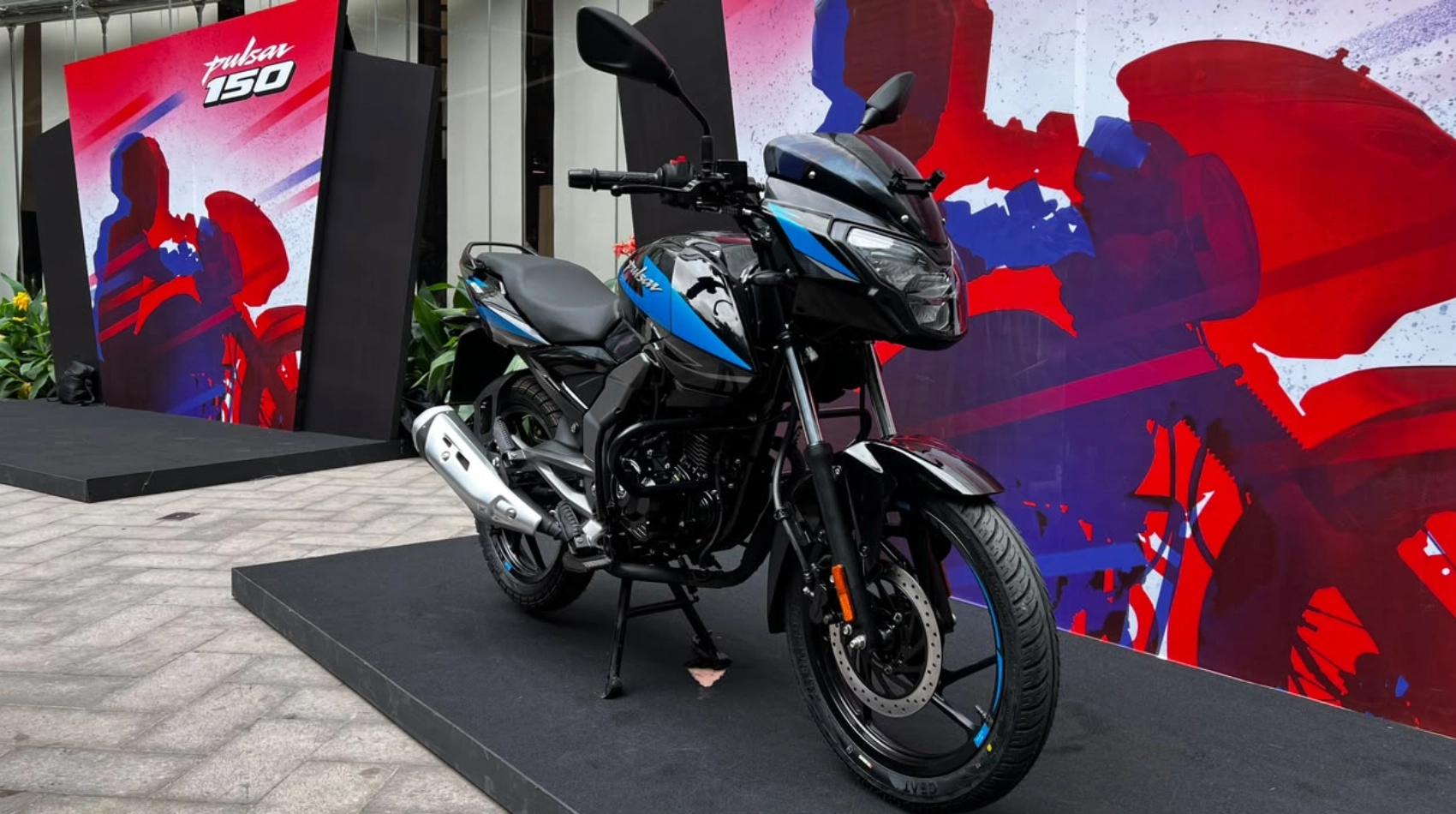
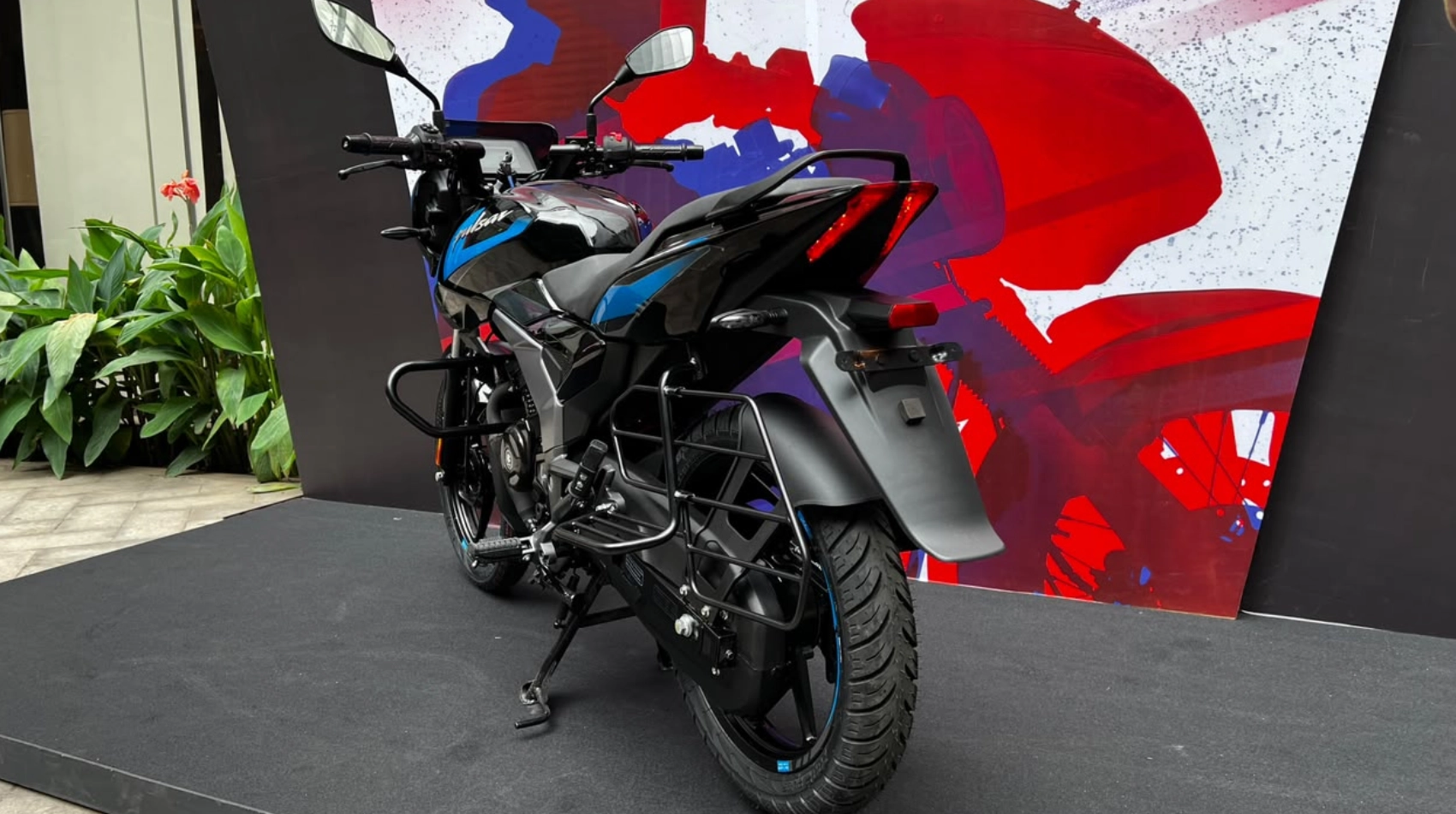
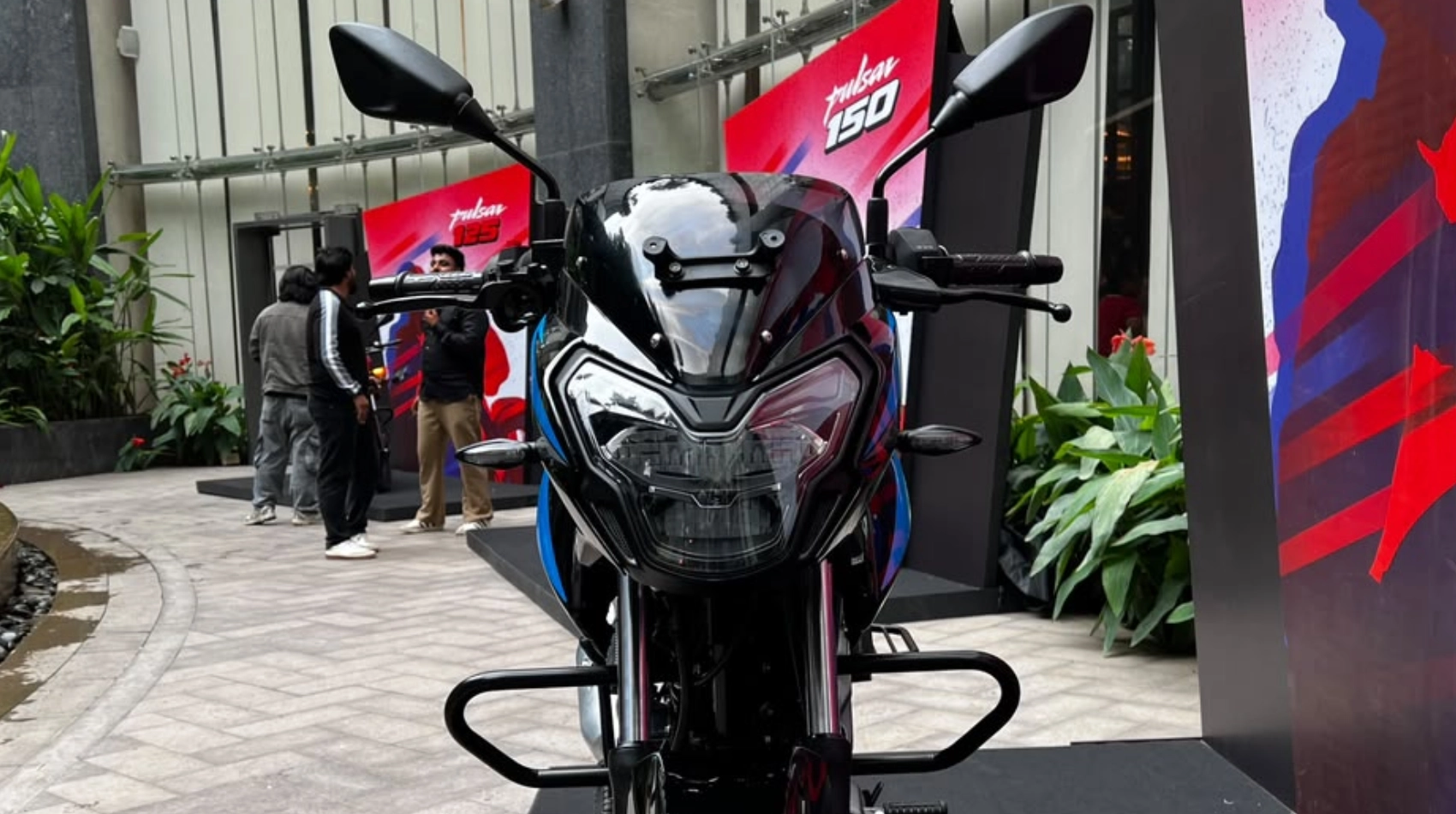
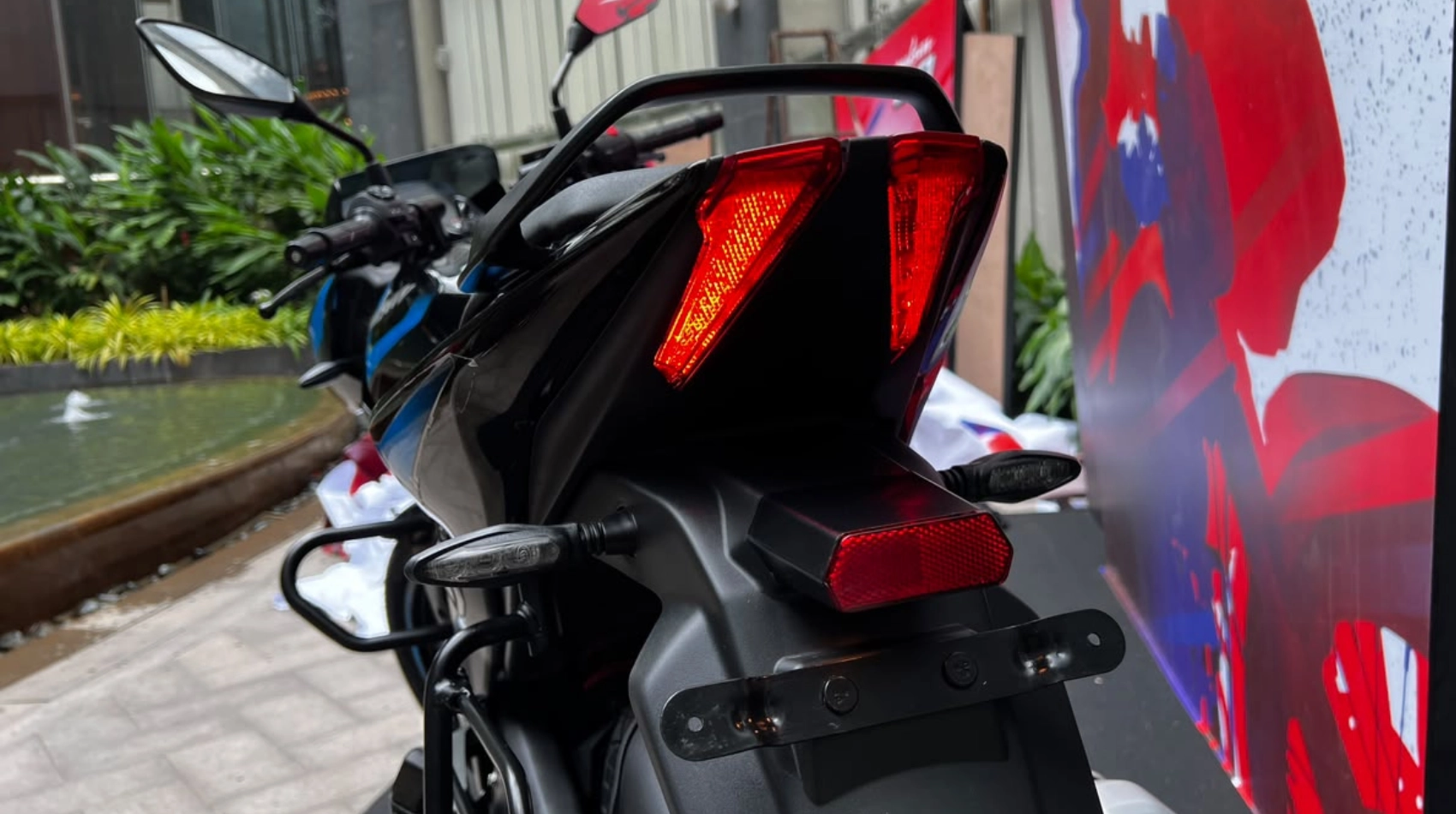
The biggest change is immediately visible in the design. Both motorcycles get a sharper and more contemporary appearance, while Bajaj has retained several elements that make them instantly recognisable as Pulsars. At the front, the motorcycles feature a new LED headlamp, which Bajaj refers to as the Wolf-Eye headlamp; the tail lamp of the bike is also redesigned. The sharper lighting unit gives the bikes a more aggressive face and is one of the key elements separating the new models from their predecessors. The overall design of the Pulsar 125 and Pulsar 150 is very much similar to each other.
Engine and Gearbox
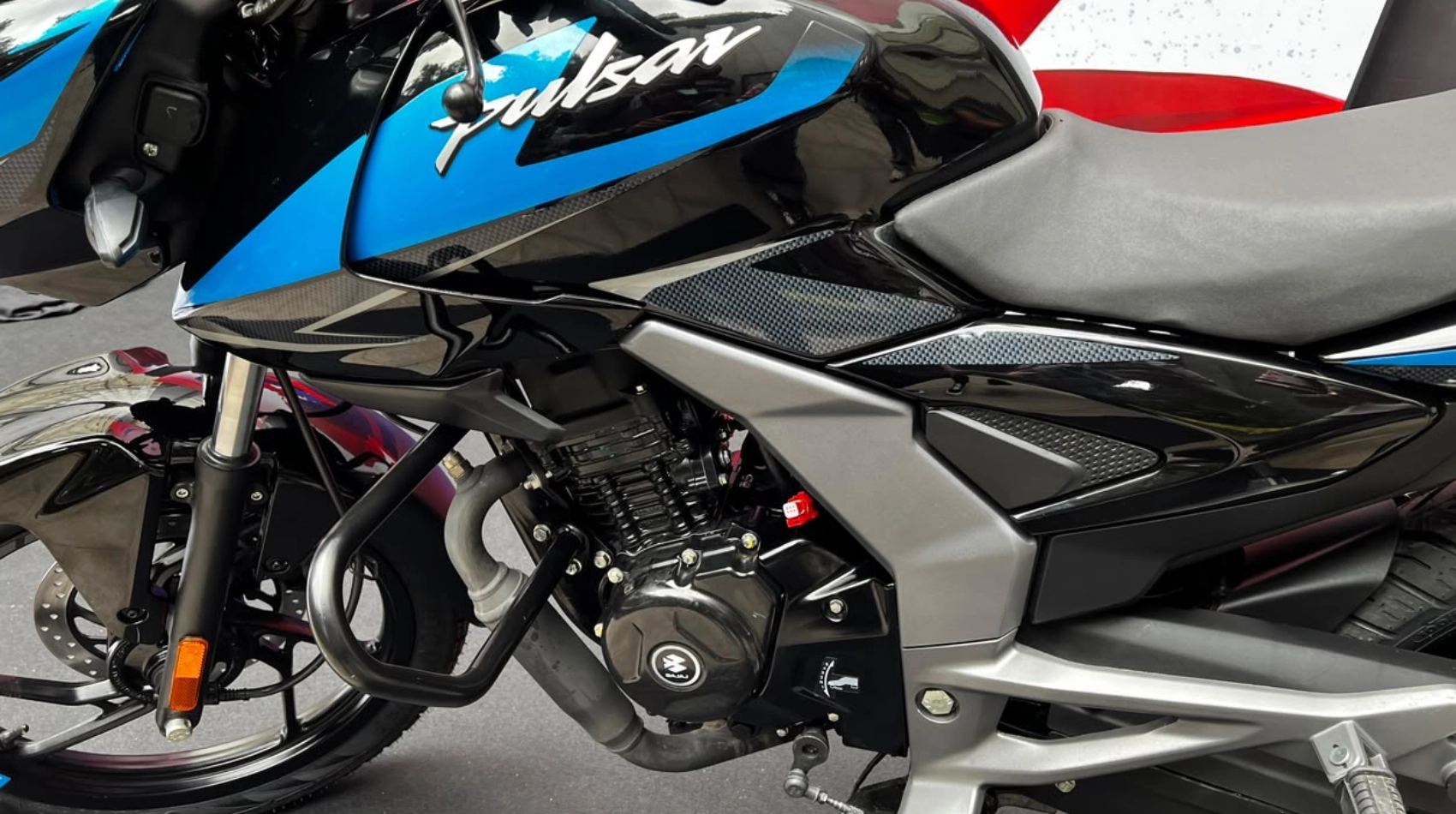
The Pulsar 125 is powered by a new 124.58cc air/oil-cooled, single-cylinder engine which produces 12hp at 8000rpm and 11Nm of torque at 6000rpm. It is paired to a 5-speed gearbox.
The larger Pulsar 150 gets a 149.5cc air/oil-cooled engine which produces 14hp at 8500rpm and 13.7Nm at 6500rpm. It is also paired to a 5-speed gearbox.
The larger Pulsar 150 gets a 149.5cc air/oil-cooled engine which produces 14hp at 8500rpm and 13.7Nm at 6500rpm. It is also paired to a 5-speed gearbox.
Chassis and Suspension
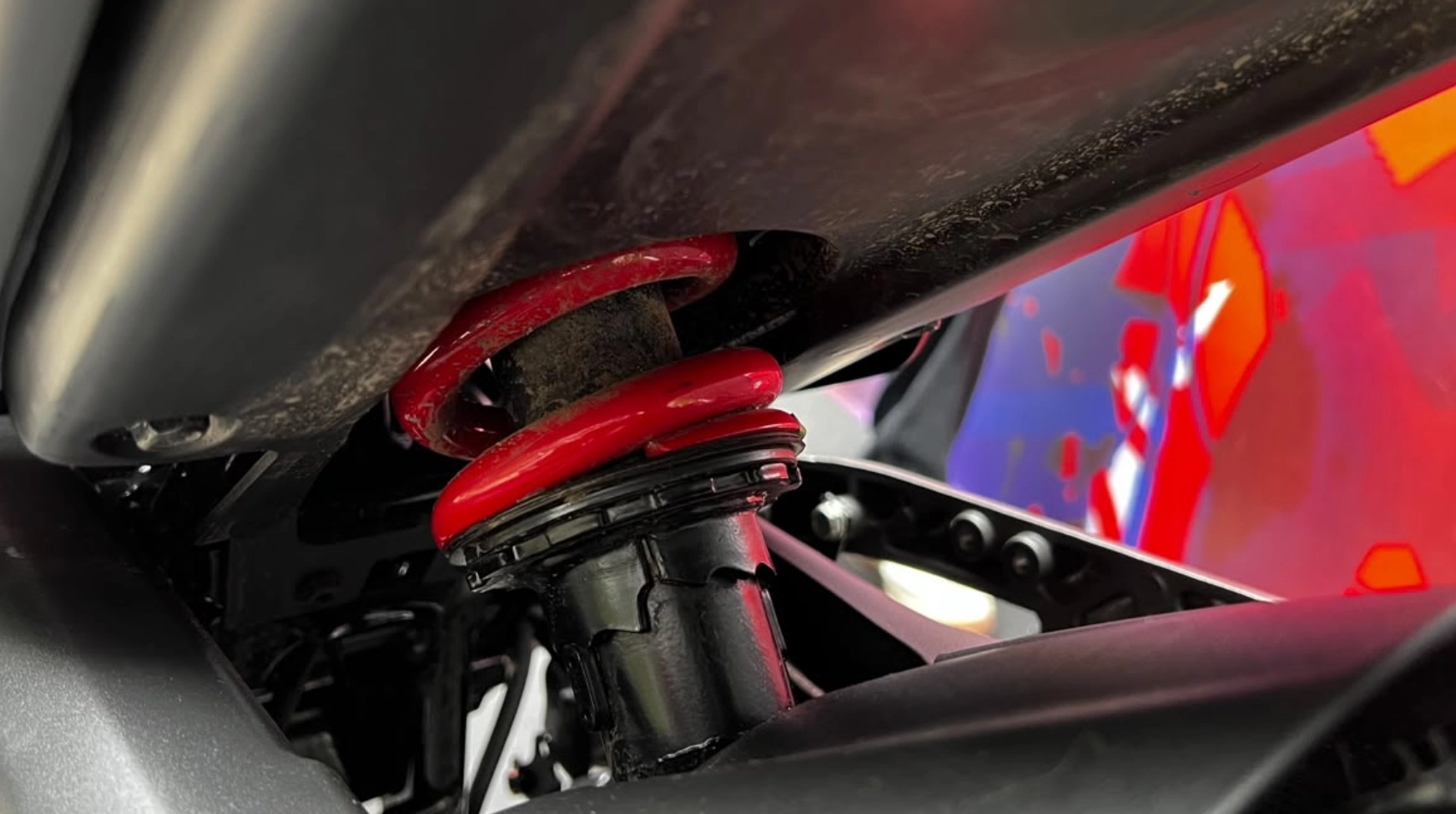
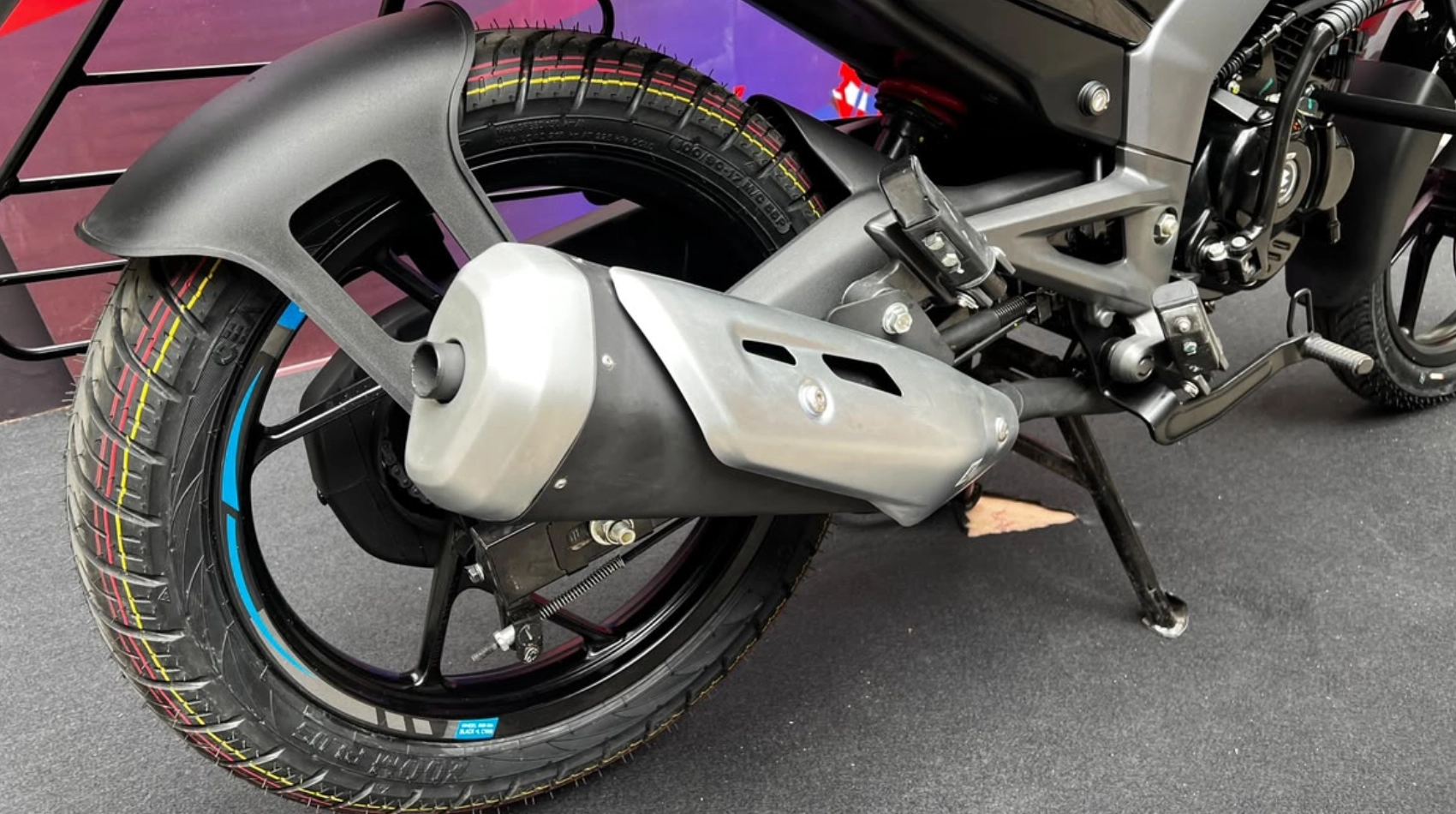
Both motorcycles now use an all-new diamond-type frame, replacing the double-cradle frame used on the previous-generation models. Suspension duties are handled by telescopic forks at the front and a monoshock suspension at the rear.
Features And Rider Aids
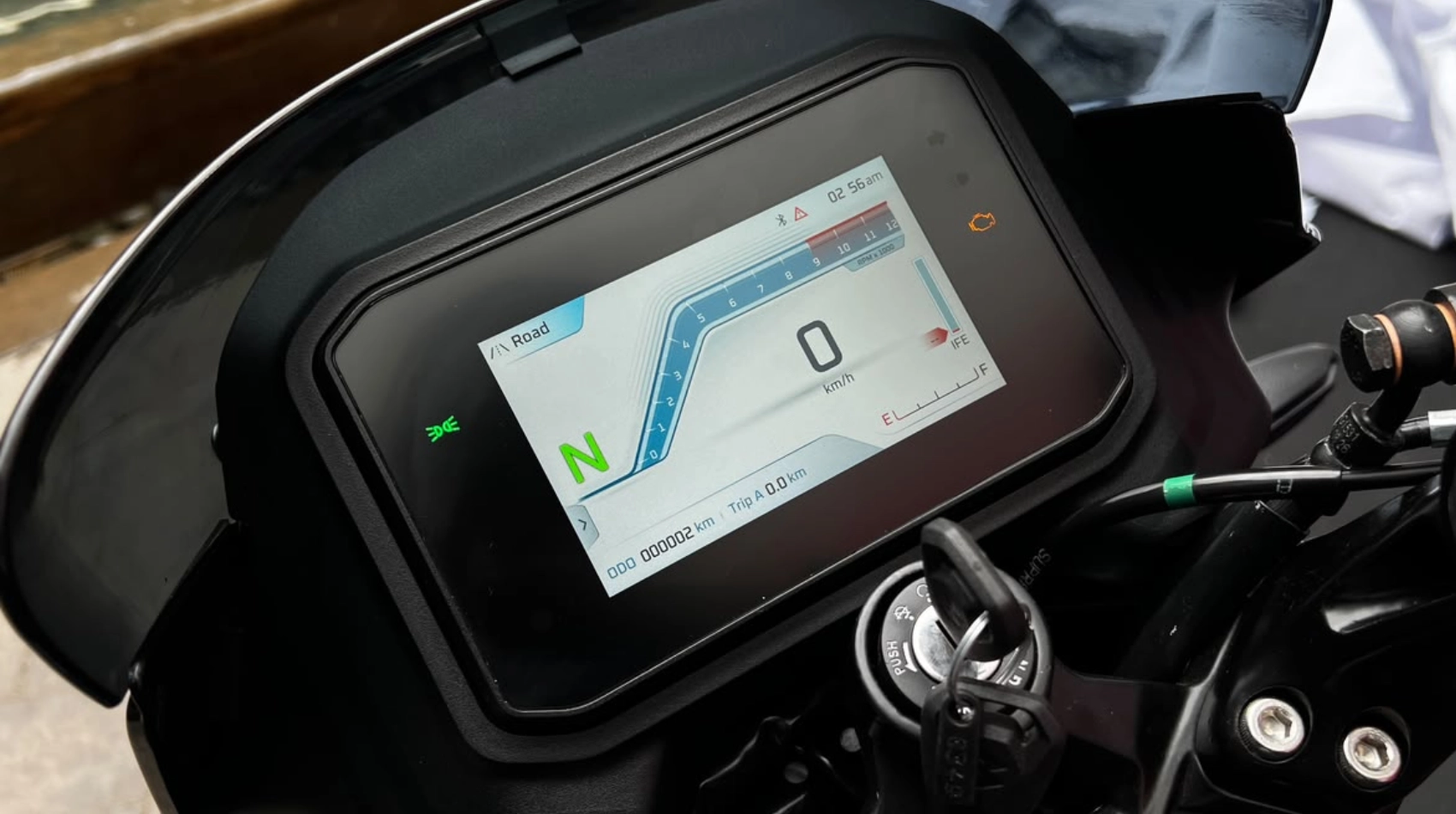
This is where the new Pulsars take a noticeable step forward. In terms of features and rider aids, the top variants of both motorcycles get a 5-inch TFT display with Bluetooth connectivity and Google Maps navigation support. The display isn’t limited to navigation. Riders can store important documents such as the motorcycle’s registration certificate, driving licence and insurance details on the system. It also supports call notifications, message alerts and music controls.
For riders who use their motorcycles primarily in the city, however, one of the more interesting additions is the Crawl Tech feature. The system is designed to make low-speed riding easier, particularly while filtering through congested traffic. It is the kind of feature that may sound minor on paper but could prove useful during everyday commuting. The motorcycles also get three riding modes: Road, Rain and Sport. These modes allow the rider to alter the motorcycle’s behaviour depending on the conditions and riding situation.
The top variants also feature ISG technology, which automatically switches the engine off when the motorcycle comes to a stop at a red light. The engine can then restart when required. Bajaj says the system is intended to improve fuel efficiency, which could make a meaningful difference for riders who spend a lot of time in stop-and-go traffic.
For riders who use their motorcycles primarily in the city, however, one of the more interesting additions is the Crawl Tech feature. The system is designed to make low-speed riding easier, particularly while filtering through congested traffic. It is the kind of feature that may sound minor on paper but could prove useful during everyday commuting. The motorcycles also get three riding modes: Road, Rain and Sport. These modes allow the rider to alter the motorcycle’s behaviour depending on the conditions and riding situation.
The top variants also feature ISG technology, which automatically switches the engine off when the motorcycle comes to a stop at a red light. The engine can then restart when required. Bajaj says the system is intended to improve fuel efficiency, which could make a meaningful difference for riders who spend a lot of time in stop-and-go traffic.
Pricing
The new Pulsar 125 is launched at an introductory price of ₹92,990 (ex-showroom Delhi) for the base variant and goes all the way up to ₹1,04,318 (ex-showroom Delhi) for the top variant.
The new Pulsar 150 is launched at an introductory price of ₹1,15,233 (ex-showroom Delhi) for the base variant and goes all the way up to ₹1,23,187 (ex-showroom Delhi) for the top variant.
The new Pulsar 150 is launched at an introductory price of ₹1,15,233 (ex-showroom Delhi) for the base variant and goes all the way up to ₹1,23,187 (ex-showroom Delhi) for the top variant.