Toyota is preparing to take one of its most popular nameplates into a new era. The 2027 Toyota Highlander will mark a major shift for the brand, as the three-row SUV transitions into a fully electric model. Known for its practicality, comfort, and family-friendly appeal, the Highlander is now set to embrace battery-electric technology in a move that signals Toyota’s growing confidence in the EV space.
This upcoming model represents Toyota’s first fully electric three-row SUV designed for mainstream buyers. Rather than offering a mix of petrol, hybrid, and electric variants under the same badge, Toyota is positioning the next-generation Highlander as a dedicated electric vehicle. The strategy highlights the company’s broader electrification plans and its intent to compete strongly in the large electric SUV segment.
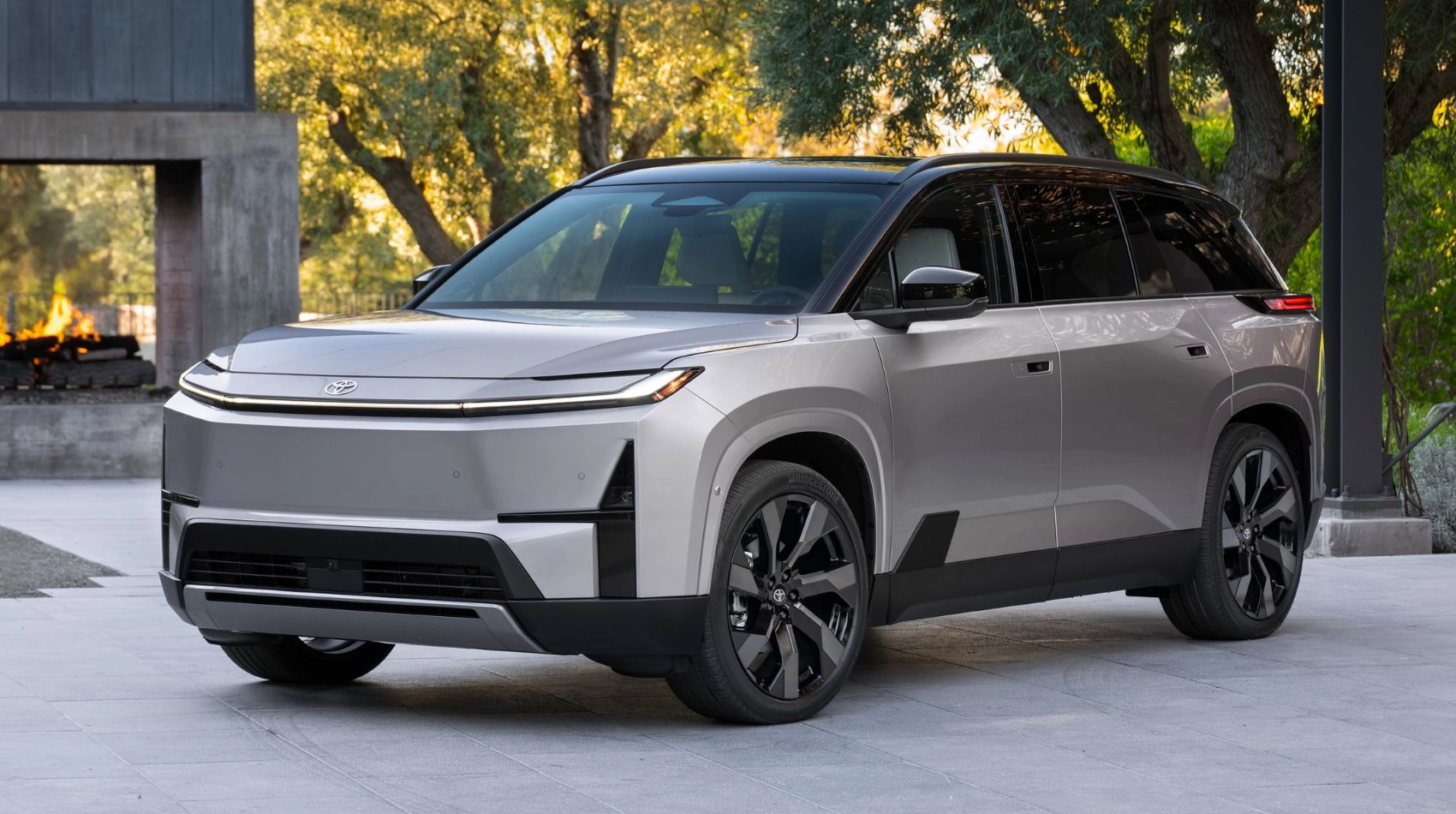
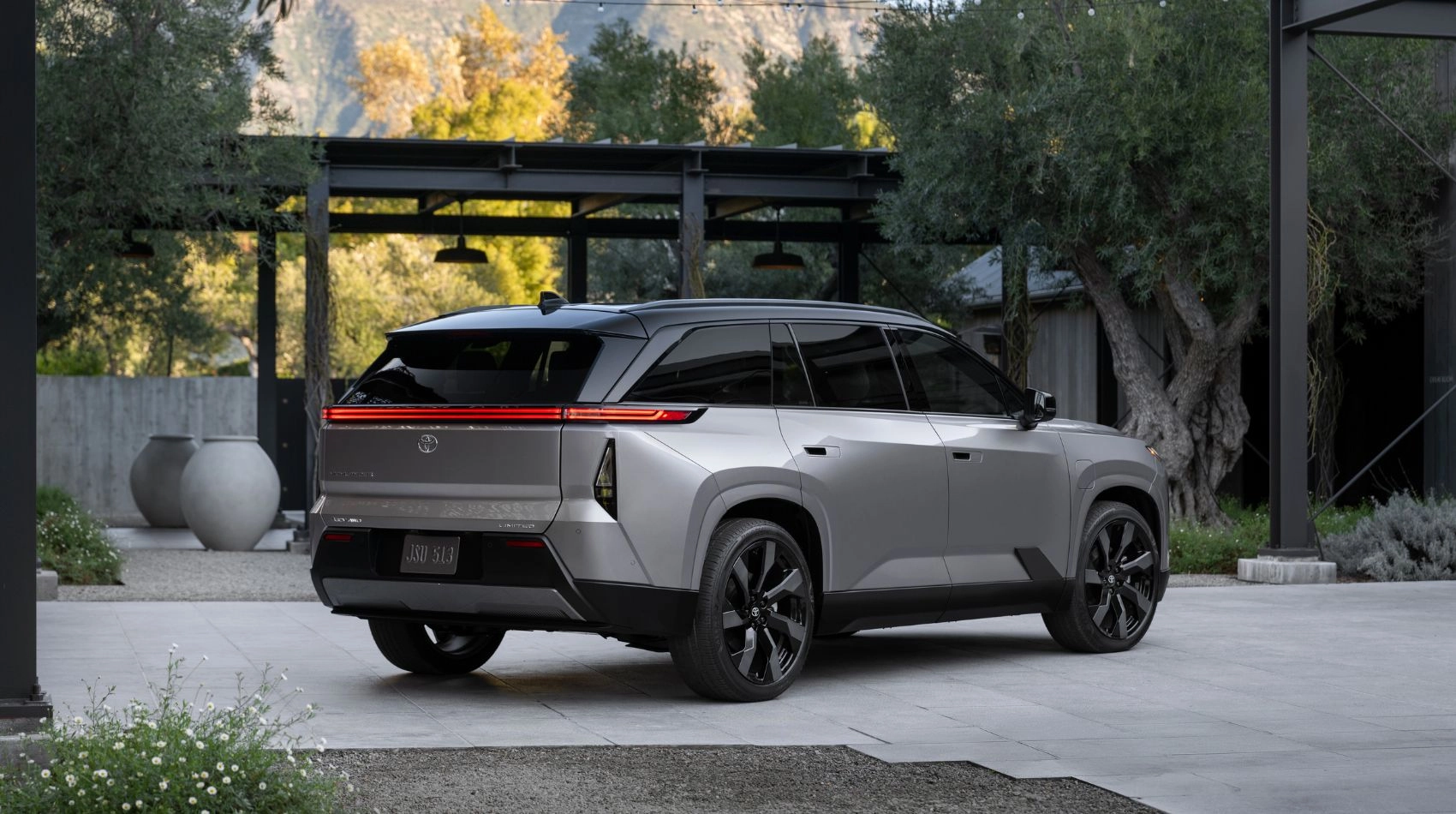
From a design perspective, the new Highlander blends familiarity with modern EV styling cues. While it retains the recognizable SUV proportions that have defined the nameplate for years, the exterior receives a cleaner and more aerodynamic treatment. Slim LED lighting elements, sculpted body panels, and a more streamlined silhouette help distinguish it from previous generations. Subtle aerodynamic refinements, including smoother surfaces and optimized airflow elements, contribute to improved efficiency.
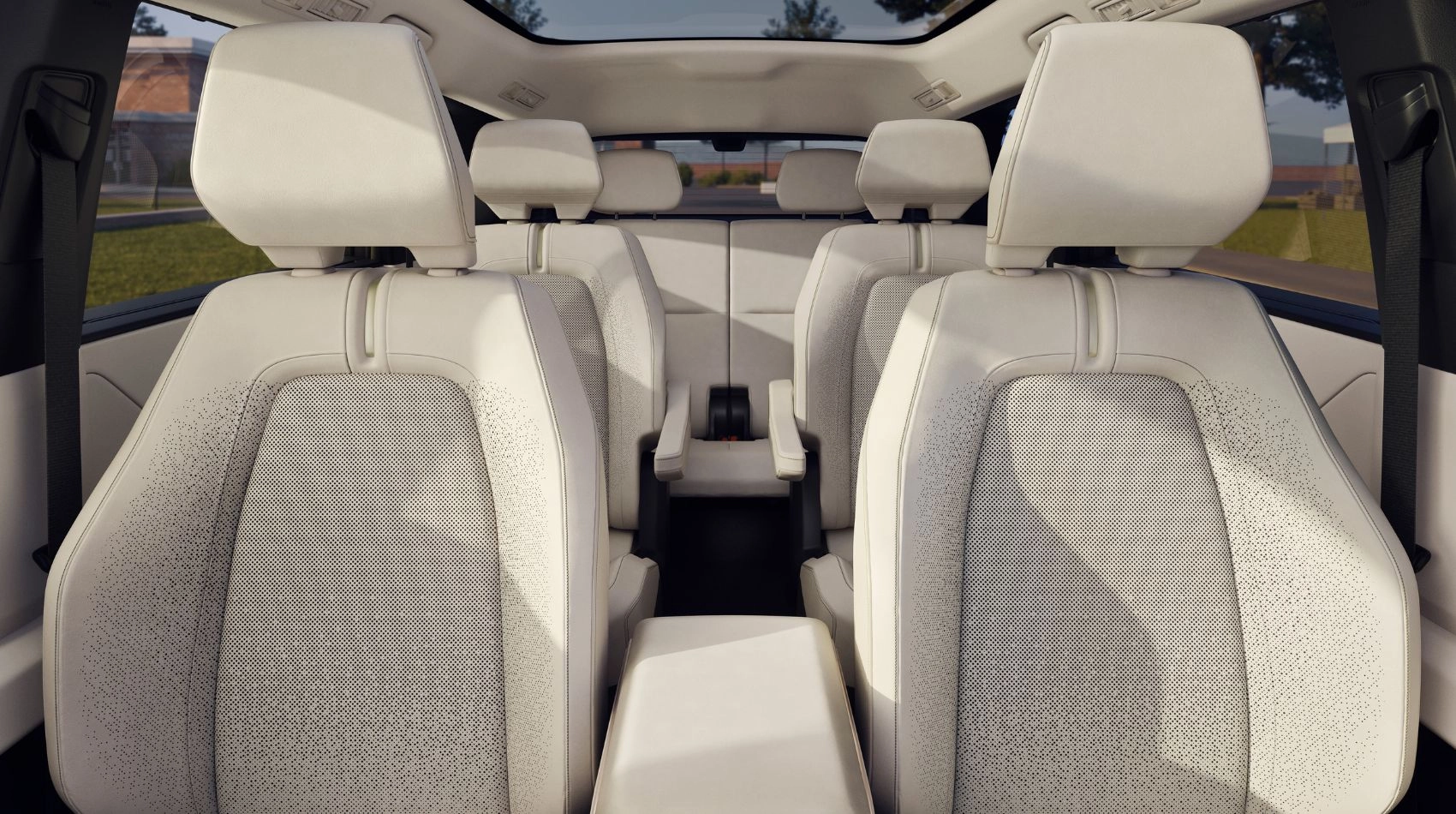
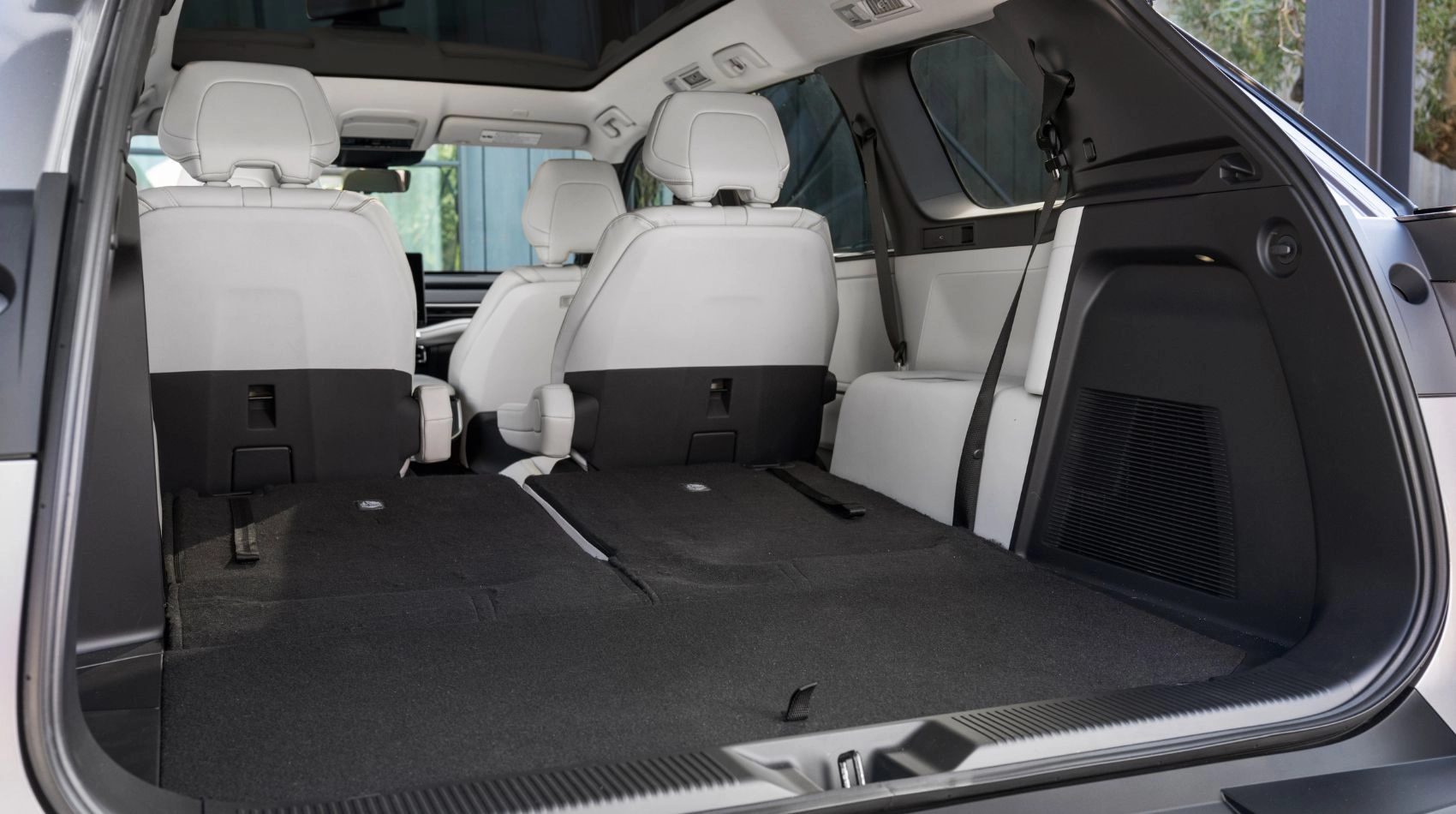
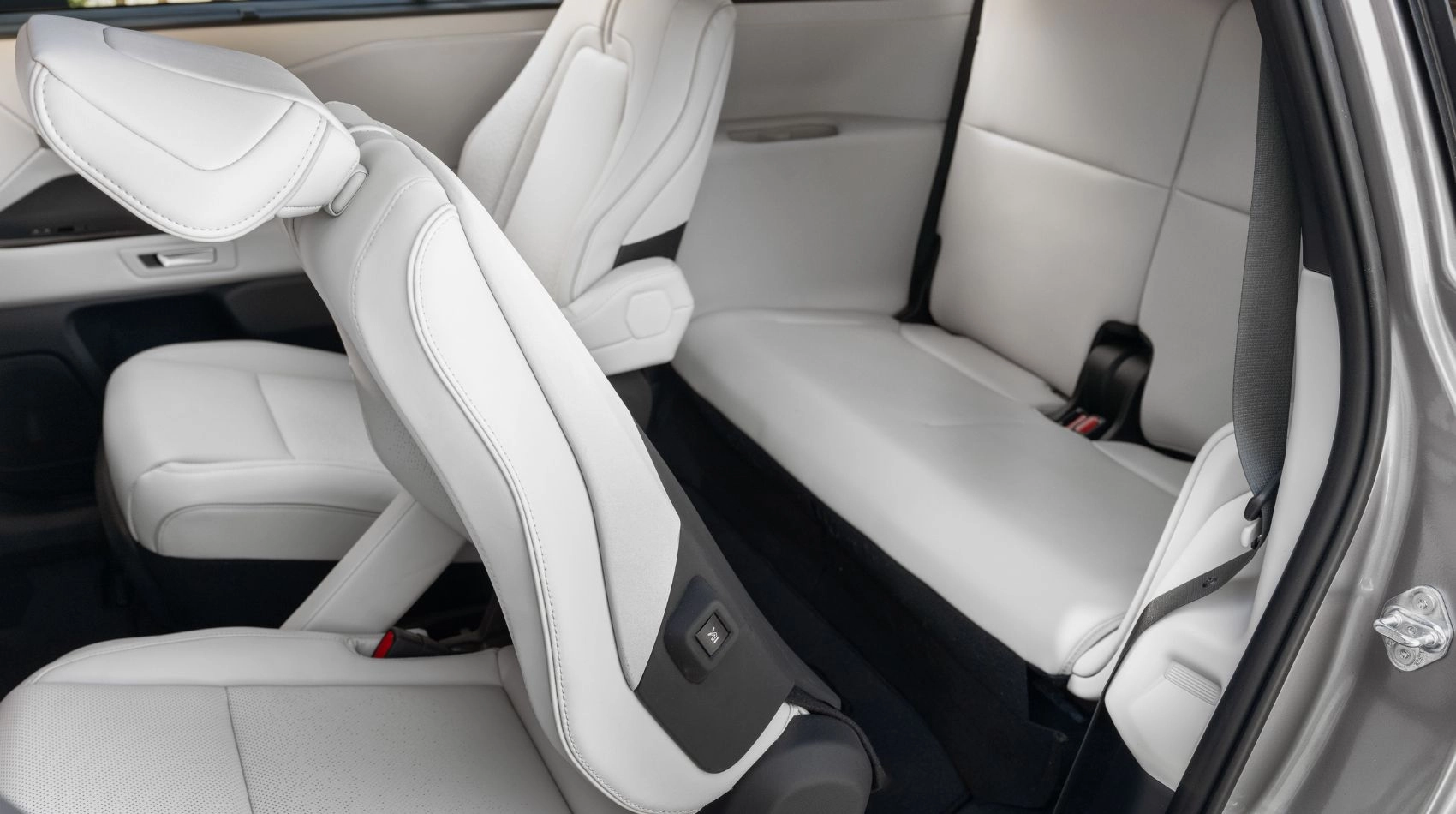
Inside, the cabin is expected to focus heavily on space, technology, and comfort. Thanks to a dedicated electric platform, the floor layout is flatter, improving legroom across all three rows. Families can expect generous seating capacity for up to seven passengers, along with flexible cargo arrangements. Folding down the third row will create substantial storage space, making the SUV practical for road trips and everyday use alike.
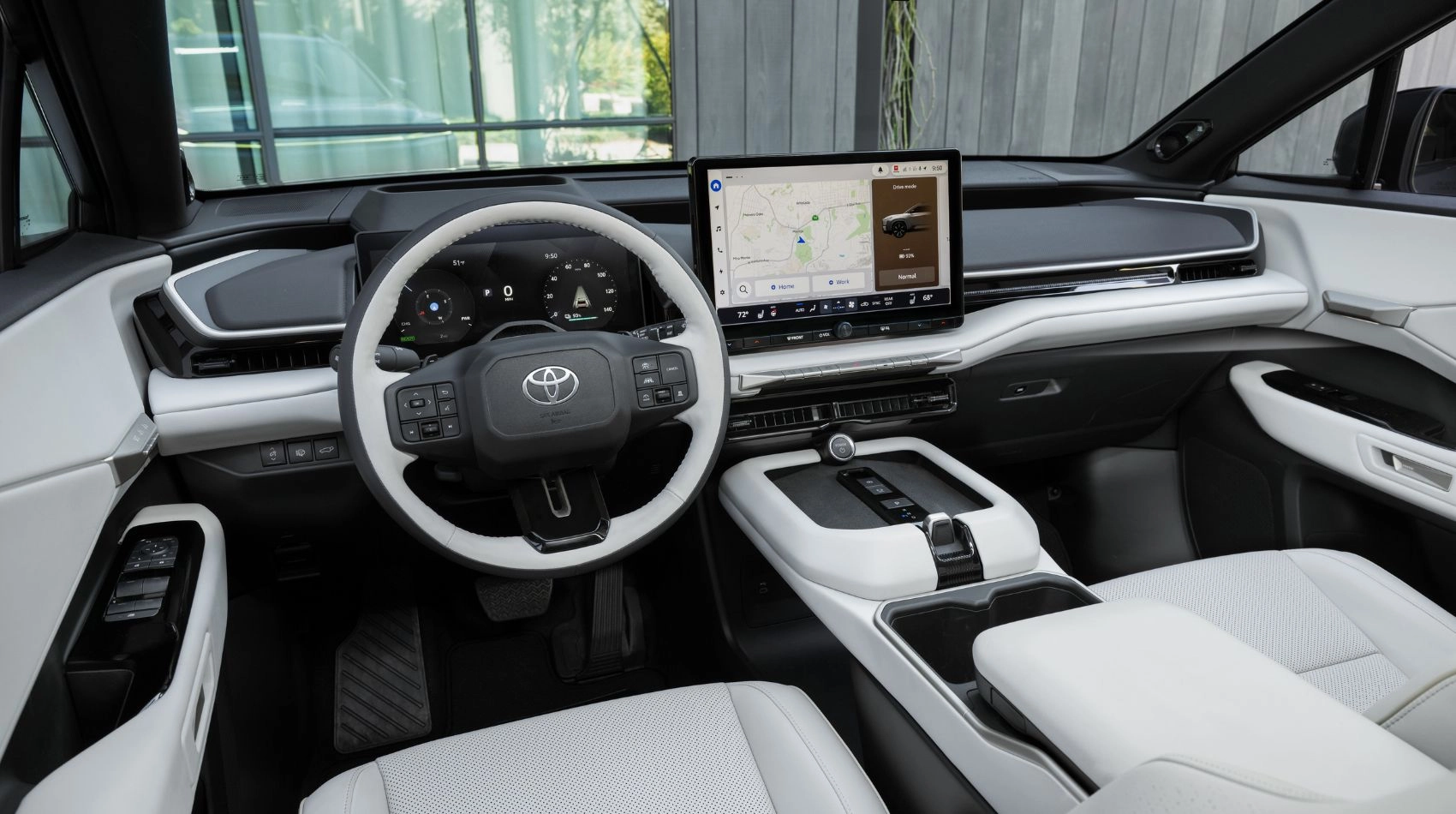
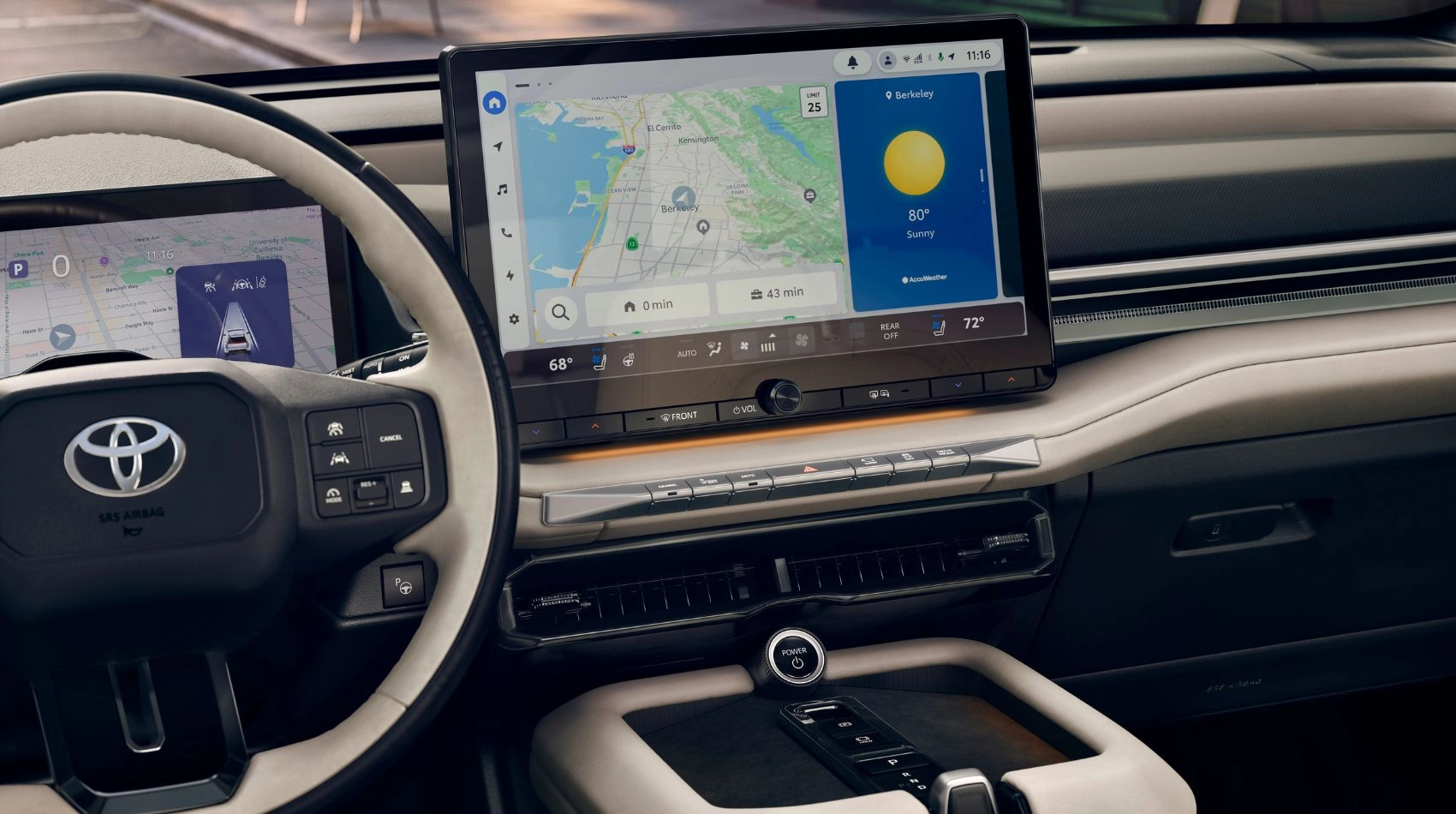
Technology plays a central role in the 2027 Highlander’s appeal. A large central touchscreen infotainment system dominates the dashboard, complemented by a fully digital instrument cluster. Wireless smartphone integration, over-the-air software updates, and connected car features are expected to come standard. Multiple USB charging ports and wireless charging pads will cater to modern device-heavy lifestyles.
Toyota will offer the 2027 Highlander EV in two trims: XLE and Limited, giving buyers the flexibility to choose between value-focused and more premium configurations. The XLE will be available in both front-wheel-drive and all-wheel-drive layouts, while the Limited will come exclusively with all-wheel drive.
The base XLE features a 77-kWh battery pack paired with a single electric motor producing 221bhp and 268Nm of torque. This version delivers an estimated driving range of up to 462km on a full charge, making it a practical choice for families seeking efficiency along with space and comfort.
Moving to the XLE AWD with the same 77-kWh battery introduces a dual-motor setup, increasing output to 338bhp and 445Nm of torque. The added performance and improved traction slightly reduce the range, with this variant offering about 435km per charge.
For those prioritizing maximum range, Toyota will offer a larger 95.8-kWh battery pack. This upgraded battery is available on the higher-spec XLE AWD and comes standard on the Limited trim. With the bigger battery, the Highlander EV delivers an estimated range of up to 515km per charge. Despite the increased battery capacity, power output remains unchanged at 338bhp and 445Nm.
Both the XLE and Limited versions come standard with the North American Charging Standard (NACS) port, providing access to an extensive fast-charging network. The 2027 Highlander EV also introduces vehicle-to-load (V2L) technology, allowing the SUV to power external devices, appliances, or even serve as a backup energy source in emergency situations, further enhancing its practicality as a modern family electric SUV.
Charging flexibility will be another key highlight. The new Highlander is expected to support fast-charging capability, allowing the battery to recharge from low levels to around 80 per cent in roughly half an hour under optimal DC fast-charging conditions. This reduces downtime during long-distance travel. Home charging compatibility will also make overnight replenishment convenient for most owners.
An additional feature likely to appeal to buyers is vehicle-to-load functionality. This system allows the SUV’s battery to power external devices, tools, or even household appliances during outages. For families who enjoy outdoor adventures or require backup power solutions, this adds another layer of practicality.
Safety remains central to the Highlander’s identity. The electric version is expected to come equipped with Toyota’s latest suite of advanced driver assistance systems. Features such as adaptive cruise control, lane-keeping support, blind-spot monitoring, and automatic emergency braking will likely be standard across the lineup. These systems aim to enhance driver confidence while maintaining Toyota’s strong safety reputation.
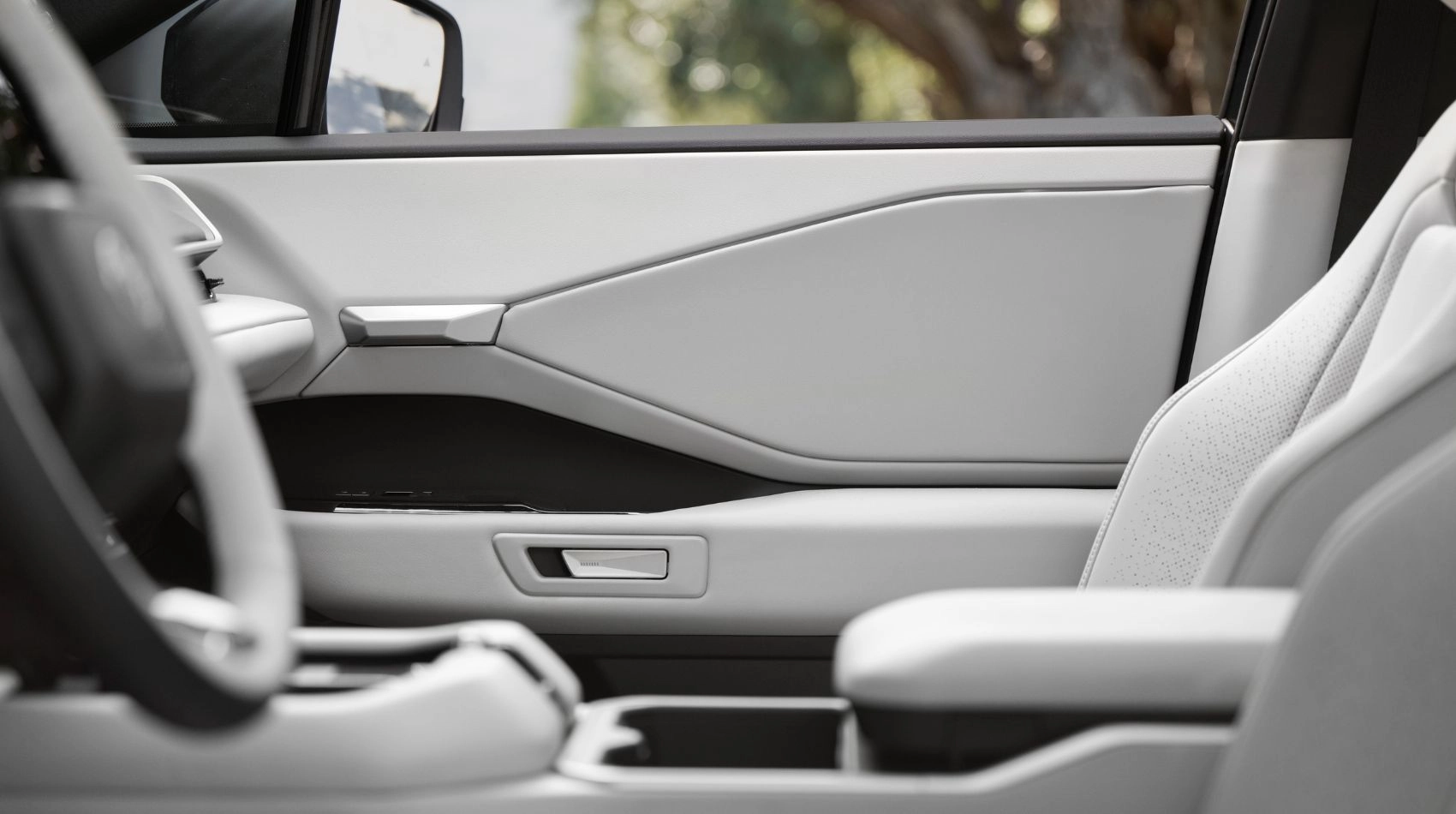
Comfort enhancements are also anticipated, especially in higher trims. Buyers can expect options such as heated and ventilated seats, premium upholstery materials, panoramic glass roofing, and upgraded sound systems. The focus appears to be on delivering a refined experience that balances family utility with a touch of luxury.
Production is expected to take place in the United States, aligning with Toyota’s efforts to localize EV manufacturing and meet growing demand in North America. The vehicle is projected to arrive in showrooms toward the end of 2026 as a 2027 model year offering. Pricing details have not yet been confirmed, but the Highlander will likely be positioned competitively against other three-row electric SUVs.
By transforming the Highlander into a fully electric SUV, Toyota is making a clear statement about its future direction. The nameplate that once defined dependable family transport powered by gasoline is now evolving to meet a new generation of expectations. With strong range figures, advanced technology, and the practicality that made it popular in the first place, the 2027 Highlander aims to bridge the gap between tradition and electrified mobility.