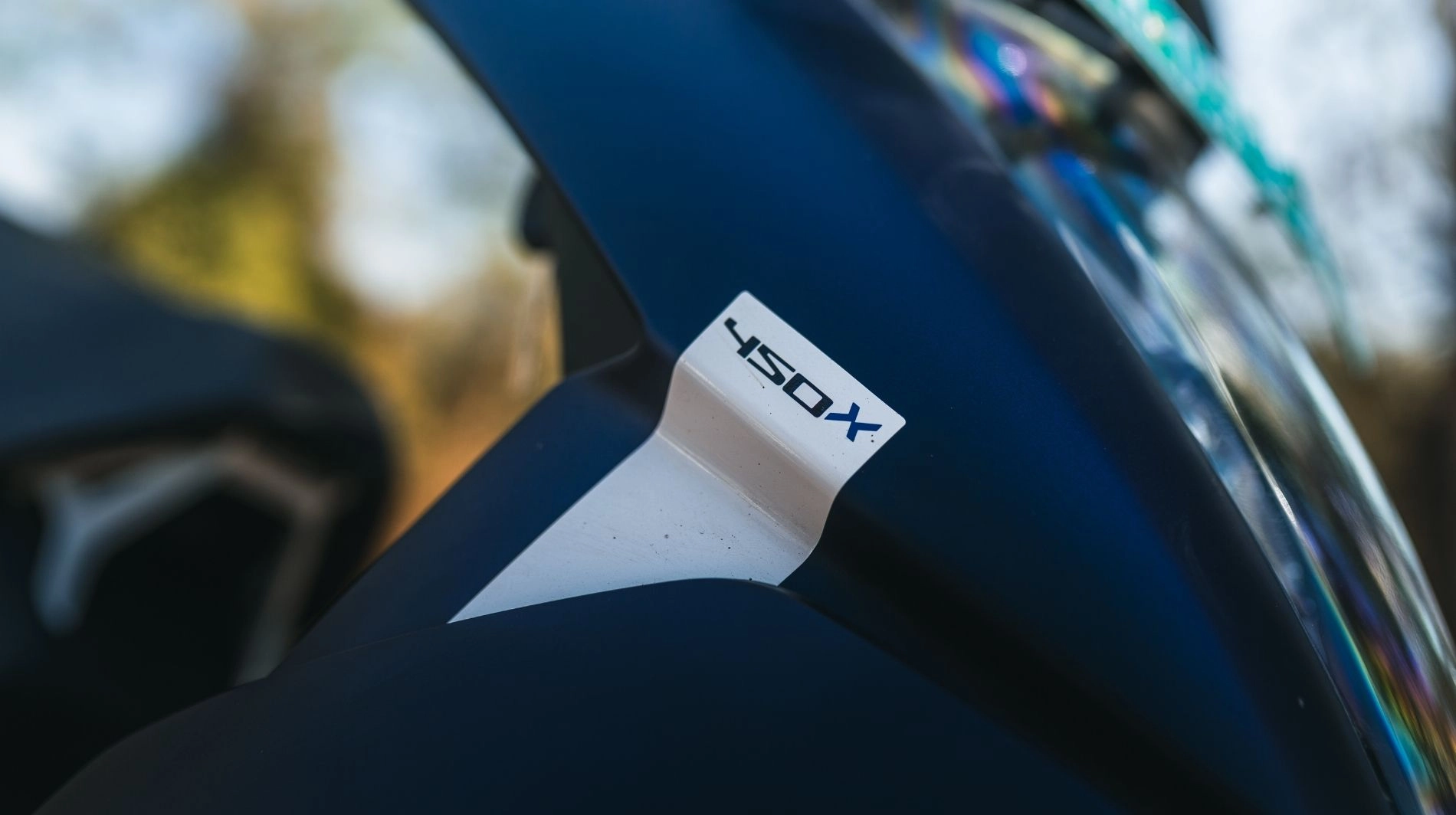
The Ather 450 is a near-perfect urban electric scooter, honed through the years and backed by hundreds of thousands of users across the country. It delivers where it matters most, combining practicality, reliability and genuinely engaging performance. But the real kicker is how much fun it is to ride — it’s blessed with brilliant dynamics. That’s one of the reasons why it sits among India’s best-selling electric scooters and has become the yardstick against which every new electric scooter is measured, especially the sportier ones.
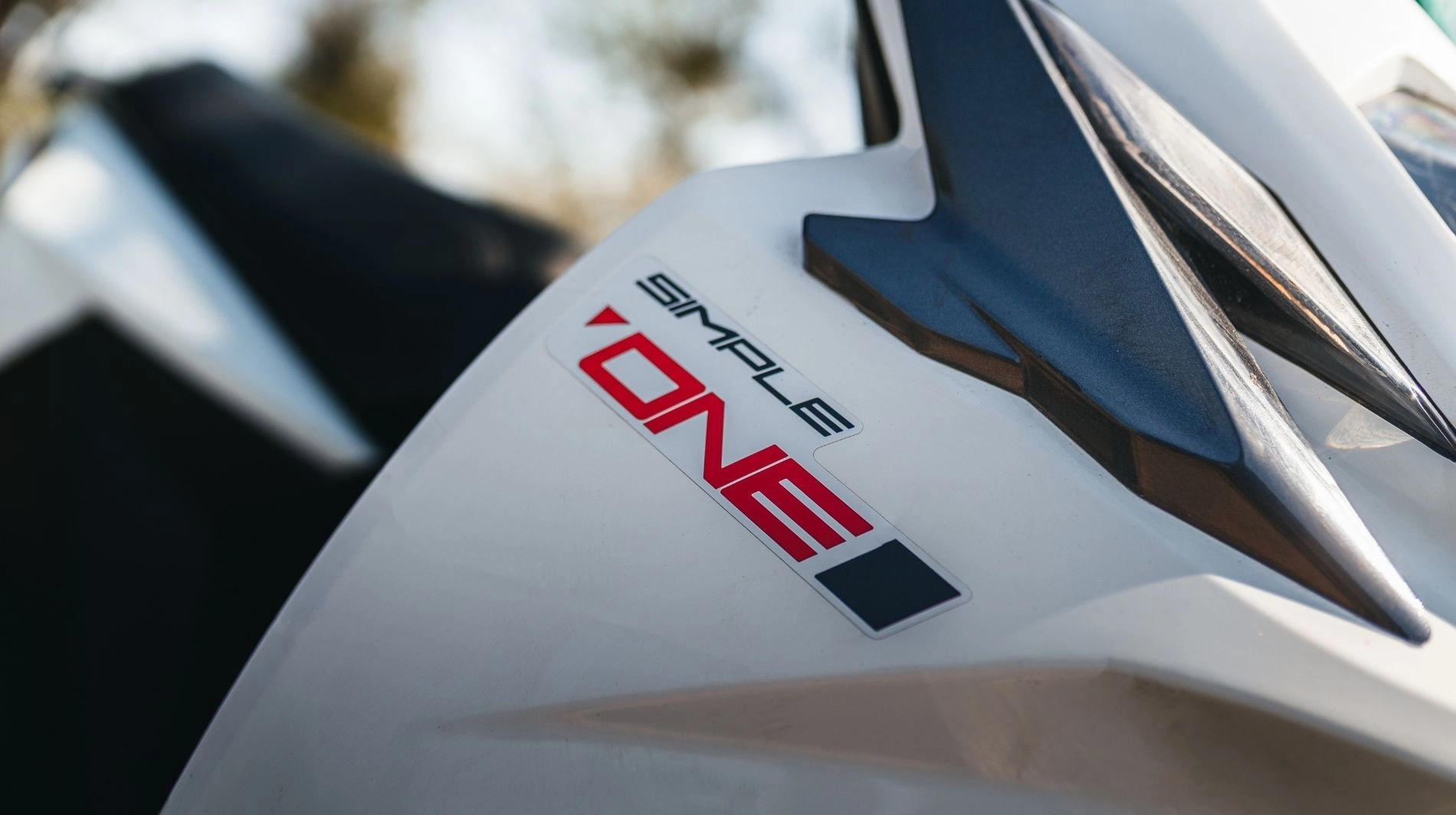
Enter the Simple One — a new (sort of, more on that later) sporty electric scooter that wants a piece of the pie and is aimed squarely at the Ather, along with the rest of the electric scooter pack. It brings a few unique features and ideas to the table. So, is it one to seriously consider, or should you simply put your hard-earned money on the veteran of the lot? I’ve spent time with both to find the answer.
Design, plus fit-and-finish
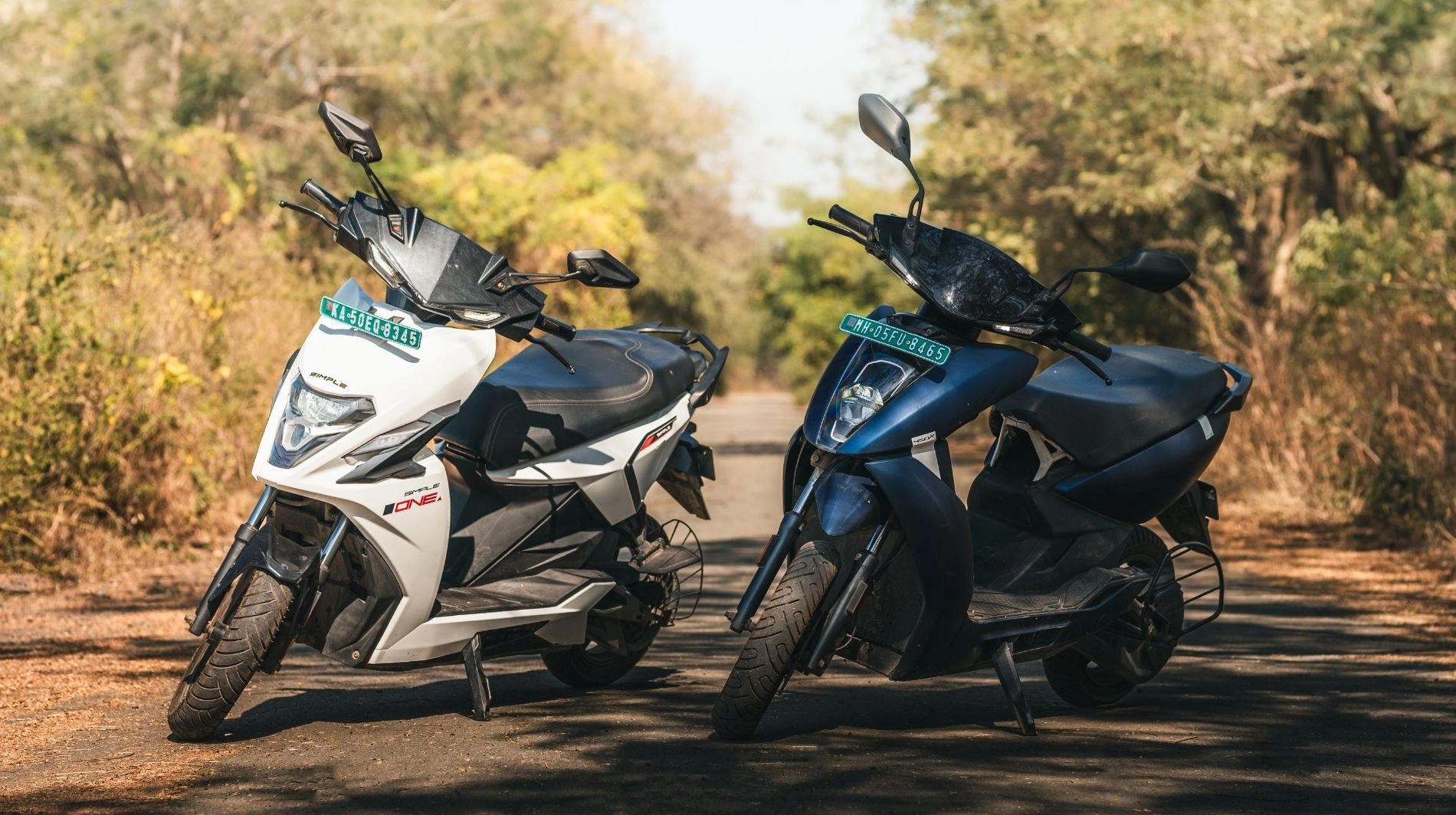
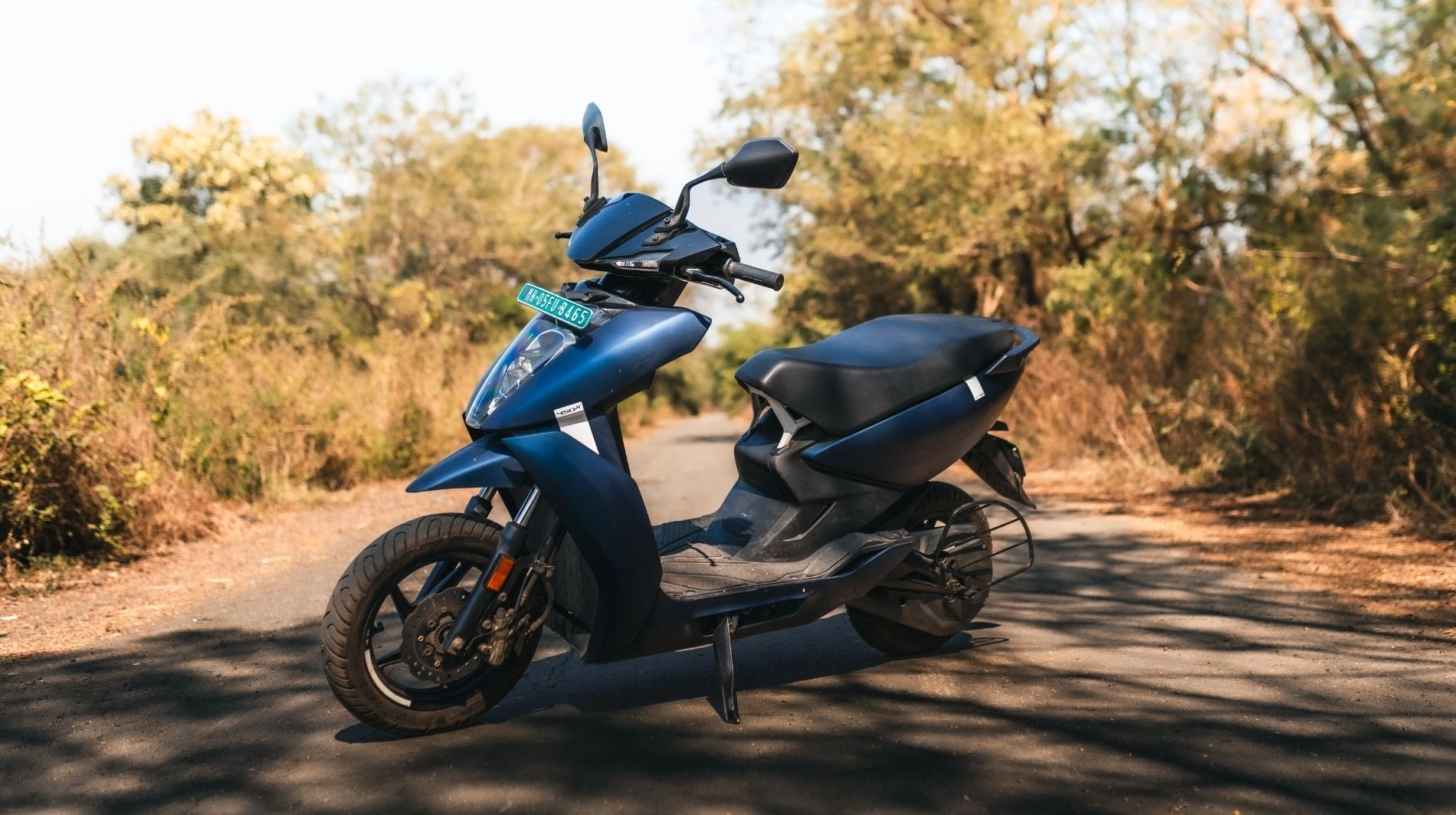
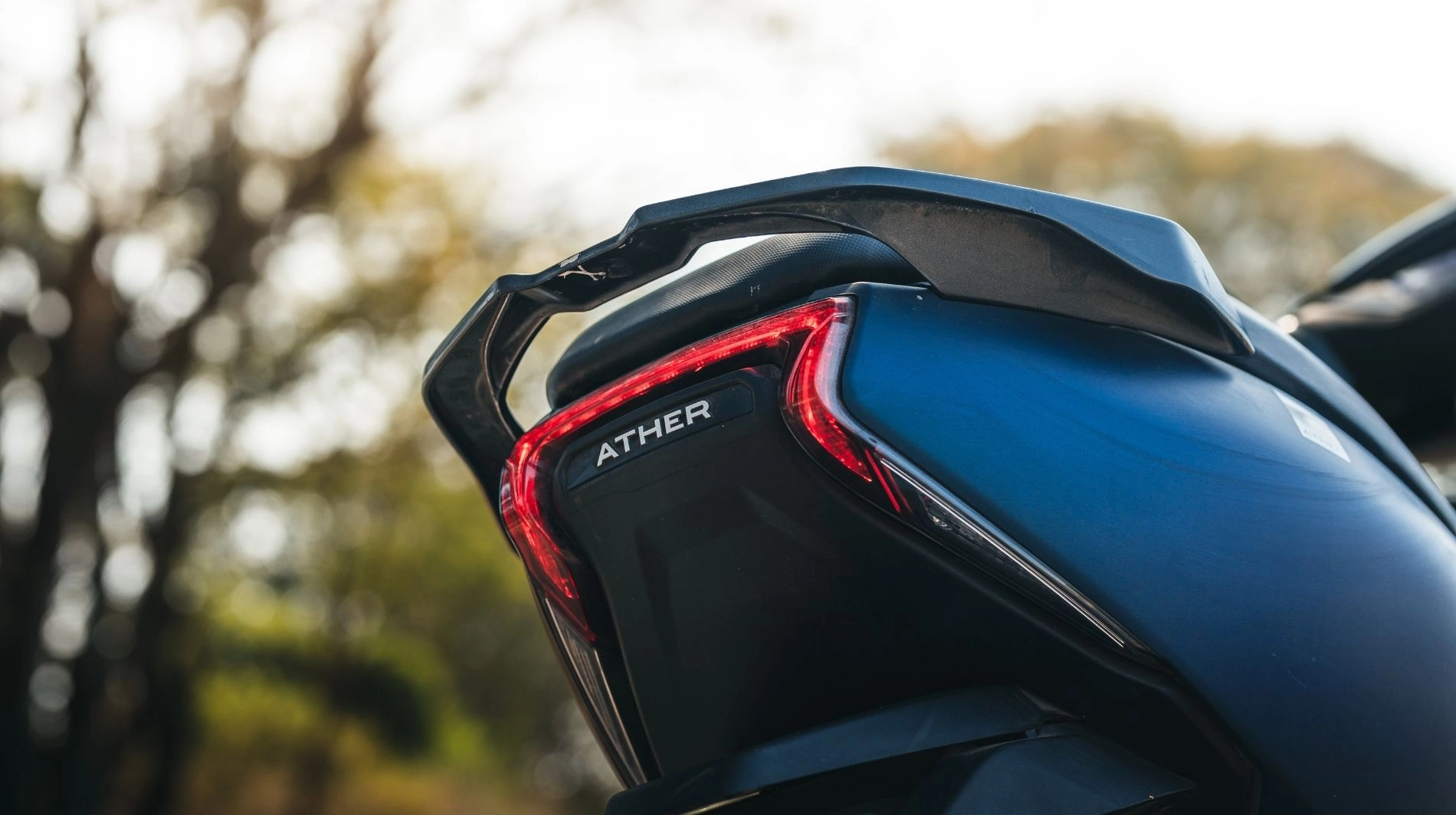
We’ll start with the styling, because the contrast here is hard to miss. The Ather 450 may be an eight-year-old design, but even today — despite there being hundreds of them on the road — it still manages to look fresh and futuristic. The sharp lines, clean surfacing and vibrant colour options ensure it continues to turn heads without trying too hard.
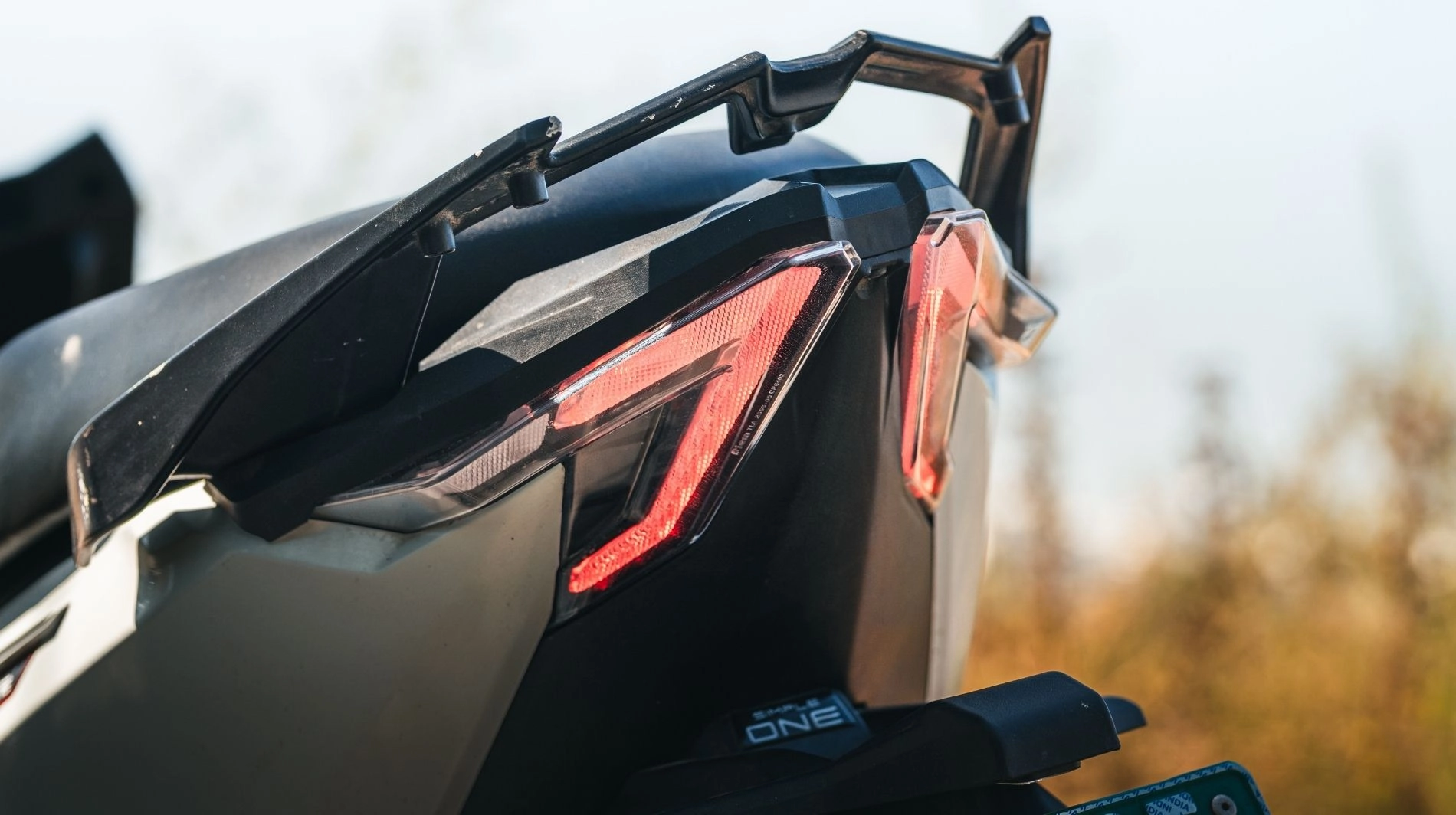
The Simple, however, plays in an entirely different visual league. If you think the Ather looks futuristic, the Simple cranks that dial all the way up. It’s sharper, more angular and noticeably larger, which gives it a far stronger road presence. Add the fact that it’s still a rare sight, and it ends up grabbing attention wherever it goes. People often mistake it for a new Ather variant at first, but almost always pause for a second glance to figure out exactly what it is.
We’ve grown used to the Ather’s design over the years, and that familiarity works in its favour. The Simple, on the other hand, looks like a concept scooter that has escaped the auto show floor and made it onto the street. It’s bold — but that same design-forward approach could be a bit much for more conservative buyers.
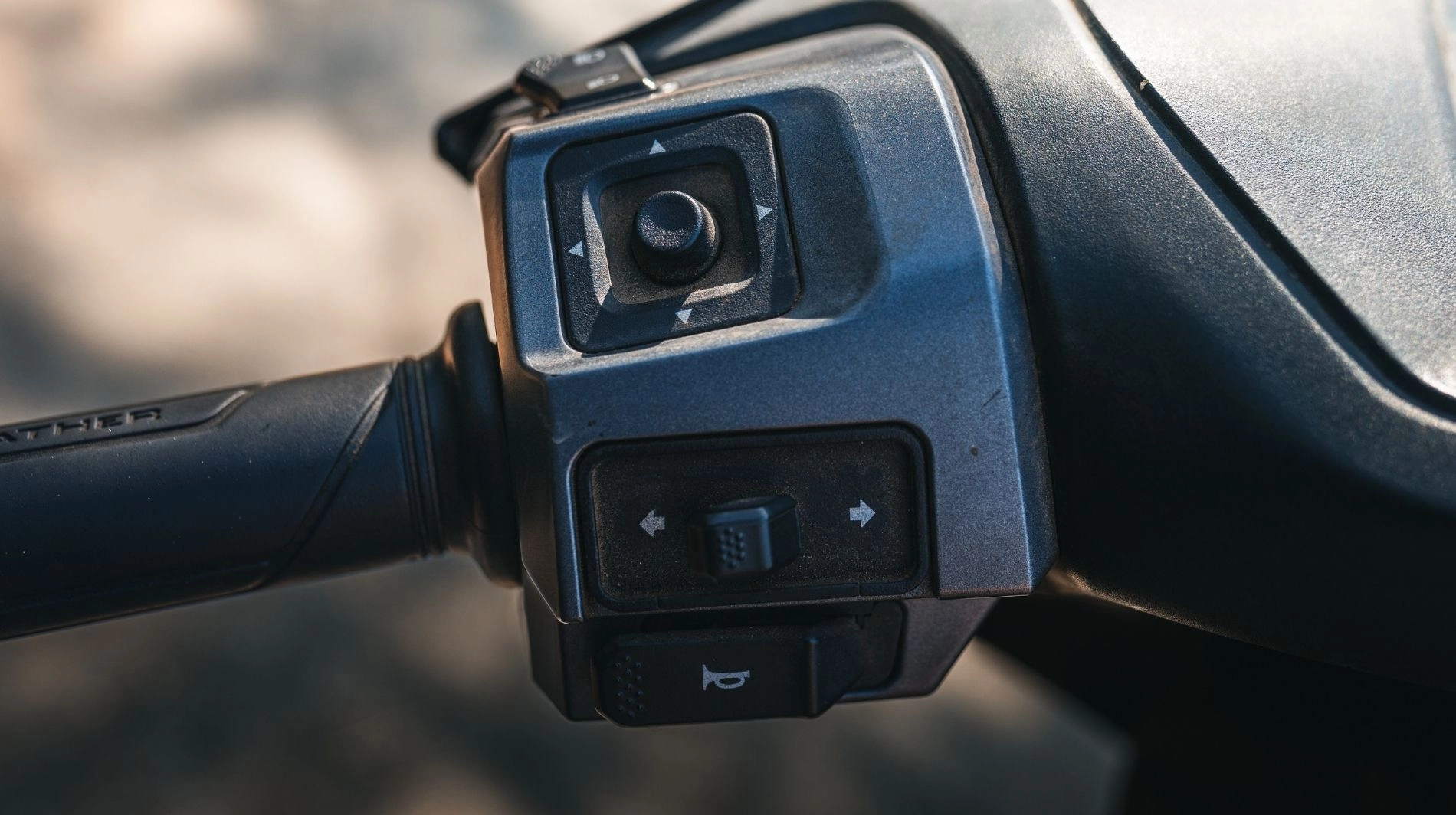
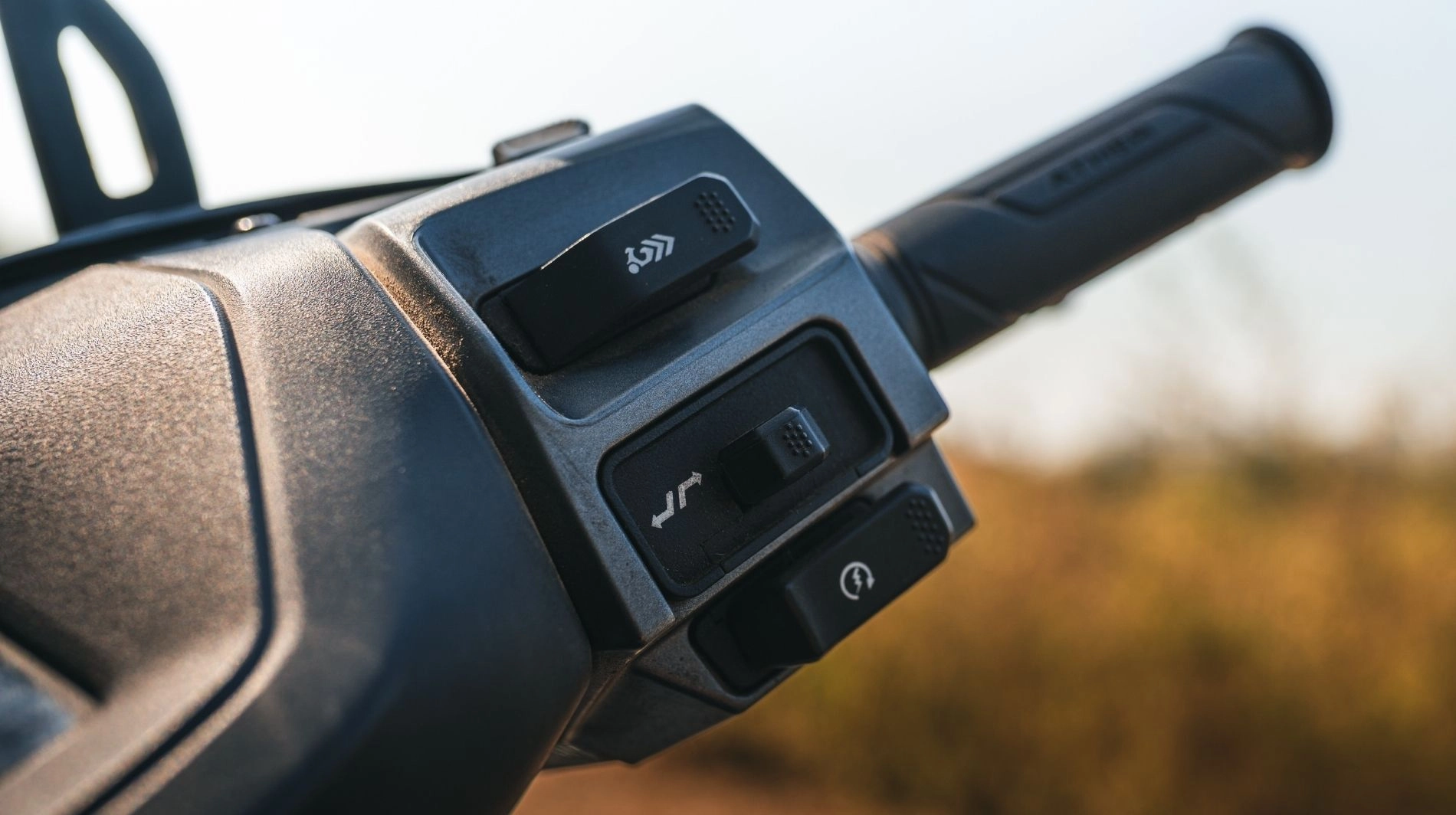
The Ather clearly seems to have an edge over the Simple. It gets better-quality plastics and body panels, consistent panel gaps, tactile switchgear and, overall, feels more solid. While the Simple doesn’t quite match the Ather’s build quality, it isn’t too far off either. Apart from the plastic around the instrument cluster and the slightly flimsy charging-port cover, the overall material quality is still very good.
Battery, features and real-world range
Not only was the Ather a pioneer of the sporty electric scooter segment, it also introduced several features that had never been seen on a scooter before, and has continued to add more over the years. After multiple updates and iterations, Ather now offers three variants: the S, the X and the range-topping Apex. This is the X variant, chosen because it is the best seller and is priced closest to the Simple One.
The Ather 450X is available with two battery options — 2.9kWh and 3.7kWh — paired with a motor producing 6.4kW of peak power and 26Nm of torque. The result is a claimed 0 to 40kmph time of 3.3 seconds.
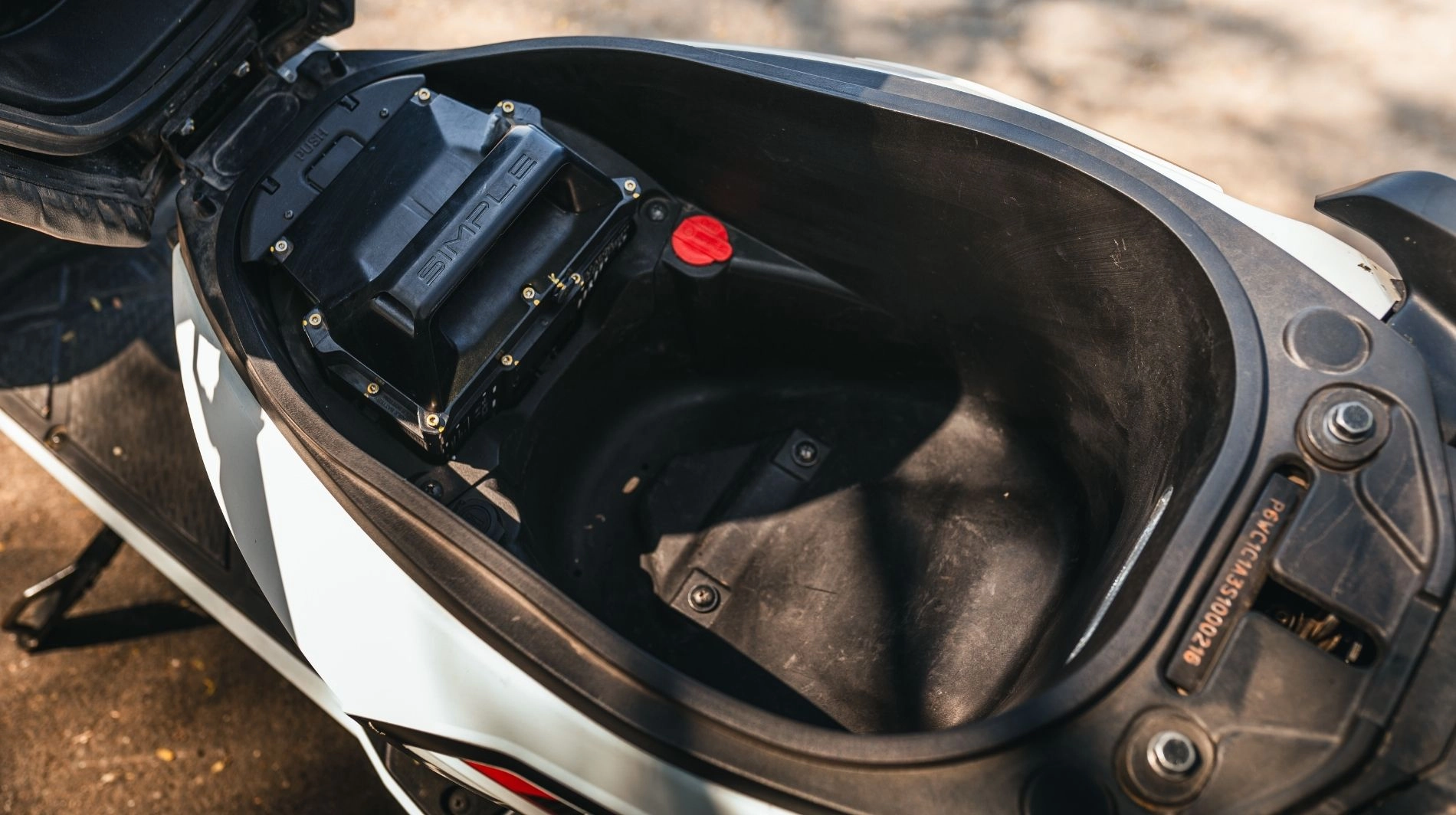
The Simple One, on the other hand, offers two battery configurations. The lower variant gets a single fixed 3.7kWh battery, while the higher variant adds a removable unit, bringing total capacity to 5kWh. Peak power remains the same across variants at 8.5kW, while torque is rated at a substantial 72Nm. As a result, it sprints from 0 to 40kmph in just 2.77 seconds.
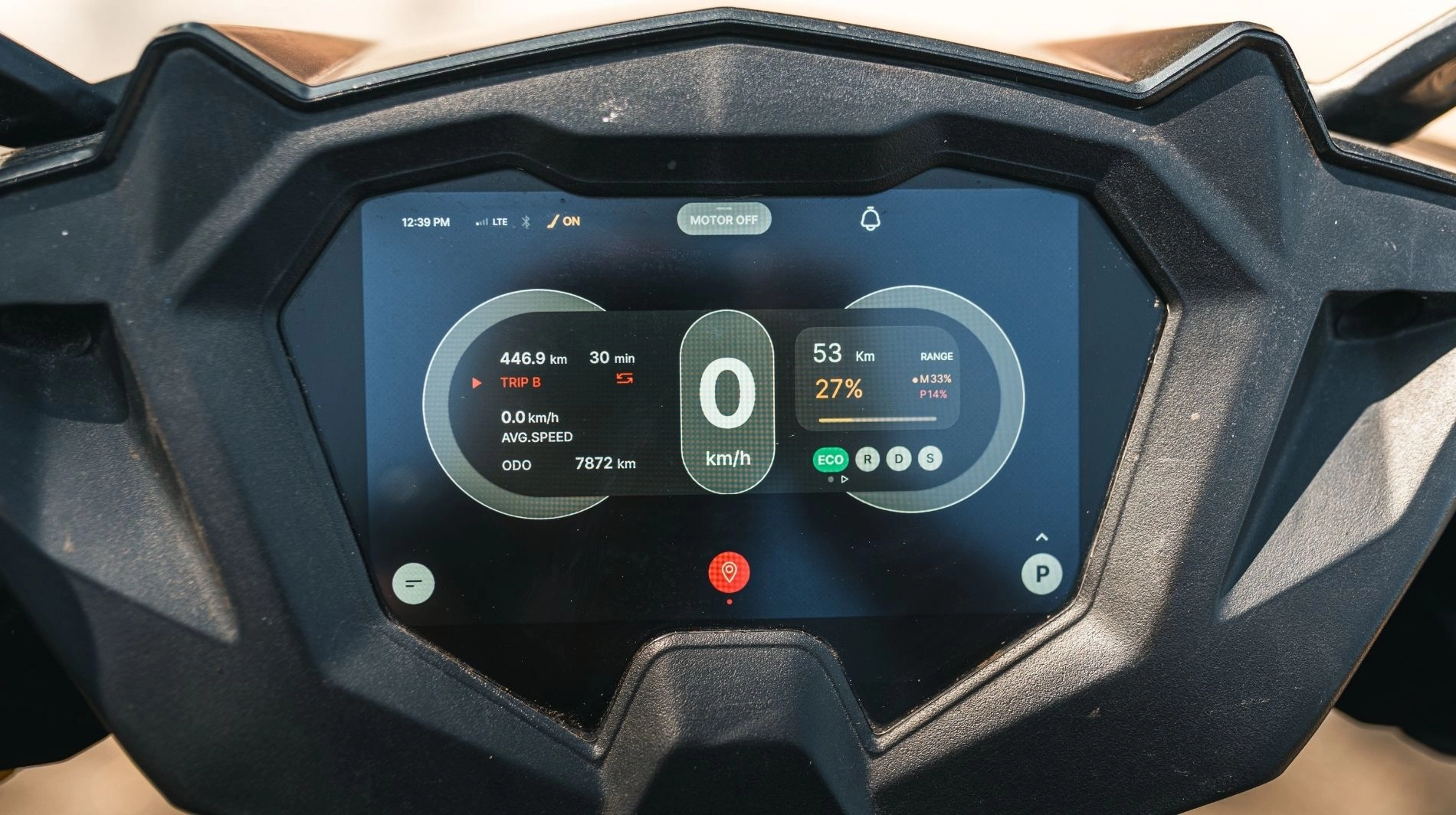
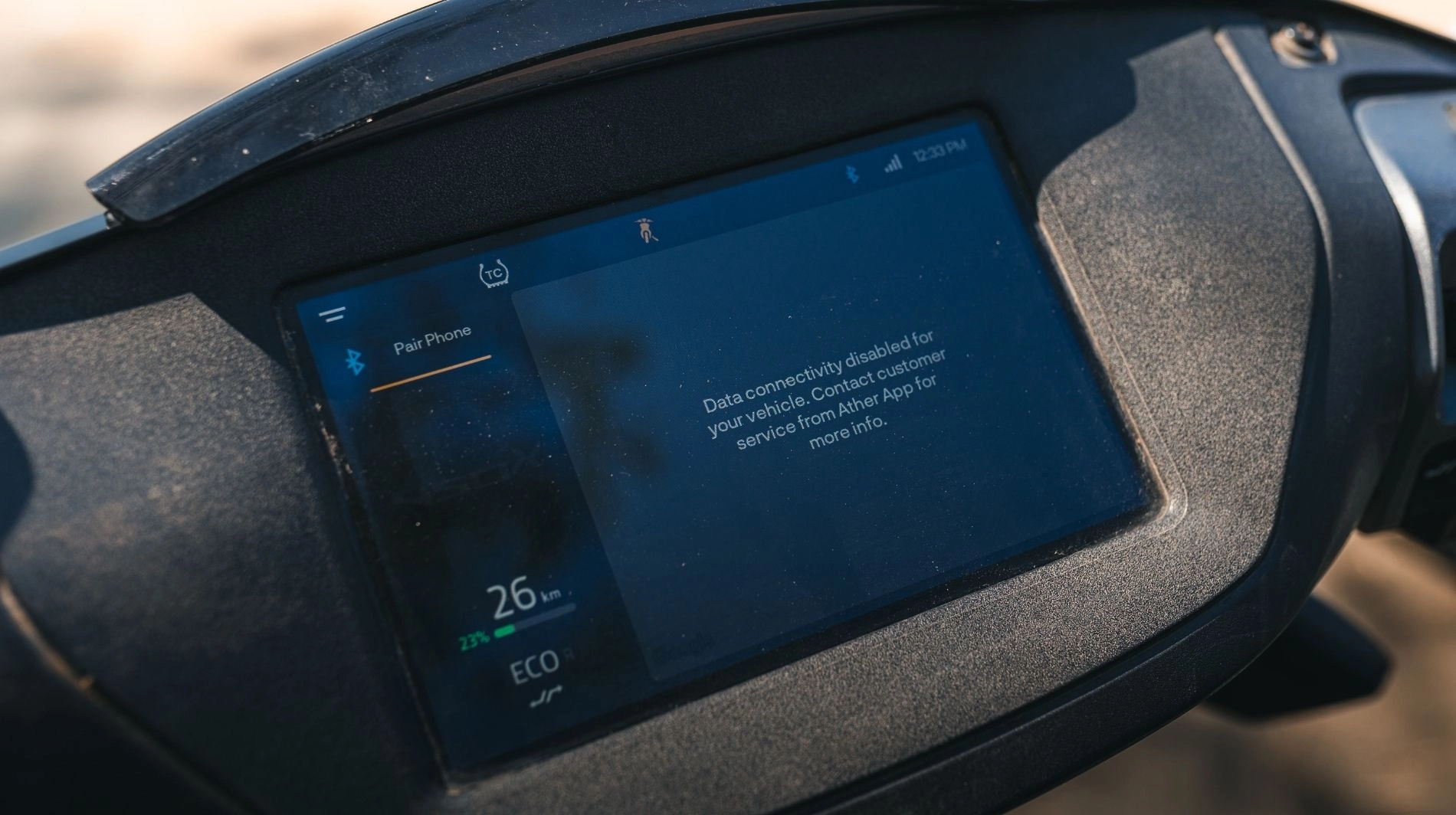
The Ather 450X features a large 7-inch touchscreen dashboard powered by a Snapdragon-based Android platform. It offers navigation, ride statistics, notifications and over-the-air updates, while Bluetooth, 4G and Wi-Fi connectivity link the scooter to the Ather app for live tracking, ride data and remote diagnostics. It also gets traction control and regenerative braking, known as Magic Twist, which allows you to slow down or stop the scooter simply by twisting the throttle in the opposite direction. It works seamlessly and feels intuitive in everyday riding.
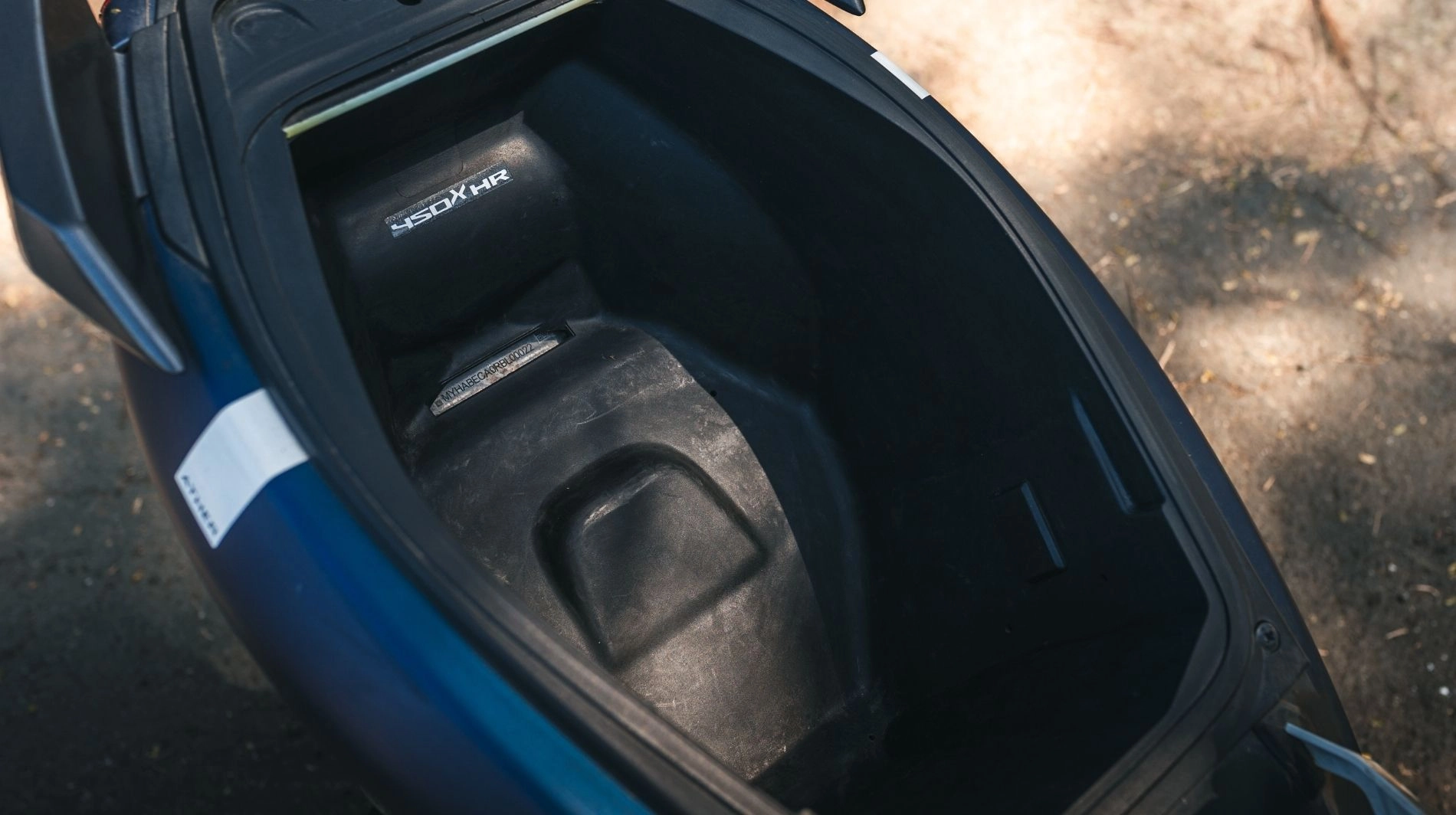
Other features include full LED lighting, a combined braking system, around 22 litres of under-seat storage, a USB charging socket, reverse assist, auto indicator-off and guide-me-home lights. Pro Pack variants add Google Maps navigation, voice assistant support and live location sharing.
The Simple also gets a 7-inch TFT touchscreen that is intuitive, easy to use and pairs quickly with the Simple app. Bluetooth connectivity allows call handling and music playback on the move, while a built-in 4G Jio SIM enables over-the-air updates and navigation via MapMyIndia. It offers a larger 30-litre boot — expanding to 35 litres on the single-battery variant — along with a roomier floorboard. Additional features include tyre pressure monitoring, ‘find my vehicle’ tracking, auto-brightness control, customisable dash themes, call and message notifications, and guide-me-home lights.
Both scooters are packed with technology, but the Ather’s interface feels cleaner and more thoughtfully executed. The Simple boasts an impressive feature list on paper, but the overall experience still feels like it needs a bit more refinement.
When it comes to range, the Simple One has a clear advantage thanks to its larger, dual-battery setup. It claims an IDC range of 248km and can comfortably deliver over 150km in mixed real-world riding. With a lighter throttle hand, that figure can stretch close to 170km.
The Ather, by comparison, has a claimed IDC range of 161km and delivers around 110km in real-world conditions. Ride gently and you can extract another 10–15km. However, a key advantage for Ather is the widespread availability of its Grid fast-charging network across most Tier 1 cities and several Tier 2 locations. The Simple’s portable charger uses a 16A plug, which can be harder to find if you’re travelling and relying on public charging points.
Ergonomics, performance and handling
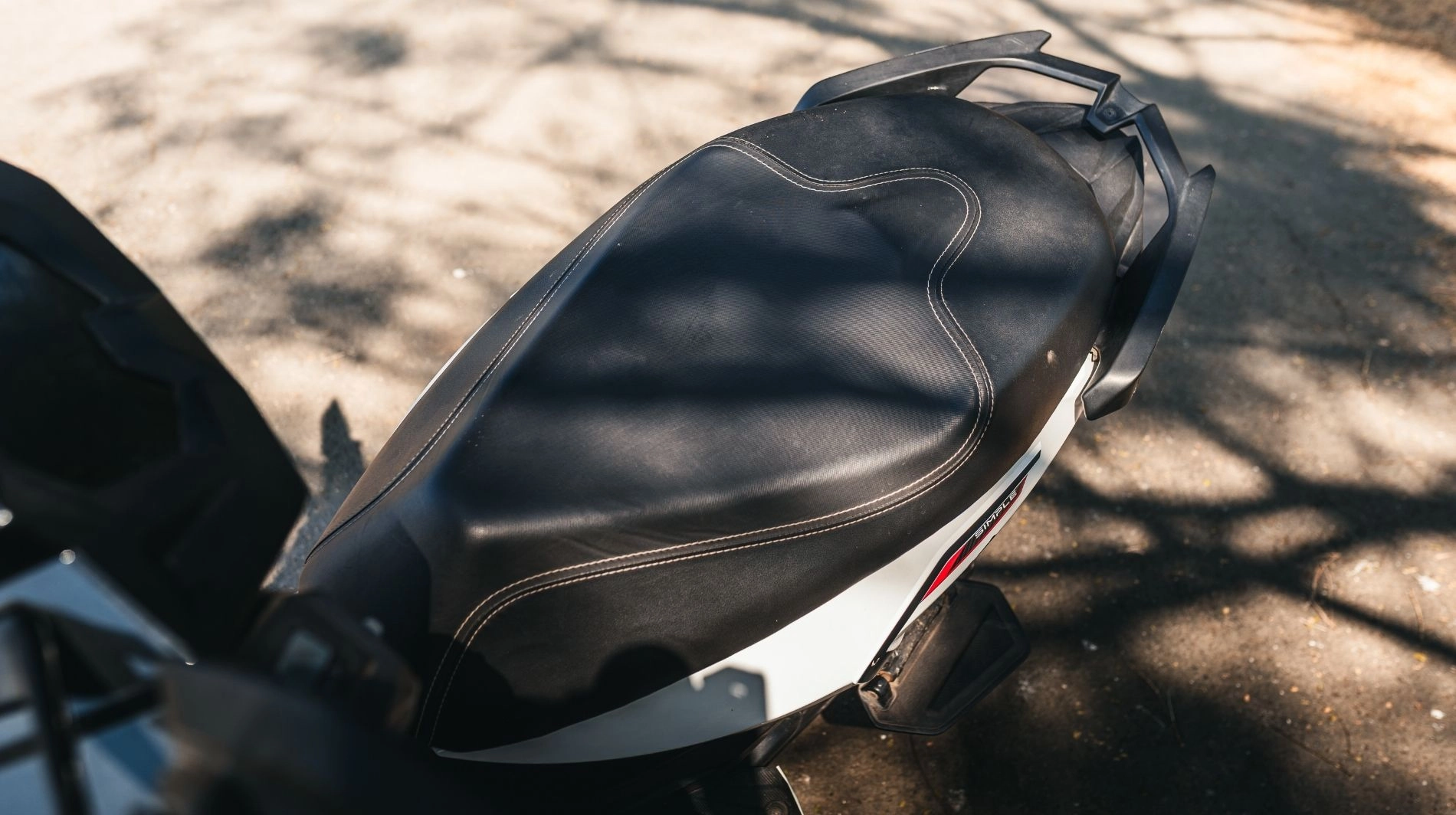
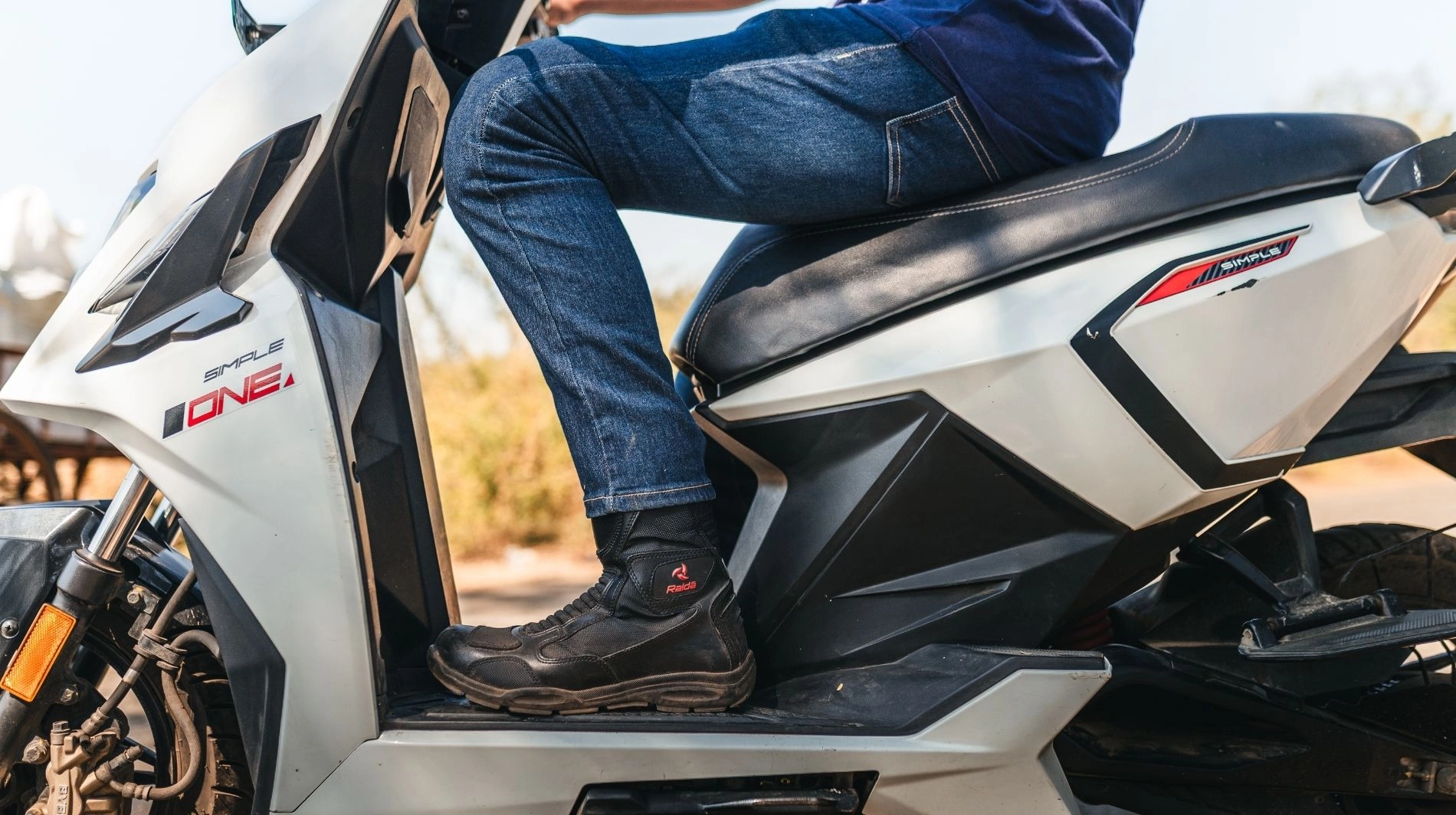
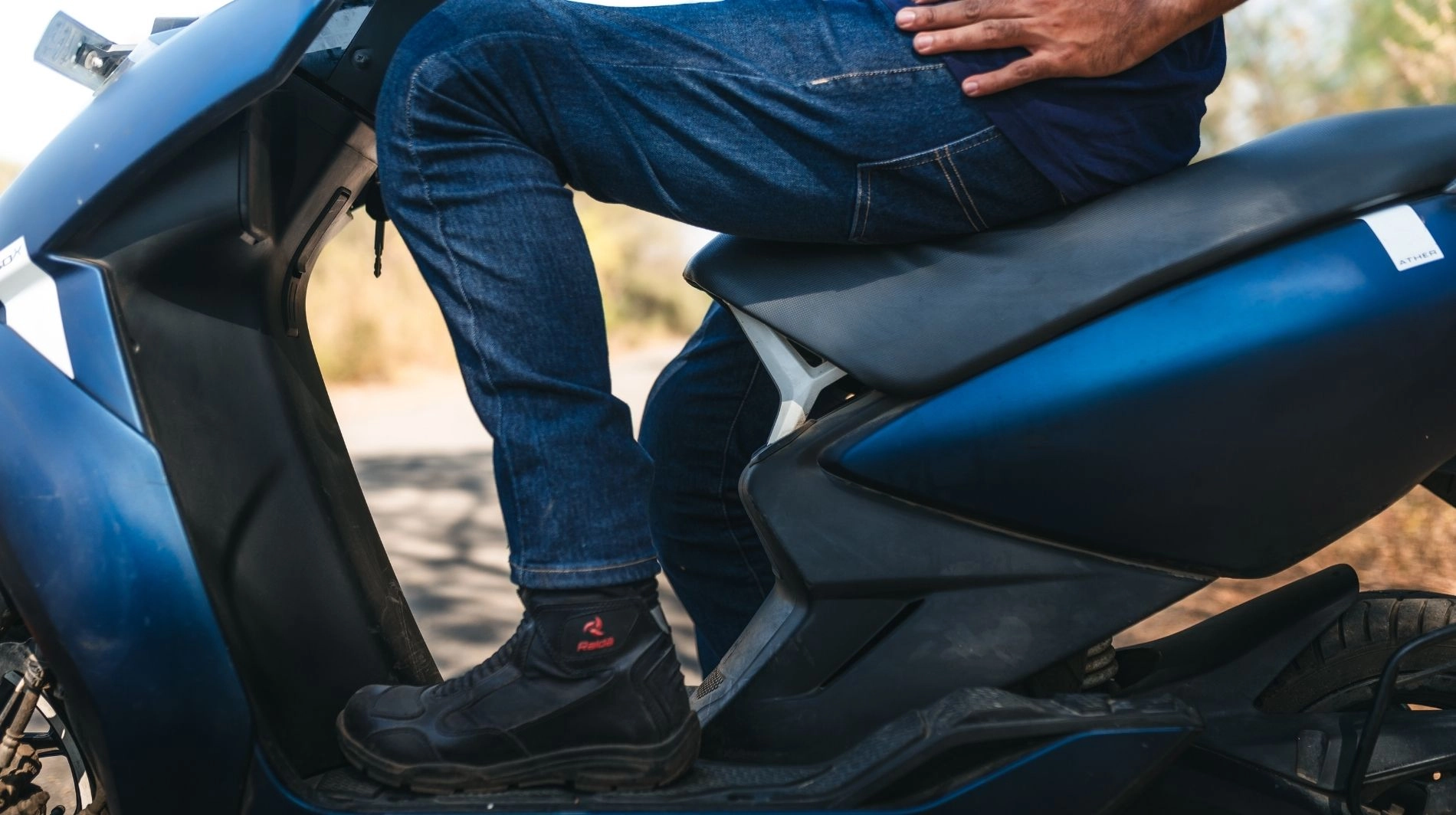
In terms of ergonomics, the Simple feels slightly roomier, with a longer floorboard and taller handlebars. The Ather’s riding posture, however, is more neutral and slightly lower-set, making it feel more natural and intuitive. Both scooters offer excellent seat comfort, though the Ather edges ahead with better cushioning.
The Ather offers four ride modes — Eco, Ride, Dash and Warp. Even in Eco, performance feels lively enough for urban use. Things get progressively more exciting as you move through the modes, with Warp delivering genuinely quick acceleration. That said, Ride mode is the sweet spot, as it is well optimised for city riding, offering bursts of performance when needed.
The Simple also features four ride modes — Eco, Ride, Dash and Sonic. Eco is predictably relaxed and can feel sluggish with a pillion. Ride suits city use, Dash adds extra urgency for overtakes, and Sonic is outright quick, delivering a stronger shove than the Ather’s Warp mode. Throttle calibration is good and largely linear, though it can feel slightly jerky when repeatedly rolling on and off.
The Ather 450X stands out for its smoothness. Throttle response is linear, acceleration is predictable and the overall control makes it feel like an extension of the rider. The Simple One 1.5 counters with bigger numbers and stronger acceleration. It’s undeniably fast and delivers an instant rush, but the Ather feels more composed and mature.
The Simple is physically larger and over 25kg heavier than the Ather, which is noticeable when manoeuvring at low speeds or moving it off the stand. Once past 20kmph, however, it feels nimble and stable, even at higher speeds, though it can feel slightly wallowy over fast undulations. It also offers a plusher ride than the Ather.
The Ather, meanwhile, feels light on its feet from the outset and is incredibly easy to throw around. It strikes a better balance between comfort and handling, while the Simple feels more forgiving and comfortable on rough roads.
Verdict
So, here’s the bottom line. The Ather 450X continues to stand out as the more mature and well-rounded electric scooter in this comparison. It doesn’t chase headline-grabbing numbers, but instead focuses on getting the fundamentals absolutely right. The build quality feels premium, the interface is clean and intuitive, the ride experience is smooth and confidence-inspiring, and the overall package feels carefully engineered rather than simply feature-packed. Add to that Ather’s extensive service reach and the rapidly expanding Grid fast-charging network, and the 450X offers an ownership experience that feels reassuring, predictable and hassle-free.
Where the Ather really shines is in how cohesive everything feels. From throttle calibration and ride modes to braking, handling and software usability, it comes across as a scooter that has been refined over years of real-world use. It’s the kind of electric scooter you can live with every day without thinking twice, and that consistency is what ultimately makes it such a strong benchmark in the segment.
The Simple One takes a very different approach. It aims to impress with sheer numbers and, in many ways, succeeds. The massive real-world range, strong acceleration and roomy ergonomics give it a clear advantage for riders who want performance and practicality in equal measure. It feels quick, capable and genuinely exciting when pushed, and on rougher roads, its plusher ride quality works in its favour. On paper, and even in short rides, it makes a compelling case for itself.
However, the Simple still feels like a product that’s evolving. While the feature list is extensive, the overall experience lacks the last layer of polish that the Ather delivers so effortlessly. Elements like low-speed refinement, throttle smoothness and software execution could do with more fine-tuning, and the service ecosystem is still growing. None of these are deal-breakers, but they do demand a little patience and willingness to live with early-adopter quirks.
Ultimately, the choice comes down to what you value most. If you want a premium electric scooter that feels thoroughly sorted, offers a stress-free ownership experience and simply works day in and day out, the Ather 450X remains the safer and more complete choice. But if maximum range, stronger performance and a more aggressive character top your priority list — and you’re comfortable backing a brand that’s still building its ecosystem — the Simple One is a compelling alternative that shows plenty of promise.
Ather 450X
Battery: 3.7kWh
Power: 6.4kW
Torque: 26Nm
Price: ₹1.47 lakh (ex-showroom)
Simple One 1.5
Battery: 5kWh
Power: 8.5kW
Torque: 72Nm
Price: ₹1.73 lakh (ex-showroom)