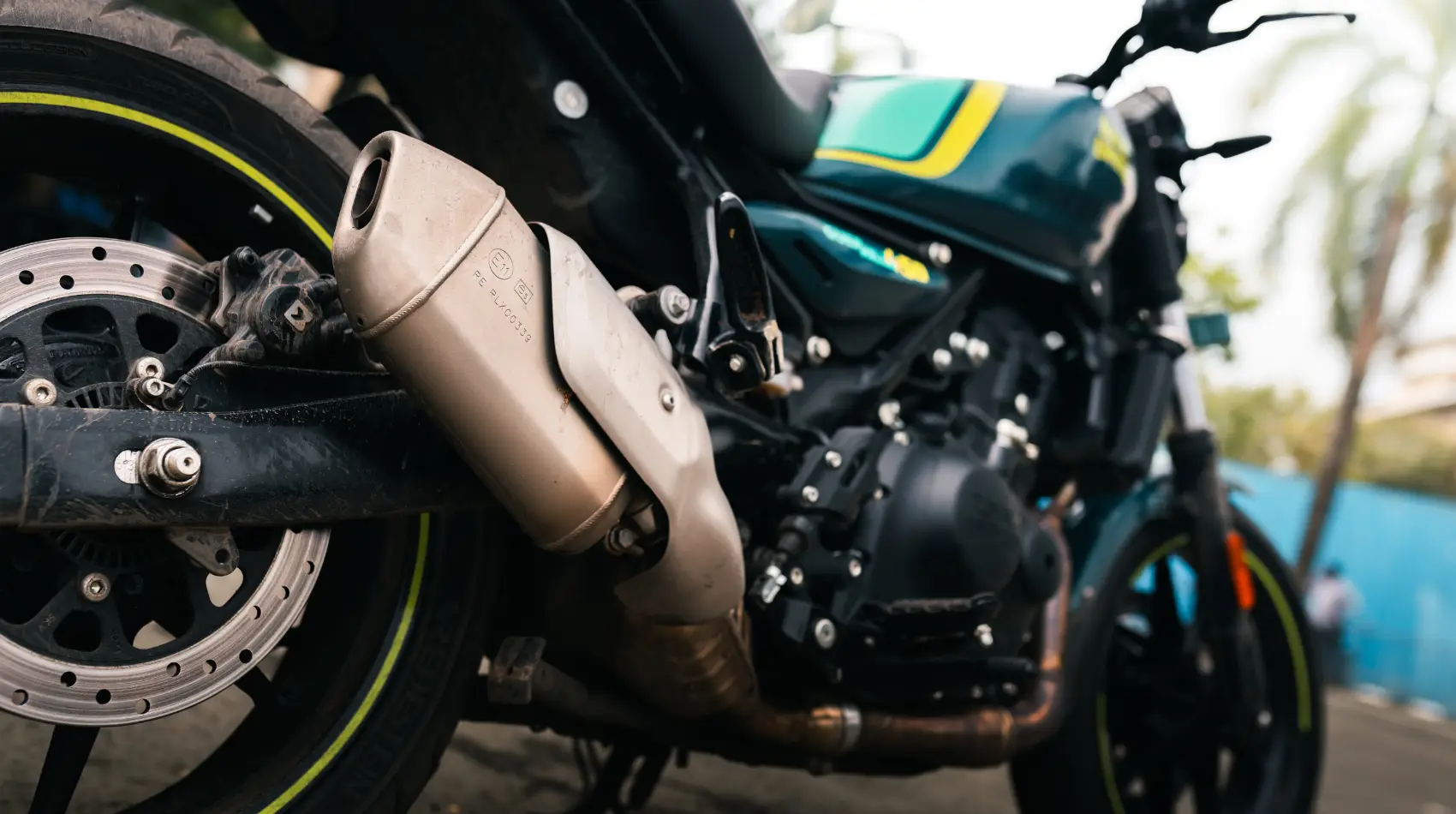
For riders stepping up from the 150–250cc class, the 400cc naked roadster segment is often the natural next rung on the ladder. And ever since the GST norms pushed motorcycle prices higher, particularly for the KTM 390 Duke, the Royal Enfield Guerrilla 450 Apex has emerged as the apex predator of this segment. With its strong performance, distinctive character and compelling price-to-performance equation, the Guerrilla has carved out a sweet spot for riders looking for serious performance without breaking the bank.
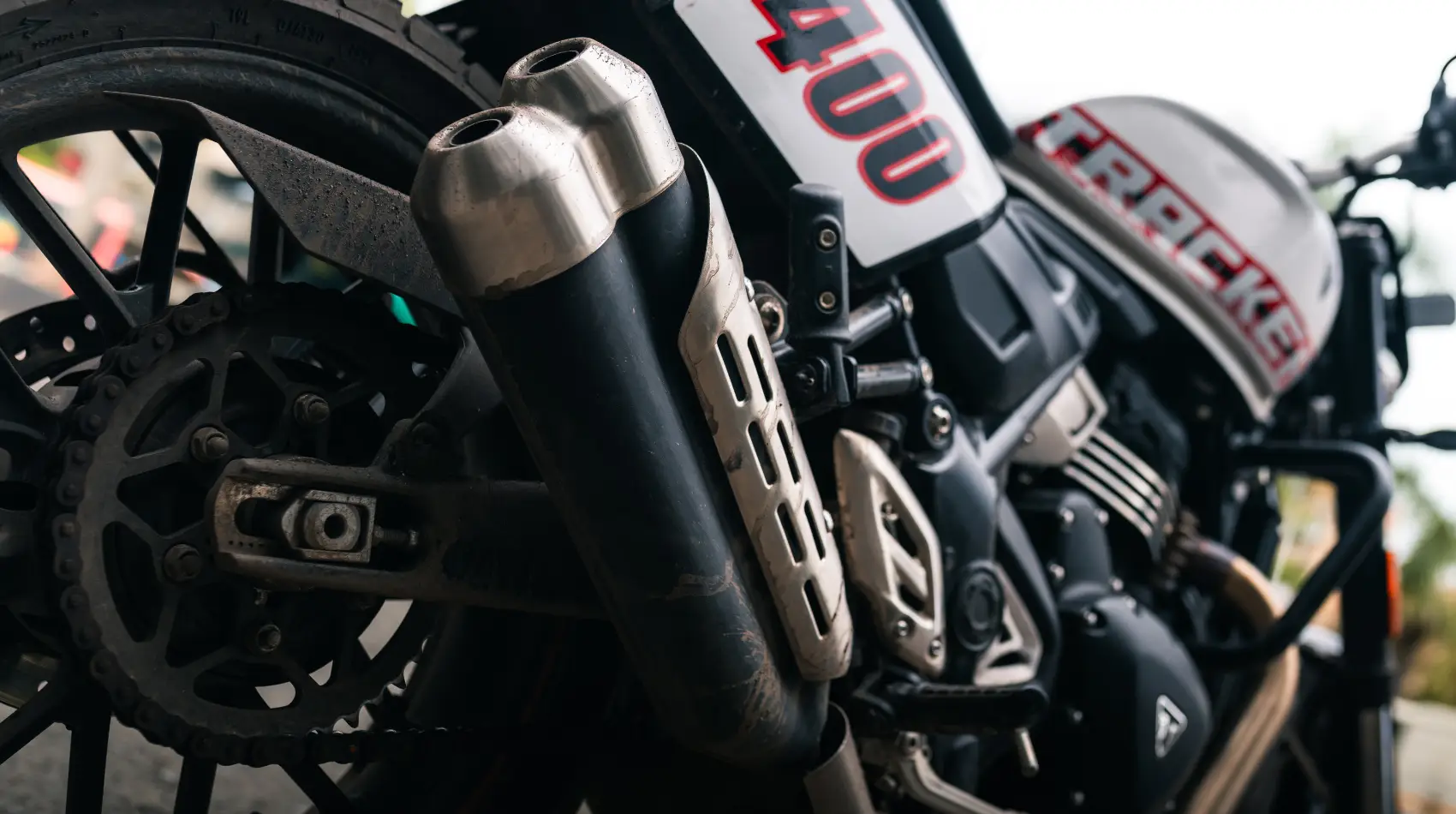
But the pecking order is no longer quite as straightforward. Triumph, through its Bajaj-Triumph partnership, has built an entire family of motorcycles around its 400cc platform, and its latest entrant, the Tracker 400, brings an interesting twist to the formula. Despite its name, the Tracker 400 is actually powered by a 350cc engine, but with 40hp on tap, it matches the Guerrilla 450 for outright power.
So, can the new Tracker 400 upset the established order and knock the Guerrilla 450 off its apex predator throne? Read on to find out.
Design plus fit and finish
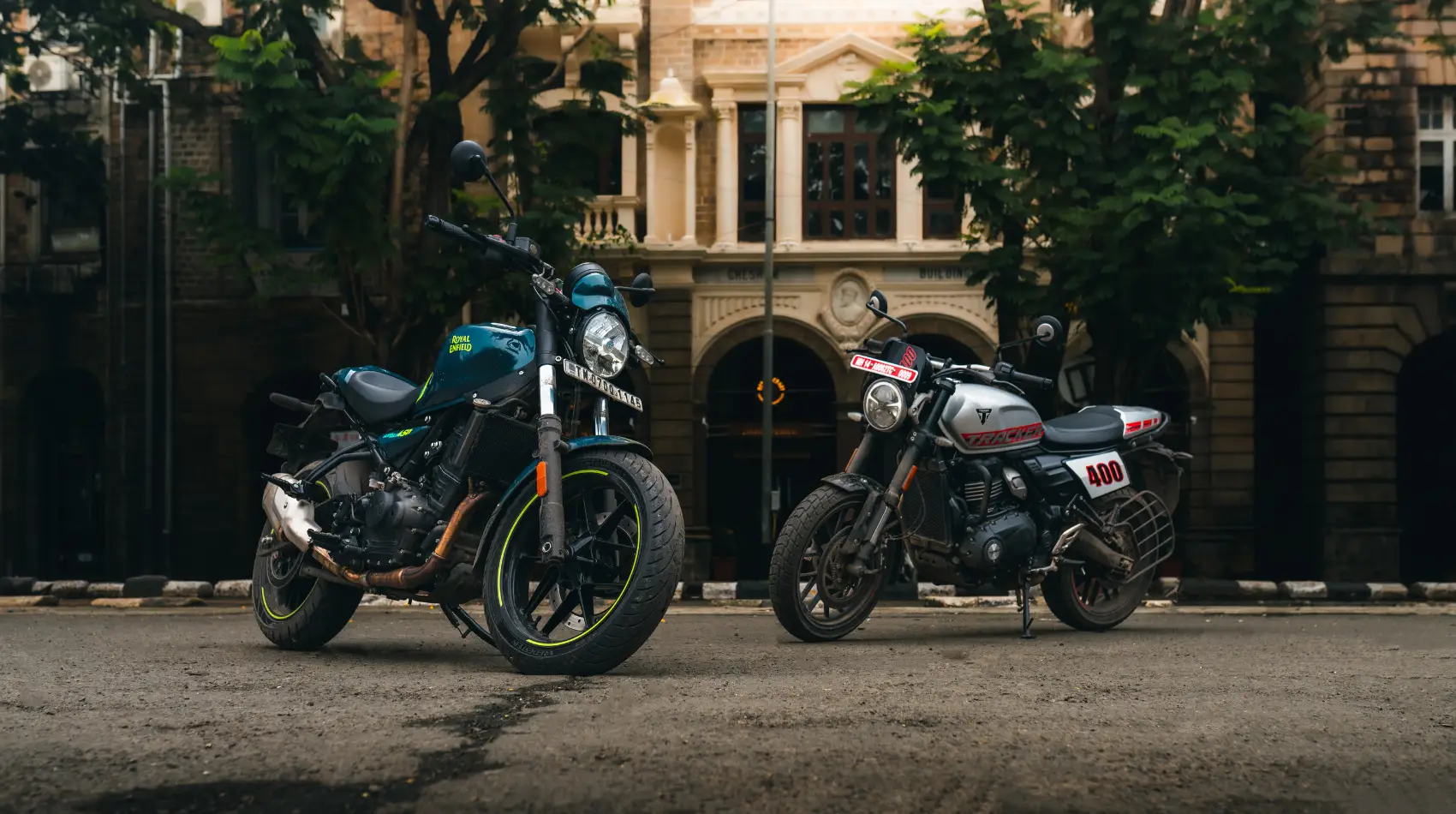
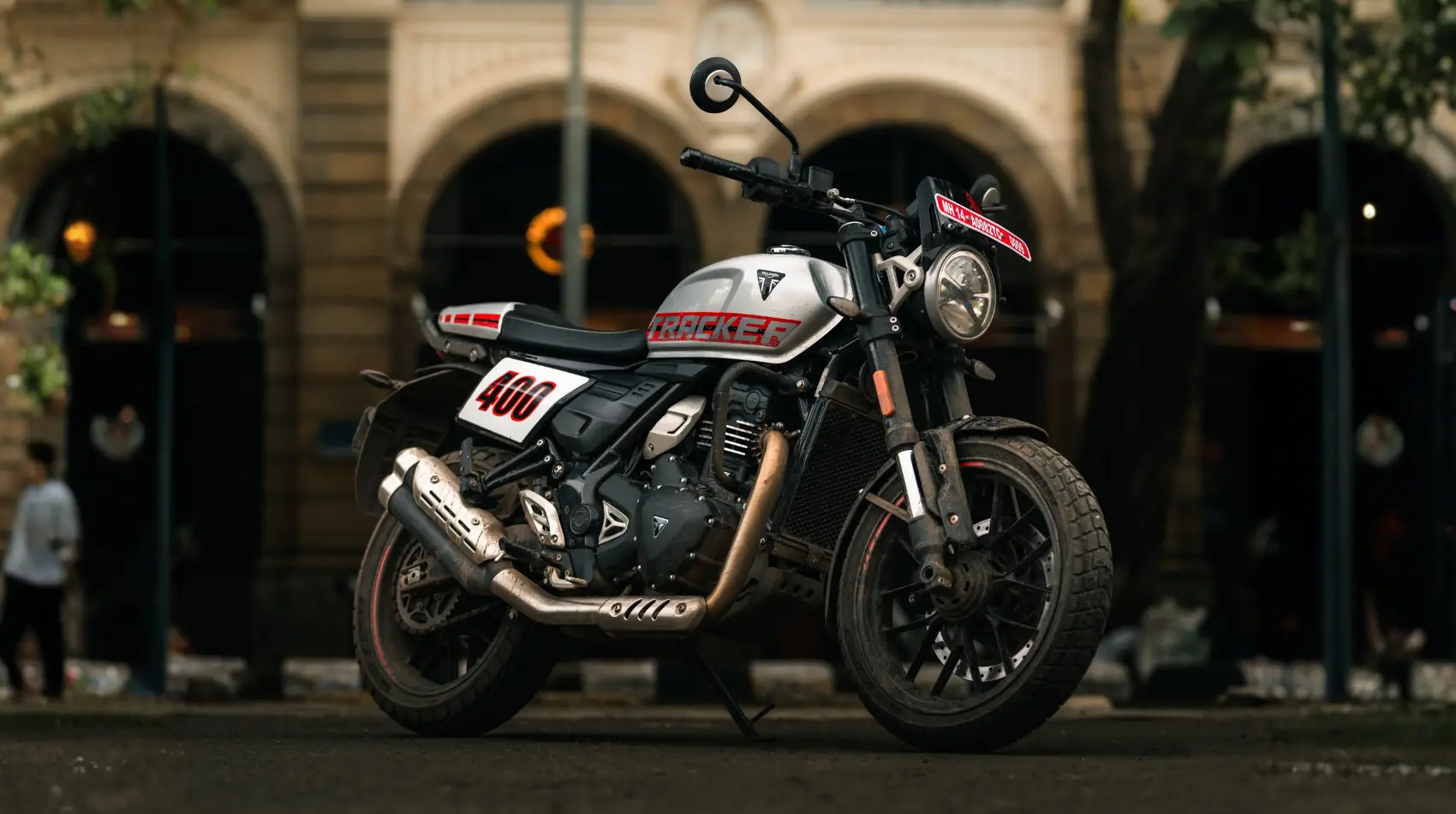
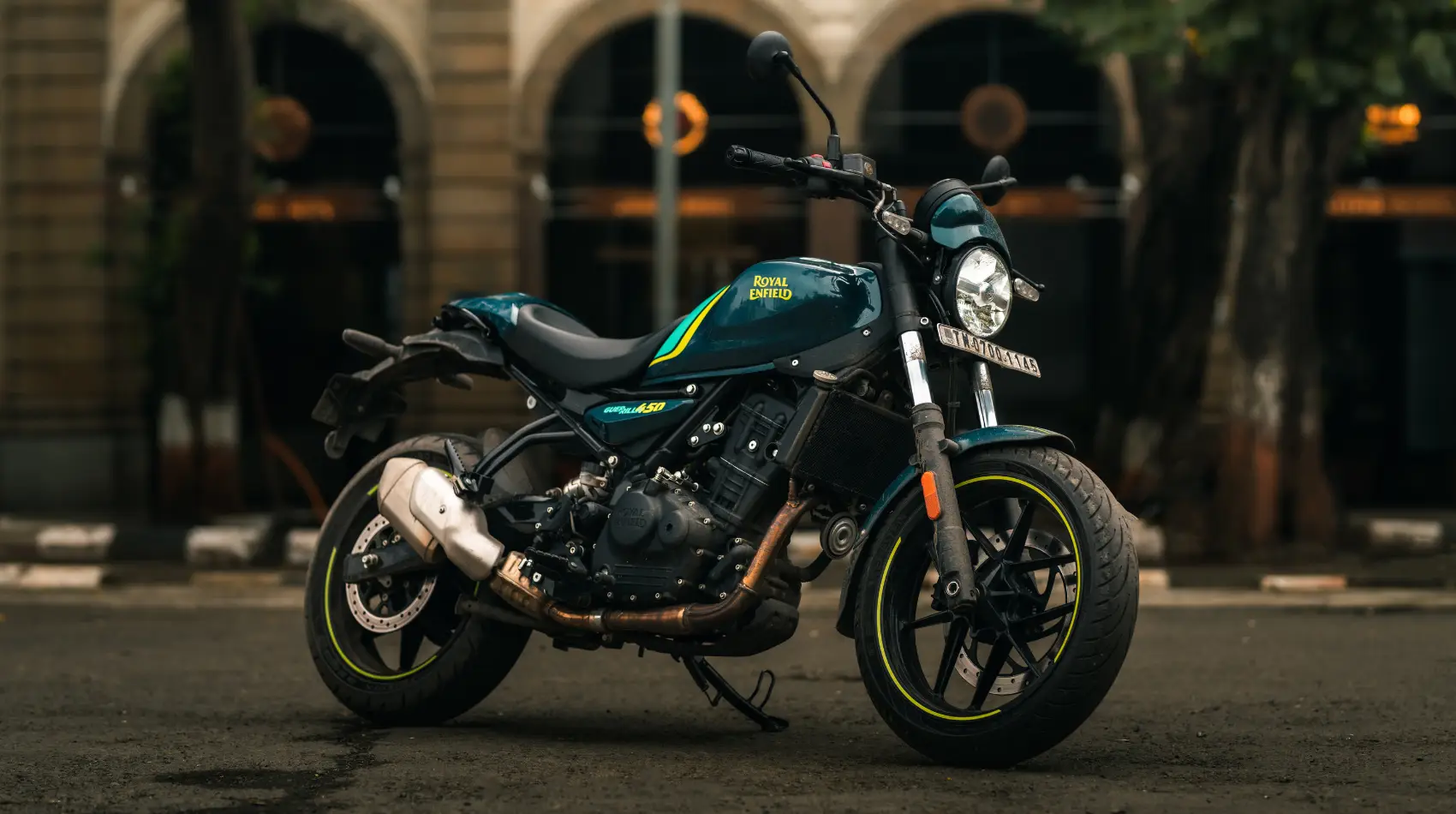
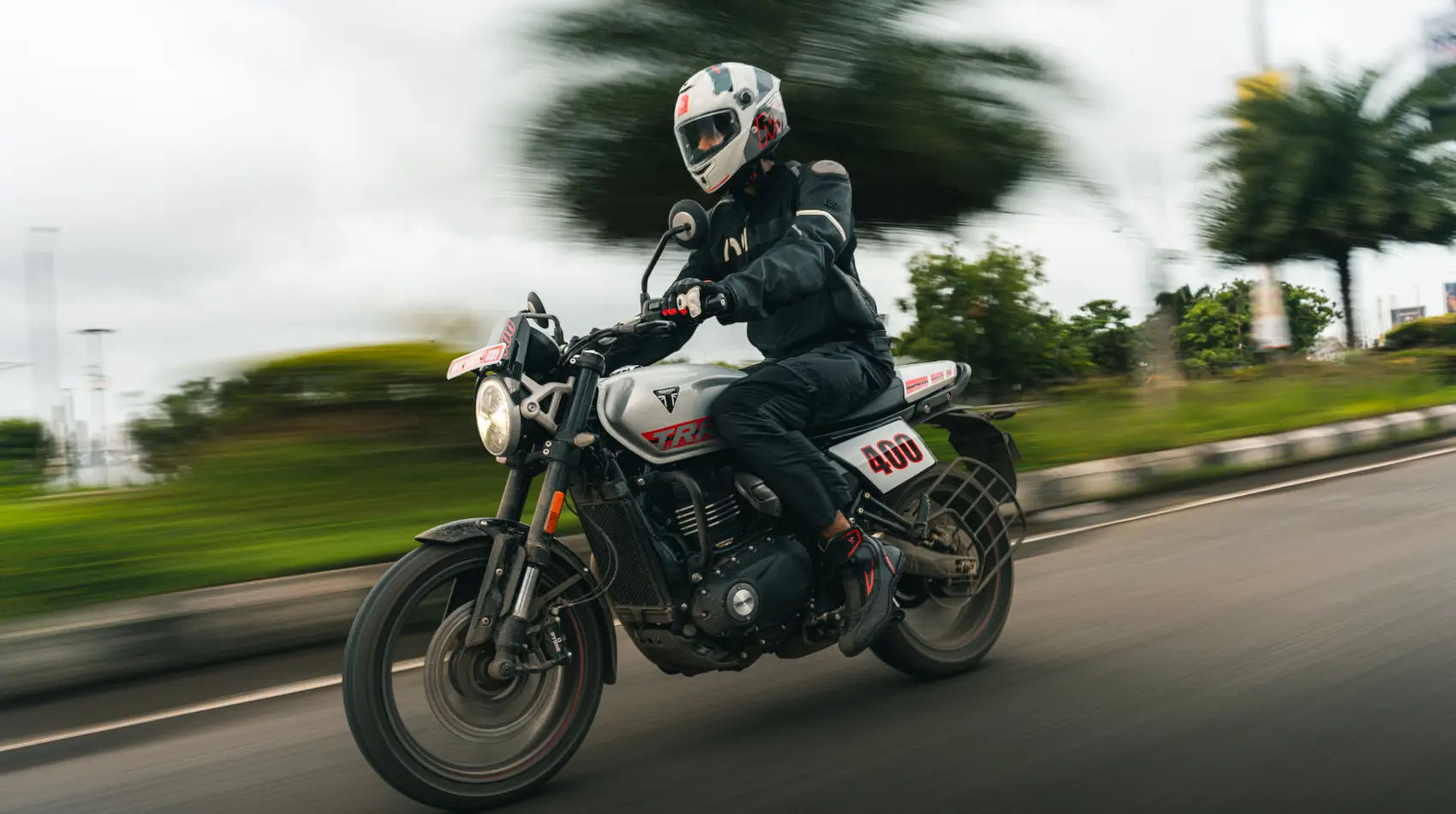
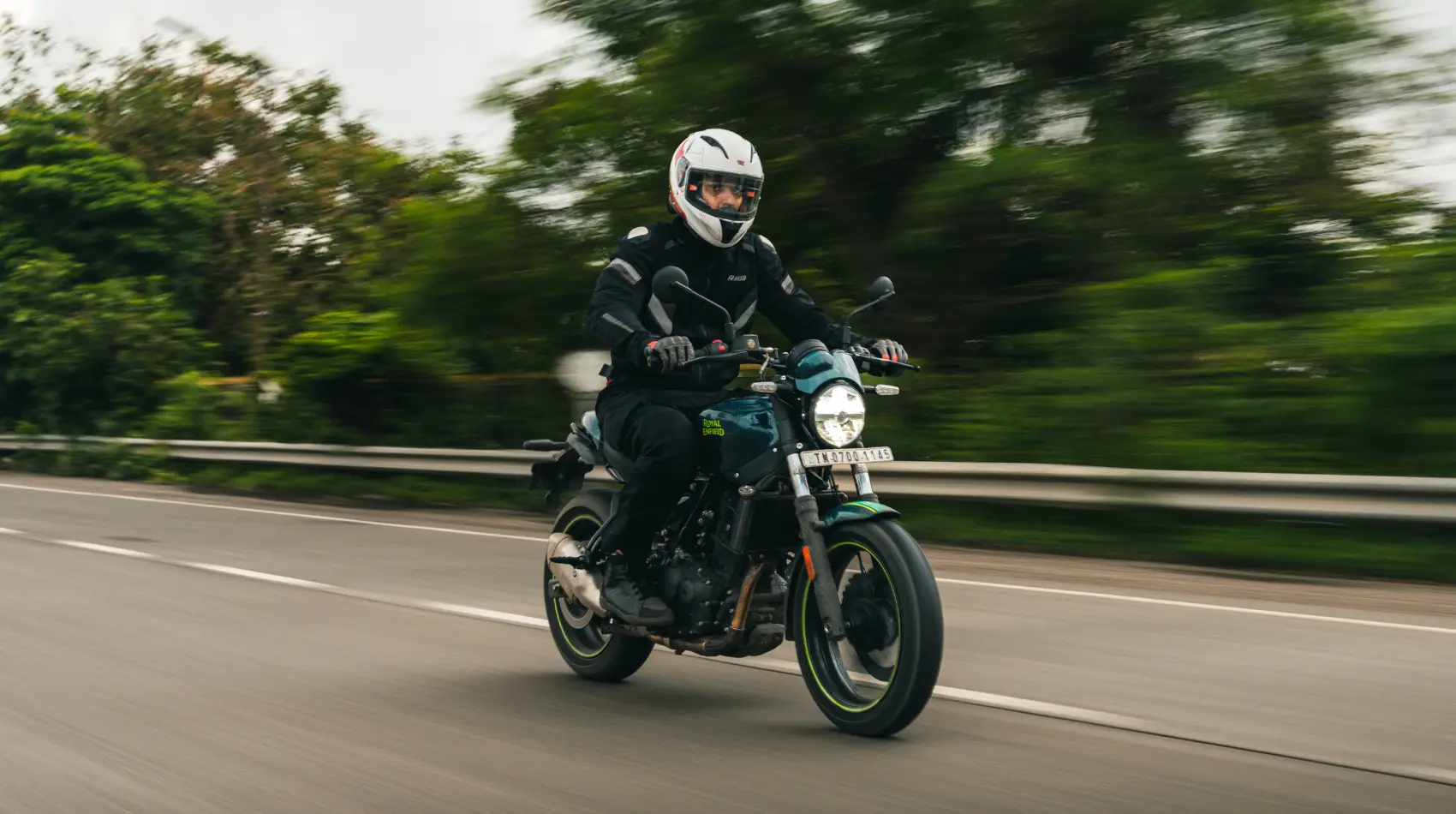
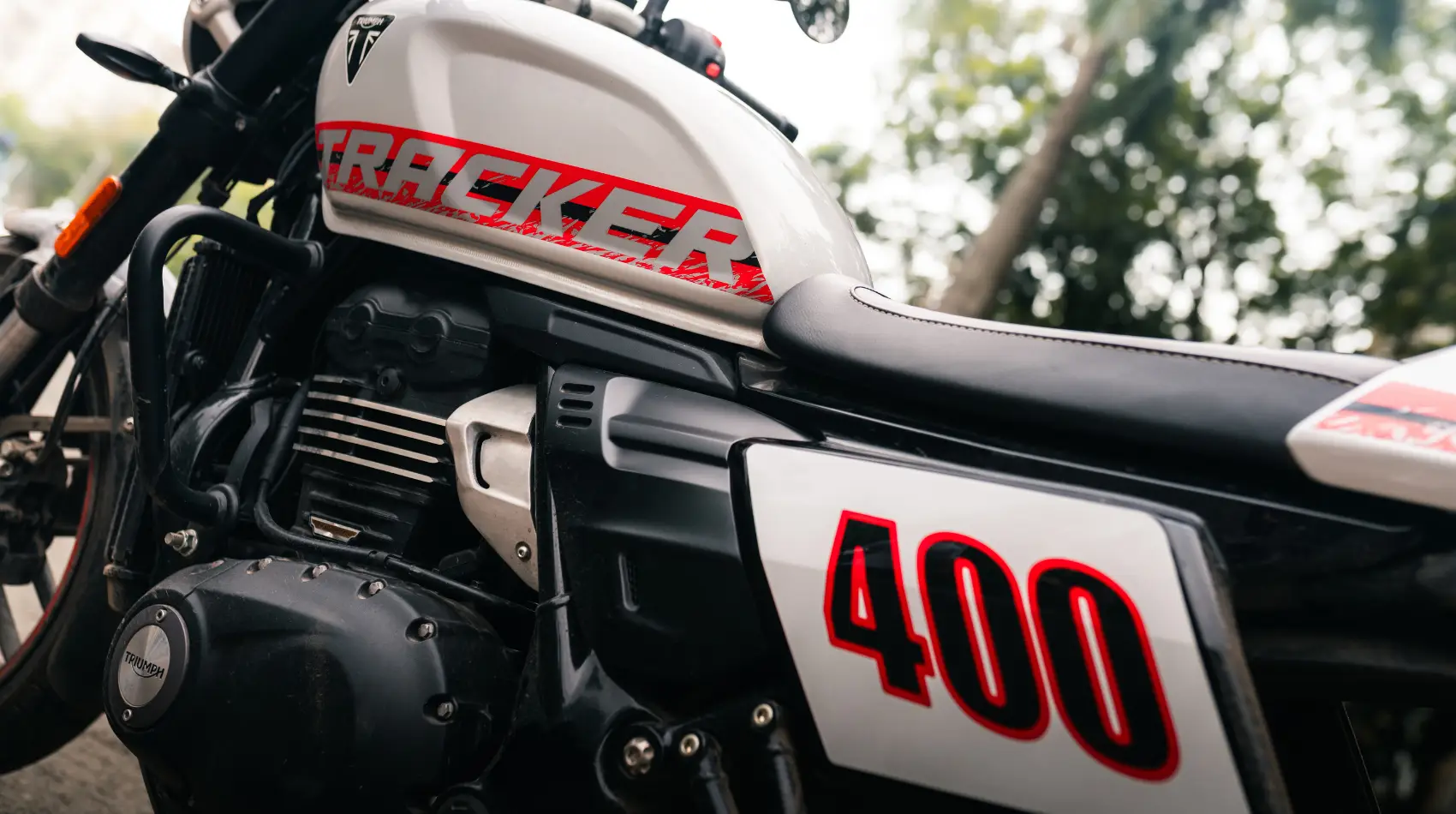
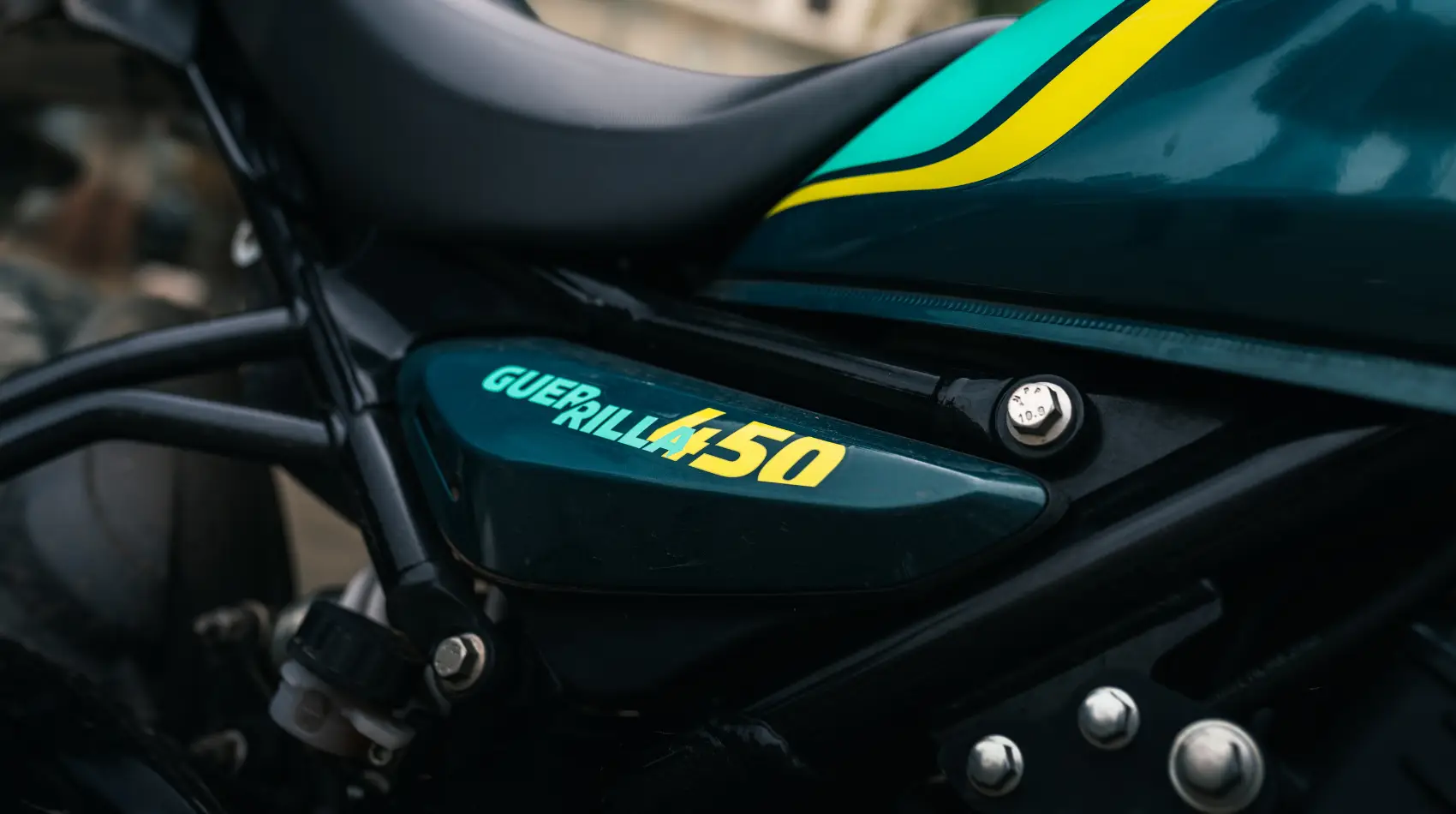
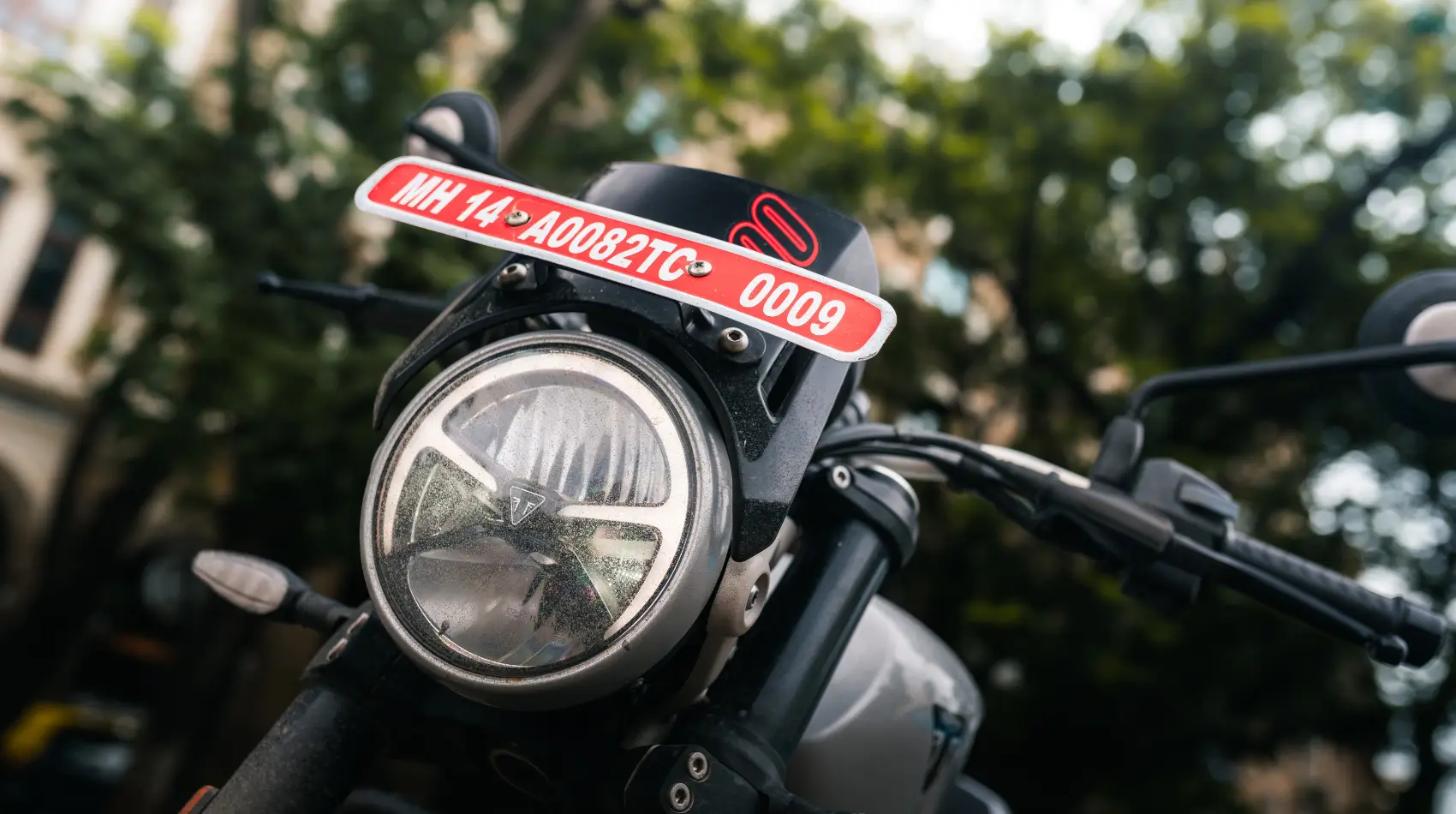
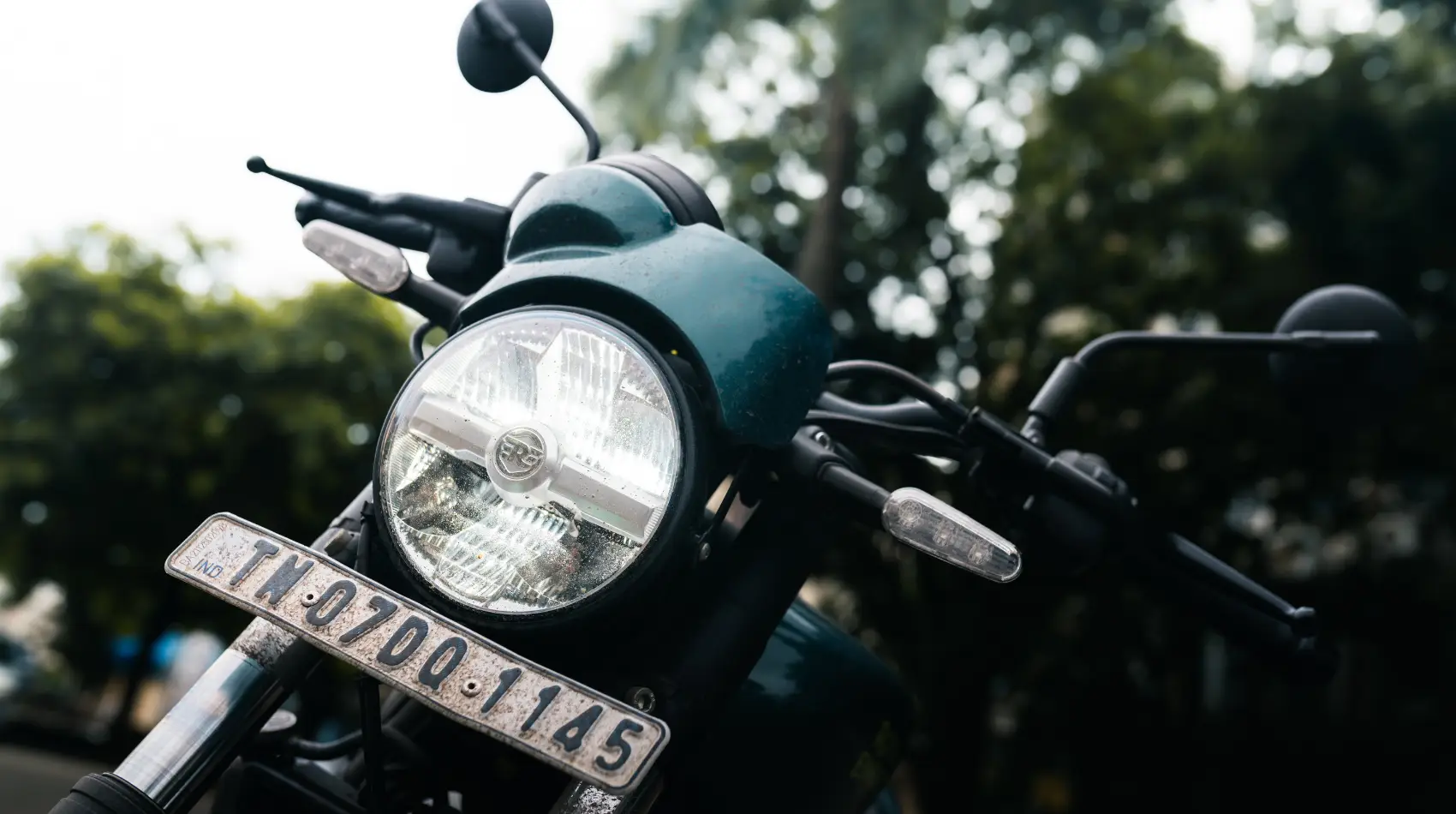
Both bikes look fantastic, and choosing a favourite was genuinely difficult, but if I had to pick one, the Tracker 400 gets my vote. I especially love it in the Racing Yellow shade, although our test bike in Aluminium Silver also looked rather classy. That’s not to say the Guerrilla 450 Apex doesn’t have plenty of visual appeal, but for me, the Tracker simply gets the design right. The Tracker also has the edge when it comes to fit and finish and switchgear quality. By saying this, I’m not suggesting that the Guerrilla 450 Apex has poor fit and finish, but Royal Enfield still has some room for improvement when it comes to overall quality levels across its range. For instance, the right-rear indicator on our Guerrilla 450 Apex, wasn’t working during our test. In comparison, everything on the Tracker feels better built, more tactile and more thoughtfully finished, giving it a sense of quality that makes it feel like a more expensive motorcycle.
Features and Ergonomics
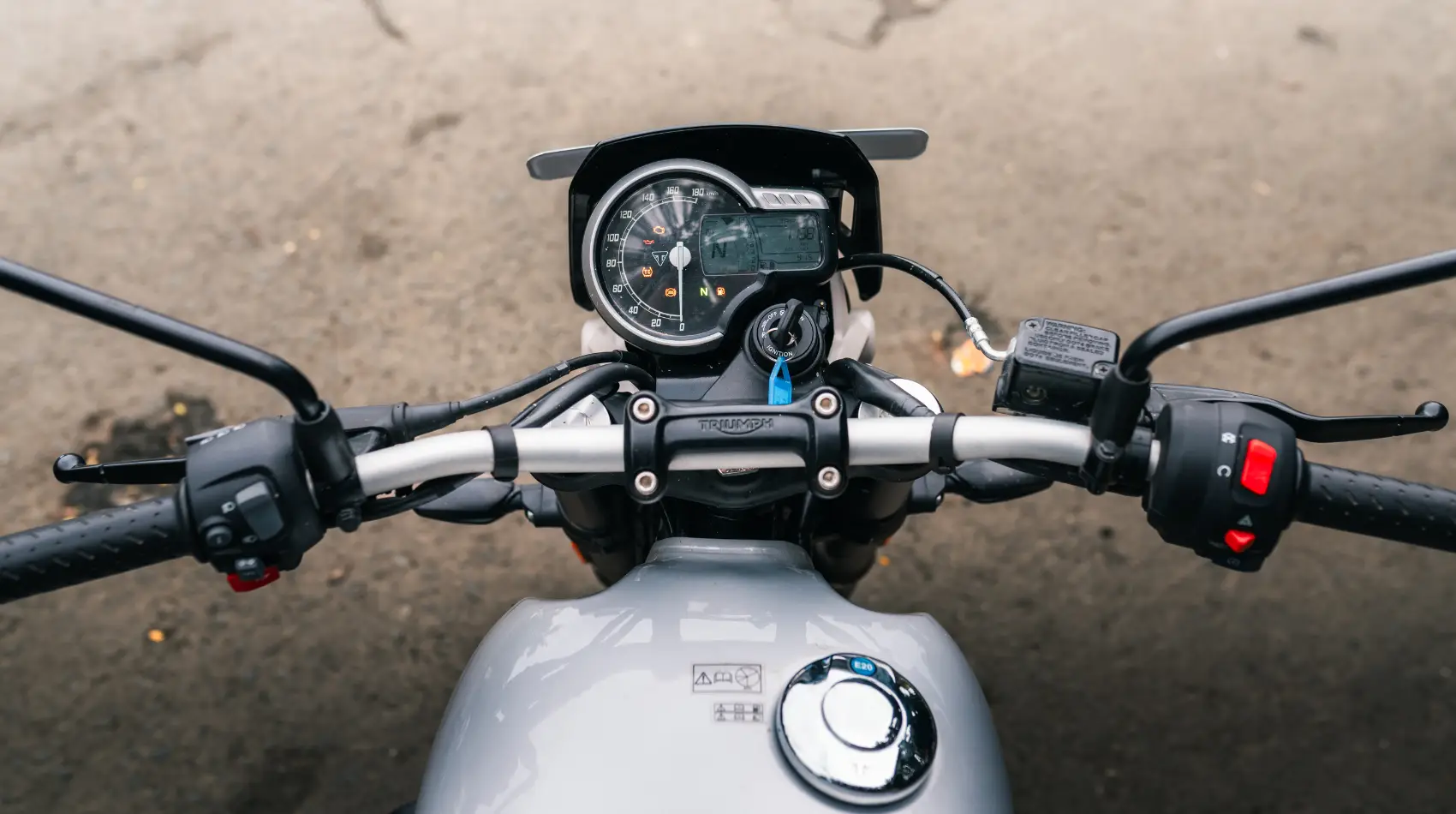
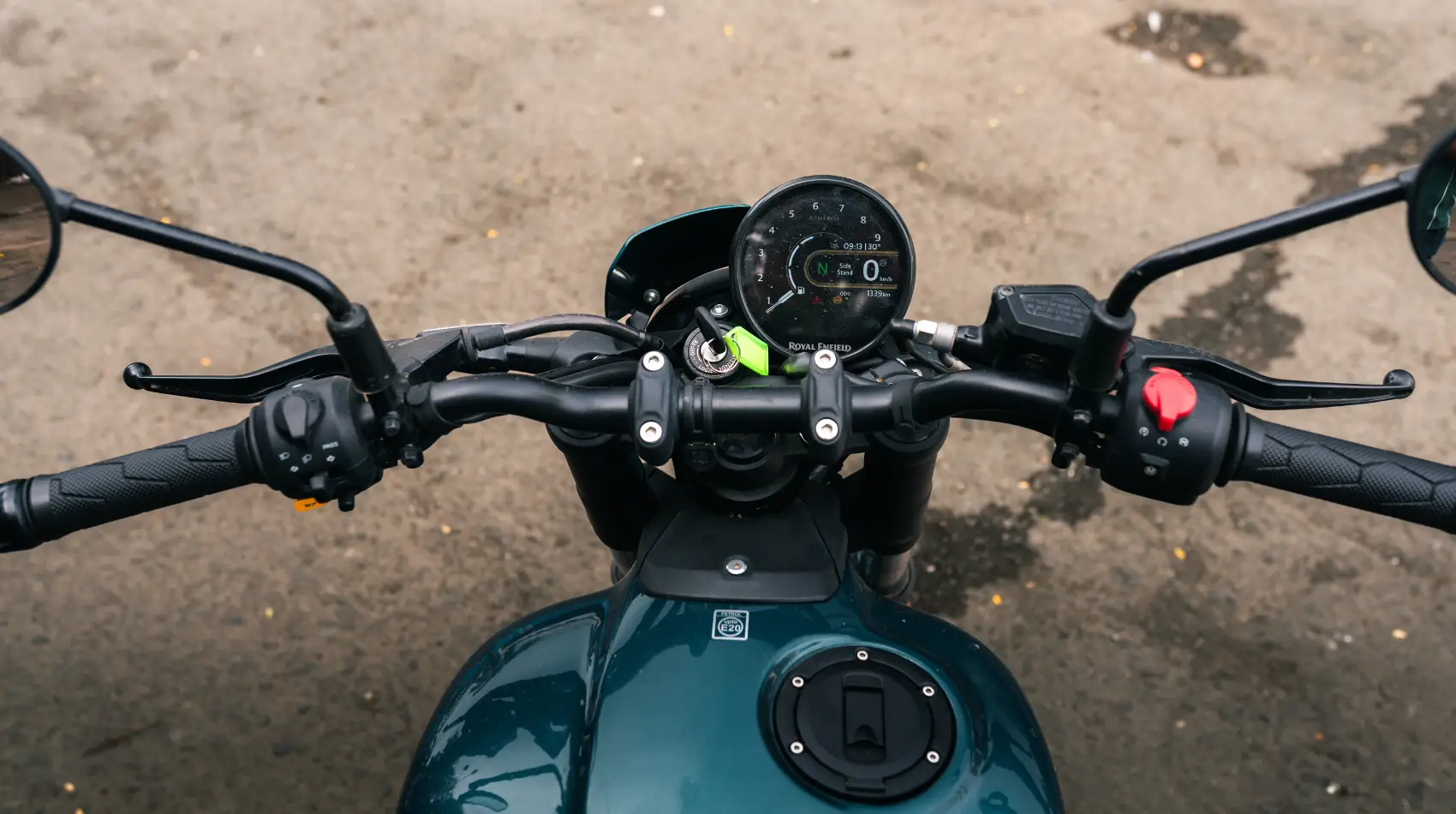
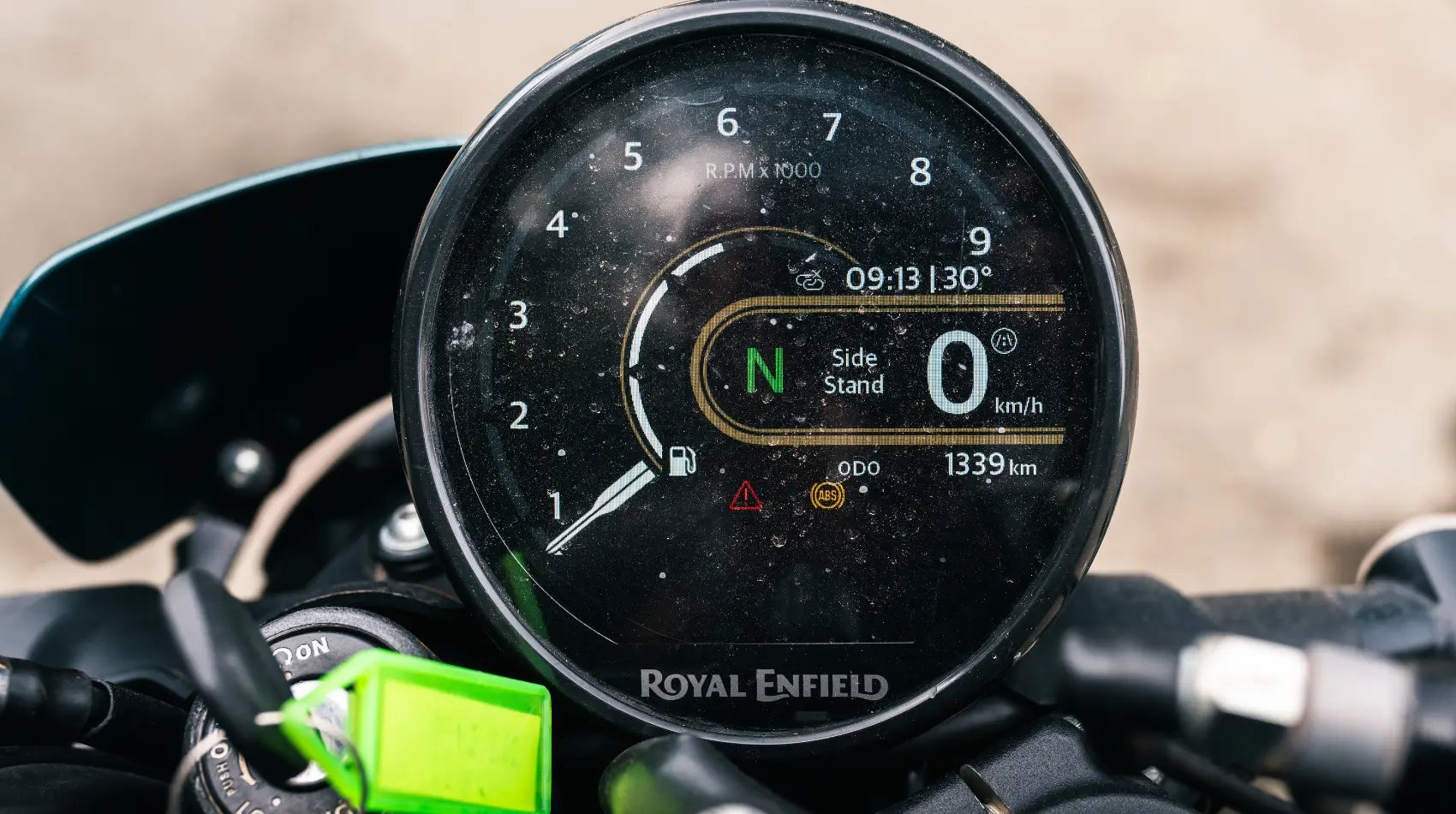
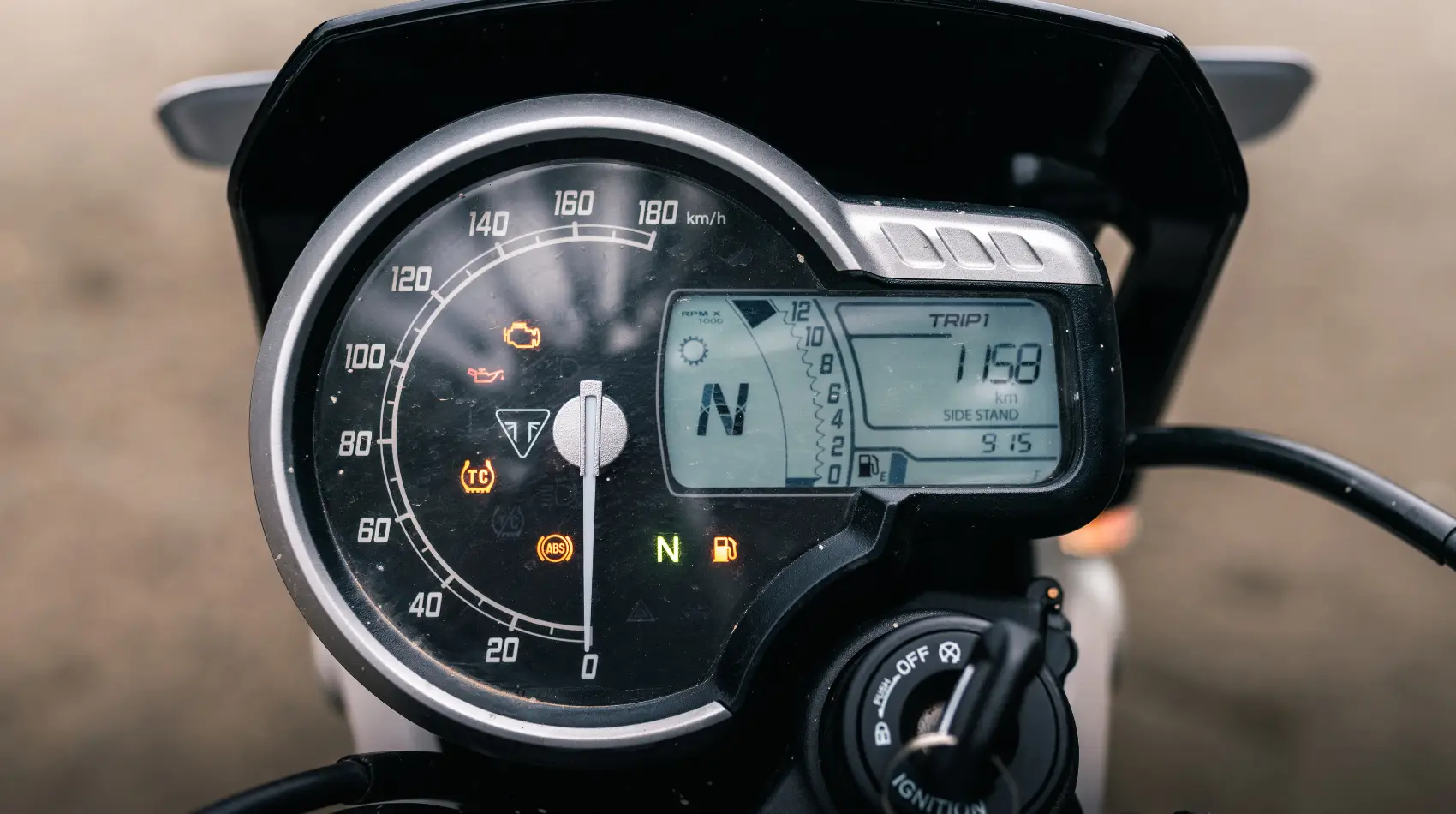
In terms of features, both bikes keep things simple. Neither packs in a ton of electronics or rider-aids. Instead, they focus on the essentials. The Tracker 400 gets a part-analogue, part-digital speedometer that fits its retro character really well and does the job without any fuss. Seeing an analogue display in a world of digital TFT screens feels refreshing. In terms of rider-aids, you get dual-channel ABS and traction control, and that pretty much sums up the Tracker’s electronics package. The Guerrilla 450 Apex, on the other hand, gets a TFT instrument cluster with Bluetooth connectivity and Google Maps projection. The display is well laid out and does a good job of presenting all the necessary information. The Google Maps projection is a useful addition, especially when navigating through the streets of Mumbai. In terms of rider-aids, the Guerrilla 450 Apex gets dual-channel ABS and two riding modes. Personally, I prefer the Tracker’s analogue unit as it adds to the bike’s vintage character, which I’m a huge fan of.
Ultimately, it all comes down to personal preference. If you prefer modern, tech-heavy TFT displays, the Guerrilla 450 Apex will appeal to you more. But if you’re a retro enthusiast like me, the Tracker’s part-analogue, part-digital instrument cluster has a charm that’s hard to resist.
Coming to the ergonomics, the Tracker gets rear-set footpegs, but they aren’t as far back as those on the Thruxton 400, nor are they as forward-set as the Speed 400. They strike a perfect middle ground between the two. It also gets a lower handlebar compared to the Speed 400, and this combination of rear-set footpegs and a lower handlebar gives you a more connected, sportier riding position. Some riders might feel a little pressure on their wrists, but personally, it’s something I got used to. As for the Guerrilla 450 Apex, it also gets a lower handlebar compared to the standard Guerrilla, putting you in a sportier riding stance. However, the Guerrilla feels more comfortable than the Tracker, thanks to its better suspension and less committed riding position, while the Tracker feels a little too aggressive and can get uncomfortable over longer rides.
Performance, ride and handling
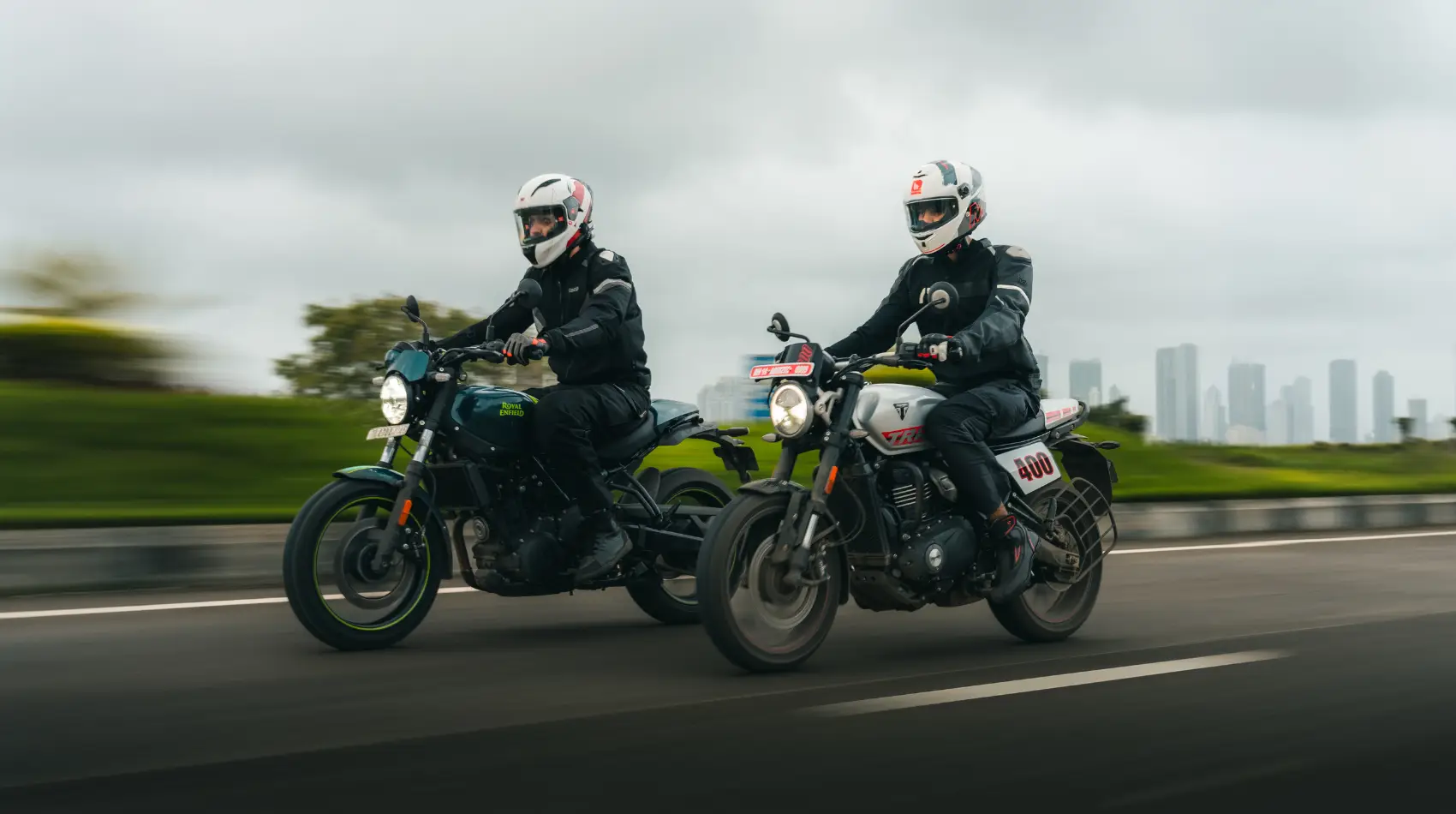
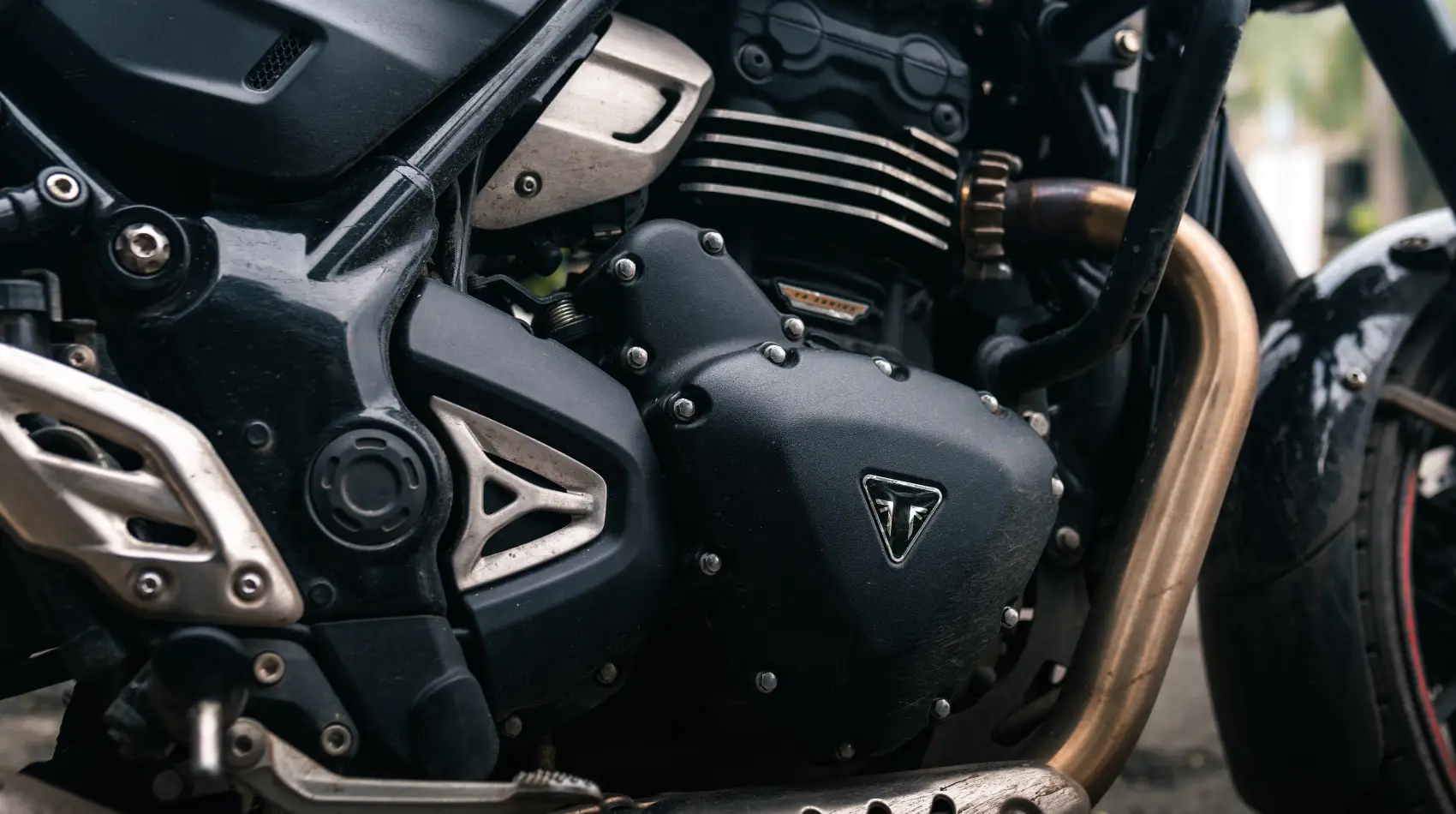
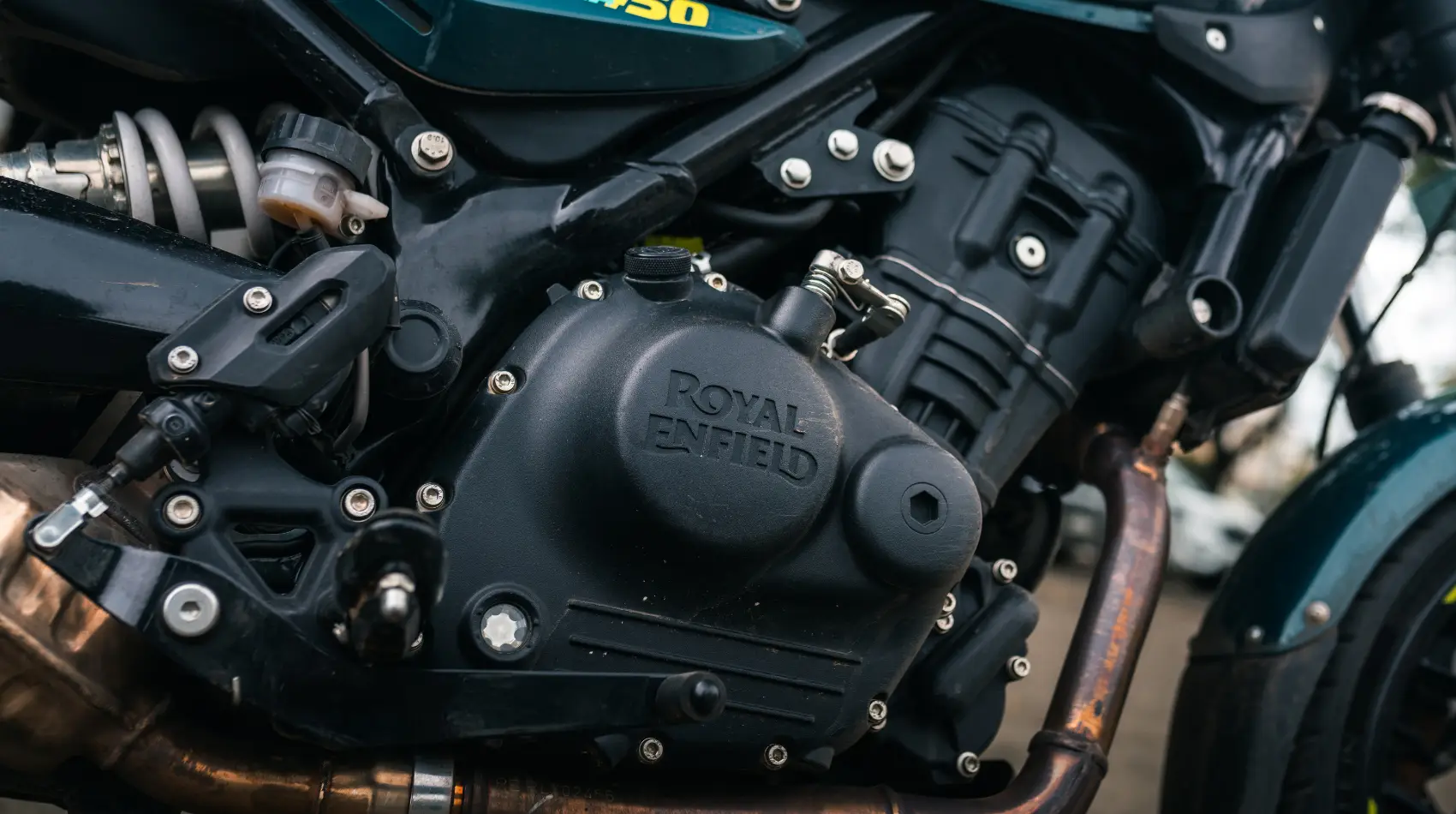
Let’s talk about performance now. The Tracker is powered by a downsized 349cc engine, but in a more powerful state of tune inspired by the Thruxton. It produces 40hp at 8,750rpm and 32Nm of torque at 7,500rpm. The engine feels extremely refined and delivers power consistently throughout the rev range. It is also surprisingly tractable for a single-cylinder engine. The Guerrilla 450 Apex, on the other hand, gets a larger 452cc engine that produces 40hp at 8,000rpm and 40Nm of torque at 5,500rpm. On paper, that’s 8Nm more torque than the Tracker, and the fact that it delivers that torque much lower in the rev range gives the Guerrilla a seriously strong mid-range. It never feels short of breath and just keeps pulling as you build speed. That said, this doesn’t mean the Tracker is slow by any means. In fact, where the Tracker has an advantage is refinement. For a 350cc single-cylinder engine to produce 40hp while remaining this refined is genuinely impressive. Where it falls behind the Guerrilla is in torque, and that additional 8Nm makes a noticeable difference to the overall character and performance of the engine.
Both bikes ride on 17-inch alloy wheels, but the tyre setups are quite different. The Tracker 400 gets dual-purpose tyres, while the Guerrilla 450 Apex rides on Vredestein rubber, which offers noticeably better traction and inspires more confidence, particularly when you’re pushing harder. In terms of suspension, the Tracker gets upside-down forks up front and a monoshock at the rear, whereas the Guerrilla uses conventional telescopic forks with a rear monoshock. The Tracker’s suspension feels noticeably stiffer than the Guerrilla’s and doesn’t feel as well suited to the rough and unpredictable nature of Indian roads. Braking is another area where the Guerrilla has the advantage, offering stronger braking performance and more confidence when you’re braking hard. Put all of this together with the ergonomics, and the Guerrilla 450 Apex comes out on top when it comes to overall engine performance, ride and handling, giving you greater confidence when attacking corners.
Price and Verdict
Price plays a crucial role when deciding which bike to buy, and in this case, there isn’t a huge difference between the two. The Guerrilla 450 Apex starts at ₹2.51 lakh (ex-showroom), with prices varying depending on the colour. The Apex Green that we had costs ₹2.58 lakh (ex-showroom), while the Tracker 400 is offered in a single variant priced at ₹2.49 lakh (ex-showroom).
This puts the Guerrilla at a premium of around ₹10,000, which isn’t a huge amount and is quite easy to justify. For that extra money, the Guerrilla offers better performance, stronger braking, better suspension and superior Vredestein tyres.
If you’re an experienced and skilled rider, the choice seems fairly obvious. However, if you’re a beginner looking to buy your first motorcycle, the Tracker makes more sense. It’s easier to ride, more approachable and more welcoming for new riders compared to the Guerrilla.
So, which one would I choose? The sheer price-to-value proposition of the Guerrilla 450 Apex is hard to ignore. Considering everything it brings to the table for the money, the Guerrilla 450 Apex is ultimately the better motorcycle of the two.
Royal Enfield Guerrilla 450 Apex
Engine: 452cc Single-cylinder, Liquid cooled
Power: 40hp
Torque: 40Nm
Price: 2.58 lakh (ex-showroom)
Triumph Tracker 400
Engine: 349cc Single-cylinder, Liquid cooled
Power: 40hp
Torque: 32Nm
Price: 2.49 lakh (ex-showroom)