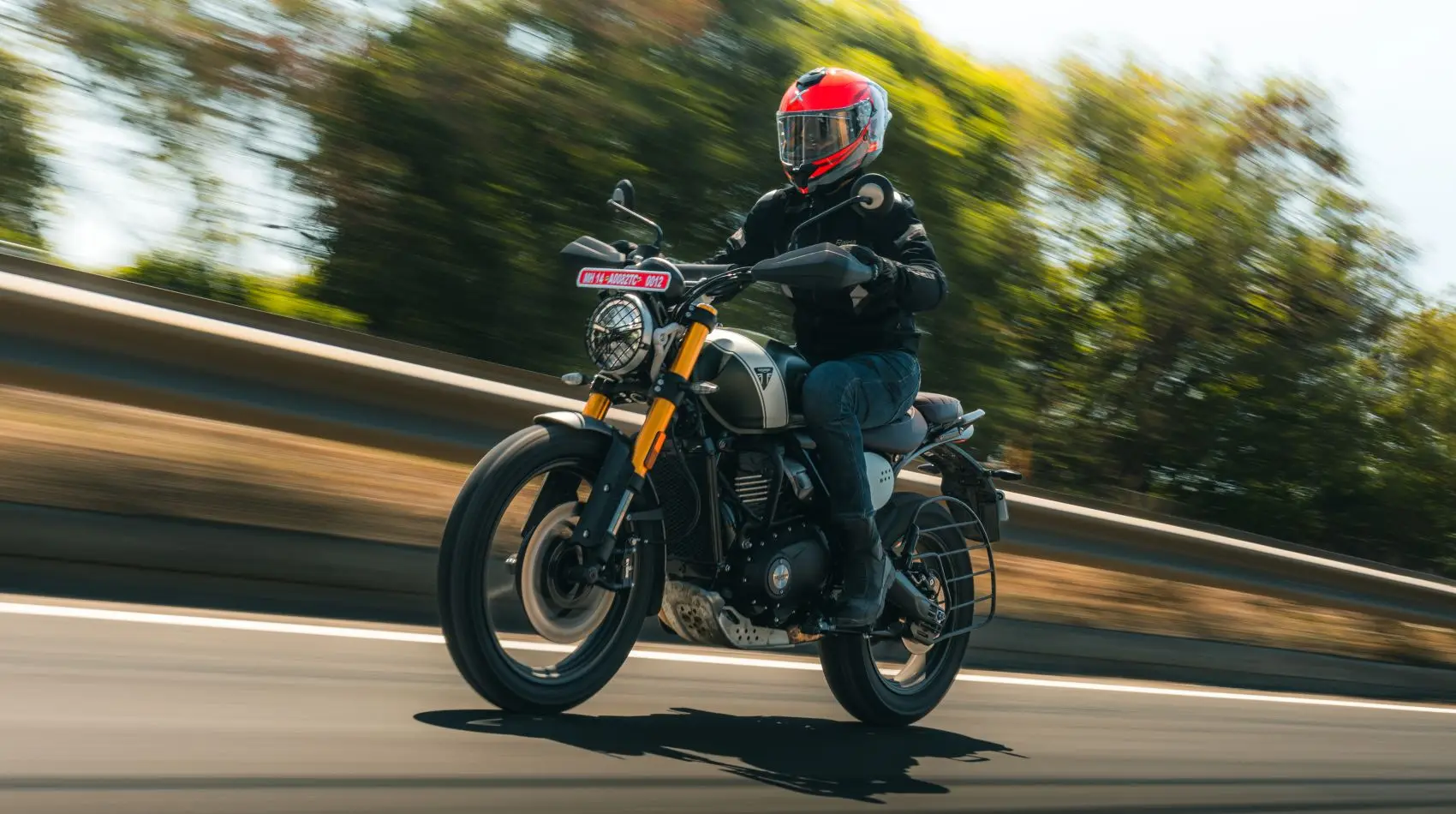
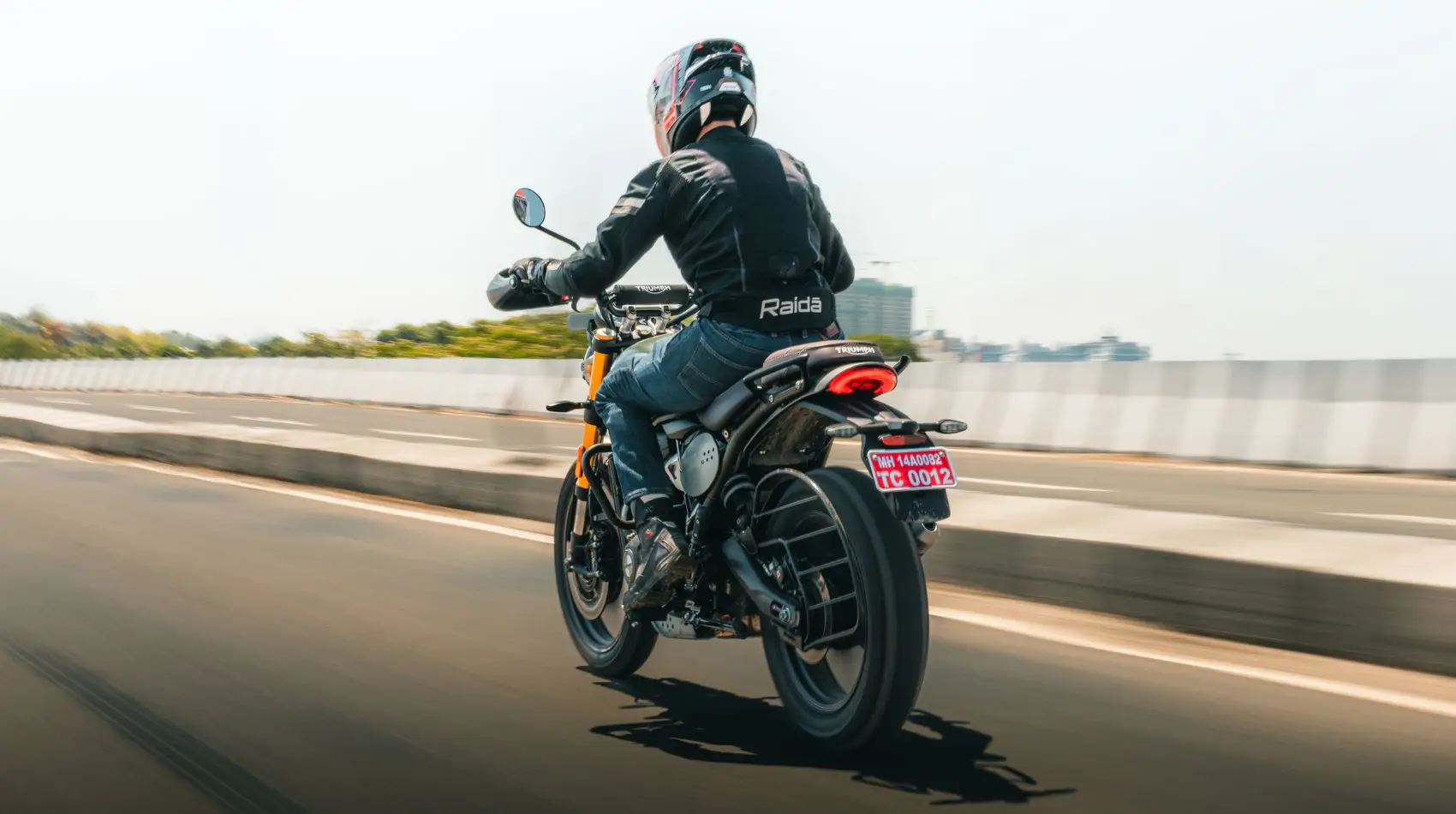
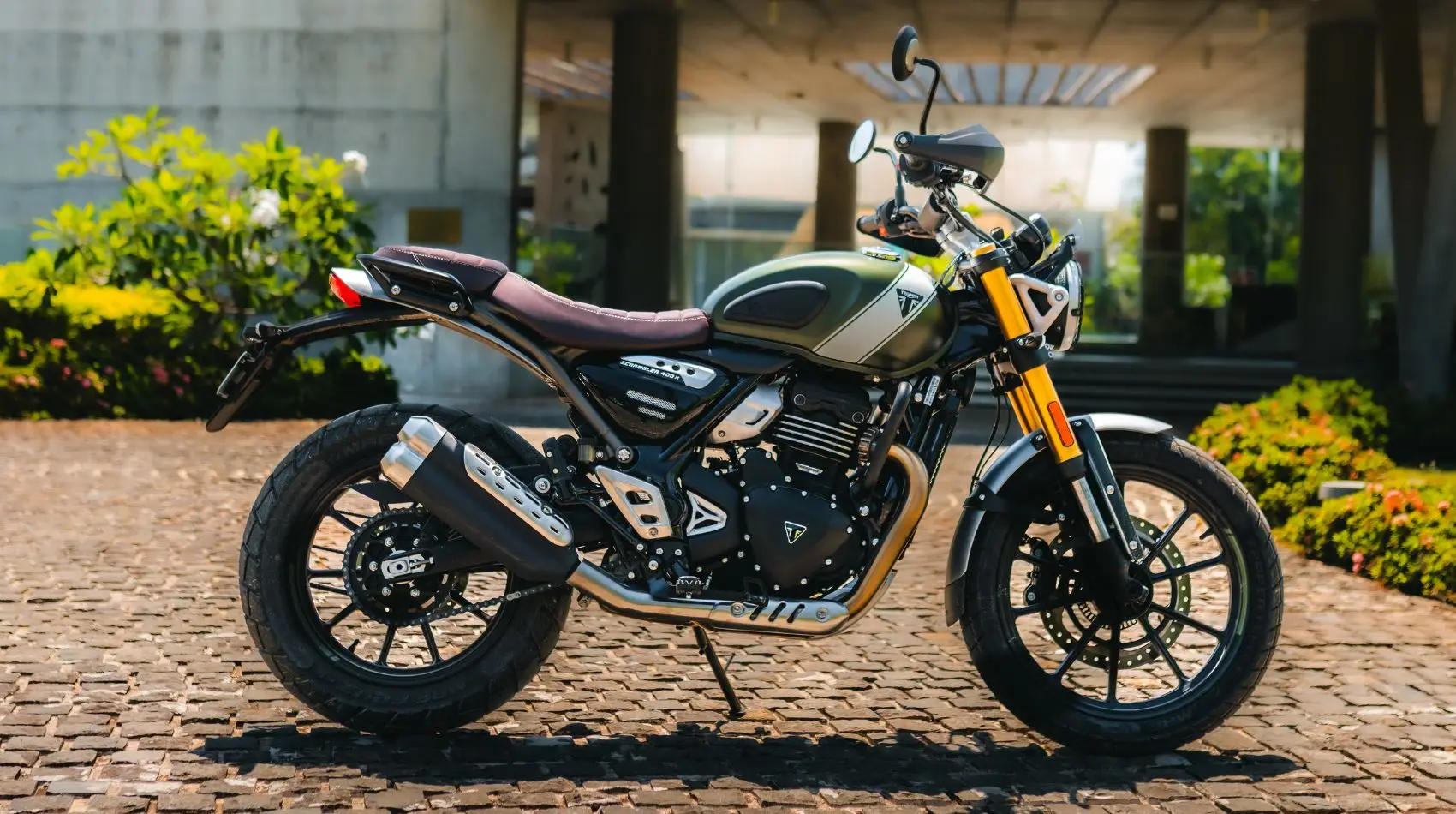
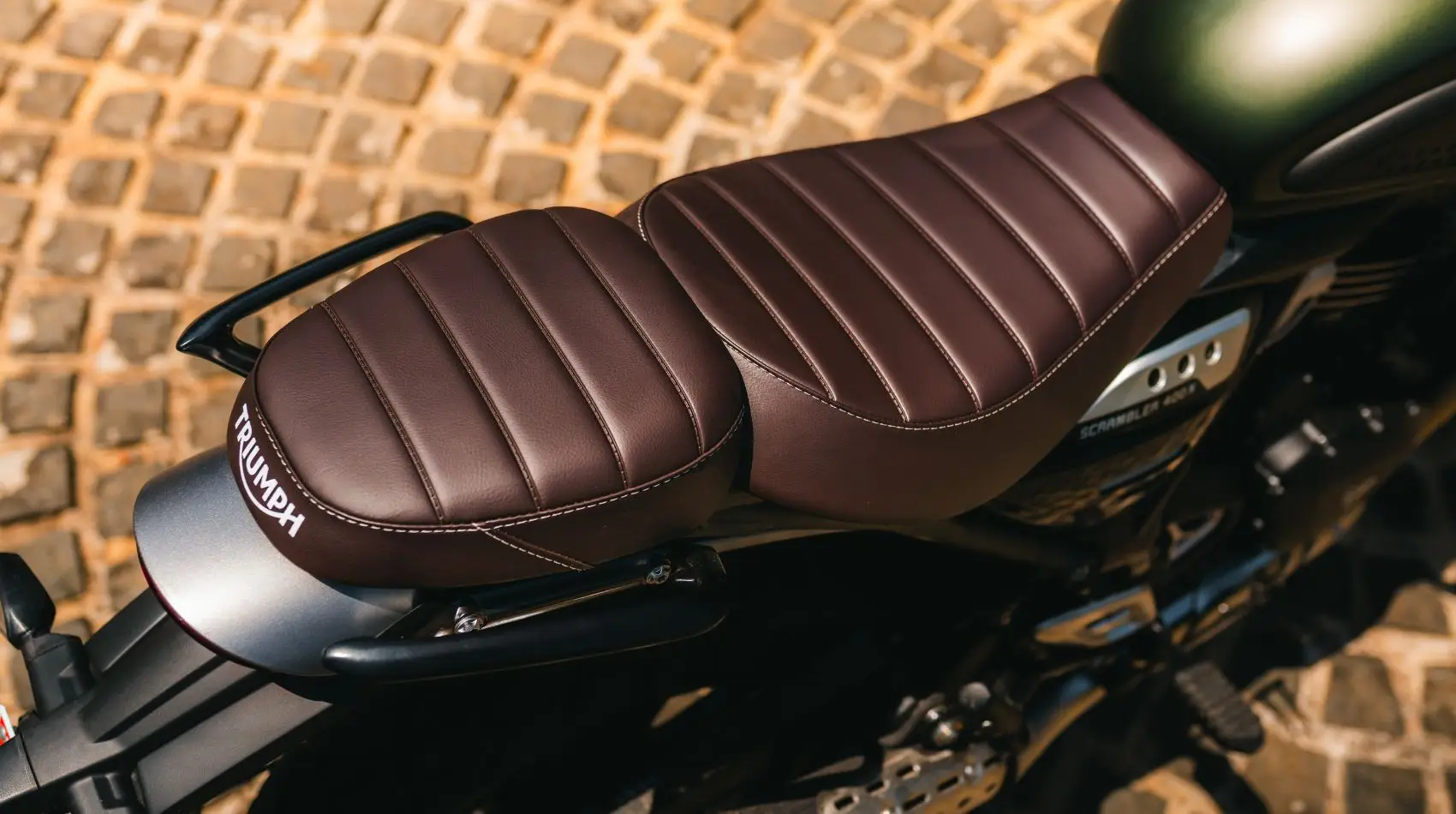
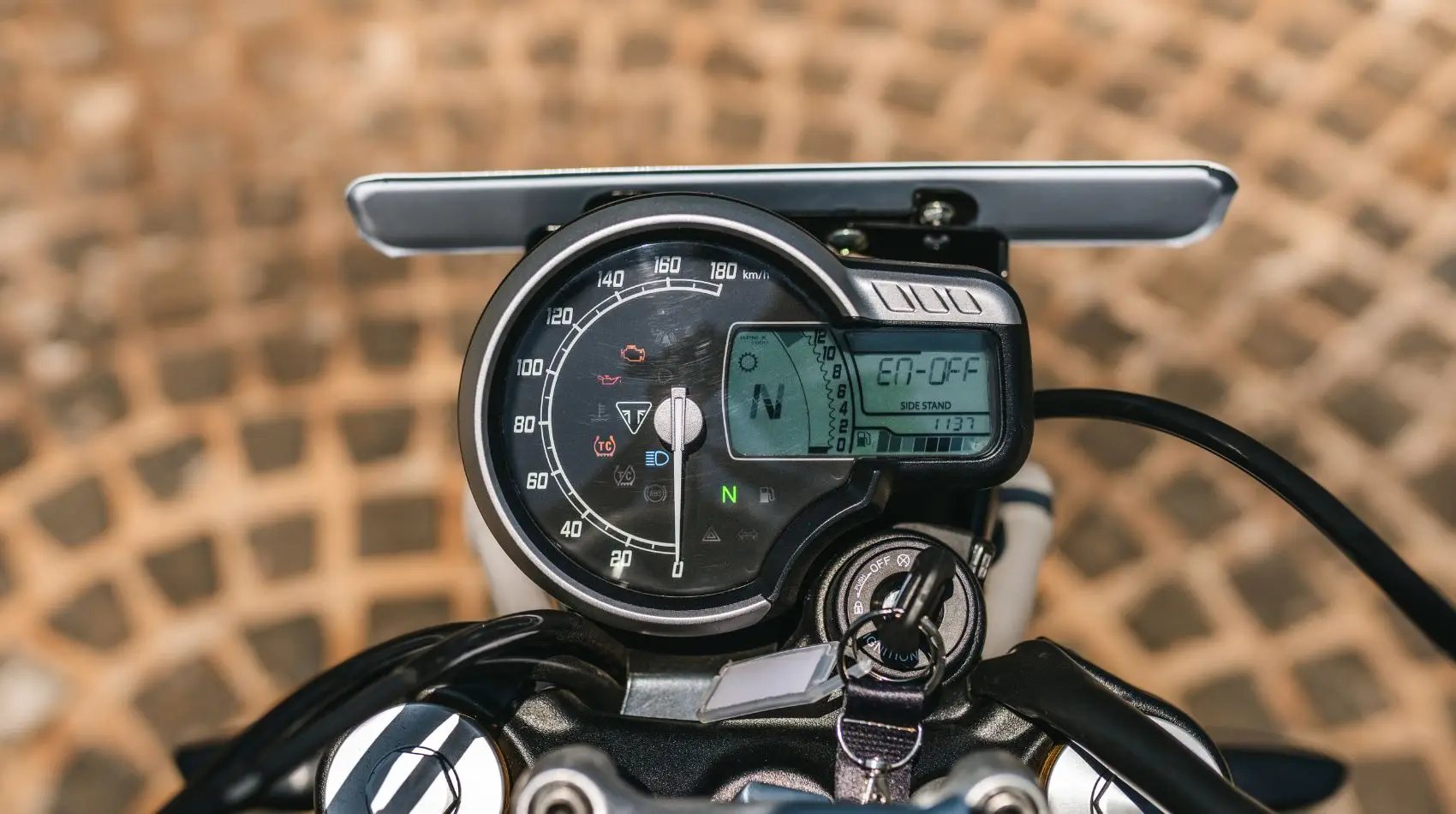
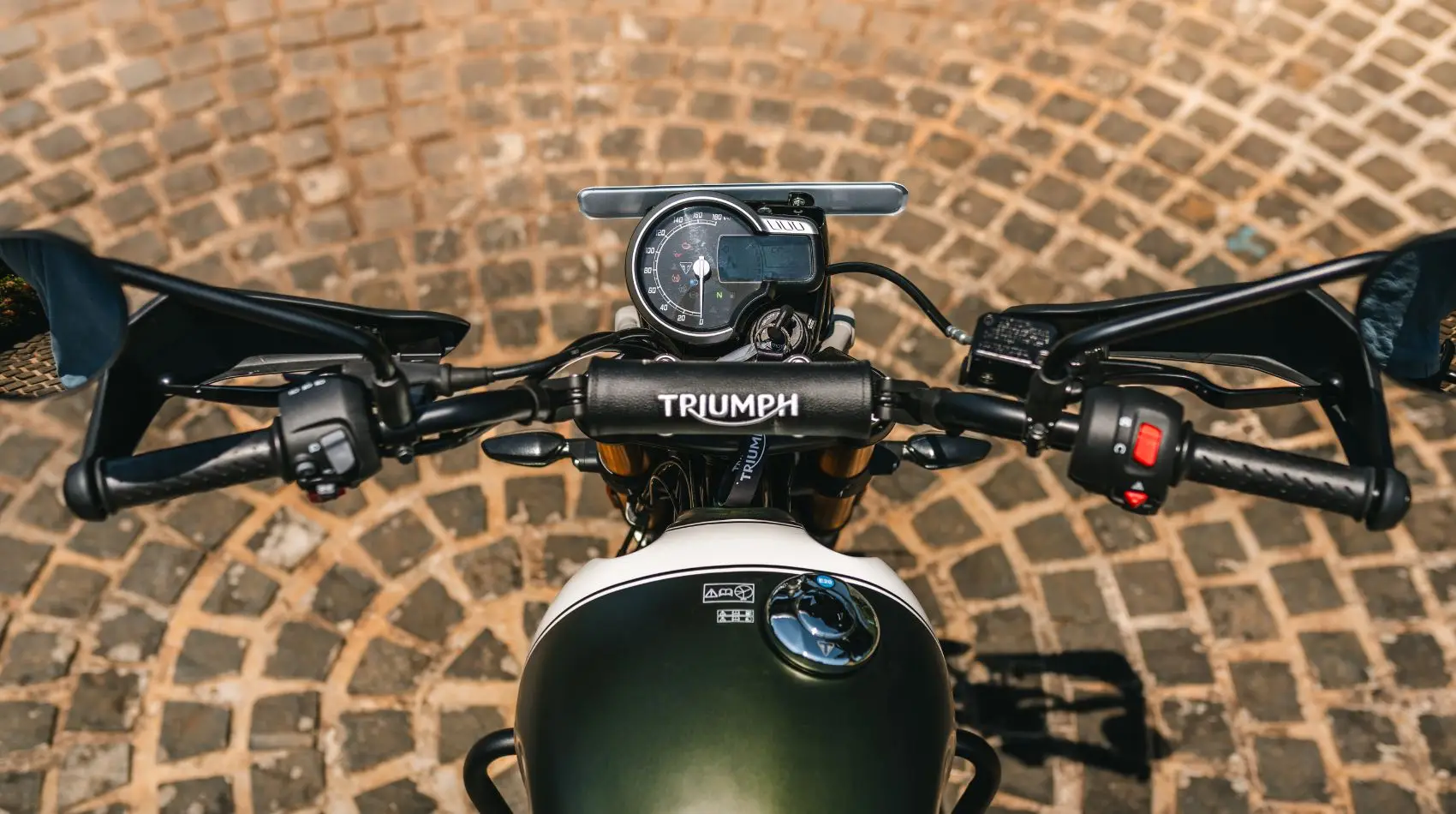
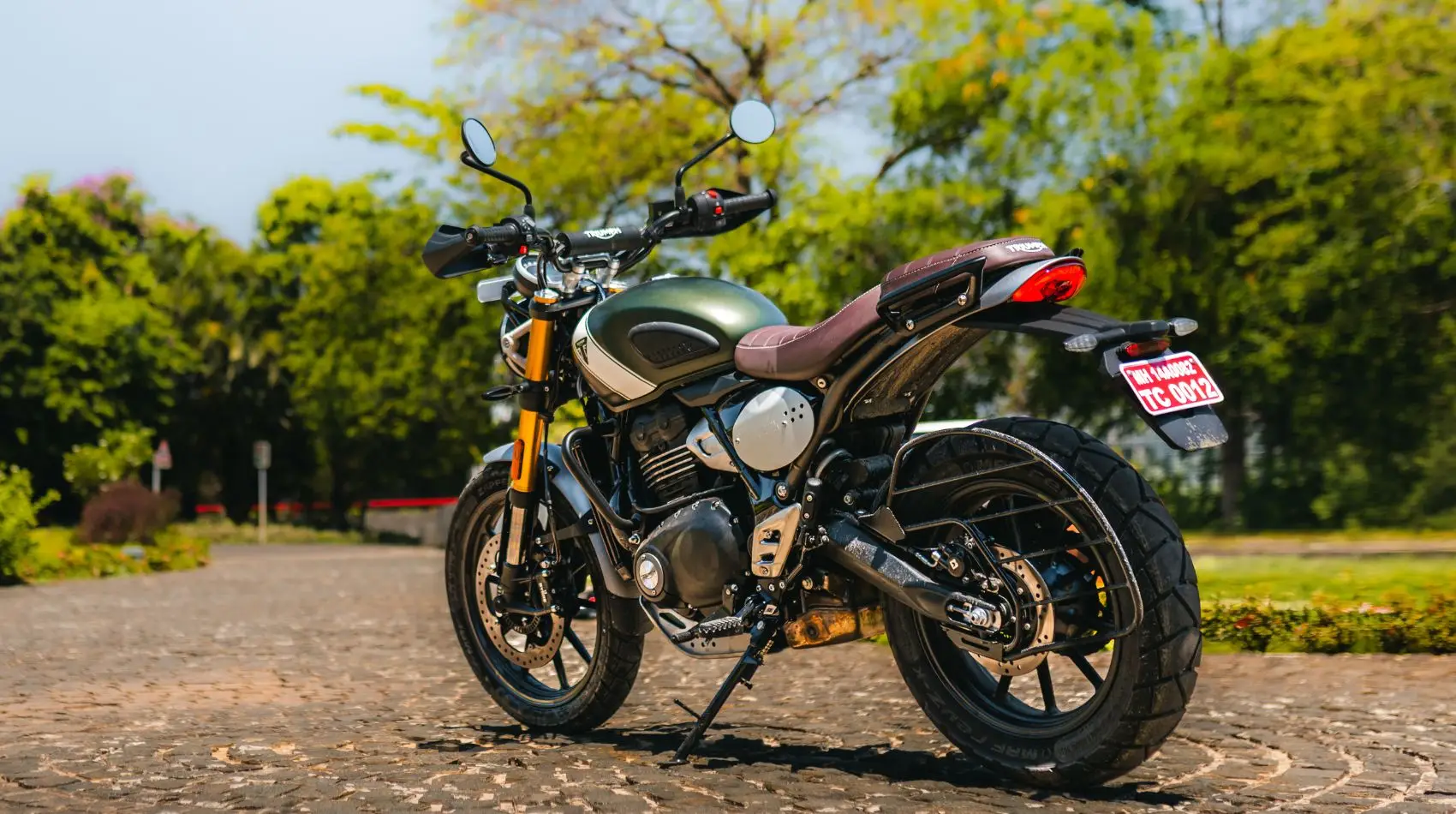
Here’s something you don’t hear every day — a smaller engine that’s meant to feel exactly like the bigger one it replaces. That’s precisely what Triumph is attempting with its new 349cc mill for the 2026 400 line-up. So naturally, the big question is: what’s it like to ride, and just how different is it from the much-loved 398cc unit? I’ve swung a leg over a Scrambler 400 X powered by this new mill, and here are my first impressions.
Why the shift to a smaller 349cc engine, you ask? The answer lies in the latest revision to GST slabs based on engine capacity. Motorcycles up to 350cc now attract a lower 18 per cent GST (down from 28 per cent), while anything above that threshold is taxed at a hefty 40 per cent (up from 28–31 per cent). It’s a clear line in the sand: smaller bikes get more accessible, while bigger ones take a hit. And in a rather impressive turn of speed, Bajaj Auto Ltd, in partnership with Triumph, has responded in just over seven months. At first glance, you might assume this is a straightforward case of downsising via a shorter stroke. But dig a little deeper, and it’s clear there’s more engineering at play here — all in the pursuit of preserving the character of that larger 398cc engine.
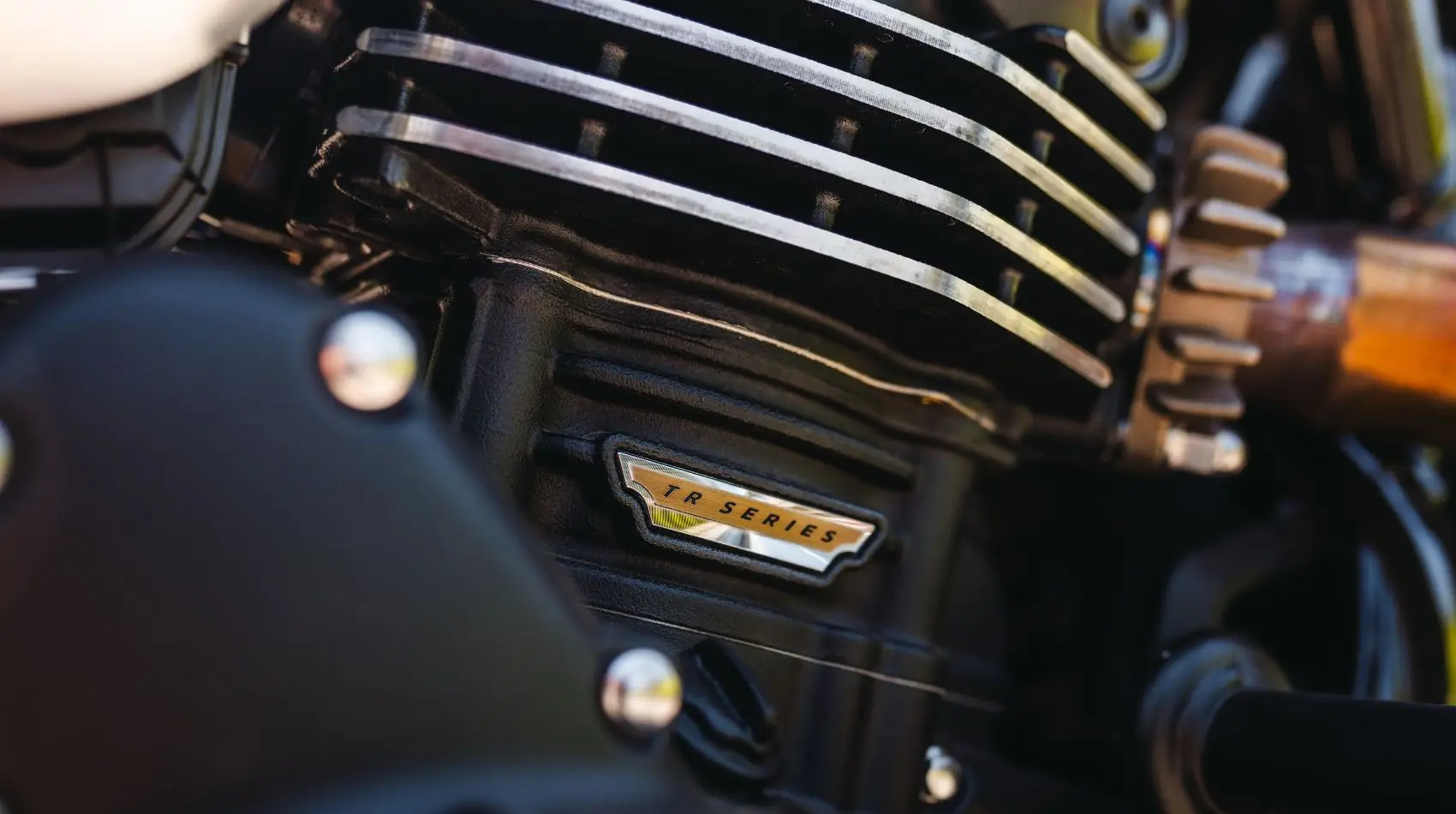
Let’s start with what’s changed. Visually, there aren’t any changes at all. All the bikes look identical to before, save for one tiny detail — the plaque on the engine head no longer reads ‘400cc’, and now simply carries the TR Series nametag. Subtle, almost to the point of being unnoticeable. Feature-wise, there’s a small omission too: the engine immobiliser has been dropped across the range in the interest of cost savings.
The new engine gets a revised air intake, altered valve timings, and an optimised balancer unit. Fuelling, too, has been aggressively tuned to keep performance levels in check. Triumph claims 36.4bhp and 32Nm in the Speed 400 and Scrambler 400 X — roughly 3bhp and 5Nm down — but crucially, it promises the same strong low-end and mid-range punch. The Speed T4 now makes 28.6bhp and 31Nm (down from 30.5bhp and 36Nm), while the Thruxton, in its most potent form, drops from 41.4bhp to 39.4bhp, with torque falling to 32Nm from 37.5Nm. On paper, those numbers might seem like a step back. On the road, though, it tells a different story. The drop in acceleration — between 0.3 and 0.7 seconds across the range — is barely perceptible. In fact, the way this 349cc motor delivers its performance feels strikingly familiar. The low-end and mid-range remain just as eager, and it still pulls cleanly all the way to the redline.
Blindfold a Scrambler 400 X owner and hand them the keys, and chances are they’d struggle to tell the difference. That said, there is one tiny, almost imperceptible change — refinement below 6,000rpm. This new engine feels just a touch smoother, with slightly fewer vibrations creeping through at lower speeds. It’s a subtle improvement, but a welcome one.
Expecting a big jump in fuel efficiency? You might want to temper those expectations. The aggressive fuelling means gains are modest at best. Yes, it will sip a little less fuel, but the difference is marginal. What hasn’t changed, however, is that unmistakable, slightly brappy exhaust note. Each model still has its own flavour, but the overall character remains reassuringly familiar.
Beyond the engine, everything else stays delightfully intact — the supple suspension, the easy flickability, the comfort, the solid build quality, and of course, those unmistakable, head-turning looks.
Step back and look at the bigger picture, and what Triumph and Bajaj have achieved here is rather clever. By downsising to 349cc, they’ve not only sidestepped the higher GST bracket but also ensured the riding experience remains largely untouched. And that brings us to perhaps the most tangible benefit — pricing.
With sub-350cc motorcycles now attracting just 18 per cent GST, the savings have been passed on to the buyer. The Speed T4 remains unchanged at Rs 1.95 lakh, but the rest of the line-up sees noticeable corrections. The Speed 400 now comes in at Rs 2.32 lakh (down from Rs 2.39 lakh), the Scrambler 400 drops to Rs 2.59 lakh from Rs 2.70 lakh, while the Scrambler 400 XC is now priced at Rs 2.90 lakh, down from Rs 2.97 lakh. The Thruxton 400, meanwhile, sees its price trimmed to Rs 2.66 lakh from Rs 2.76 lakh.
In essence, this isn’t just a story of a smaller engine. It’s a story of smart adaptation. Triumph has managed to play the tax game shrewdly, making its 400 line-up more accessible without diluting the very qualities that made these motorcycles so desirable in the first place. And for that very reason, the new 400 lineup continues to be a very easy recommendation for anybody who’s looking to buy one of these bikes.