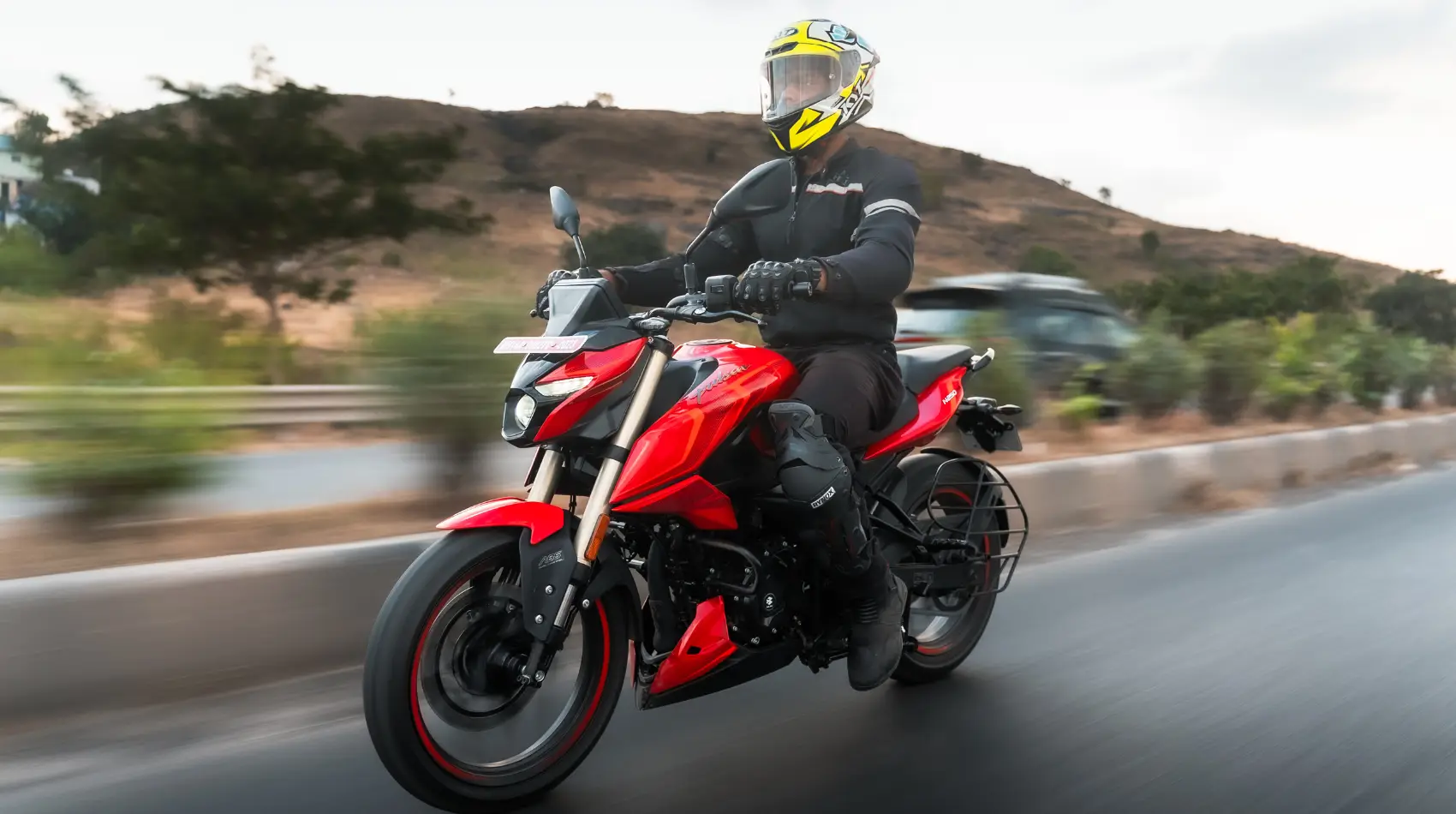
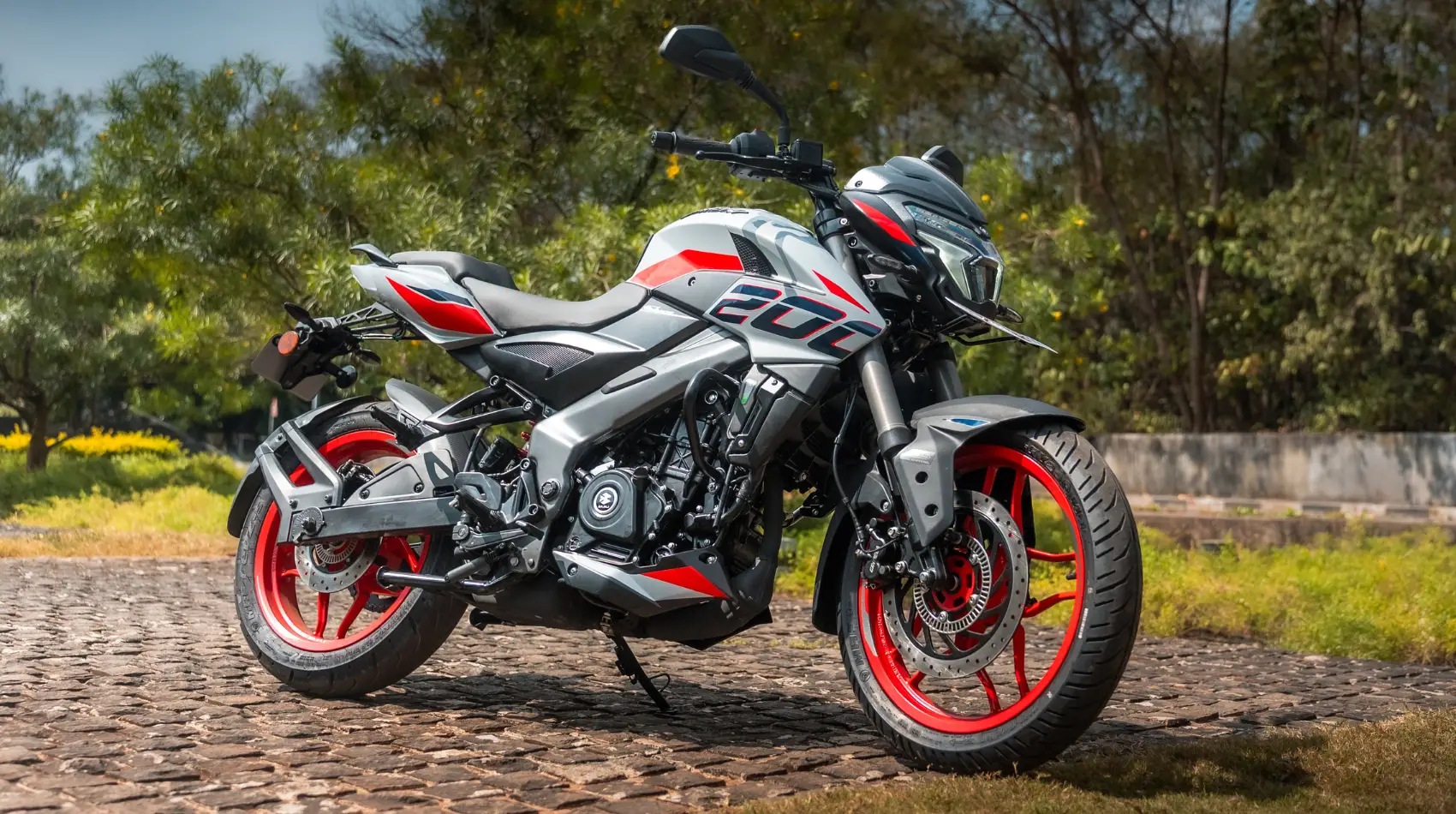
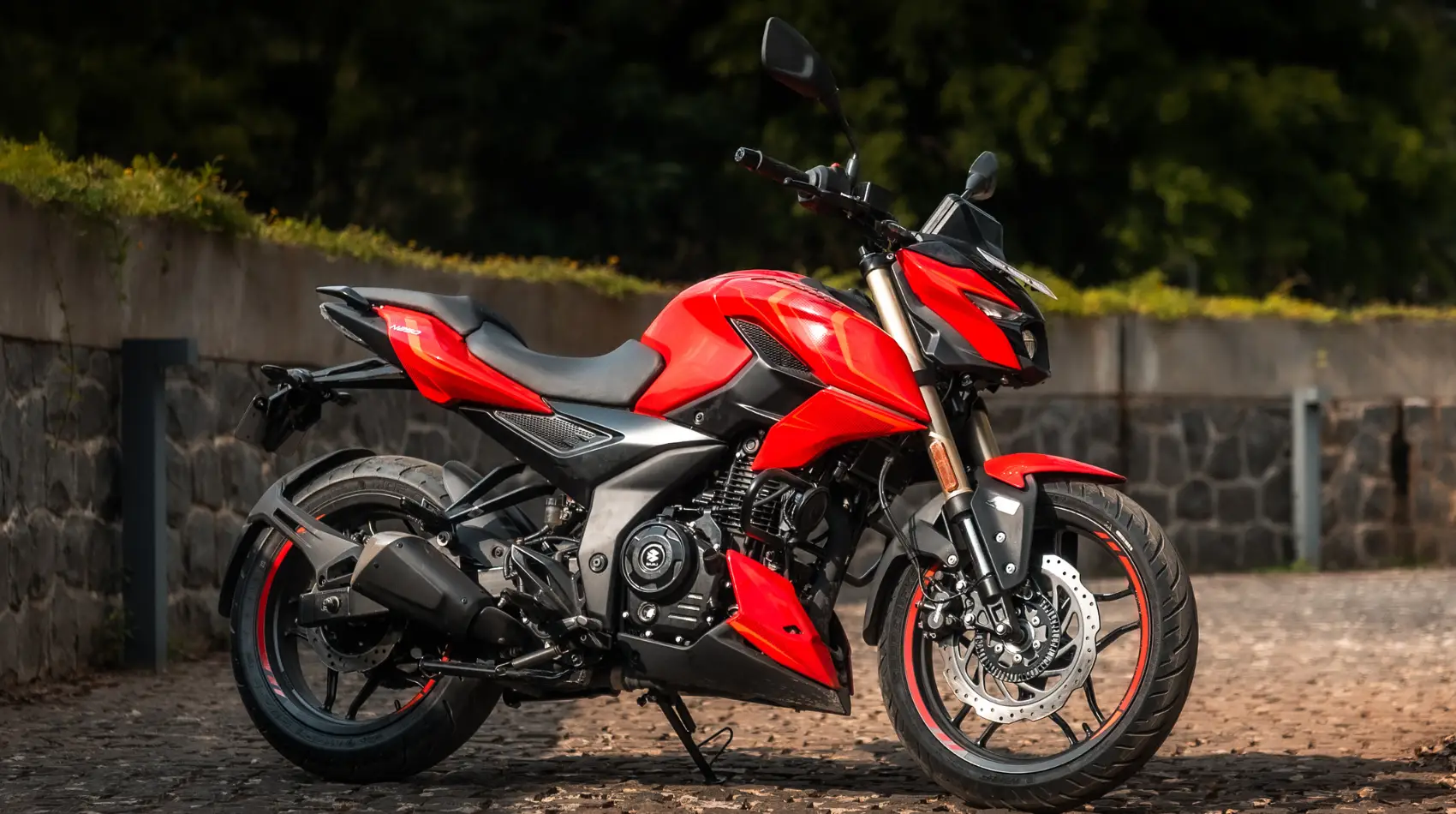
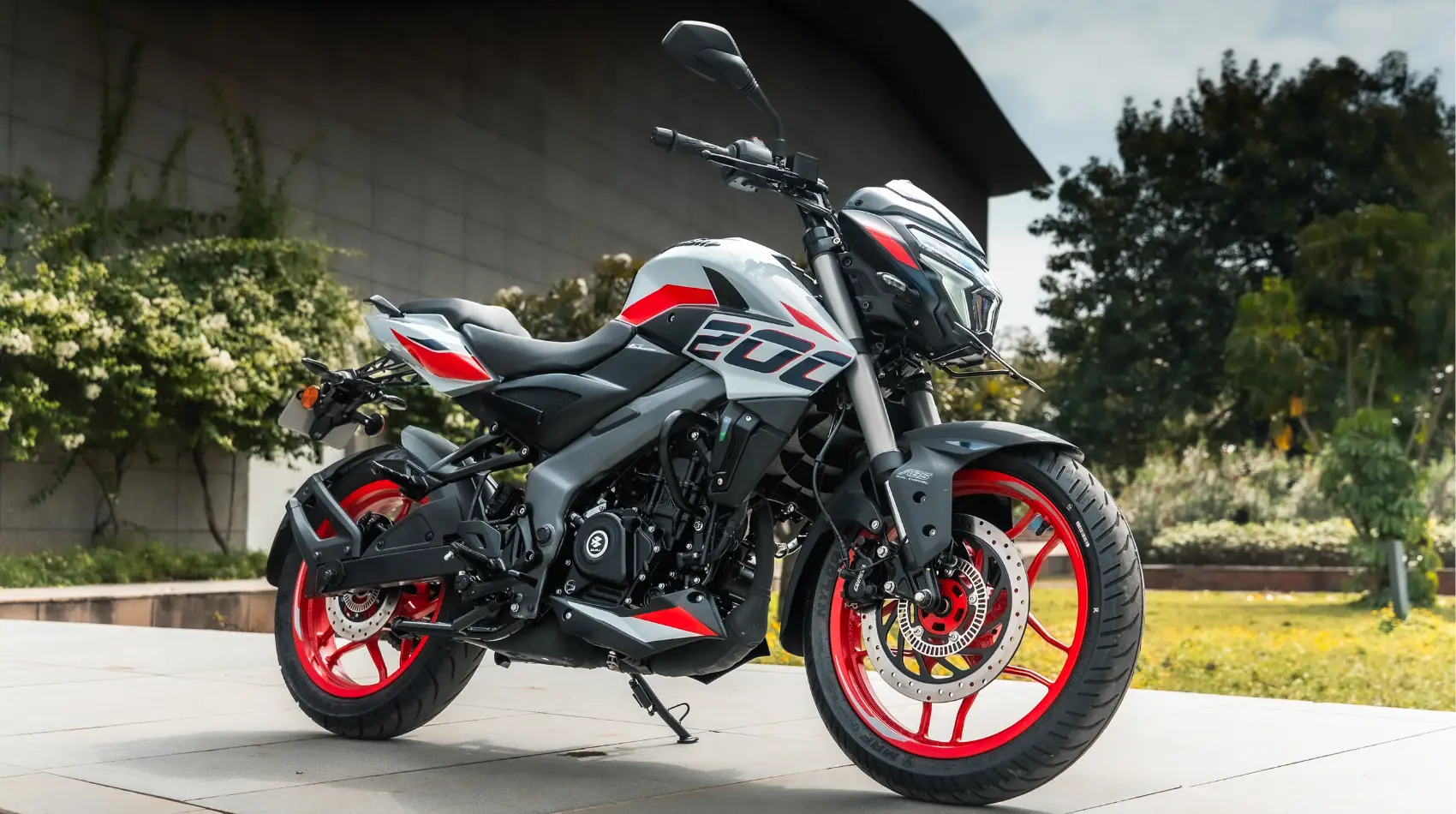
There is a habit among Indian motorcycle buyers that I have never quite understood. The moment two motorcycles fall within the same budget, the comparison often begins with engine capacity. If one has a bigger engine and costs roughly the same, it is automatically considered the better deal. On paper, it seems logical. In practice, it can lead you towards a motorcycle that might not be right for you at all.
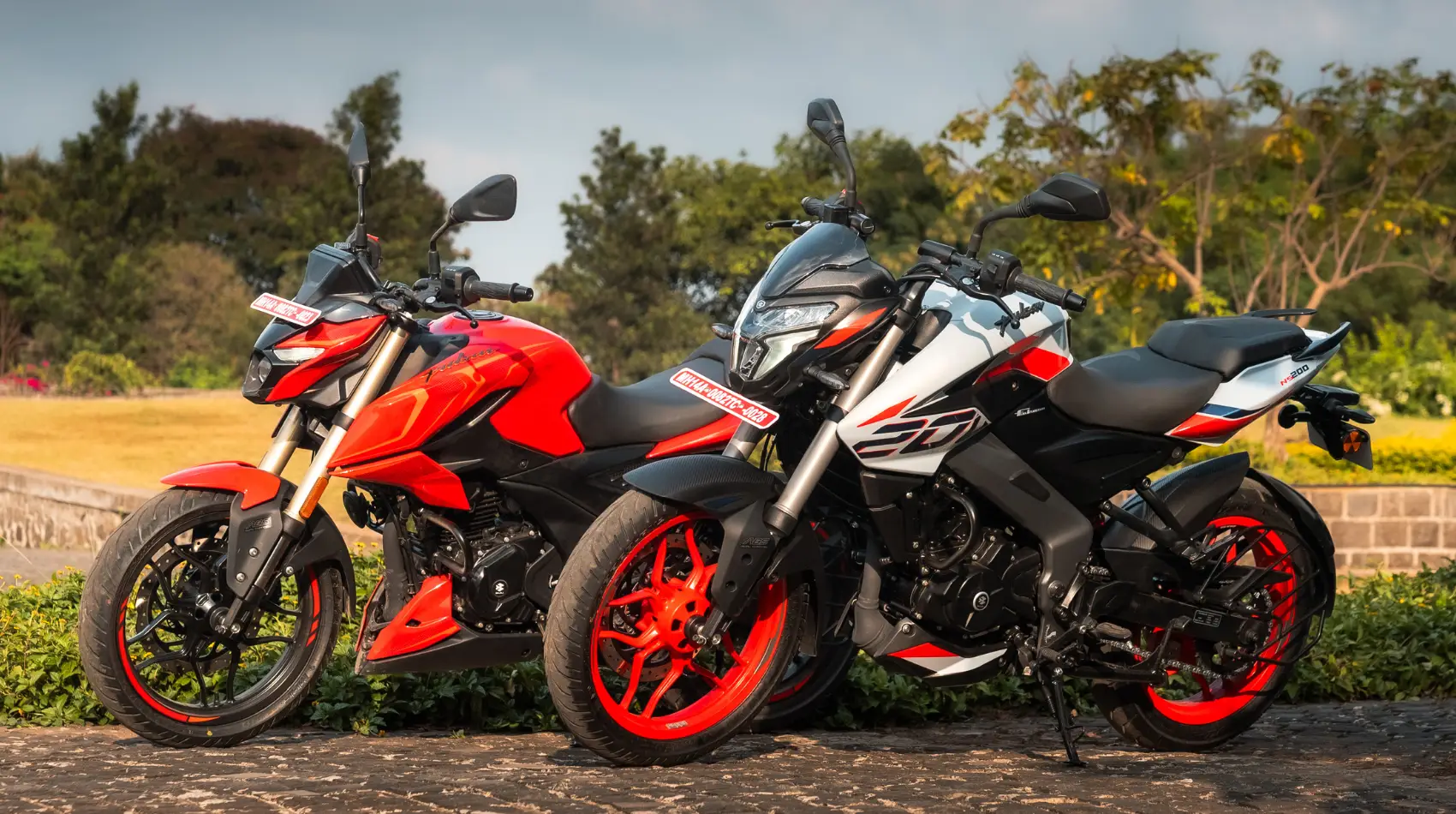
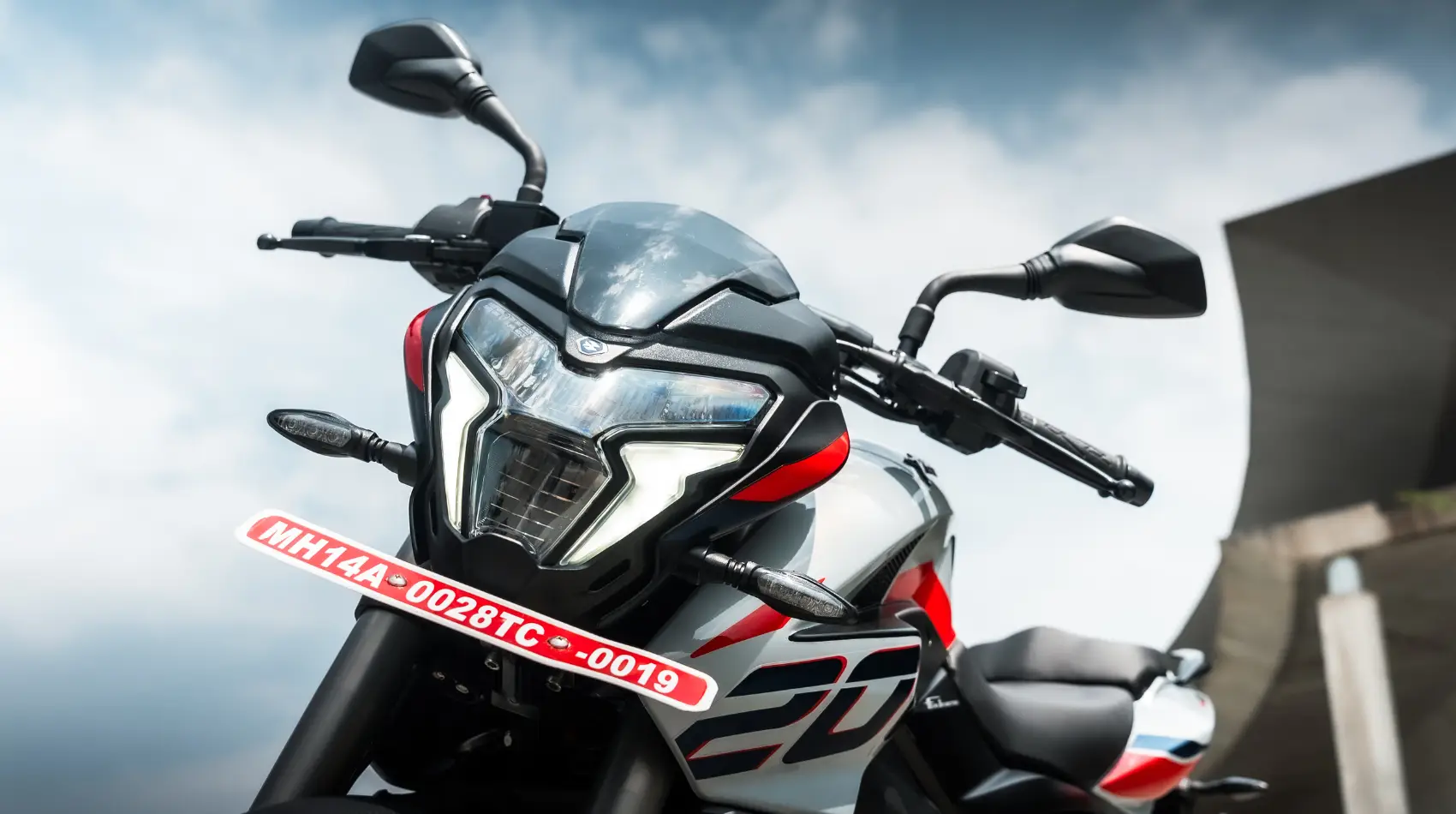
This is precisely why I wanted to ride the updated Bajaj Pulsar NS200 and N250SS back to back. Both motorcycles now get an electronic throttle body, riding modes, traction control, a five-inch TFT instrument console with Google Maps mirroring and a quickshifter. They also sit remarkably close to each other on the price list, with the NS200 priced at ₹1.60 lakh and the N250SS at ₹1.59 lakh, both ex-showroom Delhi.
Yet, despite sharing the Pulsar badge and several new features, they are fundamentally different motorcycles.
The NS200 has been around since 2012, building its reputation as a performance-oriented street motorcycle. The N250 arrived later, in 2021, with a different approach to performance: more accessible torque, a relaxed riding experience and the versatility to handle everyday commuting as comfortably as weekend highway rides.
With these latest updates, Bajaj has made both motorcycles more complete. What interested me most, however, was how differently they behaved on the road despite their similar pricing and overlapping feature lists.
THE NS200: A DECADE LATER, STILL A PROPER PULSAR
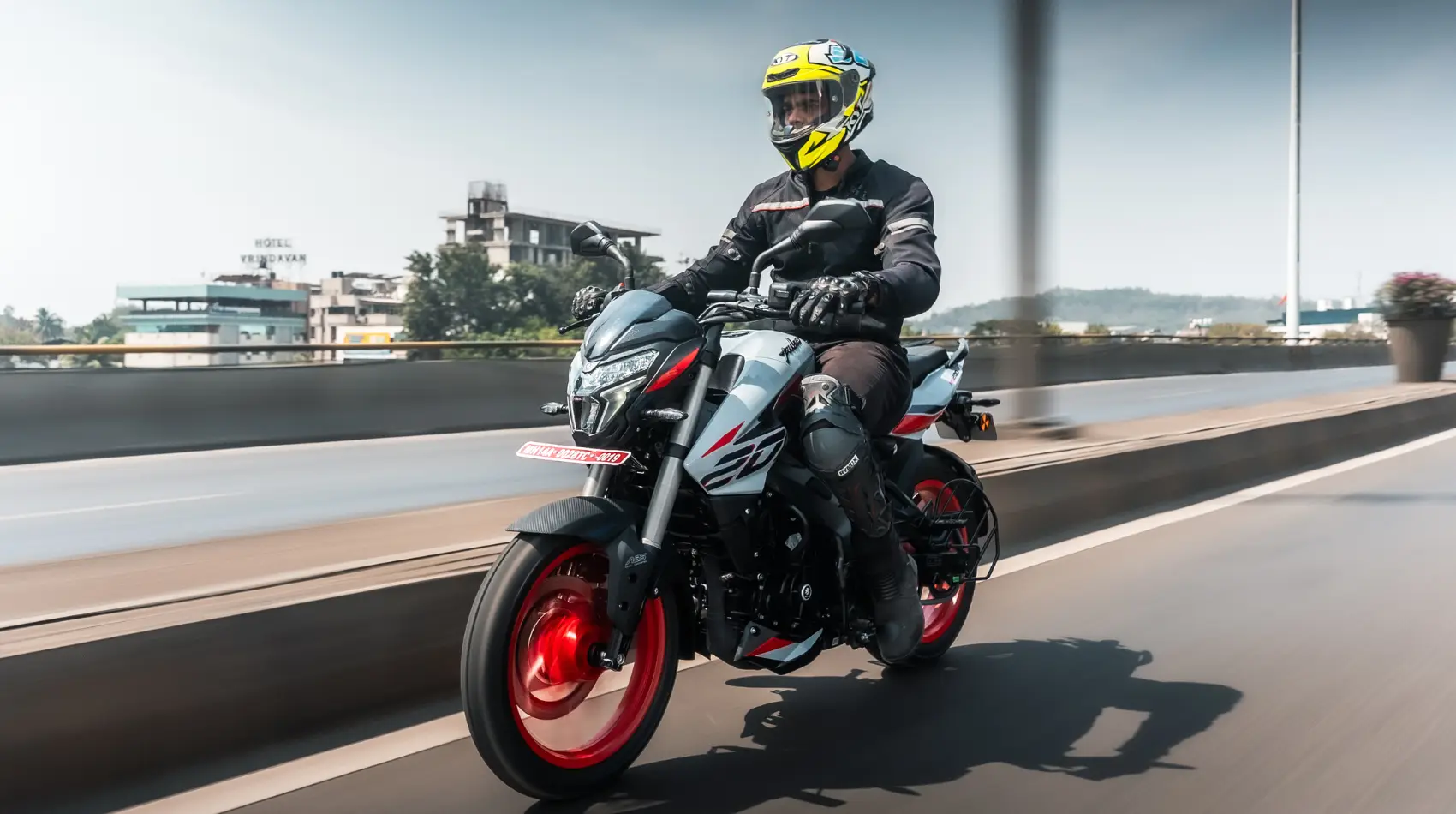
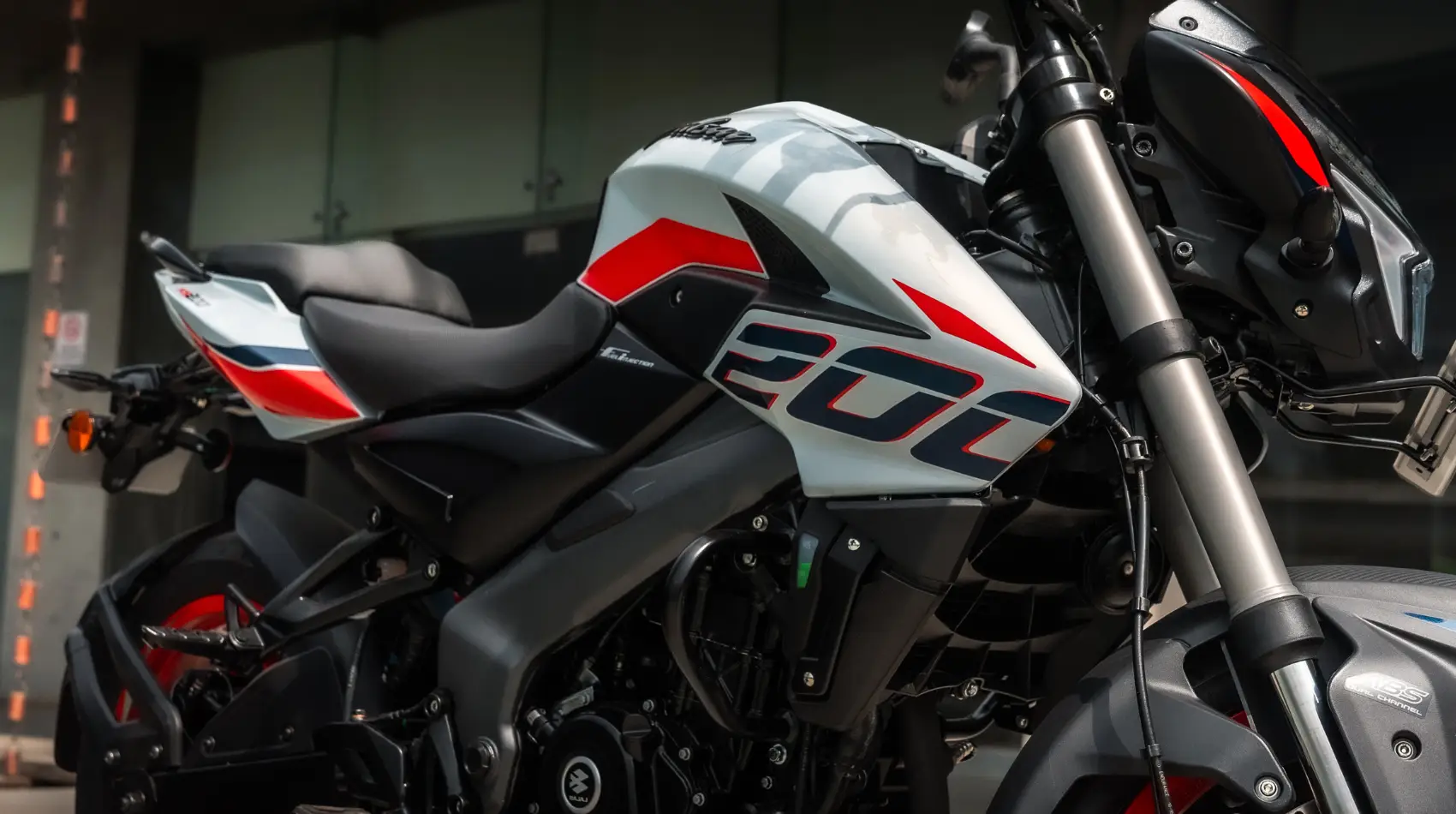
The Pulsar NS200 has been on sale for well over a decade, which is a considerable amount of time in the motorcycle industry. Over the years, it has received updates, but its fundamental character has remained intact. It is still the Pulsar you choose when you want a motorcycle that encourages you to ride harder, explore the upper reaches of its rev range and have a little more fun when the road opens up.
The latest update does not attempt to change that identity. Instead, it makes the existing package more sophisticated.
The biggest difference I noticed during my ride was the refinement. The NS200 feels smoother than before, with noticeably fewer vibrations making their way through the motorcycle. This might not sound like a particularly exciting update, but it makes a meaningful difference to the overall experience. A motorcycle can have an enthusiastic engine and engaging handling, but excessive vibrations can become tiring over time. The improved refinement makes the NS200 feel more mature without taking away the character that has made it appealing in the first place.
The engine remains a 199.5cc, liquid-cooled, single-cylinder unit, which produces 25.2hp. More importantly, the improvements are not limited to the power figure. The overall experience feels better resolved, particularly when you begin to ride the motorcycle the way it wants to be ridden.
The quickshifter is another welcome addition. It allows clutchless gear changes during supported shifts, making acceleration feel more seamless and keeping the rider engaged when pushing through the gears. Its operation feels better integrated into the overall riding experience, and it complements the NS200's naturally sporty personality. For a motorcycle that encourages you to make the most of its performance, this is a feature that makes sense.
Then there is the suspension. Bajaj has equipped the NS200 with thicker, 37mm upside-down front forks, and this is one of the changes that I could genuinely appreciate on the road. The front end feels better tuned, giving the motorcycle a more composed and confidence-inspiring character. It feels more settled when you are riding enthusiastically, and the front suspension now seems better suited to the performance the motorcycle offers.
The rear, however, still leaves some room for improvement. While the front end feels like a more complete package, I would have liked the rear suspension to offer a similarly well-resolved experience. The update has certainly improved the NS200, but the suspension package does not feel equally convincing at both ends.
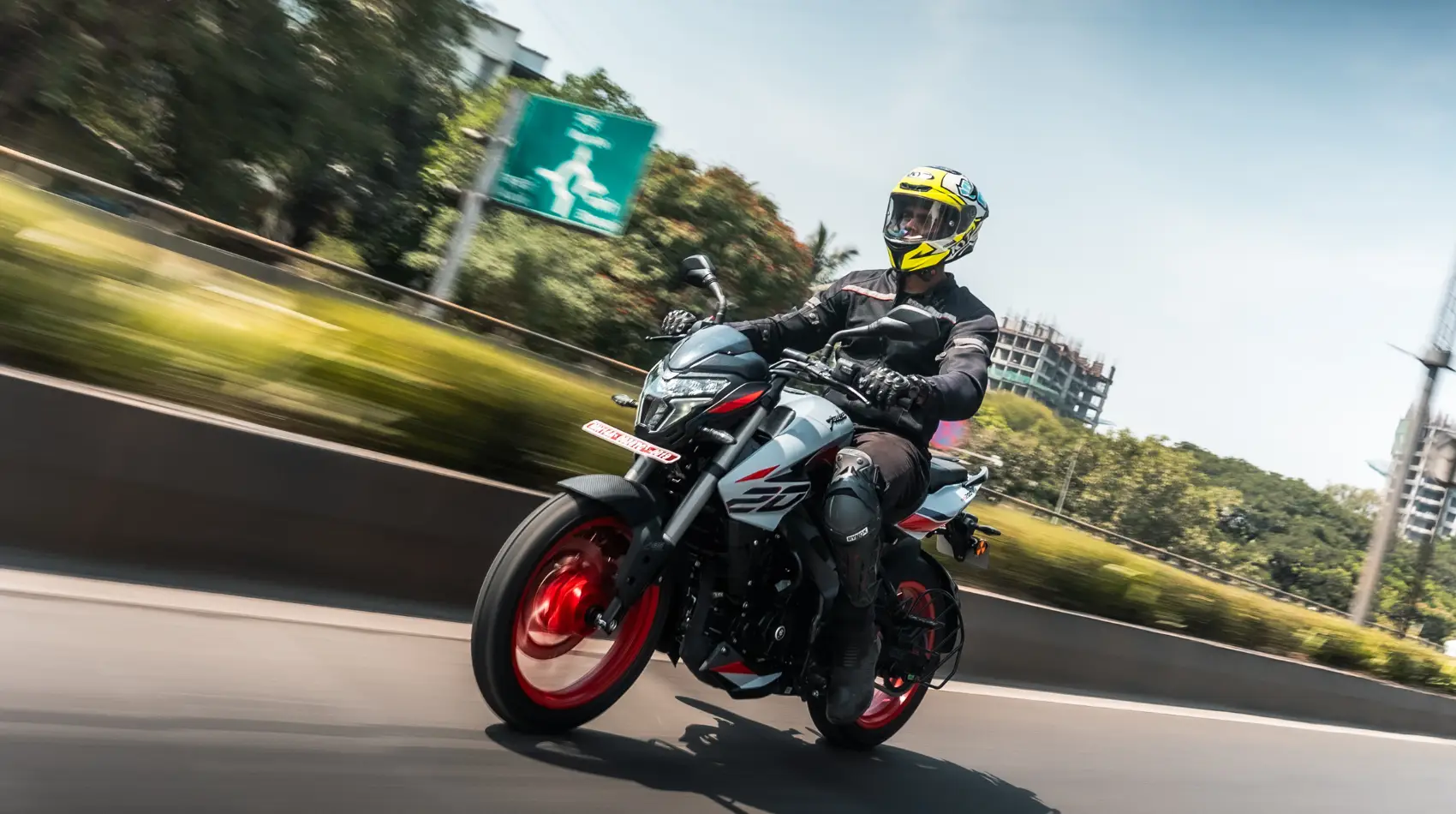
That said, the motorcycle continues to deliver where it matters most to its intended audience. It feels light, agile and eager to change direction. Compared with the N250SS, the NS200 feels more at home when you pick up the pace, attack corners and carry speed through a series of bends. Its lower kerb weight also works in its favour, contributing to the more responsive character I experienced during the ride.
The NS200 is not a motorcycle that demands to be ridden fast all the time, but it certainly seems happier when you do. There is a sense of eagerness to its performance that encourages you to work through the gears and explore what the engine has to offer.
However, there is one aspect of the NS200 that I believe Bajaj needs to address next: its design.
The familiar silhouette has served the motorcycle well, but after more than a decade on sale, parts of the design are beginning to feel dated. The latest technology has brought the NS200 closer to modern expectations, and the improved refinement makes it feel more contemporary from behind the handlebars. Yet, visually, it could do with a more substantial update.
I would not want Bajaj to lose the muscular streetfighter identity that defines the NS200. But a fresh design would give the motorcycle a renewed sense of occasion and help it appeal to buyers who might otherwise look towards newer alternatives.
For now, though, the NS200 remains a compelling proposition. It has retained its sporty character, become more refined and gained features that make it a more complete motorcycle. The front suspension and quickshifter are particularly welcome additions, and the reduction in vibrations makes the overall experience more enjoyable.
It feels like a better NS200 rather than a motorcycle trying to become something else. And that is probably the right approach.
THE N250SS: LESS ABOUT THE RUSH, MORE ABOUT THE RIDE
If the NS200 is about extracting performance and enjoying the process of riding, the N250SS takes a more relaxed approach.
The N250 has always occupied a slightly different position within the Pulsar family. Its larger engine offers more torque, and its character lends itself to riders who want accessible performance without constantly having to work the engine. The latest update builds on that foundation, making the motorcycle more versatile without fundamentally changing what it stands for.
The N250SS replaces the earlier two-valve version with a four-valve engine configuration. It now produces 24.7hp and 22Nm of torque, with the additional benefit of a six-speed gearbox replacing the earlier five-speed unit.
On paper, these changes improve the motorcycle's specification. Out on the road, they make the N250SS feel like a more complete product.
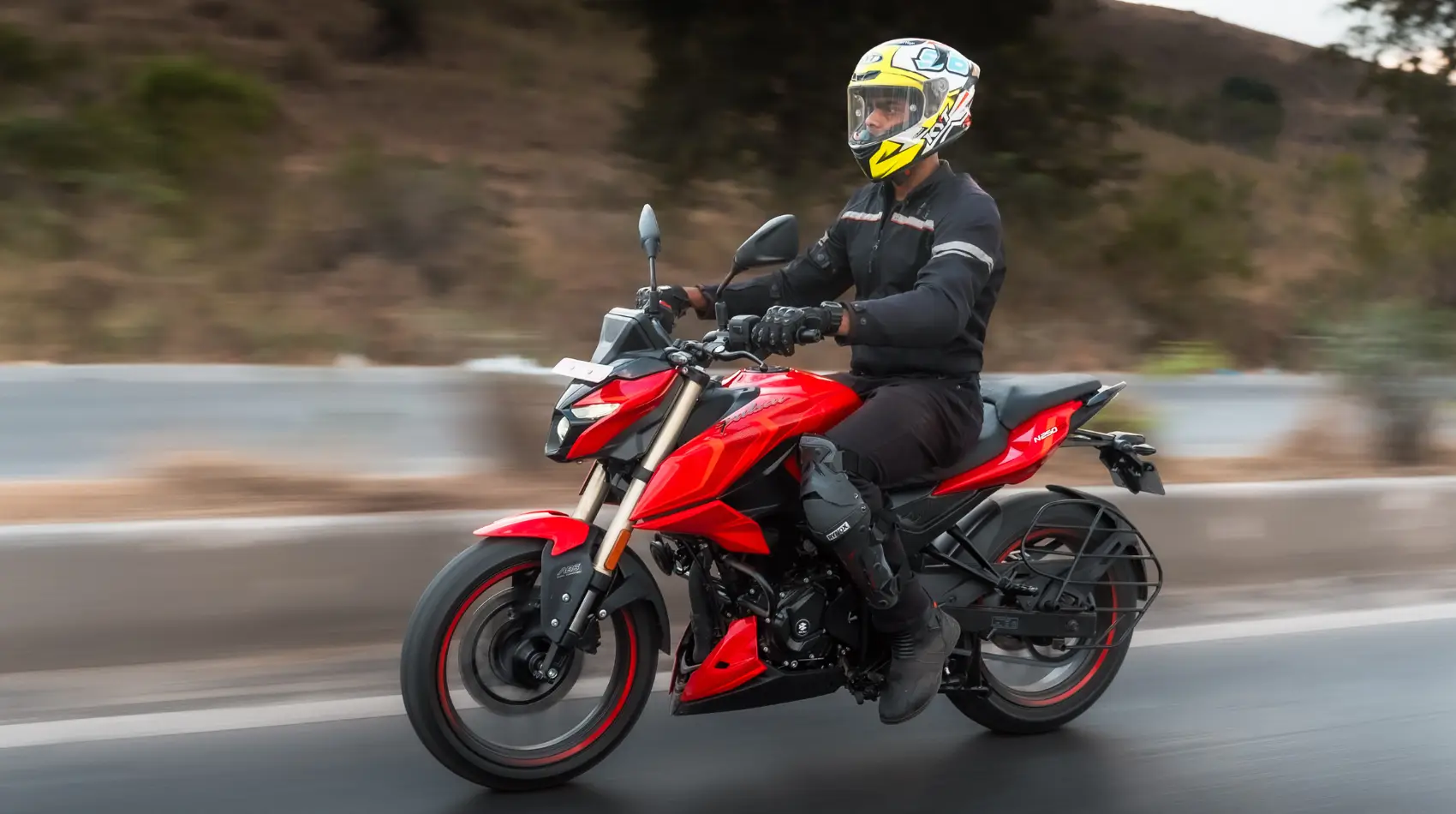
The additional gear is particularly useful. While the NS200 encourages you to build speed and work through the rev range, the N250SS feels perfectly content to settle into a rhythm. Slot it into sixth gear on an open stretch of road and the motorcycle feels relaxed, allowing you to maintain a steady cruising pace without constantly feeling the need to change gears.
That is where the N250SS makes its strongest argument. It does not demand the same level of involvement from the rider as the NS200. You can ride it at a leisurely pace, use its torque to move through traffic and settle into a comfortable cruising rhythm when the road opens up.
The engine's deeper, bassier exhaust note adds to the experience. It has a satisfying presence without needing the motorcycle to be ridden aggressively to bring out its character. The headlight is another strong point, providing a modern appearance and adding to the motorcycle's everyday usability.
The quickshifter also gives the N250SS a more engaging edge. It might seem like a feature better suited to a sportier motorcycle, but it works well here, too. It makes gear changes more convenient and gives the rider an additional reason to enjoy the motorcycle when accelerating away from traffic or making progress on an open road.
The five-inch TFT instrument console is another significant improvement. We have already experienced this display on the Pulsar N160 SS, and it remains one of the more useful additions to the updated Pulsar range. Google Maps mirroring brings navigation information into the rider's line of sight, while the colour display gives the cockpit a more contemporary feel.
The new electronic throttle body also enables riding modes, allowing the motorcycle's throttle response to be adapted to different riding conditions. Traction control adds another layer of assistance when available grip is limited.
These additions make the N250SS feel more technologically complete, but they do not distract from its fundamental strength: its ability to deliver performance without demanding too much from the rider.
I also found it less prone to heating up than the NS200 during my ride. While actual engine temperatures and heat felt by the rider can vary with traffic, ambient conditions and riding style, this contributed to the N250SS feeling more relaxed in the conditions I experienced.
The distinction between the two motorcycles becomes particularly clear when you stop looking at their specifications and consider how you would use them every day.
The N250SS feels like a motorcycle you could commute on during the week, ride out of the city on a Saturday morning and bring home without feeling that you need to push it hard to enjoy it. Its performance is accessible, its cruising character is relaxed, and the additional gear makes it feel better suited to maintaining a comfortable pace over longer stretches.
Bajaj seems to have taken the existing N250 formula and addressed several areas that needed attention. The four-valve engine, six-speed gearbox, quickshifter and updated electronics collectively make it a more rounded motorcycle.
In my opinion, the N250SS is now a particularly strong proposition at its price point. It does not need to imitate the NS200 to be desirable. It simply needs to do what it was designed to do, and the latest update makes it better at exactly that.
199CC VS 249CC: WHY THE BIGGER ENGINE ISN'T ALWAYS BETTER
Here is where the comparison becomes interesting.
The NS200 produces a claimed 25.2 hp from its 199.5cc engine, while the N250SS produces 24.7 hp from its 249cc engine. The difference in peak power is marginal, with the smaller motorcycle actually having a slight advantage on paper.
Torque, however, tells a different story. The N250SS produces 22 Nm, while the NS200's established specification is 18.74 Nm. The N250SS therefore has an advantage in peak torque, which helps explain its more relaxed approach to delivering performance.
Weight also plays an important role. At approximately 158kg, the NS200 is around 7kg lighter than the N250SS, which weighs 165kg. That difference, combined with the NS200's slightly higher peak power, contributes to its more agile and eager character.
But numbers alone do not explain the complete experience.
The NS200 feels quicker and more willing to be pushed hard. Its lighter feel makes it more responsive when changing direction, and it is the motorcycle I would pick if I wanted to enjoy a winding road or make the most of an enthusiastic ride. It feels more focused on performance, and its engine character encourages you to keep the revs up.
The N250SS, meanwhile, is more interested in how comfortably it can deliver its performance. Its additional torque, four-valve configuration and six-speed gearbox give it a different kind of flexibility. It feels less demanding at a relaxed pace and is better suited to riders who prefer to maintain momentum rather than constantly chase the next gear or higher engine speeds.
Neither approach is inherently better.
A motorcycle's character depends on more than displacement. Engine tuning, power delivery, gearing, kerb weight, suspension setup and riding ergonomics all influence how it behaves. Two motorcycles can have similar peak power figures and still deliver very different experiences.
That is precisely what we have here.
The NS200 is the more performance-oriented motorcycle, while the N250SS is the more relaxed and versatile companion. One encourages you to ride harder; the other makes it easy to enjoy the journey.
And this is why I believe comparisons like these are important, particularly in the Indian market.
We often reduce motorcycle buying decisions to a simple calculation: how much engine capacity can I get for my money? But displacement is only one part of the equation. A larger engine does not automatically make a motorcycle faster, more enjoyable or better suited to your needs.
If you spend most of your time commuting, ride through heavy traffic and occasionally head out on the highway, a motorcycle that delivers accessible torque and relaxed cruising might be more satisfying than one that encourages you to chase higher revs.
On the other hand, if you enjoy spirited rides, frequent changes in direction and a motorcycle that feels eager when you push it, the lighter and more responsive NS200 could be the better choice.
The right motorcycle is the one that matches your riding habits, not the one that looks better on a specification sheet.
THE VERDICT: TWO GOOD MOTORCYCLES, TWO DIFFERENT REASONS TO BUY
At ₹1.60 lakh for the Pulsar NS200 and ₹1.59 lakh for the N250SS, both ex-showroom Delhi, the price difference is just ₹1,000. That makes this comparison less about choosing the more affordable motorcycle and more about understanding what you want from your next bike.
The updated NS200 is a welcome evolution of a motorcycle that has been around for more than a decade. It is more refined, has fewer noticeable vibrations, benefits from a better-feeling front suspension and gains a quickshifter and modern electronics. It still feels agile and eager to perform, although its design is beginning to show its age and the rear suspension could be better resolved.
The N250SS, meanwhile, feels like a motorcycle that has grown into its role. The four-valve engine, six-speed gearbox, quickshifter and TFT display make it a more complete package. Its relaxed engine character, effortless cruising experience and everyday usability make it an excellent option for riders who want a versatile motorcycle without constantly having to push it hard.
If I wanted a motorcycle that felt more at home on a spirited ride, one that was lighter, more agile and happier at higher speeds, I would lean towards the NS200.
If I wanted a motorcycle for everyday commuting, relaxed weekend rides and effortless highway cruising, the N250SS would make more sense to me.
Both are better motorcycles after these updates. Both offer a lot of technology for the money, and both demonstrate that a familiar product can become more capable without losing its original identity.
But the most important takeaway from riding them back to back is that you should not buy a motorcycle simply because it offers more cubic capacity for your money.
Before you look at the engine size, ask yourself why you want a motorcycle in the first place. Think about where you ride, how you ride and what you expect from the experience. Then choose the machine that serves that purpose.
Because, at the end of the day, the best motorcycle is not necessarily the one with the bigger engine. It is the one that makes the most sense for you.