The Bonneville name has always carried a certain appeal among motorcycle enthusiasts. With its timeless proportions, teardrop-shaped fuel tank and unmistakable British roadster design, it is a motorcycle that has always managed to stand out without trying too hard. Models such as the Bonneville T100 and T120 have built that identity over the years, but their premium positioning has also meant that owning one has remained out of reach for many enthusiasts.
With the Bonneville T40, Triumph is attempting to change that. Starting at ₹2.8 lakh, it brings the familiar Bonneville styling and character to a much more accessible price point. Considering that the larger Bonneville models cost upwards of ₹10 lakh, there has always been an affordability barrier for people who admired the way these motorcycles looked but couldn't quite justify spending that much on one. The T40 changes that equation considerably.
It is based on the 350cc platform that underpins several motorcycles in Triumph's 400 family. However, the interesting part is how differently the same mechanical foundation can feel depending on the motorcycle it powers. Having ridden the Speed 400 with the latest 350cc engine last month, I was particularly interested in experiencing it in the Bonneville's modern-classic avatar.
The difference is quite noticeable. The T40 feels relaxed, refined and comfortable, and that is exactly what I think a motorcycle carrying the Bonneville badge should feel like. But before getting into the riding experience, there is plenty to talk about when it comes to its design.
The Bonneville Look, Without the Premium Price
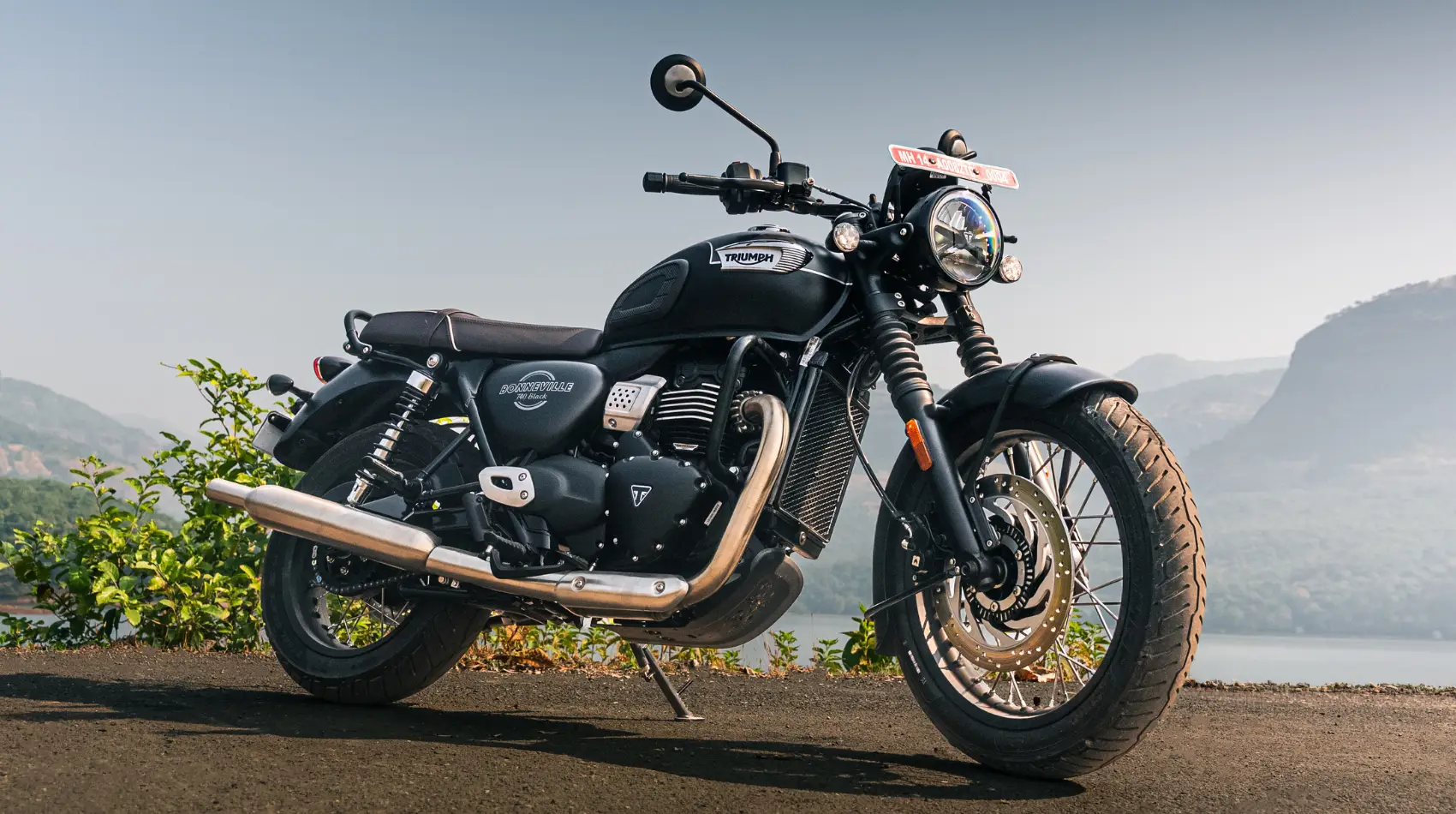
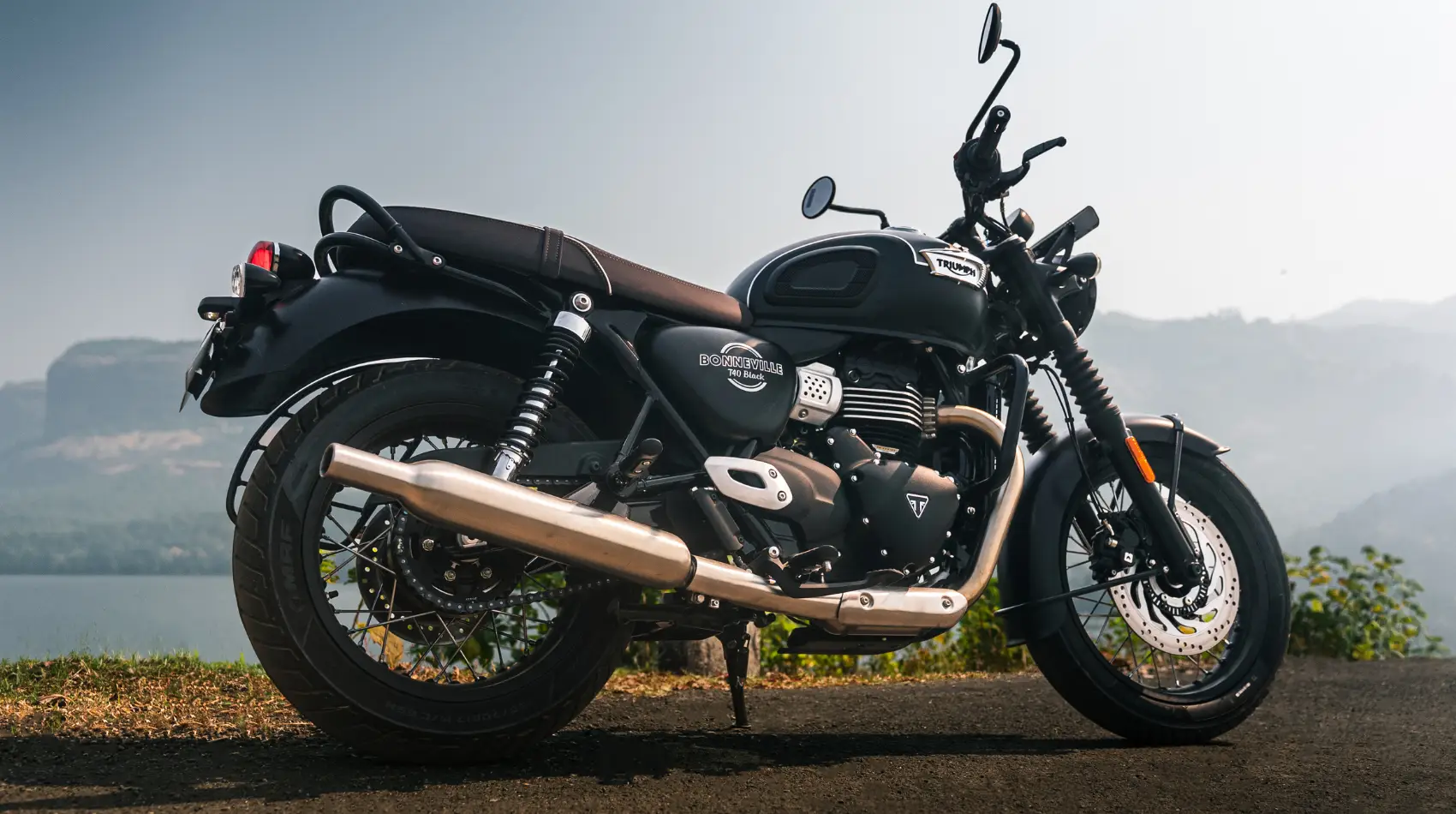
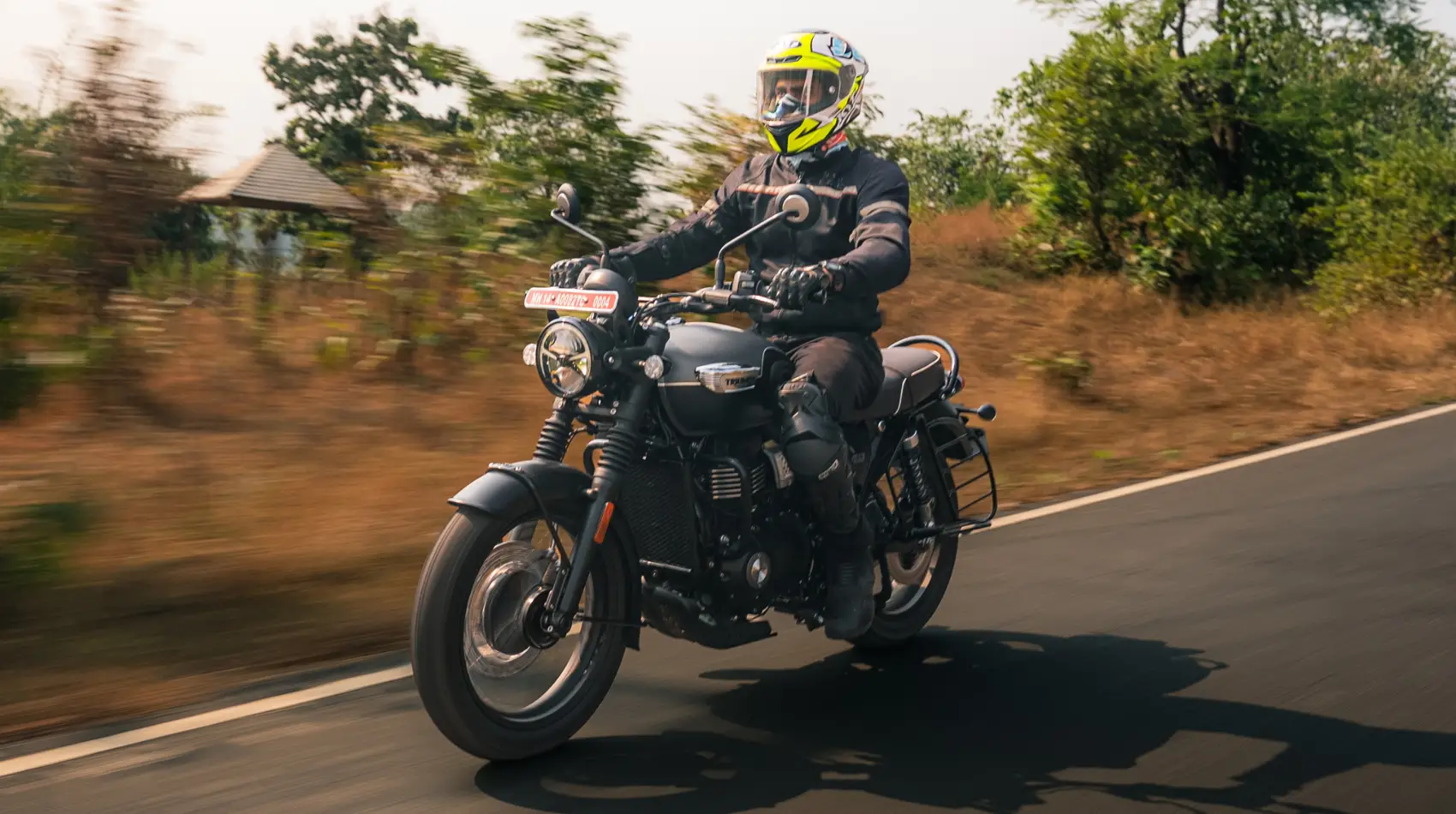
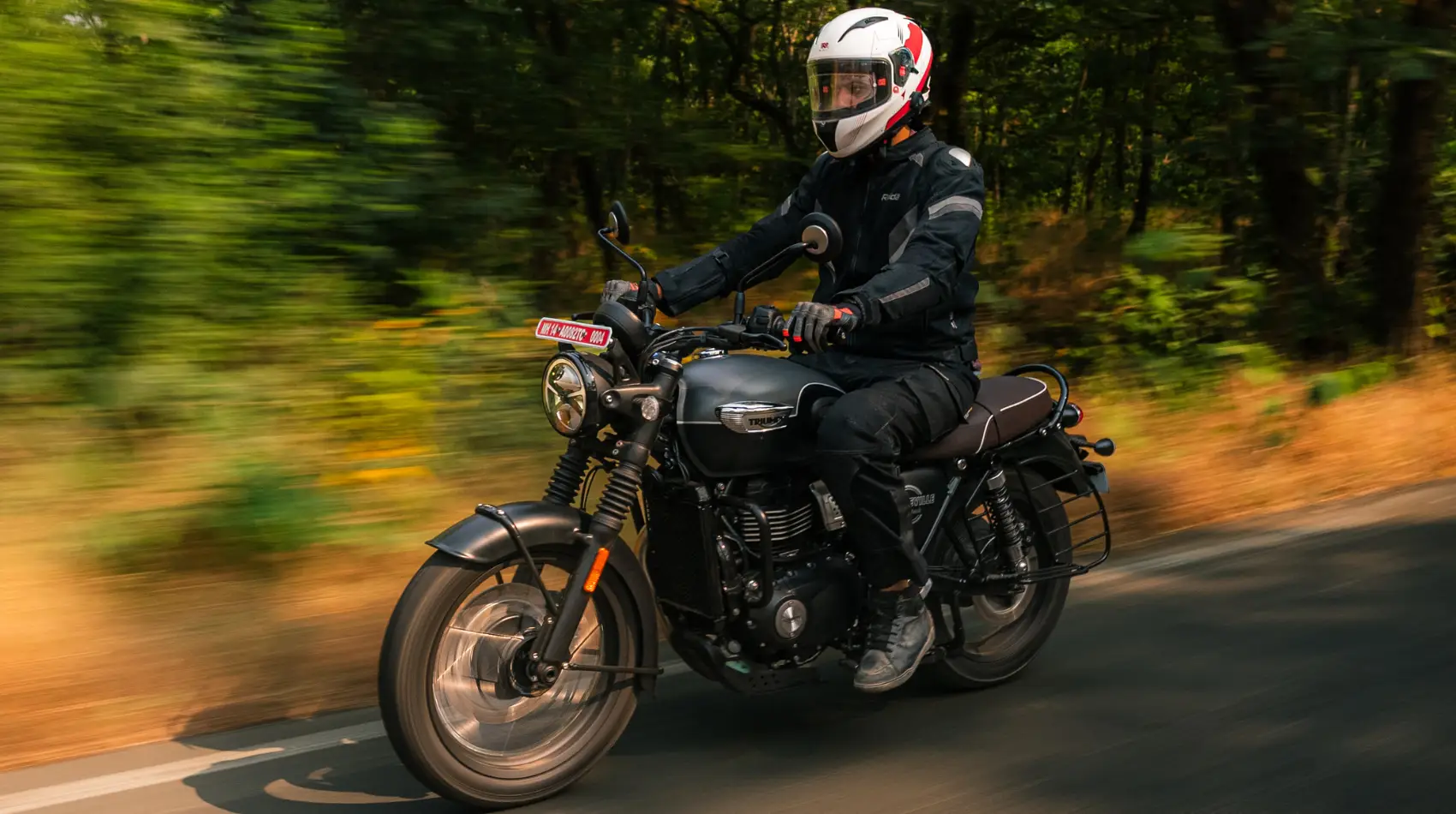
At first glance, the T40 looks every bit like a Bonneville. The classic proportions, teardrop-shaped fuel tank, round headlamp, long mudguards and roadster silhouette give it the unmistakable appearance that has defined the family for decades. Triumph has resisted the temptation to overcomplicate the design, and that works in its favour.
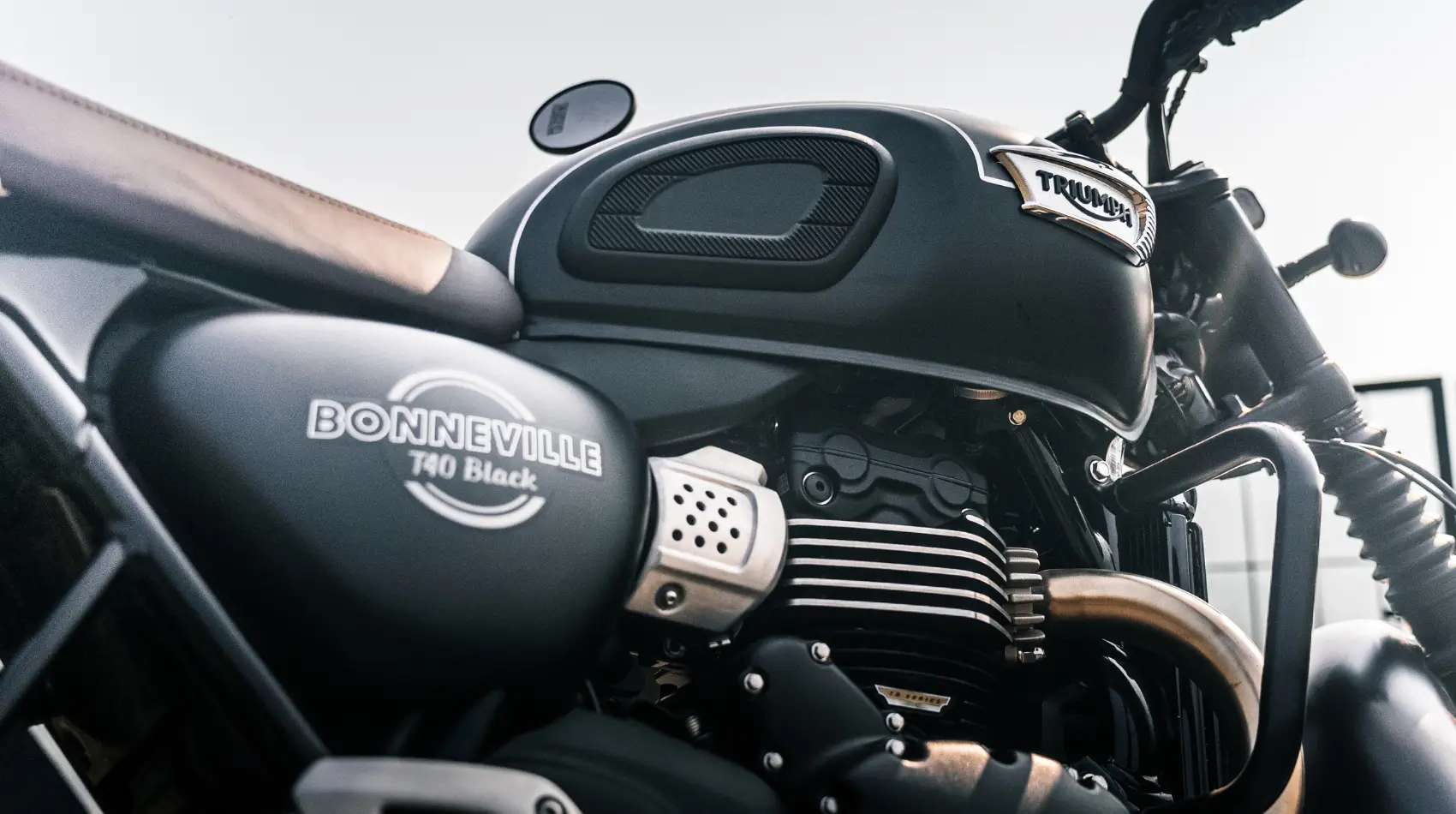
The details are what make the styling convincing. The fuel tank gets traditional rubber knee pads, the three-bar Triumph badge and contrasting paintwork with hand-painted coach lining, depending on the colour scheme. These elements might seem small, but together they give the motorcycle the sort of finish and character expected from a Bonneville.
The available paint schemes are particularly appealing. The Aegean blue and Fusion white combination is my personal favourite, as it looks like a proper classic without relying on excessive graphics. The overall finish also feels premium, with the quality of the hardware adding to the motorcycle's appeal.
At the front, the round LED headlamp gets a modern DRL signature. It brings the lighting up to date without disturbing the familiar Bonneville face. The classically styled forks and longer front mudguard complete the look, while the traditional proportions continue towards the rear.
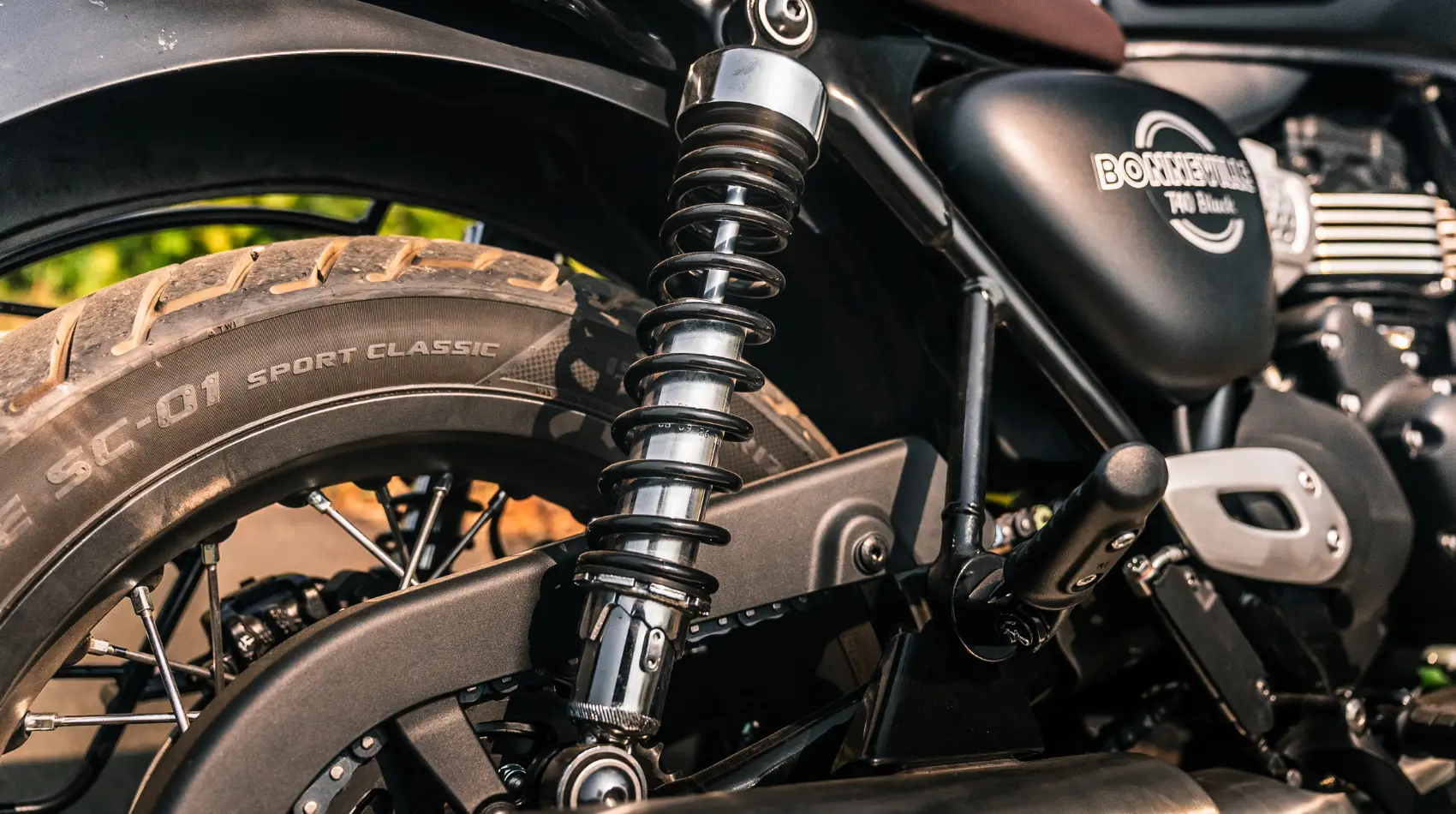
The T40 gets twin rear shock absorbers, wire-spoke wheels with an 18-inch front and 17-inch rear setup, and a single-piece bench seat. The rear mudguard is neatly integrated and helps retain the clean, old-school roadster profile. There is no mistaking what this motorcycle is trying to be, and that consistency is one of its strongest design qualities.
There are a couple of practical details I would have liked Triumph to address. The levers, for instance, do not get adjustability. More importantly, the spoke wheels are tube-type. A tubeless spoke-wheel option, similar to the setup offered on the Scrambler, would have made a lot of sense. Considering the T40 weighs around 195kg, dealing with a puncture on a motorcycle of this weight can be inconvenient, particularly when travelling long distances. The conventional spokes look right, but a tubeless option would have made the motorcycle easier to live with.
A Traditional Cockpit With Modern Technology
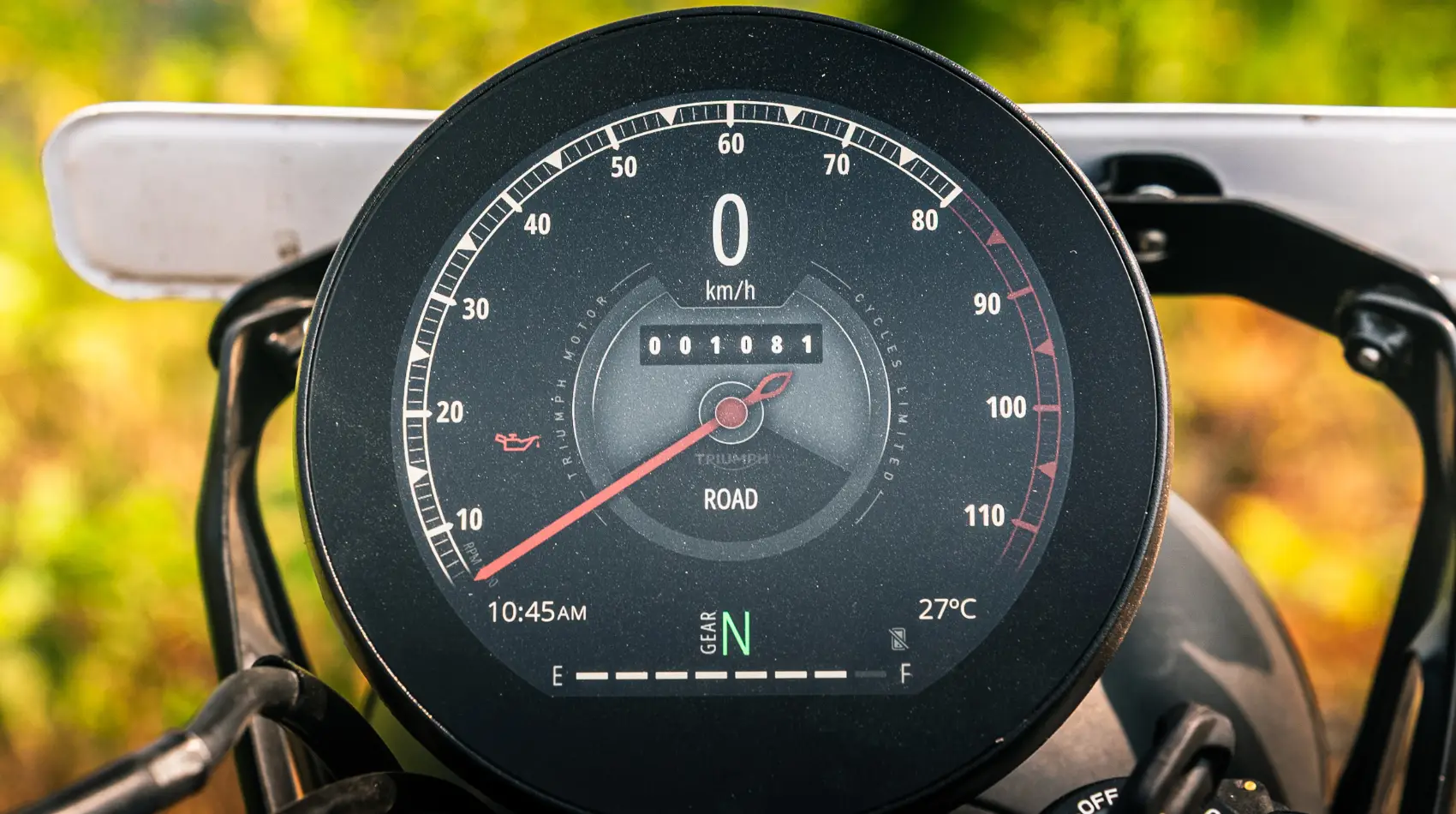
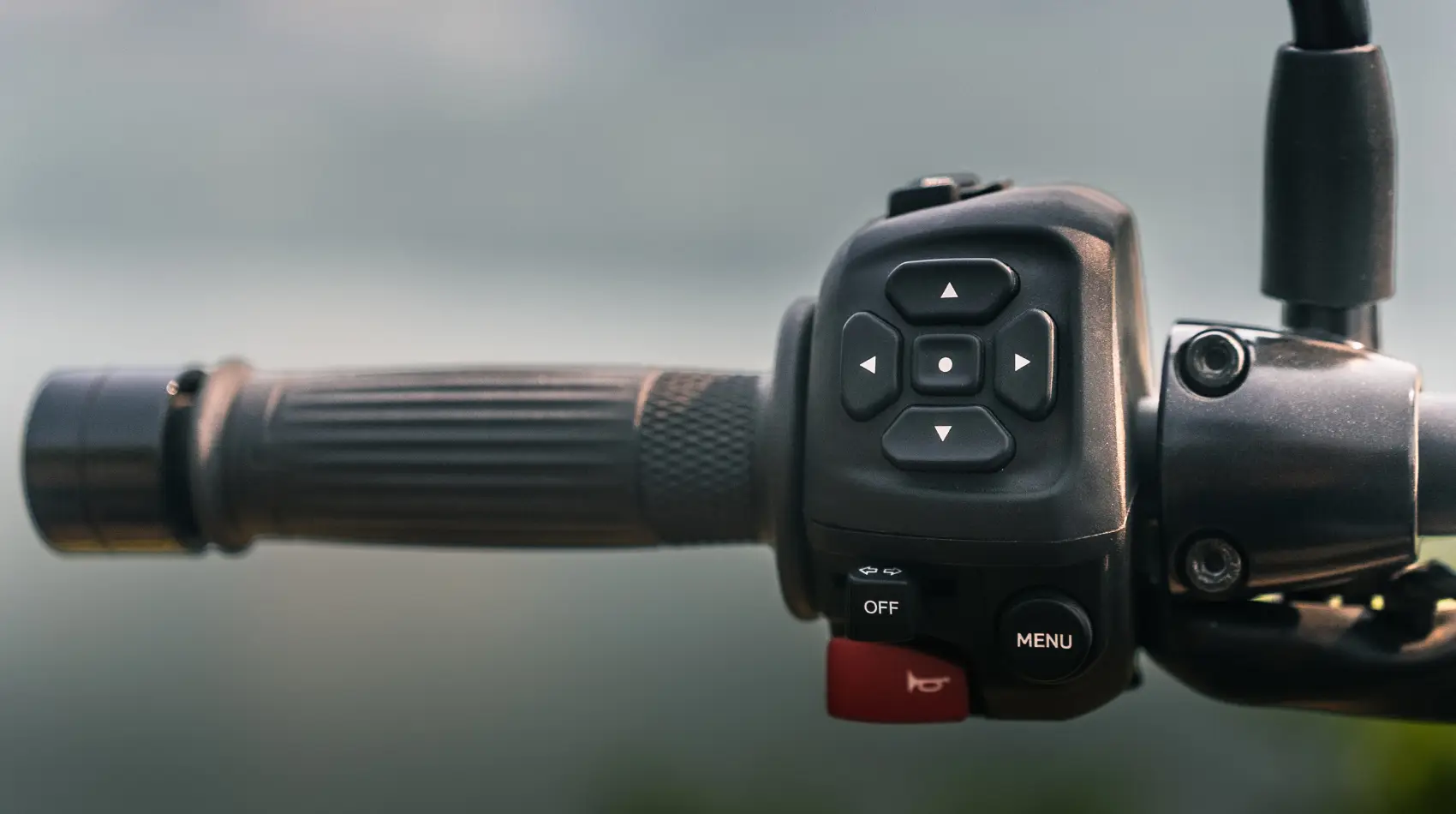
While the exterior is firmly rooted in the past, the cockpit is considerably more modern. The Bonneville T40 gets a four-inch circular colour TFT display housed inside a traditional-looking instrument pod. It is the first Bonneville to feature a TFT display, and Triumph has managed to integrate it without making the cockpit look out of place.
The display uses an analogue-inspired layout that complements the retro character while bringing in modern functionality. It is a neat solution because the rider gets the convenience of a contemporary screen without having to look at a completely modern instrument panel on a classic motorcycle.
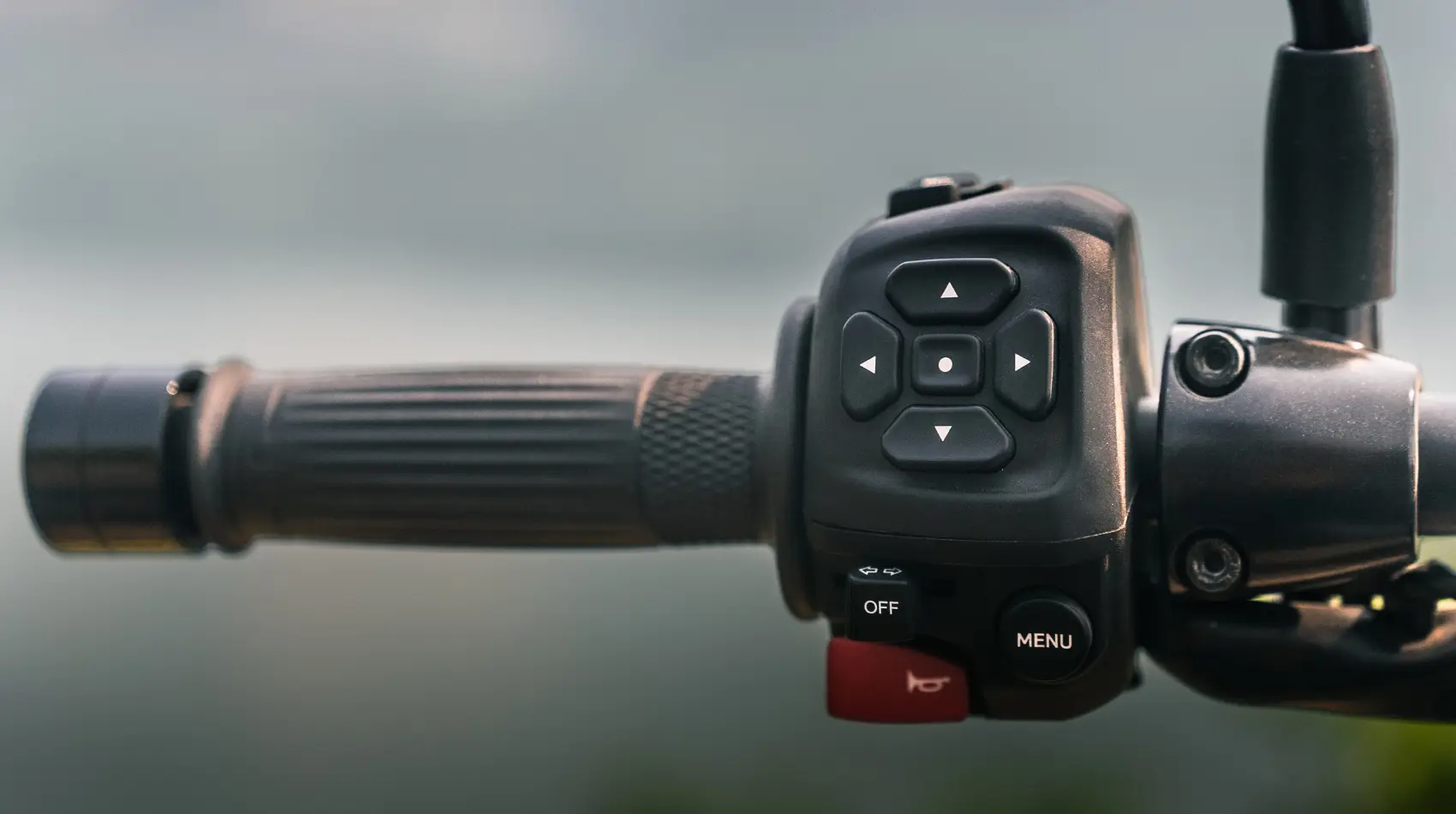
The equipment list is fairly comprehensive. The T40 gets navigation, cruise control, a USB Type-C charging port, riding modes, Optimised Cornering ABS and Optimised Cornering Traction Control. There are five riding modes in total: Road, Rain and Eco, along with two customisable modes. These allow the rider to adjust the motorcycle's responses and electronic intervention according to the conditions.
The cornering assistance systems use an IMU to account for lean angle while braking or accelerating through corners. Cruise control is particularly useful on longer highway rides, adding convenience to the relaxed experience.
For me, this is an important part of what defines a modern classic. It should retain the charm of a traditional motorcycle while offering the convenience and technology that we have come to expect from modern machines. The T40 manages to strike that balance rather well.
A Different Take on the Familiar 350cc Engine
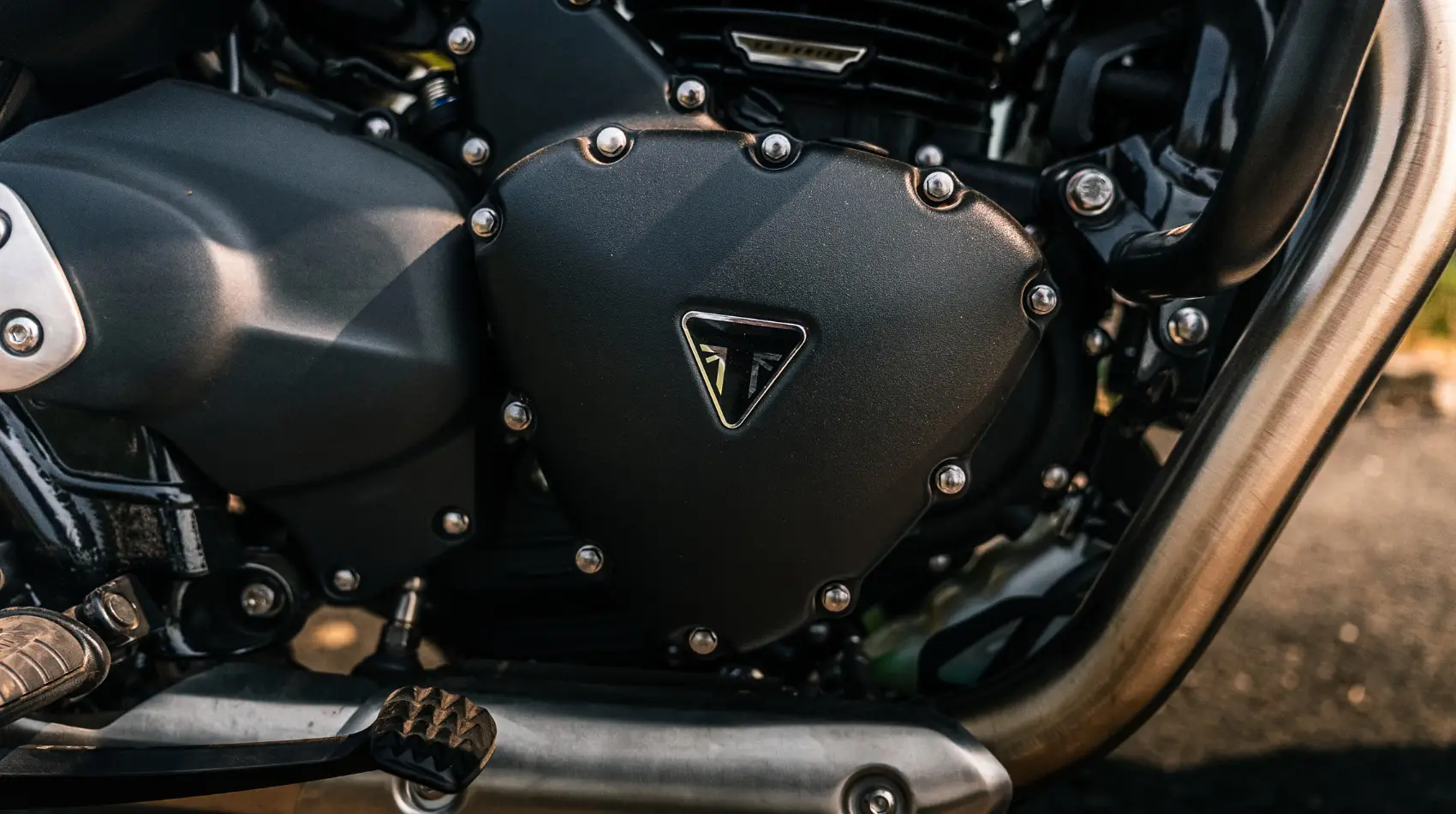
The T40 is powered by a 350cc, liquid-cooled, single-cylinder engine producing 29hp at 7,000rpm and 31.2Nm of torque at 5,500rpm. These figures are not intended to make it a performance-focused motorcycle. Instead, the emphasis is on accessible power delivery and an easy-going nature.
The engine has been given a different state of tune to suit the Bonneville's character, and the taller gearing is a big part of what makes the riding experience different. The motorcycle does not constantly ask for another gear, and it feels happier maintaining a steady pace. You can ride it without having to work the gearbox all the time, which makes the experience more pleasurable, particularly when you are just cruising along.
I think this is exactly what a modern classic should offer. It should not make every ride feel like an exercise in extracting maximum performance. The T40 is at its best when you settle into a rhythm and enjoy the way it delivers its power. It has enough performance for everyday use and relaxed highway riding, but its real appeal lies in the way it responds rather than the numbers it produces.
There is another part of the engine experience that matters just as much to me: the sound. The T40 gets traditional pea-shooter-style exhausts, and they add a lot to its personality. At idle, there is a distinct bassy thump that sounds particularly good. It is not an unnecessarily loud soundtrack, but it gives the motorcycle the old-school character you expect from something wearing the Bonneville name.
For me, the exhaust note is one of the most important aspects of a classic motorcycle. A motorcycle can look the part, but the sound is what makes the riding experience special. The T40 gets that combination right, and the exhaust note only adds to its appeal.
Comfort and Ride Quality
The first thing you notice when you get on the Bonneville T40 is how natural the riding position feels. It offers an upright and neutral posture, with the handlebar falling comfortably to hand. The footpeg placement is also well judged and does not force the rider into an awkward position. It is a motorcycle that encourages you to take things easy.
Triumph has also adapted the chassis to suit the Bonneville's character. Unlike the monoshock arrangement on some of its other 400 models, the T40 gets a redesigned rear section with twin shock absorbers. This gives it the traditional appearance expected from a Bonneville while contributing to a different overall riding experience.
The motorcycle is not particularly interested in being thrown around aggressively, but it changes direction without feeling cumbersome. It feels predictable and approachable, which suits its relaxed nature. You can enjoy a winding road, but the T40 does not encourage you to ride it like a sporty roadster.
Suspension duties are handled by a 43mm conventional front fork with 130mm of travel. At the rear, it gets twin-tube hydraulic shock absorbers with seven-step preload adjustment and 130mm of wheel travel.
The setup felt comfortable over regular undulations and even some bad patches, while offering enough control for the motorcycle's intended use. Push it harder over sharper bumps, however, and you begin to feel the limitations of the relatively simple suspension package. It is not designed to offer the adjustability or feedback of a more performance-oriented setup. But for everyday riding and a relaxed pace, the suspension does its job well.
The combination of upright ergonomics, accessible engine performance and comfortable suspension makes the T40 an easy motorcycle to spend time on. It is not trying to be a sporty roadster, and that is important to understand when judging it. Its purpose is different, and the way it rides reflects that.
Making the Bonneville More Versatile
Triumph also offers a range of accessories for the T40, including a taller windscreen, a top box with a dedicated mounting rack, a more touring-friendly seat and saddle stays. These give owners the option to tailor the motorcycle to their requirements, particularly if they plan to use it for longer journeys.
The accessories make sense because the T40's relaxed riding position and easy-going engine lend themselves to spending more time in the saddle. Cruise control adds to that highway-friendly character, while the modern electronics provide useful assistance without becoming the focus of the experience.
This is also where the T40's positioning becomes interesting. It is a motorcycle that can be used for everyday commuting, relaxed weekend rides and even longer highway journeys. It does not demand a particular riding style or require the rider to constantly explore its performance. Instead, it offers an uncomplicated experience with enough modern equipment to make everyday ownership convenient.
Bottom Line
The Bonneville T40 is an interesting addition to Triumph's 400 family because it brings an iconic nameplate to a much wider audience. The larger Bonneville T100 and T120 have always had their own appeal, but their premium pricing meant that owning one was not a realistic proposition for everyone who admired them.
The T40 changes that. At a starting price of ₹2.8 lakh, it offers the familiar Bonneville silhouette, traditional detailing and a modern-classic experience at a considerably more accessible price. More importantly, it does not feel like Triumph has compromised on the identity of the motorcycle to achieve that.
The styling is familiar, the paintwork and finishing feel premium, and the pea-shooter exhausts give it the character I would want from a motorcycle like this. The TFT display, navigation, cruise control and cornering assistance systems bring in the convenience of modern technology without taking away from the classic experience.
I would have liked tubeless spoke wheels to be offered as an option, but that does not change the fact that the T40 gets the fundamentals right. It is not built around outright performance, and judging it only by its power figures would mean missing the point.
For me, the Bonneville T40 is a true modern classic because it gets the balance right. It looks like a traditional motorcycle, sounds the part and offers the comfort and technology expected from a modern machine.
What makes it particularly interesting is that you no longer need to spend upwards of ₹10 lakh to own a motorcycle that looks and feels like a Bonneville. Triumph has brought that heritage within reach of many more enthusiasts, and in doing so has given the Royal Enfield Classic 350 and Honda CB350 some rather good competition.