Five and a half years. That’s how long the Indian buyer had to wait for the Yamaha XSR 155, and let me tell you straight off the bat: this is a very good motorcycle. So, if you like the way it looks and are thinking of buying one, go ahead and bag it at that introductory ex-showroom price of ₹1.49 lakh, because for the money, it represents incredible value. That said, the XSR isn’t without its share of problems, so let me walk you through everything — starting with the good stuff, the first of which is its lovely styling.
Design and features
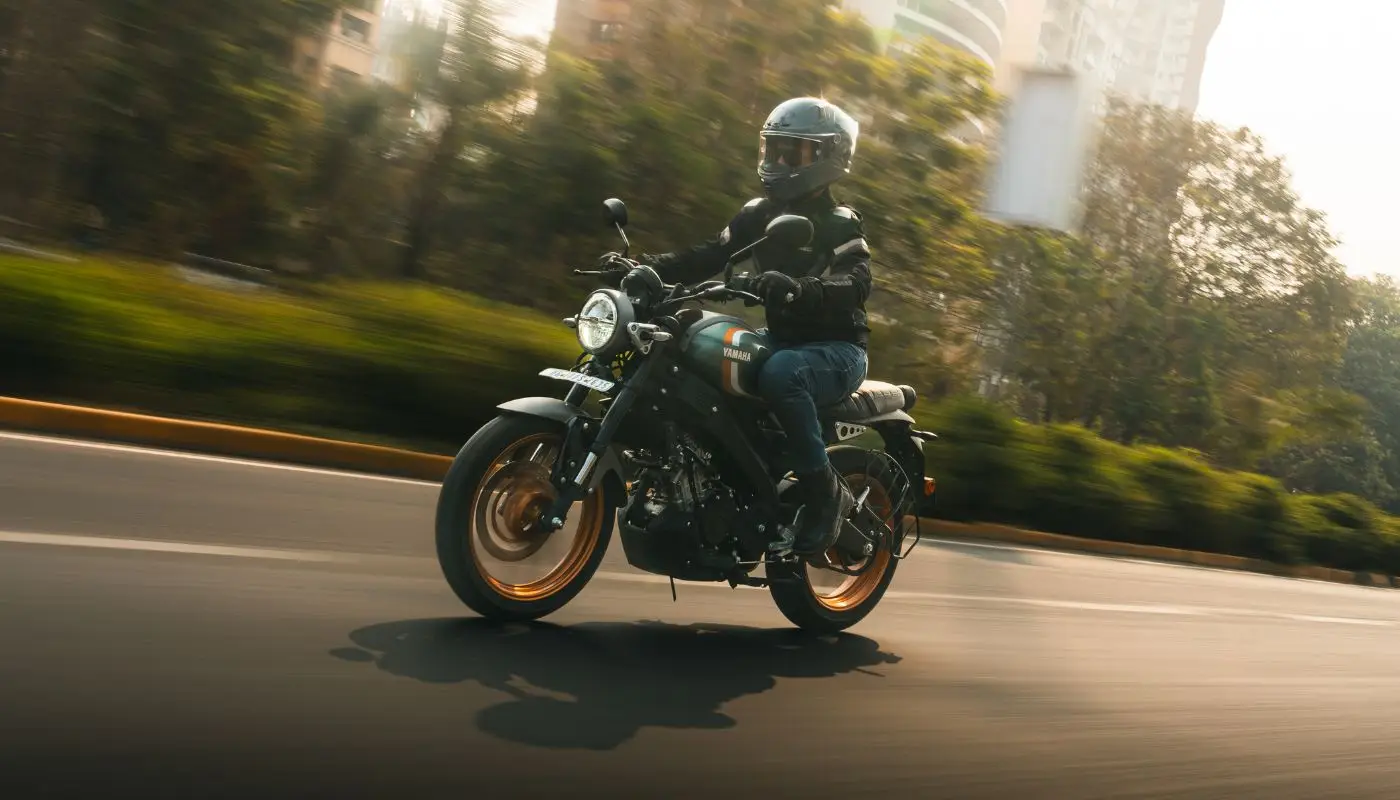
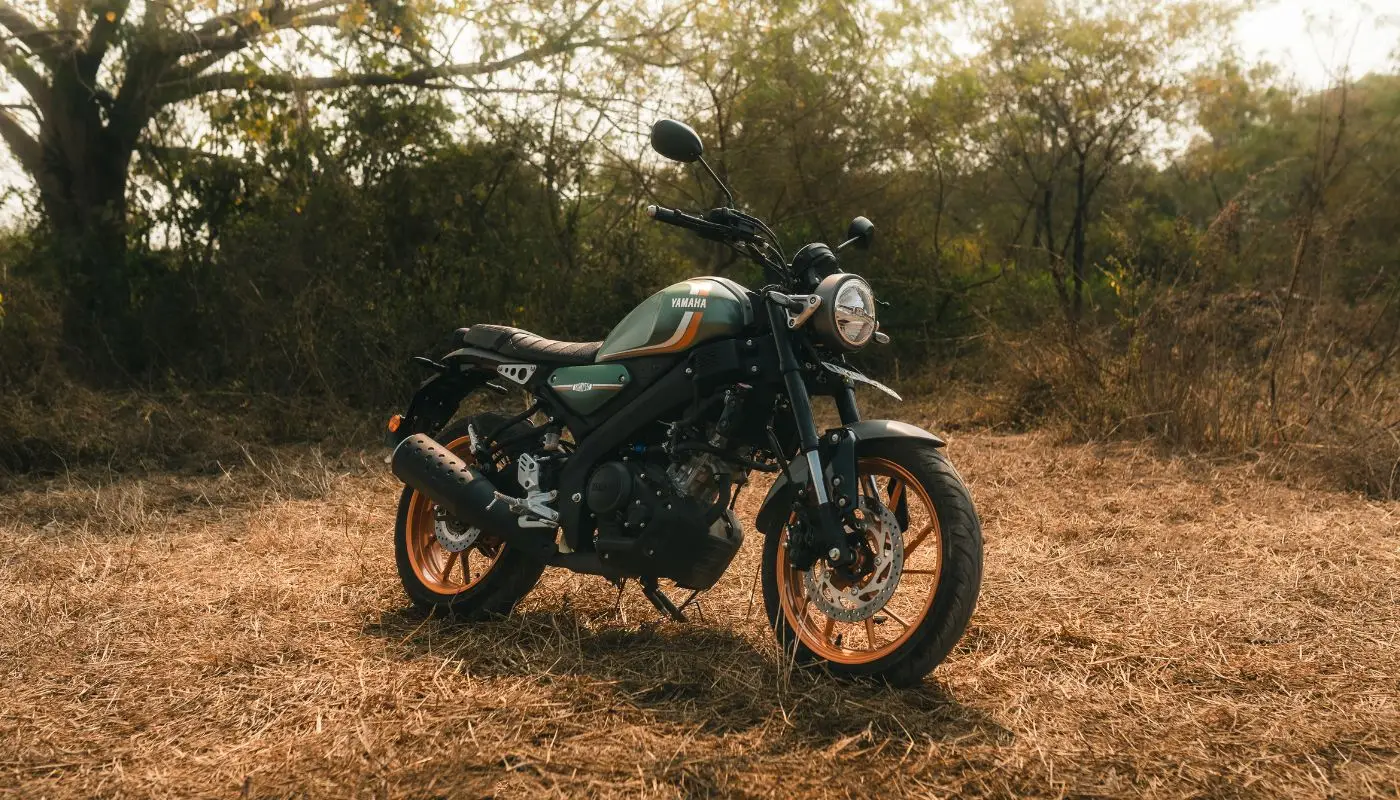
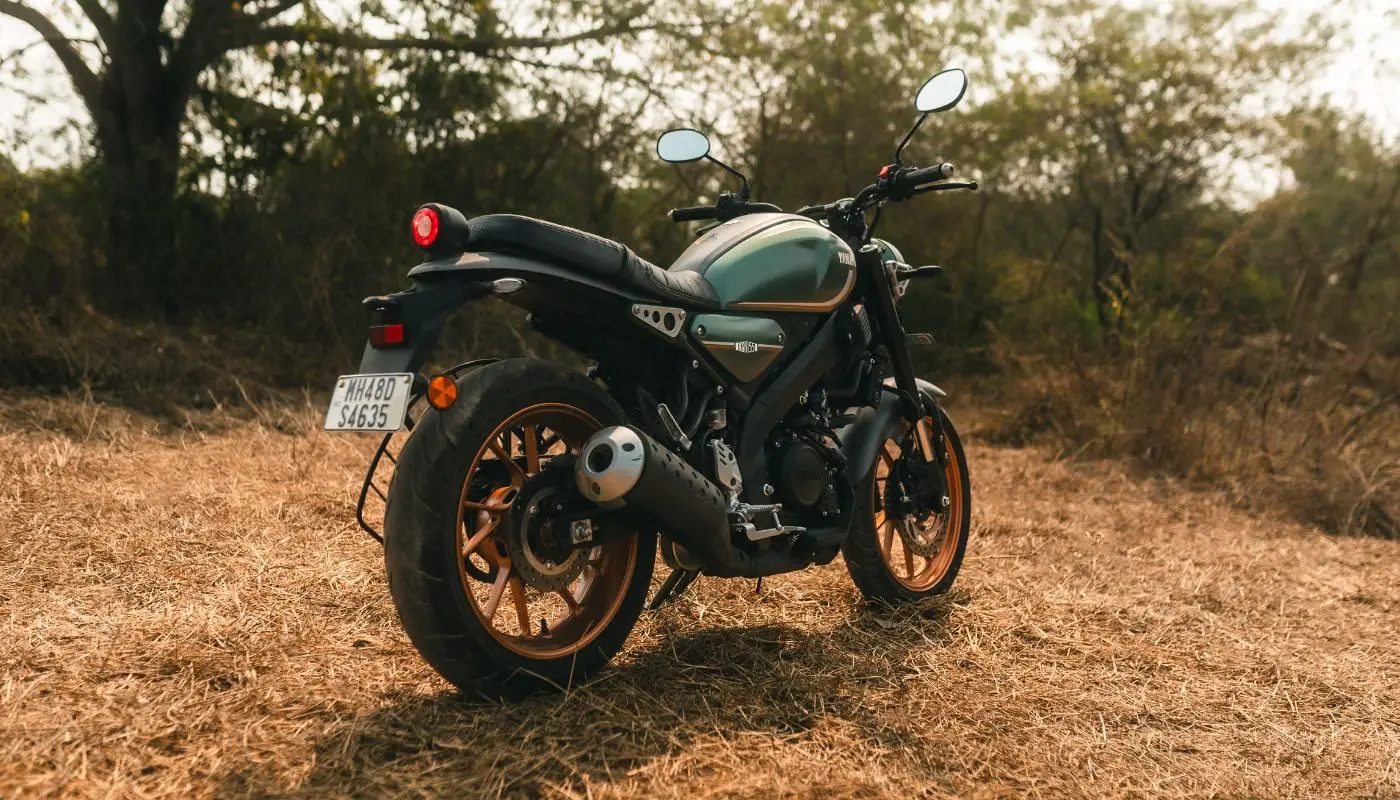
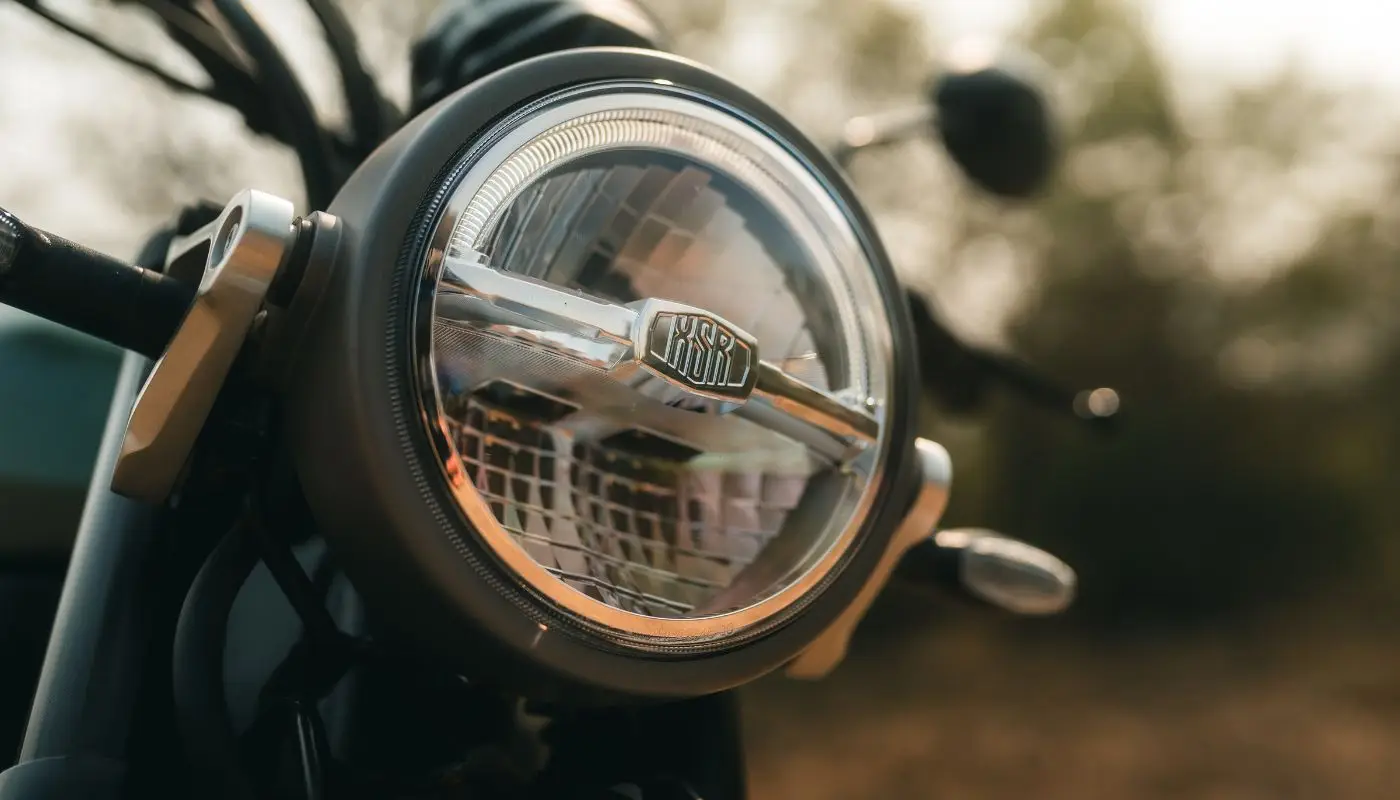
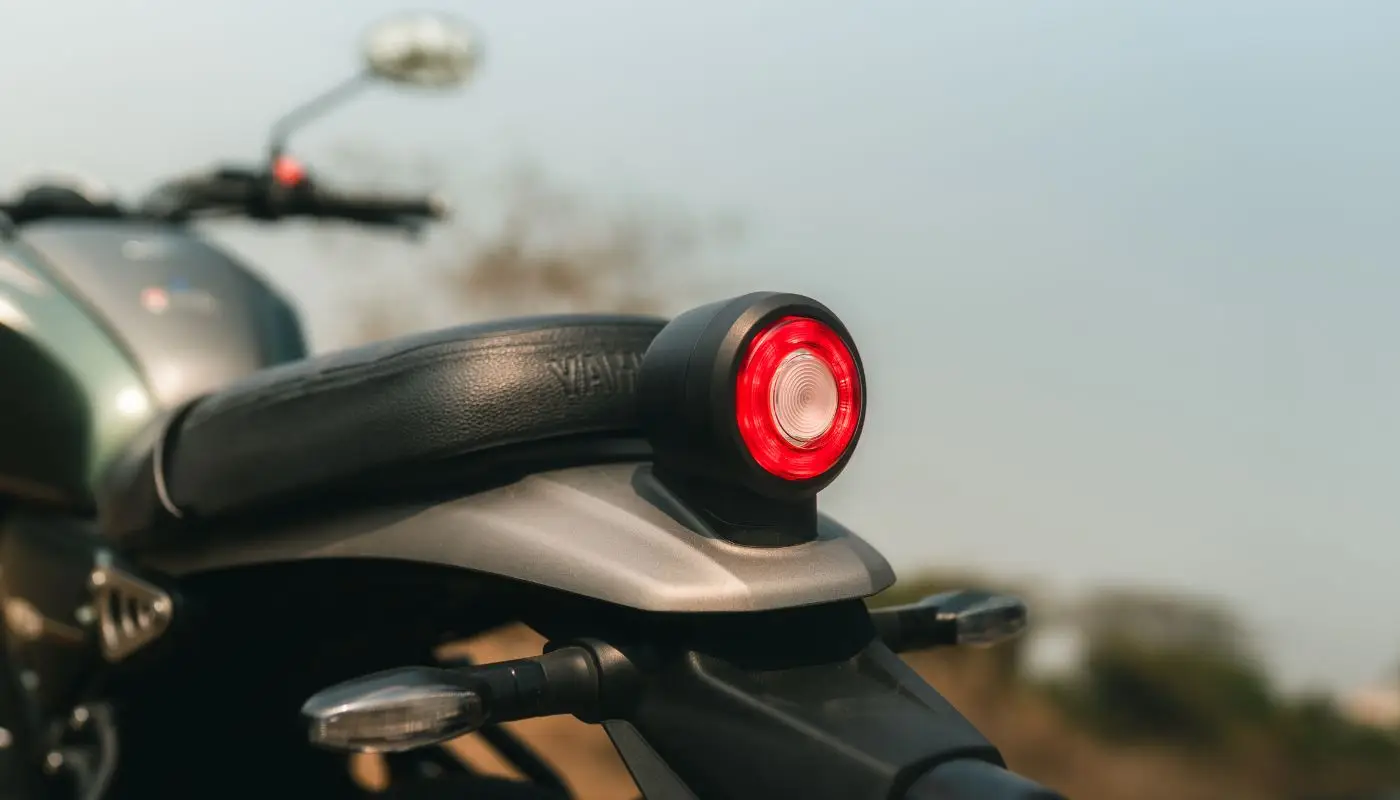
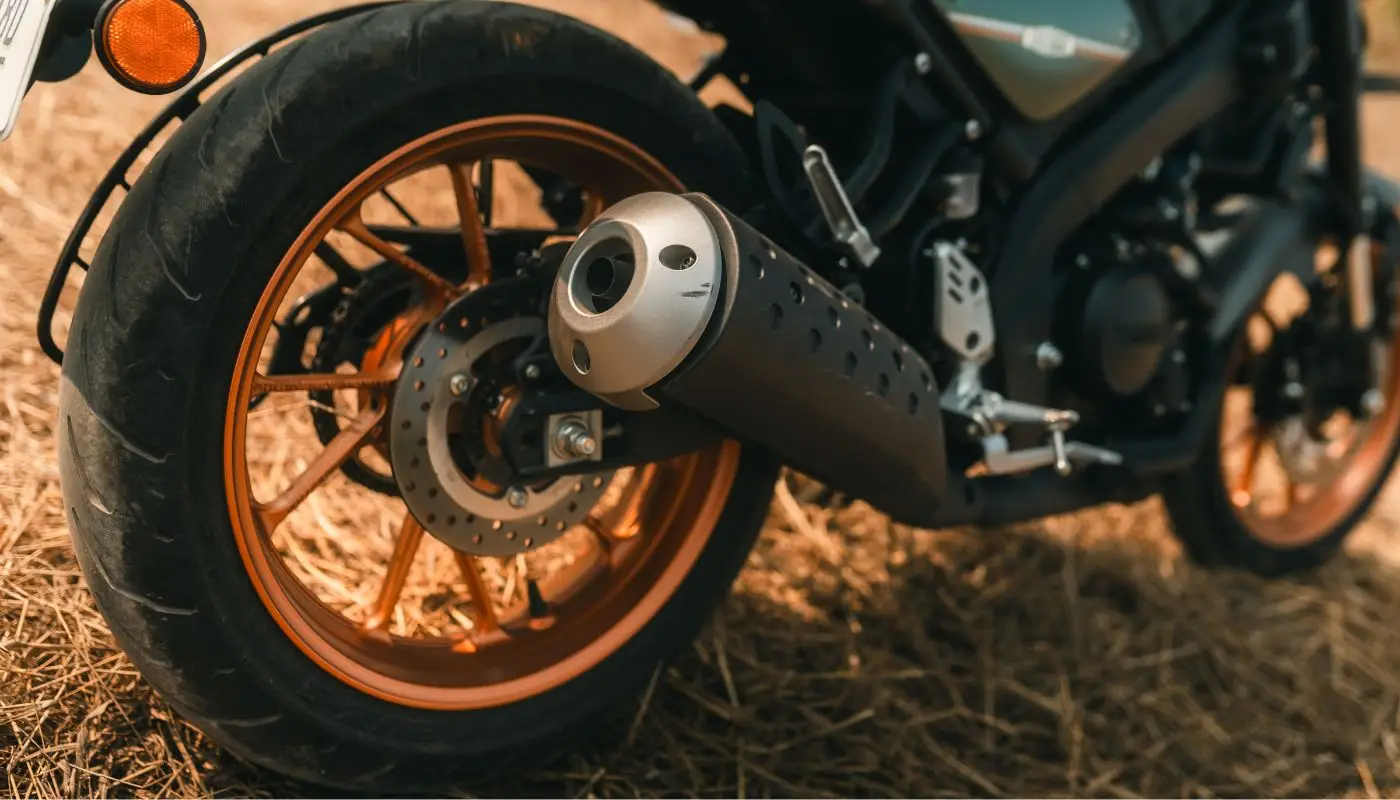
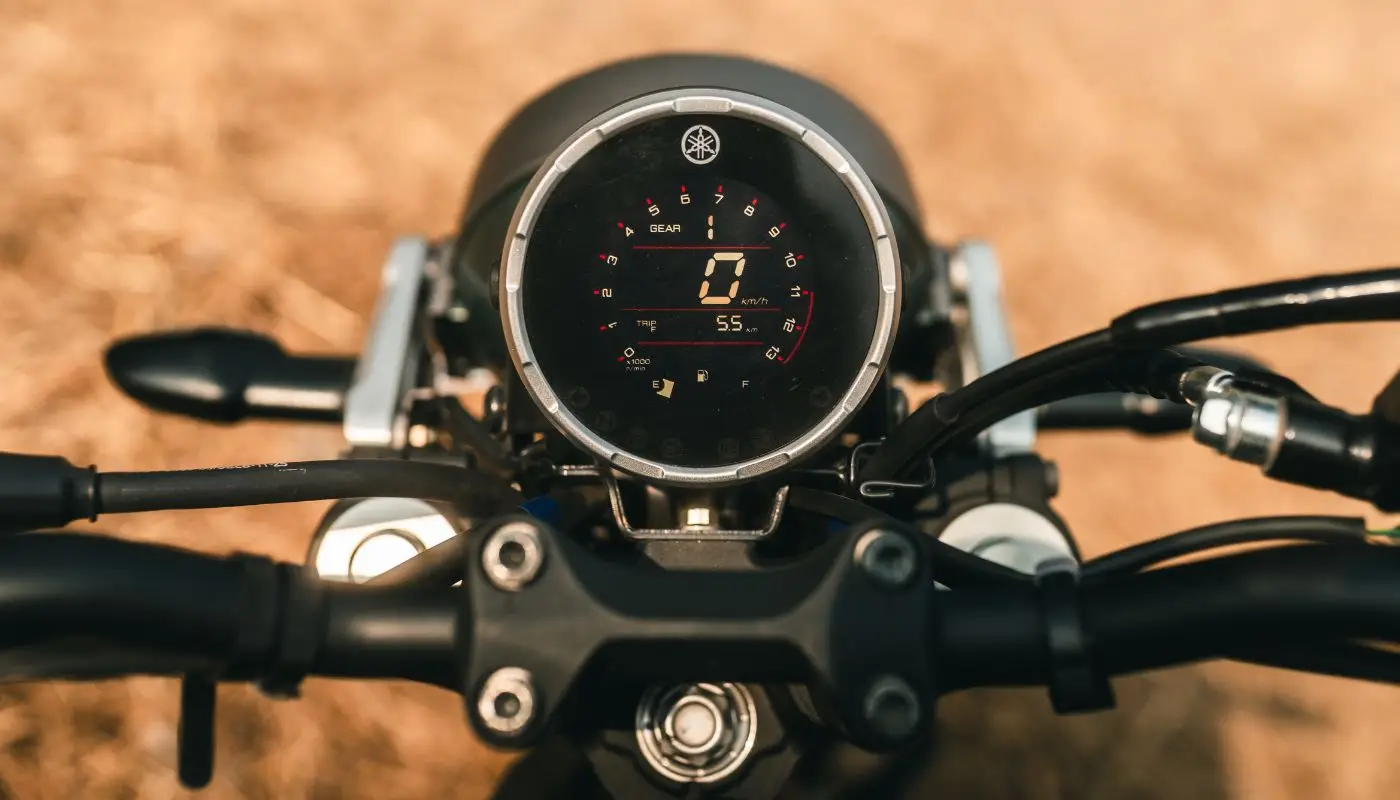
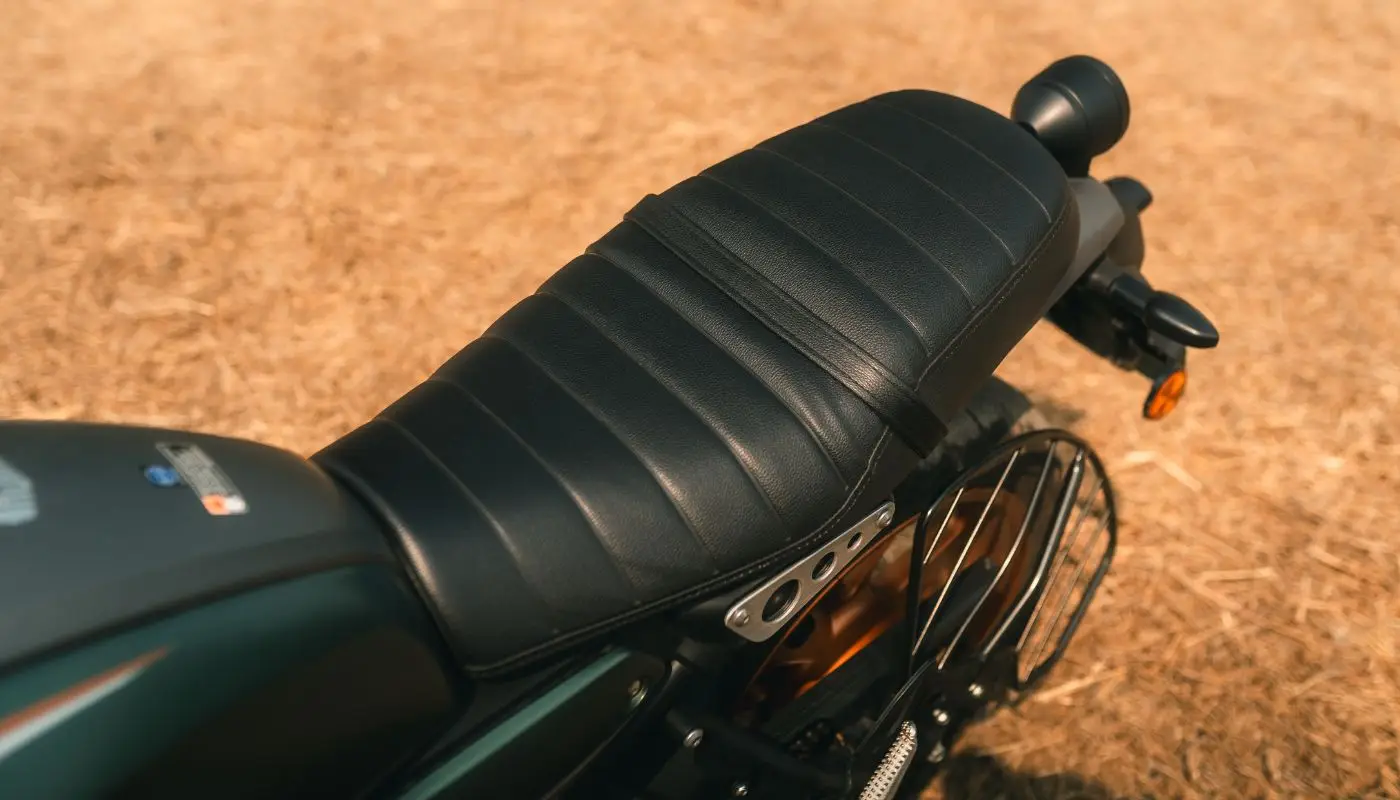
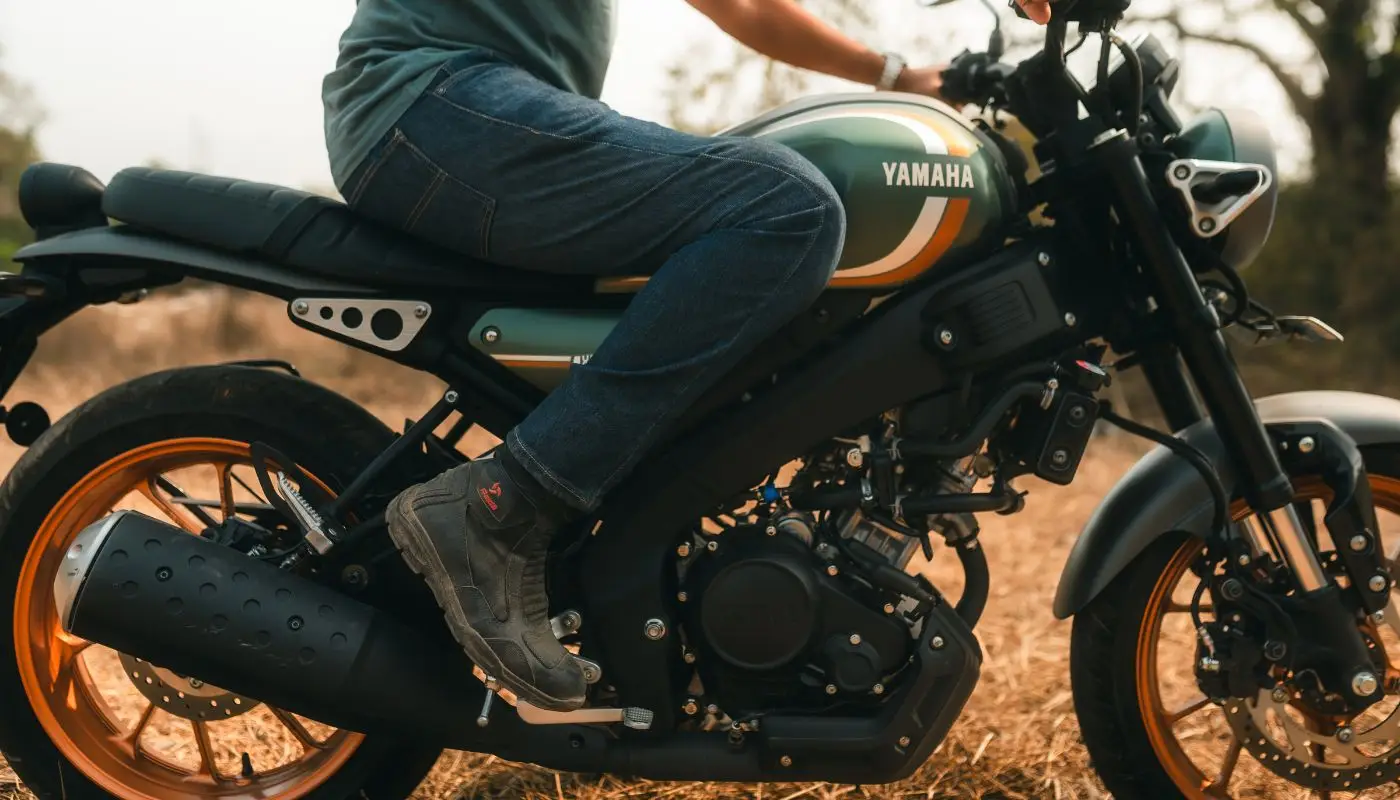
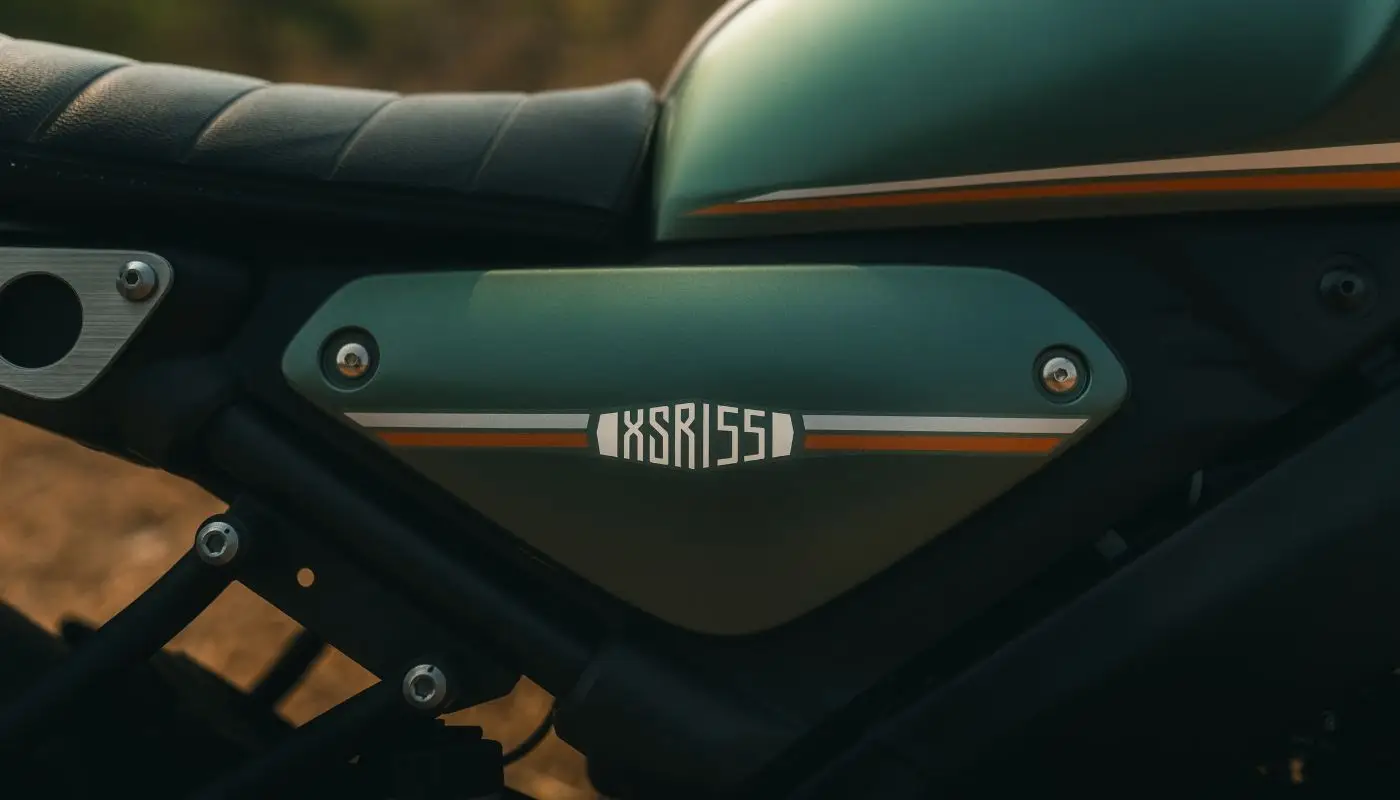
Over the last two years, I’ve been surprised by the number of motorcycle aficionados — and even non-bikers — asking about the XSR 155. When is it coming to Indian shores? And the number one reason for all that interest is the way it looks. This is a neo-retro design done really well. The round headlamp, exposed Deltabox frame, upside-down front fork (which should’ve been golden across all colours), muscular 10-litre fuel tank, the single-piece ‘tuck and roll’ seat, stubby and slightly upswept exhaust, slim tail section, aluminum swingarm, and details like the circular instrument cluster and tasteful graphics all come together to make it a proper looker. What really stands out is how substantial it feels. It looks like a much larger motorcycle — almost like a mini XSR 900 — and that’s a very good thing, because it gives the XSR 155 serious road presence. Moreover, Yamaha is also offering a cafe racer and a scrambler customisation kit at additional costs, on the XSR, which have different headlight cowls, seats, side plates, and other accessories, depending on what you opt for. To be honest, neo-retro bikes really aren’t my cup of chai, but the XSR has definitely grown on me. I’m still not a huge fan of the upright, round tail-light, but apart from that, I really like the way this bike looks — and that’s what most of the people I’ve shown it to say as well. Fit and finish are very good. The bike has consistent panel gaps, feels solid, and looks premium.
On the features front, the XSR gets an LCD screen — which is tiny, has small readouts, and isn’t very legible in bright sunlight — but it does support Yamaha’s Y-Connect technology. This allows for call, SMS and e-mail alerts, along with a host of other functions via the smartphone app. The bike also gets LED lighting all round, dual-channel ABS, traction control, and an assist-and-slipper clutch.
Ergonomics, performance, ride and handling
At 137 kg, the XSR 155 is a very light motorcycle, and that’s immediately evident when you’re manoeuvring it or rolling it off the starter blocks. It feels nimble, and the 810 mm seat height should be accessible for most riders. The slim seat also helps shorter riders flat-foot the bike comfortably. The handlebar is upright, while the front footpegs are slightly rear-set. The riding posture feels a touch forward-leaning; it’s not uncomfortable by any means, but some riders may find the pegs a bit too rear-set for this kind of motorcycle. The seat itself is soft and comfortable, but it isn’t the roomiest when riding with a pillion. Two-up feels cosy, and the absence of a rear grab rail means that, save for your better half, the XSR isn’t the most practical motorcycle for regular pillion use.
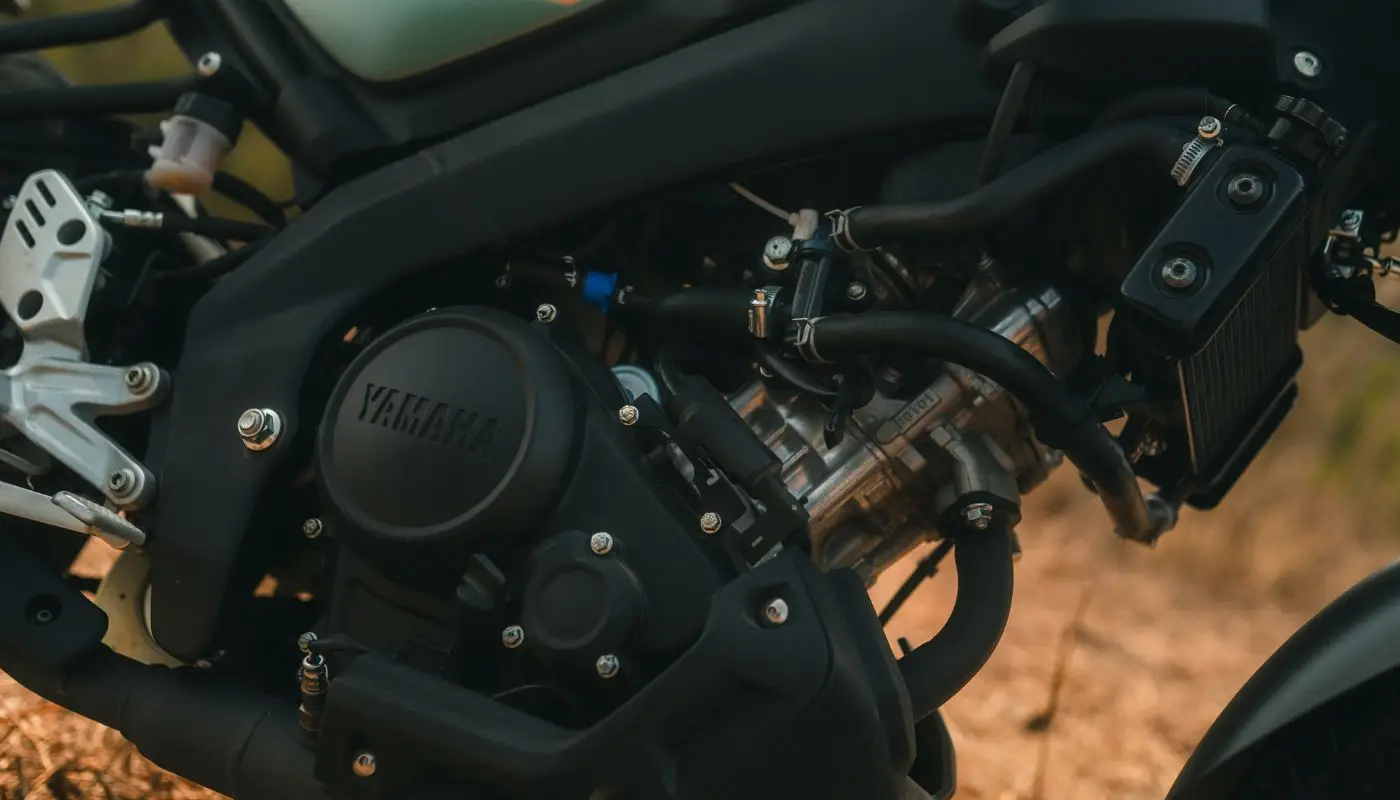
Powering the XSR 155 is the same LC 4V, single-cylinder, liquid-cooled engine that does duty on the R15 and the MT-15. This mill produces 18 bhp and 14.2 Nm of peak torque, and comes with a brappy soundtrack. It loves to be revved hard and, while it has good low-end grunt, the engine really comes alive past 7,000 rpm thanks to its variable valve actuation.
The motor is highly tractable, yet happy to be revved all the way to 11000 rpm. It cruises at 100kmph at around 7000 rpm and tops out at a little over 130kmph (speedo indicated), although performance does start to taper off beyond 110kmph.
Refinement levels are fairly good, with vibrations only creeping in once you’re on the far side of the rev counter. What’s especially commendable is the fuel efficiency — figures close to 50 kmpl are achievable even when riding it hard. The clutch action is light, the gearbox is snappy, and throttle calibration is spot on.
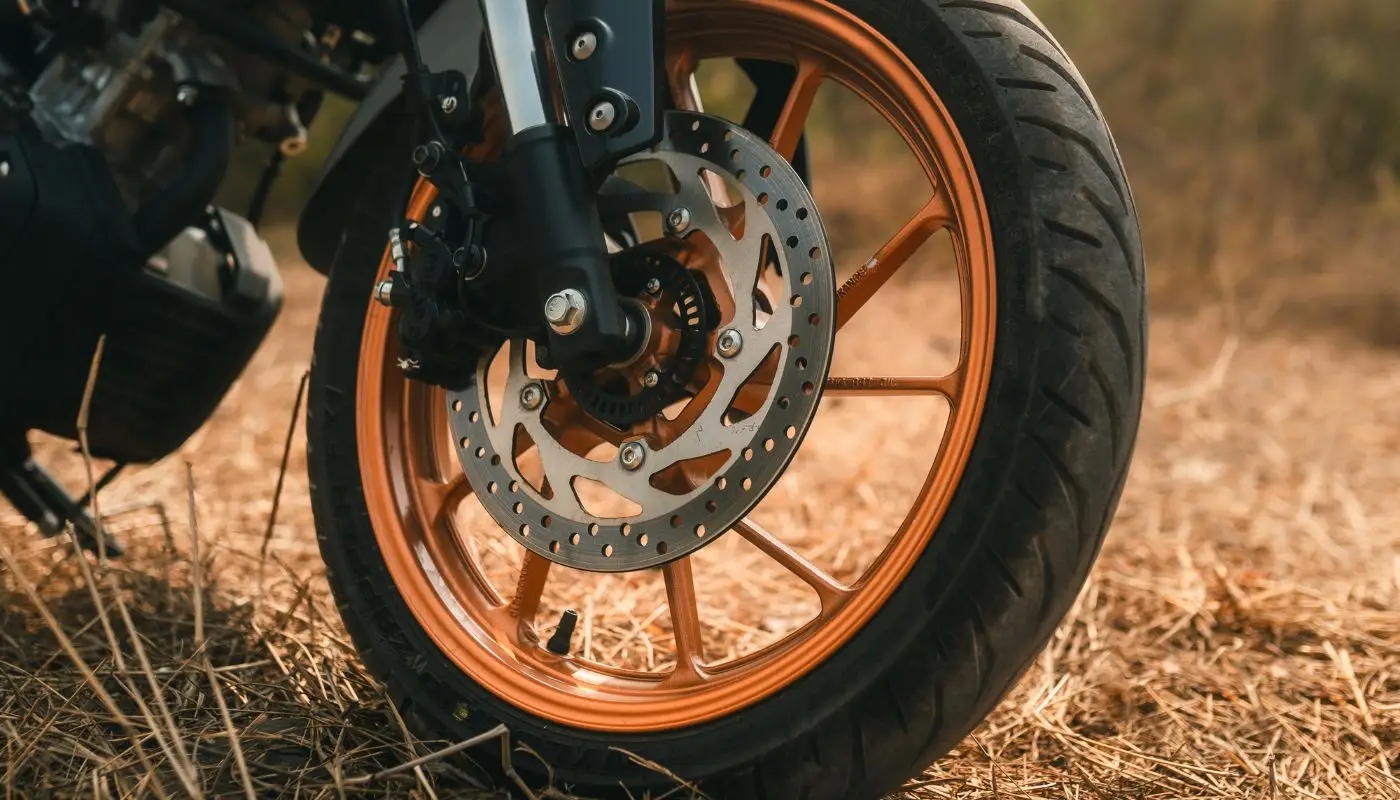
Yamaha has equipped the XSR with traction control, which may seem like overkill in this segment, but it can be genuinely useful for novice riders on wet surfaces. Thankfully, it can be switched off when you want to enjoy some spirited riding. Braking duties are handled by a 282 mm front disc and a 220 mm rear disc. The setup does a good job of hauling the bike down, assisted by dual-channel ABS. The ABS isn’t switchable and could do with slightly less intrusion under hard braking, but in normal riding scenarios it works well and is only mildly noticeable.
The XSR rides on 17-inch alloy wheels at both ends and comes equipped with an upside-down front fork and a rear monoshock. While this setup gives the bike good dynamics, it does feel stiff on our pothole-ridden roads. You feel most imperfections through your lower body when riding solo, although the ride improves marginally with a pillion onboard. The upside is that the bike feels flickable and remains stable at higher speeds.
Verdict
The XSR 155 is a handsome motorcycle. It’s a joy to ride hard, delivers impressive fuel efficiency, feels well made, and is extremely user-friendly. Apart from the noticeably stiff ride, the small and hard-to-read instrument cluster, and the compact seat, there are no major flaws to speak of. At ₹1.49 lakh (introductory, ex-showroom), it isn’t just the most affordable 150 cc Yamaha on sale in India — it’s also one of the best value-for-money motorcycles you can buy today. Yes, it should have arrived here sooner, but even now, it remains an excellent motorcycle and one that’s very easy to recommend.
Engine: 155cc, liquid-cooled, single-cylinder
Power: 18bhp
Torque: 14.2Nm
Price: ₹1.49 lakh (Introductory, ex-showroom)