
Styling, engine character, price

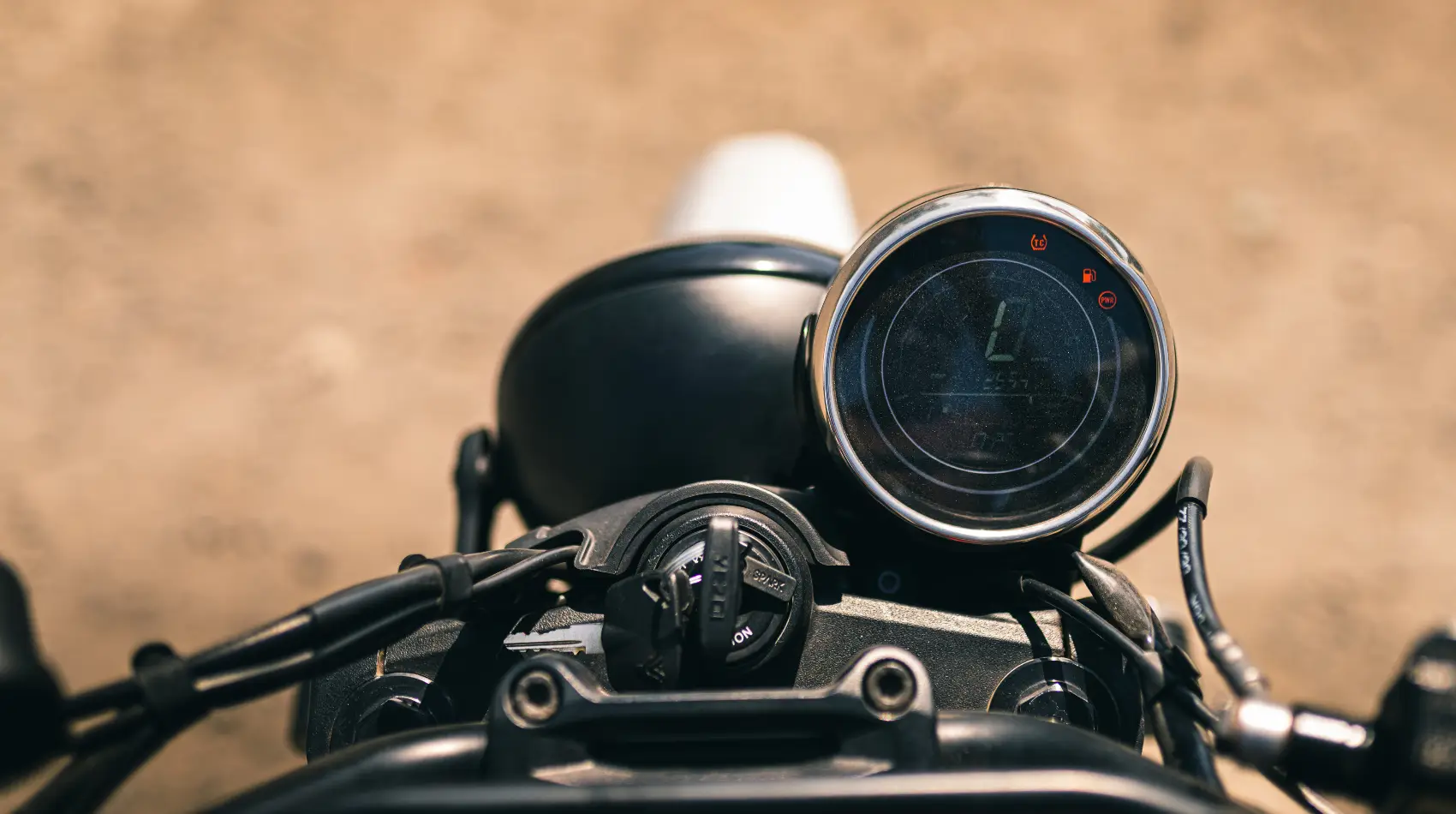
Slightly stiff ride, console legibility, front brake bite
The Yezdi Scrambler has always had one thing going for it: presence. Long before you looked at the spec sheet, there was something appealing about its stance, its proportions and the fact that it didn't look like every other retro motorcycle on sale. The problem was that the riding experience never quite matched the visual drama. It was a motorcycle that often looked more exciting than it felt. This updated Scrambler aims to change that.
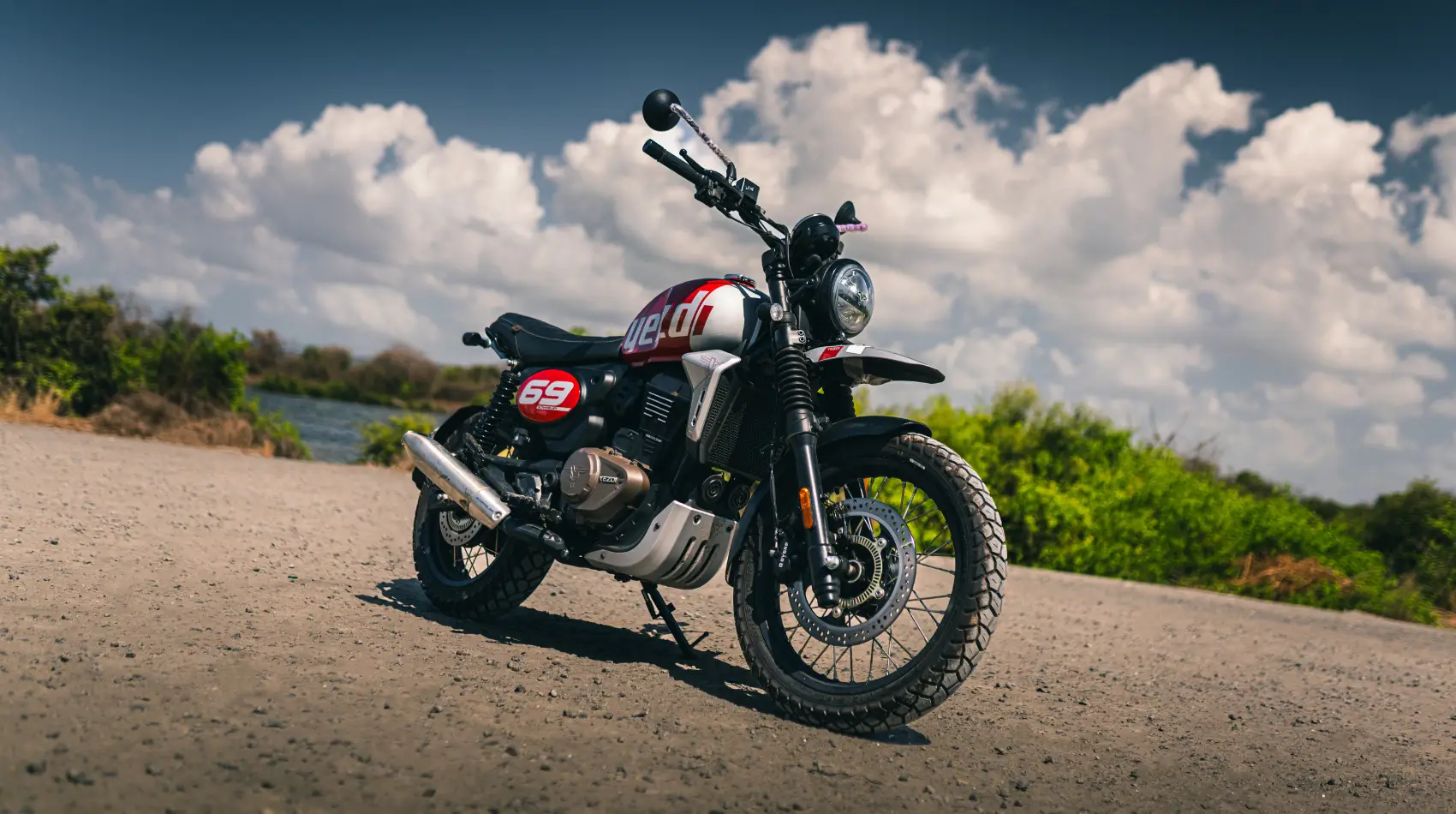
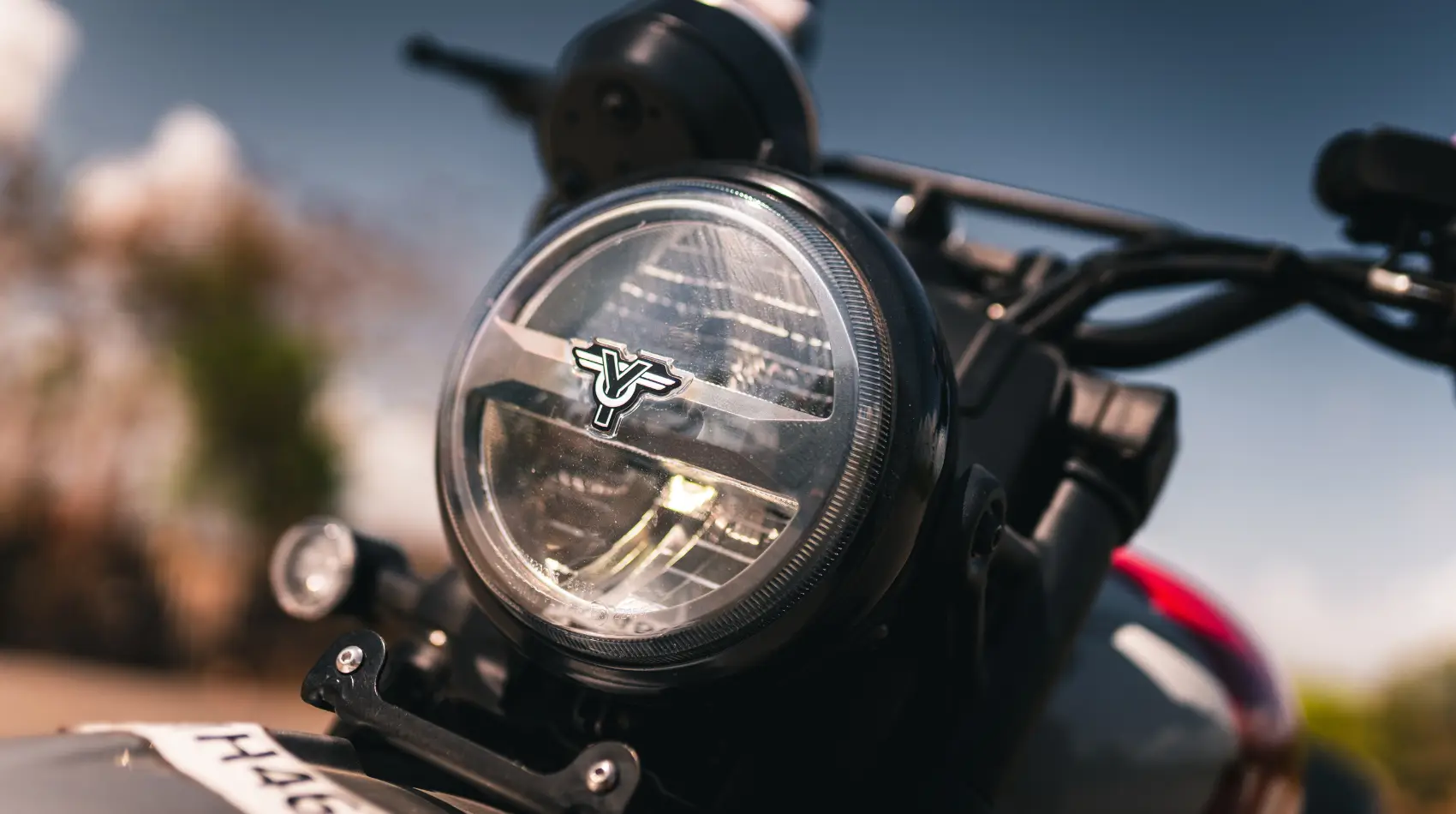
The visual changes are obvious enough, but the more significant updates sit underneath the bodywork. Yezdi has revised the engine, shed weight, reworked the suspension and added a suite of electronics that would have seemed ambitious at this price point just a few years ago. The result isn't a completely new motorcycle, but it is a noticeably different one. The Scrambler remains one of the more recognisable motorcycles in the segment. The high-mounted front mudguard, offset instrument cluster, upswept exhaust and chunky proportions ensure it stands apart from rivals almost immediately.
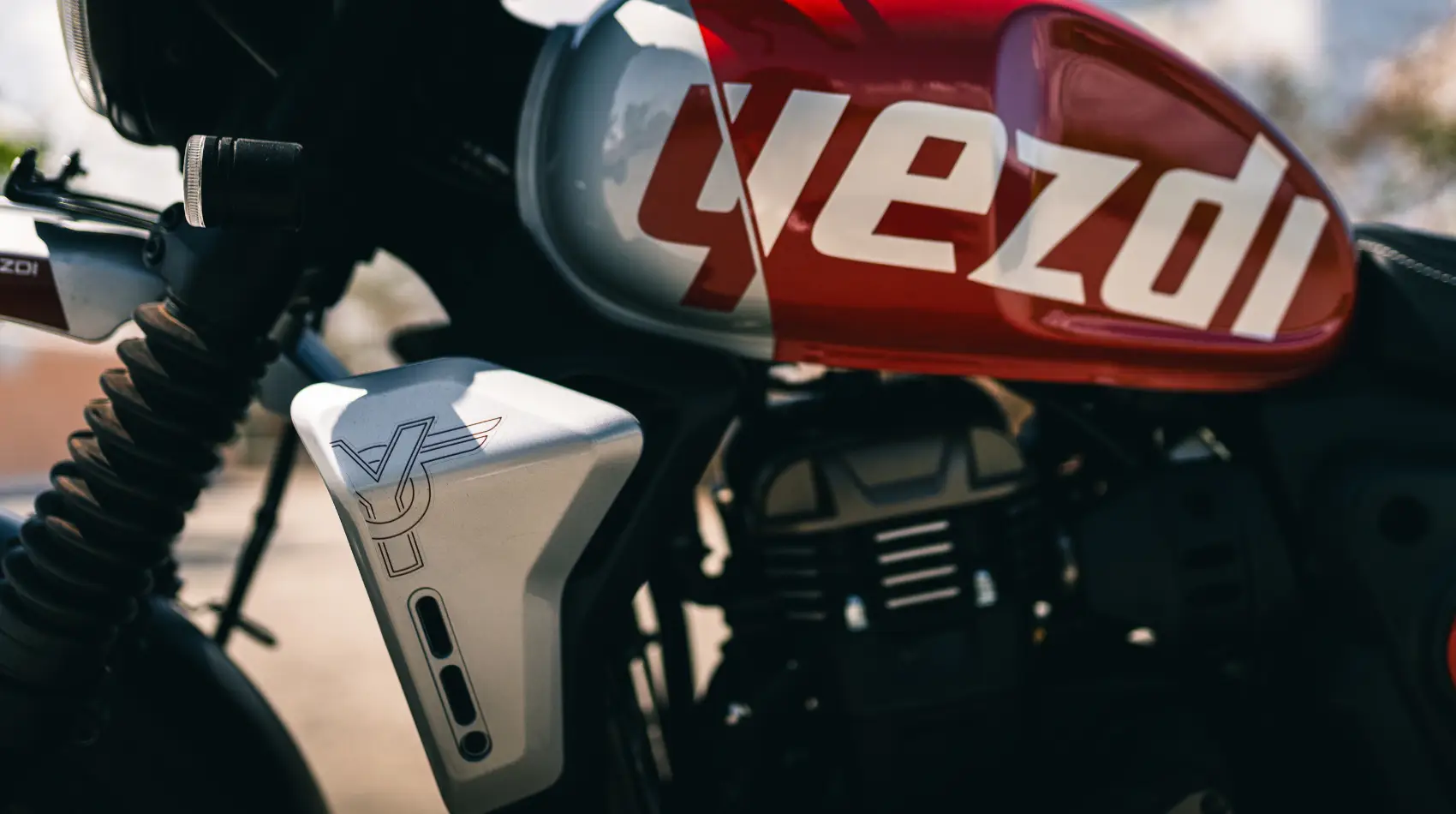
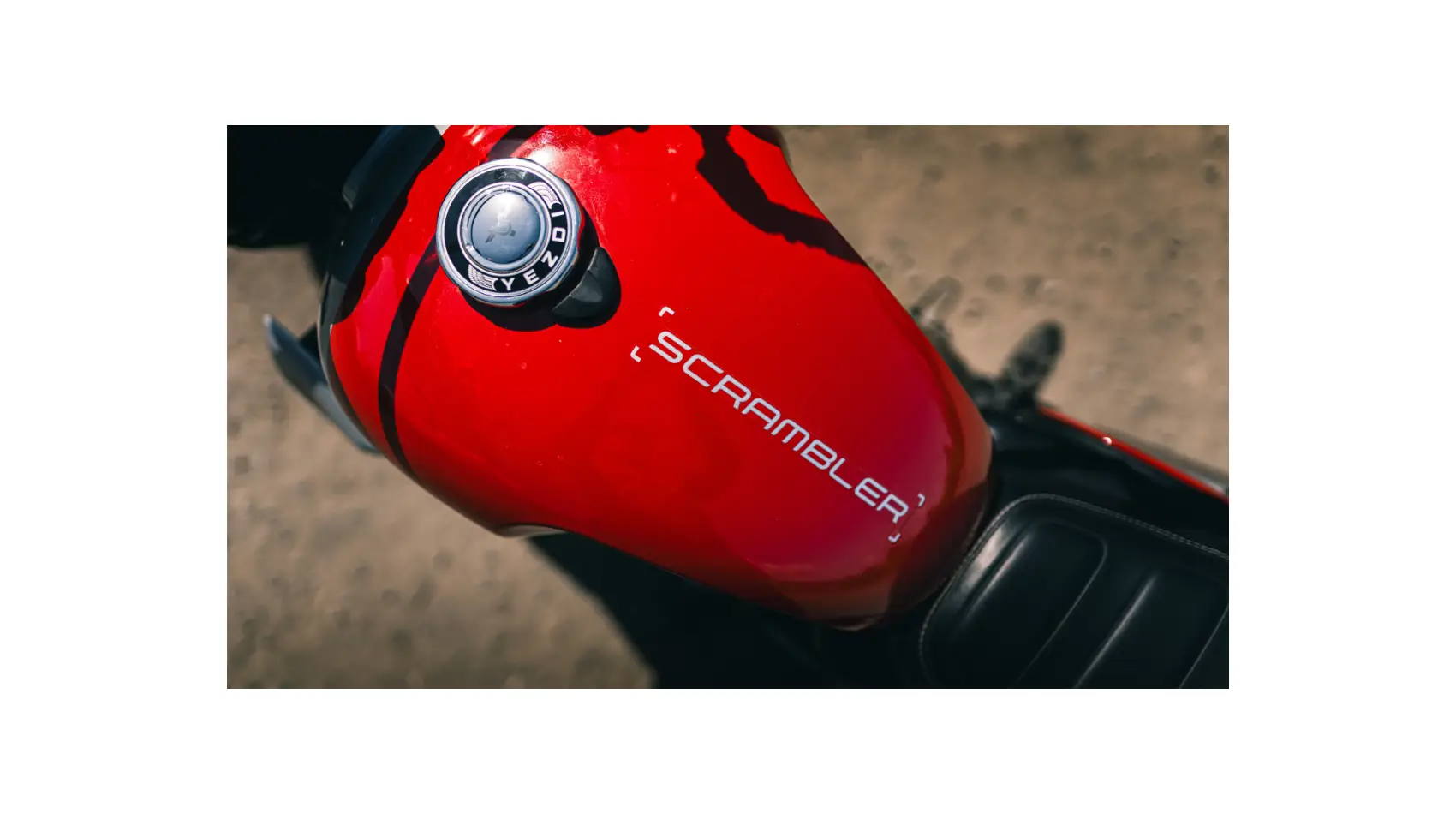
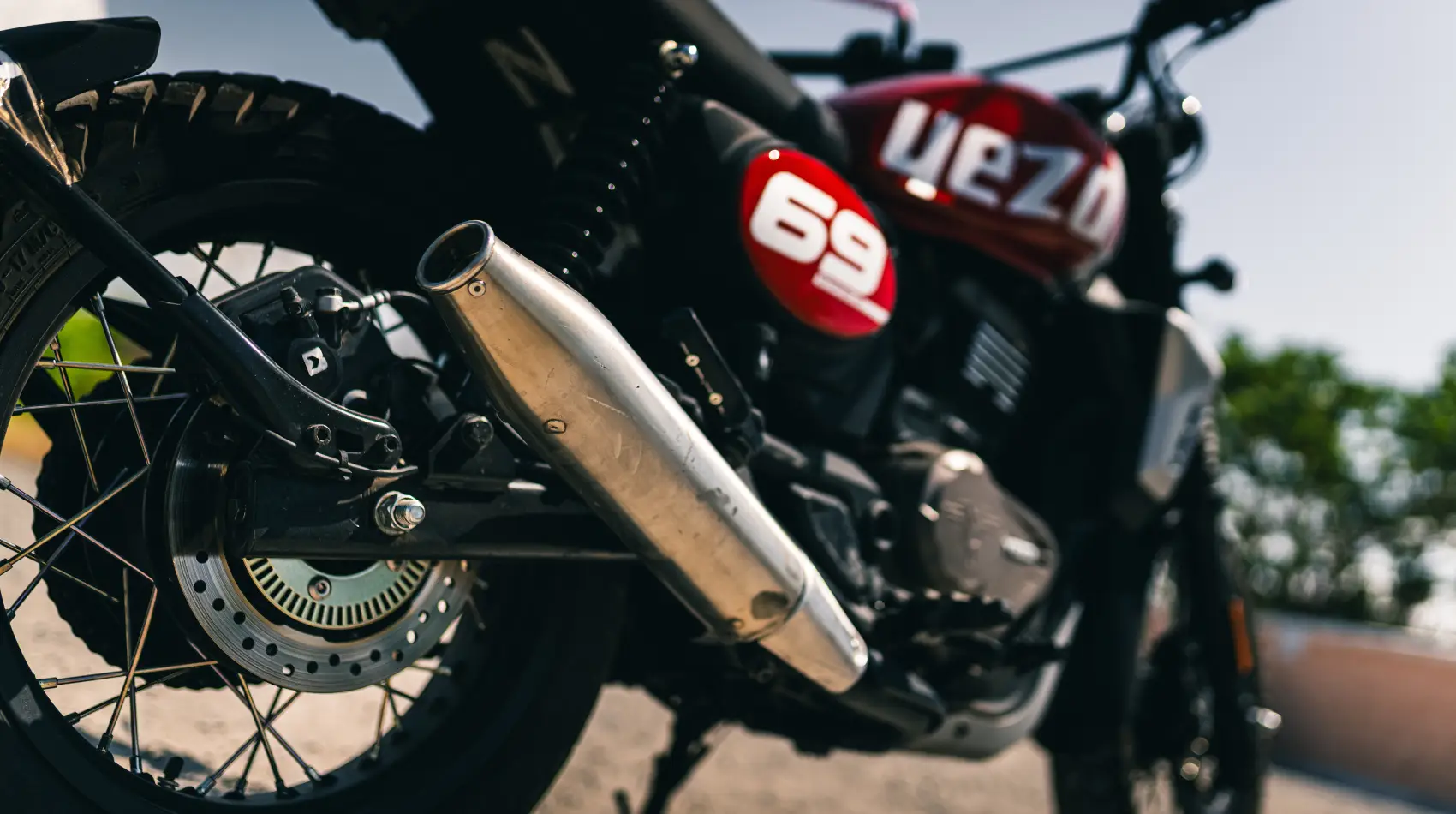
For 2026, Yezdi has freshened things up with a redesigned fuel tank, revised side panels featuring race-style number boards and a cleaner overall look. The move to a single exhaust not only contributes to the bike's weight reduction but also gives the rear section a tidier appearance. The updated engine casing helps modernise the design without taking away from its rugged character.
The colour options deserve credit too. The bright yellow scheme is likely to grab most of the attention, and rightly so, but I’m a fan of the red-over-silver scheme that our test unit was sporting. It suits the Scrambler's playful personality and gives the bike the sort of visual presence that many motorcycles twice its price struggle to achieve.
The heart of the Scrambler remains the liquid-cooled 334cc single-cylinder KATAR engine, but this version feels noticeably more sorted than before. Peak output now stands at 30hp and 30Nm, representing modest gains over the outgoing bike's 29.1hp and 28.2Nm. The numbers themselves don't tell the full story.
What stands out is how much cleaner and more polished the engine feels in everyday riding. Earlier Yezdis often demanded your attention at lower speeds. This one feels far easier to ride smoothly. Throttle inputs are more predictable, low-speed manners are better and the motorcycle feels considerably happier crawling through traffic than its predecessor ever did. The engine's strongest trait is its mid-range. Roll on the throttle and the Scrambler responds with genuine enthusiasm. Overtakes require little planning, and the motorcycle always feels eager to surge forward when asked. The six-speed gearbox complements the engine well and helps keep it within its sweet spot.
Perhaps the biggest compliment you can pay the motor is that it no longer dominates the riding experience for the wrong reasons. Refinement has improved significantly and vibrations are far better controlled than before. They're still present if you push harder into the upper reaches of the rev range, but they no longer feel like a defining characteristic of the motorcycle. This remains an engine that prefers real-world roads over drag-race heroics. The top end isn't especially exciting, but that's rarely where you'll find yourself riding it anyway.
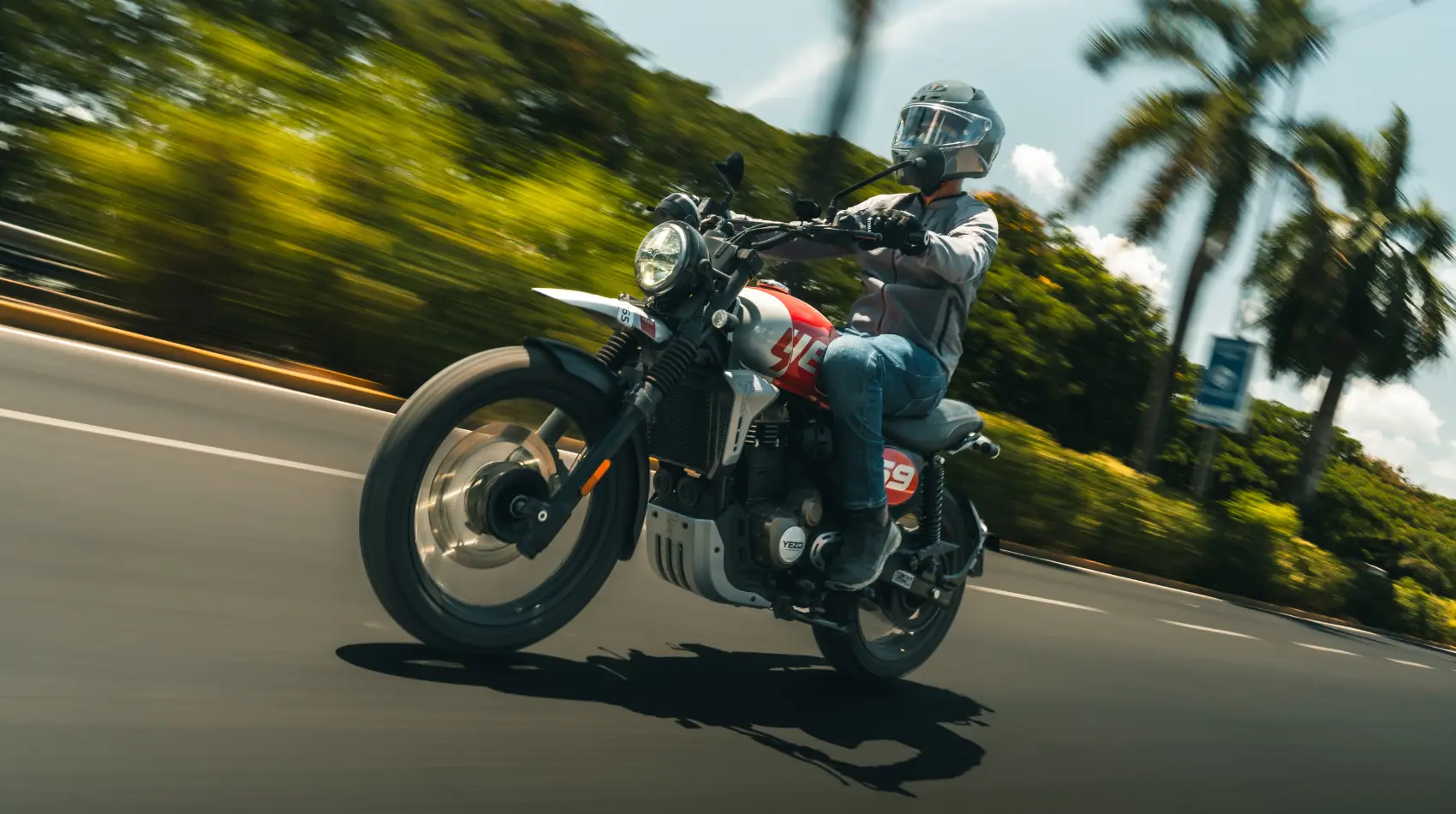
One of the most important changes isn't immediately visible. By ditching the old dual-exhaust setup in favour of a single exhaust, Yezdi has managed to trim a useful amount of weight from the package. The motorcycle now tips the scales at 174kg kerb, making it noticeably easier to manage than before. You feel the difference almost immediately. The Scrambler steers with less effort, reacts more willingly to rider inputs and generally feels less cumbersome at lower speeds. Filtering through traffic is easier, U-turns require less commitment and the bike feels more eager to change direction on a twisty road.
None of this turns the Yezdi into a lightweight sports bike, but it does make it feel considerably more agile than previous versions. For a motorcycle carrying scrambler styling and proportions, that's a welcome improvement.
The ergonomics remain largely unchanged. The upright riding position, wide handlebar and 813mm seat height make the motorcycle approachable for a broad range of riders. Most people will feel comfortable within minutes of climbing aboard. Taller riders, however, may wish for a little more room between the seat and footpegs during longer journeys.
The Scrambler badge naturally creates certain expectations, but the Yezdi makes most sense when viewed as a road-focused motorcycle with a taste for rough surfaces. Its suspension setup has received meaningful revisions, and the improvements are immediately apparent on everyday roads. Broken tarmac, expansion joints and urban potholes are handled with considerably more composure than before. The motorcycle feels calmer, more settled and generally more comfortable over the sort of surfaces Indian riders encounter every day. That doesn't mean it's perfect. Push harder over rough sections and the suspension still reveals its limitations. Sharp impacts can unsettle the bike, and the ride becomes noticeably firmer as speeds increase.
The bike feels happiest on winding back roads, city streets and occasional gravel tracks rather than serious off-road terrain. Handling follows a similar theme. Stability is excellent, confidence comes easily and the lighter overall package makes the motorcycle more enjoyable to hustle along than before. What certainly needs to be better though, is the front brake bite. The Scrambler may not be the sharpest motorcycle in the segment, but it's an engaging one.
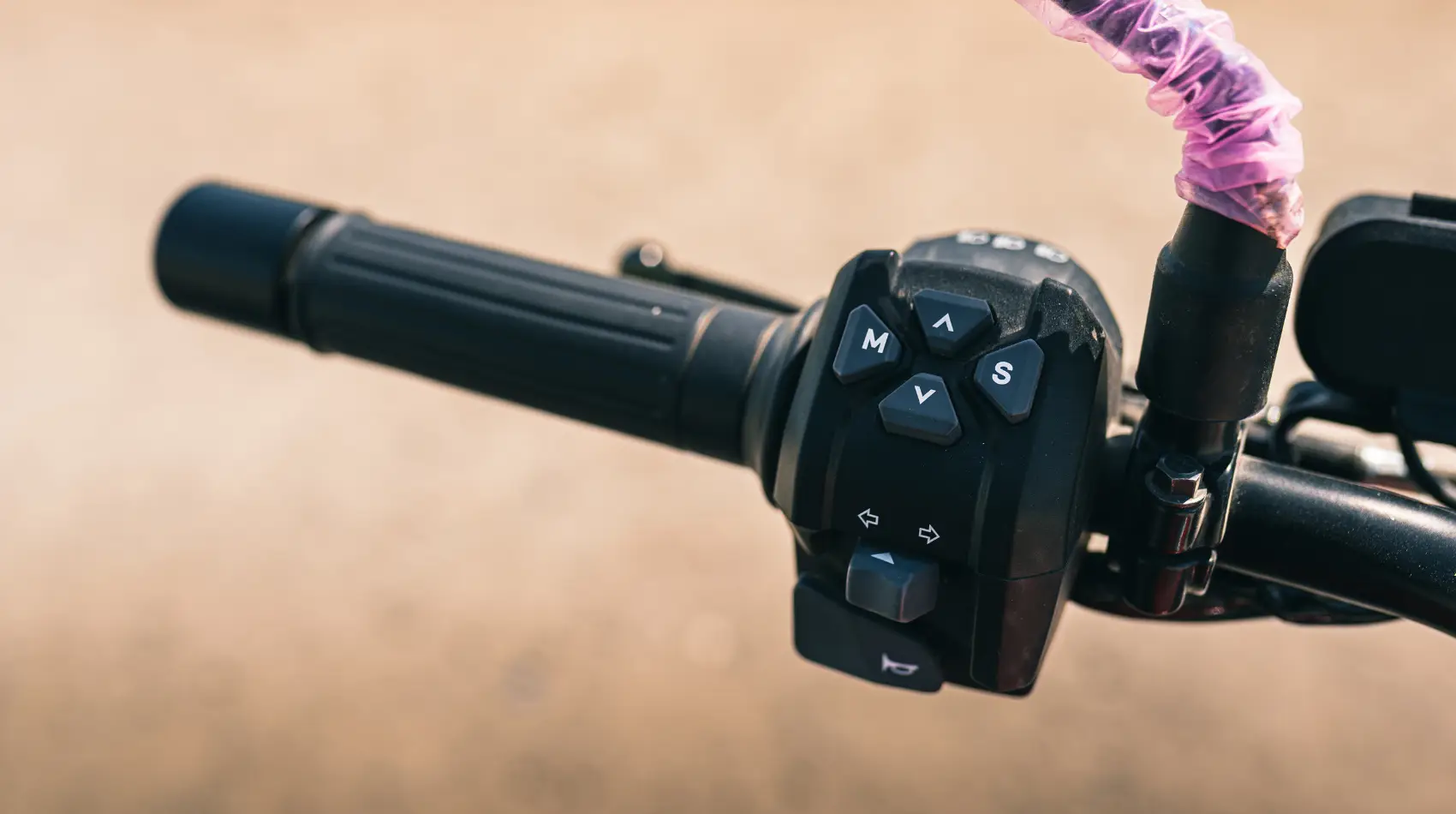
Yezdi has also given the Scrambler one of the more comprehensive electronics packages in its class. Riders get Road, Rain and Off-Road modes, traction control, switchable ABS and rear-wheel ABS deactivation in Off-Road mode. That's an impressive list at this price point and shows how much the segment has evolved in recent years.
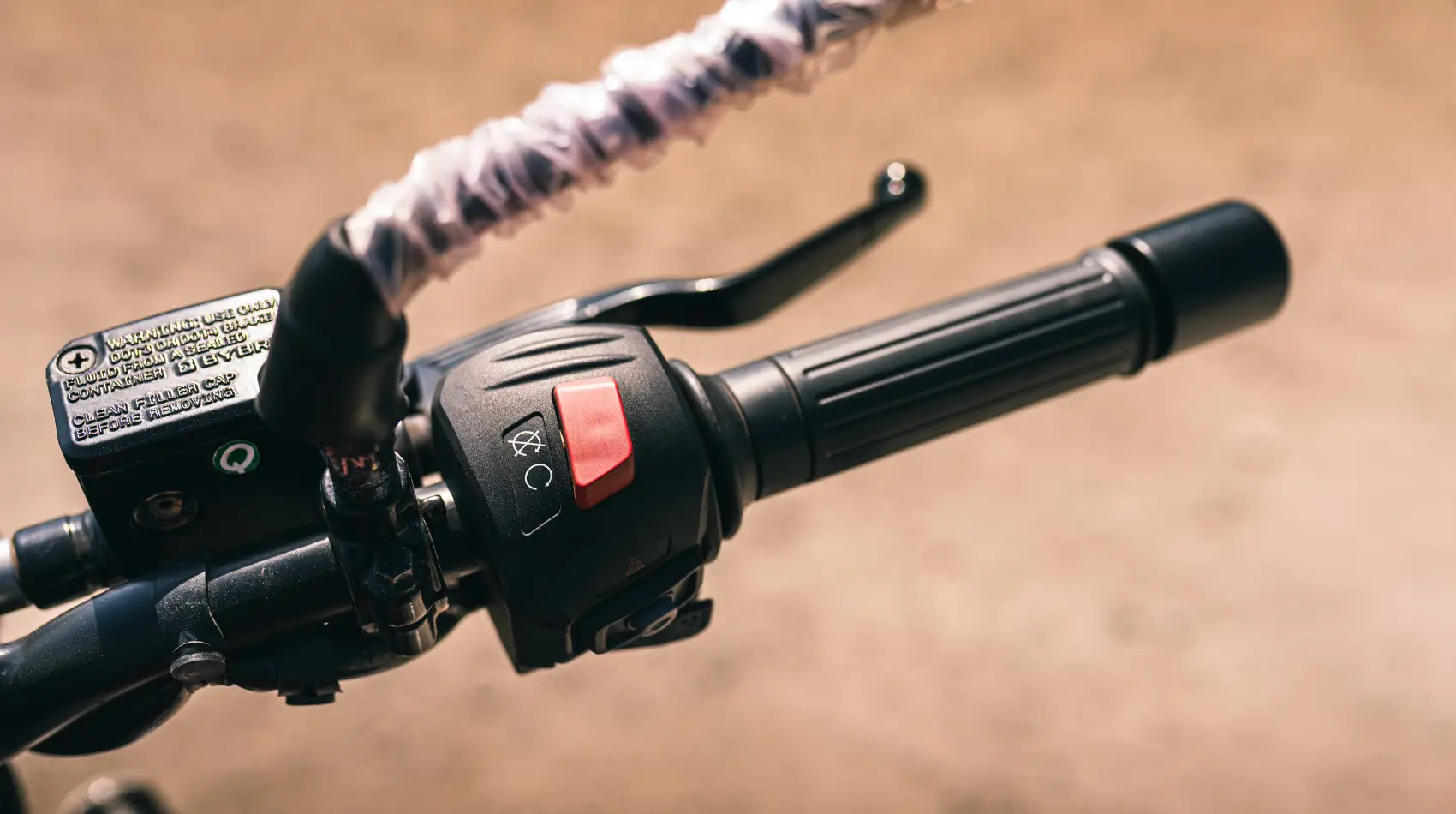
The system generally works as intended, although the overall experience isn't quite as polished as the best modern electronics suites. There are moments when the interface feels less intuitive than it should, and some riders may find themselves wishing for a simpler approach. Still, the fact that these features exist at all is noteworthy and adds useful functionality without fundamentally altering the motorcycle's character.
The latest Yezdi Scrambler isn't a revolutionary motorcycle. What it is, however, is a far more convincing one. The engine feels smoother, the chassis feels lighter, the suspension is better judged and the overall package feels considerably more cohesive than before. None of the individual changes are dramatic in isolation, but together they create a motorcycle that feels much more complete. There are still areas that could be improved. The suspension can feel firm when pushed hard, taller riders may want more space and the electronics package could benefit from further refinement. Yet for the first time in a long while, those shortcomings feel secondary rather than central to the ownership experience.
Priced between ₹Rs 2 lakh and Rs 2.2 lakh ex-showroom, the Yezdi Scrambler offers an appealing blend of character, performance and equipment. More importantly, it finally feels like a motorcycle whose riding experience matches its visual appeal. And for Yezdi, that may be the biggest improvement of all.