The Kawasaki Versys-X 300 has made a return to the Indian market after a five-year absence, and its comeback invites an important question: does this motorcycle still make sense in today’s rapidly evolving adventure touring segment? First introduced eight years ago, the Versys-X 300 was once appreciated for its approachable nature and twin-cylinder refinement. However, time has moved on, and the competition has grown stronger, more advanced, and more feature-packed. And its serious ₹3.5 lakh price tag begs just one question: should it even be on your consideration list? Well, here’s the answer.
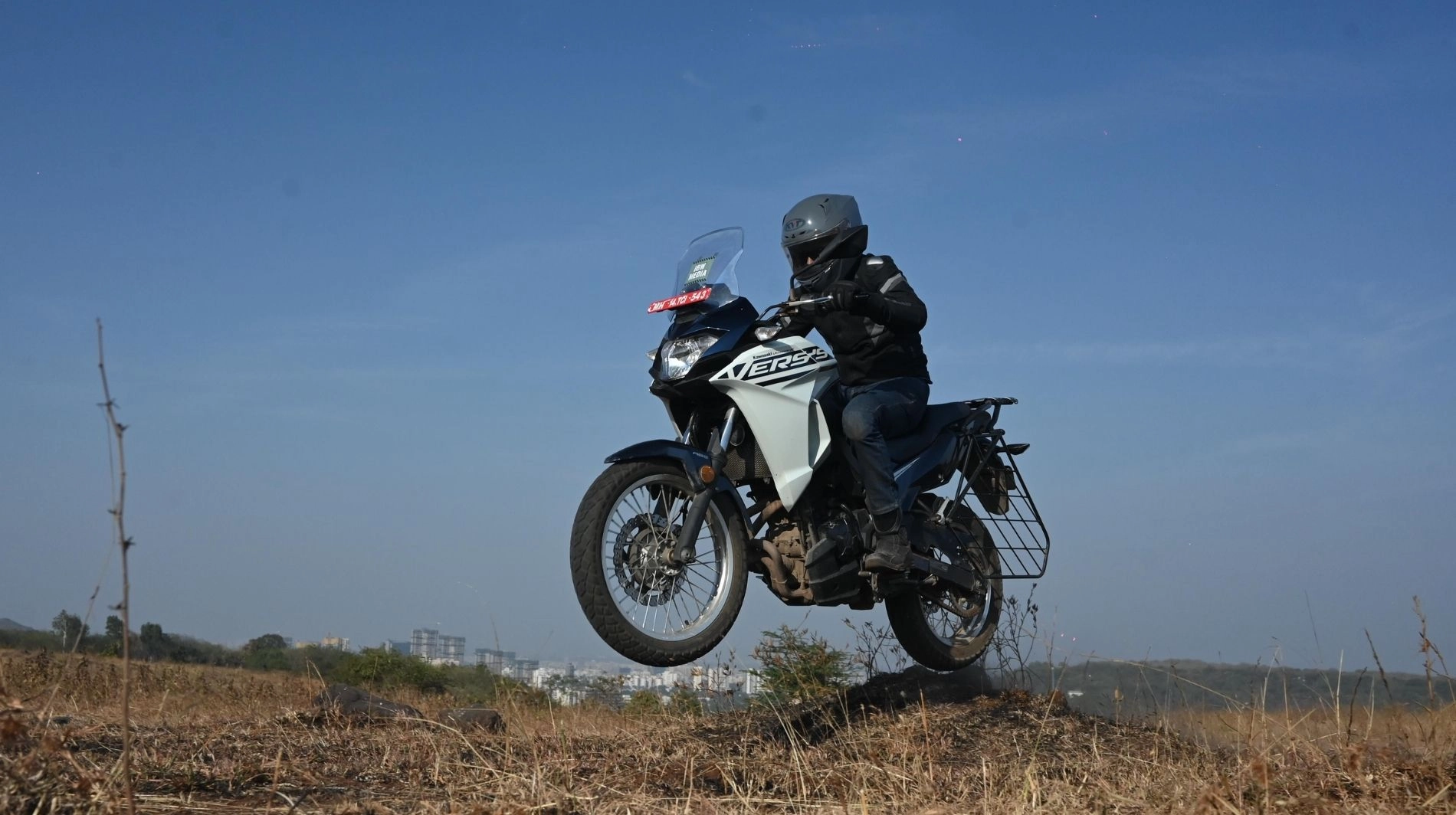
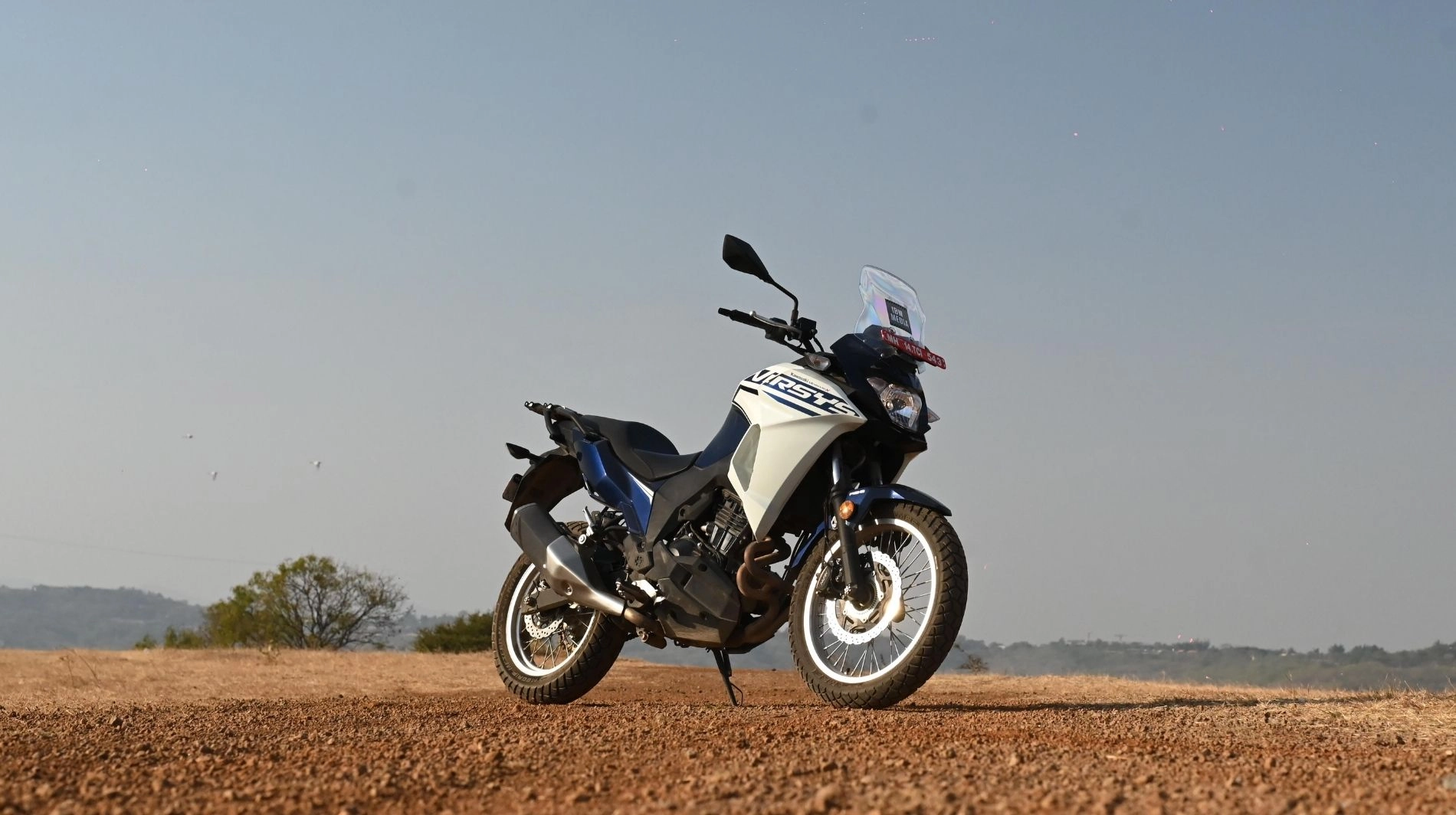
At first glance, the Versys-X 300 looks largely unchanged from its earlier version. Its tall stance, slim proportions and adventure-style bodywork give it a purposeful appearance that still holds appeal. The beak-style front, upright windscreen and wire-spoke wheels reinforce its touring intent. Kawasaki has added two new two-tone colours – lime green with spark black and ocean blue with pearl white – to freshen things up, but overall, the design feels familiar rather than new. This may be comforting to fans of the original model, though some riders may feel it lacks the modern edge seen on newer rivals. It does have good road presence though and because of its big size, it feels like a proper “big bike”.
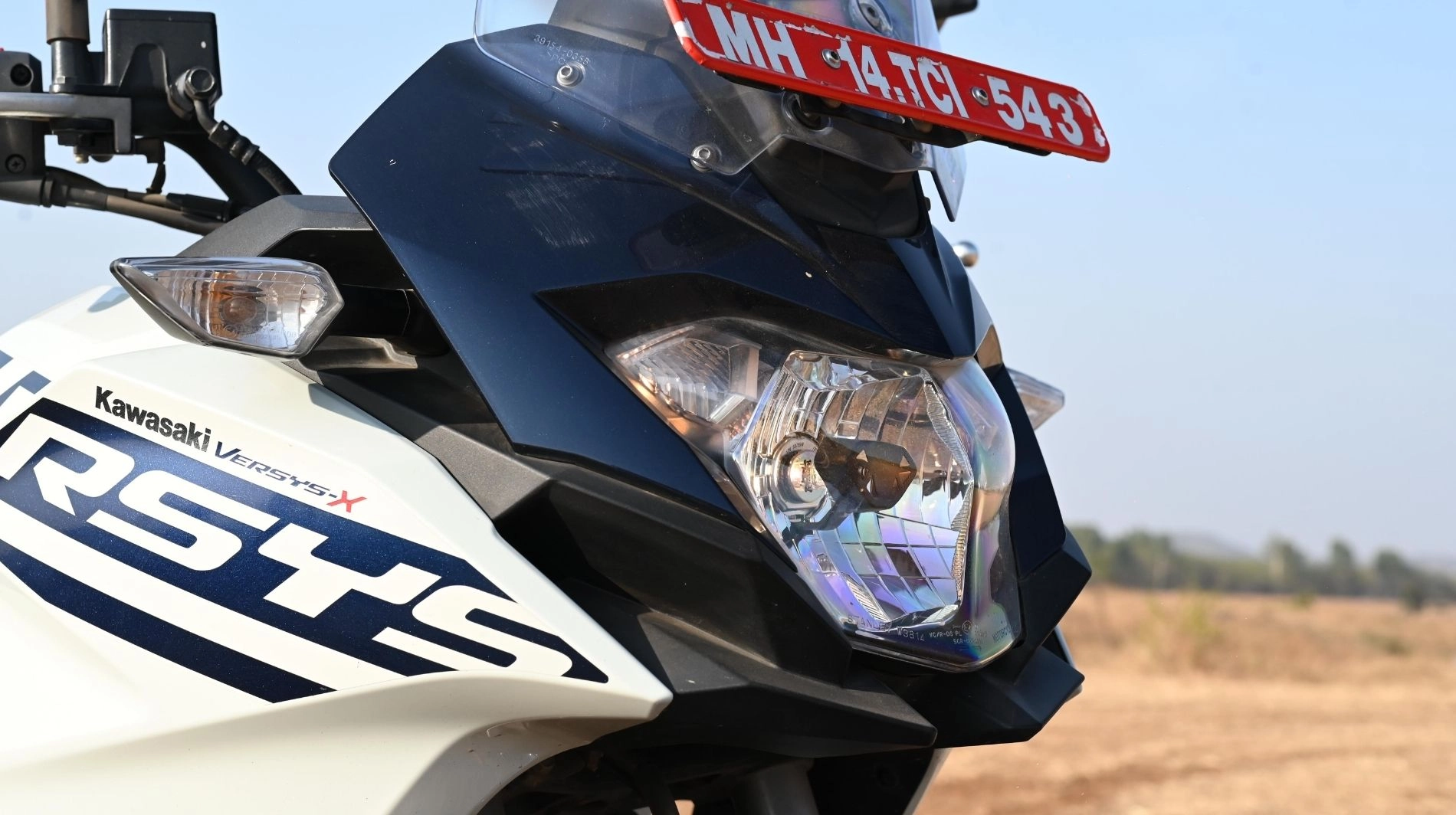
One area where the Versys-X 300 clearly shows its age is in its equipment list. The motorcycle sticks to a fairly basic setup, featuring a semi-digital instrument cluster instead of a modern colour display. Advanced electronics such as traction control, ride modes, or adjustable ABS are absent. And it doesn't even get stuff like LED lighting. While this simplicity may appeal to riders who prefer an uncluttered riding experience, it does put the bike at a disadvantage in a segment where technology has become an important selling point. Even practical accessories like crash protection and luggage mounts are optional rather than standard, adding to the overall cost for touring-focused buyers. Fit-and-finish seems to be decent, not the best, but on-par with rivals which cost way lesser.
Comfort, however, remains one of the Versys-X 300’s strongest attributes. The riding position is relaxed, with a wide and upright handlebar and foot pegs that suit long hours in the saddle. The seat is supportive and doesn’t tire the rider on longer journeys. At 815mm it is relatively accessible, which makes the bike friendly for shorter riders and those stepping up from smaller motorcycles. Wind protection from the front fairing is decent, though the fixed windscreen can cause noticeable buffeting at higher speeds, particularly for taller riders.
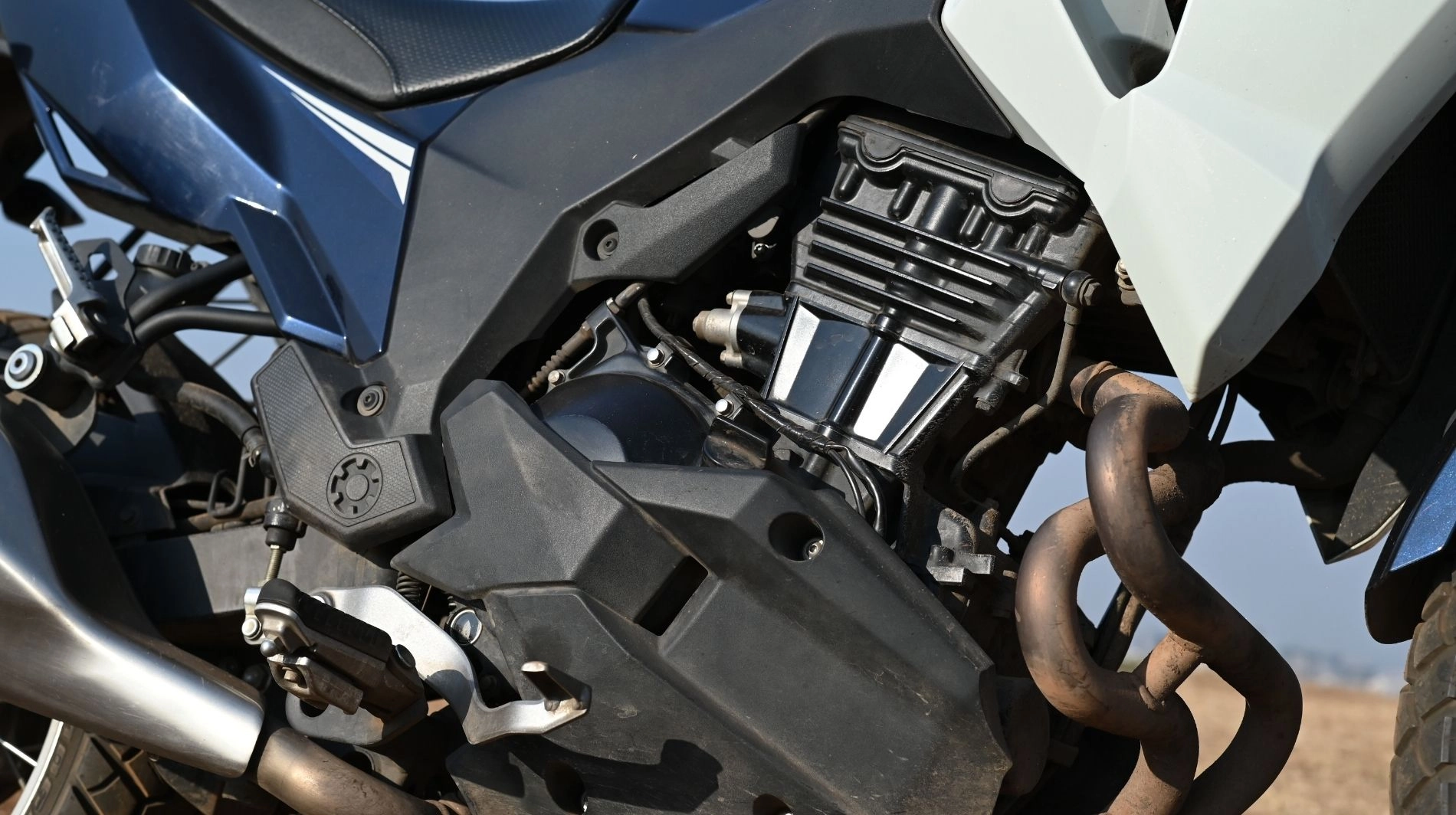
Powering the Versys-X 300 is a 296cc parallel-twin engine and this engine is both incredible and not-so-good. It is smooth and refined, especially compared to single-cylinder engines commonly found in this category, but rather than delivering strong low-end pull, it prefers to be revved higher. This gives the bike a sporty character that stands out in the adventure touring class, but it may not suit those who expect effortless torque at low speeds. It is tractable, but at 100kmph it is already spinning at 7000rpm and that’s when the vibrations start to creep in, leaving you wanting for a longer sixth cog. When you are riding spiritedly though, the engine really comes alive and sounds properly exotic, screaming from 8000rpm hard, all the way, till its 13000rpm redline.
In city riding conditions, the engine’s smooth nature and light clutch make the Versys-X 300 easy to manage. At 179kg it isn’t the heaviest and that translates to good flickability – the bike feels unintimidating, allowing riders to navigate traffic without much stress. On the open road, the bike feels comfortable cruising for long distances, swallowing high speed undulations like a champ.
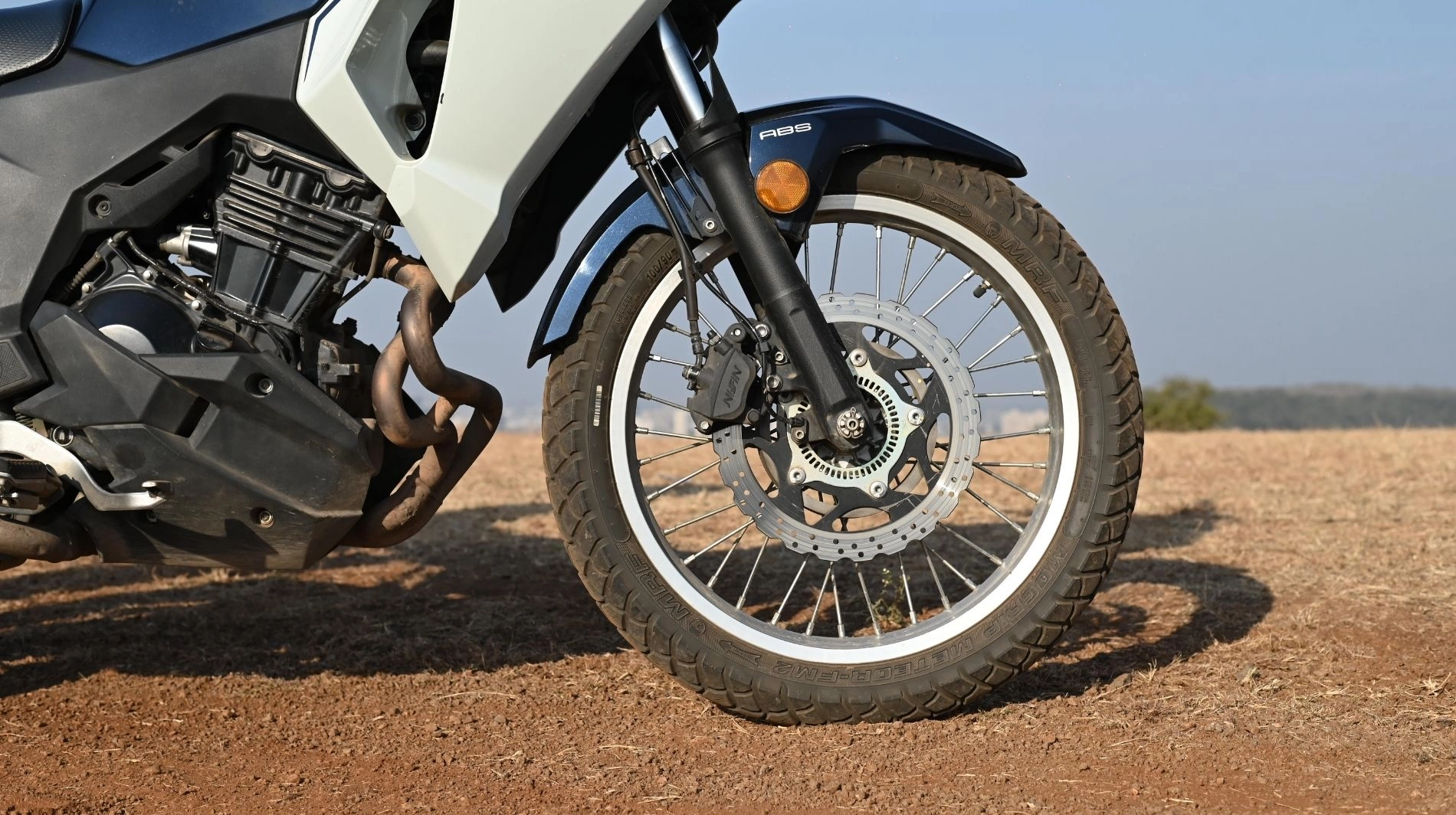
The Versys does a fairly good job of ironing out the rough stuff at city speeds, but its suspension still gives you the kickback over sharp edges, meaning you have to take it easy when approaching the really nasty stuff. Therefore, despite its adventure styling, the Versys-X 300 is best suited to tarmac and light gravel roads rather than serious off-road trails. The wire-spoke wheels add to its rugged image, but the use of tube-type tyres reduces convenience, especially for long-distance touring where puncture repairs can be time-consuming. Braking is handled by a 290mm disc upfront and 220m disc at the rear. It feels adequate for everyday riding, offering reasonable stopping power but does start to fade when you’re riding spiritedly.
The Versys-X 300’s appeal lies in its refinement, ease of use and touring comfort rather than outright performance or cutting-edge technology. It offers a riding experience that feels calm and composed, making it a pleasant companion for long highway journeys. Kawasaki’s reputation for build quality and reliability also adds to its appeal for buyers who value long-term ownership. However, the biggest challenge for the Versys-X 300 is its price and positioning. The adventure touring segment has expanded significantly, with newer motorcycles like the TVS Apache RTX, Royal-Enfield Himalayan and KTM 390 Adventure offering more power, better electronics and greater off-road capability at competitive prices. Against such rivals, the Versys-X 300 feels dated, both in terms of features and overall value.
In conclusion, the Kawasaki Versys-X 300 is a comfortable and refined small-capacity tourer that still delivers an enjoyable riding experience. Its smooth twin-cylinder engine, friendly ergonomics and stable road manners make it a good choice for riders who prioritise ease and long-distance comfort. However, its outdated feature set and premium pricing make it harder to justify in today’s market. While it may not lead the segment anymore, the Versys-X 300 continues to offer a unique charm for riders who appreciate simplicity, refinement and a sweet high-revving mill over oodles strong bottom-end performance, off-roadibility and electronics.
Engine: 296cc, parallel-twin, liquid-cooled
Power: 39bhp
Torque: 26Nm
Price: ₹2.79 lakh (ex-showroom)