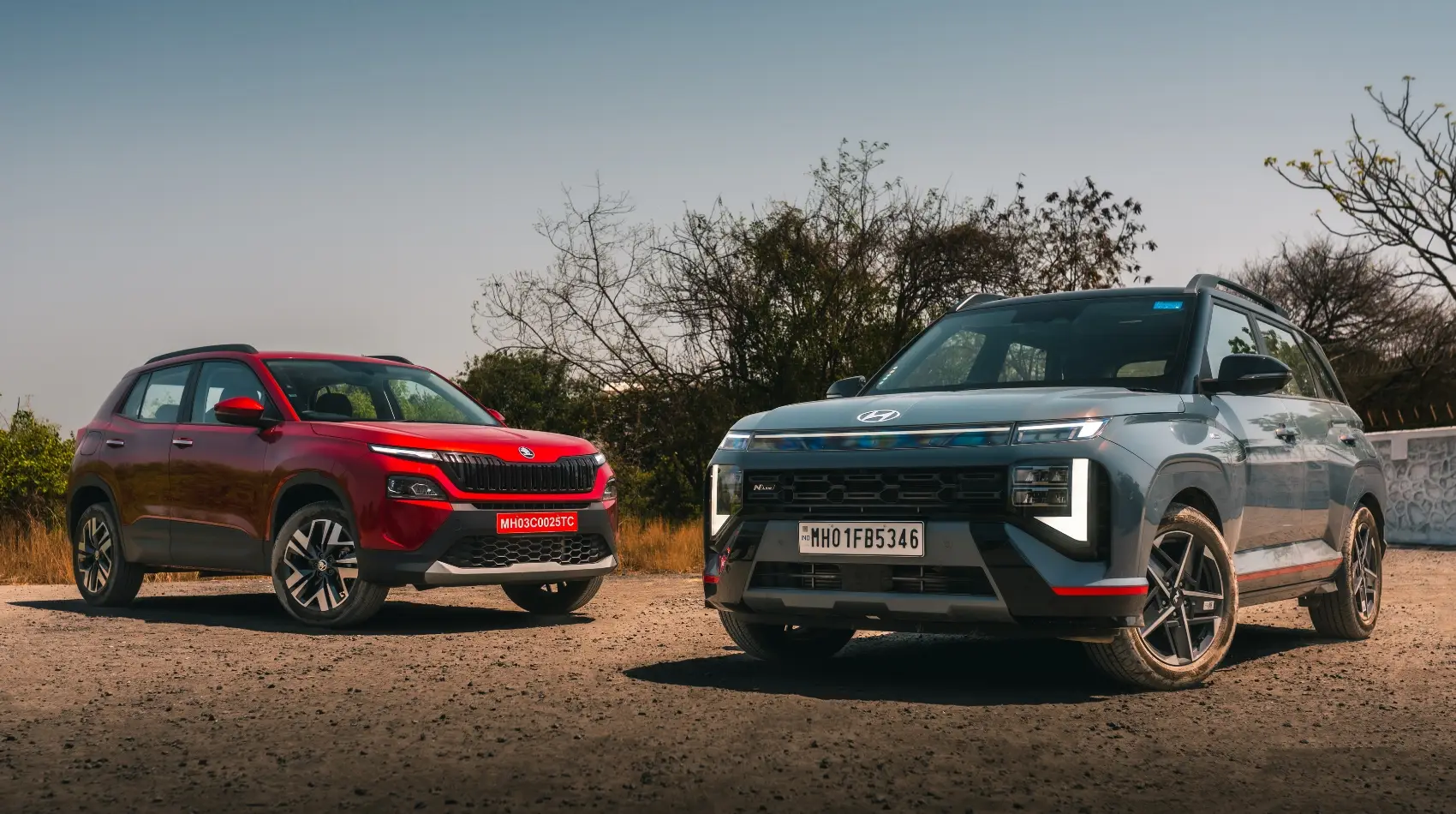
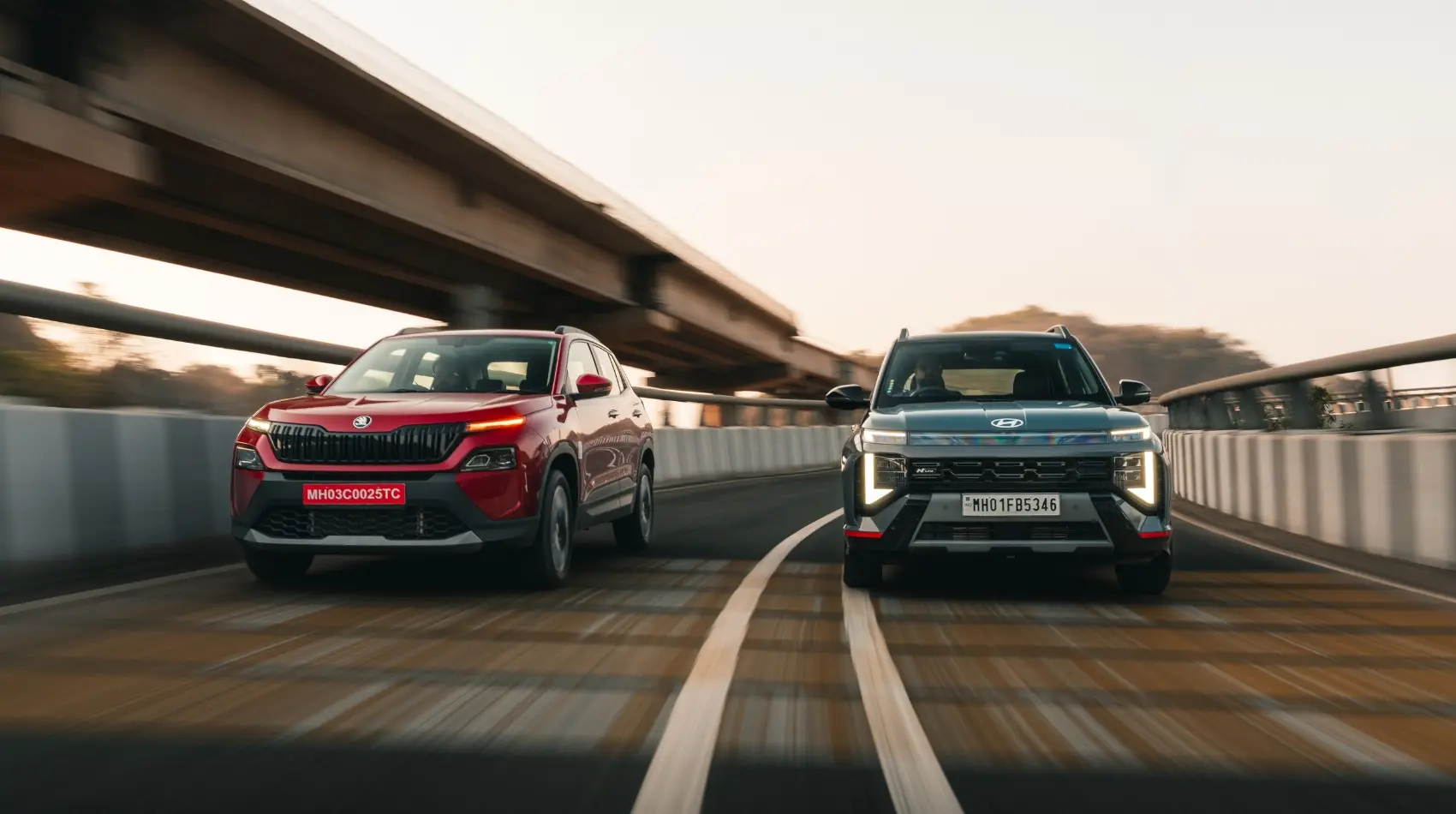
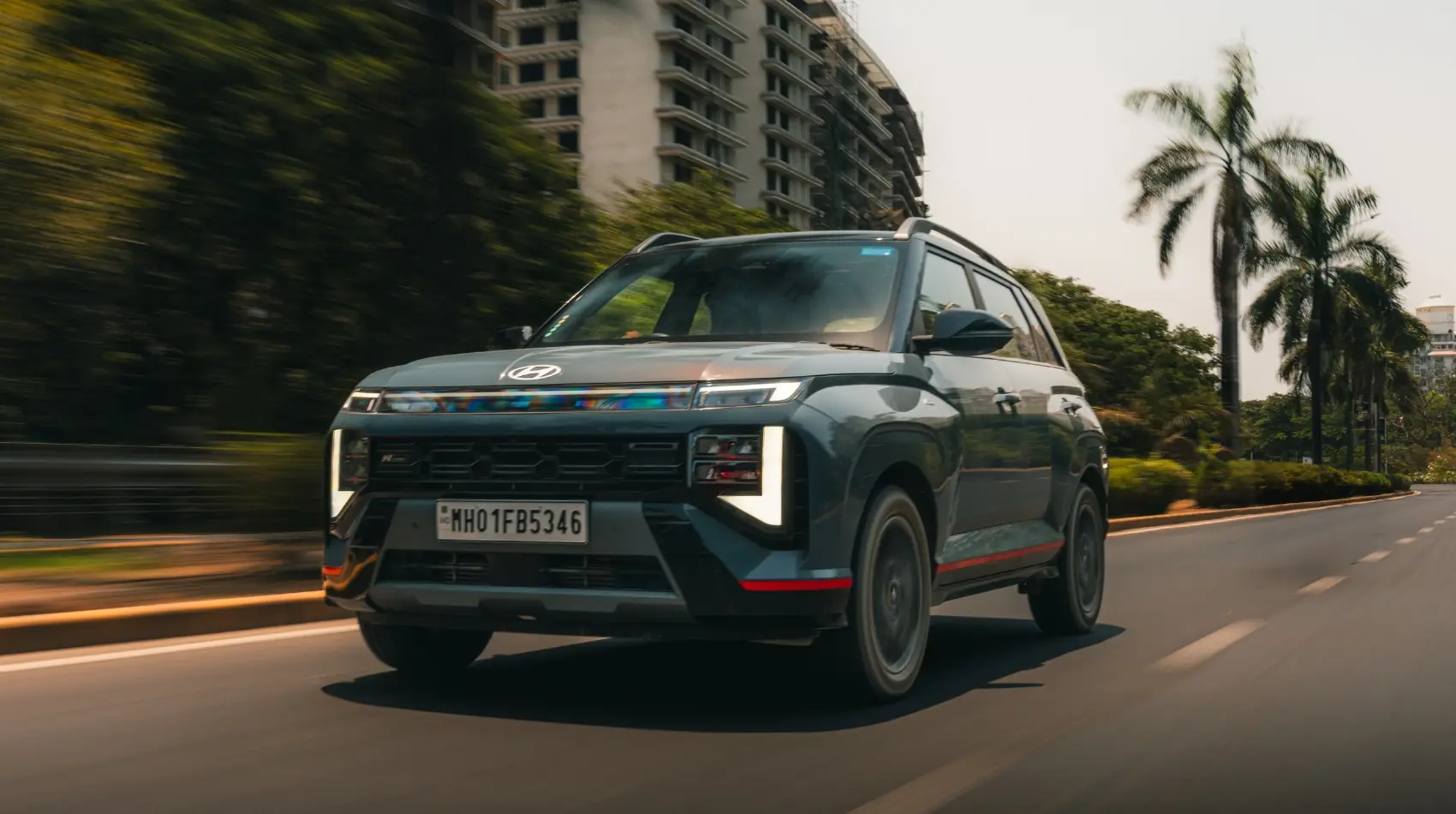
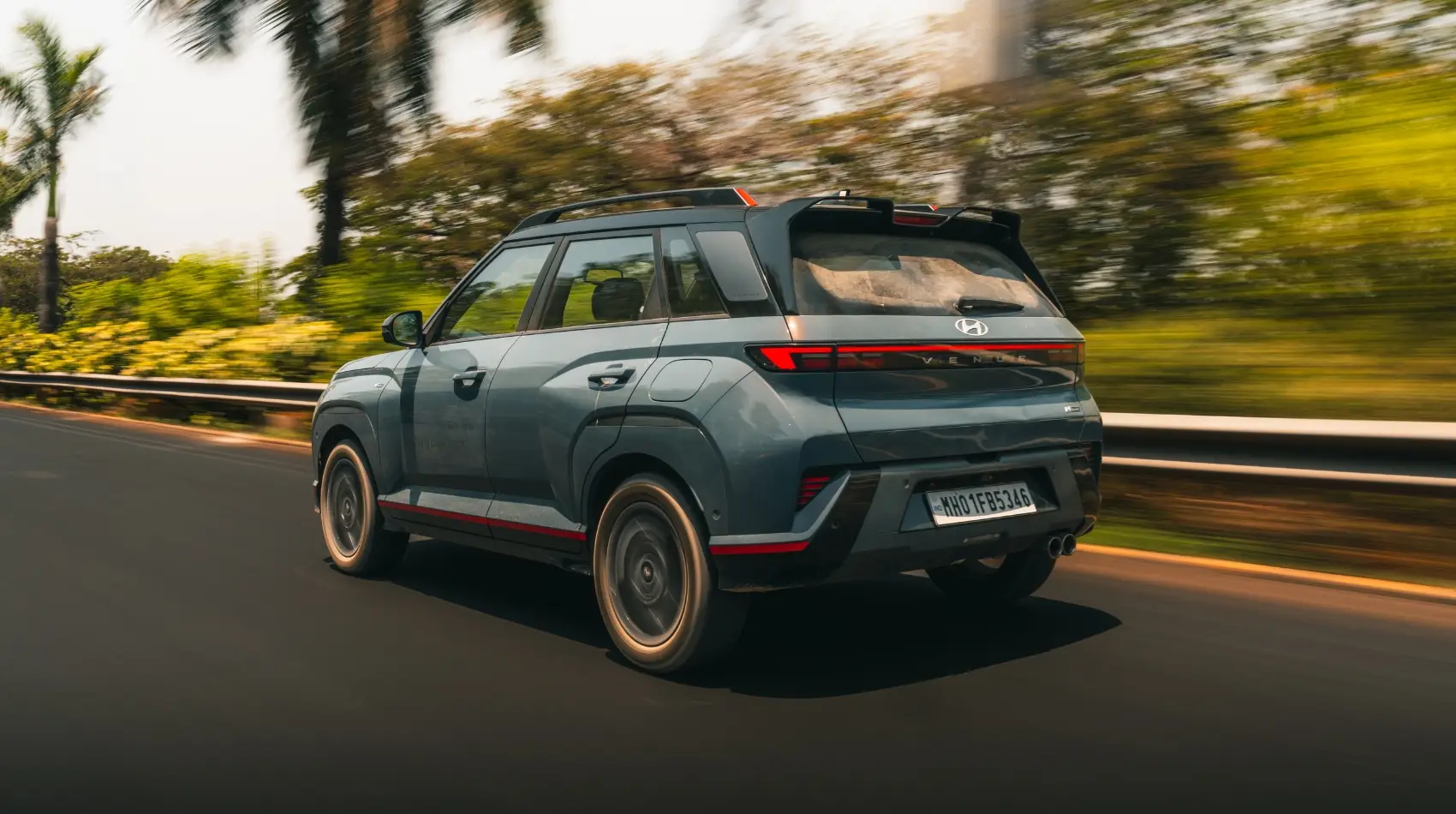

Hyundai Venue N-Line

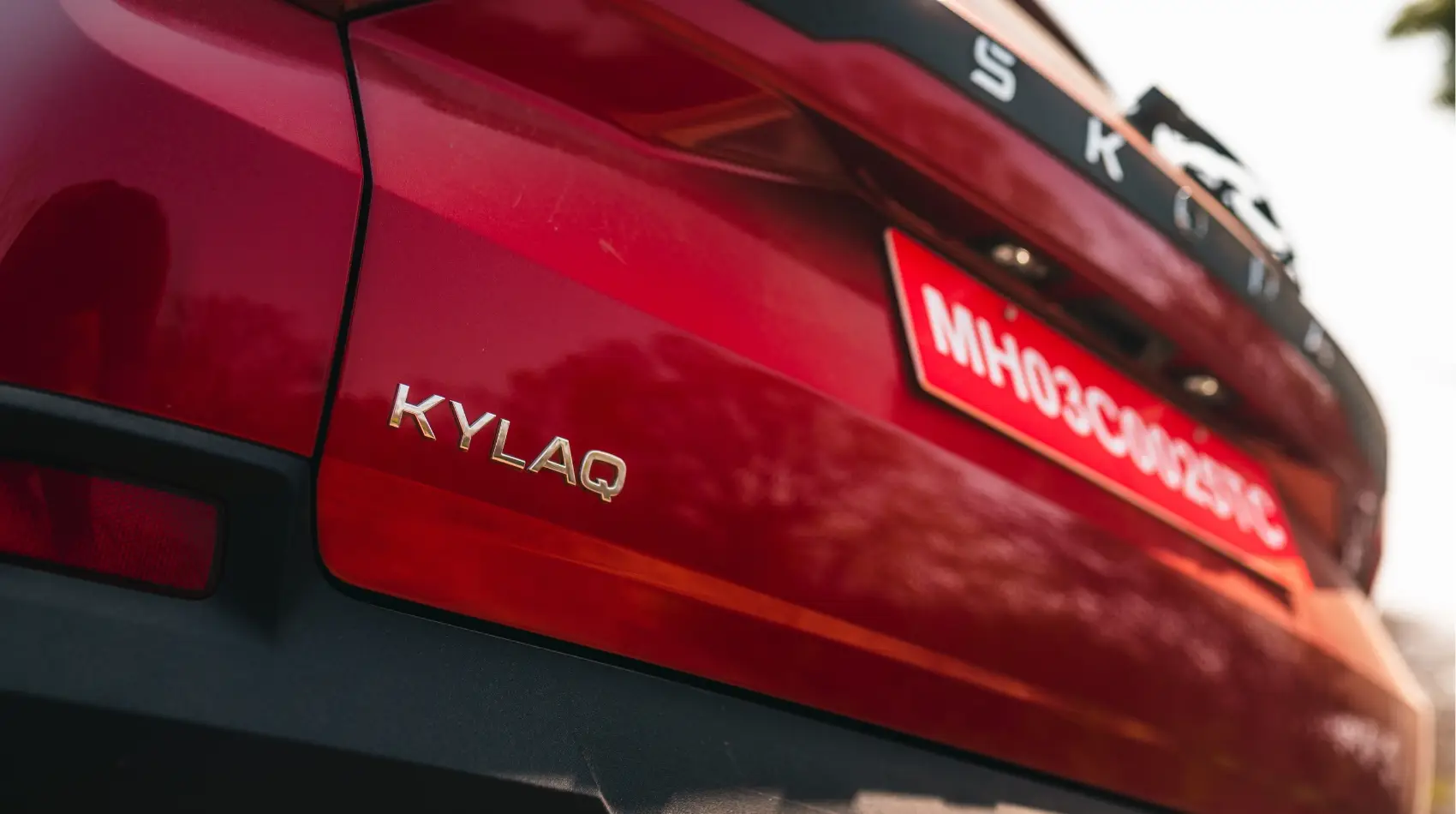
Skoda Kylaq
The subcompact SUV segment isn’t just India’s biggest SUV battleground anymore. It's where manufacturers are finally beginning to understand that enthusiasts exist too. For years, if you wanted something in this category that had at least a little bit of personality, a little bit of spice beyond touchscreen sizes and sunroof dimensions, your only real answer was the Hyundai Venue N-Line. It wasn’t perfect, but it understood something most cars in this segment didn’t: driving enthusiasts also have families, EMI plans, bad roads and office commutes.
But the last year has changed things.
Skoda finally joined the fray with the Kylaq, bringing in the much needed TSI flavour to the mix, a car that arrived carrying the full weight of Skoda’s enthusiast reputation on its shoulders. And then Hyundai updated the Venue, giving us a new N-Line right from launch. So now, we have not one, but two enthusiast driven sensible sub-compact SUVs to choose from and while both cars chase the same buyer, they go about it in completely different ways. So the question is simple, if you had to put your money down on one of these two, which one would it be?
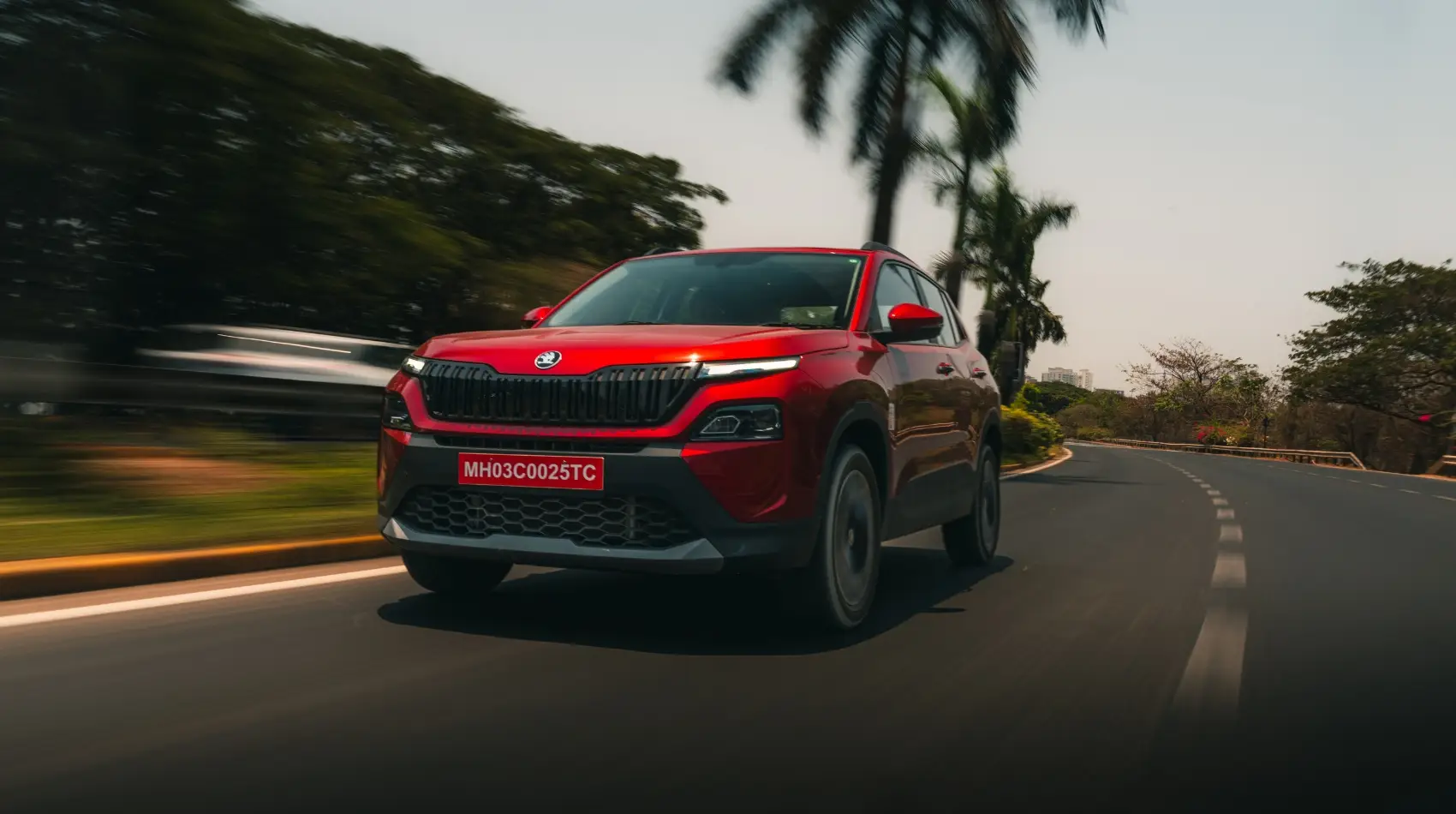
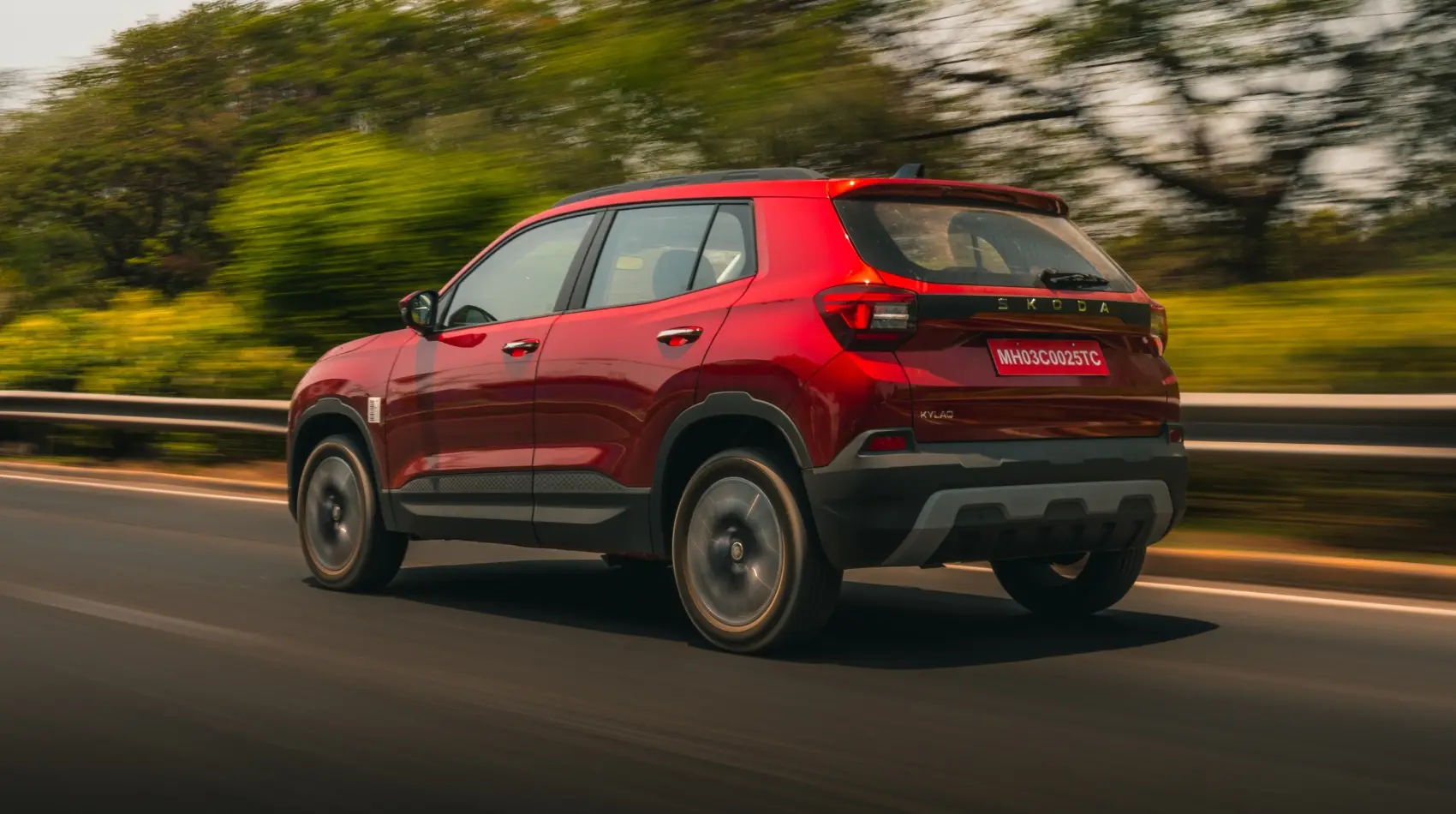
The Kylaq is unmistakably a Skoda. In fact, it almost feels like Skoda’s design department has a rubber stamp that says “clean, understated, tasteful” and they’ve simply applied it here too. The lines are neat, the proportions are tidy and the entire design language feels very European in its restraint. There are no unnecessary cuts, no dramatic creases trying too hard to look futuristic and no oversized design gimmicks. It looks mature. Sophisticated, even.
But perhaps a little *too* restrained. Especially when you remember this is supposed to appeal to enthusiasts. There’s a noticeable lack of visual drama here. Sure, there are blacked-out elements and enough black cladding to remind you this is an SUV in 2026, but beyond that, the Kylaq doesn’t really scream “performance-oriented” in the way you perhaps hoped it would. In fact, one could argue Skoda could have pushed the sporty design language a little harder and maybe offer a top spec variation with body painted bumpers just to add a bit of street appeal.
The Venue N-Line, meanwhile, goes in the exact opposite direction.
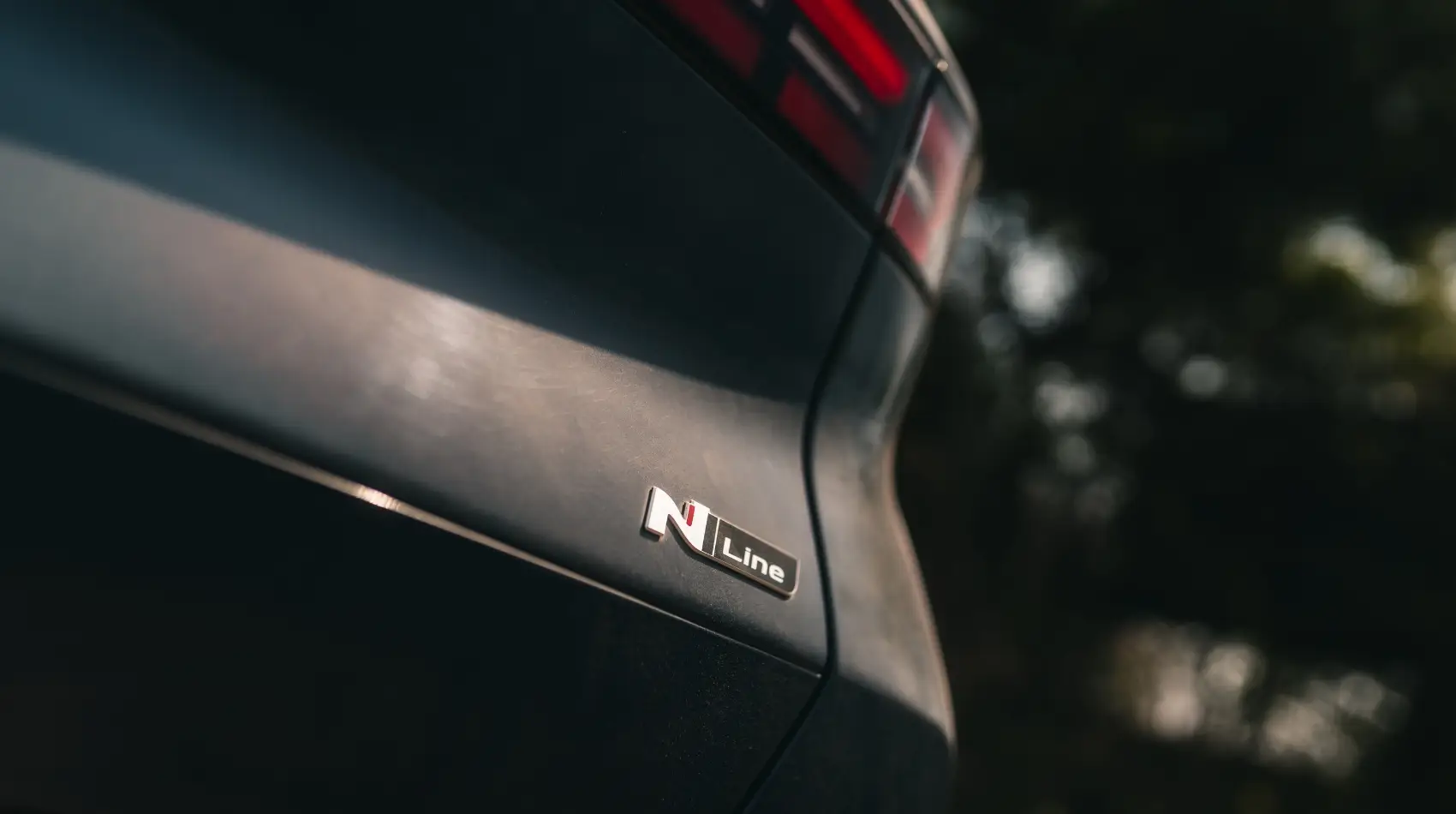
The standard Venue was already a handsome thing, but the N-Line treatment genuinely elevates it. The redesigned bumpers, the squared-off visual elements, the gloss black detailing and those signature red accents immediately make it feel more special. There’s a sense of occasion here. Hyundai wants you to know this isn’t just another Venue.
Even the special N-Line colours work brilliantly.
Both cars ride on 17-inch wheels, but once again, their personalities shine through here. The Kylaq’s wheels are clean and classy. The Venue N-Line’s alloys, meanwhile, are far busier and perhaps a touch overdesigned, but they also give the car a custom, tuner-style flavour straight from the factory. And honestly? In a segment filled with visual compromises, that counts for something.
Step inside the two cabins and the differences become even more obvious.
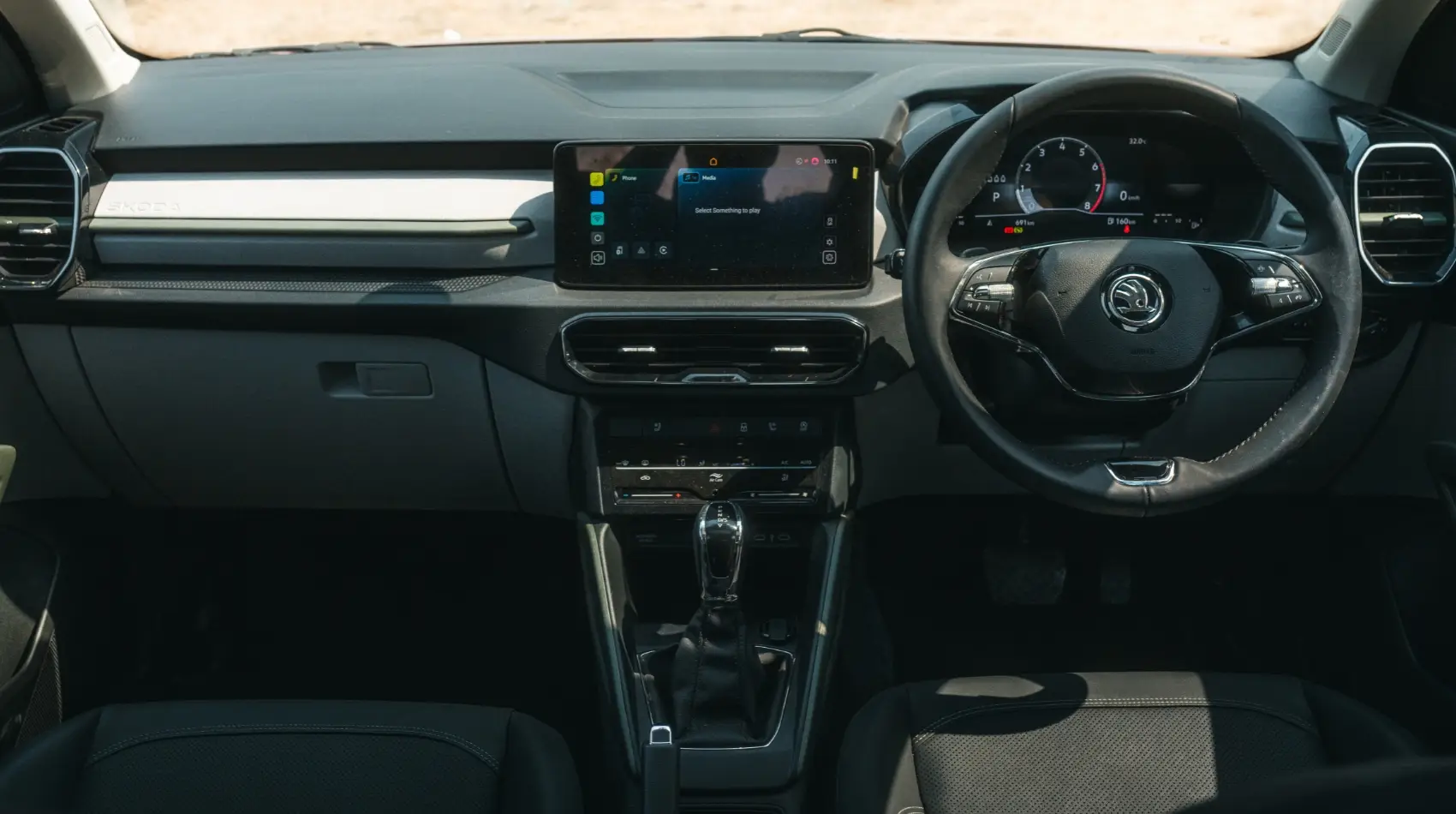
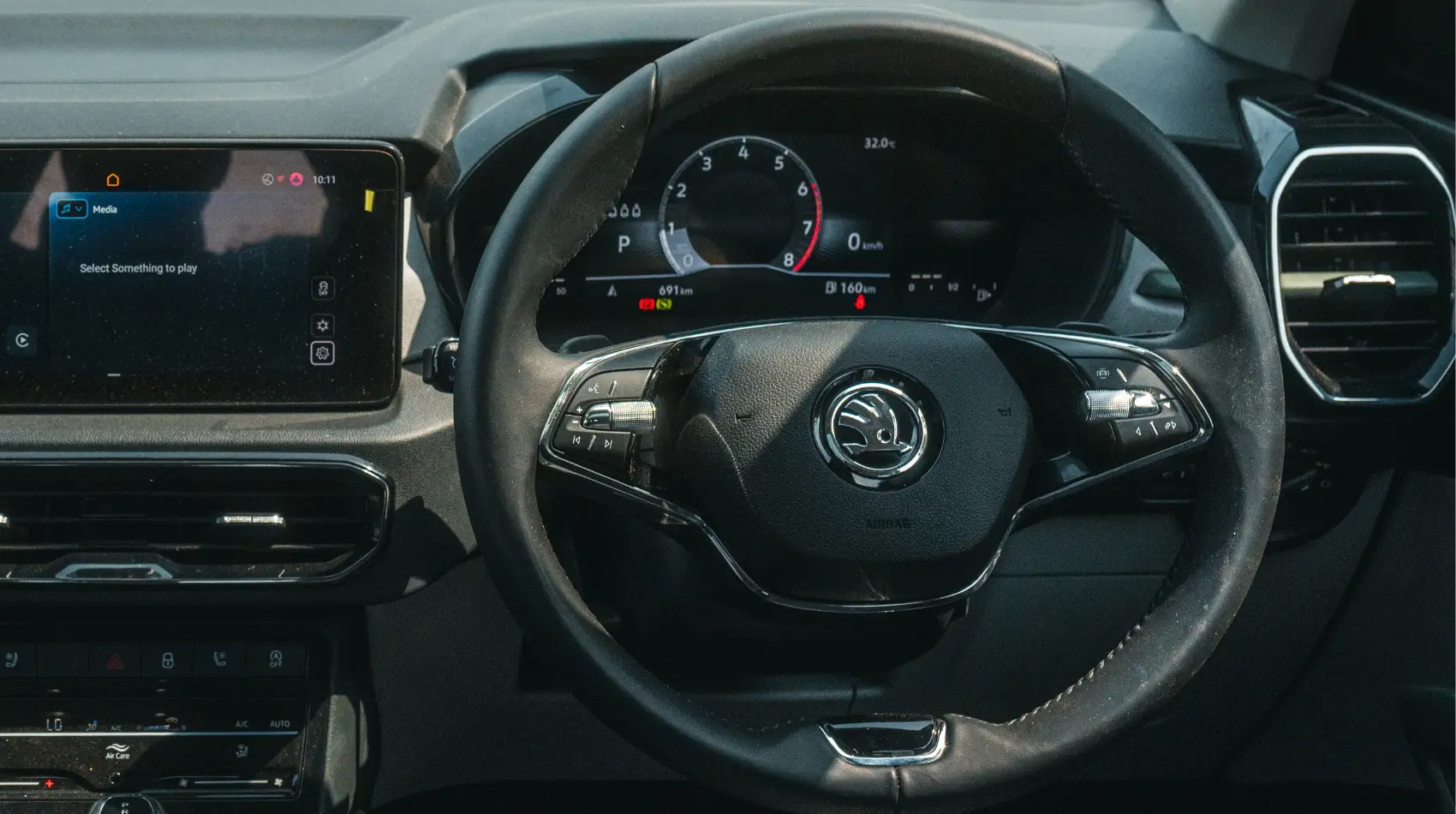
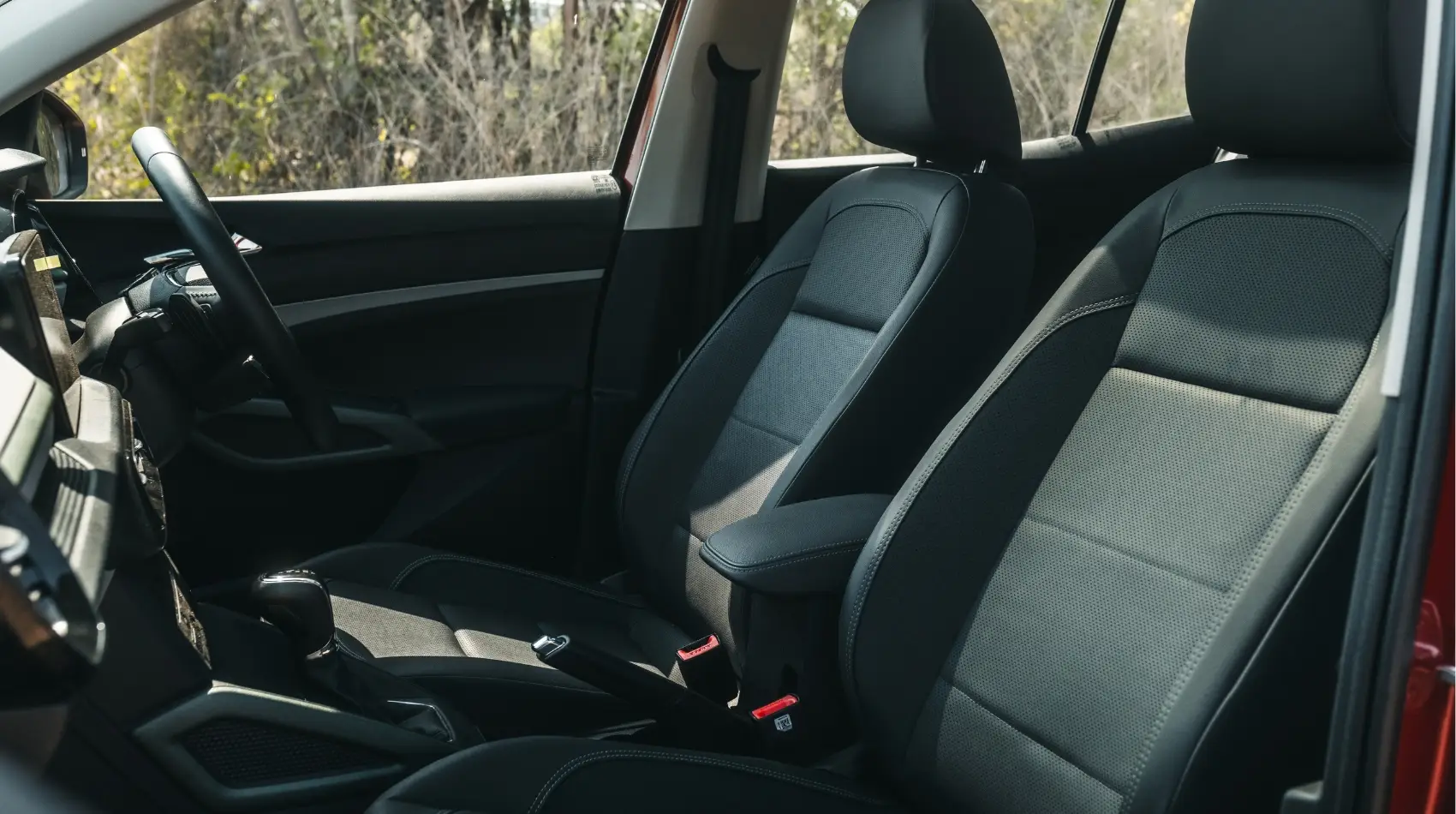
The Kylaq’s interior is excellent in the way modern Skodas usually are. It feels solid, logically laid out and beautifully screwed together. Even the top-spec version feels premium and mature. But strangely enough, it never truly feels *special*. Not from an enthusiast perspective, anyway. No real reminder that this is supposed to be the enthusiast-oriented SUV of the market.
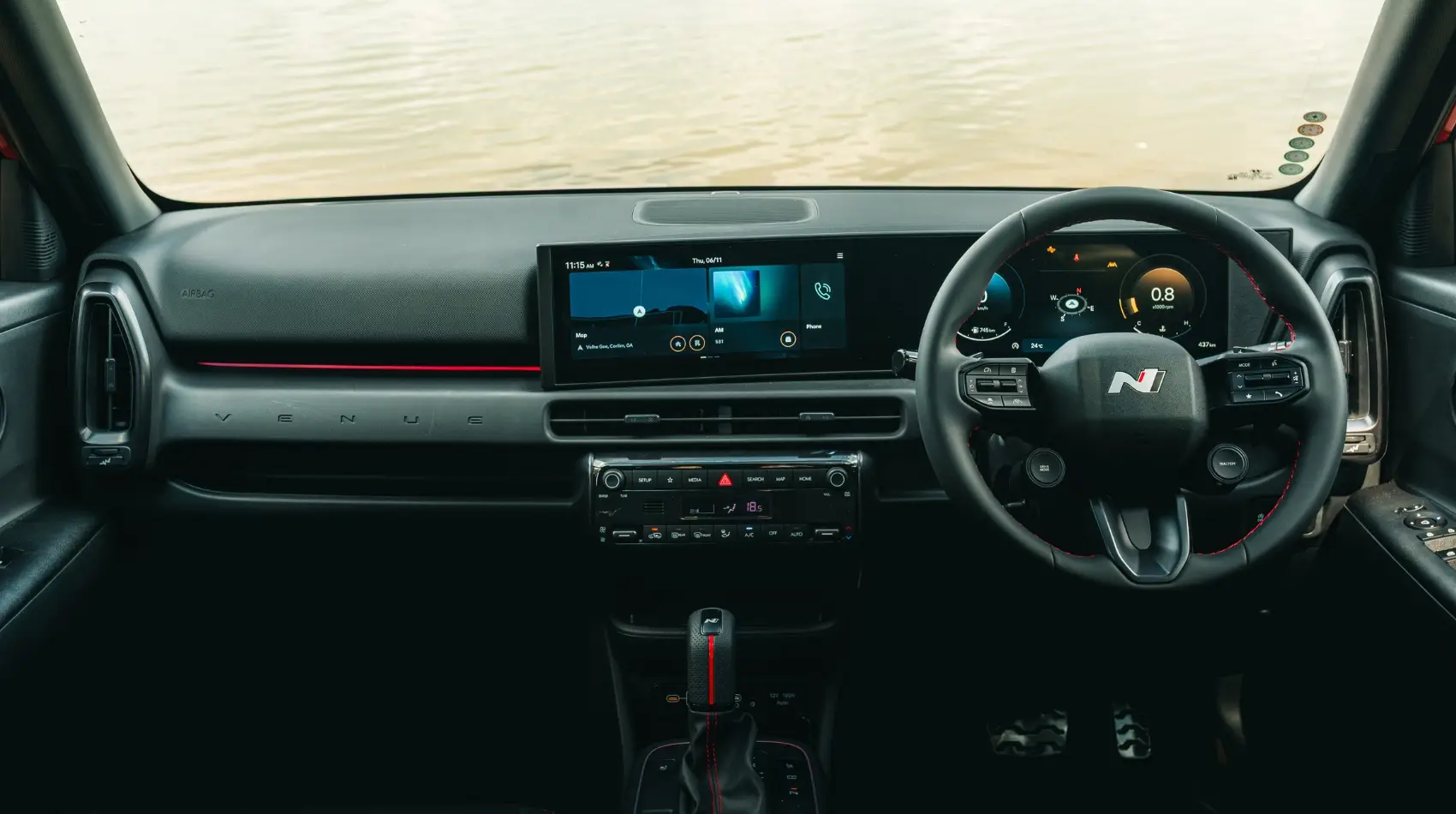
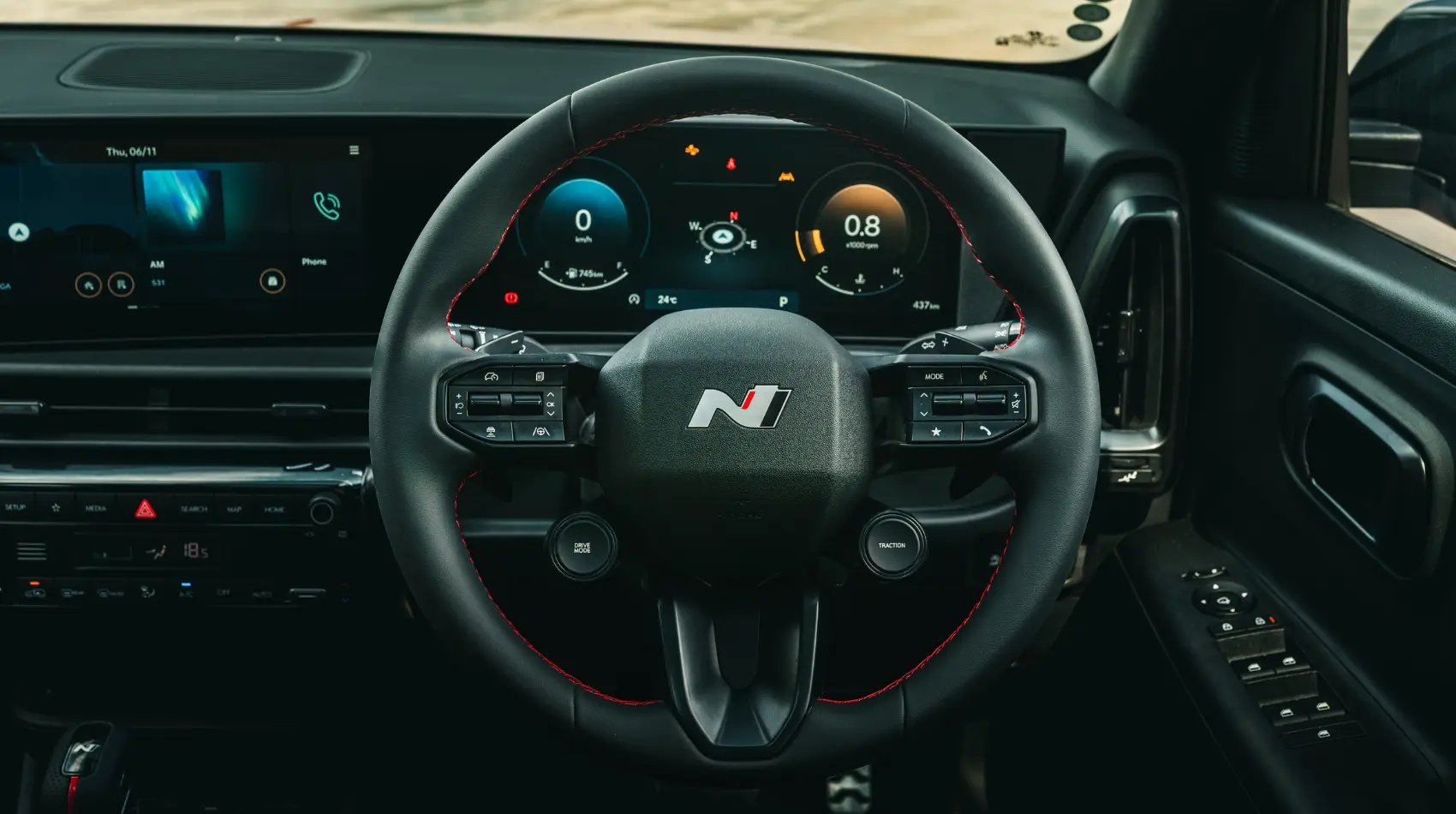
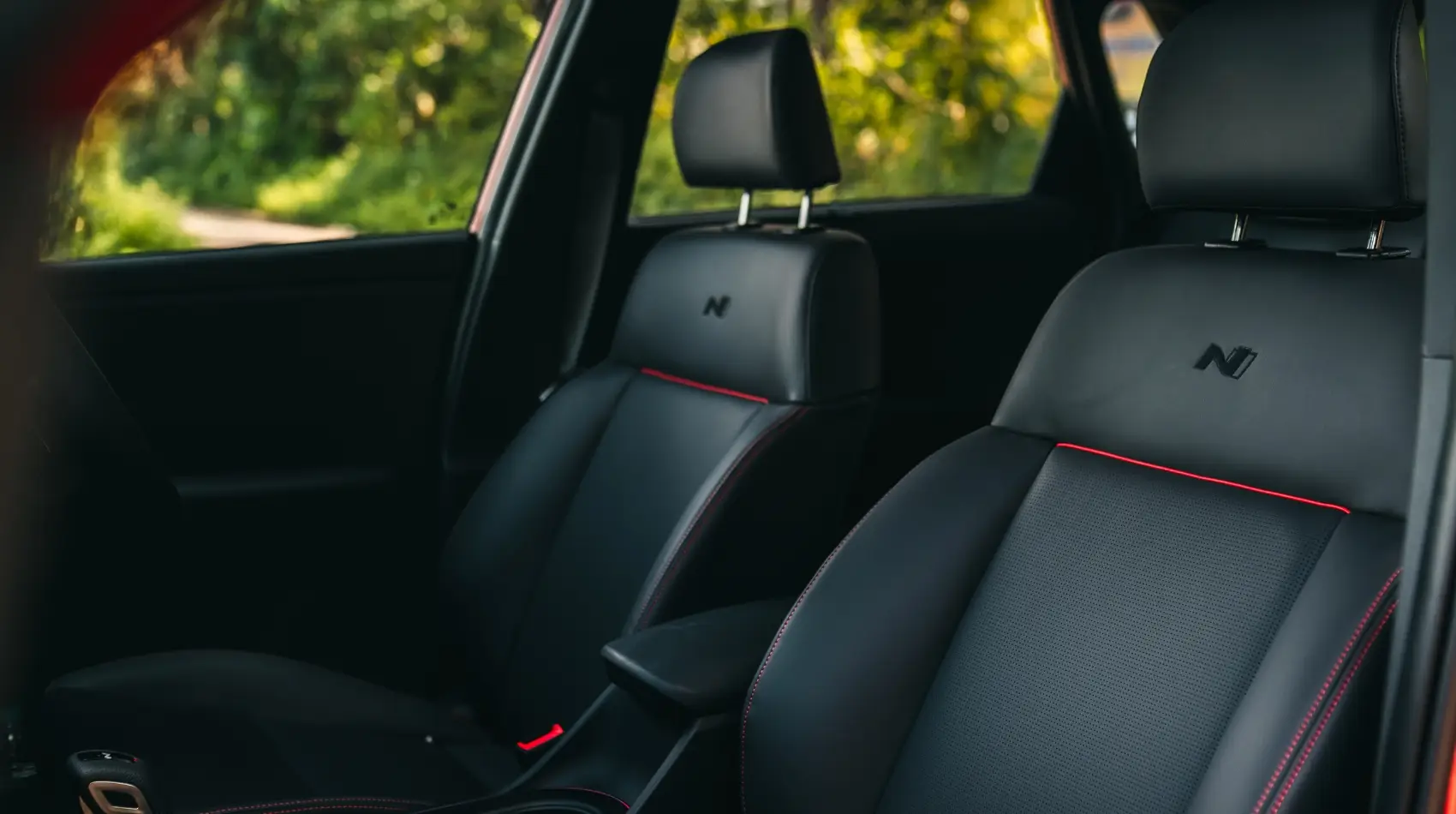
And that’s where the Venue N-Line absolutely nails the brief. Because the moment you sit inside it, it feels different. The N steering wheel instantly grabs attention, especially with those round drive mode adjustment buttons that feel straight out of an AMG or even a Lamborghini playbook. The seats get unique upholstery, the dashboard treatment is different, there’s N badging scattered tastefully around the cabin and the entire thing simply feels more focused.
More curated. More intentional. And honestly, if Skoda truly wants to tap into enthusiast culture in India, this is where they need to start paying attention. Because enthusiasts love feeling like they bought something special. The Venue N-Line understands that emotional side of ownership better.
Under the hood, things get seriously interesting and also, this is where the gaps close up again.
Both cars use turbocharged 1.0-litre three-cylinder petrol engines. The Kylaq produces 115hp and 178Nm, while the Venue N-Line makes slightly more power at 120hp but slightly less torque at 172Nm. On paper, the Hyundai should technically edge ahead.
But in the real world, it doesn’t quite feel that way.
The Kylaq feels more explosive off the line. There’s a punchiness to the way it launches itself from standstill situations and it feels hungrier when you bury your foot into the throttle. In stoplight-to-stoplight situations, the Skoda genuinely feels quicker and more aggressive. Remember, Skoda, one of the pioneers of the DSG gearbox in India have ditched it for this engine and given us the much more reliable and still decently quick TQ200 torque convertor instead. But unlike the likes of the Polo or even the Kushaq and Slavia in the past, this 6-speed TQ200 does not feel jerky. And while the Kushaq has moved on to a more modern 8-speed TQ, this 6-speed still has a lot to give.
The Venue N-Line, meanwhile, counters with refinement. Because while the Skoda feels sharper, the Hyundai feels smoother and easier to live with every single day. In traffic especially, the Venue feels lighter on its feet. The throttle calibration is friendlier, the drivetrain feels more polished at lower speeds and the entire car simply flows through urban conditions with less effort mainly because of the 7-speed dual clutch gearbox that is mated to that 3-cylinder engine.
But if you’re asking the enthusiast question, the proper enthusiast question, the Kylaq probably still edges ahead dynamically. Its steering feels a little more connected. The chassis feels more playful. There’s a distinctly European tightness to the way it changes direction. It eggs you on harder. The Venue, however, is the more comfortable car overall. Its suspension setup deals with Indian roads more gracefully and there’s a softness to the ride quality that makes long-term ownership easier.
When it comes to technology, the Hyundai extends its lead even further. Yes, the Kylaq gets a digital instrument cluster, a large touchscreen and all the features modern buyers expect. But the Venue N-Line simply feels miles ahead in terms of overall tech integration and feature richness. The interface feels slicker, the ecosystem feels more complete and then, of course, there’s ADAS. It even gets a better 360 degree camera - or a better camera in general - something the whole damn VW group seriously needs to rework.
Then comes the enthusiast wildcard: tuning potential. Now of course, this is something you will only read in something I would write, only because im obsessively obsessed by the tuning potential of each car I review because as an actual real world car buyer, this is something I personally take very very seriously. And if you are reading this as an enthusiast, so should you.
Traditionally, if you wanted to modify or tune a compact turbo-petrol car in India, the Volkswagen Group ecosystem was always the holy grail. The Kylaq continues that tradition beautifully. That 1.0 TSI motor has massive aftermarket potential and if your ultimate goal is building something properly quick, the Skoda remains the obvious choice. Bigger turbos, ECU remaps, intercoolers, intake setups - the possibilities are enormous. A well-built example pushing close to 200hp is absolutely achievable, and reliably so.
But the Venue N-Line and it’s engine and platform has quietly built an impressive tuning culture around itself too. The Indian and global aftermarket has warmed massively to Hyundai’s turbo-petrol platforms and there are already several tried-and-tested tuning solutions available. No, it probably won’t become a 200hp monster quite as naturally as the TSI platform can, but 150–160hp? Entirely realistic. And more importantly, increasingly accessible.
Both cars also score heavily when it comes to wheel modification potential. The Kylaq uses a 5x100 bolt pattern while the Venue N-Line runs a 5x114.3 setup, which means aftermarket wheel choices for both are practically endless. And for enthusiasts, that matters more than most manufacturers probably realise.
Which finally brings us to the difficult bit. Choosing a winner. Because emotionally, the European sensibility inside you still wants to pick the Kylaq. It feels tighter, sharper and more eager in the corners. There’s a purity to its dynamic character that enthusiasts will absolutely appreciate.
But the Venue N-Line just feels more complete. It looks more special. Feels more special. Sounds more convincing as an enthusiast product. It’s more comfortable daily, quieter, richer in tech and still entertaining enough to satisfy someone who genuinely enjoys driving. The Hyundai Venue N-Line, our new benchmark in the enthusiast compact SUV segment.