This is the big one. The one that all automakers who enter the compact SUV segment tremble about. The Hyundai Creta has long been the dominant force in this space and for good reason. It literally is the perfect SUV for India – drives well, looks good, has more features on it than your latest phone and offers a plethora of engine and gearbox options. The latest entrant in this segment, the new Maruti Suzuki Victoris, does the same but without as many engine options. One engine offering, though, does overlap. Not only in size, but also in other metrics, including being the most popular one in the sales charts. So today’s comparison test isn’t about turbos, isn’t about hybrids but about the ‘roti sabzi’ of the engine lineup – the naturally aspirated petrols. And because we are in 2025 and the automatic is the gearbox of choice for everyone who seems to ask, that combination is what we are going to sample.
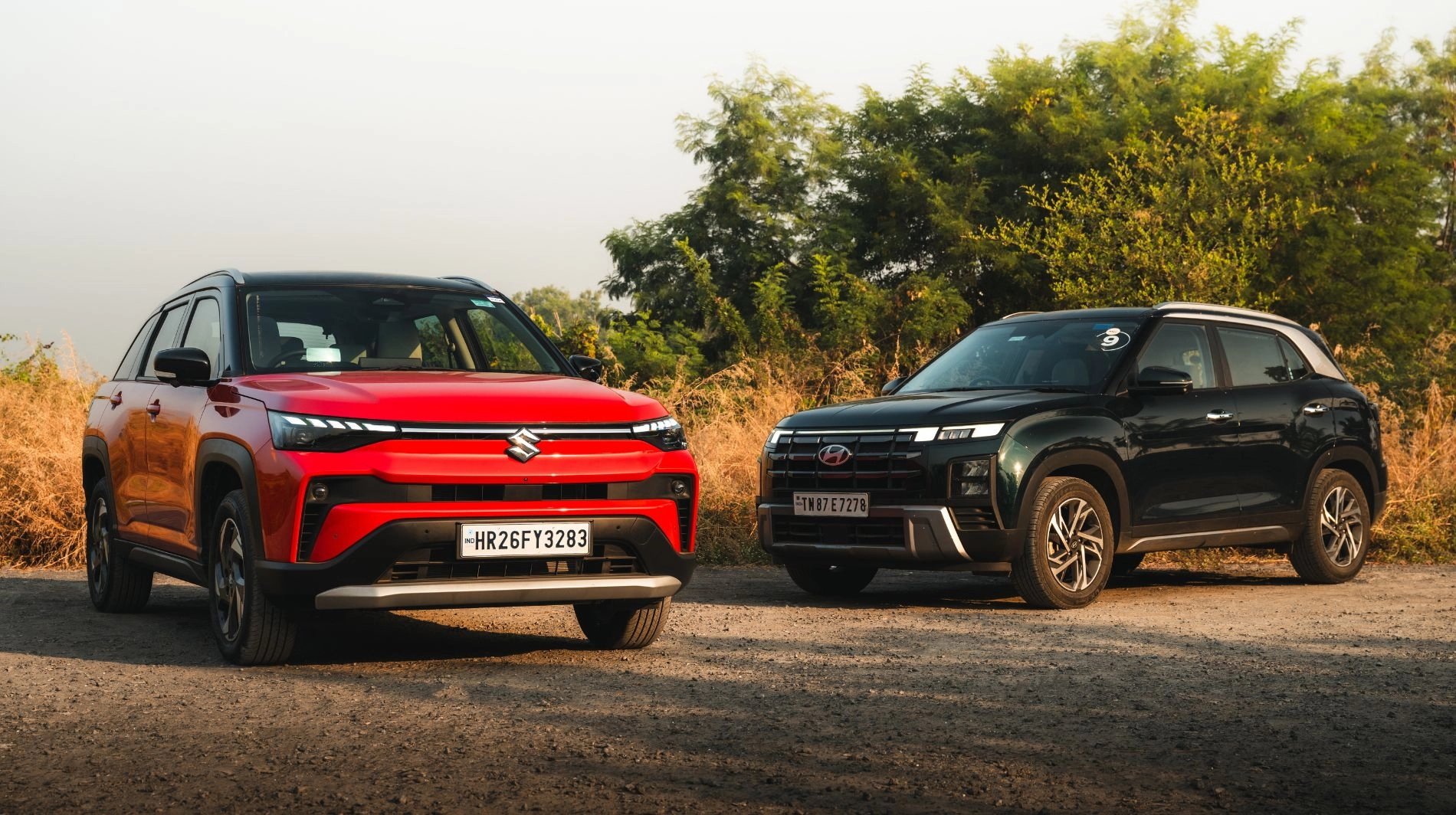
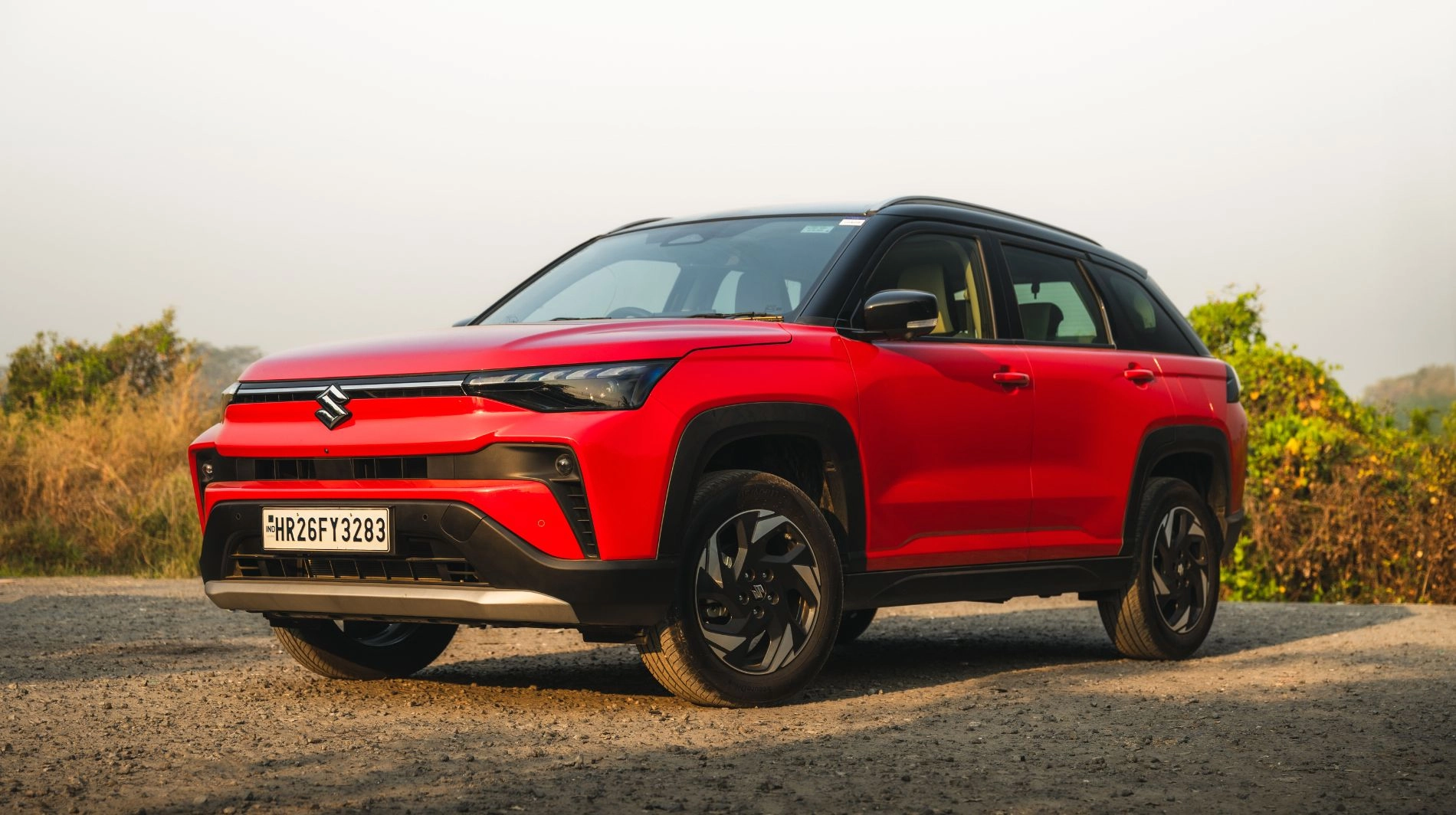
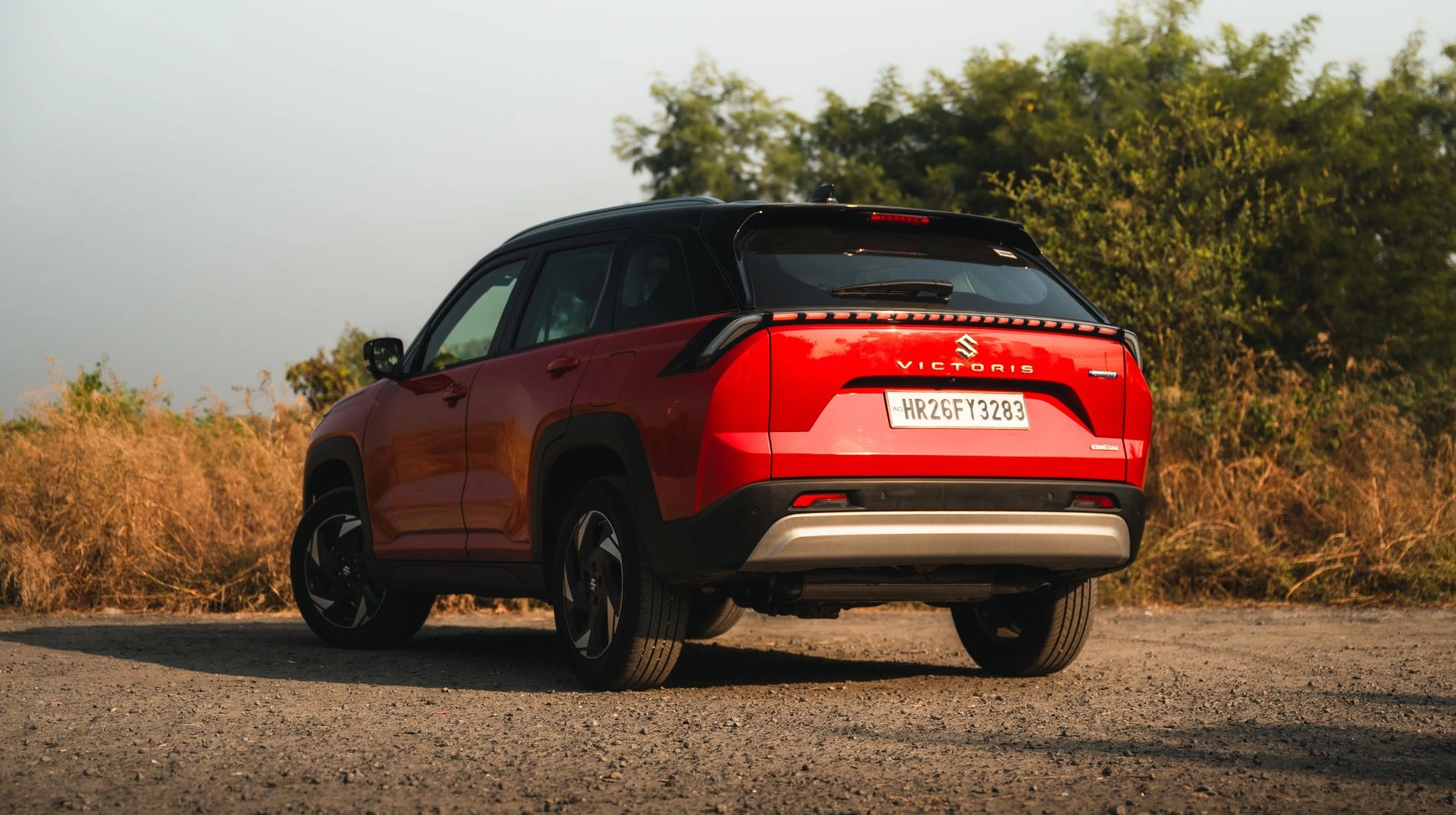
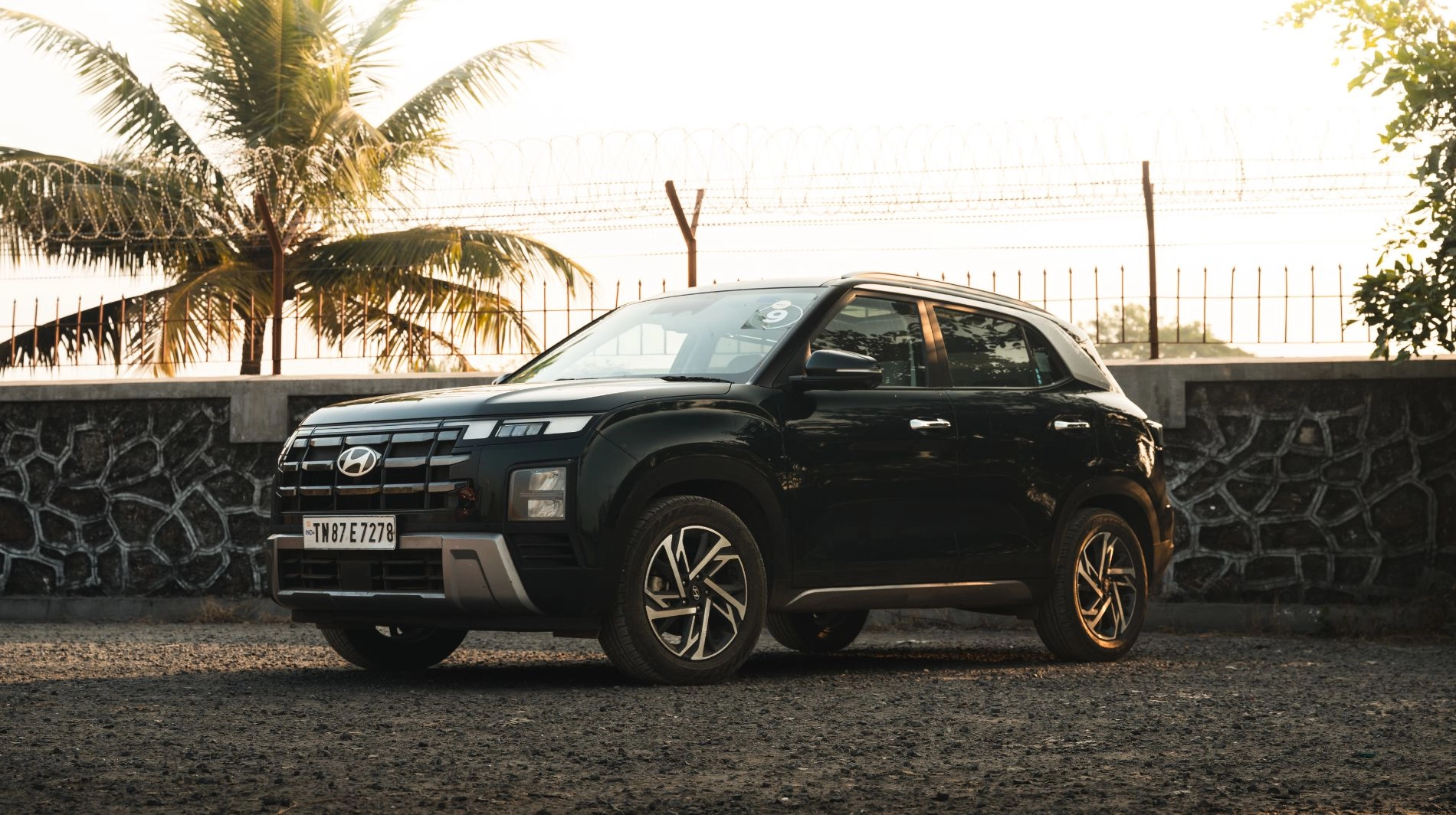
Let’s talk design first. The Creta looks, well, like a Creta. It’s got presence, it’s got that new-age Hyundai face, and it’s got just enough chrome to remind you that you live in India. The Victoris, on the other hand, looks more subtle. More conventional. Now, in an urban area, the Creta might look nicer, but for most people who buy these cars, and especially mid-level variants of these cars, I have a feeling the more subtle, conventional design of the Victoris might work better. Funnily, though, the number of people who seemed to be genuinely intrigued by the Victoris across different cities of India has taken us off guard. Maybe it’s just the fact that it is a brand-new product. But again, put these two next to each other and the different design approaches both designers took are so directly obvious. But while there are some major differences, there are also some similarities. Both get two-tone paint, both get 17-inch wheels, both get connected LED tail lamps and both are similarly sized. The Creta looks a little larger because it has a more upright stance, while the Victoris does seem a little smaller because of how the body swoops downwards towards the rear. But both frankly look appealing in their own way.
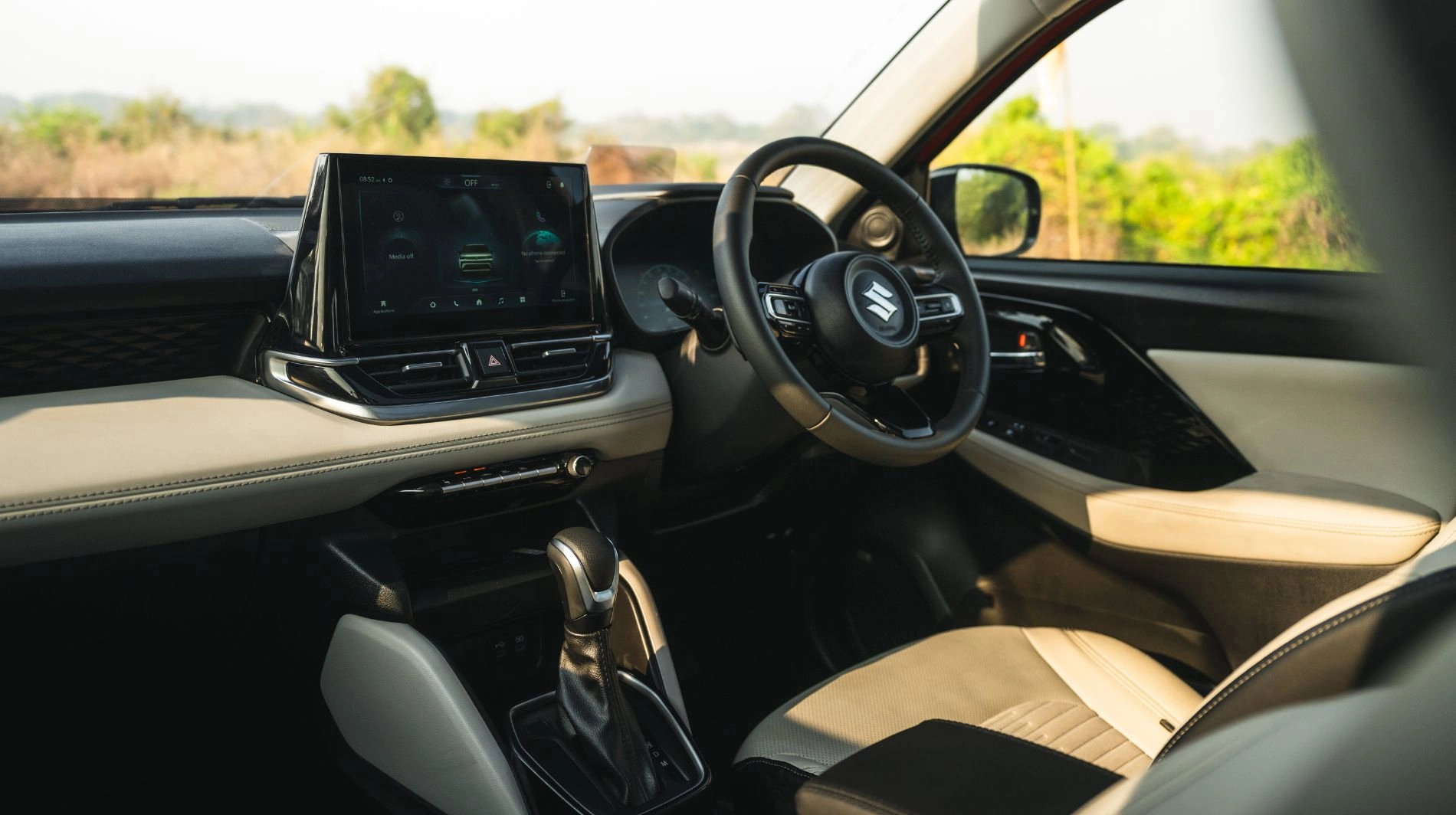
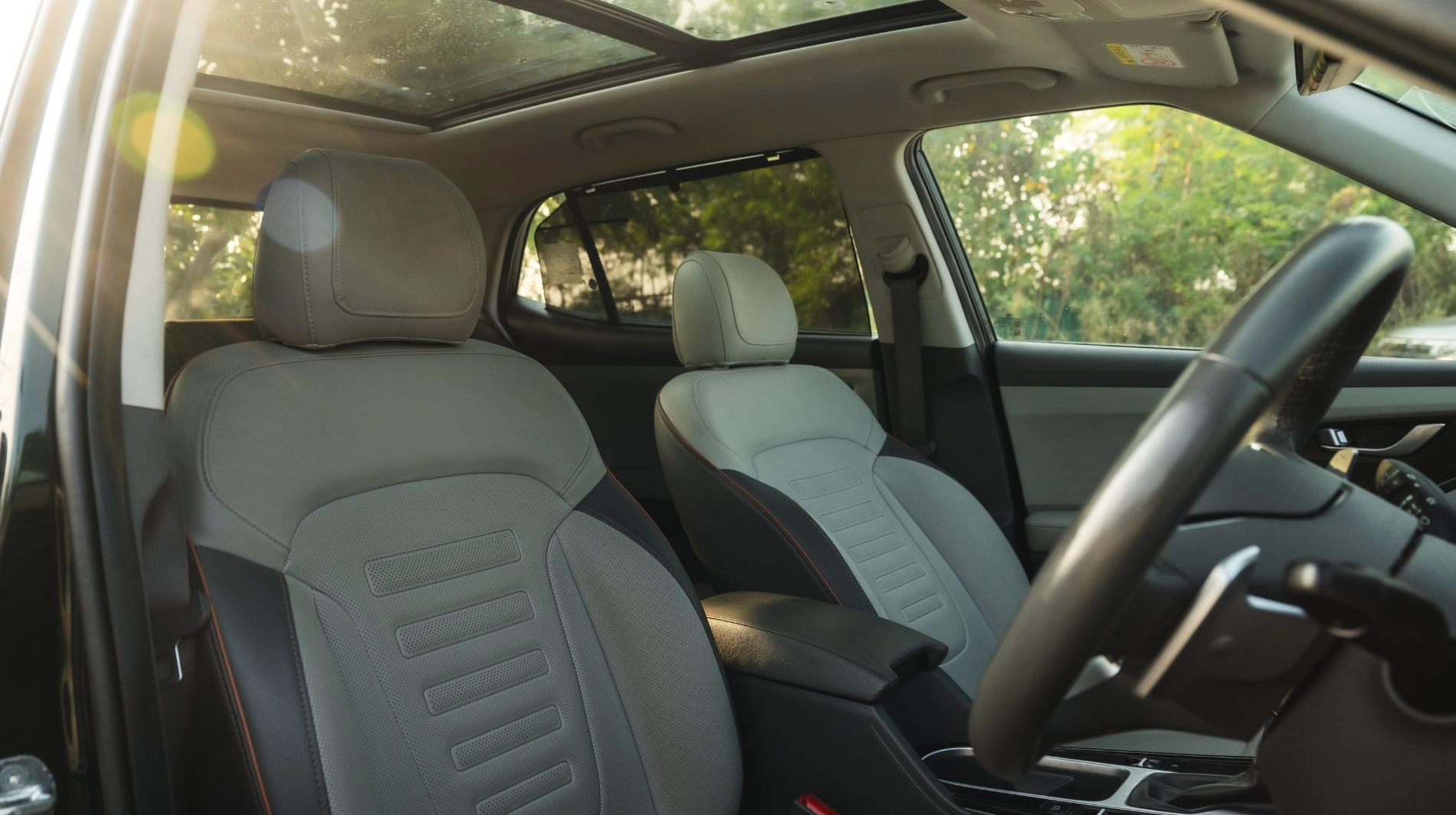
The needle starts to move in the Creta’s favour once you step inside, though. The cabin is most certainly more modern, more current and looks better equipped. Even smaller details, like the frame of the panoramic roof, are better implemented. The dual screens look nicer too and are larger. I must say, though, the lack of wireless Apple CarPlay on this test variant is a giant pain in the backside. The Victoris, on the other hand, is more conventional in its approach to a dashboard. There are dual screens, yes, but the instrument cluster is set inside a more traditional pod like it always has been, while the centrally mounted screen too feels like it is a generation older in design.
That said, even though the screen is just slightly smaller than the one on the Creta, it is actually a more superior user experience with a brighter, sharper display, a more user-friendly UI and, of course, wireless connectivity. But that still can’t tip the scales in the Victoris’ favour when it comes to an interior design and features score.
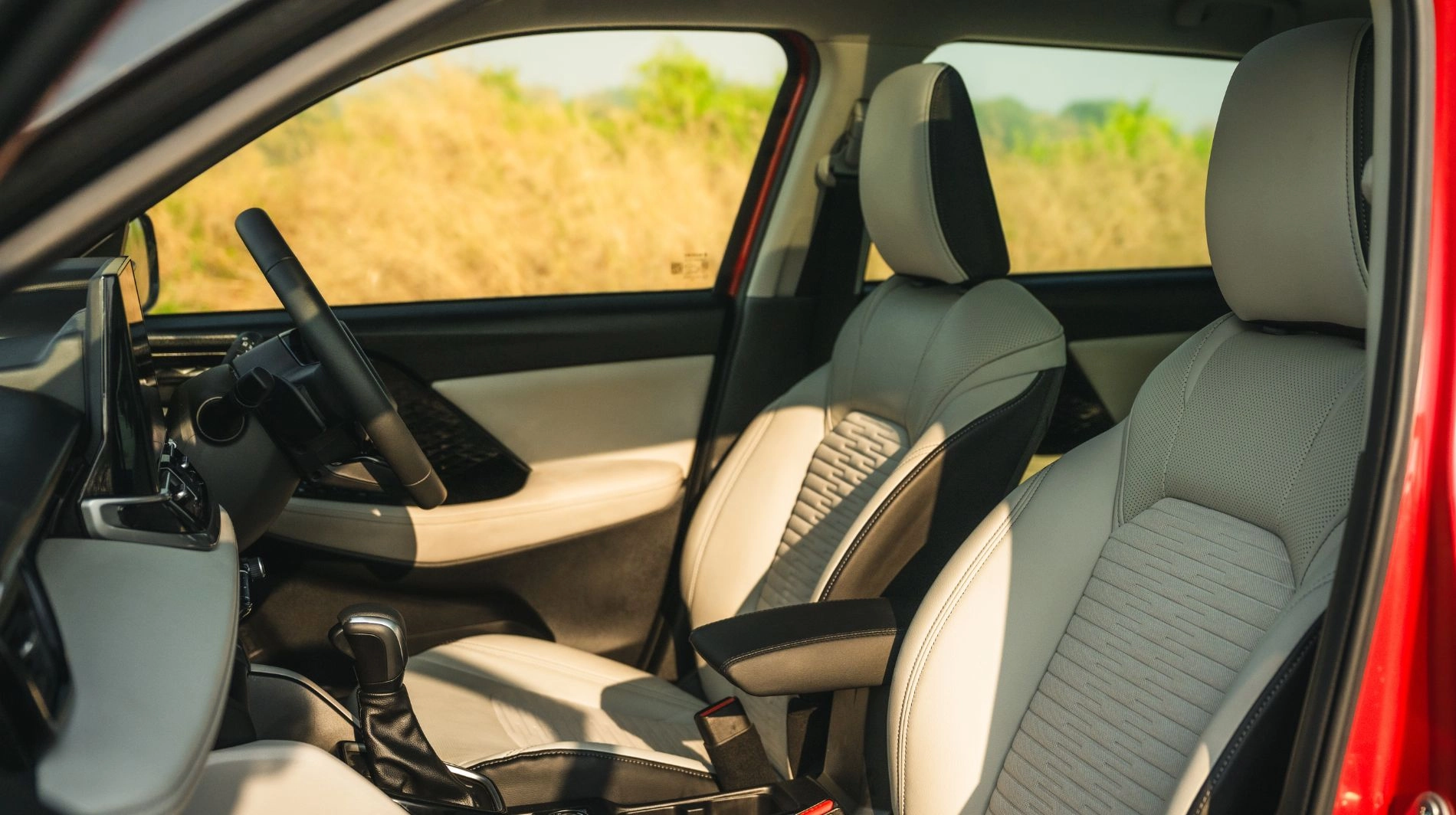
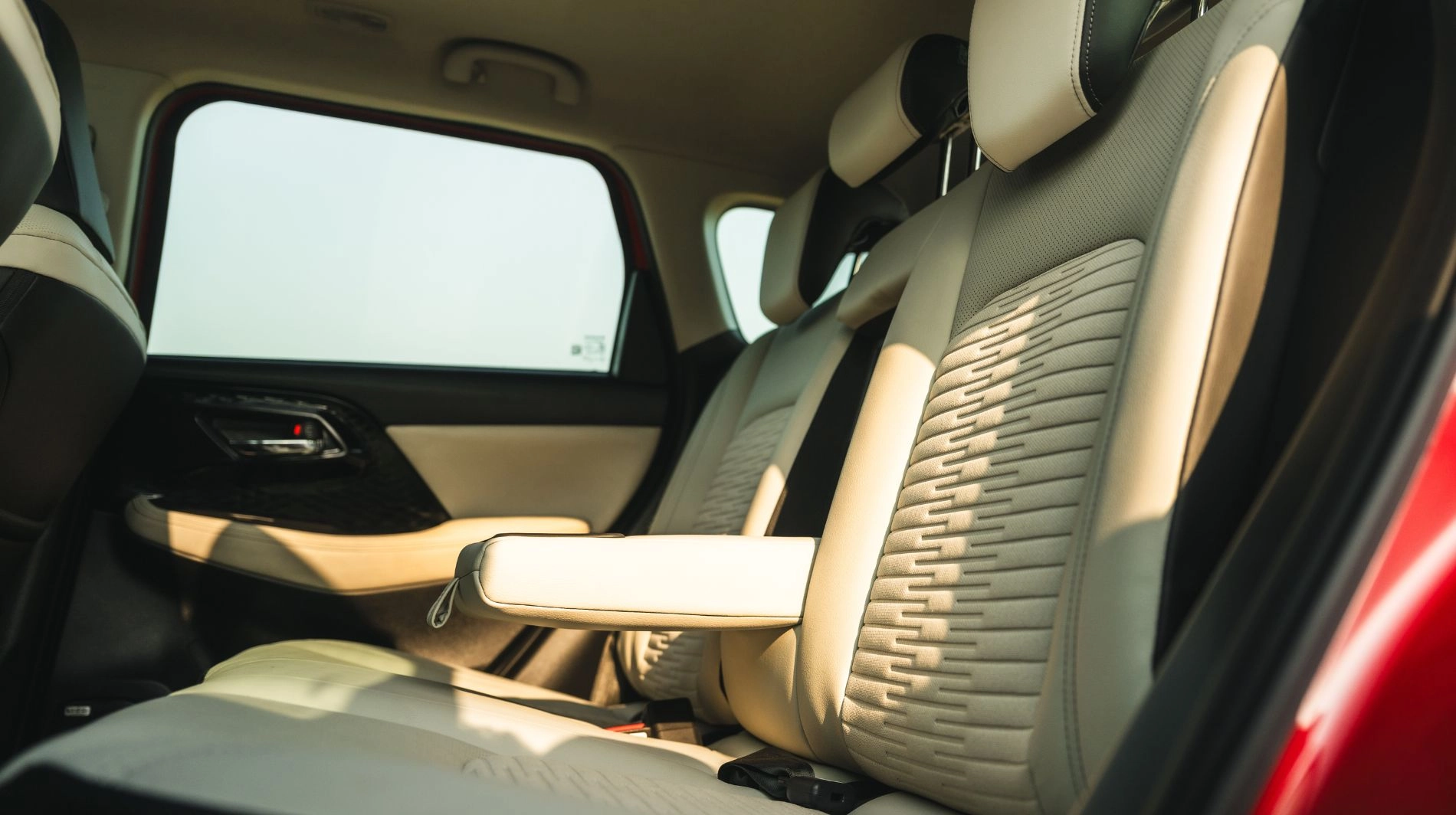
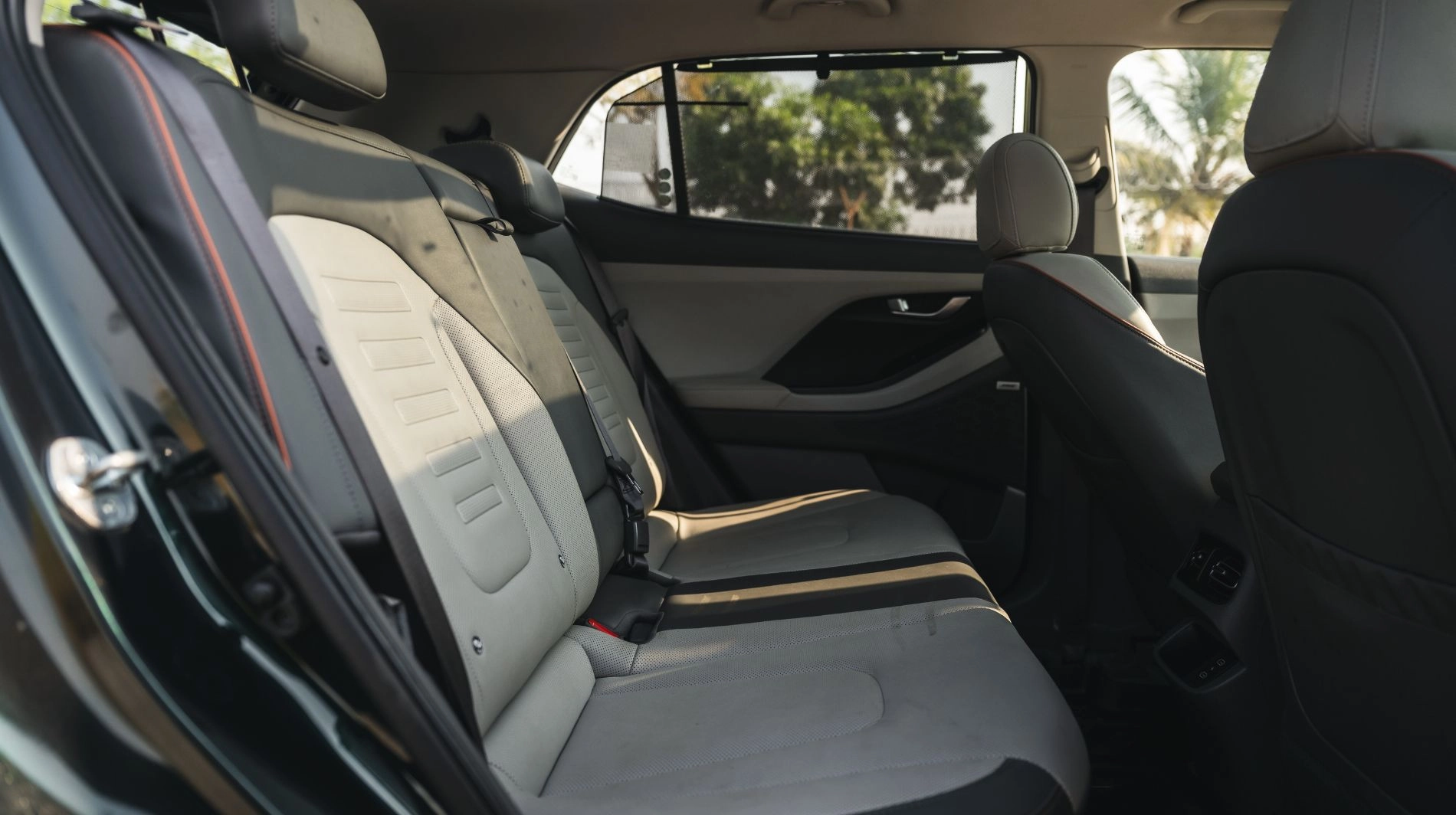
What does push the needle towards the Victoris is the rear seat experience. Compared to the Creta, the Victoris is more spacious, is more comfortable and the seat itself is better. Better support, better materials and a more comfortable place to be. Also, slightly more space too. This is important as this segment does have a large chunk of buyers that are driven around and do not drive themselves. So then, if you are keeping count, it’s 2–2 for now.
Driving these two back to back, even though they are so similar on paper, shows you how different they can be in real life. Both get a 1.5-litre, 4-cylinder, naturally aspirated petrol engine, but that is where the similarities end. The Maruti K15 is a great engine, but the outright lack in horsepower (102hp) is immediately obvious. The Creta might have only 11 more horsepower at 113hp, but that is 10 per cent more power and if you have ever been into cars in any sort of way, you would know how hard extracting 10 per cent more horsepower from your naturally aspirated engine is. The Creta’s motor revs better, there is more usable power and torque through the rev range and, although it makes no difference, it even sounds better. A clear win to the Koreans here.
But all that goodness is then mated to a CVT, and if this was a small urban hatchback that someone like my mother had to drive 500km a month, a CVT would be fine. On an SUV that people will take cross-country, loaded up to the max with family and achaar, a CVT just does not cut it. It’s noisier, even though this is one of the better CVTs around, and while in the city it is enough, the second it gets pointed towards any sort of open road, it just isn’t. The Maruti torque converter, on the other hand, is exactly what you can imagine it being. Yes, it is slow off the line and yes, it is as enthusiastic as me at a thali restaurant, but pop that knob into sport mode and it actually isn’t too bad. Plus, these gearboxes are absolutely bulletproof, which in this segment means a lot! So, 3–3.
Another metric that matters in the segment is ride quality. While Hyundais in the past were lambasted for being boat-like in their ride and handling departments, we can safely say those days are long gone. Most modern Hyundais feel great to drive and are better than most in their respective segments. But *most* is the key word here. Maruti clearly hires some of the best chassis setup engineers in the world because both the Victoris and its sister car, the Grand Vitara, are absolute ride quality benchmarks in this segment. Potholes, bad roads, etc. are all vanquished with an absolutely perfect chassis setup – a blend of supple ride and very good neutral handling. Even the steering feedback feels better.
So then, what is Hyundai’s trump card? Well, some people might hate ADAS and some might even make daft full forms of it on podcasts but frankly, if ADAS helps save even one life, it is all worth it. And it does. Hyundai’s ADAS is one of the best there is. Not only in terms of tuning but also in terms of usability. Say, for example, you are in a situation where you want to turn it off – all the controls are easily accessible and can be turned on and off quickly. Frankly, even me, a hardcore driving enthusiast, finds myself using these features on longer road trips. And that is saying something.
The Creta’s trump card was ADAS, the Victoris has two. One, it is the safest Maruti yet – a 5-star car. And that itself will shut up a lot of naysayers. And it will help Maruti bring back a huge number of people who left their fold due to safety rating concerns. Second, one that no other car in this segment has and no other car in this segment will probably get in a while. All-wheel drive. Now while, for the sake of this comparison, we won’t really compare the all-wheel-drive Victoris with the front-wheel-drive Creta, it is good to know the option exists. Of course, all those yappers on social media who criticise SUVs for not having all-wheel drive will still never actually buy one.
This could very well be one of the toughest verdicts we have, so let’s break it down. Both score equal on exterior design. The Creta is a clear winner when it comes to the interiors, but the Victoris scores higher on space. The Creta has the better engine, the Victoris the better gearbox. The Victoris then scores better on safety, fuel economy, comfort and even boot space, giving it the edge overall. There is no denying the fact that the Creta is a great product. But overall, when viewed objectively, the Victoris is our winner.
Maruti Suzuki Victoris
Engine: 1.5-litre, 4-cylinder, petrol
Power: 102hp
Torque: 139Nm
Price: ₹10.5-19.99 lakh (ex-showroom)
Hyundai Creta
Engine: 1.5-litre, 4-cylinder, petrol
Power: 113hp
Torque: 144Nm
Price: ₹10.72-20.19 lakh (ex-showroom)