Somewhere along the way, checking the Air Quality Index became as normal as checking the weather. Except, instead of wondering whether it’s a nice day to go outside, we’re now wondering whether we should go outside at all. Welcome to modern India, where breathing clean air is increasingly becoming a luxury.
Naturally, electric vehicles have become part of this conversation. And while the internet will happily remind you about the environmental impact of manufacturing batteries, mining lithium and generating electricity, let’s not pretend petrol magically appears at your neighbourhood filling station either. Oil exploration, drilling, refining, shipping and transportation all have environmental consequences.
What remains indisputable is that an electric car produces zero tailpipe emissions. It isn’t pumping exhaust gases into the already questionable atmosphere while sitting in traffic. Will electric cars single-handedly solve India's pollution crisis? Absolutely not. But they’re certainly a step in the right direction.
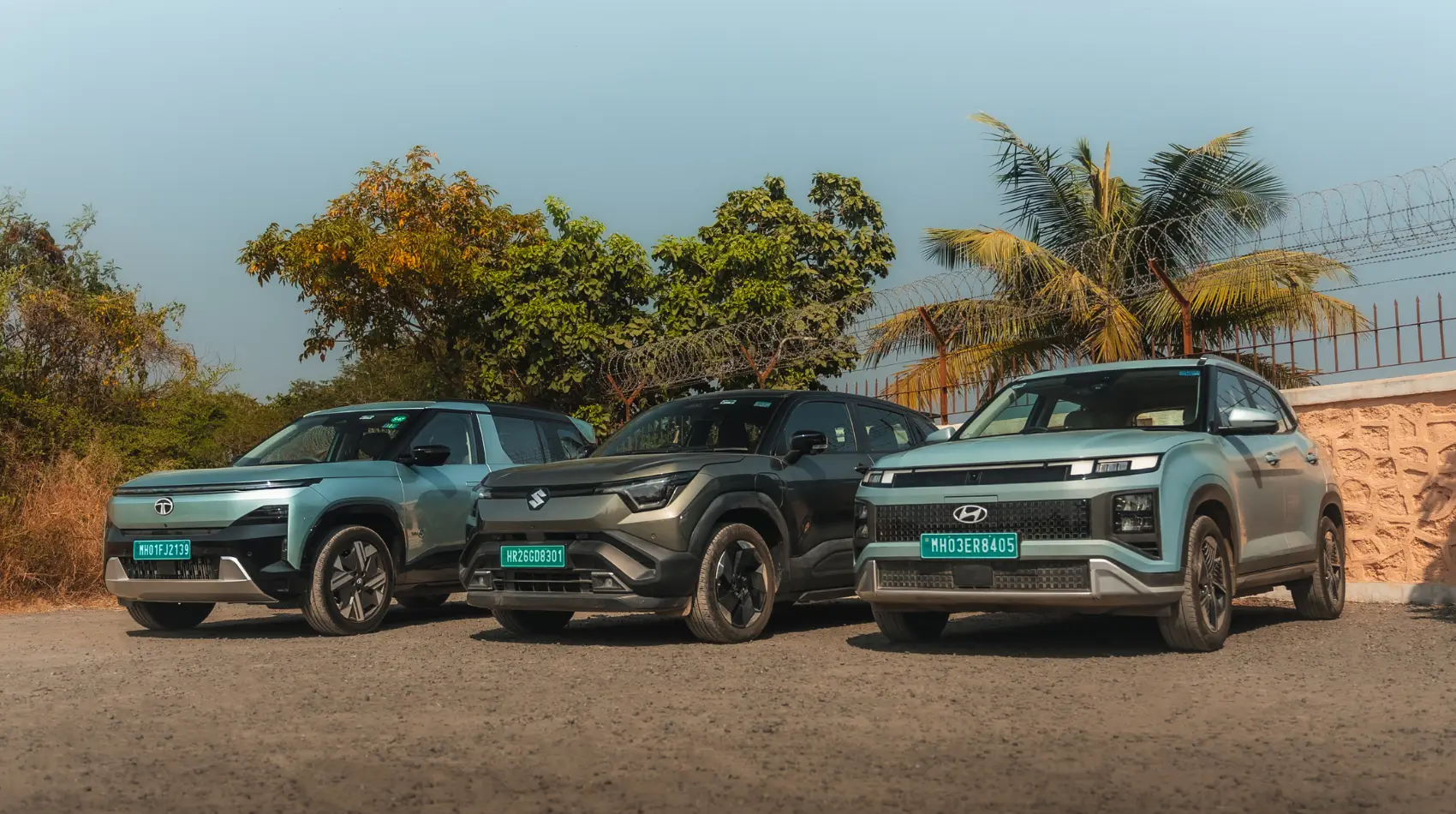
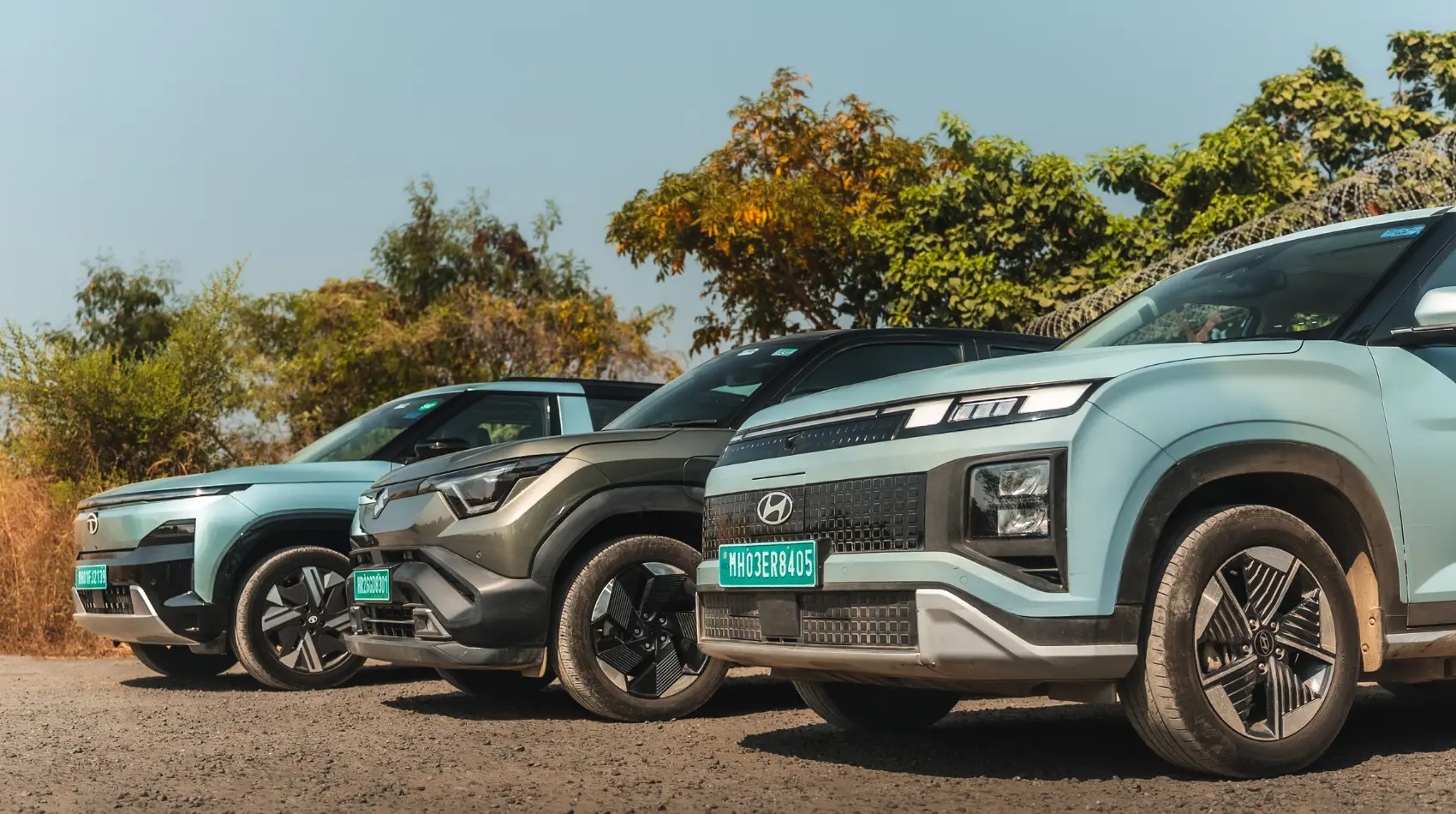
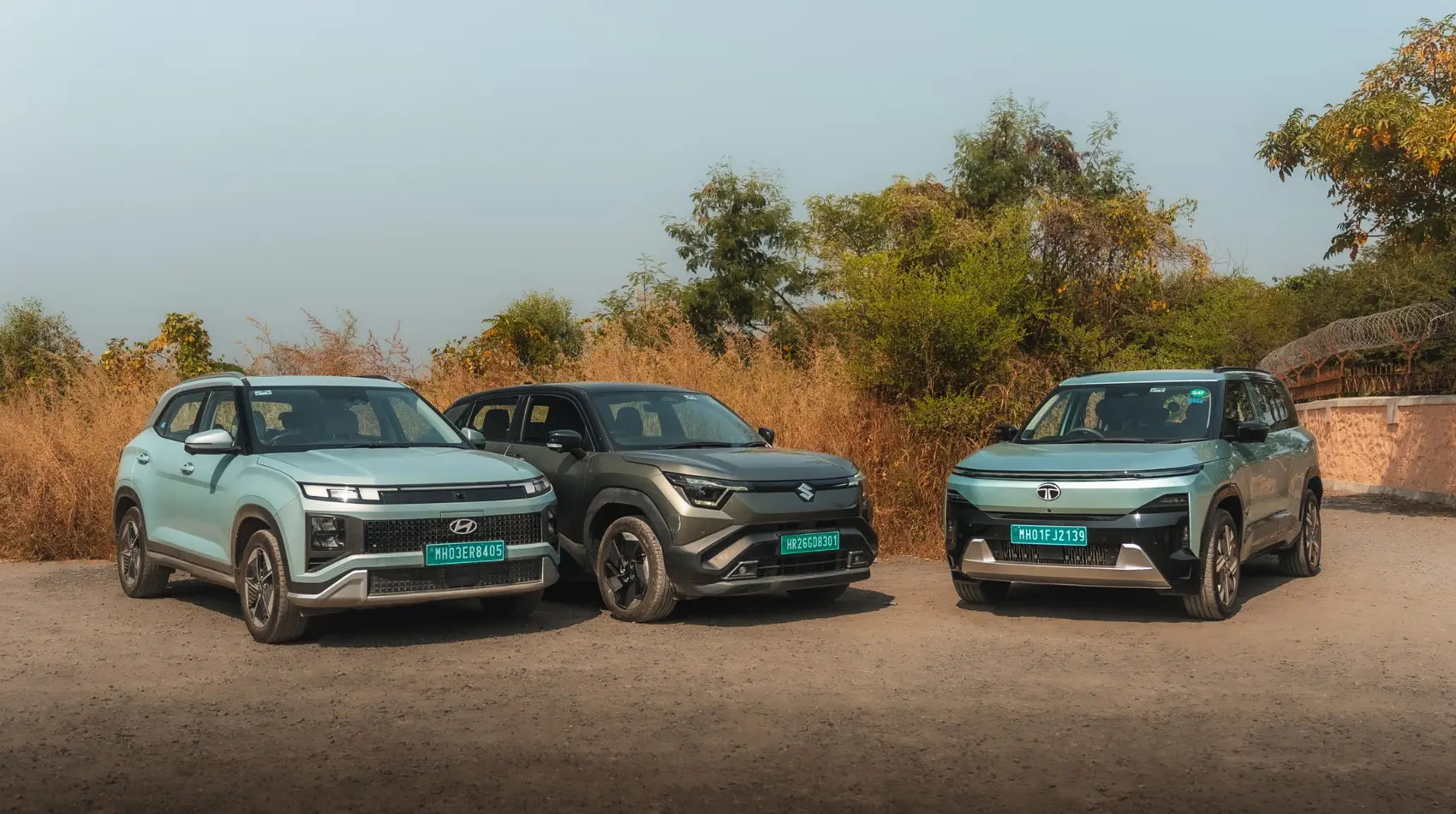
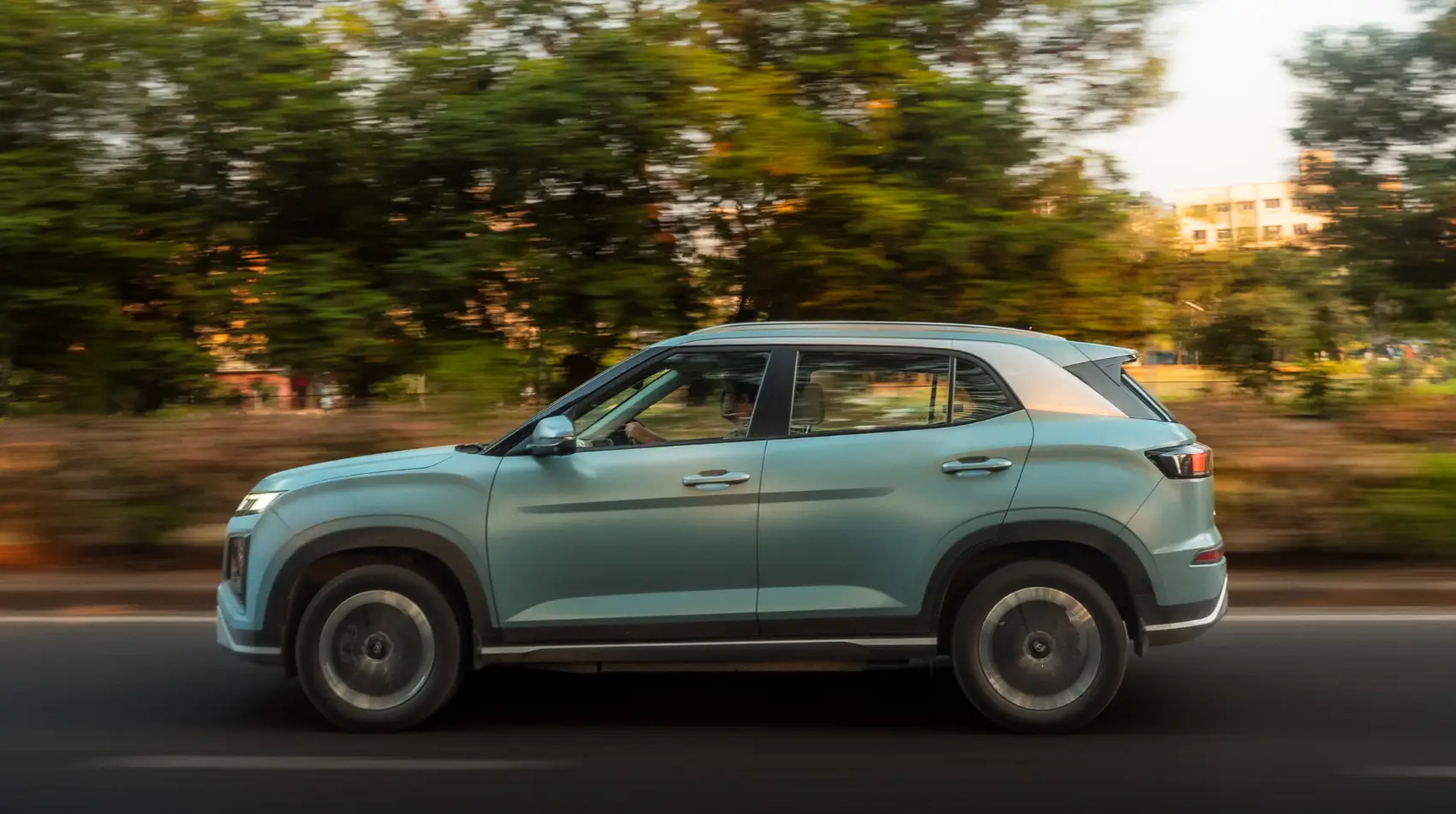
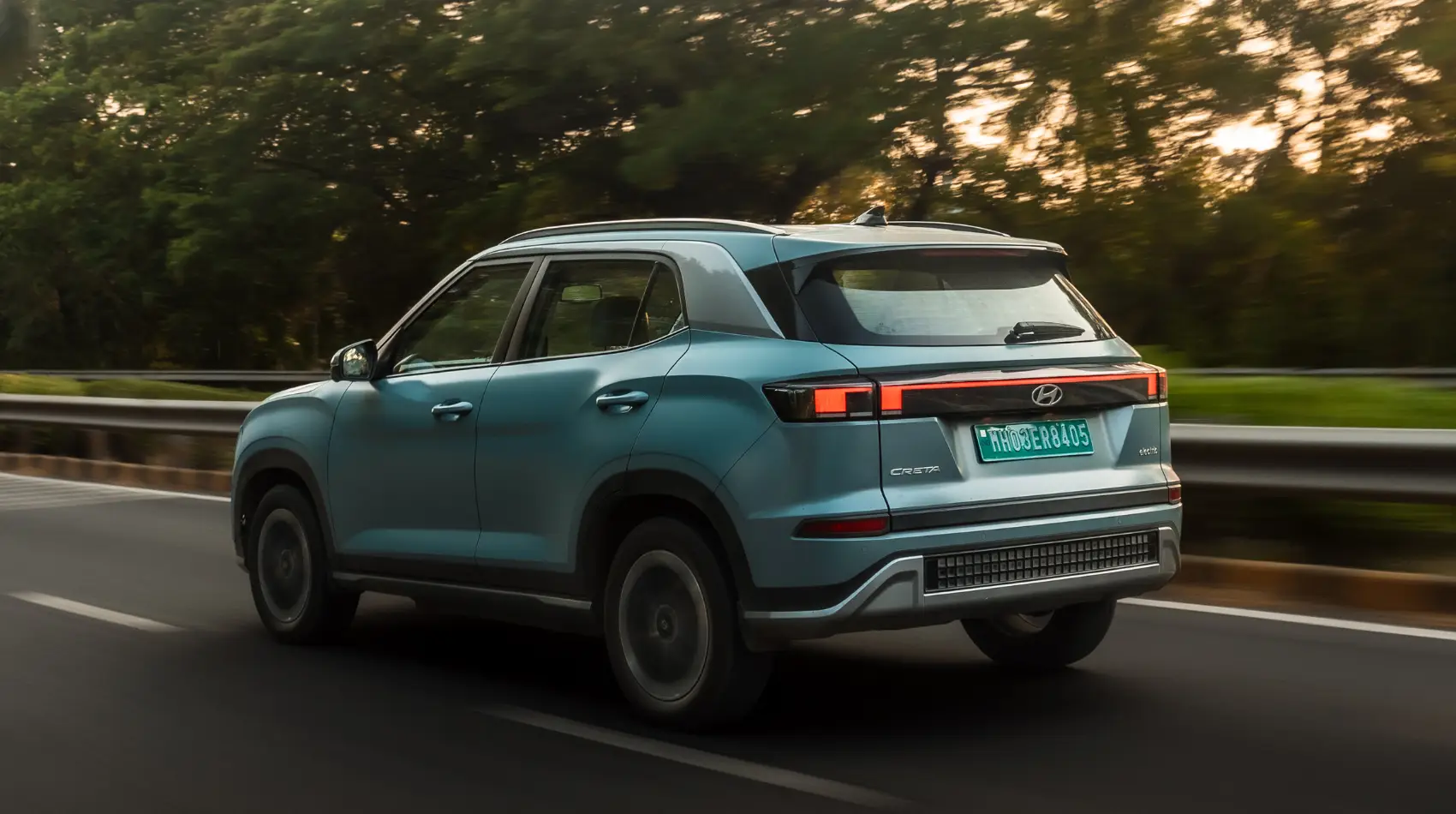
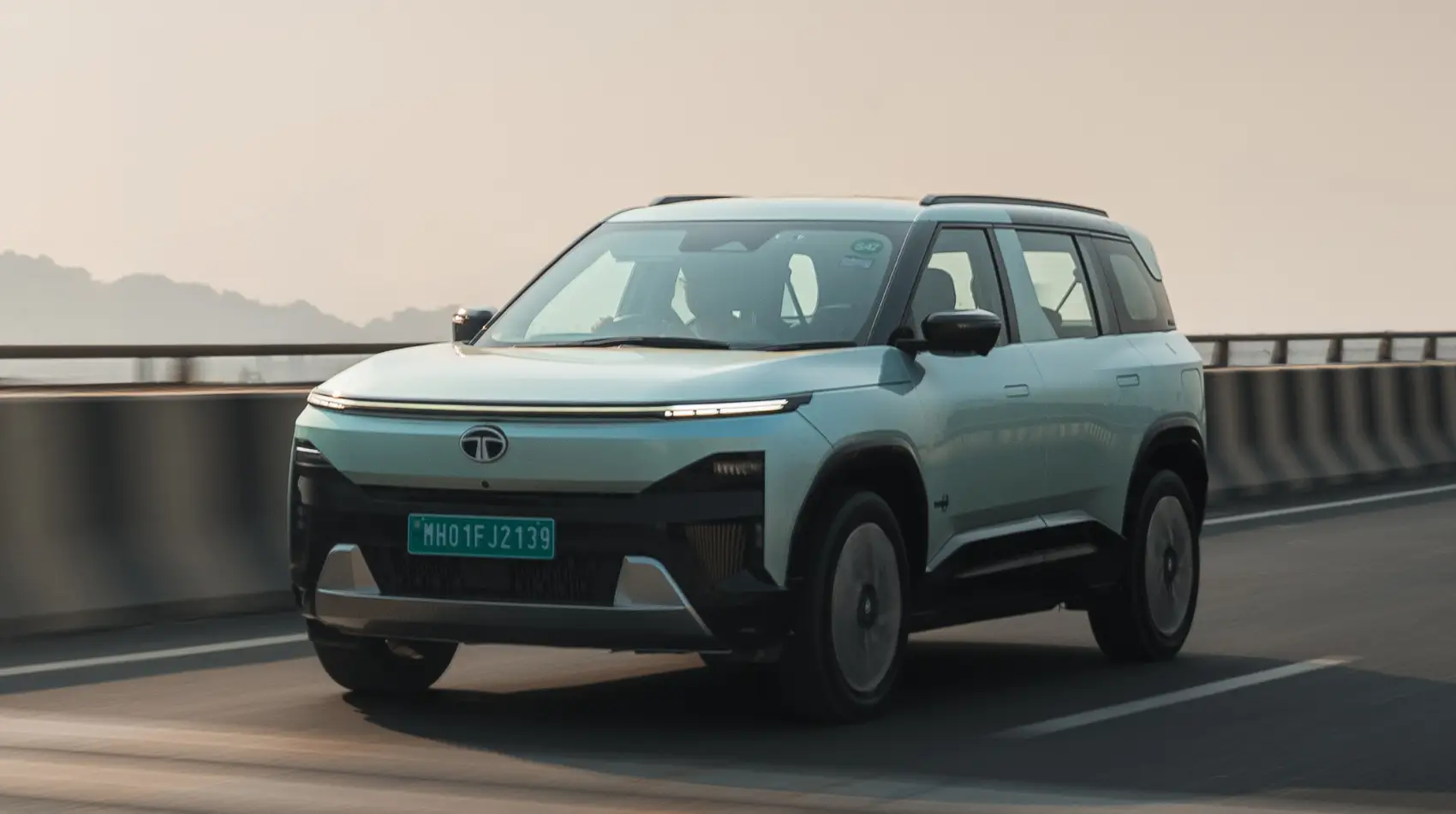
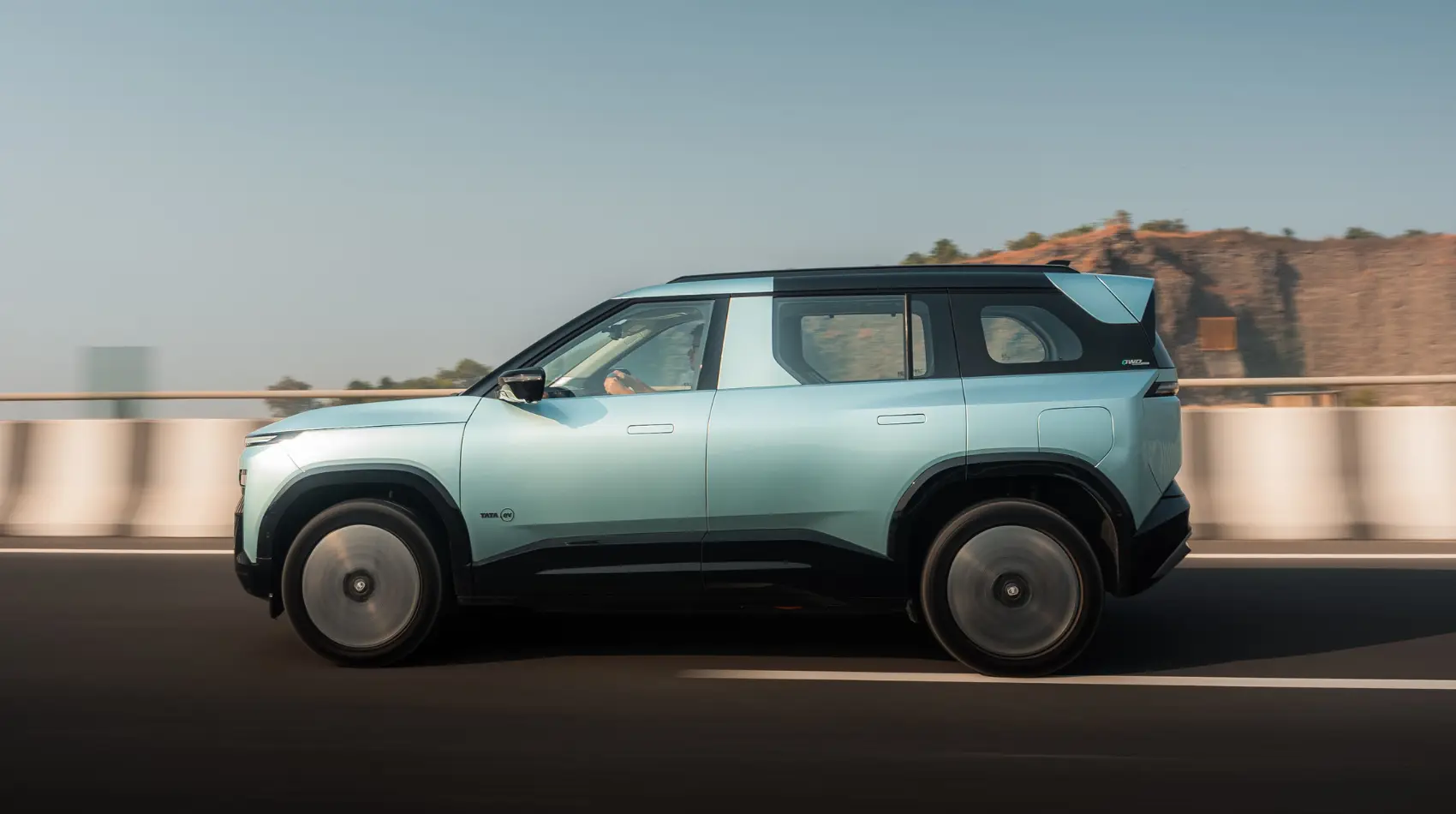
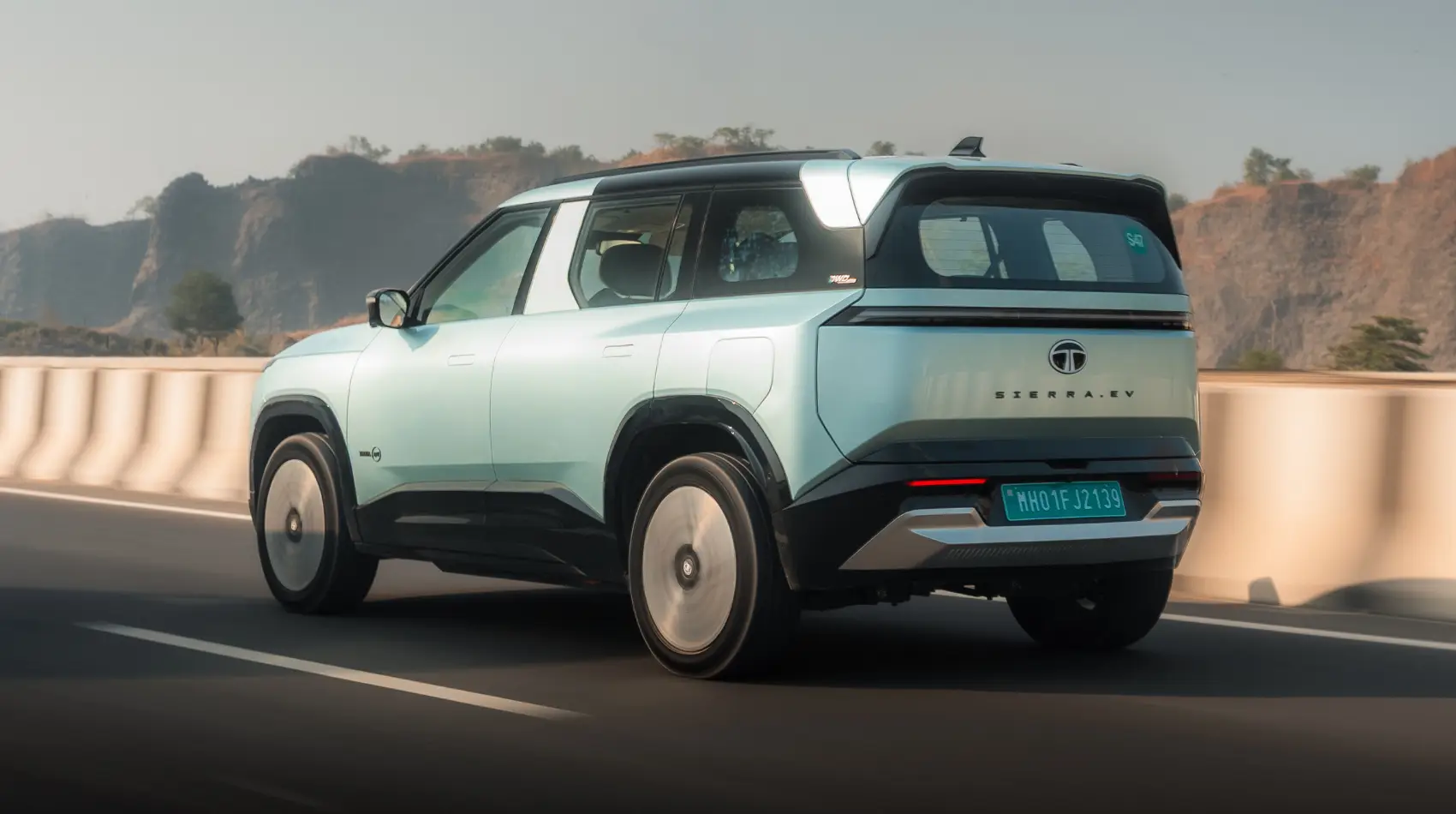
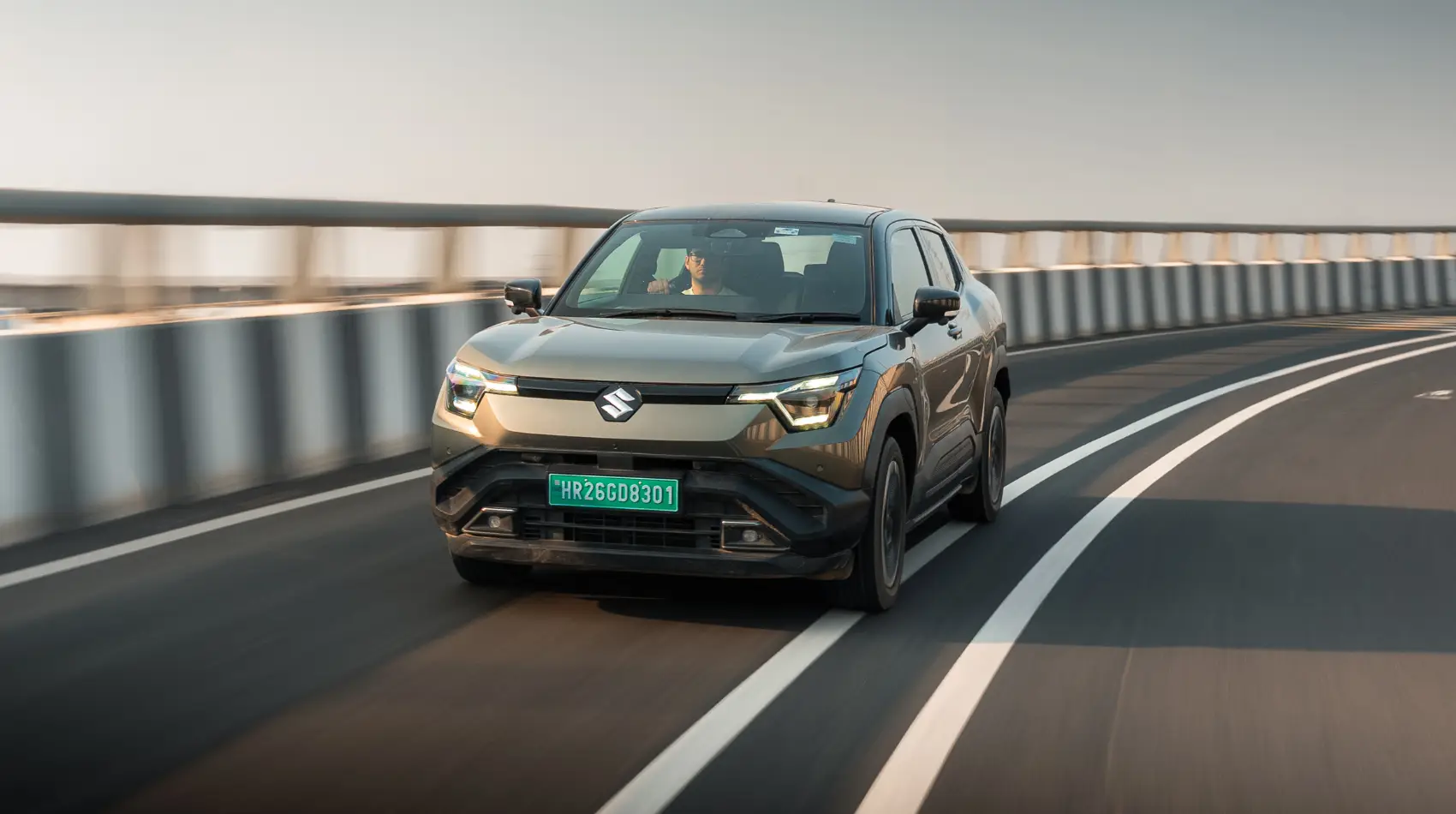
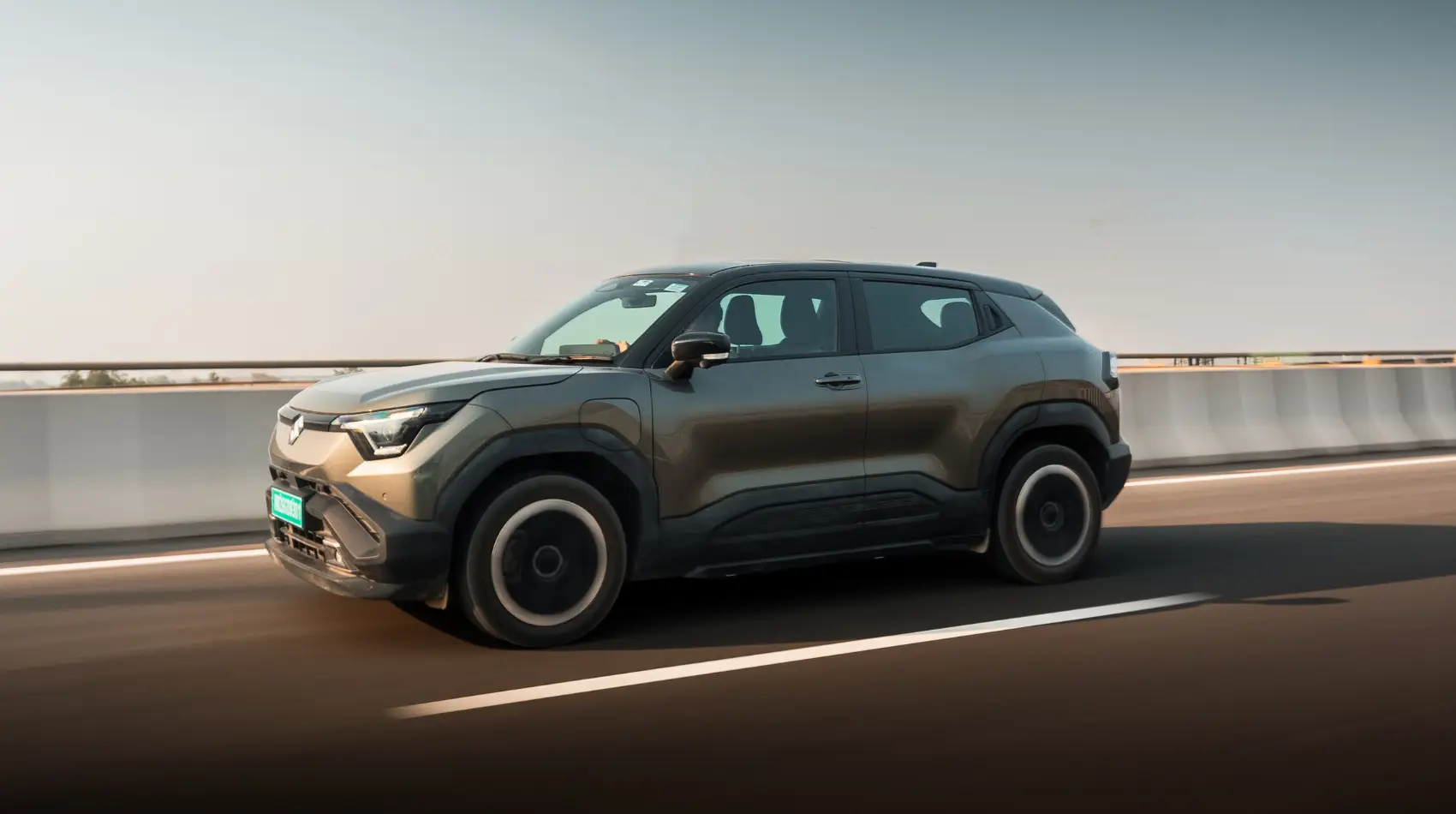
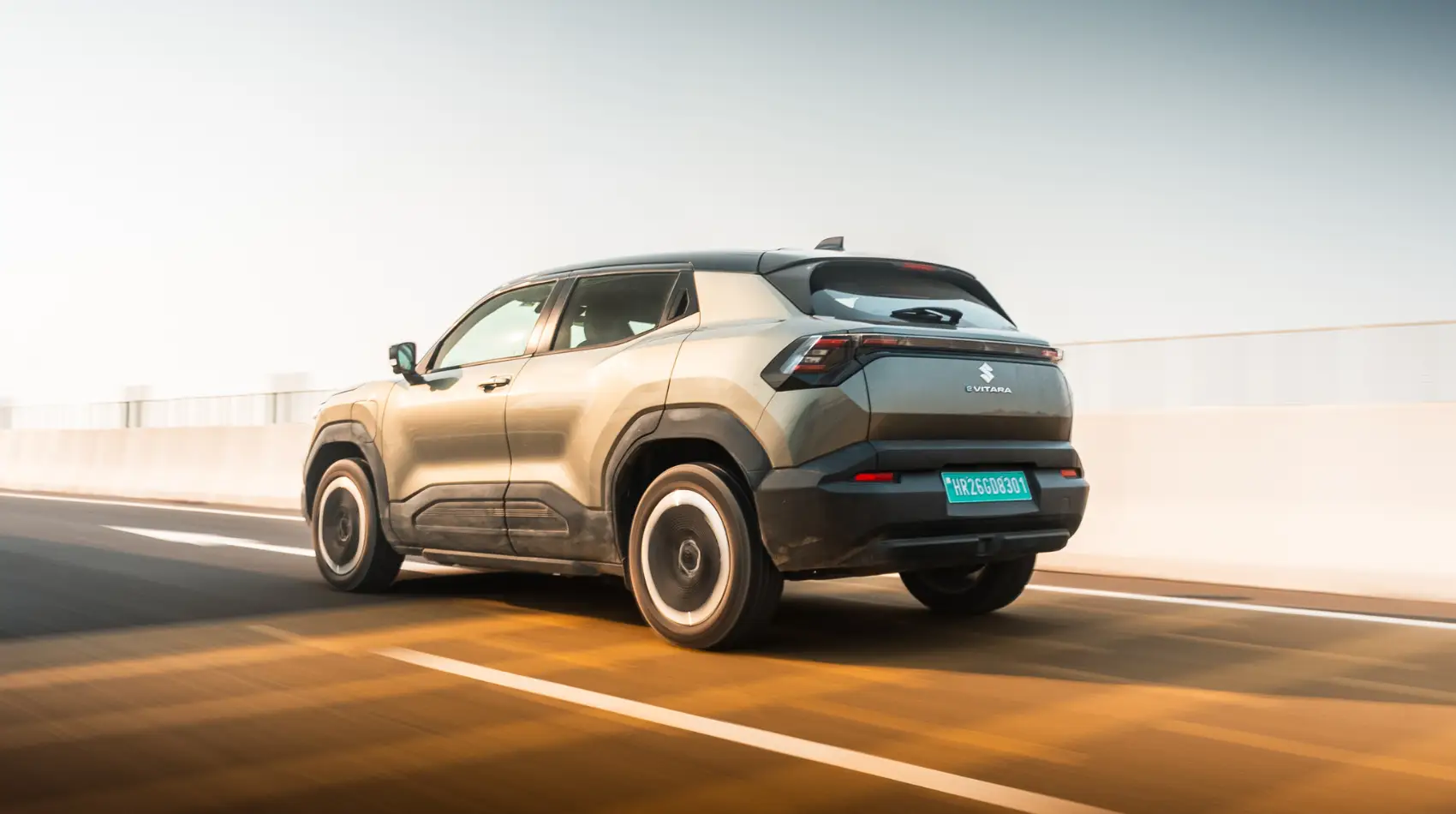
Which brings us to a rather interesting question. Can doing your bit for the environment also get you a genuinely good car? To answer that, we’ve assembled three electric family SUVs. The Maruti Suzuki eVitara, Hyundai Creta Electric and Tata Sierra EV. Three cars aimed at broadly similar buyers, but with rather different philosophies.
And before we start saving the planet, let's discuss something considerably more important to the average Indian car buyer. Money. The Maruti Suzuki eVitara starts at ₹16.19 lakh and tops out at ₹20.21 lakh. The Hyundai Creta Electric begins at ₹18.02 lakh and stretches to ₹25.22 lakh. Meanwhile, the Tata Sierra EV starts at ₹18.79 lakh and climbs to ₹26.48 lakh. These are ex-showroom prices, with batteries included, while the top-end Hyundai and Tata prices also incorporate their home-charger packages.
At the entry level, the Maruti undercuts the Hyundai by approximately ₹1.8 lakh and the Tata by ₹2.6 lakh. That's already a substantial difference. However, we're comparing the fully loaded versions, and that's where things become considerably more interesting. The most expensive Creta Electric costs approximately ₹5 lakh more than the equivalent eVitara. The Sierra commands an even larger premium of roughly ₹6.3 lakh. Six lakh rupees isn't pocket change. It's enough to buy yourself a reasonably entertaining used car, or several years' worth of electricity for your shiny new EV. Of course, the Sierra brings more hardware to the party. A larger battery, substantially more power and all-wheel drive. But does that make it six lakh rupees more car? And where does that leave the Creta Electric, which suddenly finds itself priced rather uncomfortably close to the Tata?
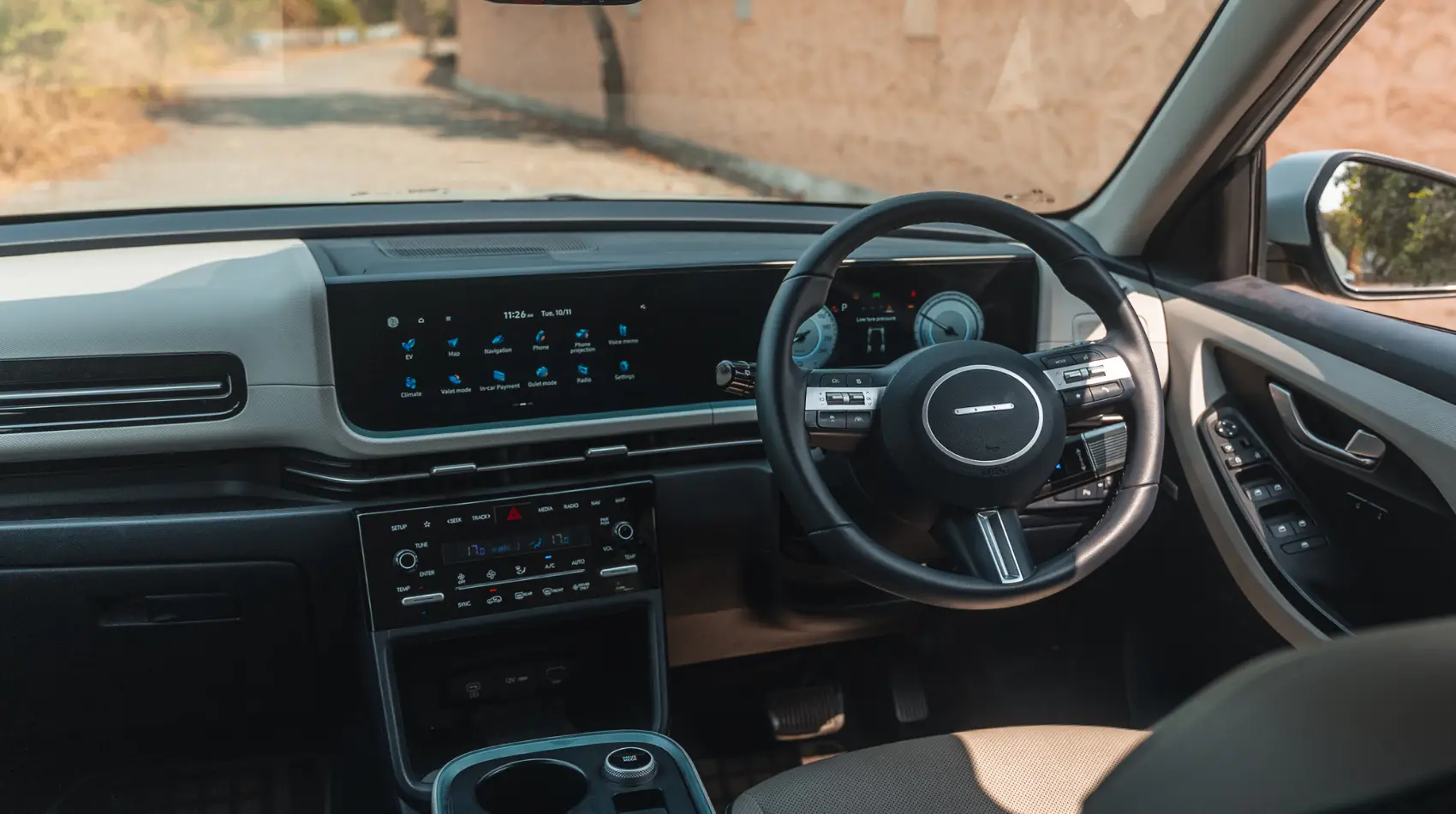
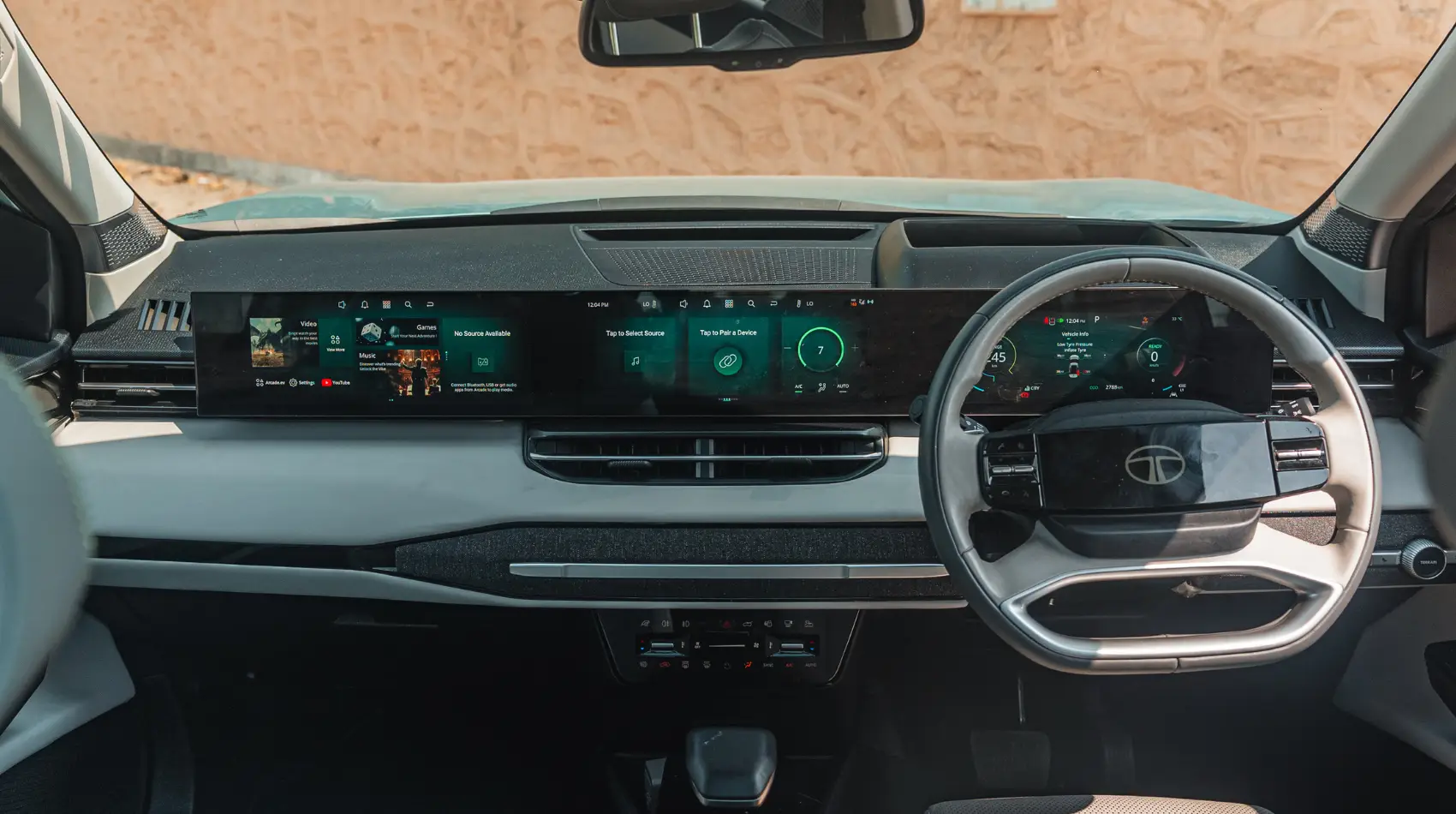
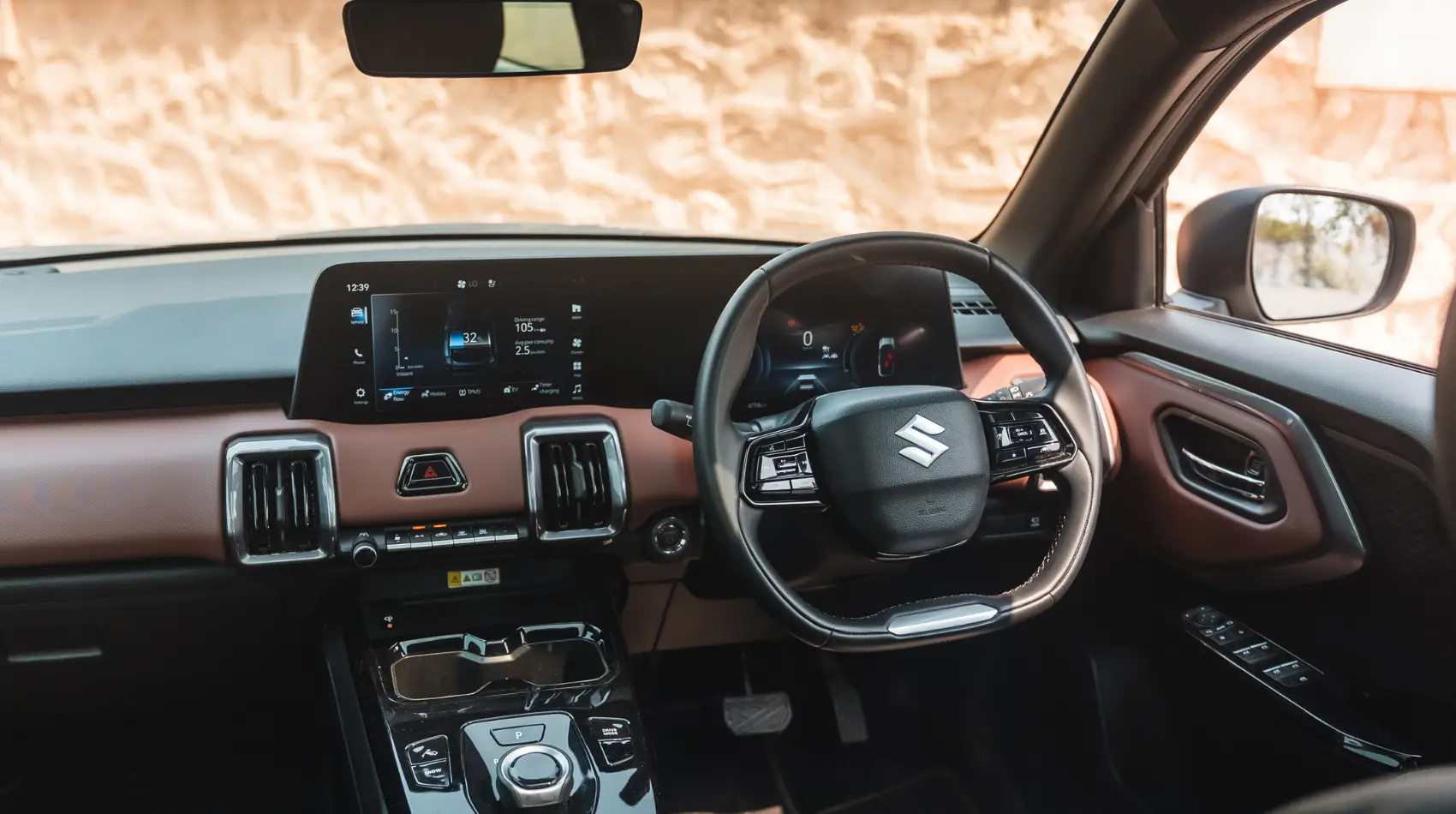
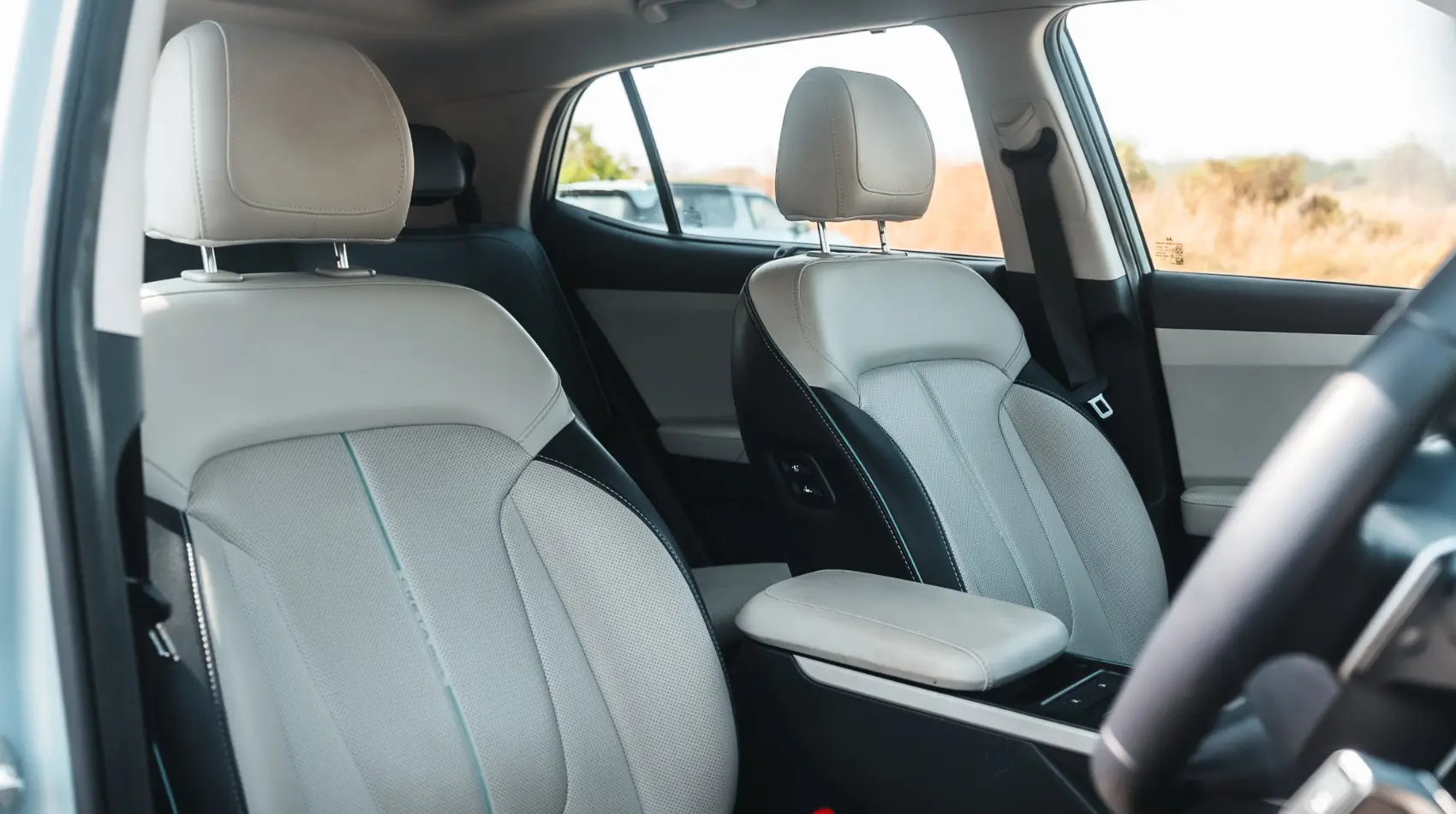
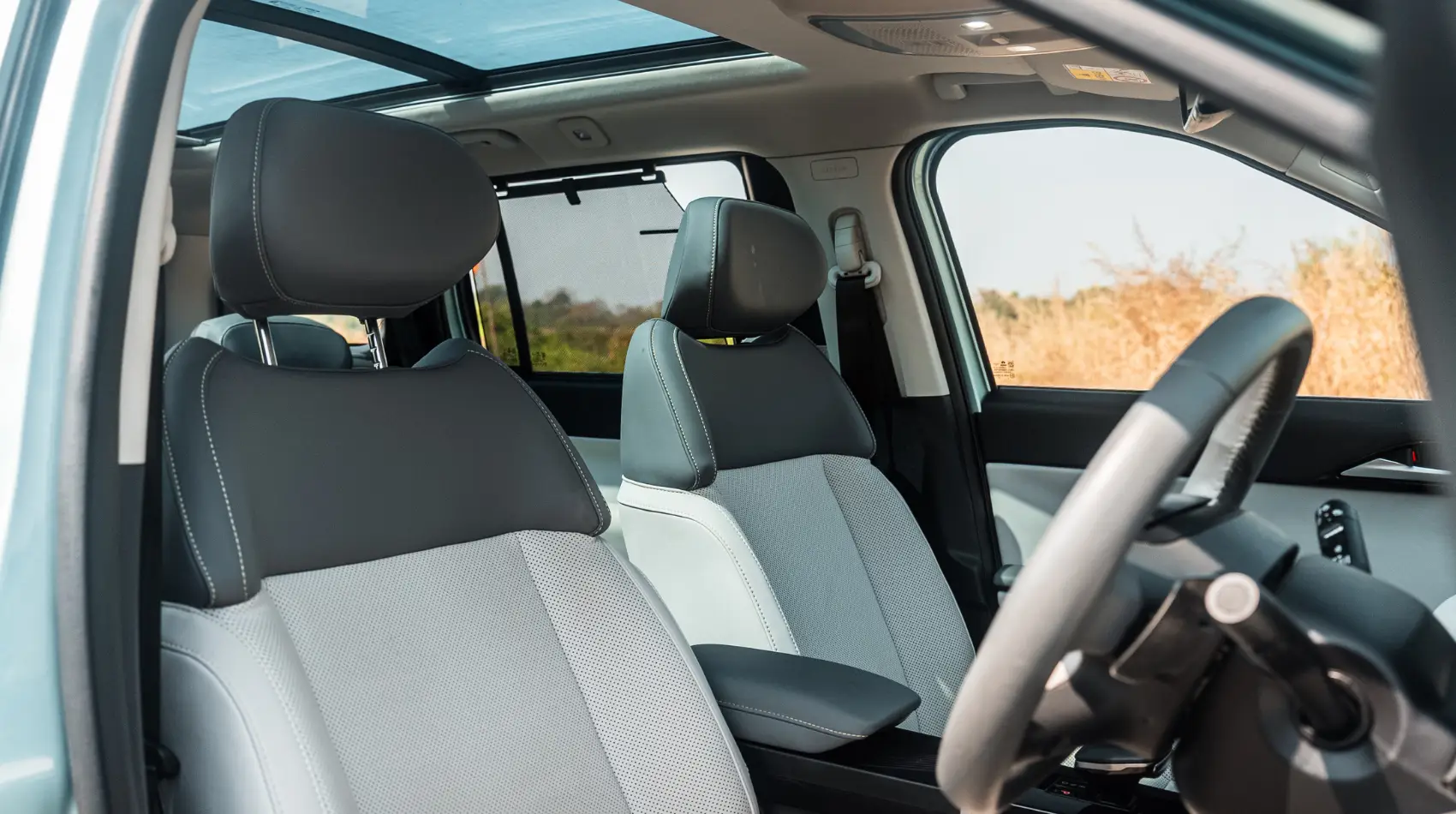
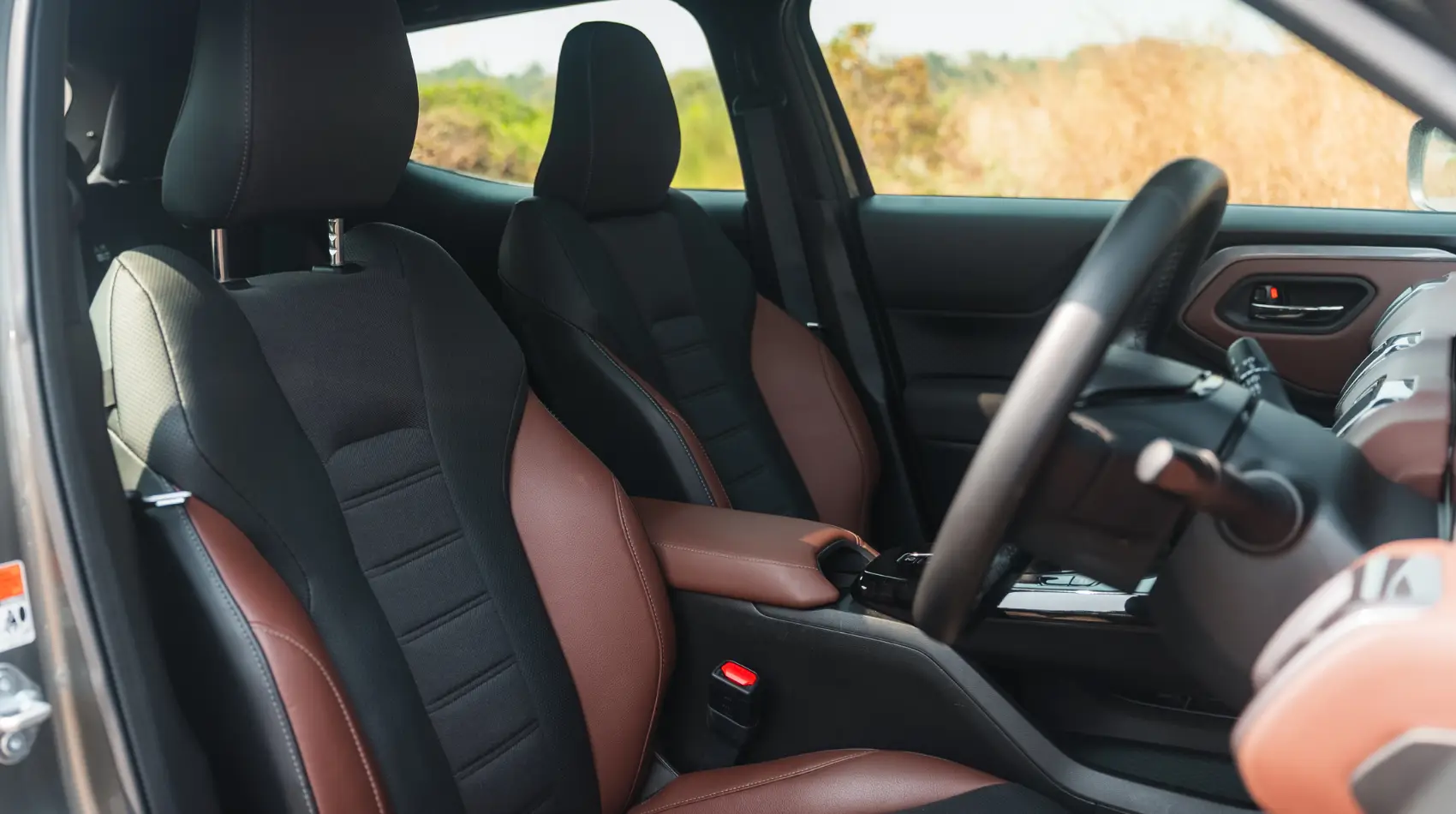
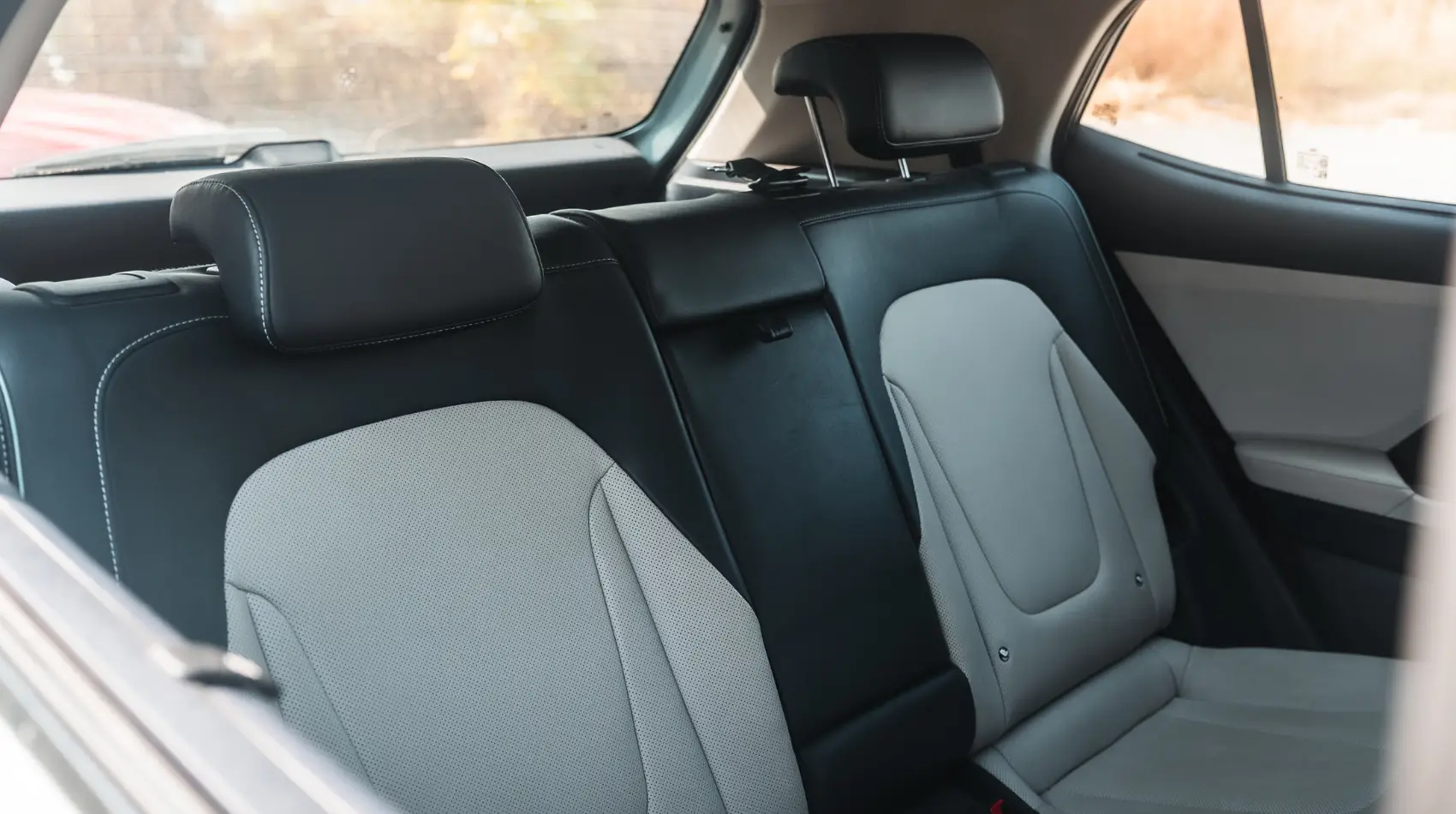
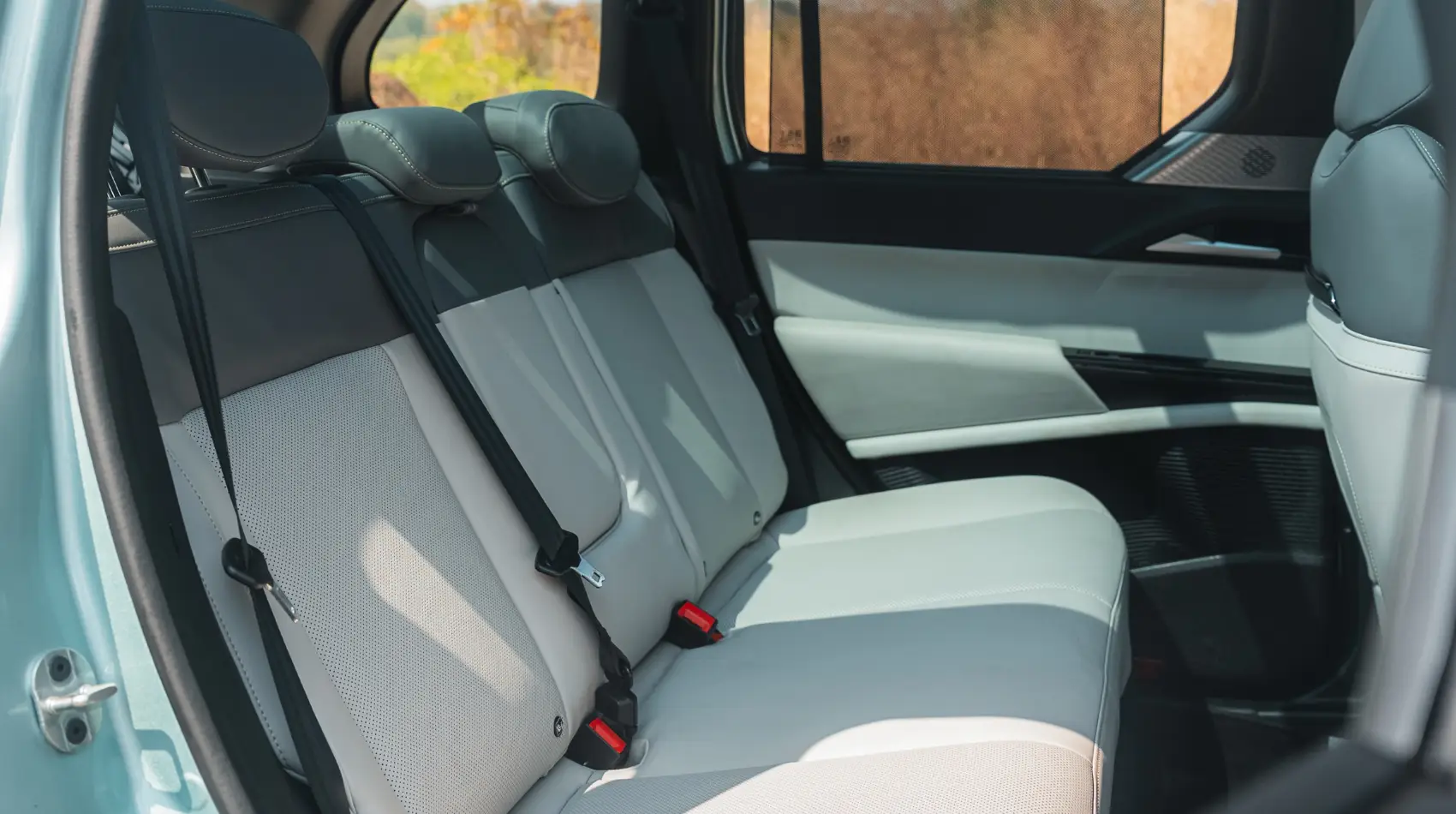
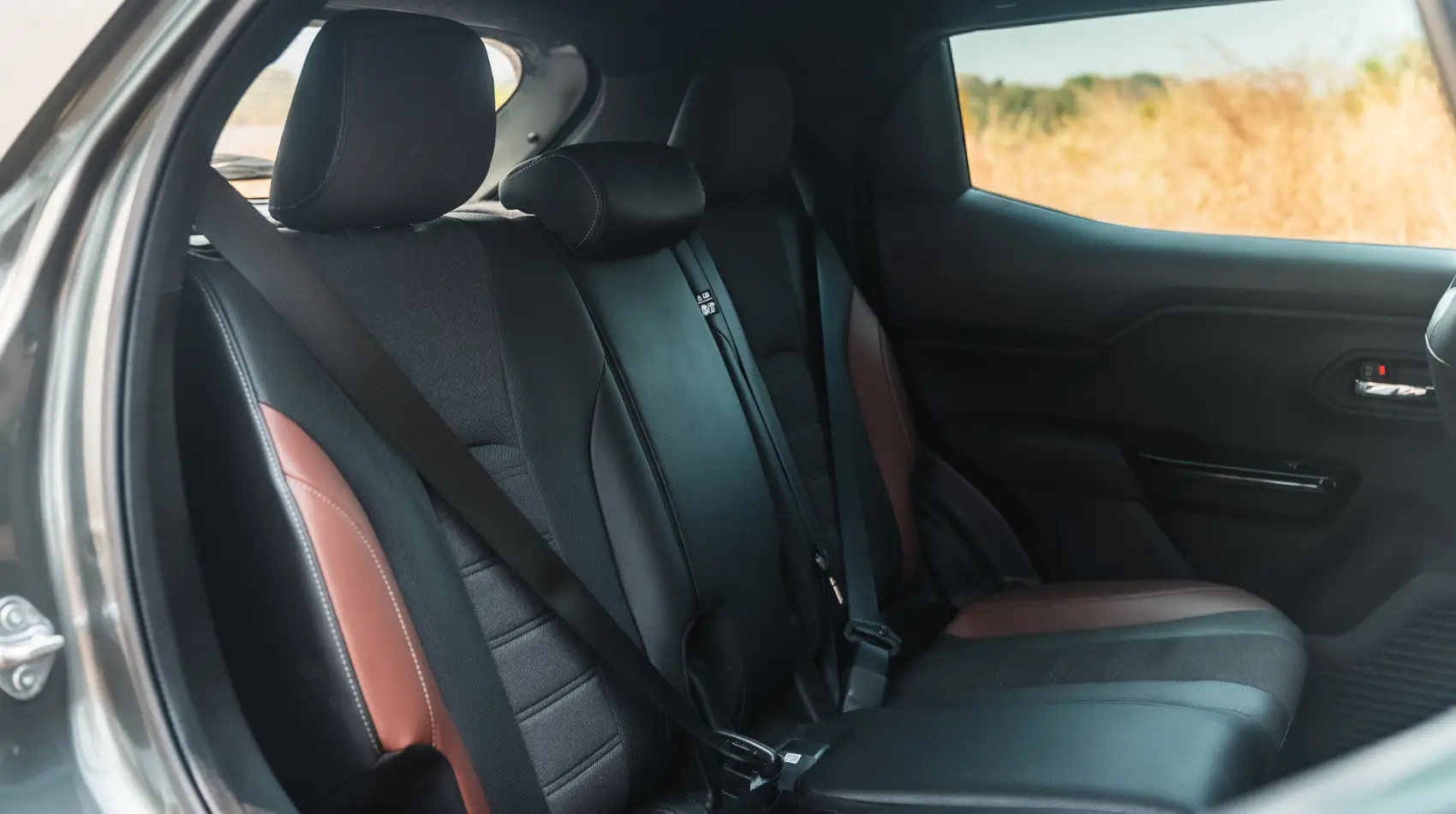
Remember the Tata Indica? Say what you will about its quality, reliability or rather agricultural diesel engine, but Tata absolutely nailed one thing. Space. The Indica was a masterclass in packaging, offering interior room that embarrassed considerably larger cars. And somewhere within Tata Motors, that philosophy clearly survived. Because the Sierra is enormous inside. Not necessarily in terms of exterior dimensions, but in the way it uses the space available. The cabin feels wide, airy and remarkably generous. There's plenty of room to stretch out, particularly in the rear, where family SUV buyers will spend considerable time. And interestingly, this isn't exclusively an EV advantage. The combustion-engined Sierra feels similarly spacious. Tata has simply done an excellent job with the underlying packaging.
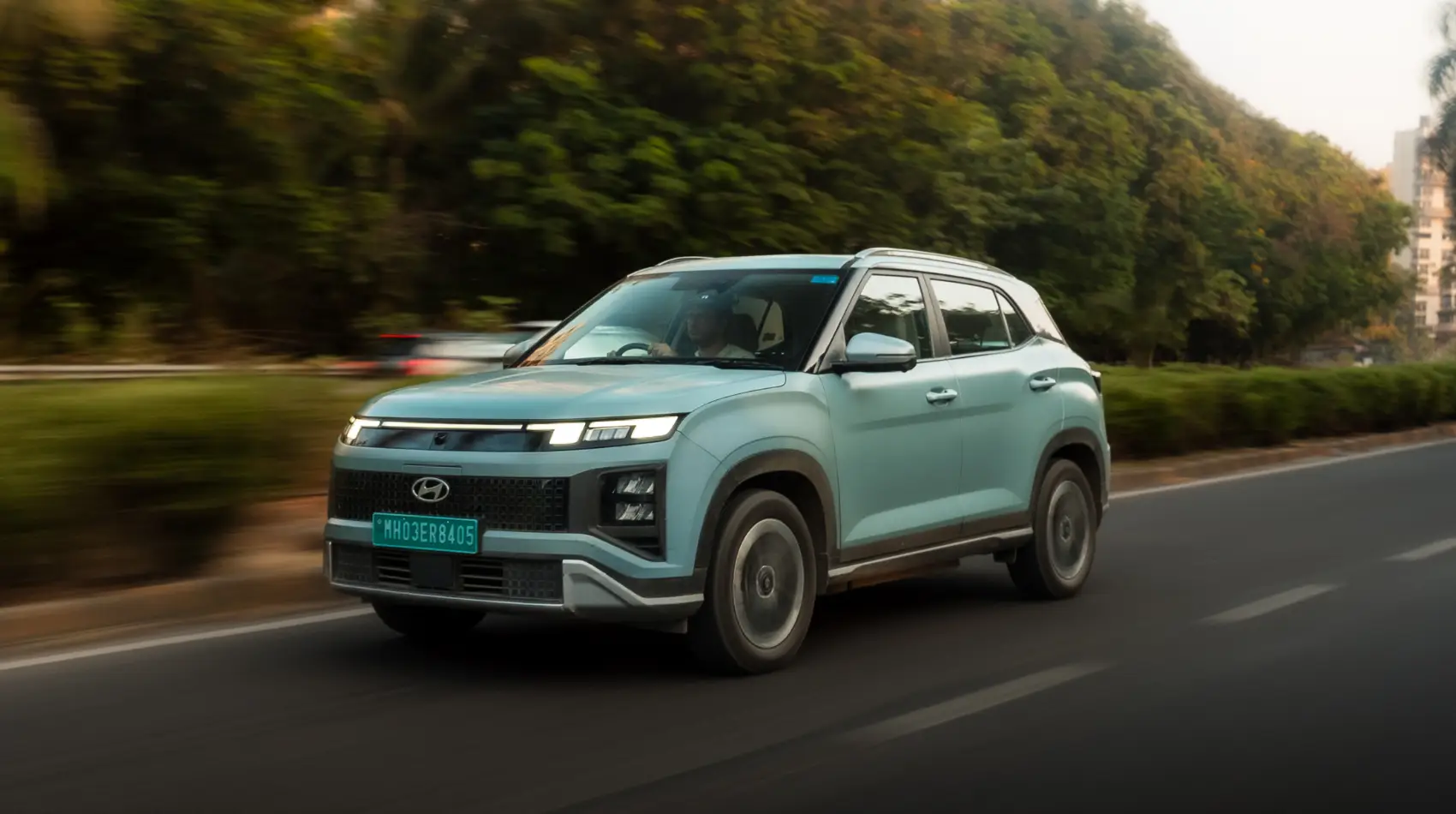
The eVitara, despite being developed as a dedicated electric vehicle, doesn't feel quite as generous. There's adequate room for a family, certainly, but you don't get that overwhelming sense of space. The Creta Electric feels the tightest of the three. To be fair, it's also based on the oldest underlying design, and its packaging reflects that. Now, interior space might not sound particularly exciting when you're discussing cars capable of producing hundreds of horsepower. But consider how most Indian families actually use their vehicles. School runs, office commutes, weekend shopping expeditions, airport transfers and the occasional highway holiday. Space matters every single day. And on that count, the Sierra establishes an early lead.
Here's an interesting way to look at electric cars. Think of them as smartphones on wheels.
How big is the battery? How long does it last? How quickly can you recharge it? And, most importantly, does it make your everyday life easier? Because let's be perfectly honest, electric cars are phenomenal tools for getting from point A to point B. They're quiet, smooth, easy to drive and remarkably effortless in traffic. And when you're crawling through Mumbai at an average speed that would embarrass a reasonably motivated pedestrian, do you really need a million horsepower?
For this comparison, we're considering the largest battery pack and most powerful version of each car. The Sierra gets a substantial 75kWh battery, with an Indian-cycle certified range of 624 kilometres in the dual-motor, all-wheel-drive configuration. The rear-wheel-drive Sierra claims an even more impressive 665 kilometres, but that's not the version we're discussing here. The eVitara uses a 61.1kWh battery and claims 543 kilometres, while the Creta Electric gets the smallest battery at 51.4kWh, yet manages a claimed 510 kilometres.
That's particularly interesting. Despite having a battery nearly 10kWh smaller than the Maruti's, the Hyundai's claimed range is only 33 kilometres lower. Clearly, battery capacity alone doesn't tell the complete story. But there's another problem. Nobody actually drives on a certification cycle. Over years of testing electric vehicles, we've generally found that real-world range can be approximately 20 percent lower than the manufacturer's claimed figure. Naturally, this varies considerably depending on driving style, temperature, traffic conditions, average speeds and air-conditioning usage. But apply that approximate reduction to our three contenders and some interesting numbers emerge. The Creta Electric should deliver around 408 kilometres, the eVitara approximately 434 kilometres and the Sierra AWD roughly 499 kilometres. These are estimates rather than measured results from this particular comparison, assuming normal mixed driving with two occupants and the air-conditioning running. Nevertheless, they provide a useful indication of what ownership might look like. And suddenly, all three appear perfectly capable of handling everyday driving duties without requiring constant charging stops.
The Sierra, however, offers the greatest theoretical flexibility. Nearly 500 kilometres between charges means even reasonably substantial highway journeys become considerably less intimidating. Of course, the larger battery also means more electricity to replenish. Which brings us to charging. On a suitable DC fast charger, the eVitara claims a 10 to 80 percent charge in 45 minutes. The Creta Electric quotes 39 minutes for the same window. The Sierra claims 26 minutes, although that's from 20 to 80 percent, making it a shorter charging window and therefore not directly comparable. All three support the convenience of home charging, which remains the biggest advantage of EV ownership. Plug in overnight, wake up with a charged battery and avoid petrol pumps altogether.
Now, let's discuss the fun stuff. The eVitara produces 174 horsepower and 193Nm of torque. The Creta Electric makes a similar 171 horsepower but considerably more torque at 255Nm. Both use a single electric motor driving the front wheels. The Sierra, meanwhile, arrives with two motors, all-wheel drive, 306 horsepower and a combined 504Nm. That's a rather substantial difference. Ordinarily, I'd argue that most people don't need all-wheel drive. For commuting, shopping and occasional highway trips, two driven wheels are perfectly adequate.
Why carry around additional hardware, complexity and weight when you're unlikely to exploit its capabilities? However, driving electric cars over the years has made me reconsider that argument. Electric motors deliver torque almost instantaneously. And while that's fantastic for acceleration, it can also create problems when the tyres struggle to translate that enthusiasm into forward motion. Particularly when all the power is being channelled through just two wheels.
Remember the original Tata Nexon EV before traction control became part of the equation? Apply the accelerator enthusiastically on a slippery surface and the front wheels could become rather animated. And then there was the original Mahindra XUV400. That thing could be an absolute bucking bronco. I remember driving one along a gravel trail and actually having a tyre come off during the run. I'm certainly not suggesting that incident proves anything about the car's engineering, but the experience remains rather firmly embedded in my memory. There was tremendous enthusiasm from the electric motor and considerably less cooperation from the surface underneath. Even in this comparison, both the Creta Electric and eVitara display a tendency towards understeer when pushed through corners.
The front ends feel relatively heavy, and the cars prefer a more measured approach to enthusiastic driving.
Of course, rear-wheel drive isn't automatically the solution either. Take the Mahindra BE 6, which we'll include in a future comparison. Its rear-driven layout can feel rather twitchy on low-grip surfaces when you get enthusiastic with the accelerator. Which brings us back to the Sierra.
With two motors distributing torque across four wheels, there's considerably more opportunity to deploy the available performance effectively. All-wheel drive doesn't magically manufacture grip, and good tyres remain absolutely essential. But spreading 504Nm across four contact patches rather than two makes a compelling argument. And the benefit isn't necessarily about climbing mountains or tackling muddy trails. It's about confidence, traction and putting power down more cleanly on ordinary roads. Do you need all-wheel drive in an electric family SUV? Absolutely not. But with this much performance available, I can certainly understand why you'd want it.
There's another interesting distinction between these three cars. The eVitara and Sierra use lithium iron phosphate batteries, commonly called LFP. The Creta Electric uses nickel manganese cobalt chemistry, or NMC. Now, before your eyes glaze over, this is actually relevant to long-term ownership. LFP batteries generally offer excellent thermal stability, potentially longer cycle life and relatively affordable manufacturing costs. NMC batteries, meanwhile, typically offer greater energy density, allowing manufacturers to package more energy into a smaller, lighter battery. Neither technology is universally superior. And battery chemistry alone doesn't determine longevity. Thermal management, charging habits and battery-management software all play significant roles. What matters is that both approaches are well-established technologies, and neither should automatically be considered a deal-breaker.
Then there is ride quality. This is another part of the car buying process that totally makes or breaks a car. There are several people I know who would not buy a Creta despite it being a superior product because of its ride quality. When it comes to EVs, we have always had heavier cars and thus stiffer sprung cars in general. The same is the case with the Creta EV. Definitely the more stiffer of the three here. The standard Vitara has the benchmark in the ICE space, in the case of the EVs, it doesnt. It feels almost a little loose sometimes, especially if you are sitting at the back. The absolute benchmark in this though is again, the Sierra. In fact, Tata is known to get their suspension setup really right with a lot of vehicles, and with this one too, they have. This is one of the few EVs I have driven in recent times where one does not feel the weight of the car so obviously. And with the all-wheel-drive, it also handles the best.
Specifications are wonderful things. They're easy to compare, easy to argue about and fantastic ammunition for internet comment sections. But cars are considerably more than collections of numbers. And having spent time with these three, the differences become fairly obvious.
The eVitara makes its strongest argument through affordability. It offers respectable performance, useful range and the reassurance of the Maruti Suzuki badge while costing substantially less than its rivals. The Creta Electric remains a familiar, comfortable and thoroughly usable family SUV. But its biggest problem is pricing. Once you start approaching ₹25 lakh, the competition becomes considerably more serious.
And then there's the Sierra. It's the roomiest, the most powerful and, in my experience, the best riding of the three. Its regenerative braking calibration also feels particularly well judged, making everyday driving remarkably intuitive. Add the larger battery, superior estimated range and the additional traction of all-wheel drive, and the Tata begins to justify its premium. Is it perfect? Of course not. And is it six lakh rupees better than the Maruti for absolutely everyone? Certainly not. If your priority is sensible, affordable electric motoring, the eVitara makes an excellent argument.
But if you're looking for the most complete family SUV here, the Sierra is difficult to ignore. Yes, it's the most expensive. It bloody well should do more. The important thing is that it actually does. We began by comparing electric cars to smartphones on wheels. Battery sizes, charging speeds, software and range figures. But somewhere along the way, it's easy to forget that we're still buying cars. And ultimately, the best electric car should also be the BEST CAR. In this comparison, that's the Tata Sierra EV.