
Vinfast
Reviews/ First Drive/ 2026 Skoda Kushaq | First Drive Review

2026 Skoda Kushaq | First Drive Review

It is worth asking a simple question before we begin. What, exactly, is a car supposed to do in 2026?

The answers seem simple. It must be efficient, safe, connected and well-equipped. It should have large screens, preferably multiple and a long list of features that make daily use easier. It should assist the driver, correct mistakes and, when required, intervene. That is what progress looks like today.

And yet, somewhere in that pursuit of progress, something rather important has been diluted. The idea that a car is not merely something you operate, but something you experience. Something that responds to you, communicates with you and occasionally rewards you.

The Skoda Kushaq has always leaned in that direction. It skips the theatrics and gets straight to what matters, the way it drives. With this facelift, it enters a market that has moved forward rapidly, but it does so without abandoning that core identity.

Skoda has played this one smart. Load up the base, bring in the 8-speed auto, add a few headline features like rear-seat massagers and call it a better value across the board. It is a clear attempt to widen the appeal without changing the core. 

Sharper suit

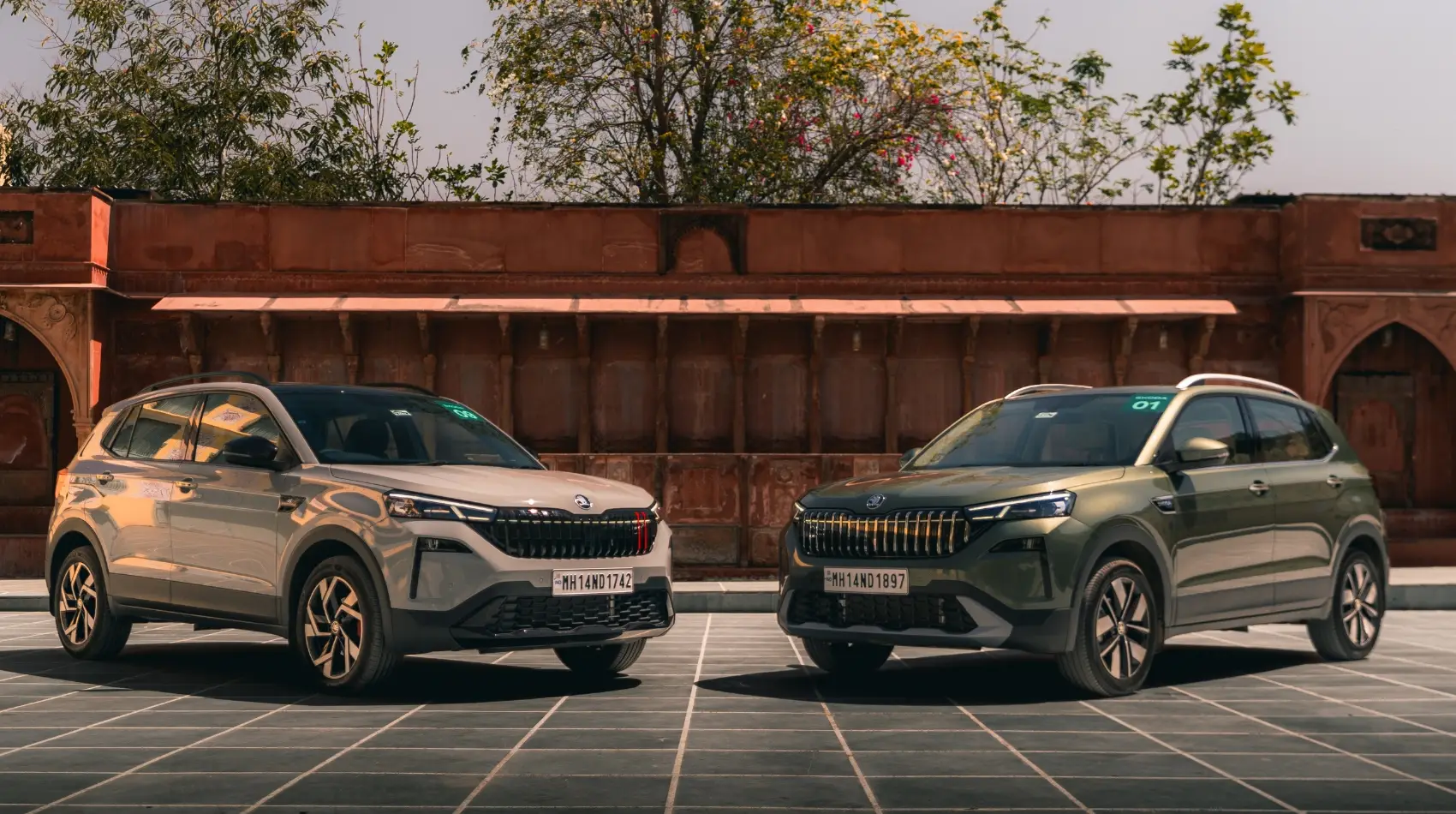
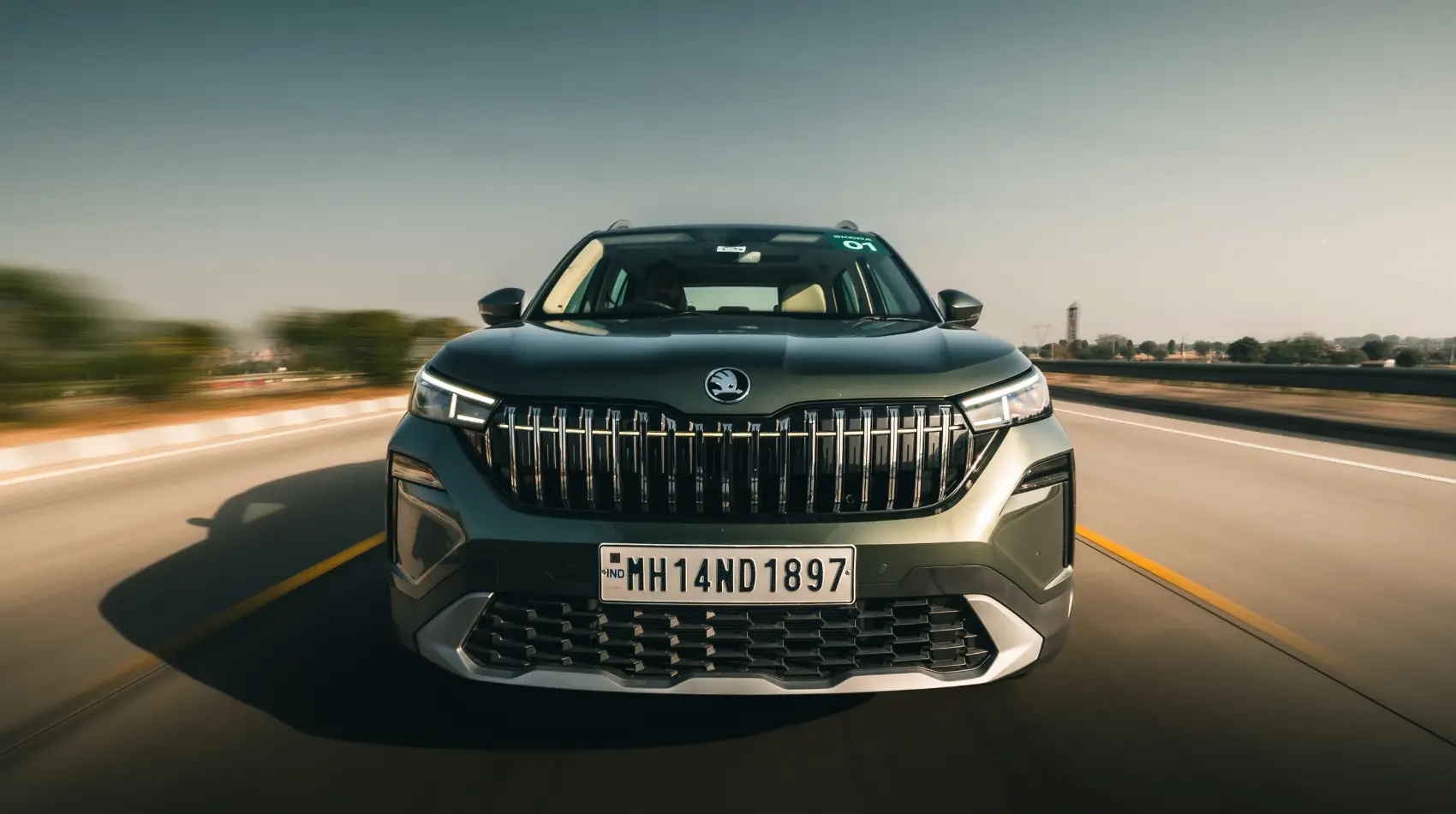
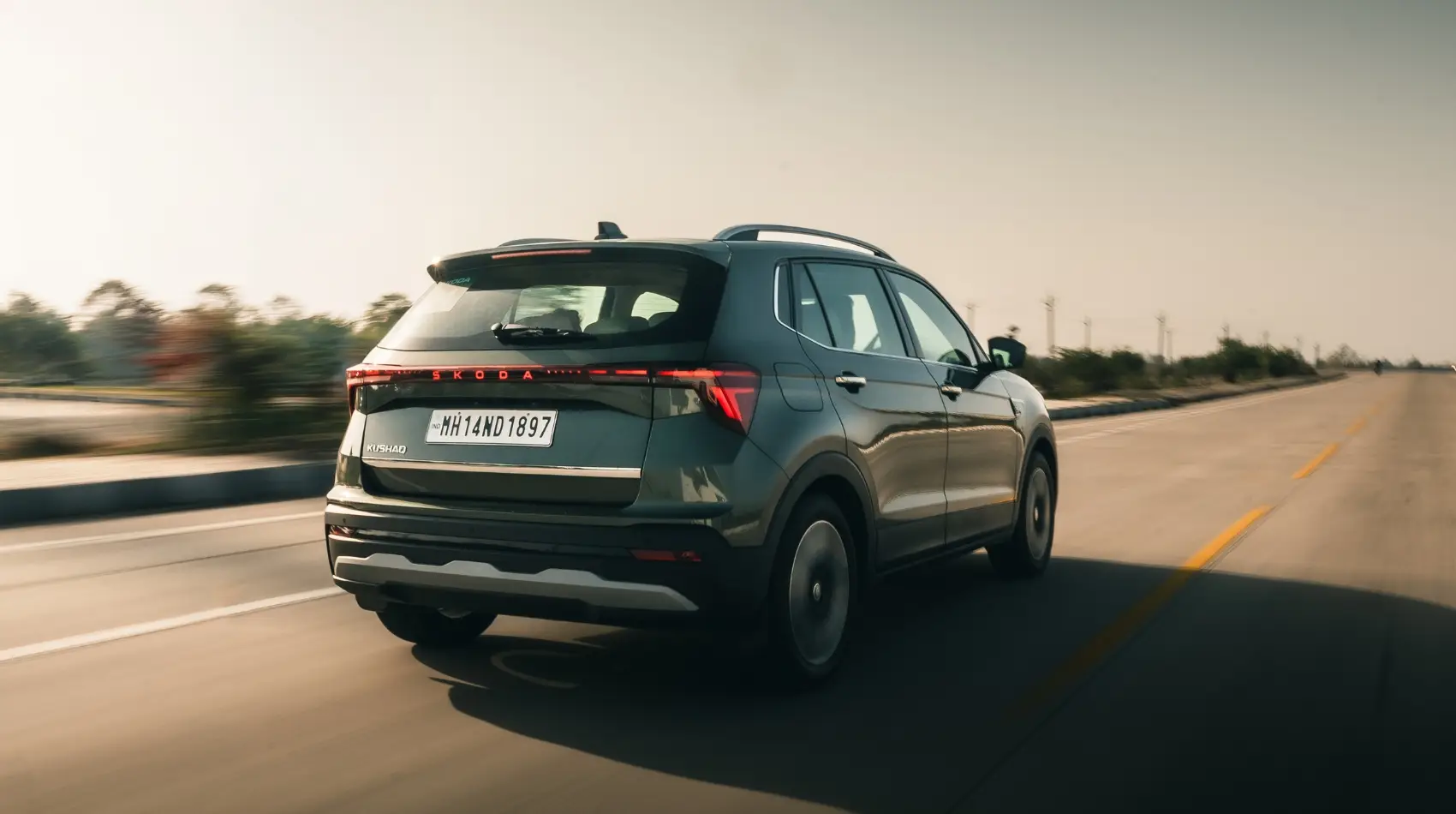
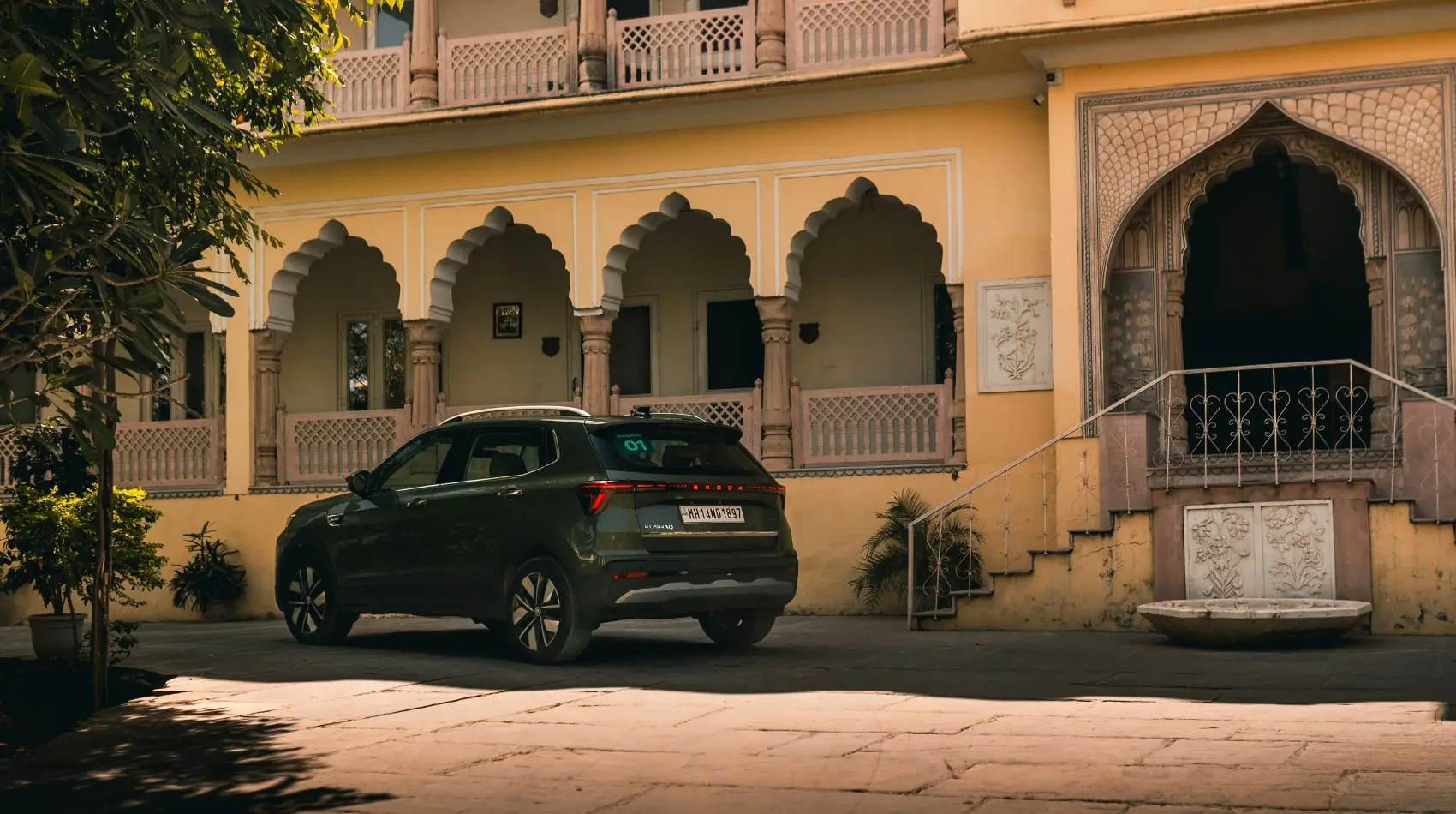
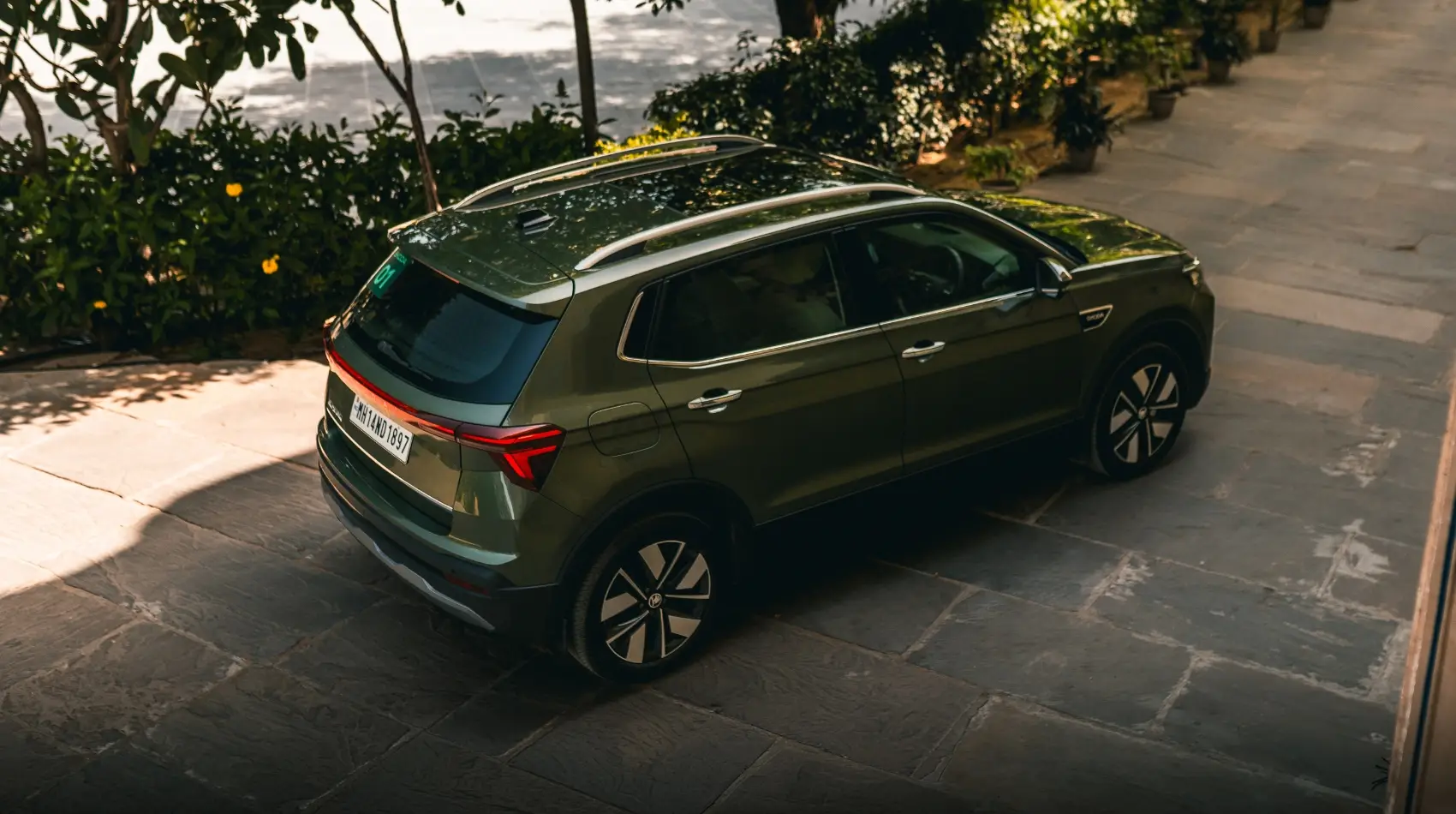
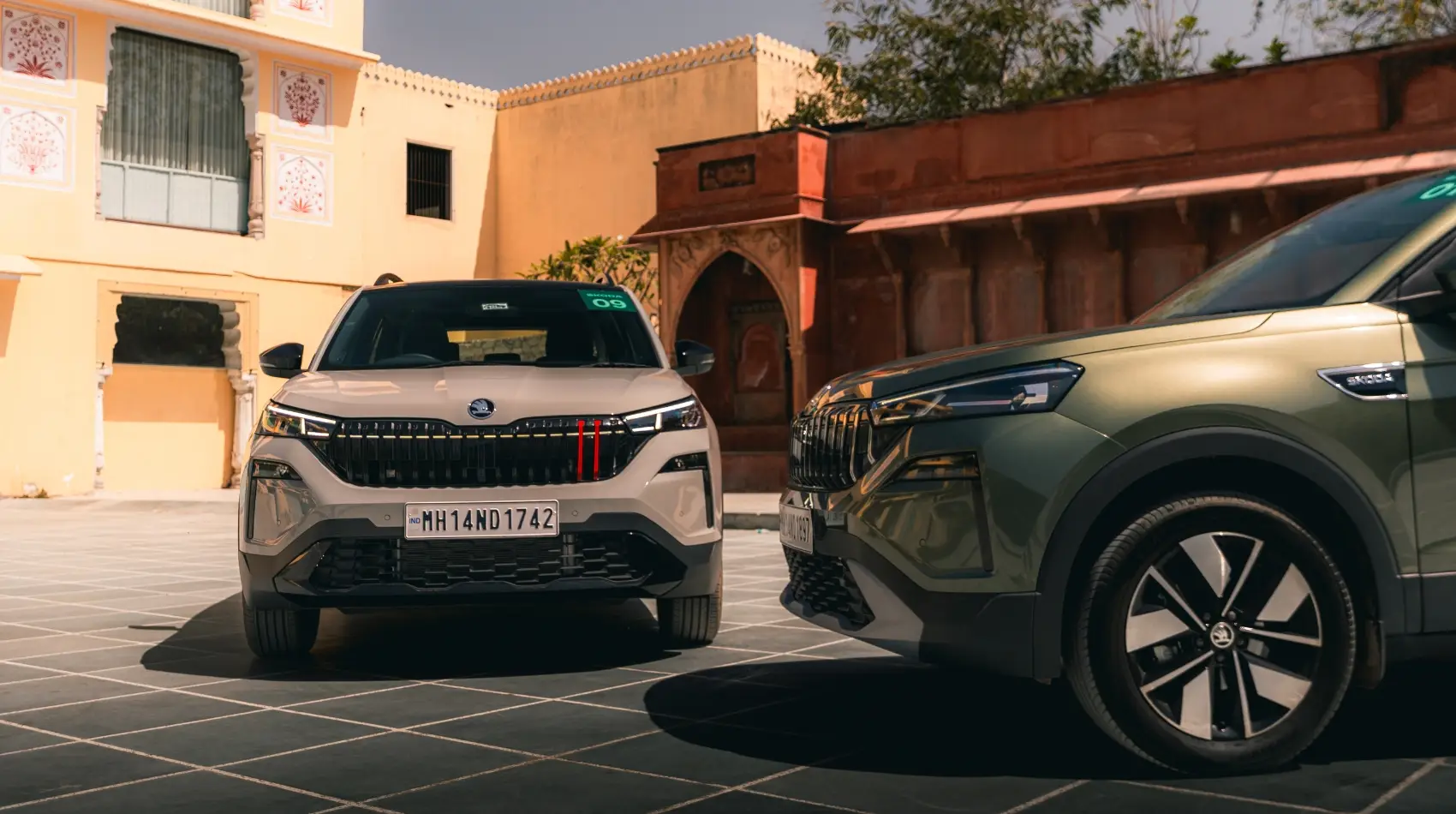
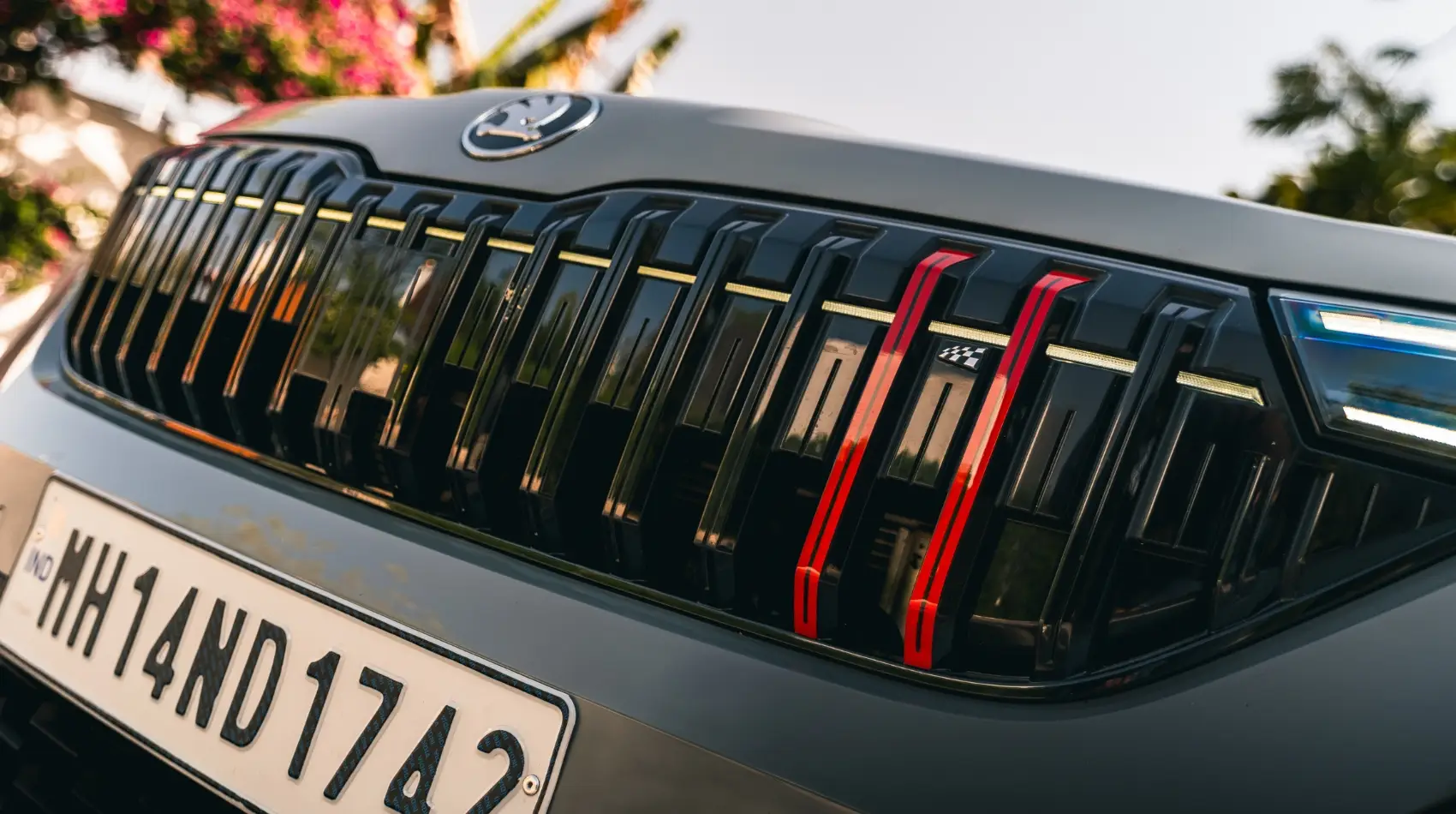
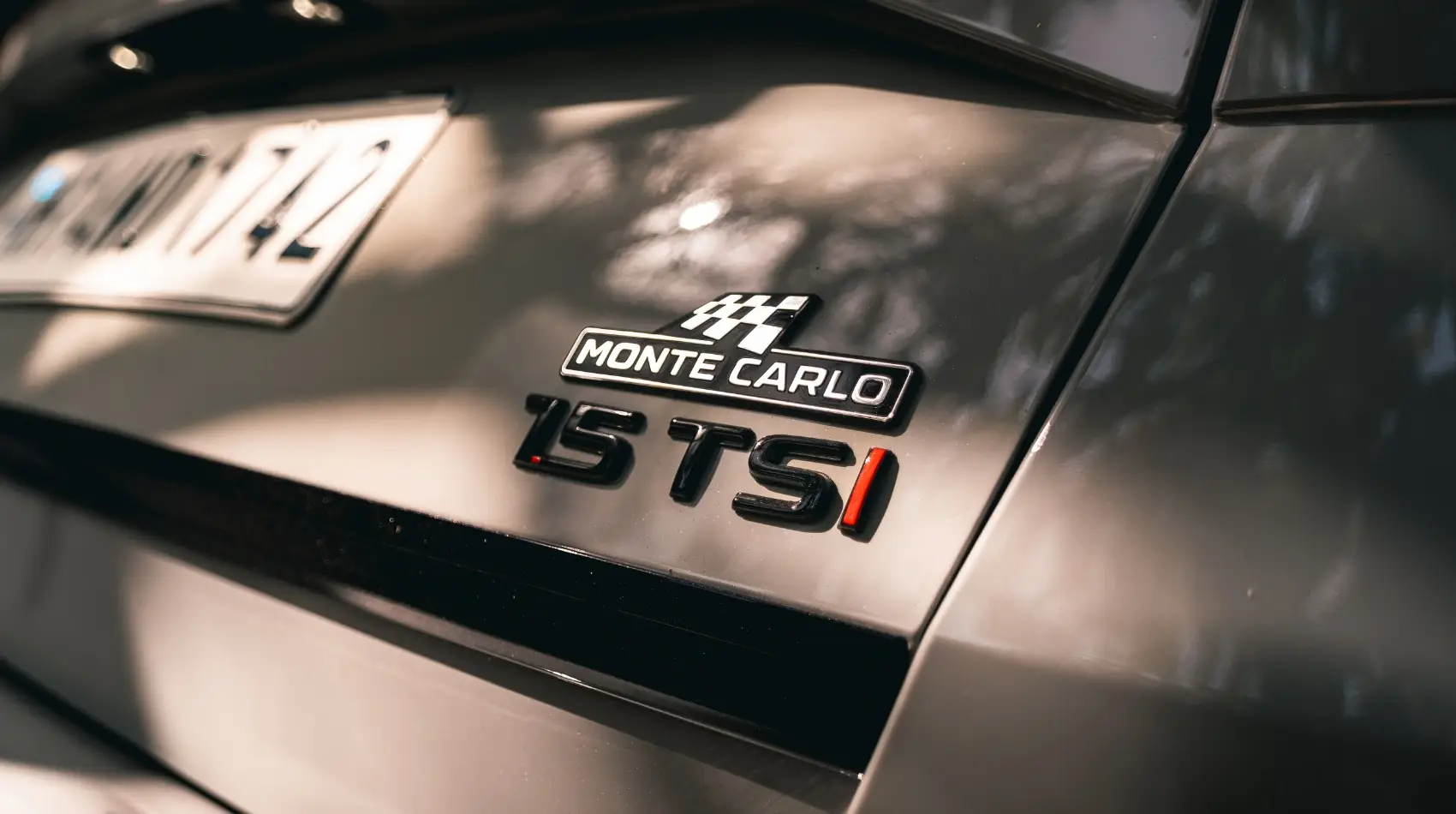
The updates are immediately visible, but they aren’t in your face. At the front, there is now a slim light bar integrated into the grille, connecting the headlamps in a way that feels inspired by the flagship. The rear receives connected tail-lamps with illuminated Skoda lettering, executed neatly without turning into a visual gimmick. The Monte Carlo variant adds darker elements and subtle red accents, giving it a slightly sportier appearance.

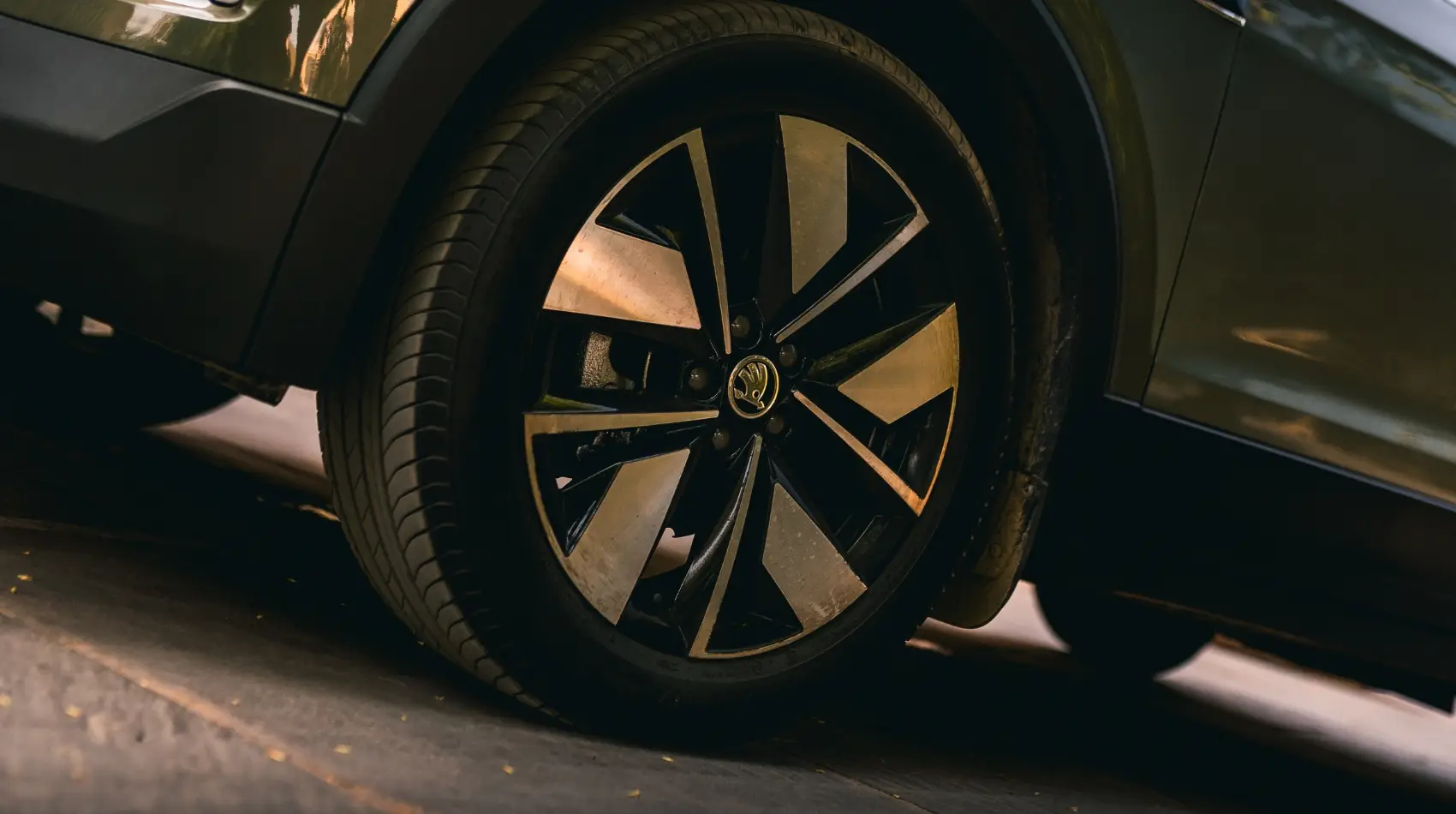
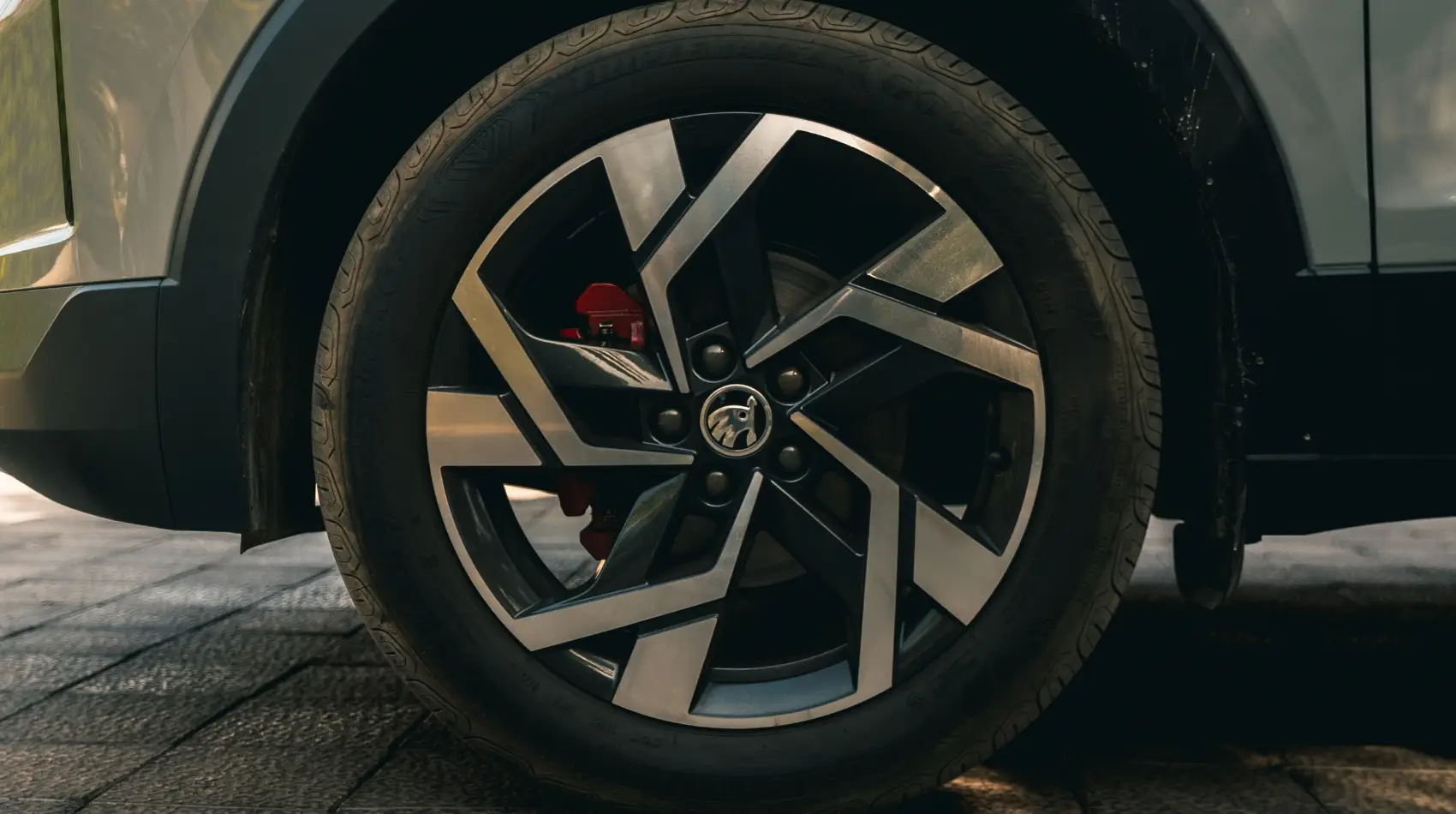
The wheels deserve a mention too. Skoda has gone all-in on variety, with each variant getting its own distinct alloy design, from clean, understated patterns to sportier dual-tone finishes on the Monte Carlo. It is a small detail, but it adds a sense of individuality across the range that most rivals overlook.

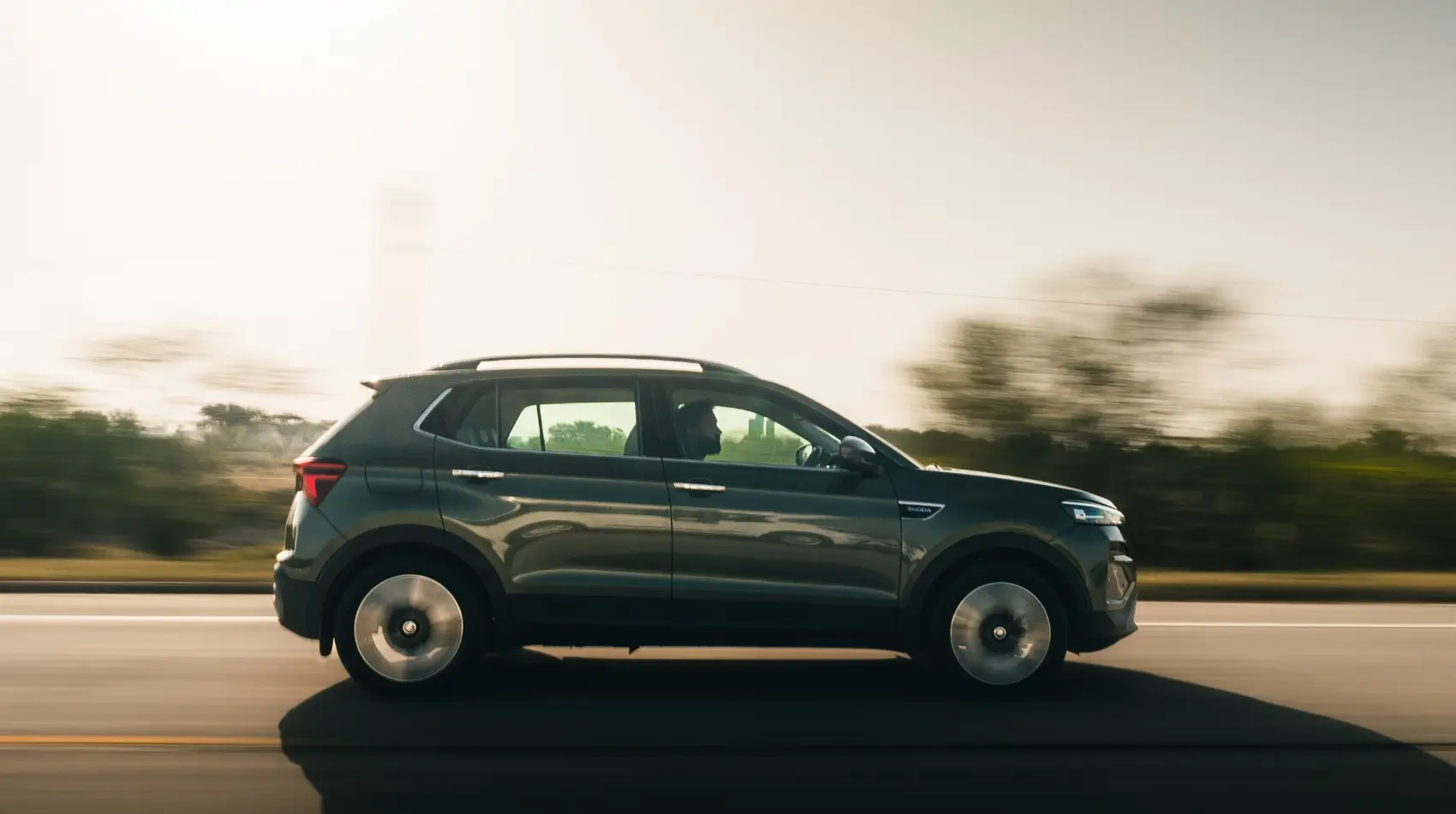
What is perhaps most interesting is what has not changed. The proportions remain compact. There is no attempt to make the car appear larger or more imposing than it actually is. In a segment where visual bulk and road presence often translate to perceived value, that restraint feels deliberate.

More kit, still not everything

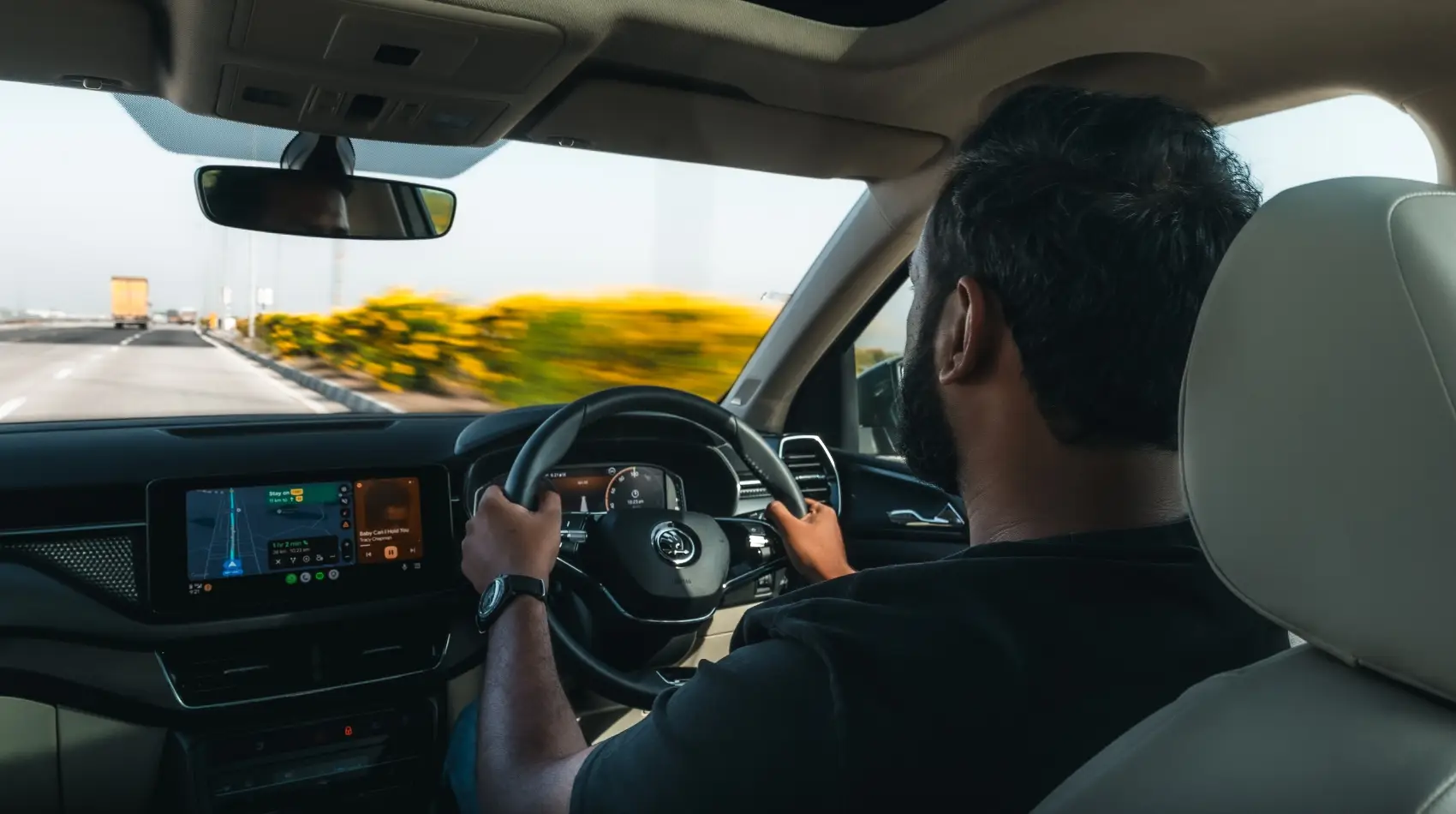
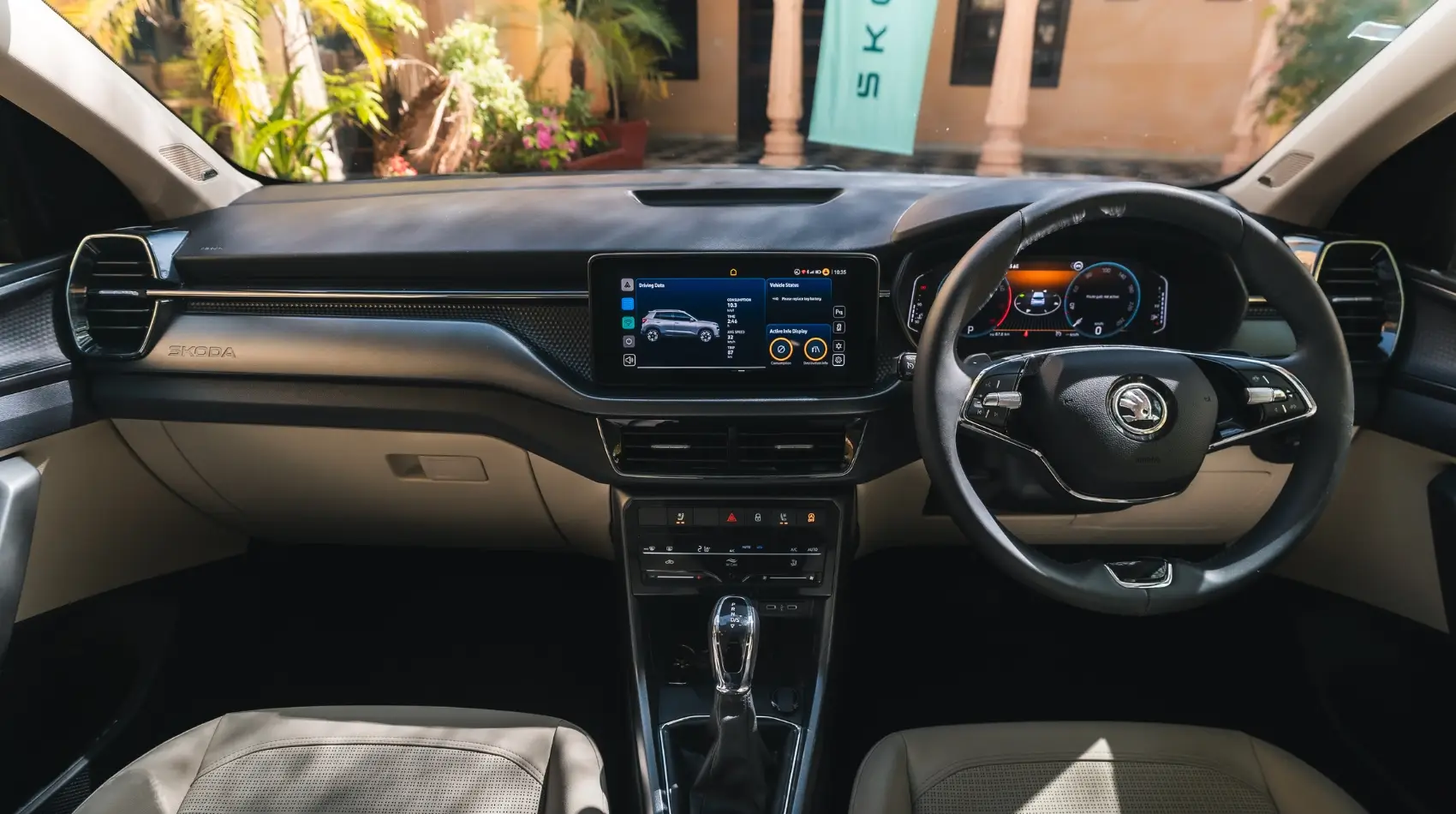
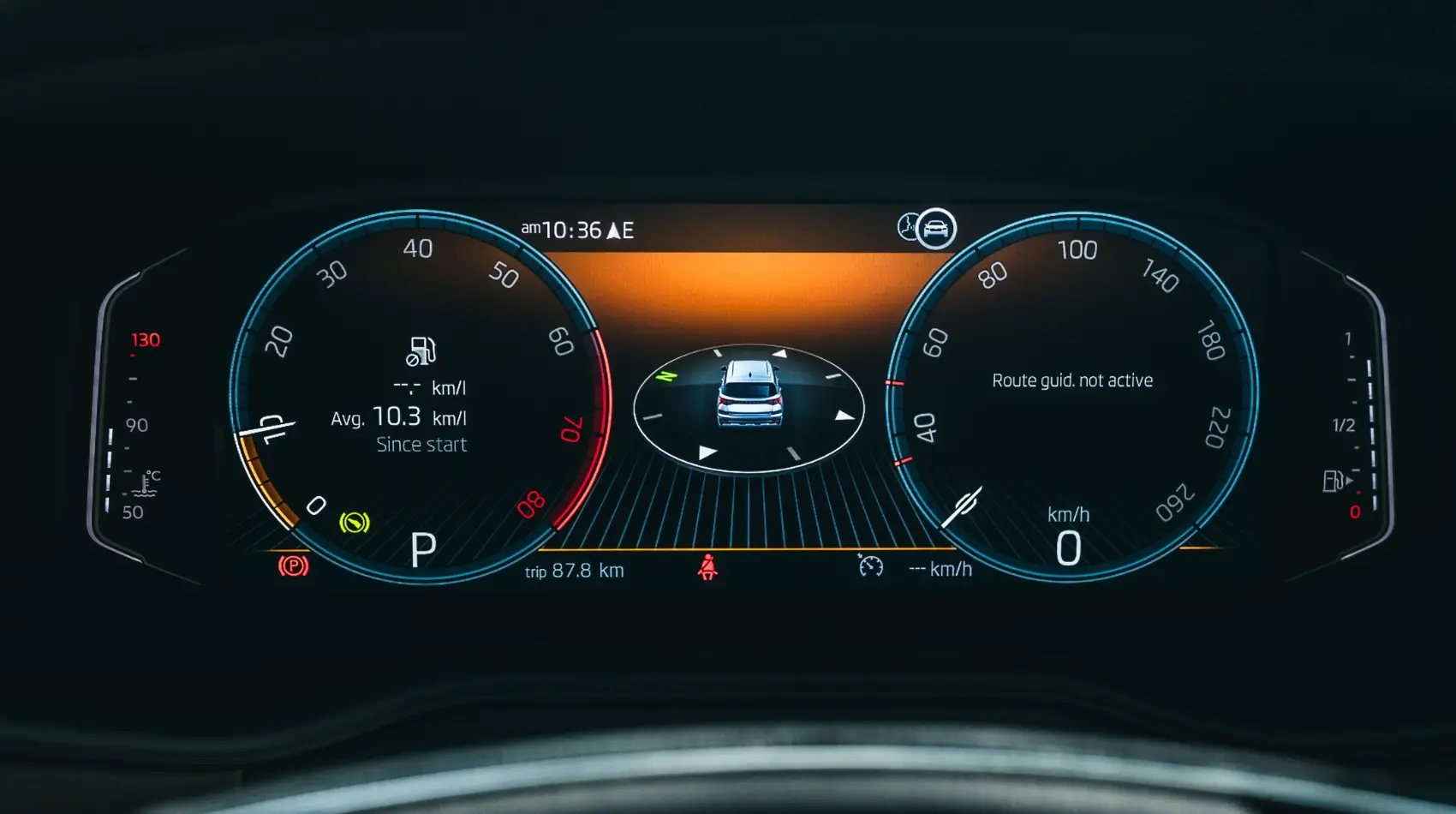
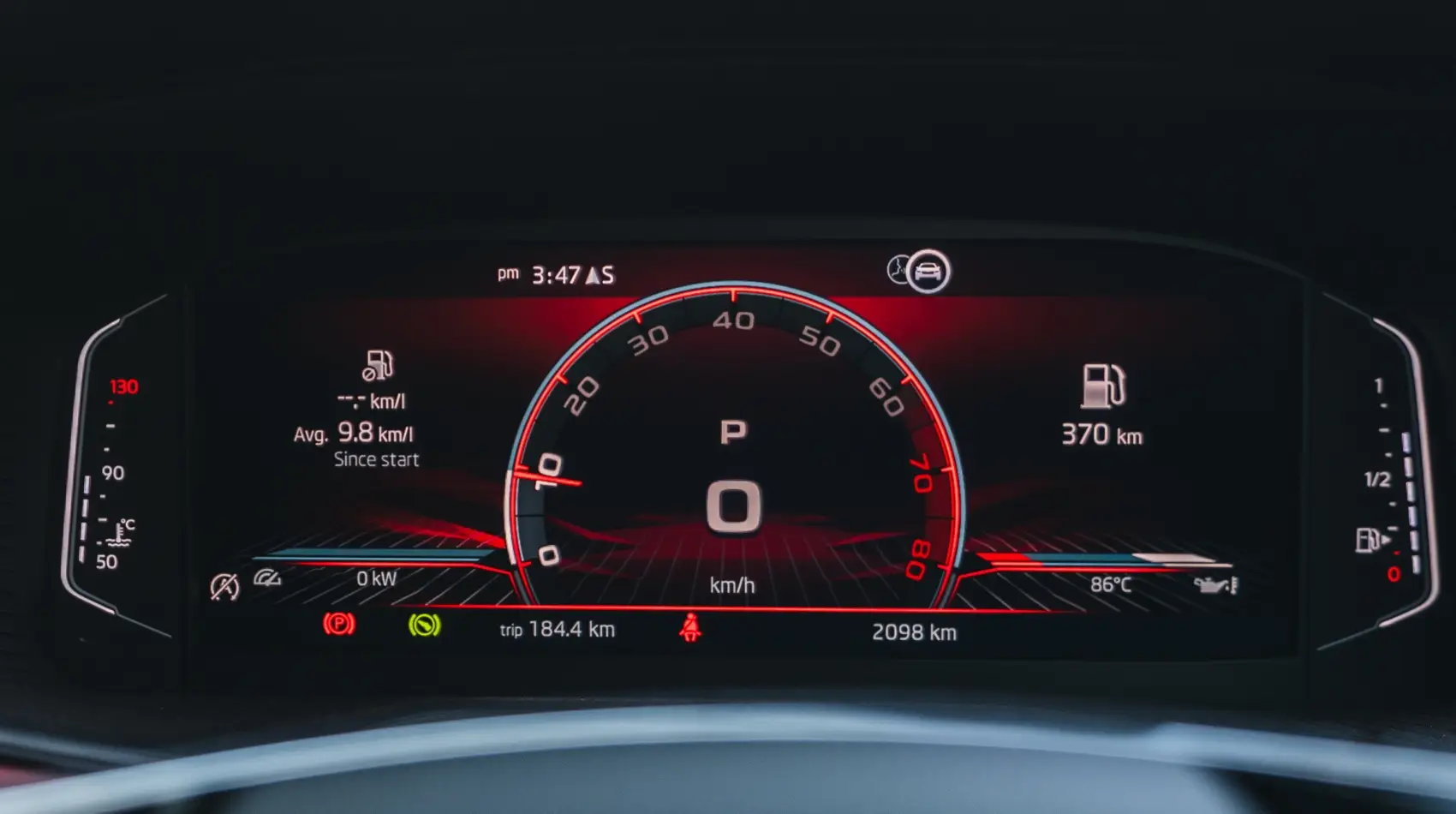
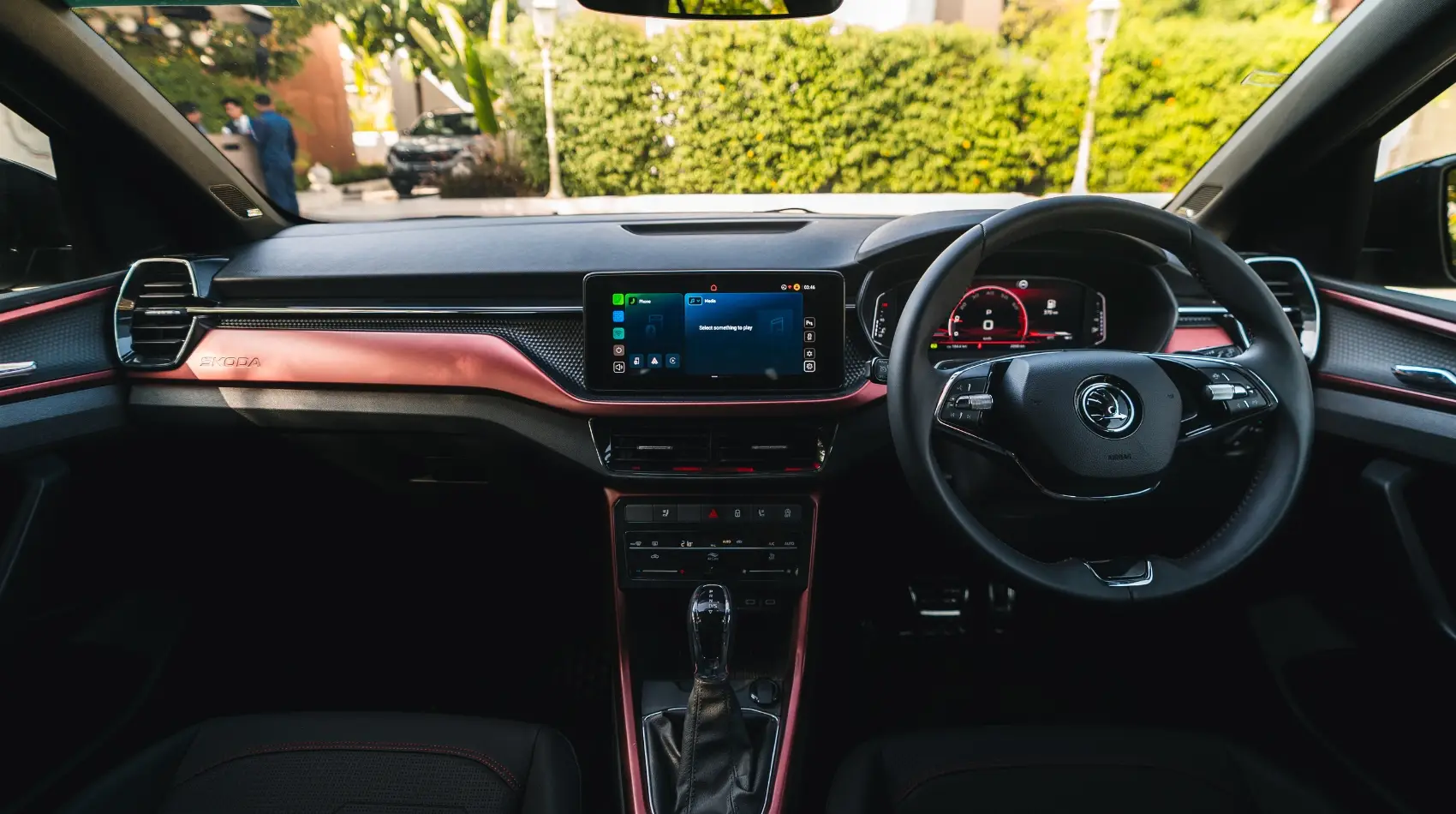
Inside, the changes are more noticeable. The new 10.25-inch digital instrument cluster is inspired by the Octavia and Kodiaq, and it is an addition I absolutely love. It is clear, configurable and easy to use. There are multiple display layouts, including traditional dials, and it avoids the trap of being overly complicated. The infotainment system continues in familiar form but is now smoother and more responsive, with added functionality including a Google-based assistant.

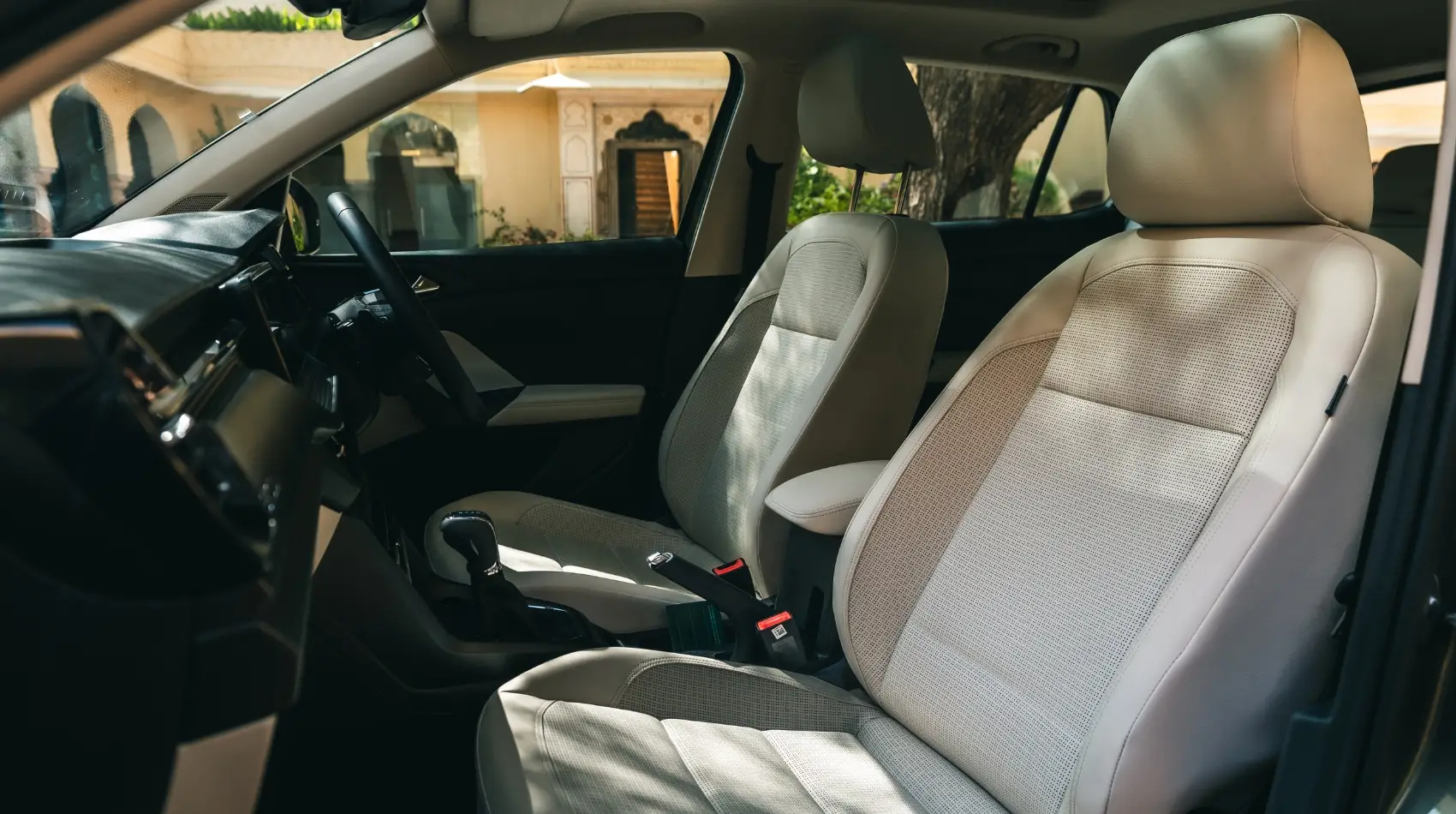
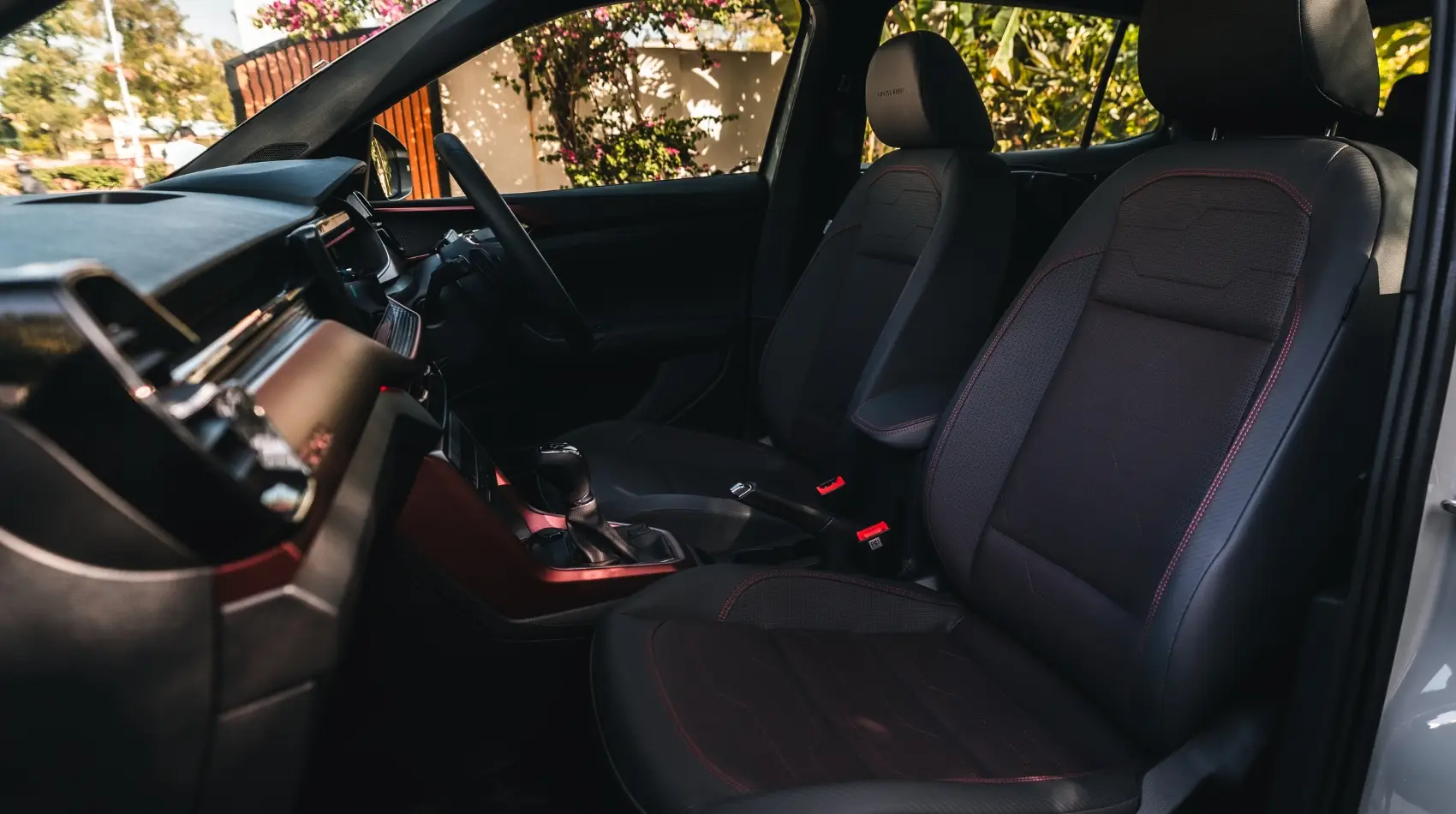
A panoramic sunroof has been added, which is almost mandatory in this segment now. It does improve the sense of space inside the cabin, even if its real-world usability remains limited in most conditions. The addition that stands out most is the rear-seat massager. It is unusual for this class and even more so for a car that has always been positioned as a driver’s choice. It feels more like a gimmick than a genuinely useful feature. The action is gentle, perhaps a bit too gentle, and consistent, but it raises questions about priorities. There is no adjustment for intensity, and no clear indication on the button to show whether it is on or off. Wear something thick, like a denim or leather jacket and you would struggle to tell if it is working at all. Features such as rear-seat ventilation or sunshades would have had far broader appeal.

Material quality remains solid, and the cabin layout continues to be logical and easy to live with. The steering wheel feels lovely to hold, and the controls have a tactile quality that is increasingly rare. However, there are still gaps. The absence of a 360-degree camera is notable, and the quality of the rear-view camera is below expectations for this price point. Touch-based climate controls are not as intuitive as physical dials and require more attention than they should.

Same engines, smarter gearbox

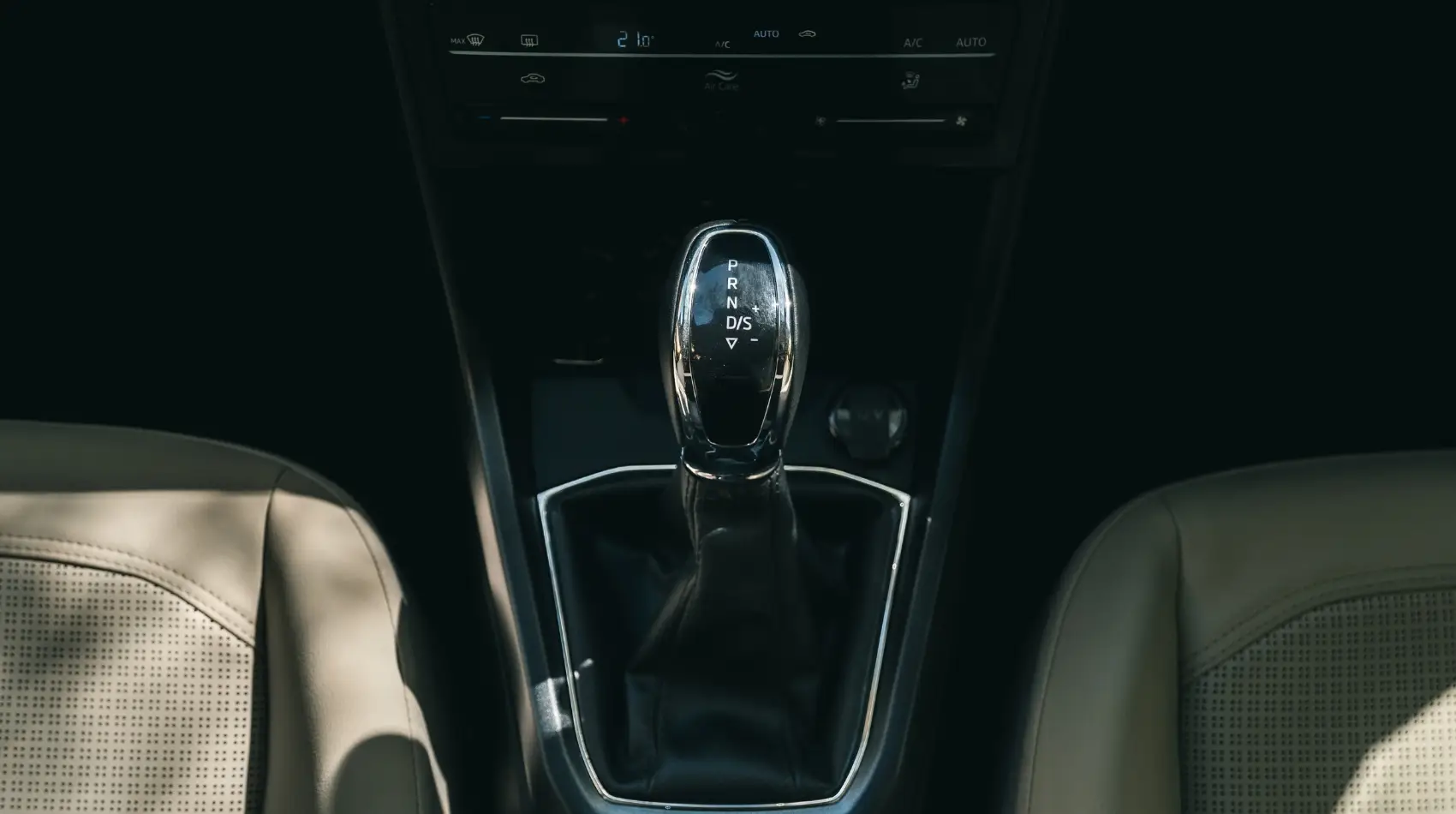
Under the bonnet, the Kushaq continues with its two turbo-petrol engines, and that is no bad thing. The 1.0-litre TSI now gets a new 8-speed torque-converter automatic gearbox. The change is aimed at improving efficiency and emissions, but it also has an effect on how the car feels to drive. The gearbox is smoother in operation and less abrupt at low speeds. It still shows a slight eagerness when moving off from a standstill, but this is better controlled than before.

On the move, shifts are seamless, and when used in manual mode, the gearbox responds quickly enough to feel engaging. The additional ratios allow the engine to cruise more comfortably, although it still runs at slightly higher revs than expected at highway speeds. The engine itself remains energetic. It delivers performance that is more than adequate for everyday use and responds willingly when pushed. There is some coarseness at higher revs, which is expected from a three-cylinder unit, but it does not dominate the experience.

The 1.5-litre TSI continues unchanged and remains the more compelling option for those who enjoy driving. It is smoother, more refined and significantly stronger. The DSG gearbox complements it well, offering quick and intuitive shifts. This combination gives the Kushaq a level of performance and responsiveness that stands out in its segment.

Where it still stands out

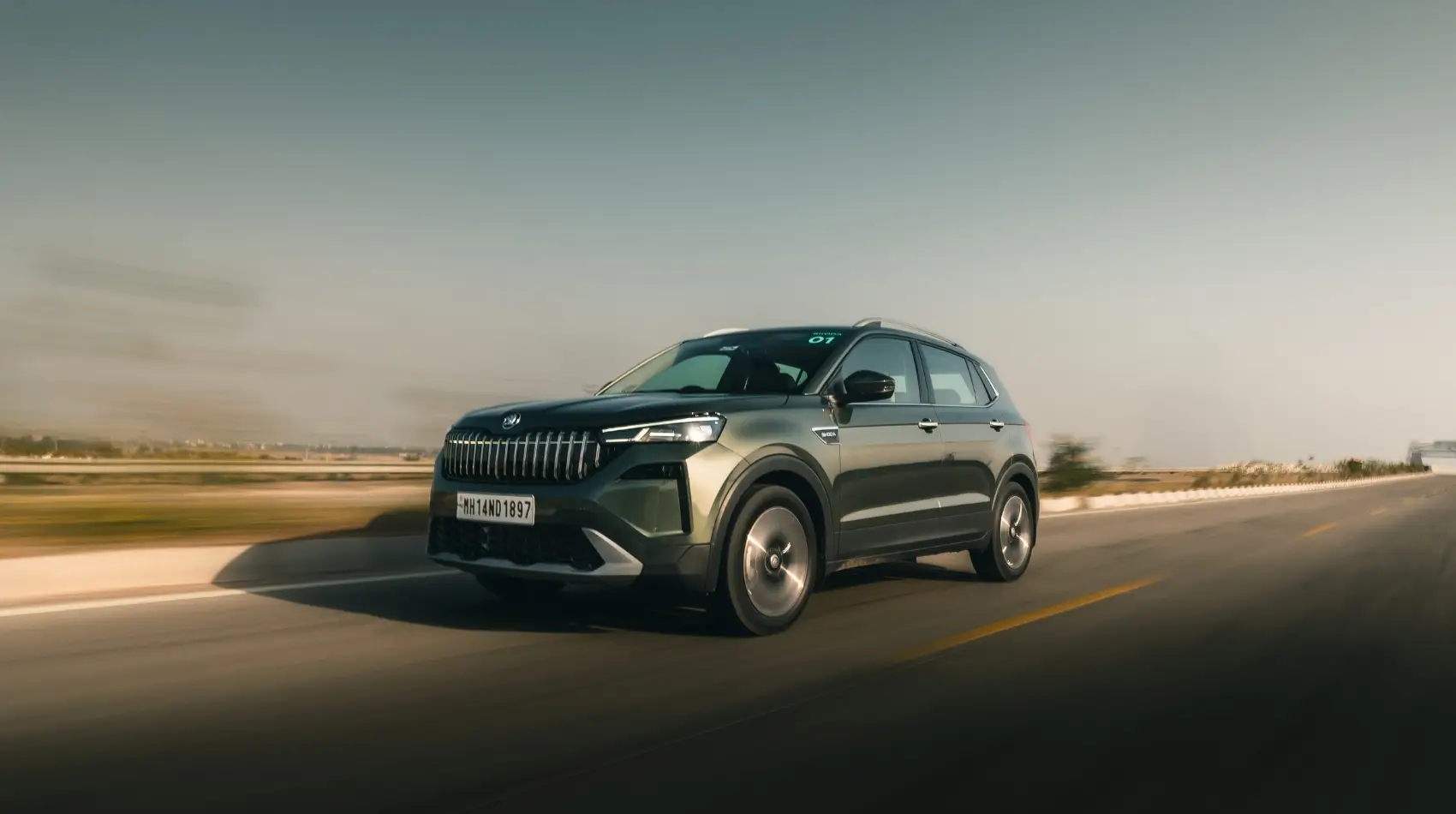
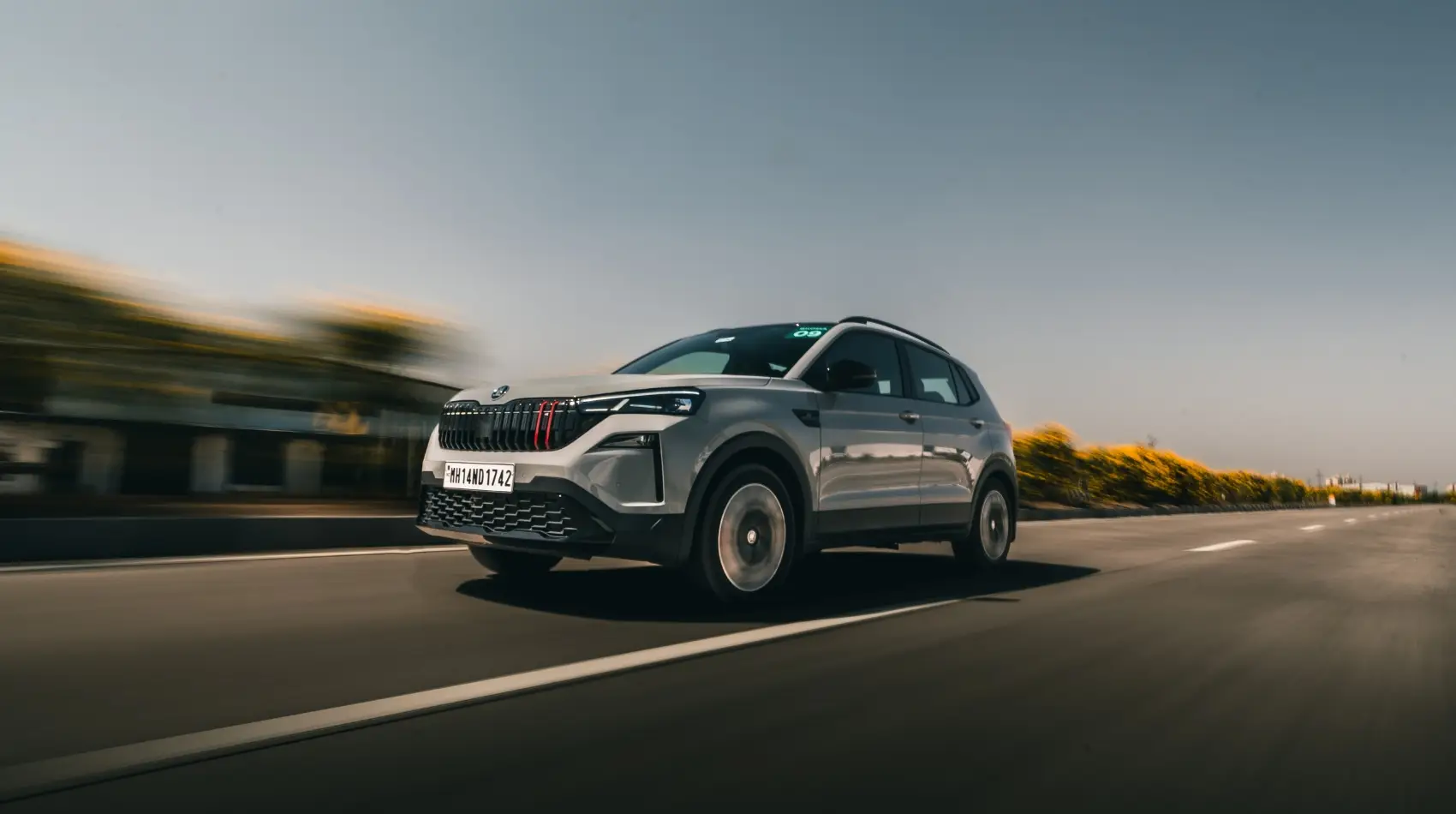
The real strength of the Kushaq, however, lies in how it drives as a whole. The suspension setup remains unchanged, and with it comes a familiar character. At low speeds, the ride has a firm edge. You feel the road more than you would in some rivals, and imperfections are not completely filtered out. As speed increases, the car settles into a more composed and comfortable rhythm. The firmness translates into stability, and the Kushaq feels planted and secure on the highway.

Handling is where it truly distinguishes itself. The chassis feels balanced and predictable, responding accurately to inputs and maintaining composure through corners. The steering is light but precise, and while it could do with more weight at higher speeds, it remains consistent and trustworthy. Remains the handling benchmark in the segment despite the additional weight. Braking performance is strong, especially on the 1.5-litre variant, which now benefits from rear disc brakes.

What the Kushaq offers is clarity. It tells you what it is doing, and it does so without confusion. That clarity builds confidence, and confidence is what makes a car enjoyable to drive.

The trade-offs

Of course, it is not without its compromises. Rear-seat space is adequate but not class-leading. Rivals offer more room and a greater sense of space. The boot, while well-shaped, is not the largest in the segment. Feature gaps remain, with no ADAS suite and no 360-degree camera. Cabin insulation could also be improved, particularly when the engines are pushed harder.

These are not oversights. They are trade-offs. The Kushaq chooses to focus on certain areas and accepts limitations in others. Whether that works depends on what you expect from your car. And that brings us to the most important question. 

Who is this for?

The Kushaq does not attempt to appeal to everyone. It is not designed to win on specifications or to dominate comparison charts. It does not chase maximum space or maximum features. Instead, it appeals to a more specific set of priorities. It is for those who care about how a car drives, how it responds and how it feels over time. It is for those who value consistency and mechanical integrity over sheer equipment.

Final word

Right now, the segment is chasing size, screens and spec sheets. The Kushaq isn’t. It sticks to what it has always done well and just makes it better. Prices now start at ₹10.69 lakh, and Skoda is loading it up with plenty of standard kit right from the base. It may not be the obvious pick, but it is a well-judged one.

The Kushaq facelift does not try to reinvent anything, even as rivals continue to evolve, including its upcoming sibling, the Volkswagen Taigun facelift. It just reminds you what a sorted car feels like. And that still counts.
 

It is worth asking a simple question before we begin. What, exactly, is a car supposed to do in 2026?

The answers seem simple. It must be efficient, safe, connected and well-equipped. It should have large screens, preferably multiple and a long list of features that make daily use easier. It should assist the driver, correct mistakes and, when required, intervene. That is what progress looks like today.

And yet, somewhere in that pursuit of progress, something rather important has been diluted. The idea that a car is not merely something you operate, but something you experience. Something that responds to you, communicates with you and occasionally rewards you.

The Skoda Kushaq has always leaned in that direction. It skips the theatrics and gets straight to what matters, the way it drives. With this facelift, it enters a market that has moved forward rapidly, but it does so without abandoning that core identity.

Skoda has played this one smart. Load up the base, bring in the 8-speed auto, add a few headline features like rear-seat massagers and call it a better value across the board. It is a clear attempt to widen the appeal without changing the core. 

Sharper suit

The updates are immediately visible, but they aren’t in your face. At the front, there is now a slim light bar integrated into the grille, connecting the headlamps in a way that feels inspired by the flagship. The rear receives connected tail-lamps with illuminated Skoda lettering, executed neatly without turning into a visual gimmick. The Monte Carlo variant adds darker elements and subtle red accents, giving it a slightly sportier appearance.

The wheels deserve a mention too. Skoda has gone all-in on variety, with each variant getting its own distinct alloy design, from clean, understated patterns to sportier dual-tone finishes on the Monte Carlo. It is a small detail, but it adds a sense of individuality across the range that most rivals overlook.

What is perhaps most interesting is what has not changed. The proportions remain compact. There is no attempt to make the car appear larger or more imposing than it actually is. In a segment where visual bulk and road presence often translate to perceived value, that restraint feels deliberate.

More kit, still not everything

Inside, the changes are more noticeable. The new 10.25-inch digital instrument cluster is inspired by the Octavia and Kodiaq, and it is an addition I absolutely love. It is clear, configurable and easy to use. There are multiple display layouts, including traditional dials, and it avoids the trap of being overly complicated. The infotainment system continues in familiar form but is now smoother and more responsive, with added functionality including a Google-based assistant.

A panoramic sunroof has been added, which is almost mandatory in this segment now. It does improve the sense of space inside the cabin, even if its real-world usability remains limited in most conditions. The addition that stands out most is the rear-seat massager. It is unusual for this class and even more so for a car that has always been positioned as a driver’s choice. It feels more like a gimmick than a genuinely useful feature. The action is gentle, perhaps a bit too gentle, and consistent, but it raises questions about priorities. There is no adjustment for intensity, and no clear indication on the button to show whether it is on or off. Wear something thick, like a denim or leather jacket and you would struggle to tell if it is working at all. Features such as rear-seat ventilation or sunshades would have had far broader appeal.

Material quality remains solid, and the cabin layout continues to be logical and easy to live with. The steering wheel feels lovely to hold, and the controls have a tactile quality that is increasingly rare. However, there are still gaps. The absence of a 360-degree camera is notable, and the quality of the rear-view camera is below expectations for this price point. Touch-based climate controls are not as intuitive as physical dials and require more attention than they should.

Same engines, smarter gearbox

Under the bonnet, the Kushaq continues with its two turbo-petrol engines, and that is no bad thing. The 1.0-litre TSI now gets a new 8-speed torque-converter automatic gearbox. The change is aimed at improving efficiency and emissions, but it also has an effect on how the car feels to drive. The gearbox is smoother in operation and less abrupt at low speeds. It still shows a slight eagerness when moving off from a standstill, but this is better controlled than before.

On the move, shifts are seamless, and when used in manual mode, the gearbox responds quickly enough to feel engaging. The additional ratios allow the engine to cruise more comfortably, although it still runs at slightly higher revs than expected at highway speeds. The engine itself remains energetic. It delivers performance that is more than adequate for everyday use and responds willingly when pushed. There is some coarseness at higher revs, which is expected from a three-cylinder unit, but it does not dominate the experience.

The 1.5-litre TSI continues unchanged and remains the more compelling option for those who enjoy driving. It is smoother, more refined and significantly stronger. The DSG gearbox complements it well, offering quick and intuitive shifts. This combination gives the Kushaq a level of performance and responsiveness that stands out in its segment.

Where it still stands out

The real strength of the Kushaq, however, lies in how it drives as a whole. The suspension setup remains unchanged, and with it comes a familiar character. At low speeds, the ride has a firm edge. You feel the road more than you would in some rivals, and imperfections are not completely filtered out. As speed increases, the car settles into a more composed and comfortable rhythm. The firmness translates into stability, and the Kushaq feels planted and secure on the highway.

Handling is where it truly distinguishes itself. The chassis feels balanced and predictable, responding accurately to inputs and maintaining composure through corners. The steering is light but precise, and while it could do with more weight at higher speeds, it remains consistent and trustworthy. Remains the handling benchmark in the segment despite the additional weight. Braking performance is strong, especially on the 1.5-litre variant, which now benefits from rear disc brakes.

What the Kushaq offers is clarity. It tells you what it is doing, and it does so without confusion. That clarity builds confidence, and confidence is what makes a car enjoyable to drive.

The trade-offs

Of course, it is not without its compromises. Rear-seat space is adequate but not class-leading. Rivals offer more room and a greater sense of space. The boot, while well-shaped, is not the largest in the segment. Feature gaps remain, with no ADAS suite and no 360-degree camera. Cabin insulation could also be improved, particularly when the engines are pushed harder.

These are not oversights. They are trade-offs. The Kushaq chooses to focus on certain areas and accepts limitations in others. Whether that works depends on what you expect from your car. And that brings us to the most important question. 

Who is this for?

The Kushaq does not attempt to appeal to everyone. It is not designed to win on specifications or to dominate comparison charts. It does not chase maximum space or maximum features. Instead, it appeals to a more specific set of priorities. It is for those who care about how a car drives, how it responds and how it feels over time. It is for those who value consistency and mechanical integrity over sheer equipment.

Final word

Right now, the segment is chasing size, screens and spec sheets. The Kushaq isn’t. It sticks to what it has always done well and just makes it better. Prices now start at ₹10.69 lakh, and Skoda is loading it up with plenty of standard kit right from the base. It may not be the obvious pick, but it is a well-judged one.

The Kushaq facelift does not try to reinvent anything, even as rivals continue to evolve, including its upcoming sibling, the Volkswagen Taigun facelift. It just reminds you what a sorted car feels like. And that still counts.


It is worth asking a simple question before we begin. What, exactly, is a car supposed to do in 2026?

The answers seem simple. It must be efficient, safe, connected and well-equipped. It should have large screens, preferably multiple and a long list of features that make daily use easier. It should assist the driver, correct mistakes and, when required, intervene. That is what progress looks like today.

And yet, somewhere in that pursuit of progress, something rather important has been diluted. The idea that a car is not merely something you operate, but something you experience. Something that responds to you, communicates with you and occasionally rewards you.

The Skoda Kushaq has always leaned in that direction. It skips the theatrics and gets straight to what matters, the way it drives. With this facelift, it enters a market that has moved forward rapidly, but it does so without abandoning that core identity.

Skoda has played this one smart. Load up the base, bring in the 8-speed auto, add a few headline features like rear-seat massagers and call it a better value across the board. It is a clear attempt to widen the appeal without changing the core. 

Sharper suit

The updates are immediately visible, but they aren’t in your face. At the front, there is now a slim light bar integrated into the grille, connecting the headlamps in a way that feels inspired by the flagship. The rear receives connected tail-lamps with illuminated Skoda lettering, executed neatly without turning into a visual gimmick. The Monte Carlo variant adds darker elements and subtle red accents, giving it a slightly sportier appearance.

The wheels deserve a mention too. Skoda has gone all-in on variety, with each variant getting its own distinct alloy design, from clean, understated patterns to sportier dual-tone finishes on the Monte Carlo. It is a small detail, but it adds a sense of individuality across the range that most rivals overlook.

What is perhaps most interesting is what has not changed. The proportions remain compact. There is no attempt to make the car appear larger or more imposing than it actually is. In a segment where visual bulk and road presence often translate to perceived value, that restraint feels deliberate.

More kit, still not everything

Inside, the changes are more noticeable. The new 10.25-inch digital instrument cluster is inspired by the Octavia and Kodiaq, and it is an addition I absolutely love. It is clear, configurable and easy to use. There are multiple display layouts, including traditional dials, and it avoids the trap of being overly complicated. The infotainment system continues in familiar form but is now smoother and more responsive, with added functionality including a Google-based assistant.

A panoramic sunroof has been added, which is almost mandatory in this segment now. It does improve the sense of space inside the cabin, even if its real-world usability remains limited in most conditions. The addition that stands out most is the rear-seat massager. It is unusual for this class and even more so for a car that has always been positioned as a driver’s choice. It feels more like a gimmick than a genuinely useful feature. The action is gentle, perhaps a bit too gentle, and consistent, but it raises questions about priorities. There is no adjustment for intensity, and no clear indication on the button to show whether it is on or off. Wear something thick, like a denim or leather jacket and you would struggle to tell if it is working at all. Features such as rear-seat ventilation or sunshades would have had far broader appeal.

Material quality remains solid, and the cabin layout continues to be logical and easy to live with. The steering wheel feels lovely to hold, and the controls have a tactile quality that is increasingly rare. However, there are still gaps. The absence of a 360-degree camera is notable, and the quality of the rear-view camera is below expectations for this price point. Touch-based climate controls are not as intuitive as physical dials and require more attention than they should.

Same engines, smarter gearbox

Under the bonnet, the Kushaq continues with its two turbo-petrol engines, and that is no bad thing. The 1.0-litre TSI now gets a new 8-speed torque-converter automatic gearbox. The change is aimed at improving efficiency and emissions, but it also has an effect on how the car feels to drive. The gearbox is smoother in operation and less abrupt at low speeds. It still shows a slight eagerness when moving off from a standstill, but this is better controlled than before.

On the move, shifts are seamless, and when used in manual mode, the gearbox responds quickly enough to feel engaging. The additional ratios allow the engine to cruise more comfortably, although it still runs at slightly higher revs than expected at highway speeds. The engine itself remains energetic. It delivers performance that is more than adequate for everyday use and responds willingly when pushed. There is some coarseness at higher revs, which is expected from a three-cylinder unit, but it does not dominate the experience.

The 1.5-litre TSI continues unchanged and remains the more compelling option for those who enjoy driving. It is smoother, more refined and significantly stronger. The DSG gearbox complements it well, offering quick and intuitive shifts. This combination gives the Kushaq a level of performance and responsiveness that stands out in its segment.

Where it still stands out

The real strength of the Kushaq, however, lies in how it drives as a whole. The suspension setup remains unchanged, and with it comes a familiar character. At low speeds, the ride has a firm edge. You feel the road more than you would in some rivals, and imperfections are not completely filtered out. As speed increases, the car settles into a more composed and comfortable rhythm. The firmness translates into stability, and the Kushaq feels planted and secure on the highway.

Handling is where it truly distinguishes itself. The chassis feels balanced and predictable, responding accurately to inputs and maintaining composure through corners. The steering is light but precise, and while it could do with more weight at higher speeds, it remains consistent and trustworthy. Remains the handling benchmark in the segment despite the additional weight. Braking performance is strong, especially on the 1.5-litre variant, which now benefits from rear disc brakes.

What the Kushaq offers is clarity. It tells you what it is doing, and it does so without confusion. That clarity builds confidence, and confidence is what makes a car enjoyable to drive.

The trade-offs

Of course, it is not without its compromises. Rear-seat space is adequate but not class-leading. Rivals offer more room and a greater sense of space. The boot, while well-shaped, is not the largest in the segment. Feature gaps remain, with no ADAS suite and no 360-degree camera. Cabin insulation could also be improved, particularly when the engines are pushed harder.

These are not oversights. They are trade-offs. The Kushaq chooses to focus on certain areas and accepts limitations in others. Whether that works depends on what you expect from your car. And that brings us to the most important question. 

Who is this for?

The Kushaq does not attempt to appeal to everyone. It is not designed to win on specifications or to dominate comparison charts. It does not chase maximum space or maximum features. Instead, it appeals to a more specific set of priorities. It is for those who care about how a car drives, how it responds and how it feels over time. It is for those who value consistency and mechanical integrity over sheer equipment.

Final word

Right now, the segment is chasing size, screens and spec sheets. The Kushaq isn’t. It sticks to what it has always done well and just makes it better. Prices now start at ₹10.69 lakh, and Skoda is loading it up with plenty of standard kit right from the base. It may not be the obvious pick, but it is a well-judged one.

The Kushaq facelift does not try to reinvent anything, even as rivals continue to evolve, including its upcoming sibling, the Volkswagen Taigun facelift. It just reminds you what a sorted car feels like. And that still counts.