For decades, the Mercedes-Benz S-Class has been the default choice for the world's most important people. But BMW has just made a rather convincing argument for changing that.
There have been very few occasions in automotive history when BMW has managed to trump Mercedes-Benz in the ultra-luxury sedan segment. The big barge segment. The segment where comfort matters more than cornering speeds and where the rear seat is often more important than the driver's seat.
For as long as most of us can remember, the Mercedes-Benz S-Class has been the undisputed king. Businessmen, actors, politicians, dictators, world leaders, important people, people pretending to be important and pretty much everybody in between have gravitated towards the big Merc. But things are changing. And rather surprisingly, BMW seems to have the upper hand.
There are two reasons for this. First, the 7 Series looks like a proper flagship. Big, imposing and unapologetically expensive. The S-Class, in comparison, has become a little too subtle, too soft and perhaps a little too similar to its smaller siblings. The second reason is the i7.
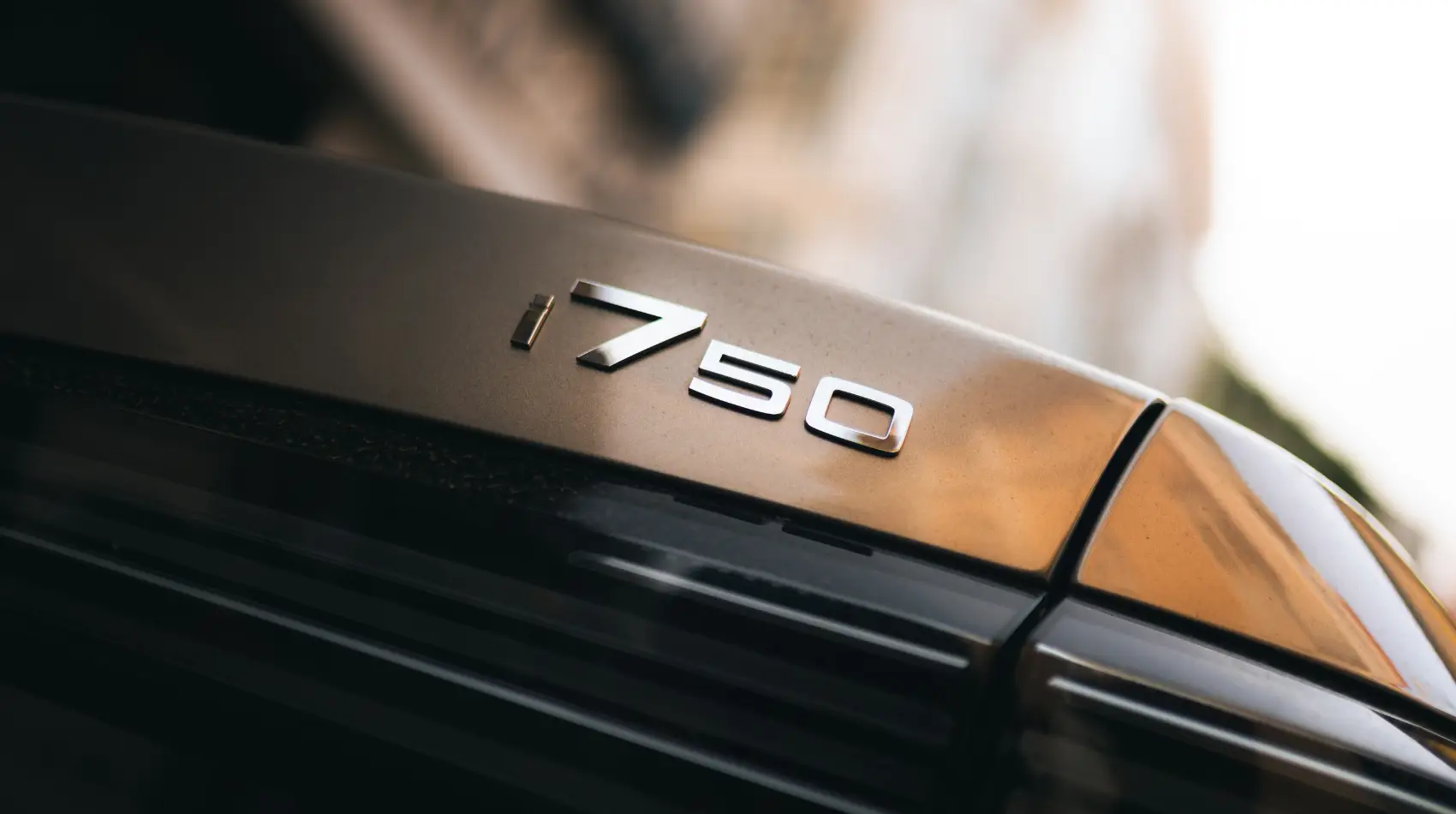
Here's a statistic that might surprise you. Nearly 60 per cent of all 7 Series sales in India are electric. That's right. More people buying BMW's flagship sedan prefer the i7 over the conventional 7 Series. And with this facelift, things could get even more interesting. The i7 50 xDrive M Sport is now locally assembled in India, and at ₹1.95 crore, costs exactly the same as its petrol-powered sibling.
Which begs the question. Why would you buy the petrol? After all, the entire point of a luxury car is to be quiet, comfortable, effortless and as drama-free as possible. Unless, of course, you've bought an AMG S63. Rolls-Royce famously advertised that the loudest thing inside one of its cars at motorway speeds was the ticking of the dashboard clock. With electric propulsion, that claim doesn't sound quite as ridiculous anymore.
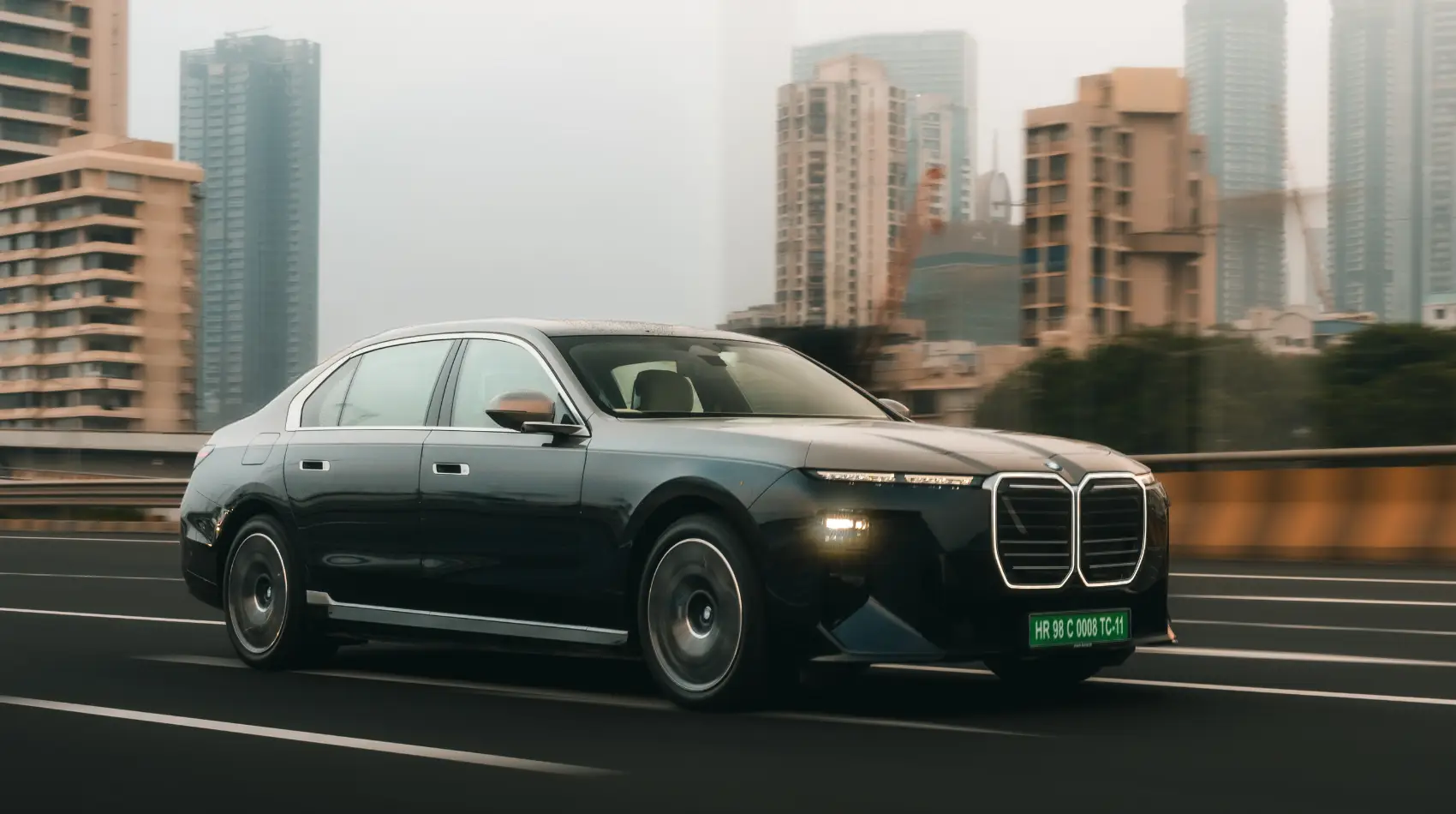
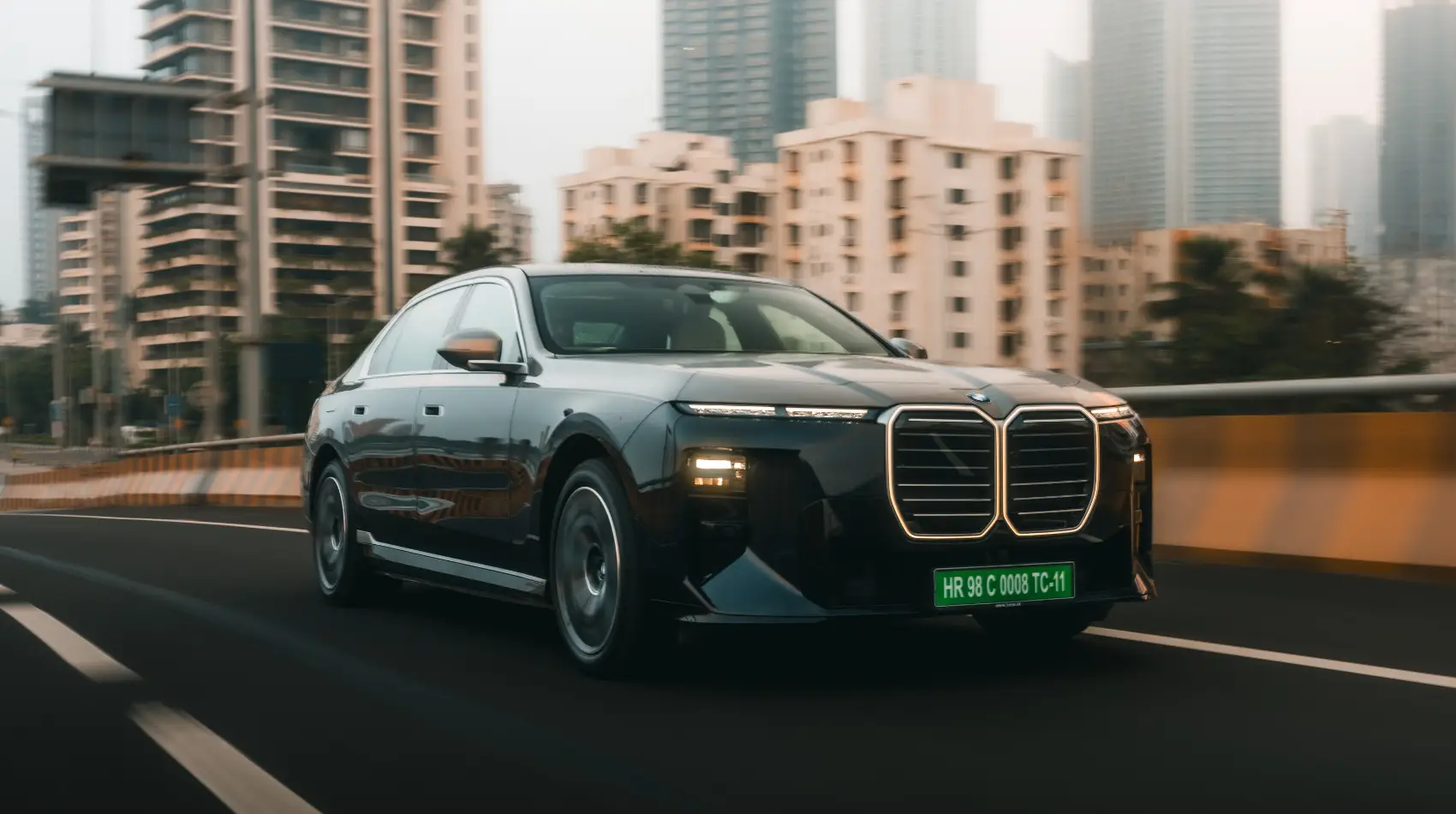
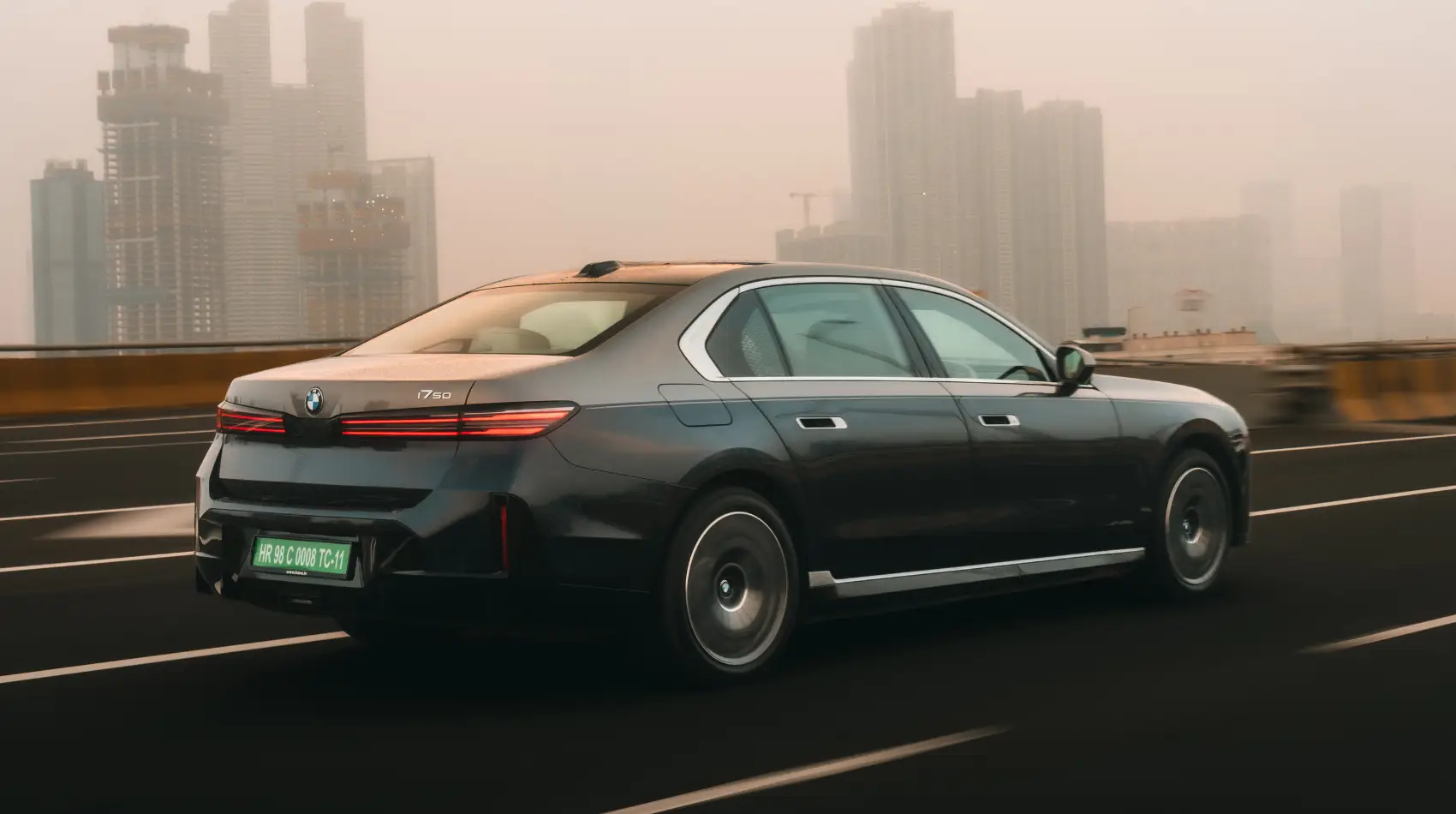
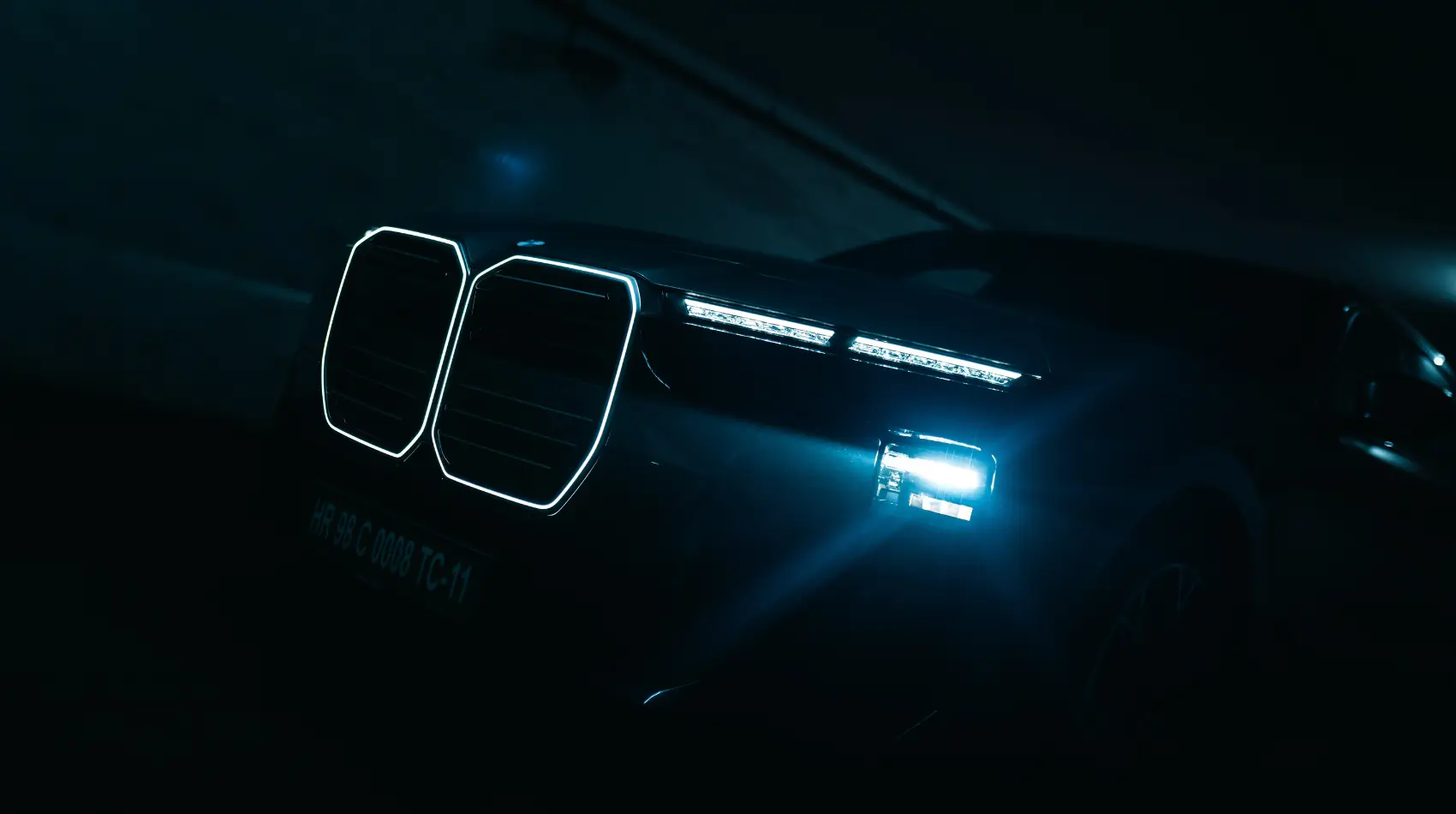
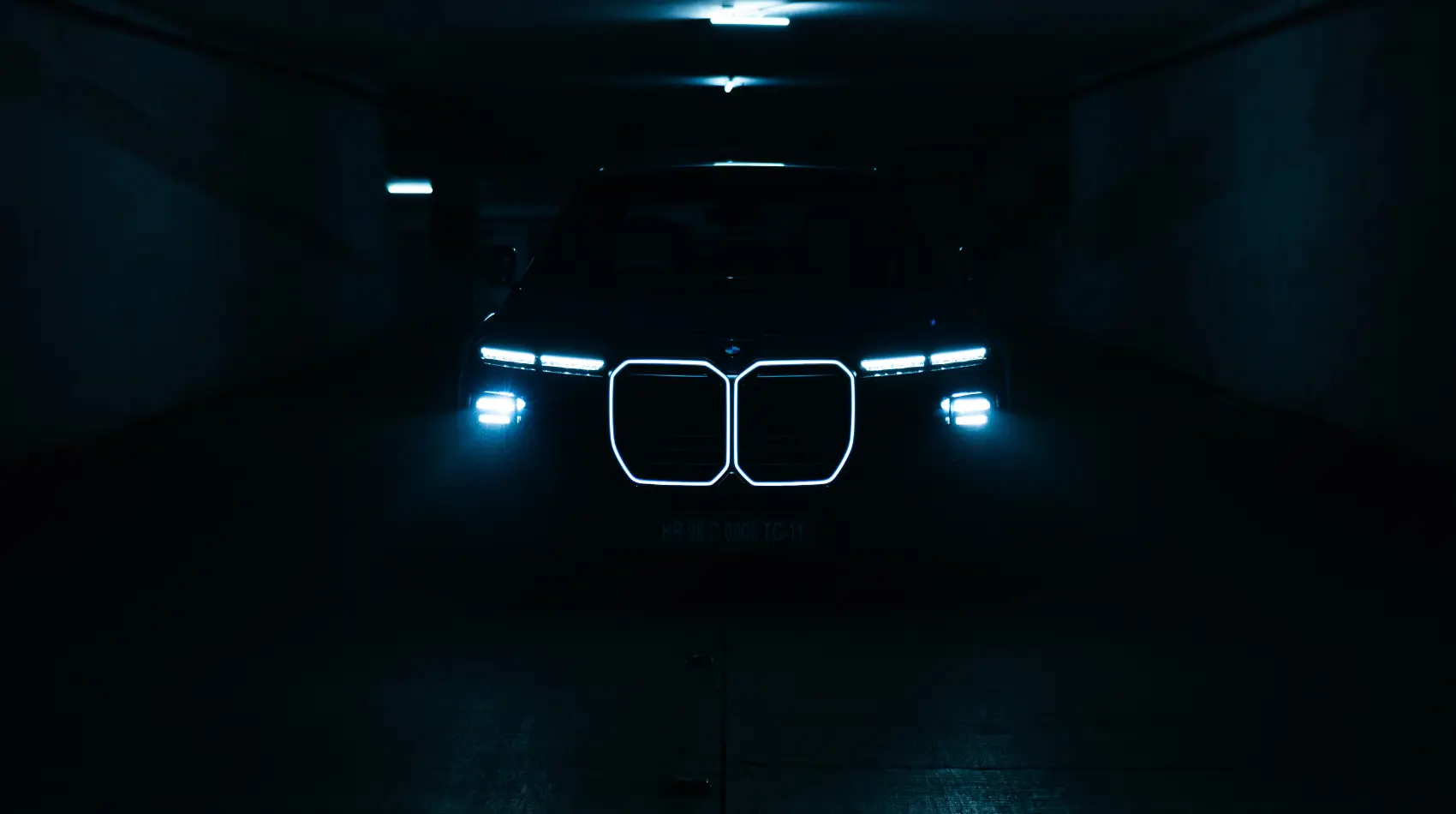
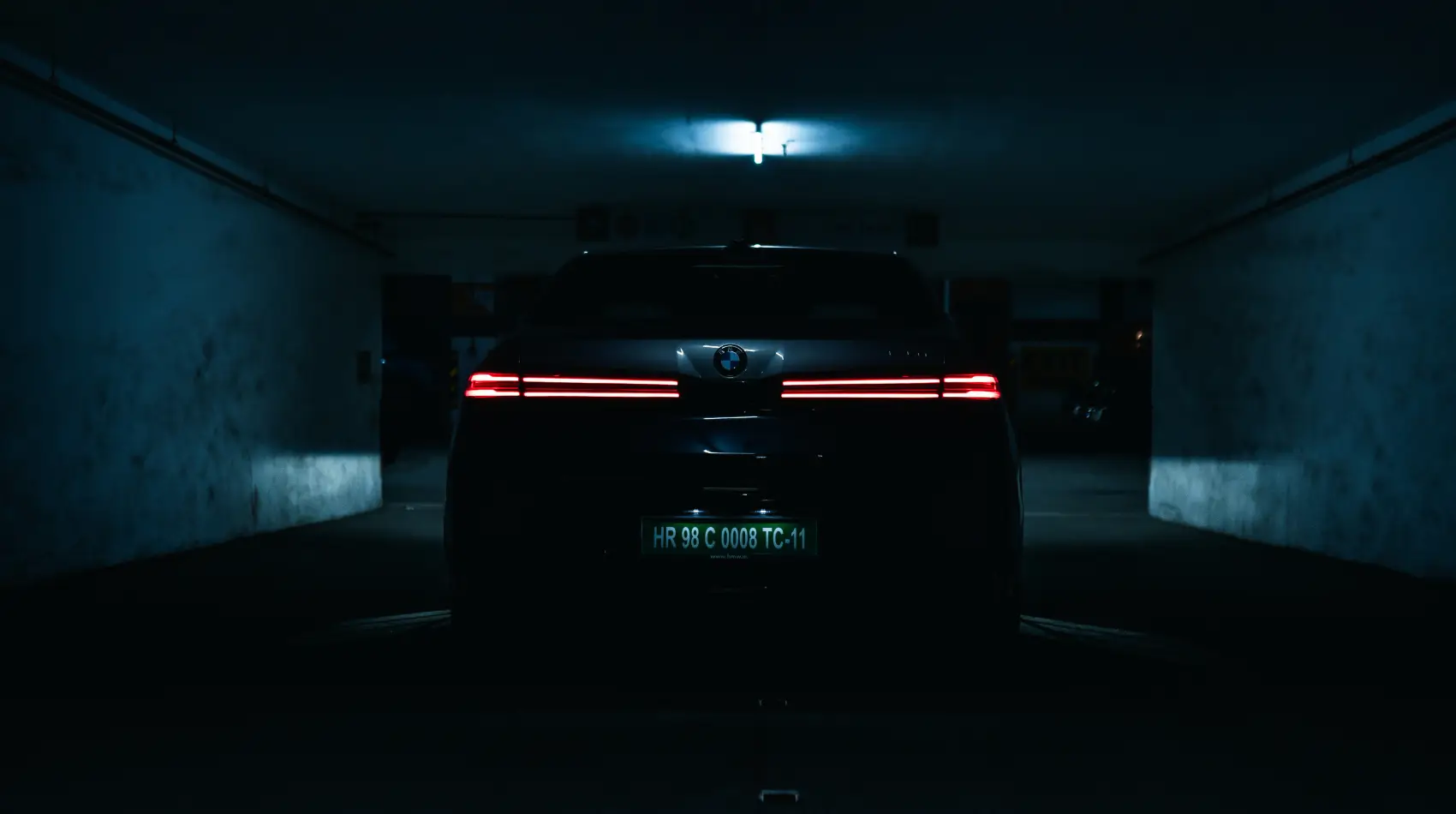
I know BMW's current design language has its fair share of critics. But if there was ever an automotive design philosophy that could be described as brutalist, this is it. And I absolutely love it. The enormous illuminated grille, the aggressive front bumper with more cuts and vents than it probably needs, the revised tail lamps stretching further towards each other and those gorgeous wheels. Everything about this car screams money, power and importance.
There's something almost Rolls-Royce Ghost-like about its presence. It's big, slab-sided and looks every bit the full-size luxury sedan it's supposed to be. The S-Class, on the other hand, looks like an E-Class that's been spending a little too much time at the buffet. And in a segment where making an entrance is almost as important as the destination itself, the BMW wins hands down.
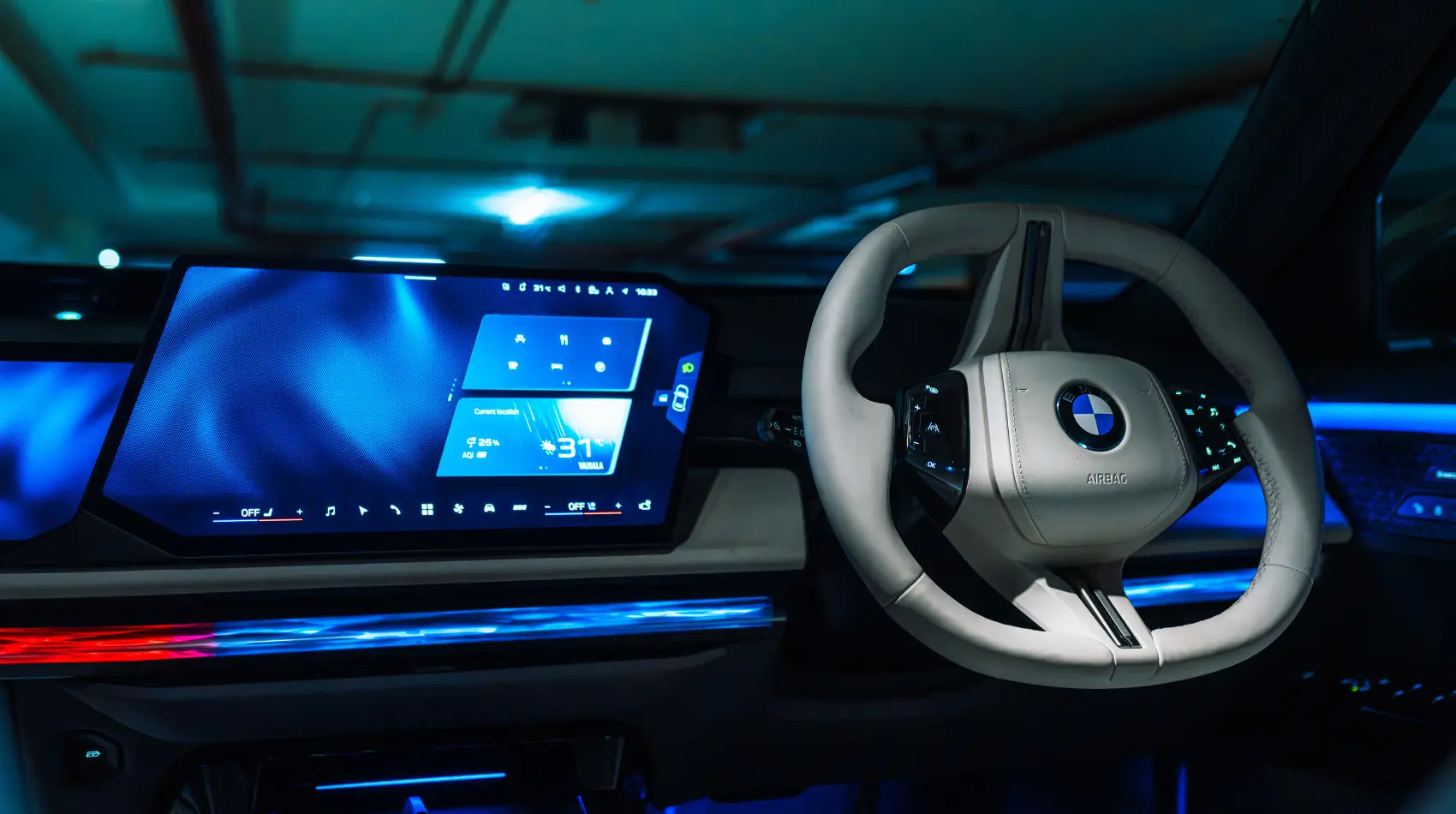
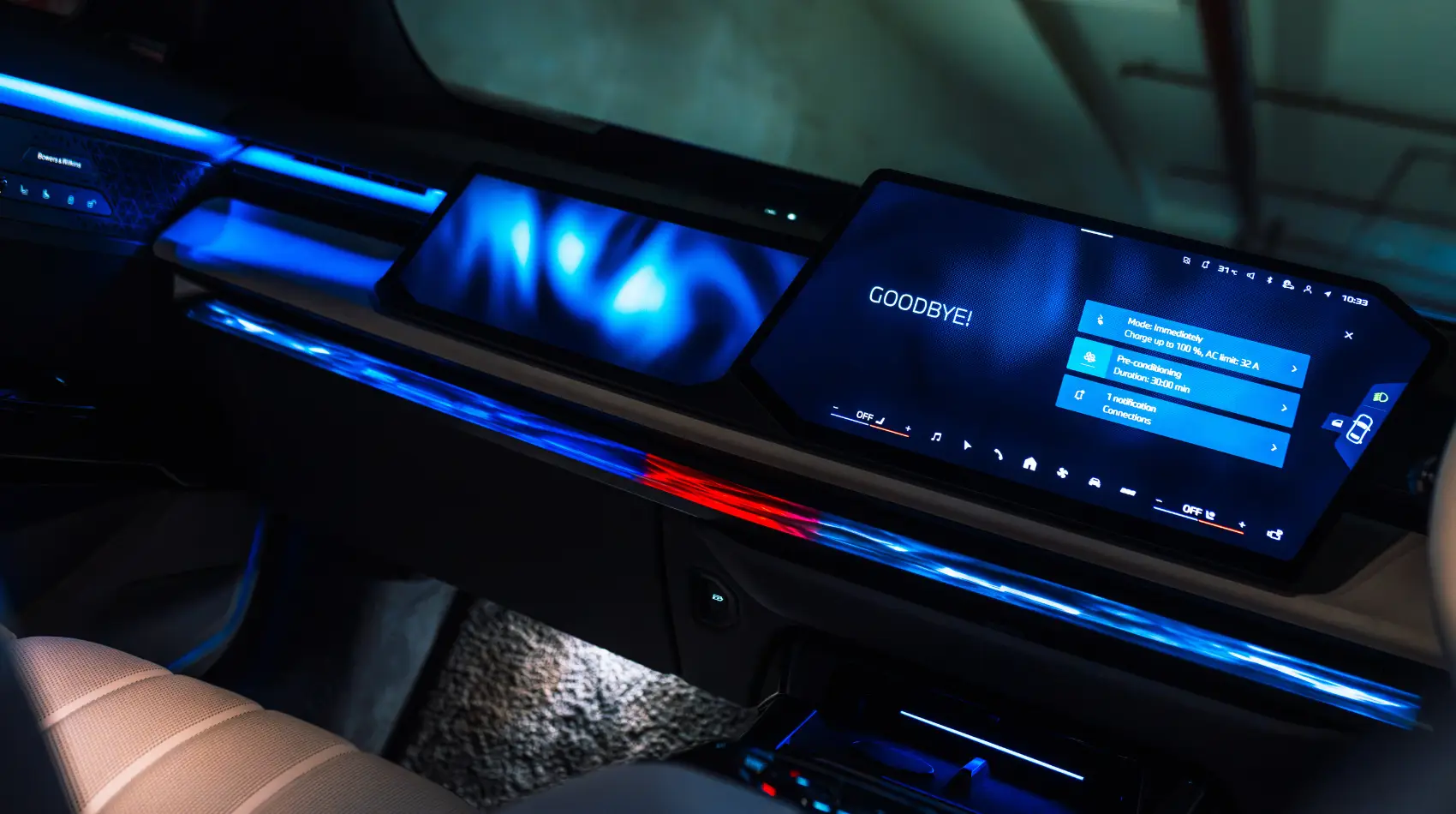
The cabin has undergone a substantial transformation too. The new four-spoke steering wheel looks like something borrowed from an expensive yacht, while the dashboard embraces BMW's latest screen-heavy philosophy.
Gone is the conventional instrument cluster, replaced by a continuous information display running along the base of the windscreen. There's a 17.9-inch central touchscreen, a 14.6-inch passenger display and even the ability to display silhouettes of historic BMW Art Cars.
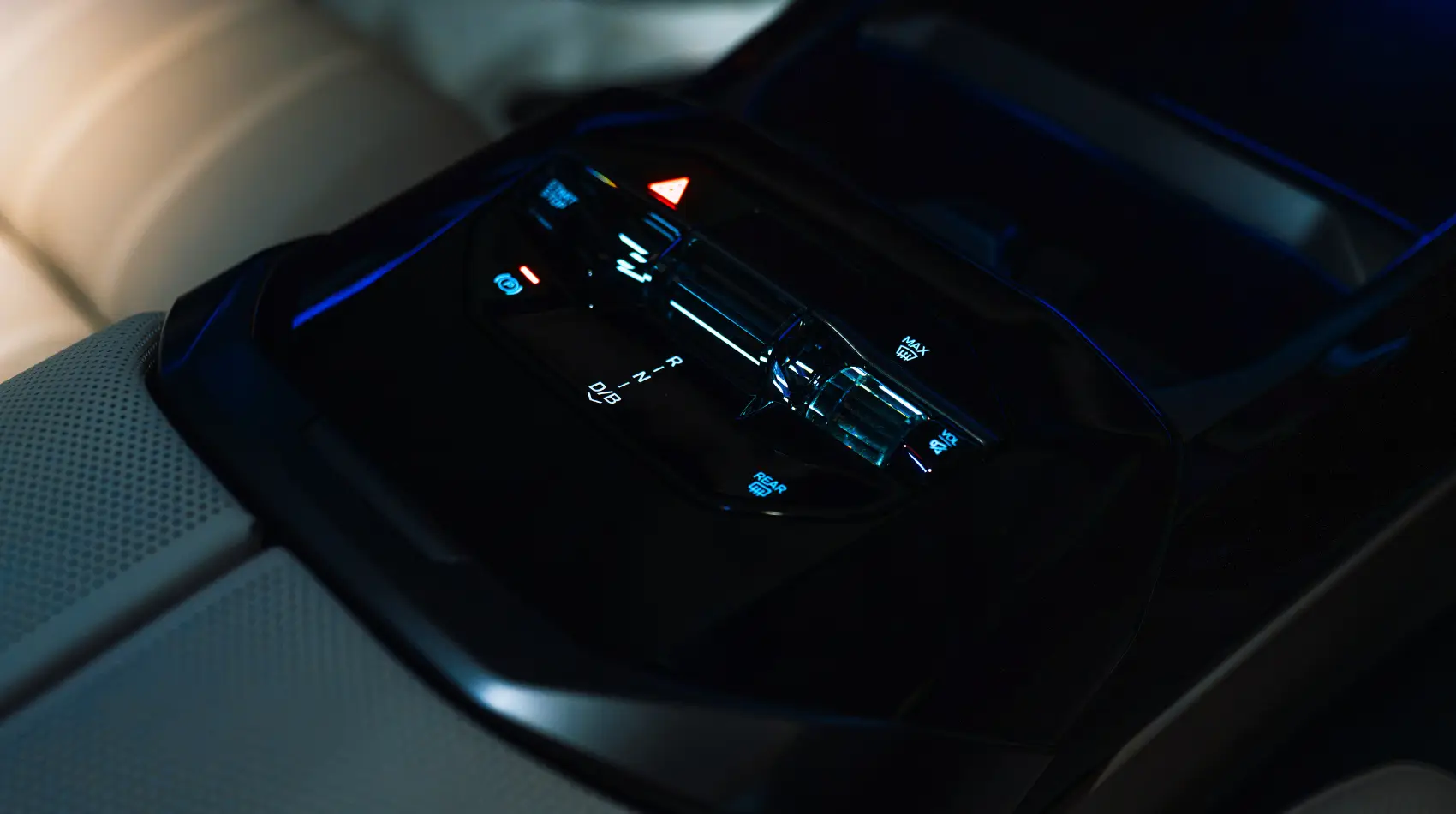
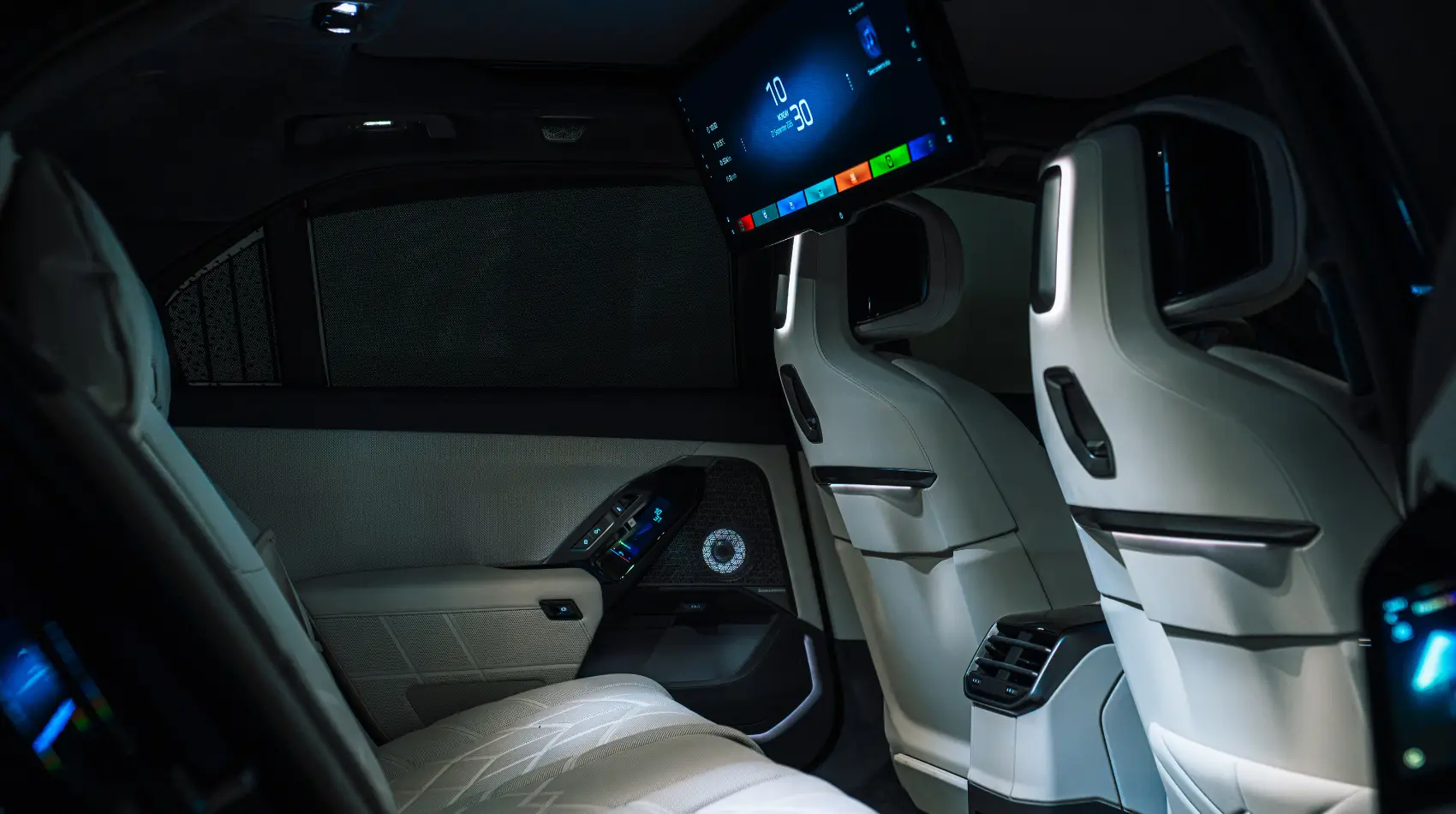
Of course, none of this really matters because the best seat in the house is at the back. Specifically, the left rear seat. Press one button and the whole thing transforms into a lounge. The front passenger seat moves forward, the ottoman rises, the backrest reclines and suddenly you're travelling in something that feels more like a private jet than a motorcar.
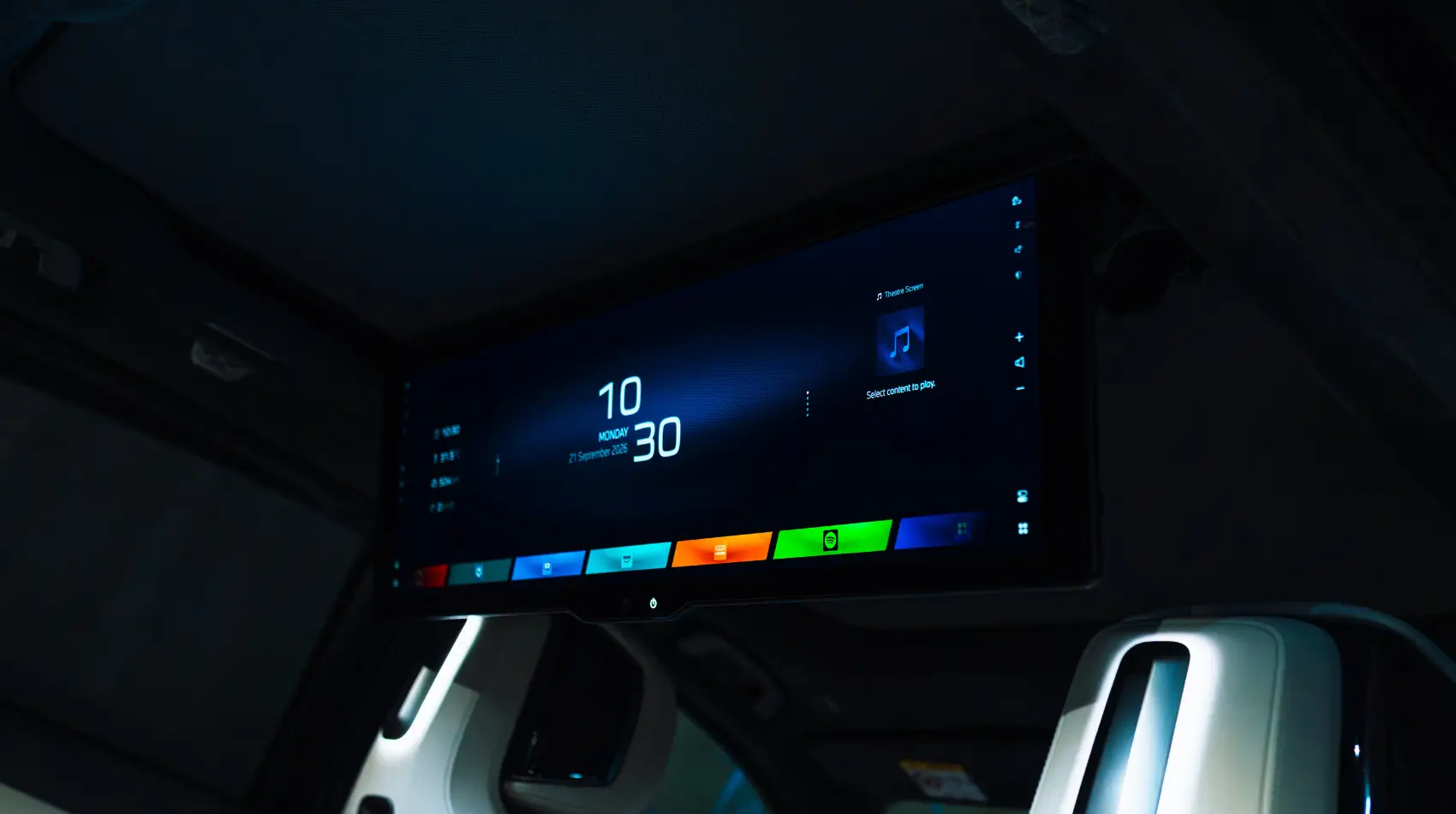
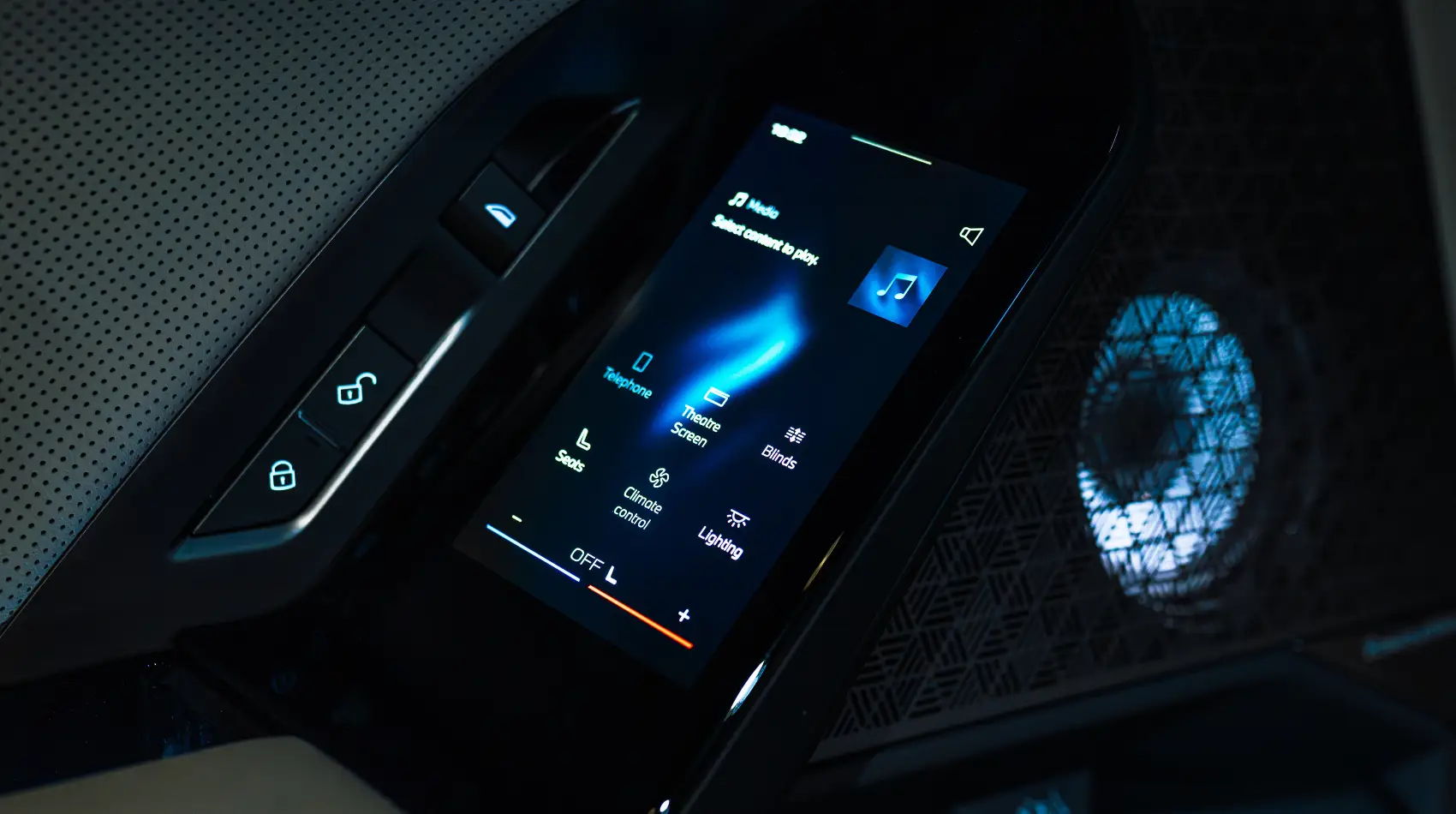
Heating? Yes. Ventilation? Of course. Massage? Naturally. Everybody loves throwing around the term 'Boss Mode' these days. But this is what actual Boss Mode looks like. And then there's the Theatre Screen. This enormous 31.3-inch ultra-wide display folds down from the roof with the sort of theatrical flourish that would make a Broadway production jealous. Individual touchscreens integrated into the rear doors control everything from seating to entertainment.
Short of a Rolls-Royce Ghost or Phantom, there's arguably no other luxury sedan in India offering this level of rear-seat theatre. Not even a Bentley. And certainly not the regular S-Class. The Maybach might have an edge when it comes to materials, but that's an entirely different price bracket.
The audio system deserves special mention too. The 35-speaker Bowers & Wilkins setup, complete with Dolby Atmos, is phenomenal. Sitting in the cabin feels like sitting in the absolute centre of the NCPA during a live performance. Without question, one of the five best automotive audio systems I've ever experienced.
Underneath all that luxury sit two electric motors producing 455hp and 600Nm of torque. That's enough to propel this near-three-tonne behemoth from 0-100kmph in 5.5 seconds. Which, frankly, is ridiculous. A car this big and heavy has absolutely no business accelerating this quickly. But it does. Effortlessly.
There's also a larger 112.5kWh battery replacing the previous ‘smaller’ unit, with a claimed WLTP range of 728km. Realistically, I'd expect somewhere around 550-600km if you're driving like a chauffeur rather than a motoring journalist.
But forget the numbers. That's not what this car is about. It's about comfort. And bloody hell, BMW has absolutely nailed it. Thankfully, someone at BMW India resisted the temptation to fit enormous 23-inch wheels with rubber bands masquerading as tyres. Instead, you get a sensible amount of tyre sidewall working beautifully with the air suspension. The result is a ride quality that can only be described as magical.
It wafts. It floats. It glides over broken roads with the sort of nonchalance that would make Aladdin and his magic carpet rather jealous. Yes, the 136mm ground clearance means you occasionally need to be careful over larger speed breakers, although the suspension can be raised by 20mm when required. Or dropped 10mm for those cool rolling shots on the Coastal Road!
But combine the suspension with those incredibly comfortable seats, excellent acoustic insulation and the complete absence of engine noise, and you have one of the most sensory-deprived experiences in modern motoring. And in a luxury car, that's a massive compliment.
Surprisingly, it handles rather well too. Rear-wheel steering disguises its enormous dimensions brilliantly, and negotiating the narrow by-lanes of South Mumbai was considerably easier than you'd imagine.
Ask me five years ago whether I'd rather have an S-Class or a 7 Series, and my answer would almost automatically have been the Mercedes. Not anymore.
Mercedes made a fundamental mistake with the EQS. Instead of giving the world an electric S-Class, it created an entirely different car with a completely different personality. BMW, meanwhile, simply took its flagship luxury sedan and gave customers the option of electric propulsion.
And that, in my opinion, is exactly how it should have been done. The i7 isn't merely a good electric alternative to the 7 Series. It's a better 7 Series. Even with BMW's magnificent six-cylinder petrol engine in the equation, the electric version delivers the luxury experience more convincingly. It's quieter, smoother, effortlessly quick, spectacularly comfortable and has enough rear-seat technology to make most private jets feel a little inadequate.
If I had approximately two crore rupees to spend on a luxury barge, I wouldn't bother looking much further. I'd walk into the nearest BMW showroom, put down my limitless credit card and order an i7. In a beautiful two-tone paint scheme, obviously.
Because if you're spending two crore rupees on a car this spectacular and you order it in some boring shade of grey, you deserve to be judged. And trust me, I will.