
Praticality, Drive quality

Doesn't feel as exciting as previous vRS models
As a past owner of a vRS, I hold that badge very close to my heart. In a slightly sacred place, actually. For me, vRS has always stood for real accessible performance. Not some sticker job, not a black pack, not a tiny bump in horsepower and a few red stitches pretending to be a warm hatch. Proper performance. Proper numbers. The kind of performance that made cars from the same segment, and sometimes even a segment above, look a little silly. And yet, crucially, every vRS was still a normal, everyday, usable car.
In India, the vRS story has always meant the Octavia. We have had four generations of the Octavia vRS here, with the third generation even getting two variants. The first generation, of course, gave us both the sedan and the station wagon, because practicality once came with a sense of occasion. But since India has a genuine allergy to station wagons, similar to how I have an allergy to everything vegetarian and lean, we now get the most sensible, most usable, most practical and most family-oriented RS car Skoda has ever made. The Kodiaq RS.
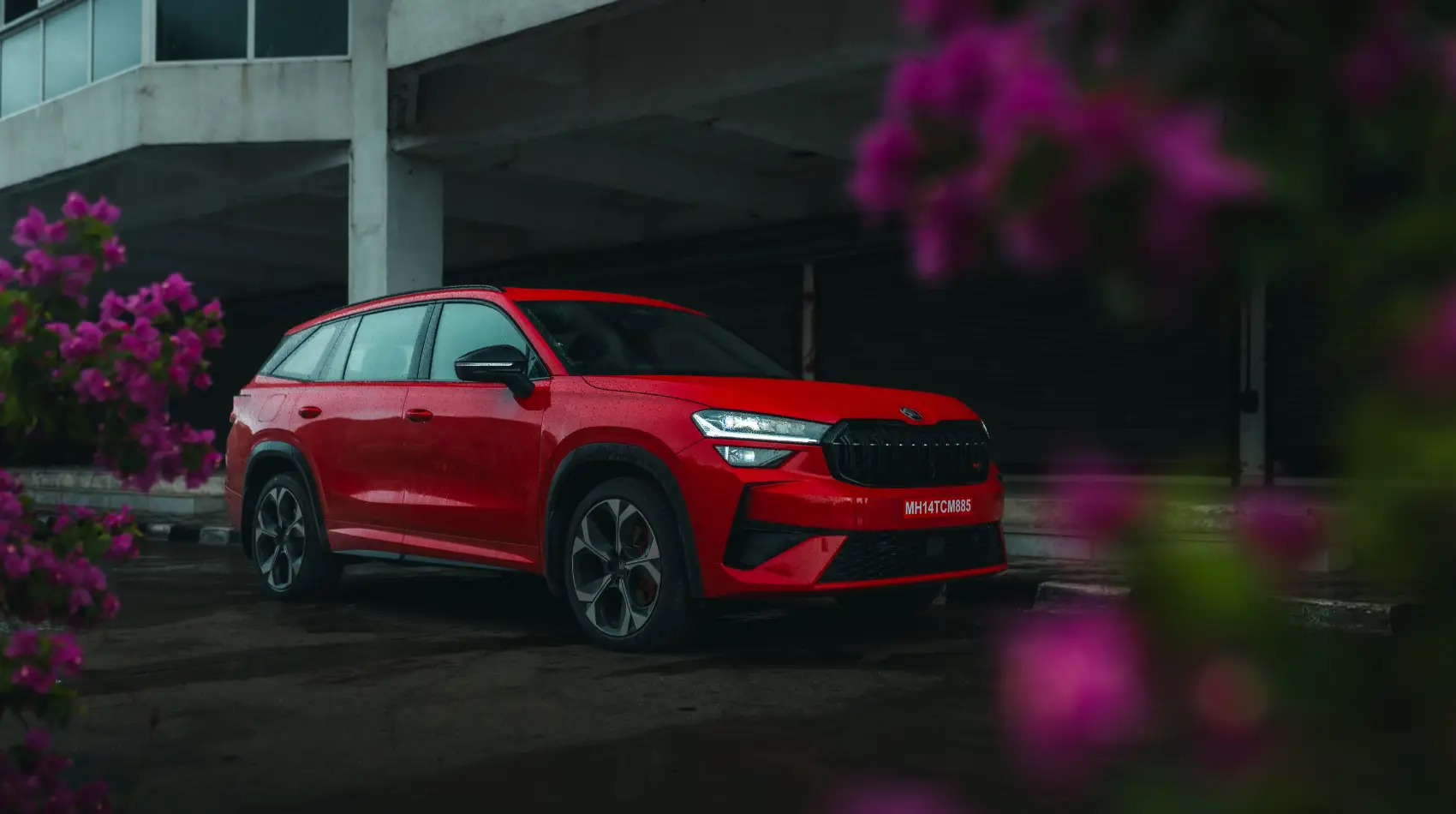
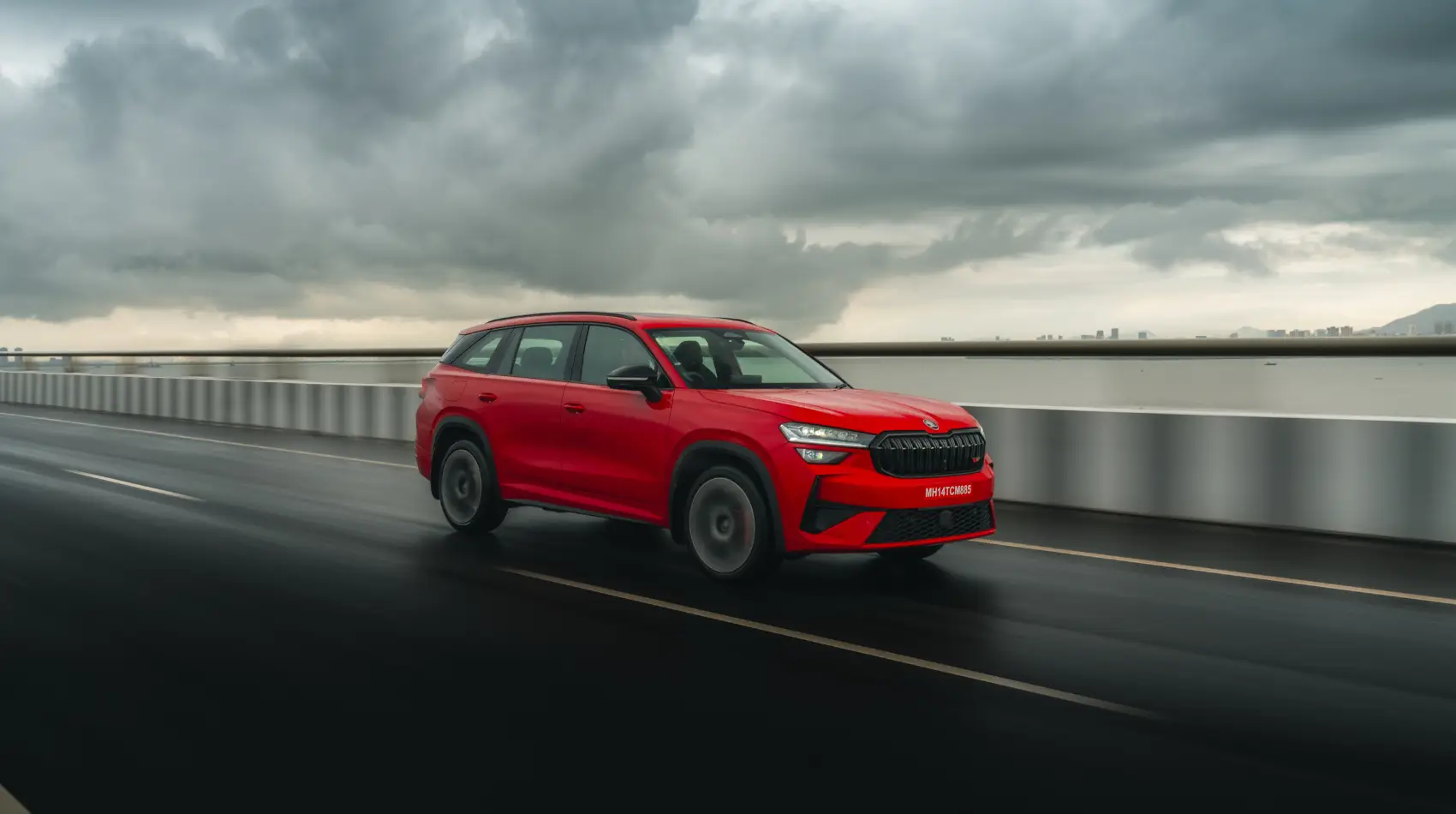
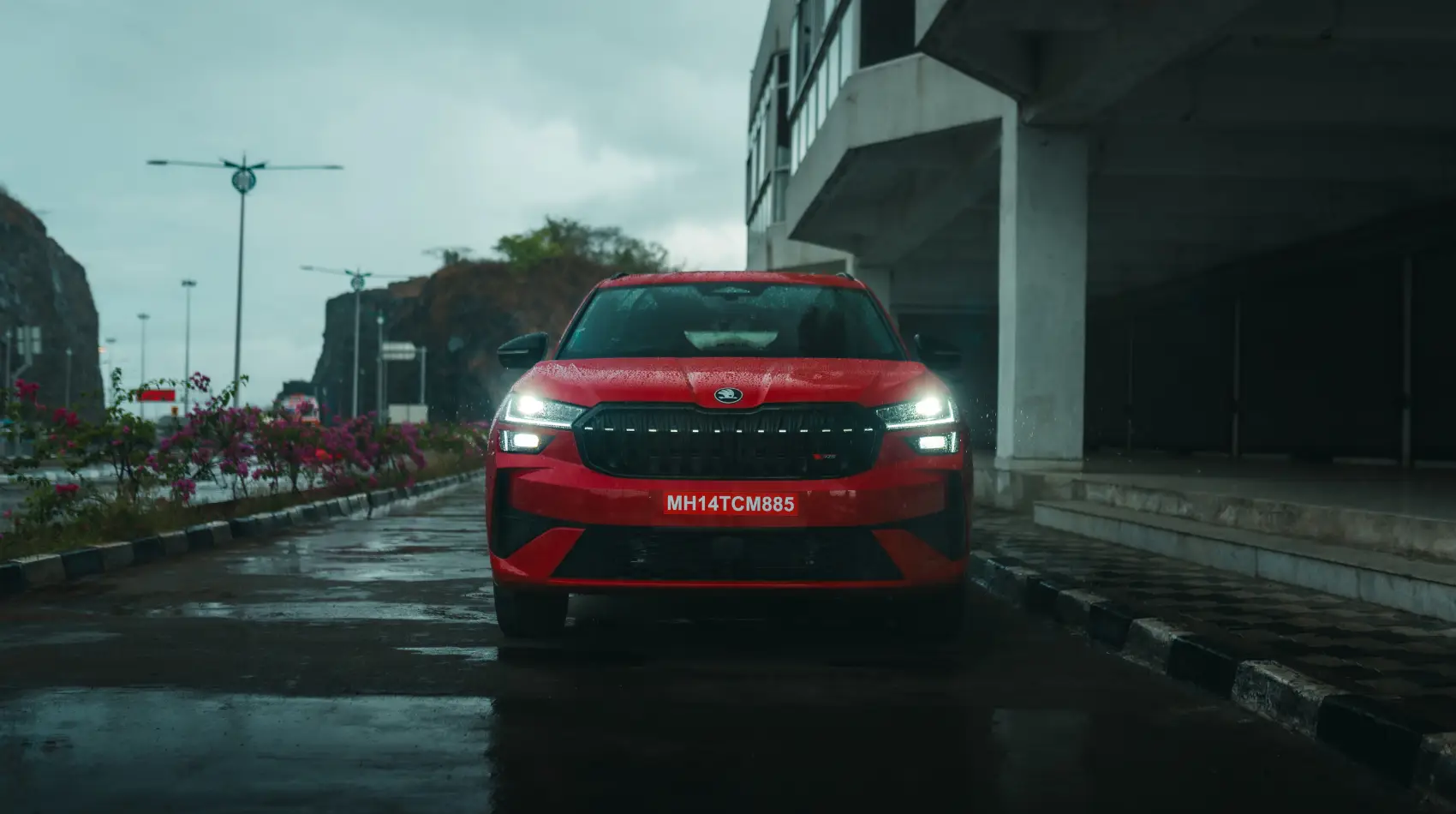
Usually, an RS or vRS looks a little more aggressive, a little more special and a lot more different than the regular car it is based on. That, frankly, is not entirely the case here. Yes, in this red, the Kodiaq RS does look special. But the standard Kodiaq, especially in Sportline trim, already looks sporty enough. You would need to be either a Skoda superfan, a supercar nerd, or someone deeply and worryingly anal about details to instantly spot that this is the RS and not just a standard Kodiaq with a wrap, wheels and attitude.
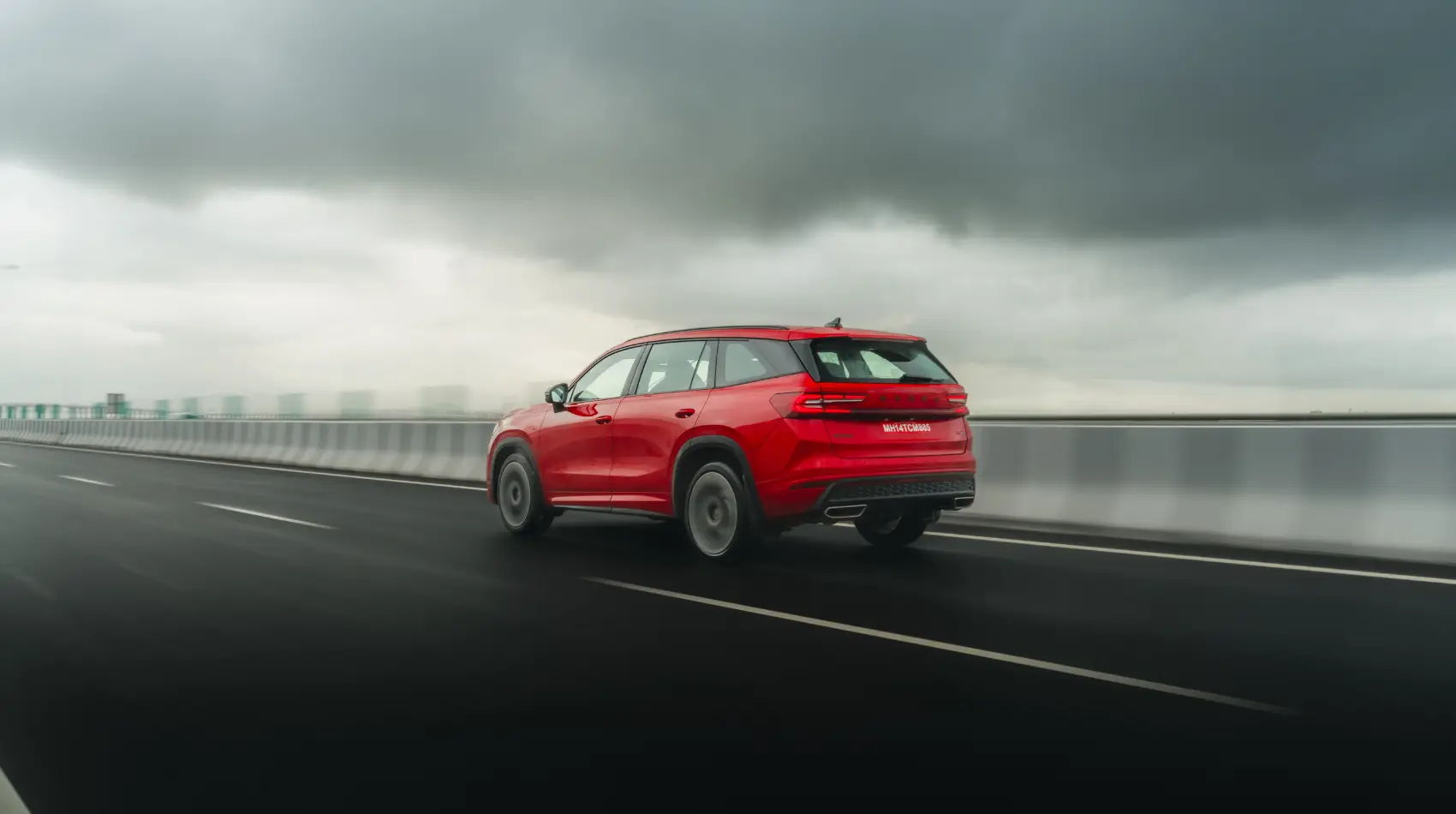
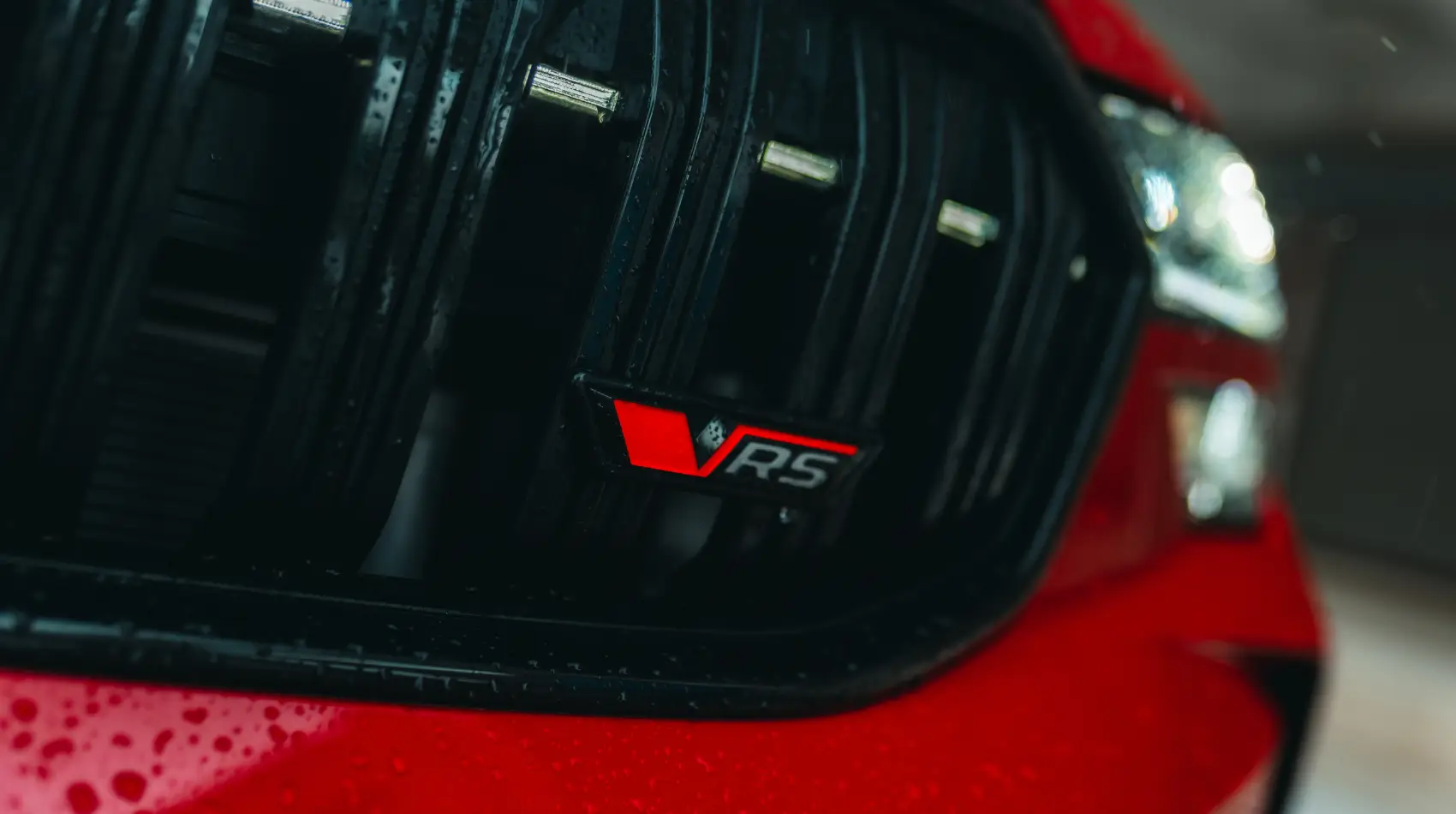
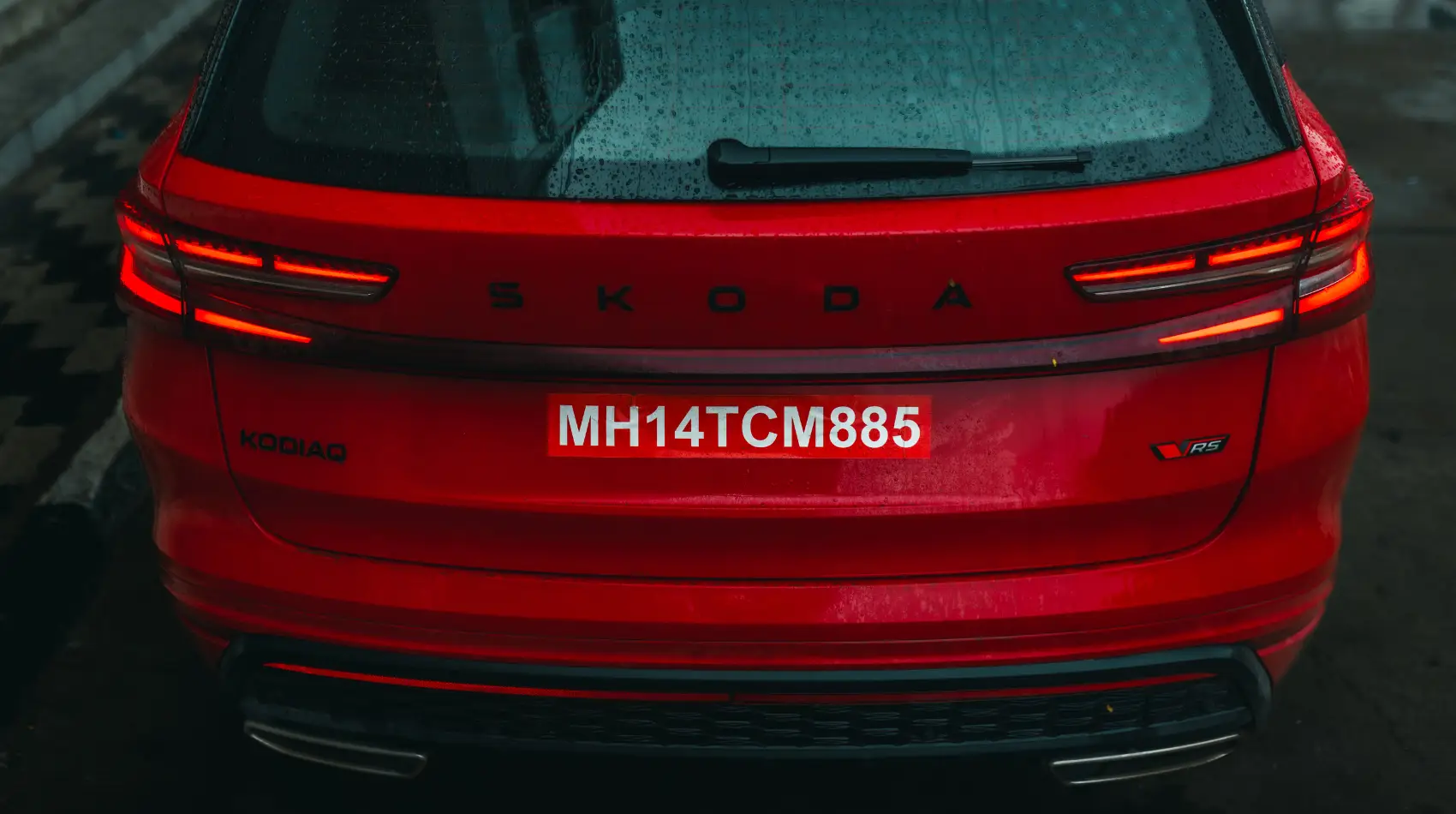
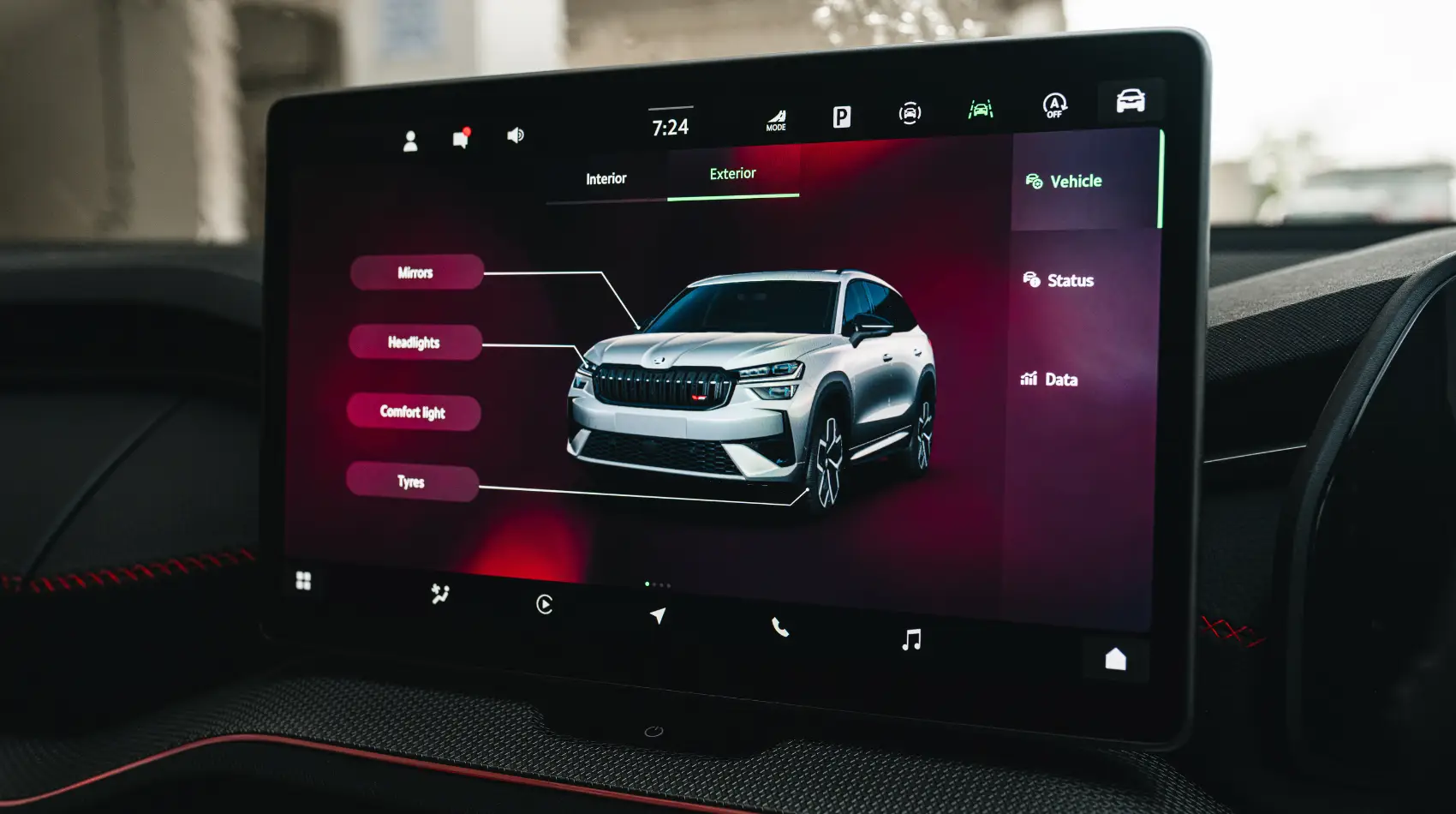
Park it next to a regular Kodiaq and the differences become clearer. You get sportier bumpers, a blacked-out grille, larger 20-inch wheels, trapezoidal tailpipes that are actually real, and front vents that actually do something. They draw air around the front wheels and help cool the brakes. No fake vents. No plastic lies. That deserves applause. But this is still a little too tame. In the past, vRS meant a spoiler, a stronger bumper, a little extra muscle, something that told the world this was not the school-run version. Here, Skoda could have done just a little bit more.
Maybe that was intentional. Maybe the idea was to let well-heeled Skoda loyalists convince their better halves that, “Darling, this is just a normal seven-seat SUV. It is slightly more expensive because it is red.” And to be fair, it does play that part very well.
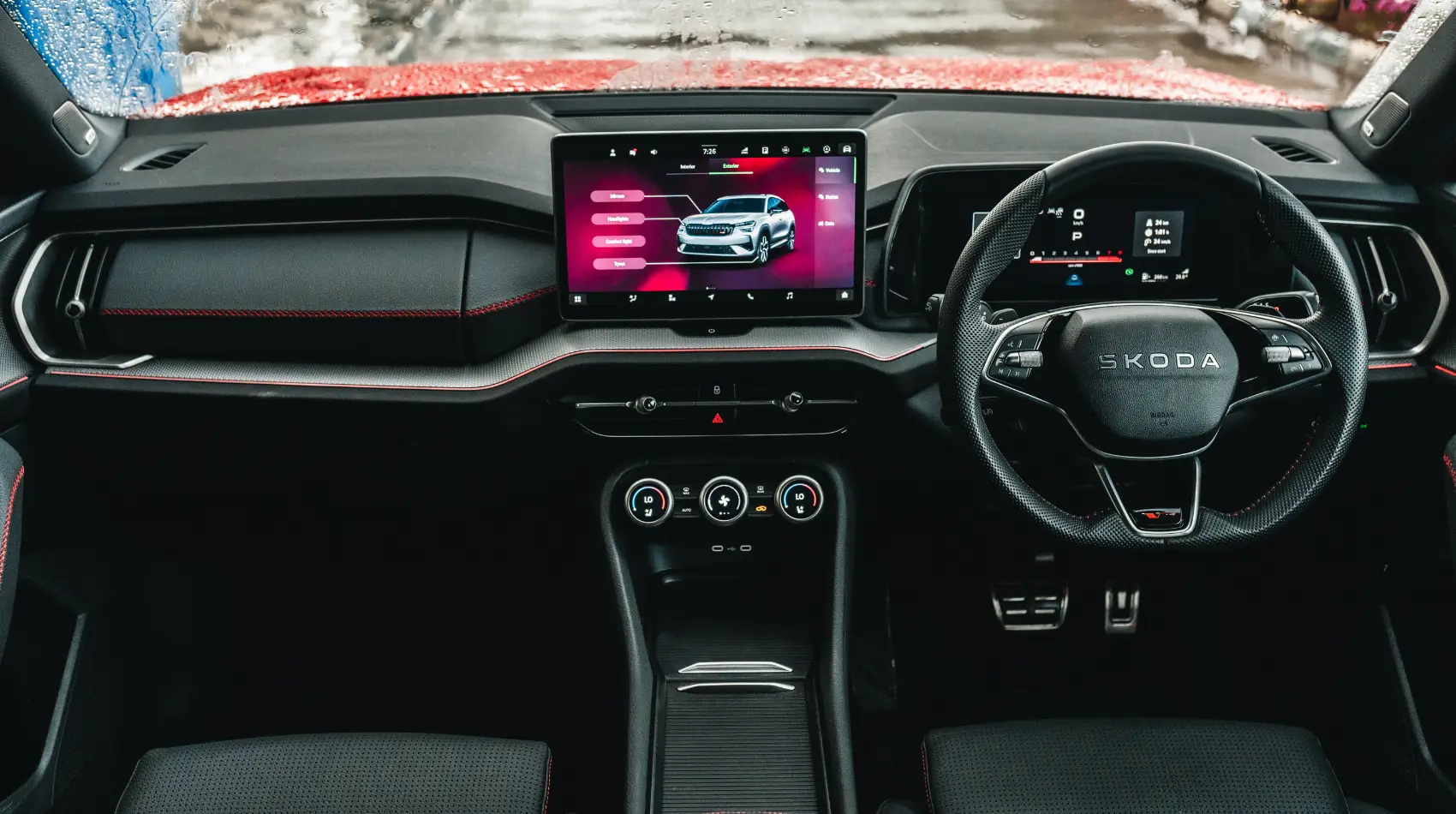
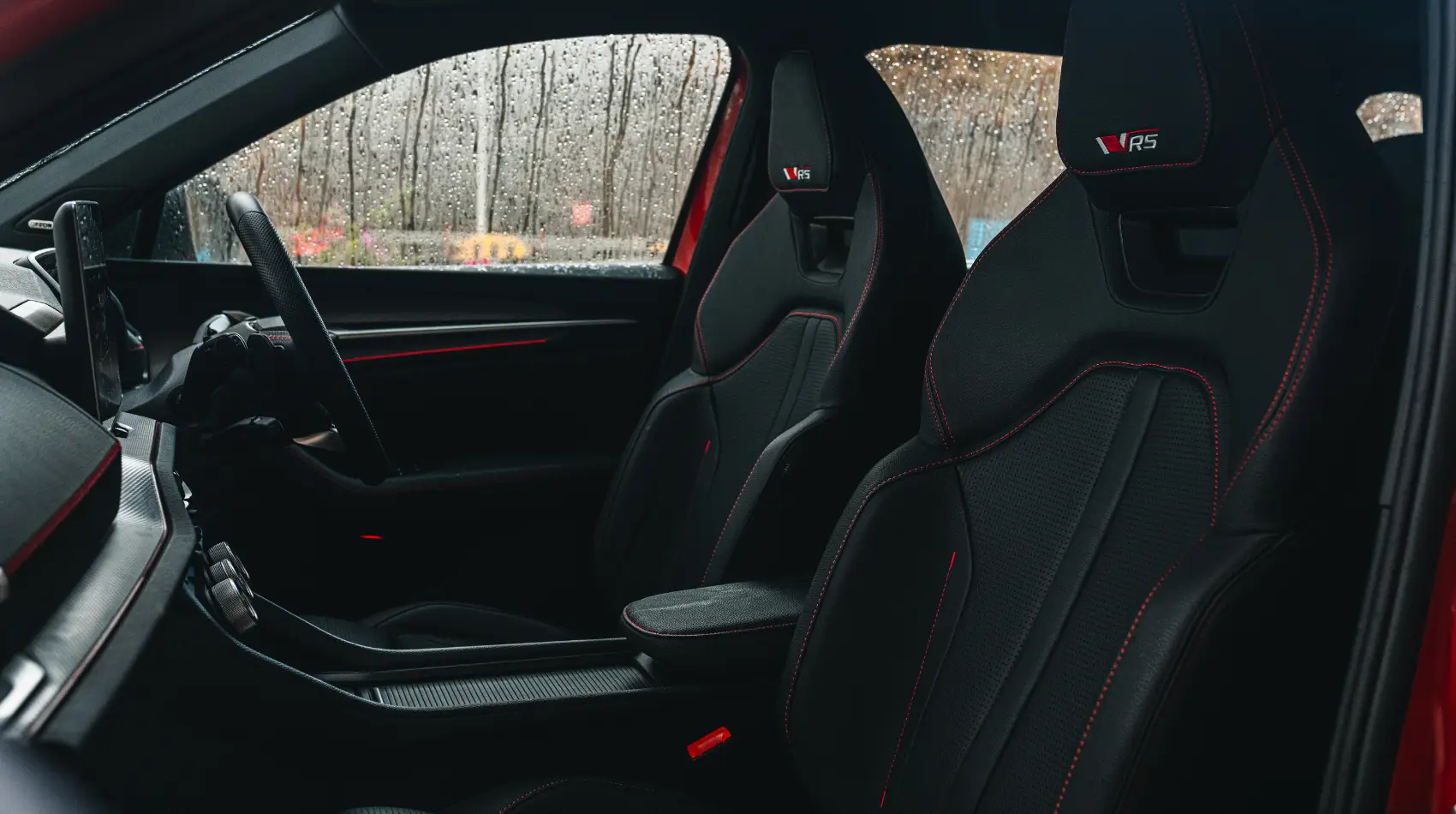
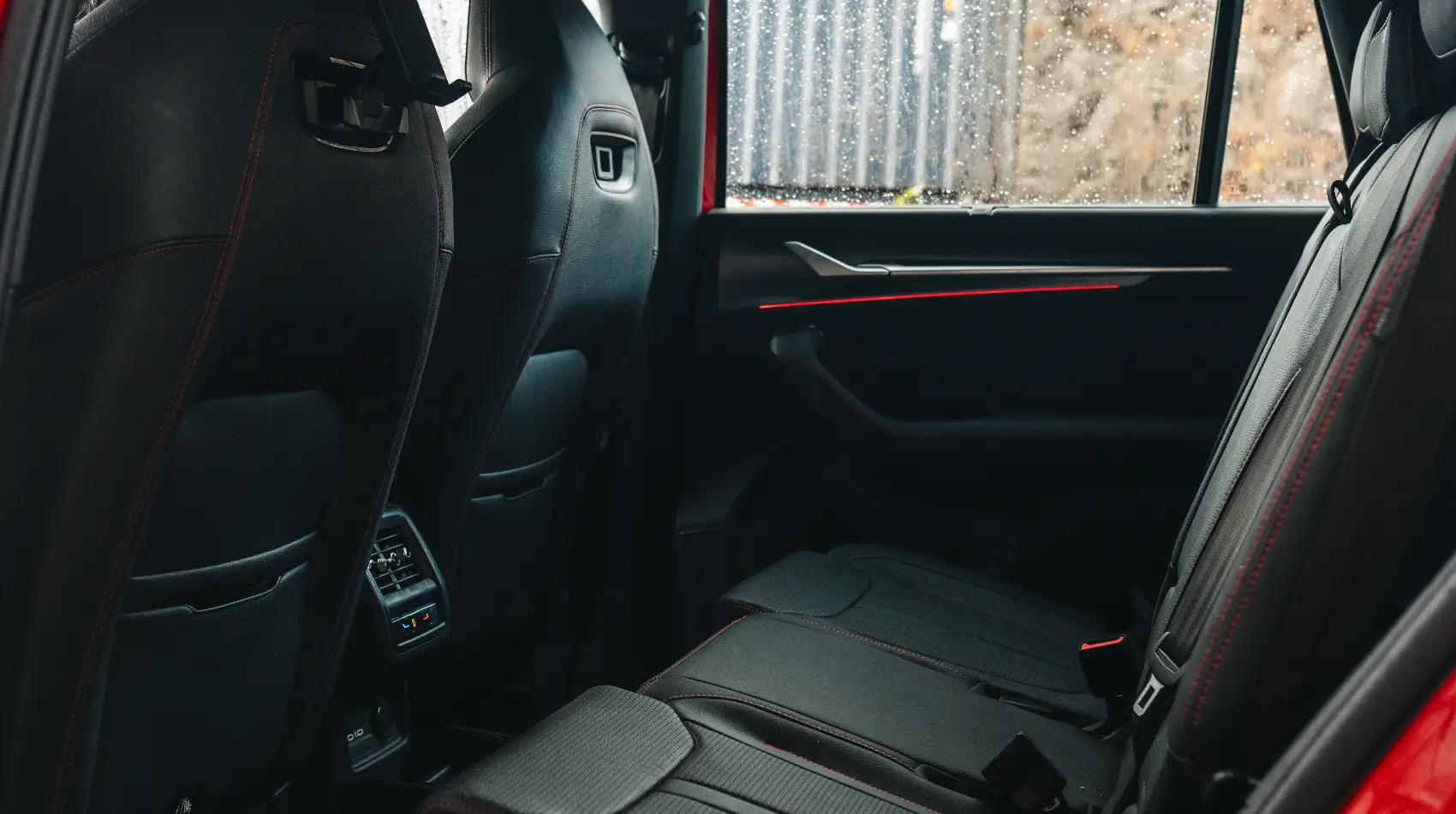
Inside too, the Kodiaq RS feels sporty, but not radically different. That is partly because the standard Kodiaq today is already so good. It is a testament to how far Skoda has come that, in some areas, the regular Kodiaq almost feels nicer. But for the sake of all that is good and sporty and black and red, the RS gets leather everywhere. Leather on the seats, leather on the dashboard, contrast stitching, red highlights, and those absolutely fantastic bucket seats. Honestly, those seats are one of the best parts of the car. I would happily steal them, or at least find a set somewhere and put them into something else.
The practicality remains pure Kodiaq. The second row is absurdly spacious, the boot with the third row folded is massive, and the third row itself is best reserved for children, short adults or people you do not particularly like. Also, if you do put children in the back, you cannot really use the RS as an RS. But with the third row folded, what you basically have is a five-seat, four-door wagon on stilts. Which, annoyingly, is perfect for India.
Then we come to performance. And this is where, for the first time in my life, I was a little disappointed driving an RS.
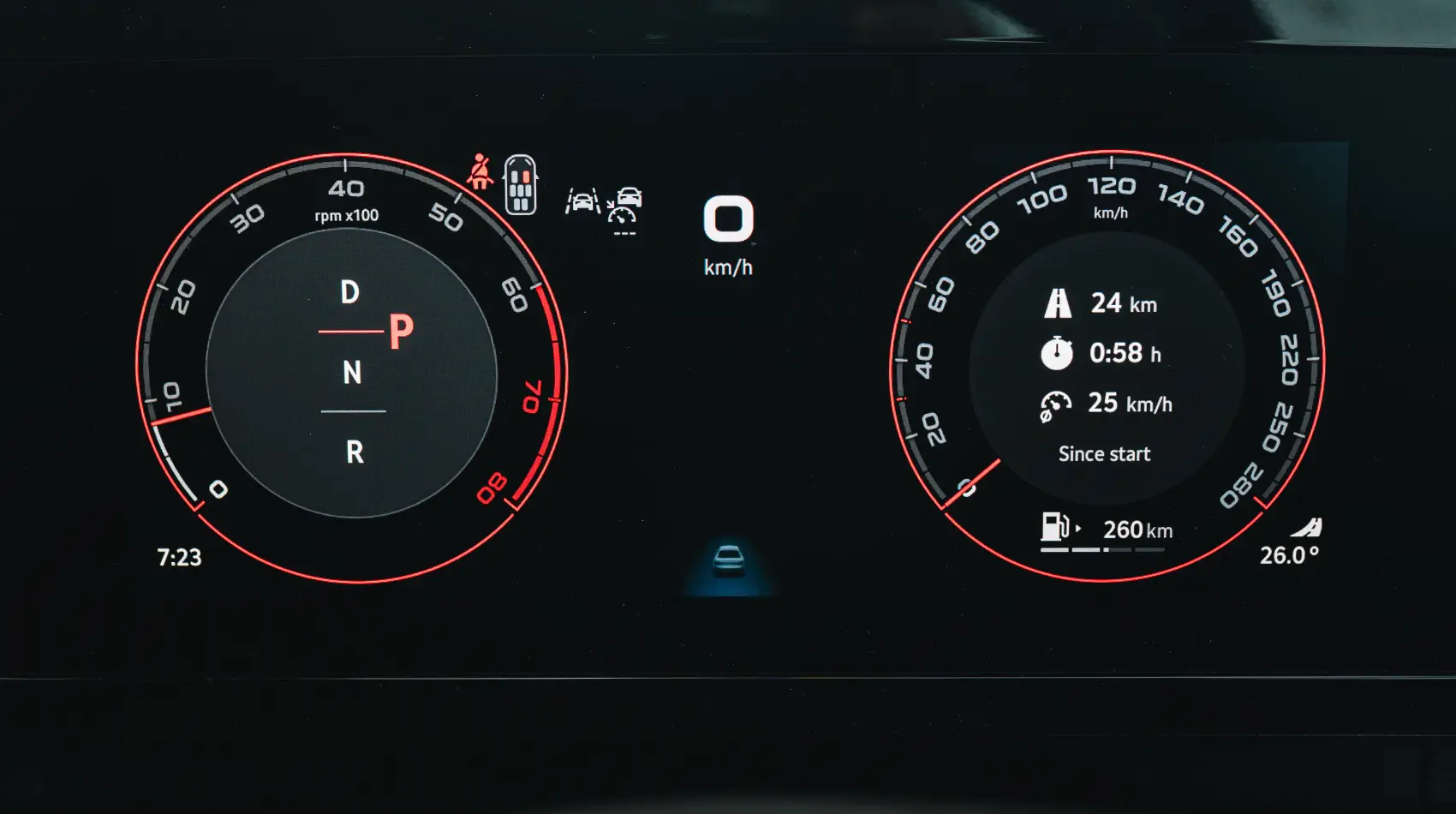
On paper, it is fantastic. You get the EA888 2.0-litre turbo-petrol engine, which remains one of the best four-cylinder engines of recent times. Here, it makes 265 horsepower and 400Nm of torque. You get all-wheel drive, a DSG gearbox and a claimed 0-100kmph time in the early sixes. On a damp day, I managed 7.1 seconds on my Dragy, which means the car definitely has more to give in better conditions.
But my issue is not the number. My issue is the feeling.
For me, a vRS has always felt alive. Frizzy. Alert. A little naughty. Every Octavia vRS we have had was front-wheel drive, and with big power going to the front wheels, you got torque steer, wheel hop and that sense of activity that made you feel involved. You had to manage it. You had to participate. The Kodiaq RS, with all-wheel drive, simply hooks up and goes. It is quick, yes, but it is also a little numb.
The adaptive DCC suspension is excellent, though. Put everything into Individual mode, turn everything up, and the Kodiaq RS does feel tighter, sharper and far more capable. It drives like a proper performance SUV. Just not like a hot one. And that is the problem.
The old vRS magic was that it could embarrass more expensive cars while still feeling cheeky and special. This Kodiaq RS is fast, premium, practical and extremely capable. But when you compare it to the regular Kodiaq, which is already quick and already excellent, or even to something like a Q5 or an entry-level X3 at similar money, the argument becomes complicated.
And that is why I am torn. I respect the Kodiaq RS. I admire it. I even like it. But do I love it the way I loved the old vRS cars? Not quite. This is the most practical RS Skoda has ever made. It may also be the most grown-up. I am just not sure growing up was what made the badge special in the first place.
What Skoda should have done, perhaps, is given the Kodiaq RS one properly unhinged mode. A mode where it became slightly louder, slightly stiffer, slightly sharper on the throttle, more aggressive with the gearbox, heavier with the steering and just generally a little more feral. A proper all-round sports SUV mode, while still keeping the normal, comfortable, family-friendly settings for those days when you have your better half, children or parents in the car, all ready to shout at you from the backseat or from the seat next to you the moment you begin driving like an actual vRS driver. Which, let us be honest, is just a polite way of saying a slightly overgrown street hooligan.
Of course, stiffening it up, making it louder, making it more aggressive and making it less comfortable would almost certainly have made it a worse Kodiaq. But at the same time, it would also have made it a better RS. And that really is the trade-off. I understand why Skoda did not go all the way. I understand why this car has been kept mature, polished and deeply usable. But I also wish it had just a little more madness buried somewhere inside it.
Then again, as with every RS before it, the aftermarket will always exist. If you want to make this a louder, sharper, angrier and more proper RS, you probably can. It is, after all, a very expensive blank canvas. That said, unlike the Octavia vRS, which has always attracted wheels, maps, exhausts, suspension kits and owners who cannot leave well enough alone, I do not see too many Kodiaq RS owners going completely wild with these. Most will probably remain stock, clean and pristine, because these are rare, expensive and, at the time of writing, already impossible to buy. Skoda India is bringing in only 50 units, and all 50 were snapped up in a matter of minutes. Which means whether I think it should have been a little more RS or not, the people who wanted one clearly did not need convincing.