The Kia Syros EV gets almost everything right, range, ride, quality and practicality. But its biggest weakness has nothing to do with the way it drives. We tell you why.
Oh dear, Kia has made a bit of an error with this one.
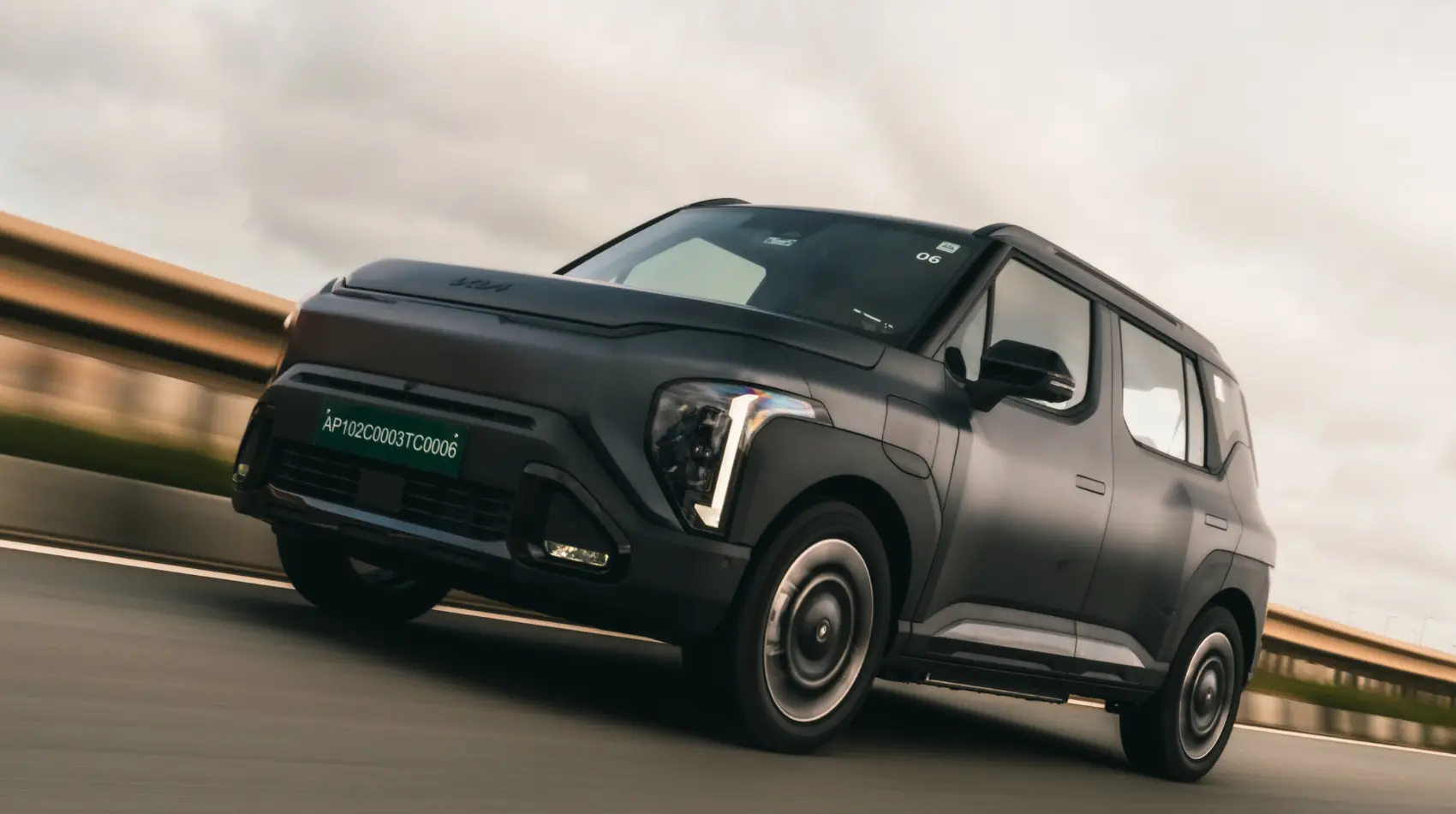
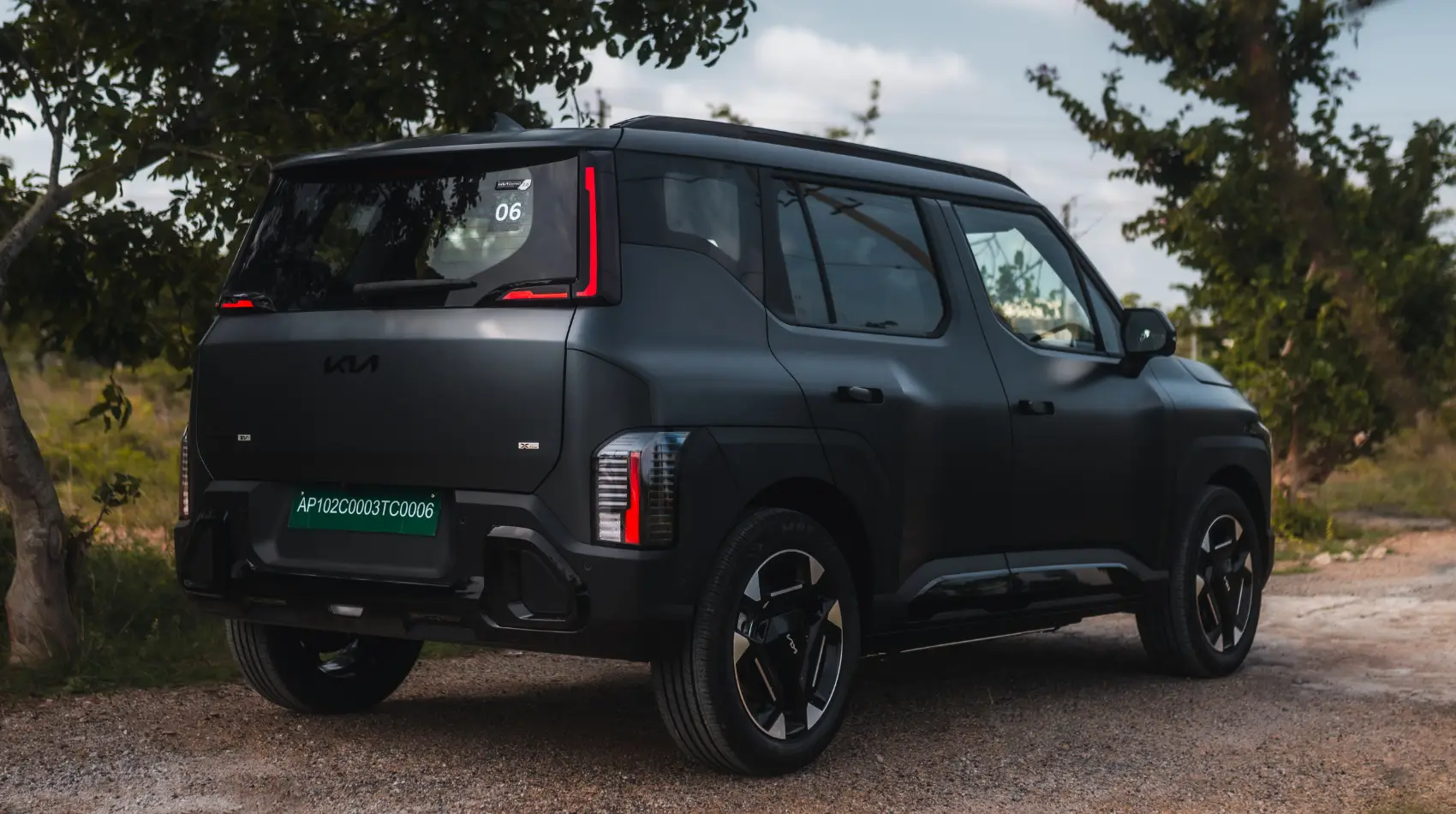
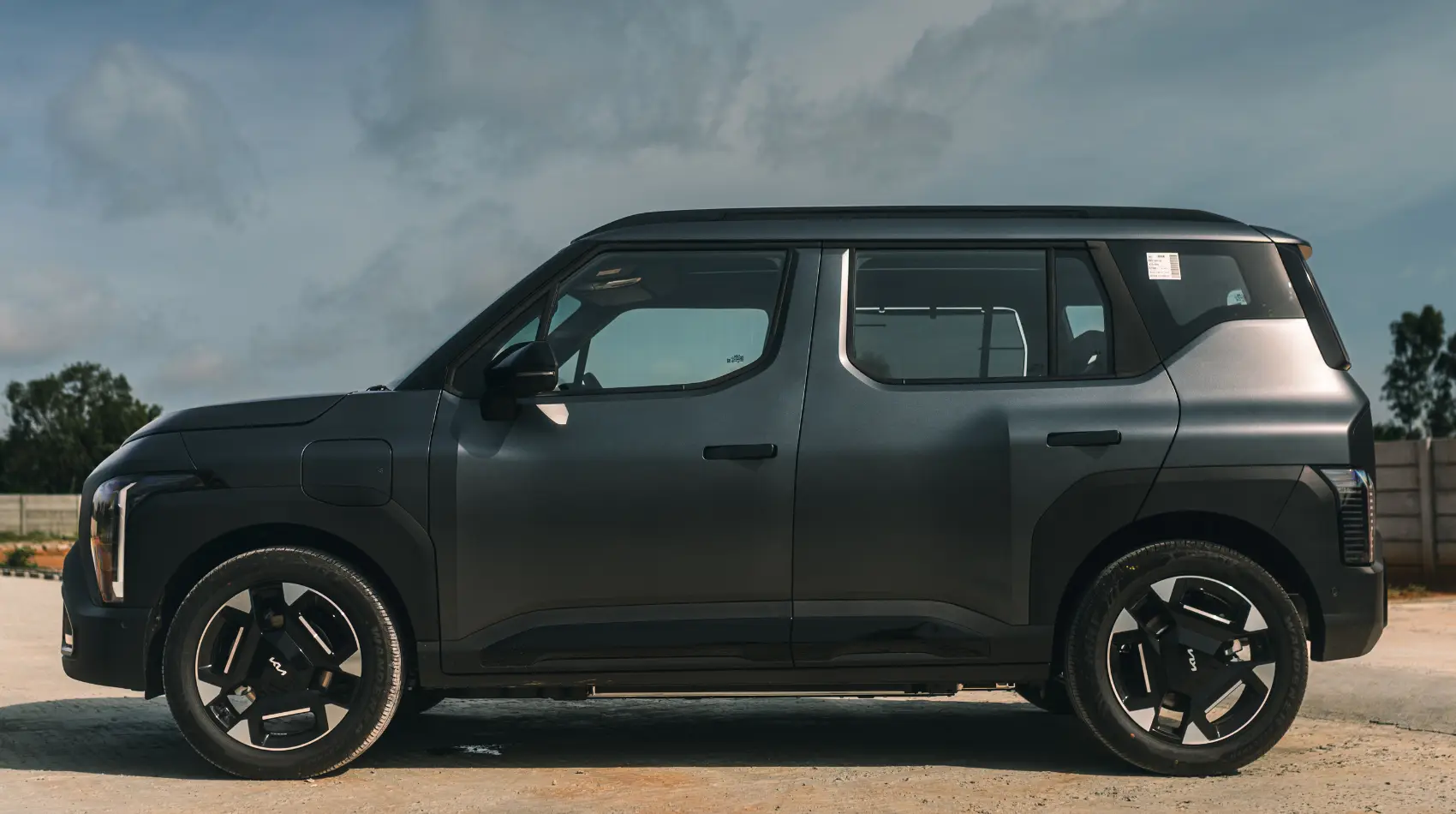
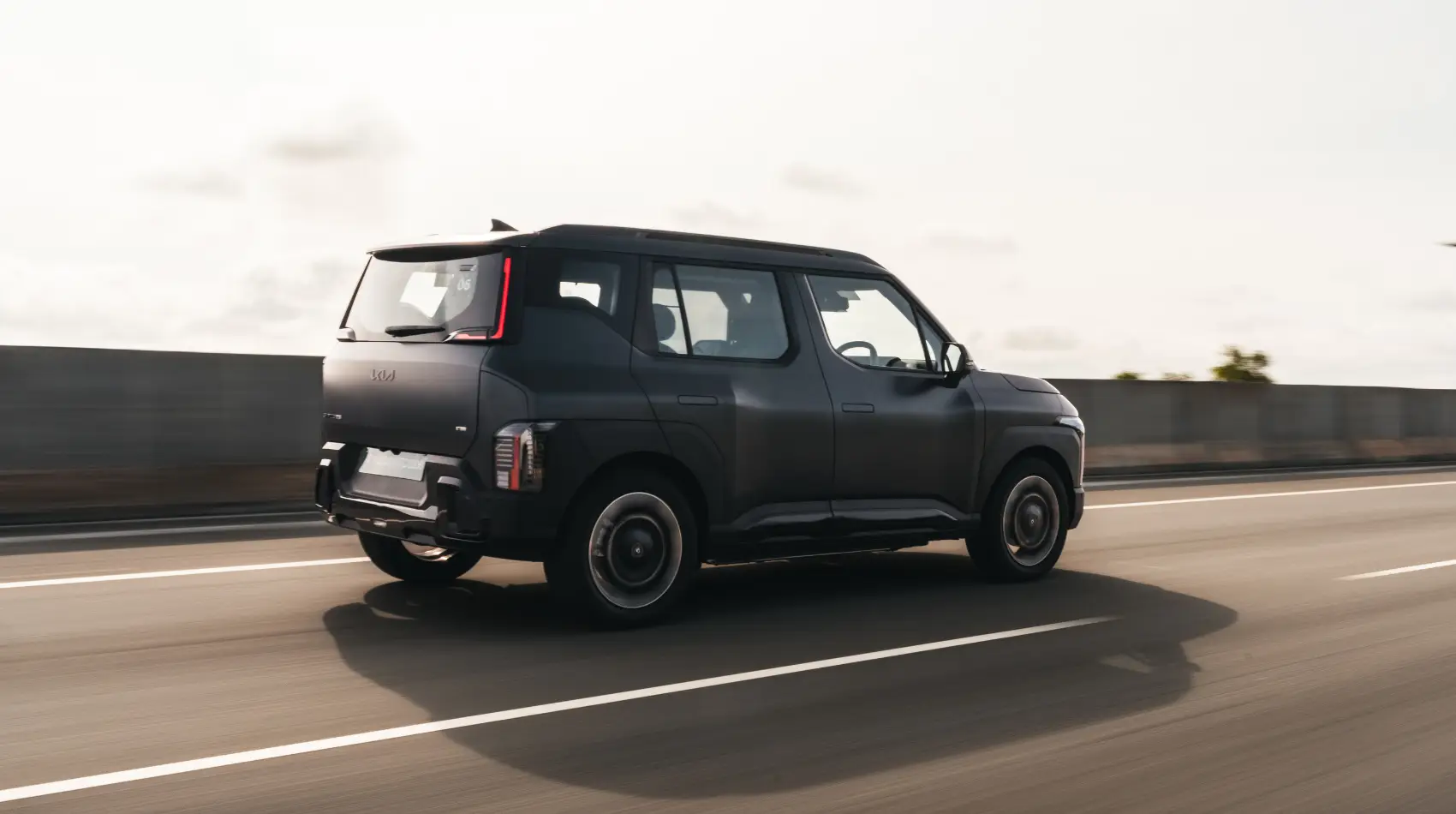
And I want to say that right at the very beginning of this review because, well, considering you're looking at photographs of this car before you've actually started reading, as most of us do these days, you've already seen the Syros EV in all its matte black glory.
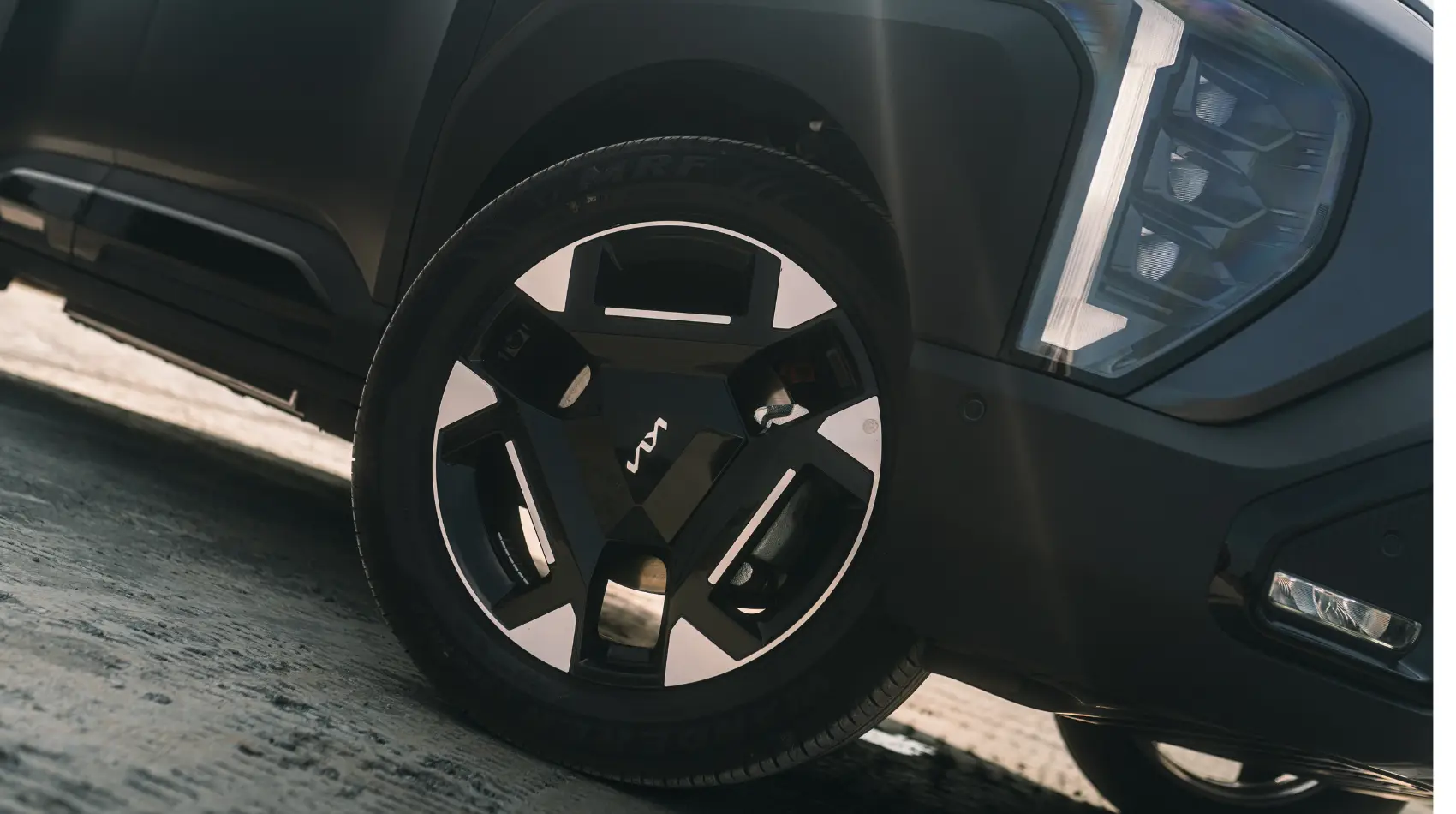
The Kia Syros is one of my absolute favourite cars from last year. I'm perfectly okay with the way it looks because I appreciate design that dares to be a little different, even if there are bits that I'm not particularly fond of. The oddly positioned headlights, for example, have never really grown on me. Neither have the geometric alloy wheels that look more like concept car sketches than actual wheels.
But I also appreciate engineering. I appreciate when a company manages to bring together a package that simply works. And that's exactly what the Syros has always been. It has always struck an excellent balance between driving dynamics, performance, practicality and perceived quality. It drives surprisingly well, sharing its underpinnings with the Venue platform, which is a genuinely competent chassis. But what has always stood out are two things.
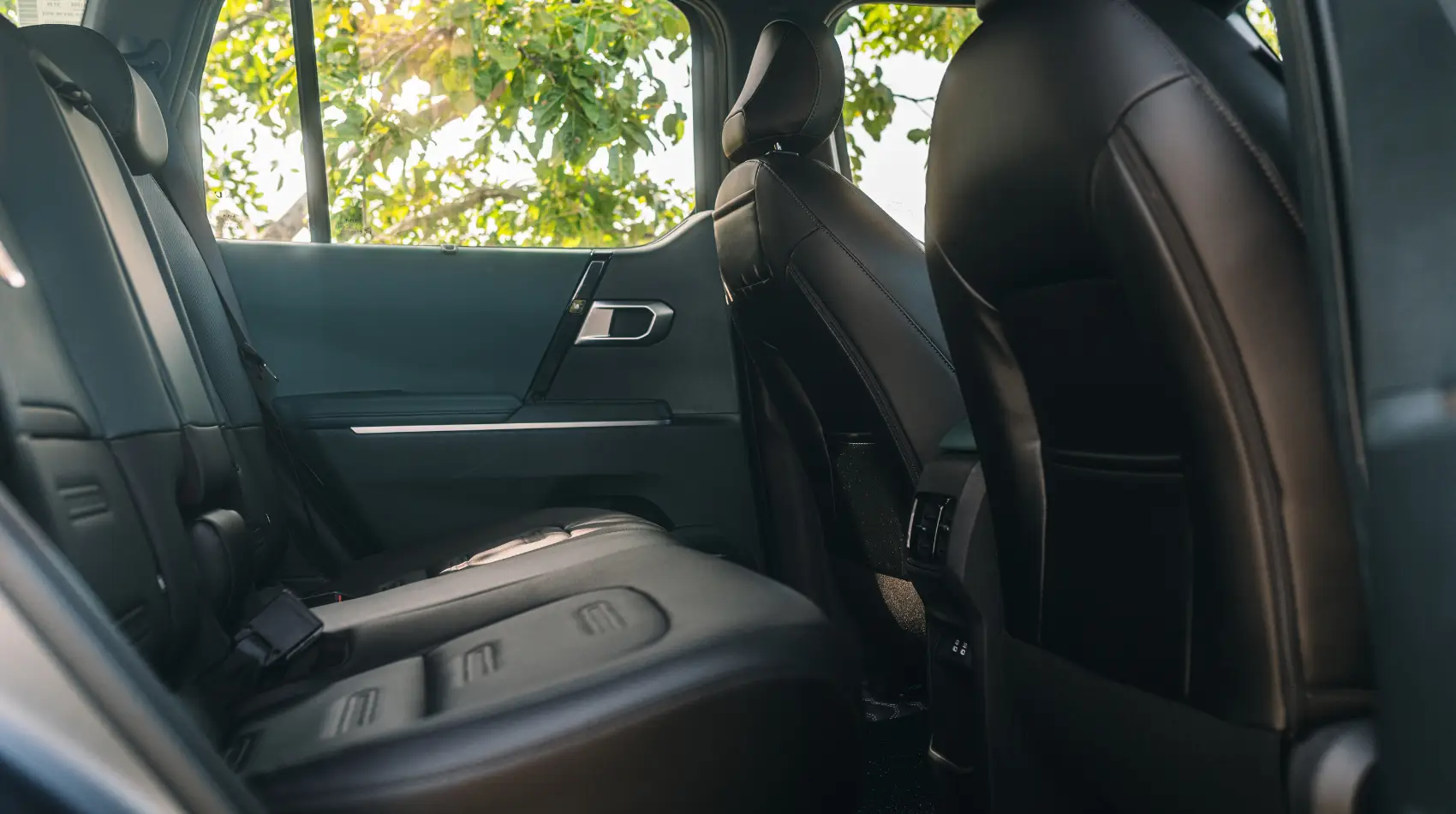
First, the packaging. The rear seat remains one of the best in the segment. There's acres of space, excellent thigh support, reclining backrests and just a wonderful sense of openness. Second, the cabin quality. Every switch, every touchpoint, every material feels like it belongs in a car from a segment above. The colour palettes, especially the lighter interiors, lift the ambience dramatically. Yes, it was priced above its rivals, but it genuinely felt like you were getting something more premium. Unfortunately, buyers never quite saw it that way.
The Syros struggled for two reasons. Firstly, it wasn't cheap. Secondly, and perhaps more importantly, if people don't like the way a car looks, they never even walk into the showroom to discover everything else it does brilliantly. And that's exactly where Kia has repeated its biggest mistake. The Syros EV looks... almost exactly like the petrol Syros. That, in my opinion, is a massive missed opportunity.
Because underneath this familiar body lies what is essentially the international Kia EV2. And if you've seen the EV2, you'll know exactly what I'm talking about. It looks futuristic. It looks distinctive. It looks like an EV person would actually stop and stare at. That design alone would've brought curious buyers into dealerships. Instead, Kia has carried over the familiar front-end styling, and I genuinely think that's going to hurt sales. Because here's the irony.
This is probably one of the best electric cars in India today. In fact, if there was ever an EV that deserved mass-market acceptance purely because of how complete it feels, this is it.
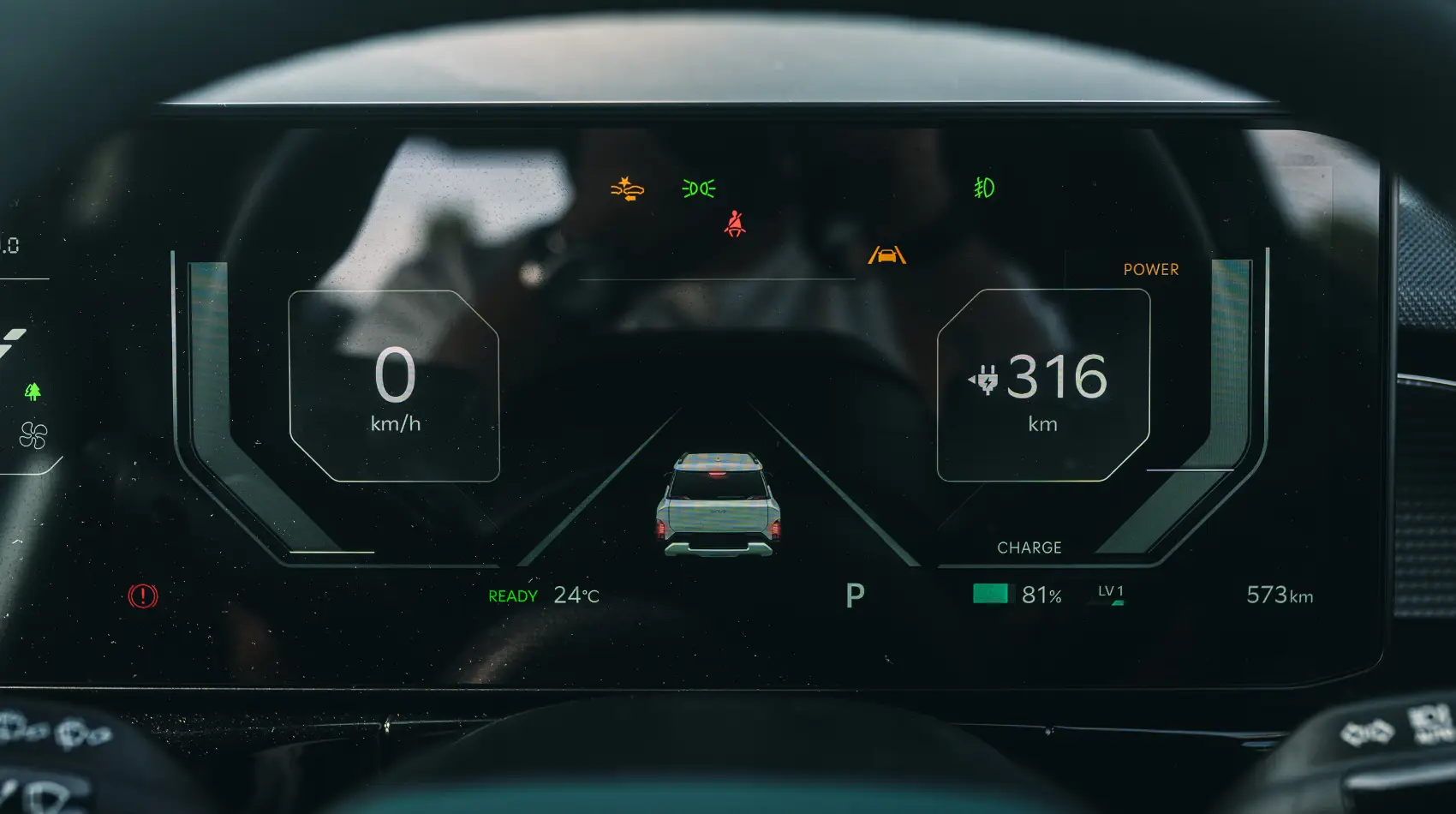
Let's start with the battery options. There are two available. The entry-level version gets a 42kWh battery pack. We haven't driven that yet, so I'll reserve judgement until we do. The one we've tested is the larger 51.4kWh battery. Officially, Kia claims 526 kilometres of range. Now, let's be sensible. Nobody drives exactly like an ARAI test cycle. Unless your idea of fun is hypermiling behind trucks at 60kmph with the air conditioning switched off, you're never going to see that number.
What you will see is something around the 430-450km mark. And honestly? That's still hugely impressive. Because this isn't a massive SUV carrying a battery the size of a small apartment. It's a sub-compact SUV with a battery that's sensibly sized, keeping weight under control while still delivering range that removes almost all forms of range anxiety for everyday users.
Performance is equally impressive. The larger battery version produces 171 horsepower and 255Nm of torque. Now pause for a second. Just a few years ago, 170 horsepower in something this size would've been considered absurd. People would've been fitting bigger brakes, stiffer suspension and louder exhausts just to cope with those numbers. Today, it's becoming normal.
Officially, Kia claims around eight seconds for the 0-100kmph sprint, and having driven it, I have absolutely no reason to doubt that figure. More importantly, unlike some of the earlier generation EVs we've experienced, the original Nexon EV and even the XUV400 to some extent, the Syros EV actually manages to deploy its power cleanly. There's very little wheelspin. Very little torque steer. Just smooth, immediate acceleration that feels effortless rather than dramatic. It's quick without trying too hard.
One thing worth mentioning is the battery architecture itself. Unlike some manufacturers who've started experimenting with different battery chemistries, Kia has stuck to a conventional lithium-ion pack. It's a proven solution and one that should inspire confidence. The only slight visual compromise is that you can actually see part of the battery protruding underneath the car.
Now, while we're talking about the floor, let's address one of the biggest complaints people usually have with electric cars. Seating position. Most EVs have batteries underneath the cabin floor, which inevitably raises the seating position. Your knees end up higher, your thighs lose support and long journeys become uncomfortable. The Syros EV handles this remarkably well. You never really feel like you're sitting on top of the battery. The floor height feels natural and the seating posture remains almost identical to the regular petrol version. It's one of those things you probably won't notice during a short test drive. But you'll definitely appreciate after spending four or five hours behind the wheel.
Speaking of the wheel, the top-spec version rides on 17-inch alloys wrapped in 215/55 R17 tyres. And this is where Kia has quietly transformed the car. The original petrol Syros always had one weakness. Ride quality. It wasn't bad. It was simply a little too firm. The diesel version improved things because the heavier engine settled the suspension slightly better. Now the EV takes that one step further. The additional battery weight has transformed the way this car rides. Kia has also retuned the suspension and, if my information is correct, fitted revised bushings while increasing ground clearance by a few millimetres.
Whatever they've done, it works. The ride is now genuinely excellent. Sharp edges are absorbed with much greater composure. Expansion joints disappear almost silently. Broken roads no longer upset the cabin. And because the extra weight sits low in the chassis, body control actually feels better than before. It's one of those rare occasions where adding weight has actually improved the driving experience. The steering remains predictable. There's enough confidence through fast corners. No, this isn't a sporty SUV in the traditional sense. But for an electric family SUV, it strikes a lovely balance between comfort and control.
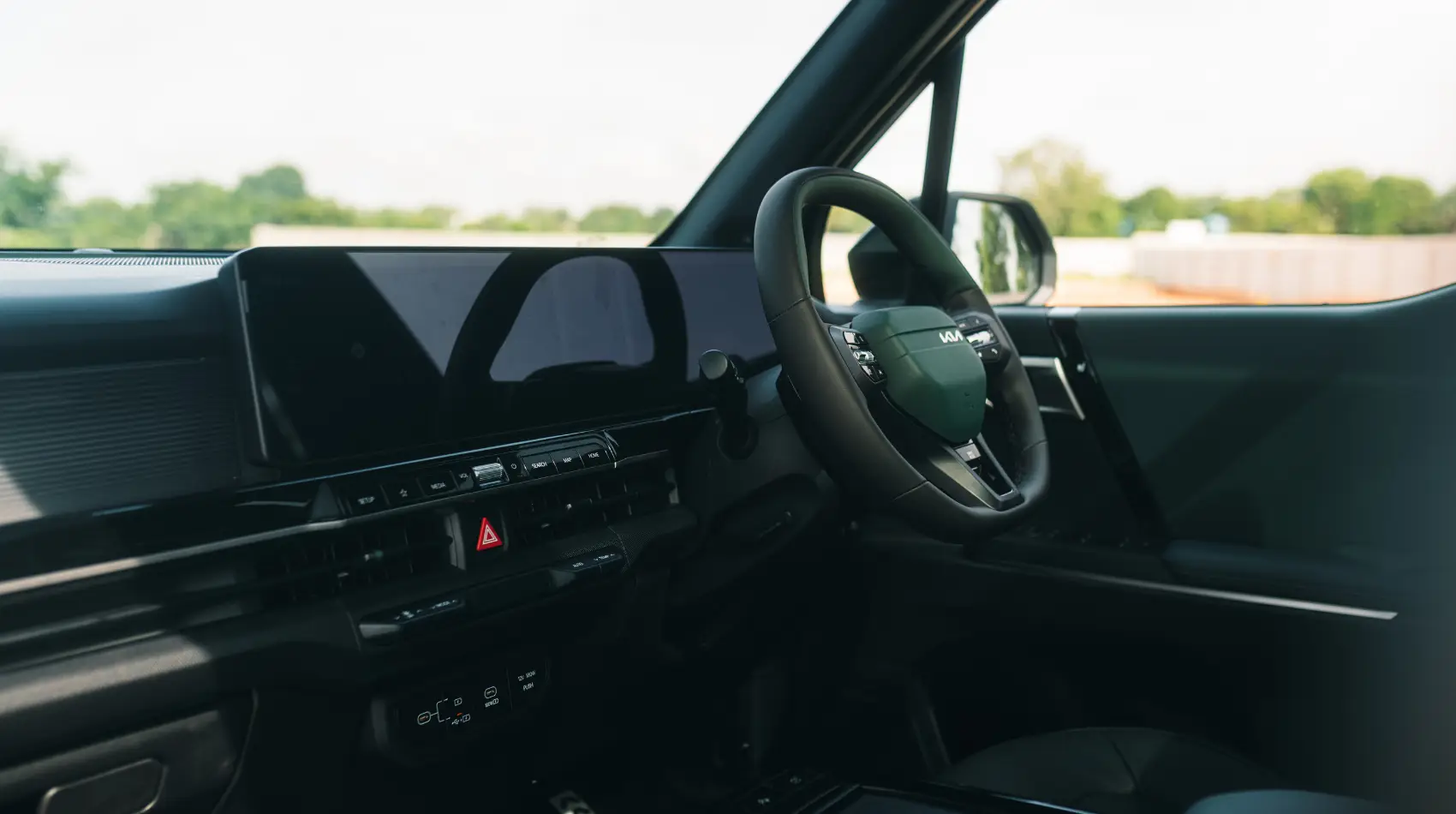
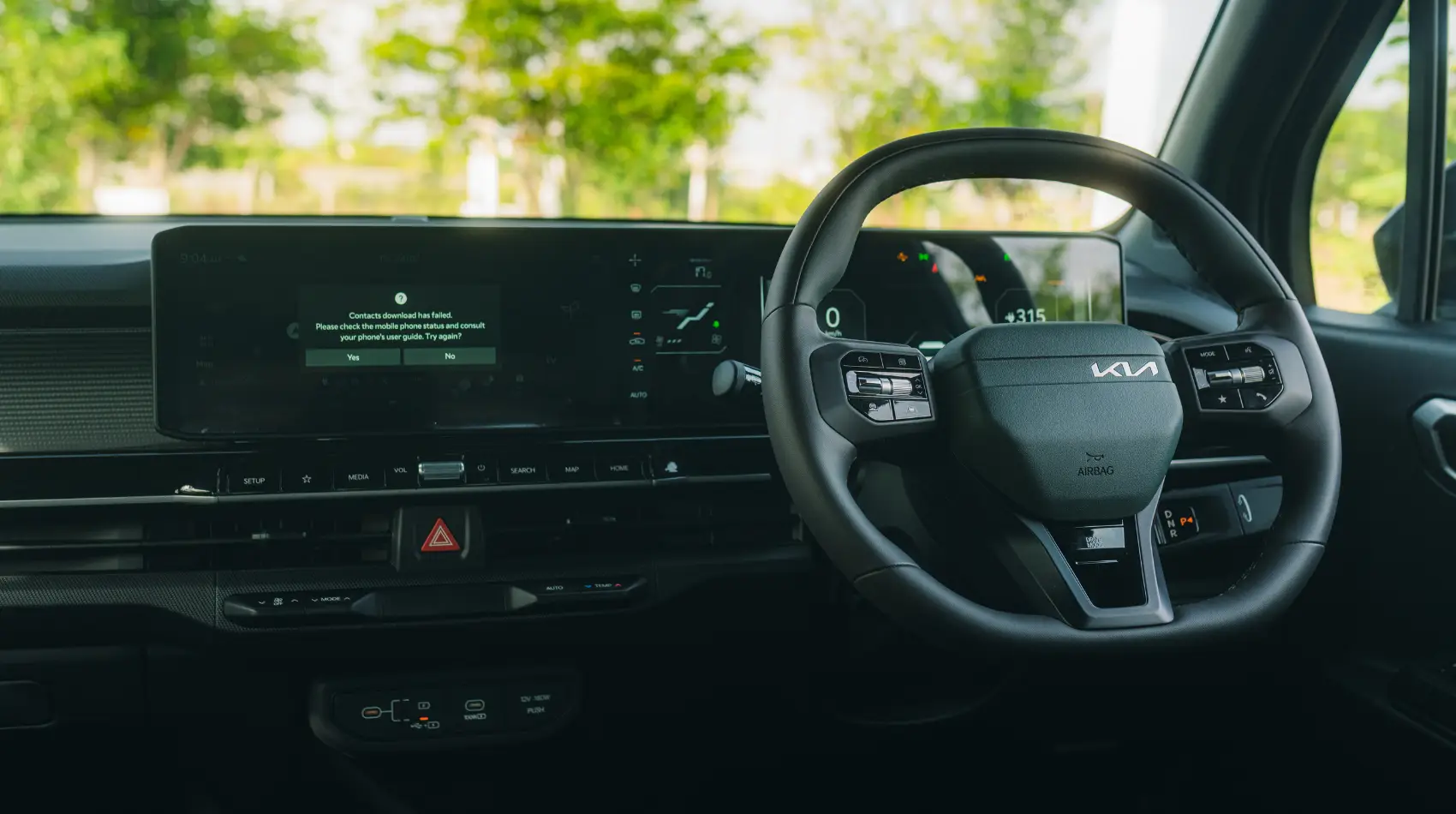
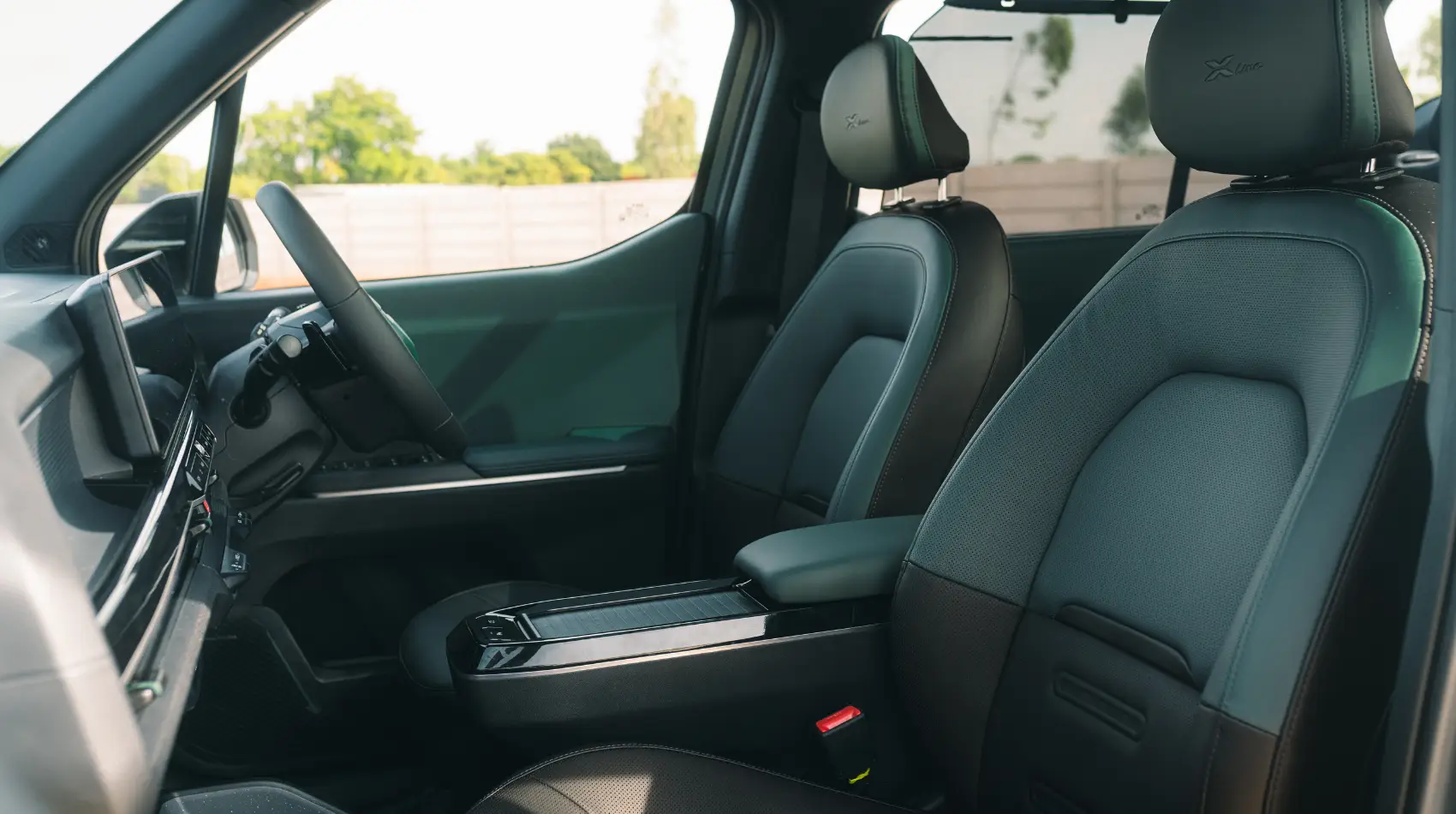
Inside, things are largely familiar. Because the Syros already had one of the nicest cabins in the segment. The regular petrol version's bright beige interiors remain my personal favourite, but the EV introduces a few new colour combinations. You can choose between grey and blue, grey and white, or, on the X-Line that we're driving, a black and dark green leatherette interior.
The matte graphite exterior paired with the X-Line styling actually works rather well. The darker bumpers, subtle detailing and unique finish make this the best-looking version of the Syros yet. But I'm still undecided about the green interior. I appreciate manufacturers experimenting. I really do. Cars have become far too monochromatic over the last decade. But this particular shade of green feels difficult to pair with certain exterior colours.
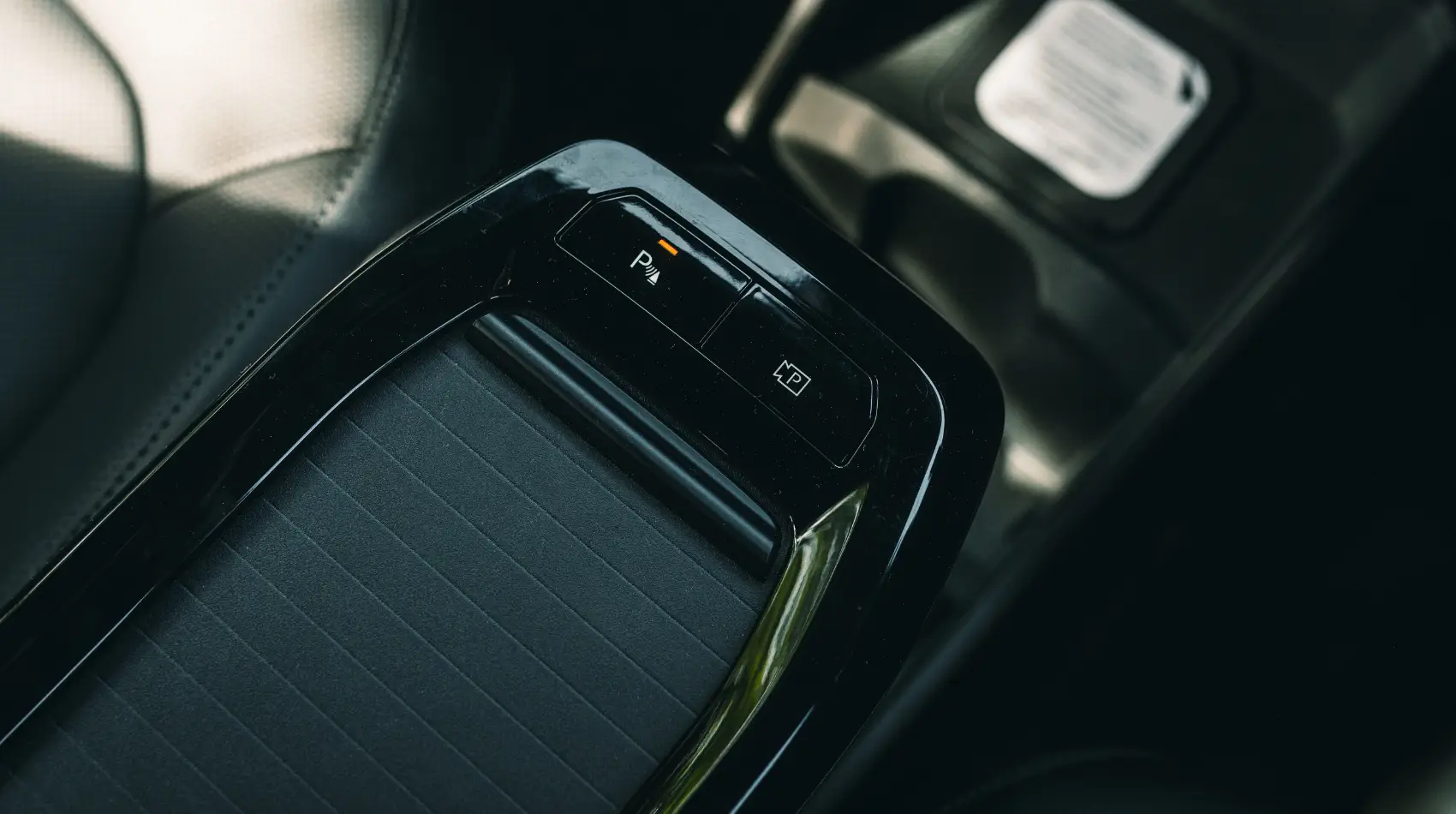
On a black car, it works. On a white one, perhaps. On something bright like red or blue? I'm not entirely convinced. Thankfully, the quality remains exceptional. The dashboard materials, switchgear, seats, screens and overall fit and finish continue to set the benchmark in this segment. Everything feels solid. And unlike many rivals that try a little too hard to appear futuristic, the Syros still manages to remain intuitive.
The infotainment is quick. The displays are crisp. And ergonomically, very little needs criticism.
Which brings me to the only other significant problem. The price. The fully-loaded version we're driving costs ₹19.99 lakh before registration and insurance. Yes, there's a BAAS option. Yes, there's an entry-level variant that starts below ₹14 lakh ex-showroom. But realistically, this fully-loaded model will comfortably cross ₹21-22 lakh on-road in many states. And that's where things become slightly complicated.
At that price, buyers inevitably begin cross-shopping larger SUVs, more premium EVs and even some executive sedans. It's no longer competing purely on merit. It's competing on aspiration. Which is unfortunate because this is genuinely one of the most complete EVs currently on sale.
The range is excellent. Performance is more than adequate. Ride quality has improved dramatically. Cabin quality remains class-leading. Rear seat comfort is outstanding. Practicality hasn't been compromised. And unlike many electric cars that feel like science projects first and automobiles second, the Syros EV simply feels like a really good car. One that just happens to be electric. That's perhaps its biggest strength. Ironically, it's also why I wish Kia had been braver with the styling. Because underneath what many people might dismiss as "just another Syros" lies a car that deserves far more attention than it's likely to receive.
The engineering team has done an exceptional job. The product planners have built one of the most convincing electric SUVs in India. The designers, however, may have unintentionally ensured that too many people never discover just how good it really is. And that's a shame. Because while the Syros EV may not win beauty contests, once you actually drive it, you'll quickly realise something rather surprising. It might just be one of the easiest electric cars to recommend today.