The Lamborghini Temerario is Lamborghini doing what Lamborghini has to do in 2026: move on. It replaces the Huracán, which is a problem, because the Huracán wasn’t just a supercar - it was a vibe. That naturally aspirated V10 didn’t power the car, it powered your soul. Loud, linear, ridiculous, unapologetic. You didn’t drive it so much as you participated in it. So when Lamborghini says the Temerario is the future, and the future comes with a twin-turbo V8 and electric motors… you can’t help but feel like someone has remixed your favourite rock song with EDM. Replacing the Huracán is like replacing butter chicken in India… you can try, but people will notice. Yes, it’s faster. Yes, it’s smarter. But is it more enjoyable? That’s the real question.
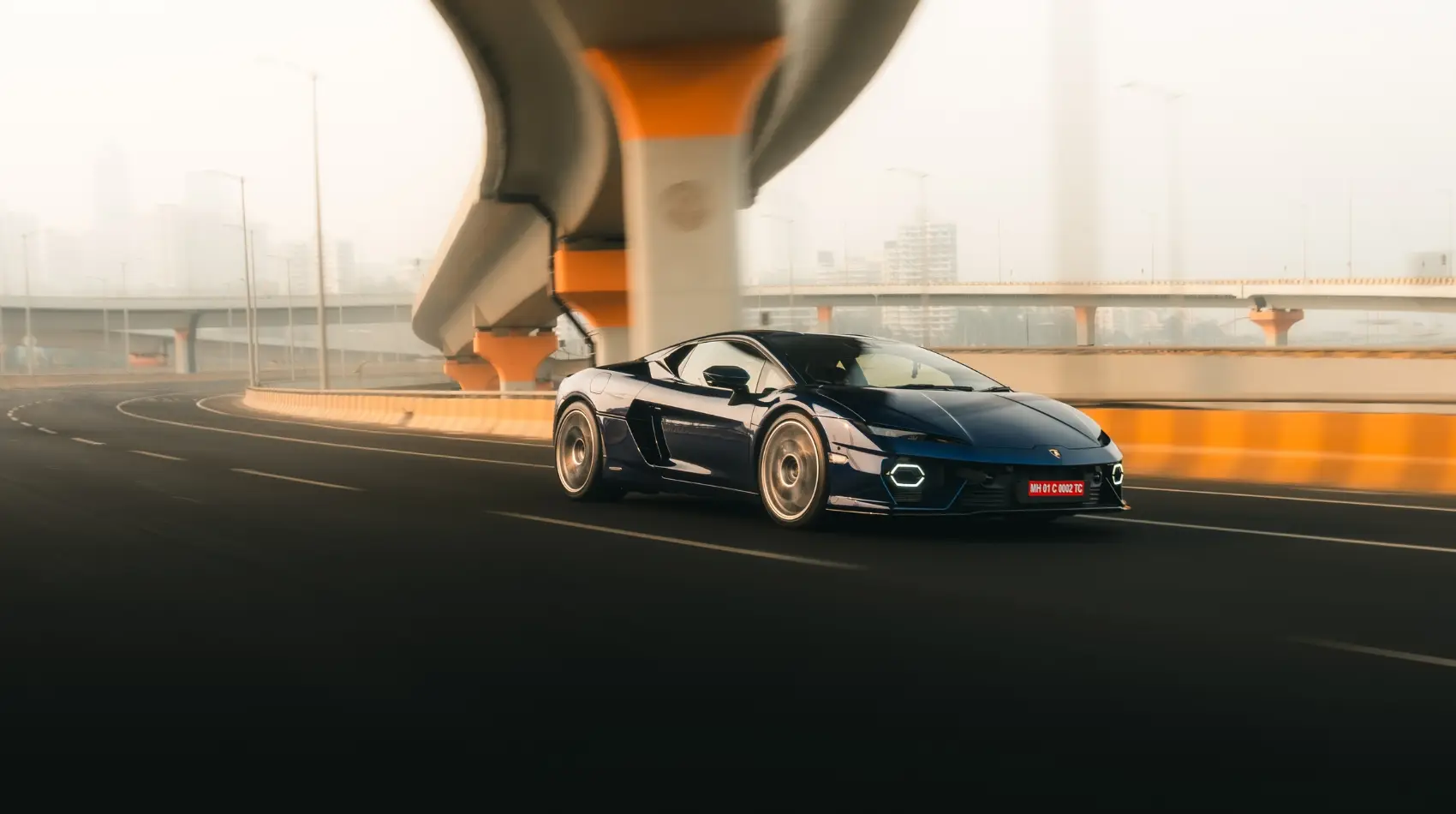
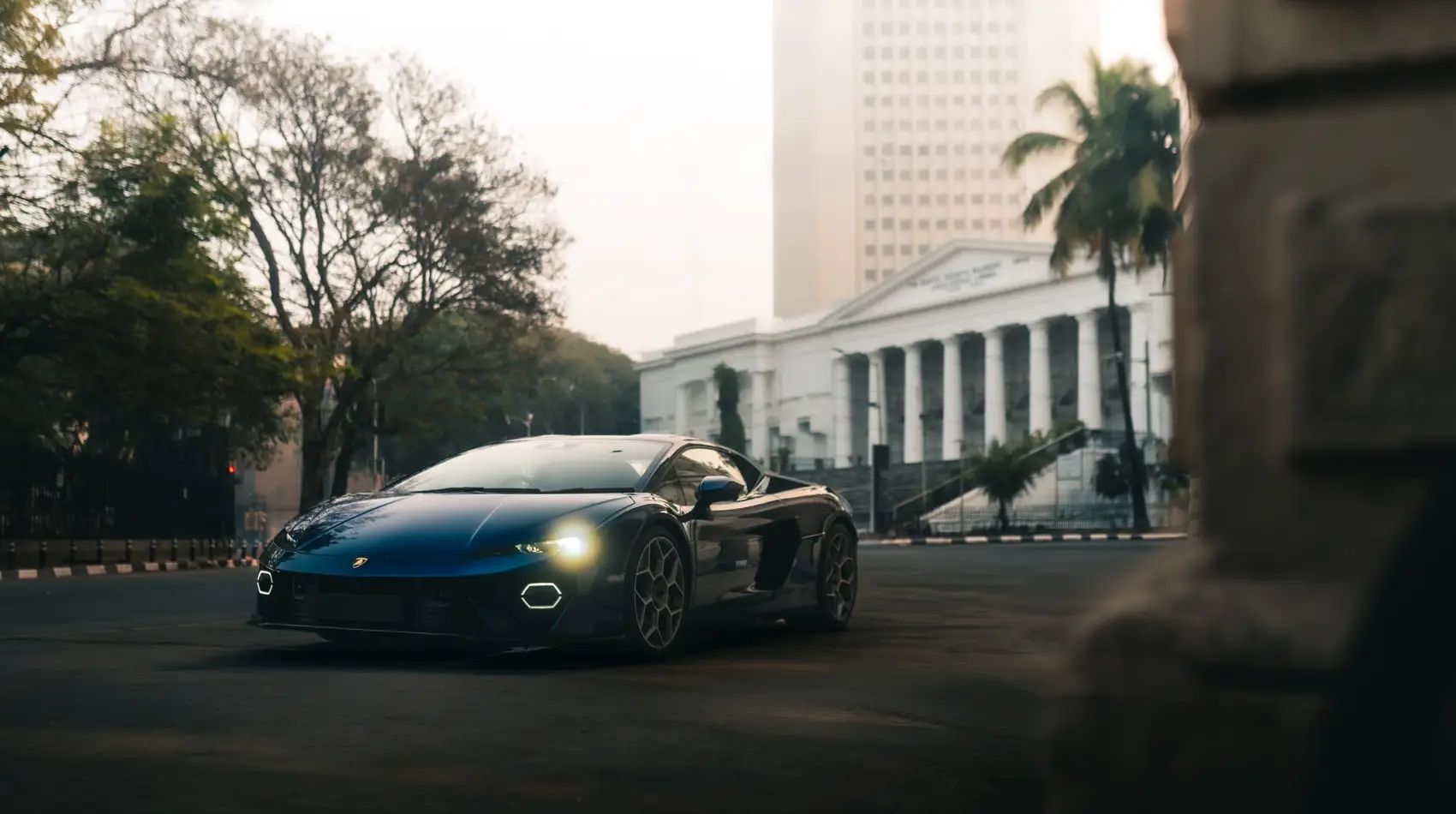
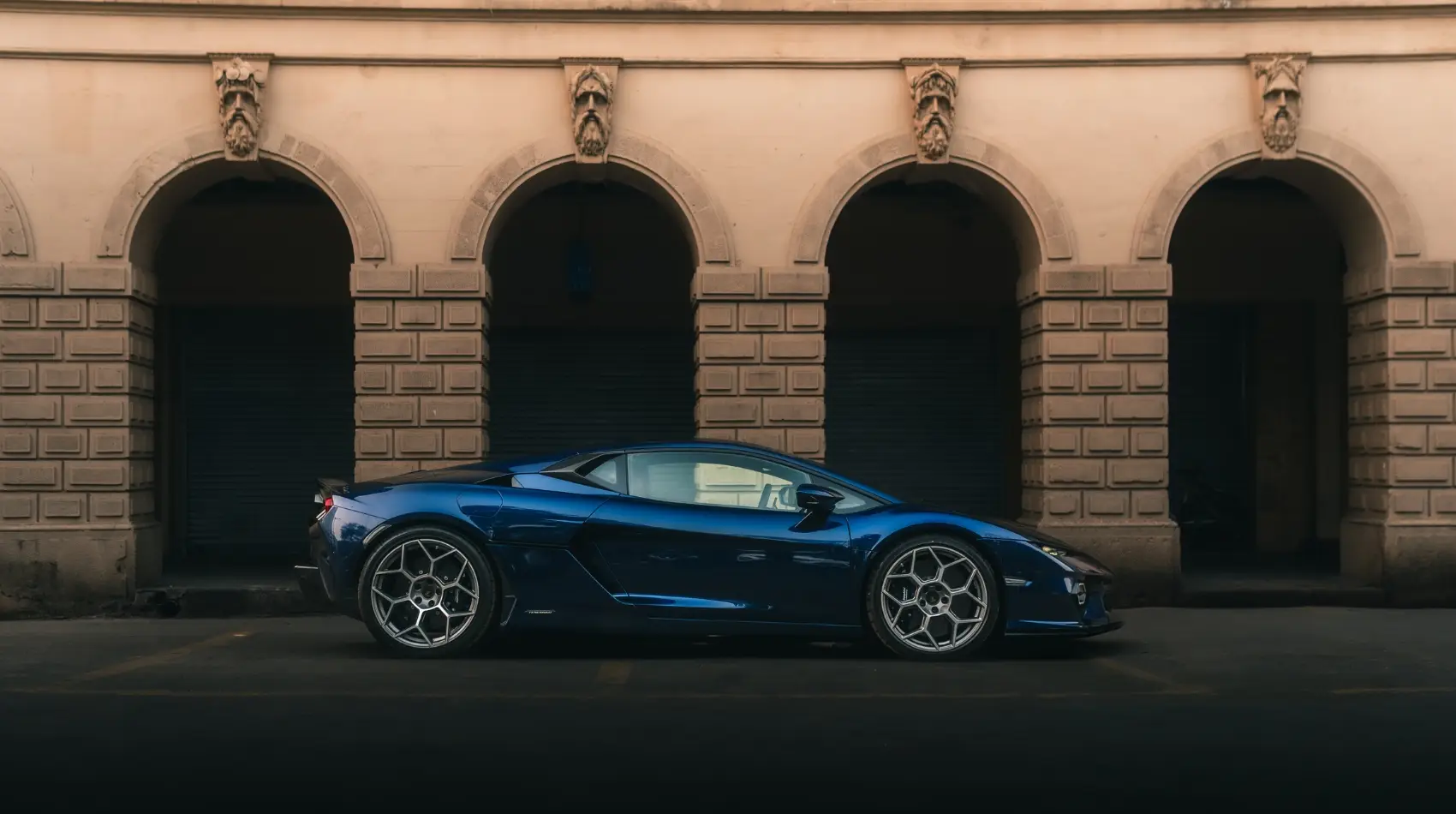
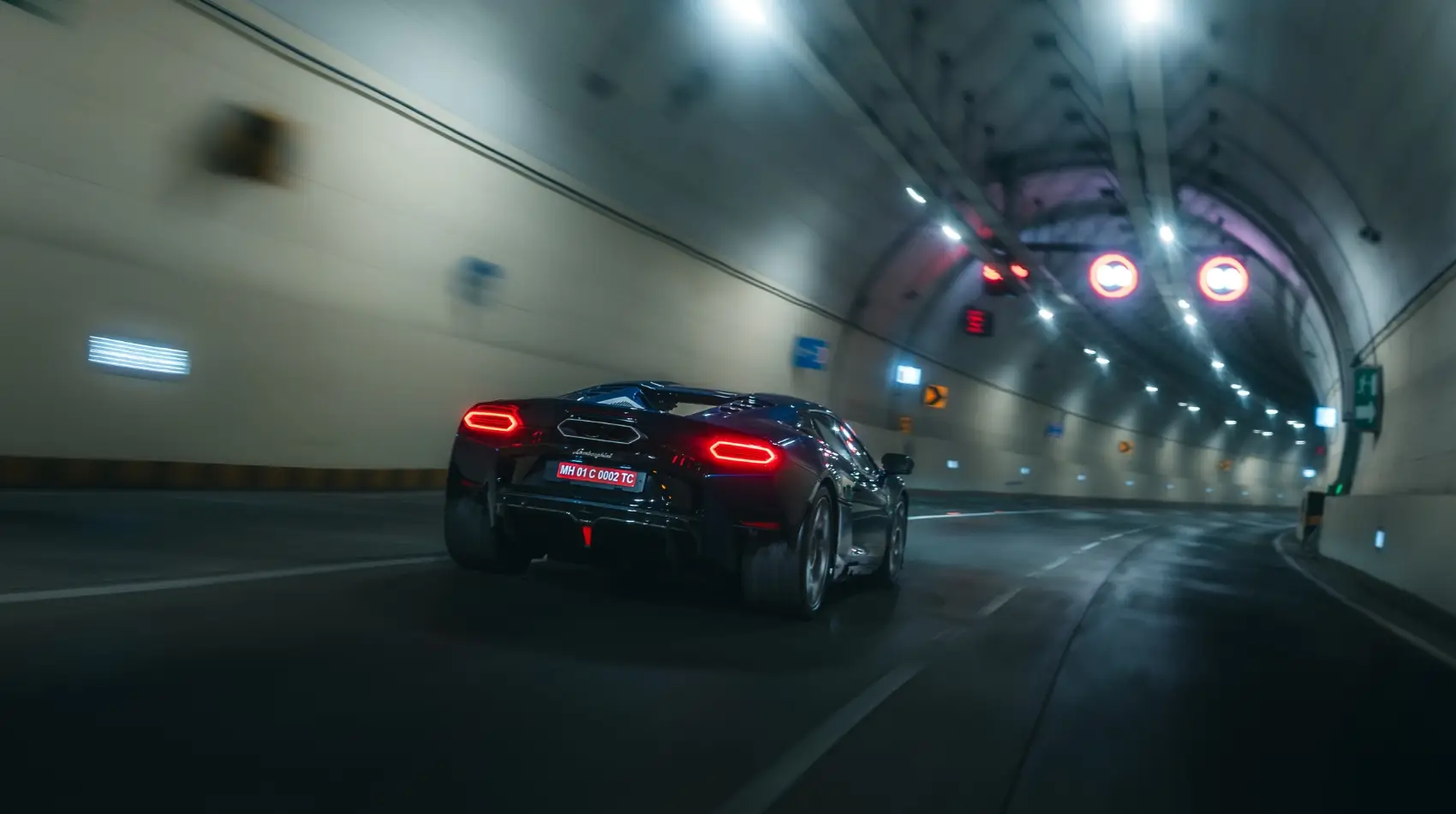
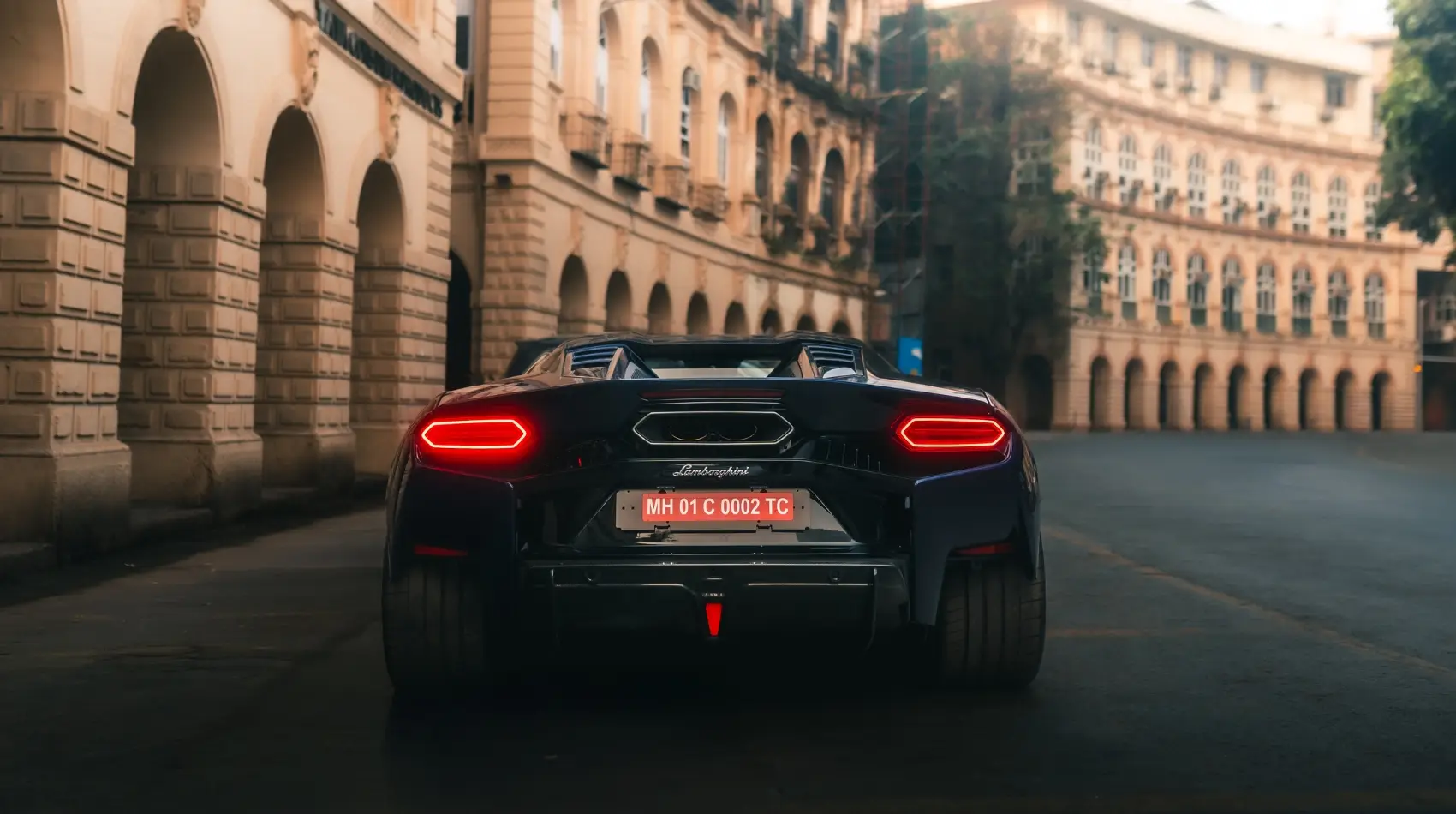
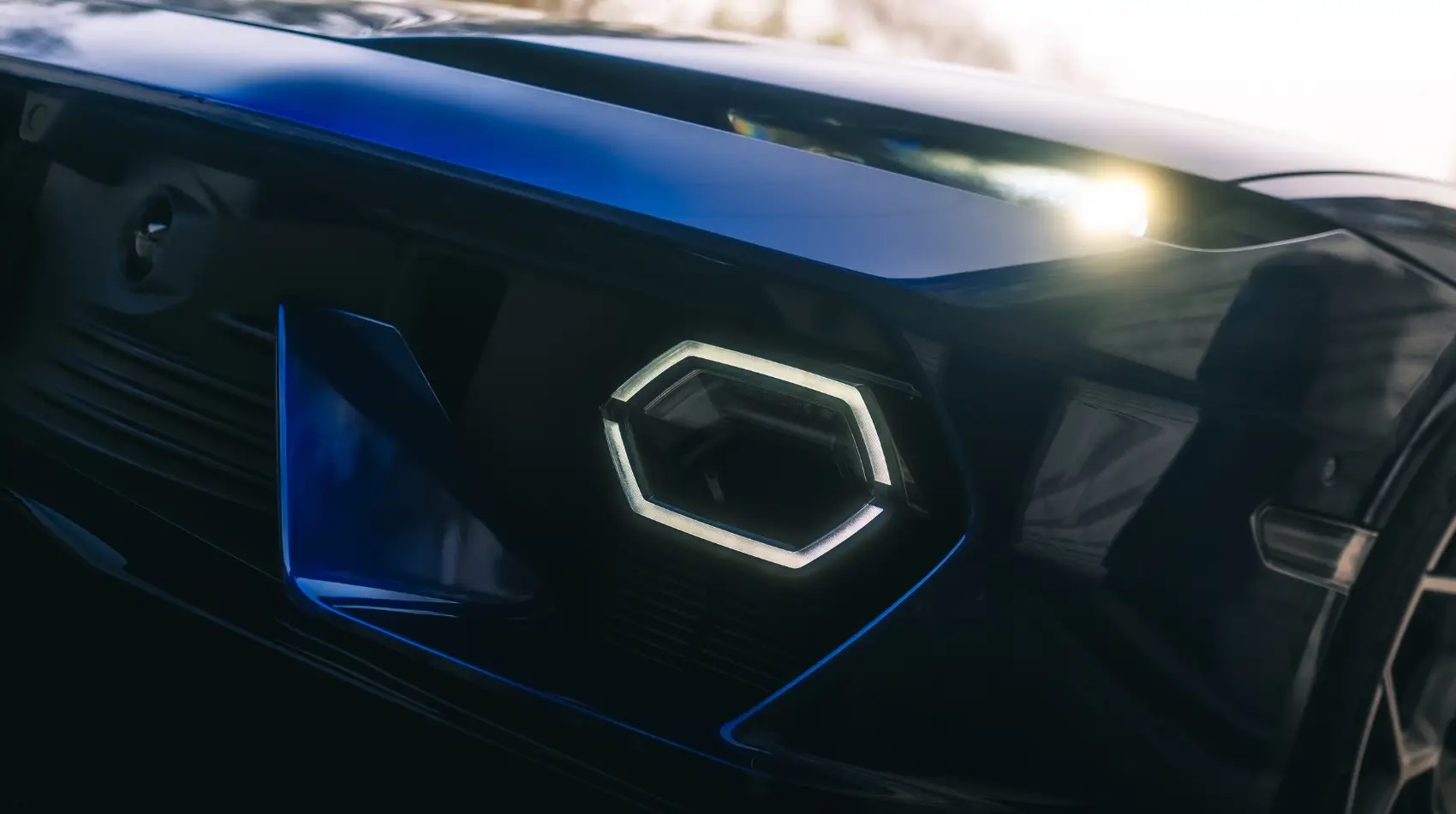
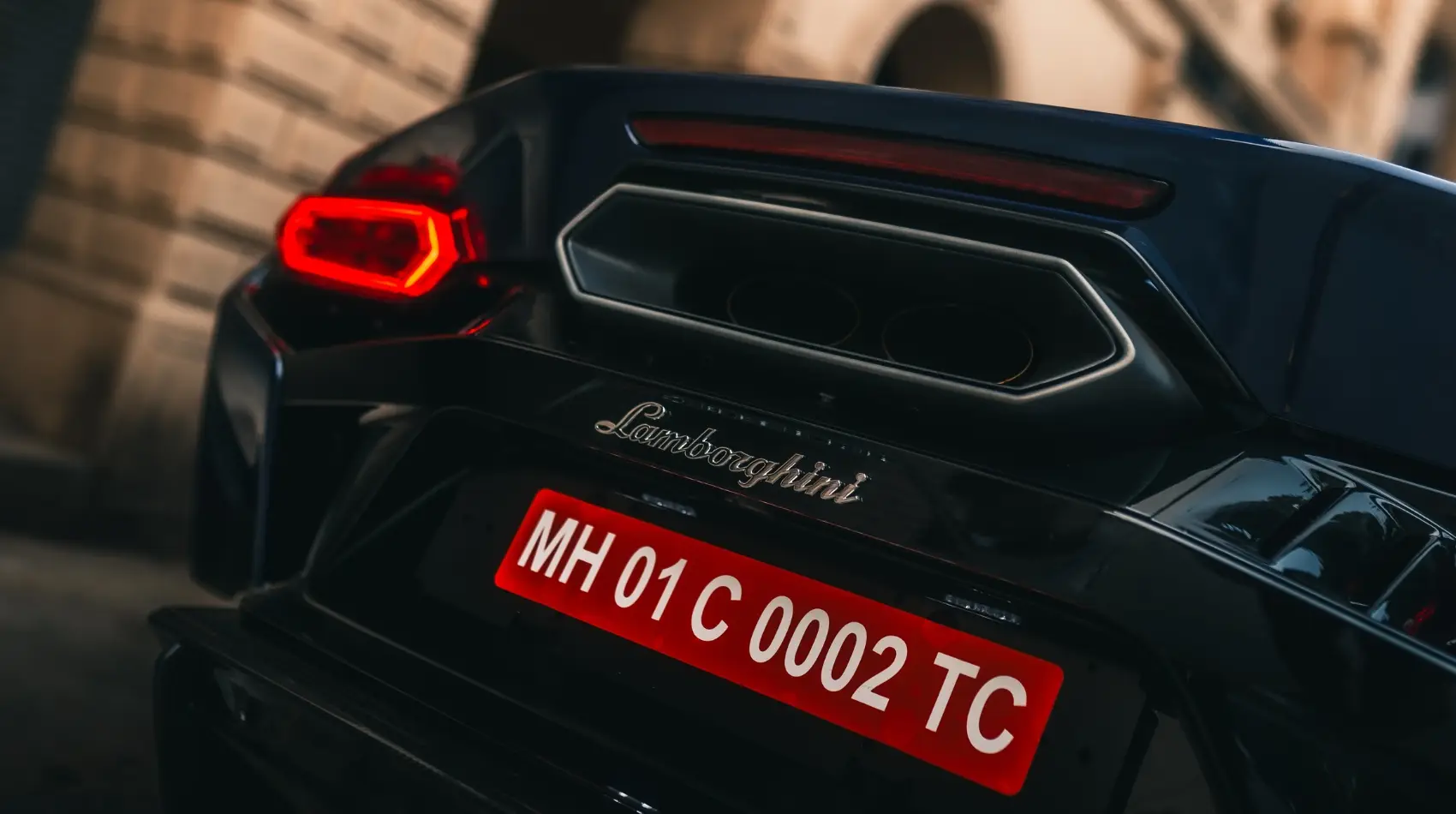
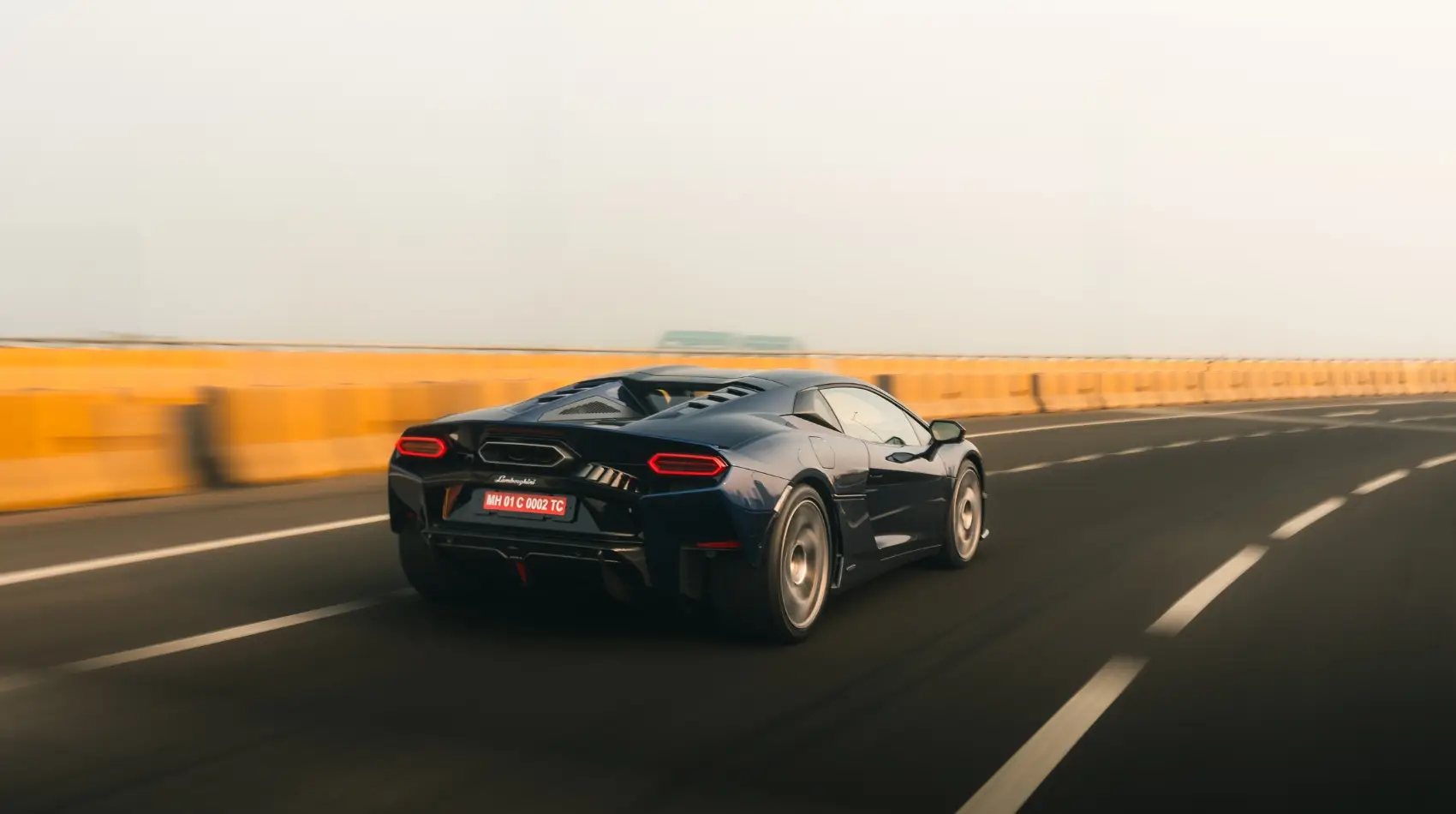
I had a brief stint with it on a Sunday in Mumbai, and those who know, Sunday is basically car culture in South Mumbai, where most take out their supercars and floor it on the coastal roads with car paparazzi ready to take pictures. You almost feel like a superstar, except they are interested in the cars and not you. The Temerario got all the attention and just by the looks of it, it should be illegal. Low, wide, angular, permanently angry. Lamborghini still does drama better than anyone - every line feels like it was drawn with a knife, not a pencil. Park it anywhere and it becomes the main character instantly. But the big change is behind you: the V10 is gone. In its place is a new hybrid setup - turbos, electric motors, software, complexity… the whole modern supercar cocktail.
On paper, it’s insane. Around 907 brake horsepower, a redline near 10,000rpm, acceleration that feels less like motion and more like deletion of distance. It launches so hard your brain needs a second to reload. But here’s the thing - the way it delivers that speed is different. In the Huracán, you pressed the throttle and the engine answered like it was connected directly to your nervous system. Pure, instant, theatrical. In the Temerario, there’s a layer in between. The electric motors fill gaps, the turbos surge in, the power arrives in a perfectly managed wave - but it feels… processed, like the car is doing the maths before giving you the madness.
It’s devastatingly effective, but sometimes you miss the simplicity of just engine, revs, noise, chaos. Ferrari’s 296 GTB is also a hybrid, also turbocharged, but it somehow feels more cohesive when you’re pushing on - the electrification disappears into the experience, inspite of it being a V6. In the Temerario, you’re occasionally aware of the systems working, smoothing, assisting, supervising. And then there’s the sound: not bad, the V8 revs hard, but turbos change the texture. The Huracán’s V10 was an opera. This is more like a very fast concert with noise-cancelling headphones slightly on.
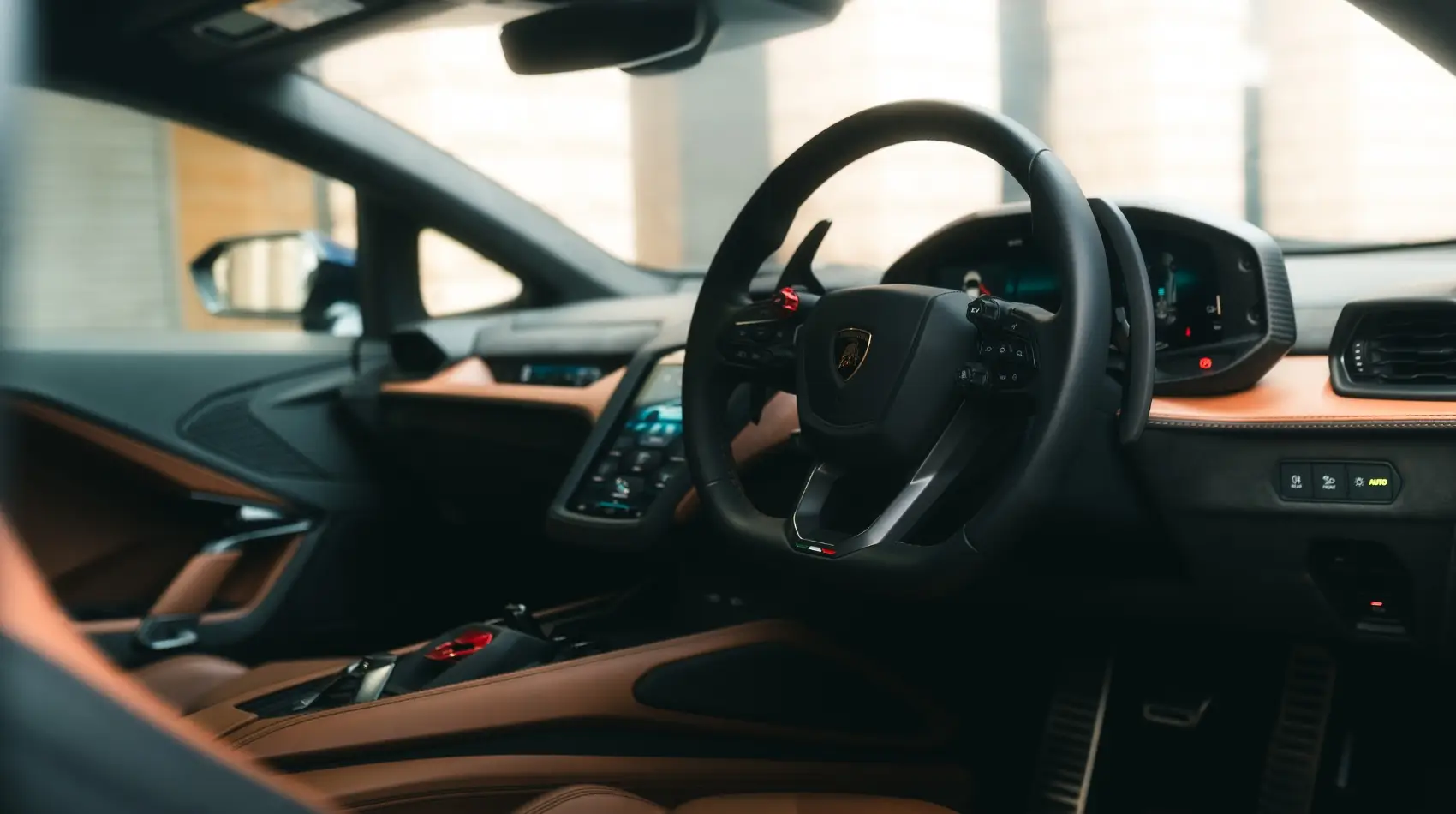
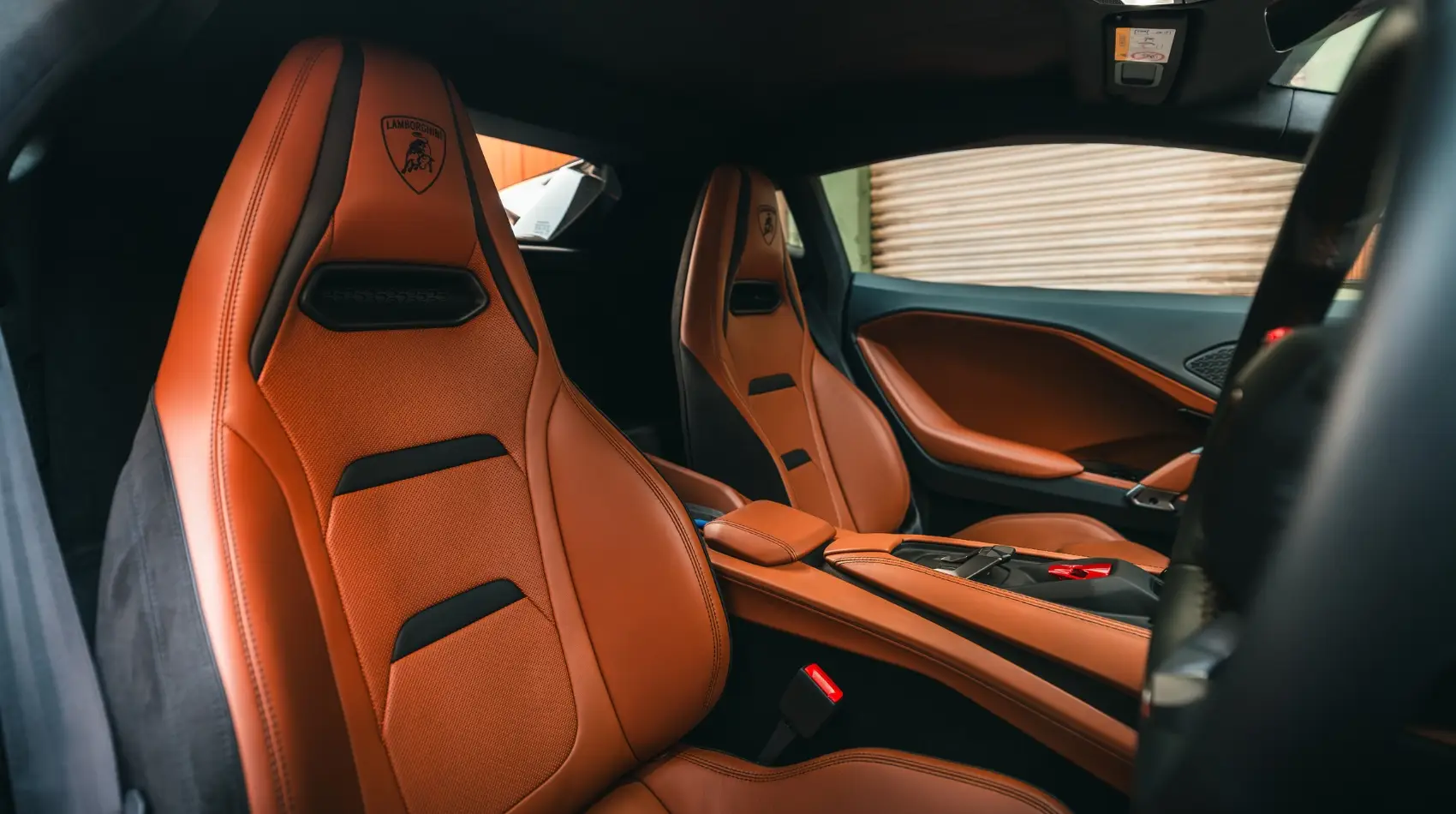
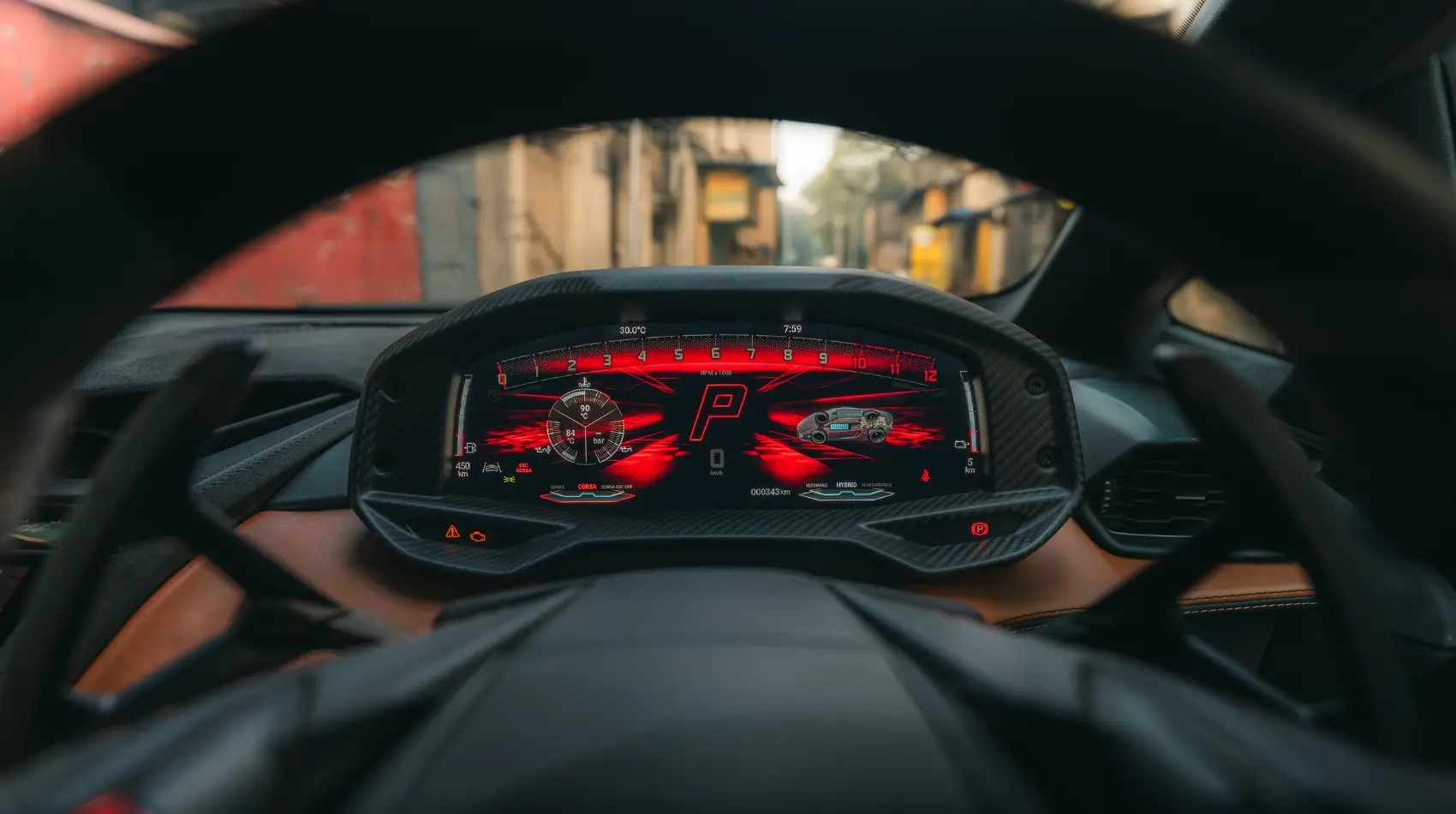
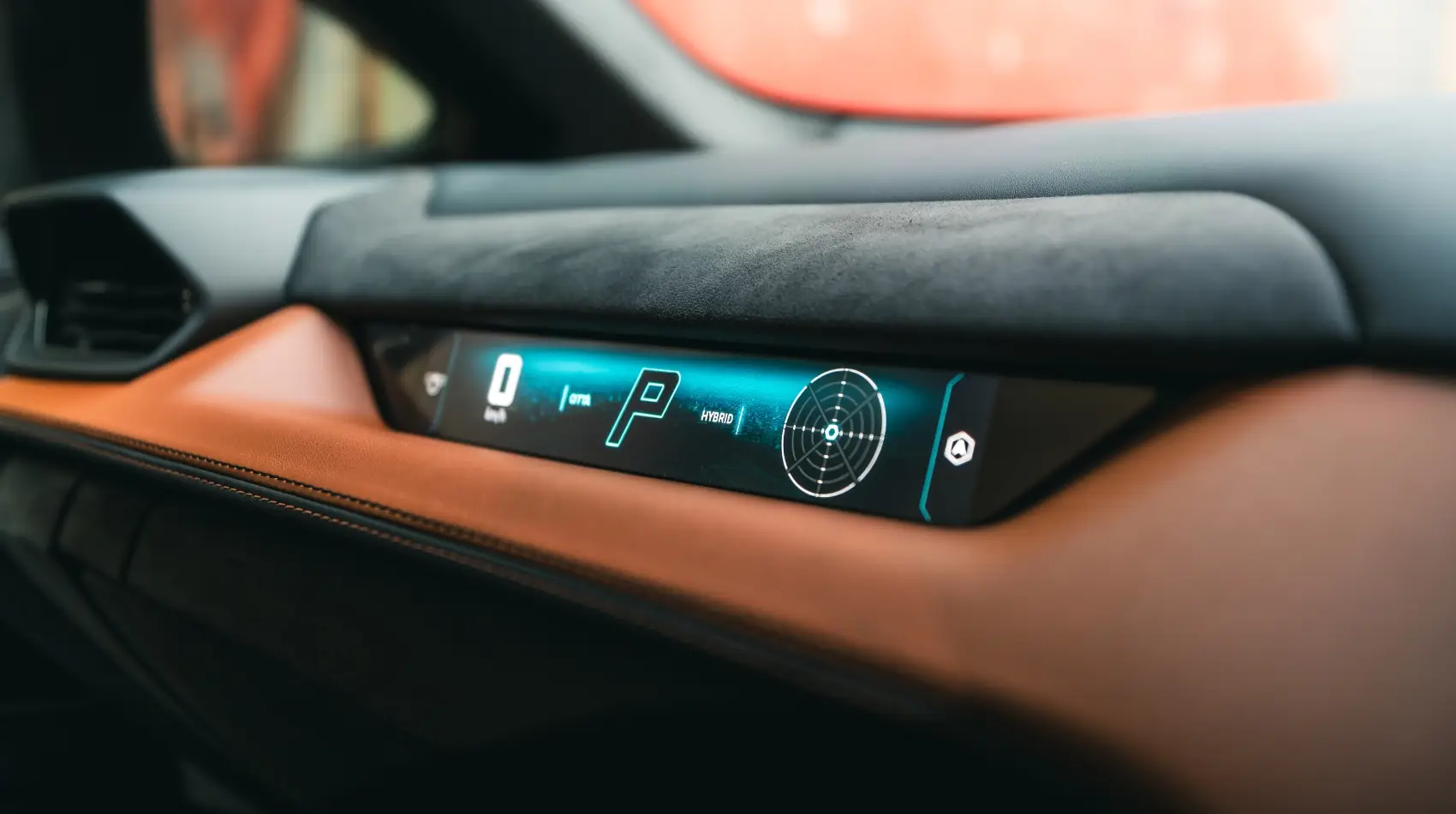
The steering is sharp, the chassis is planted, and the car feels more grown-up than the Huracán ever did - less wild animal, more trained predator. But that’s also where cars like the McLaren 750S start whispering in your ear, because the 750S doesn’t have Lamborghini theatre, but dynamically it feels cleaner, lighter, more naturally connected in corners. The cabin, as expected, is peak Lamborghini spaceship: screens, angles, fighter-jet energy. It still turns every drive into a scene.
But compared to the Huracán, something has shifted. The Temerario is faster than ever, more advanced than ever, more capable than ever. Yet the Huracán felt like it was trying to scare you for fun. The Temerario feels like it’s trying to impress you with engineering. Which is progress, yes. But Lamborghini has never been loved for being perfect - it’s been loved for being a little mad. The Temerario is still a Lamborghini… just one with slightly more software, and slightly less soul at the redline.
Gone is the 5.2L V10 and in comes a 4.0L Twin Turbo V8, a first for a Lambo supercar. Not to be confused with the V8 in the Urus, this engine is brand new - a flat plane crankshaft and a “Hot V” configuration, revving up to an astonishing 10,000rpm. It produces 789bhp but if that feels less, it has 3 electric motors, 2 in the front and one in the rear axle, giving it a combined output of 907bhp going to all four wheels via an 8-speed DCT gearbox. And the numbers don’t get smaller.
Top Speed? 343 km/h
0-100? 2.7 seconds!!!
The drivetrain is complex, the sound isn’t the old V10 scream… but hit the revs and that flat-plane V8 bites, begging you to keep going. So is it better than a Huracán? Yes - but in a different way. More sophisticated, more capable, less intimidating… yet still absolutely Lamborghini at its core.
Lamborghini Temerario
Engine: 4.0L twin-turbo V8 + 3 electric motors
Combined Output: ~907bhp
Gearbox: 8-speed dual-clutch
Drivetrain: AWD
0–100kmph: 2.7 seconds
Top Speed: 343kmph