Glasgow isn’t the first place you’d expect to understand what Indian luxury-car buyers want, but when the invitation read “first drive of the all-new Audi Q3”, we packed our jackets and headed to Scotland. That was where I first experienced the new-generation Q3, on rain-soaked roads, sweeping bends and long stretches of Scottish tarmac. Now, with the same car making its way to India, I’m back behind the wheel in Goa to see how it fares in rather different conditions. The European drive gave me a taste of what Audi had engineered. The Indian drive tells me a little more about whether it works for us.
For years, the entry-level German luxury SUV segment has revolved around three familiar names: the BMW X1, Audi Q3 and Mercedes-Benz GLA. These are the cars for buyers who have reached their first major milestone, want their first taste of German luxury and are ready to move beyond mainstream SUVs. The Q3 has historically been an important part of Audi India’s portfolio, but the outgoing model was beginning to show its age. The new-generation car changes that equation with a fresh design, a thoroughly reworked cabin and a familiar but potent 2.0-litre turbo-petrol engine. Unlike the global line-up, which includes electrified powertrains, India gets the 2.0-litre petrol with a seven-speed dual-clutch automatic and quattro all-wheel drive. No hybrid or plug-in hybrid variant is planned for the Indian offering.The question is whether this is enough to put Audi back in the conversation. The Audi Q3
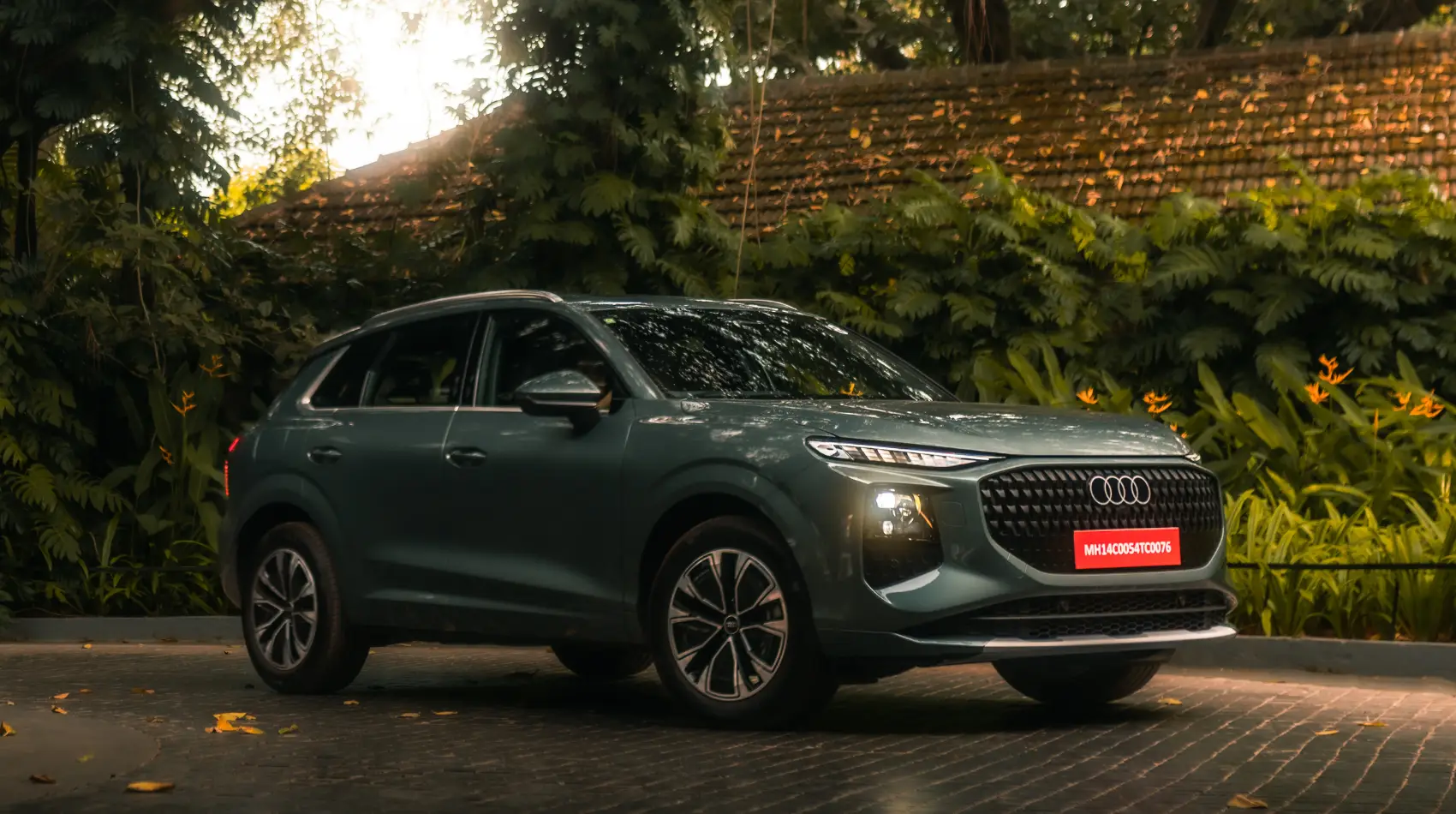
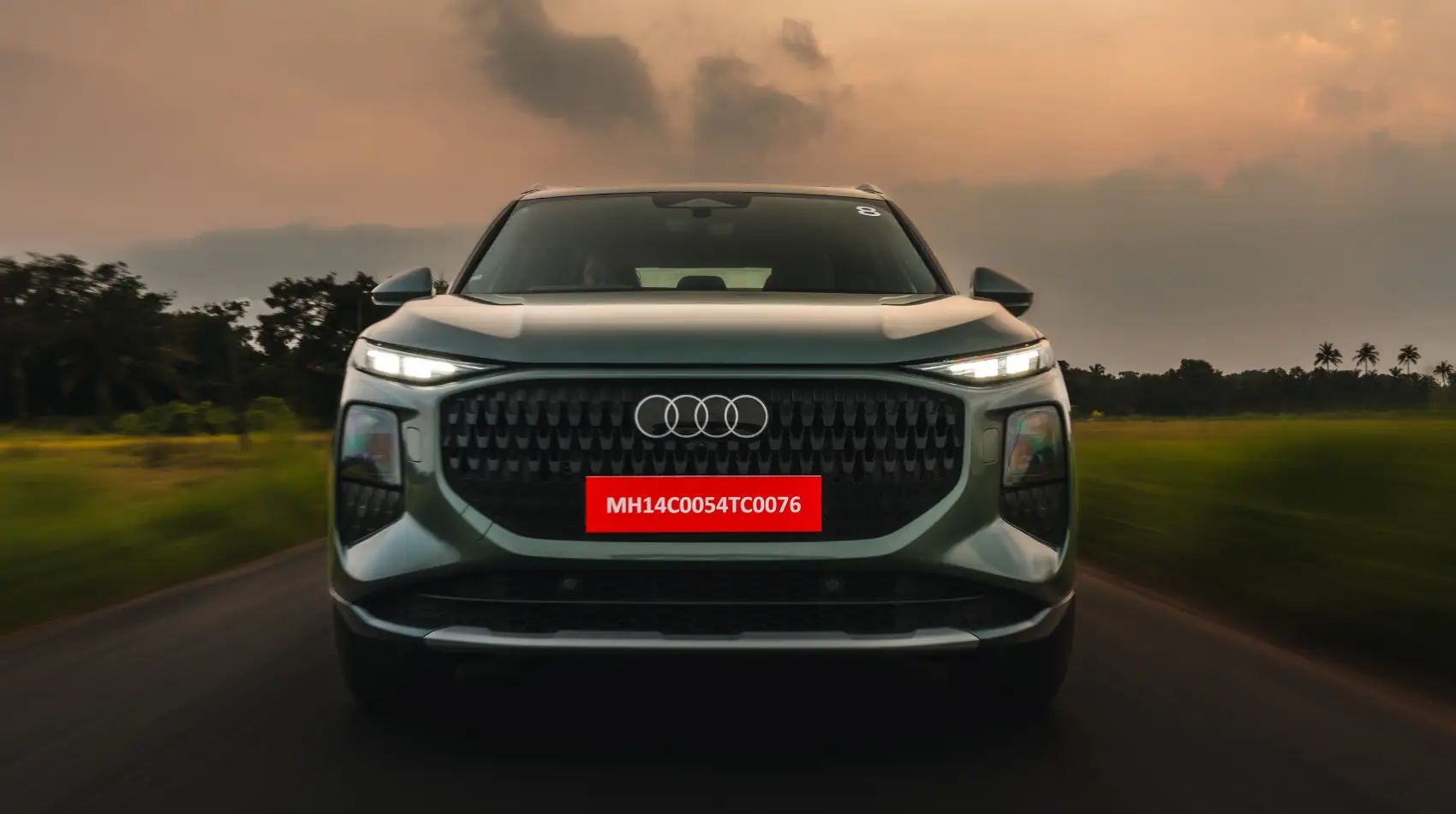
Audi has taken a fairly dramatic step forward with the Q3’s styling. The front end is cleaner and more assertive, with a wide black honeycomb grille, a flatter two-dimensional Audi logo and a split-headlamp arrangement. There is a hint of Mercedes-Benz in the overall proportions, but the sharp detailing and lighting give the Q3 a personality of its own. The grille looks more modern than before, although the dark logo tends to disappear into it when it isn’t illuminated.
The Matrix LED headlights are the real talking point. The upper daytime running lights offer four configurable signatures, allowing owners to choose their preferred lighting pattern through the central touchscreen. The technology goes beyond cosmetic theatre, too. The Digital Matrix LED system uses 25,600 micro-LEDs in each headlight, allowing for more precise illumination and features designed to improve visibility in the dark. It is a clever demonstration of how lighting technology has become an increasingly important part of modern car design.
In profile, the 18-inch alloy wheels suit the proportions, and the chrome detailing provides a welcome contrast to the darker elements around the body. At 4,531mm long, the new Q3 is larger than its predecessor, giving it a more substantial presence without becoming unwieldy in the city.
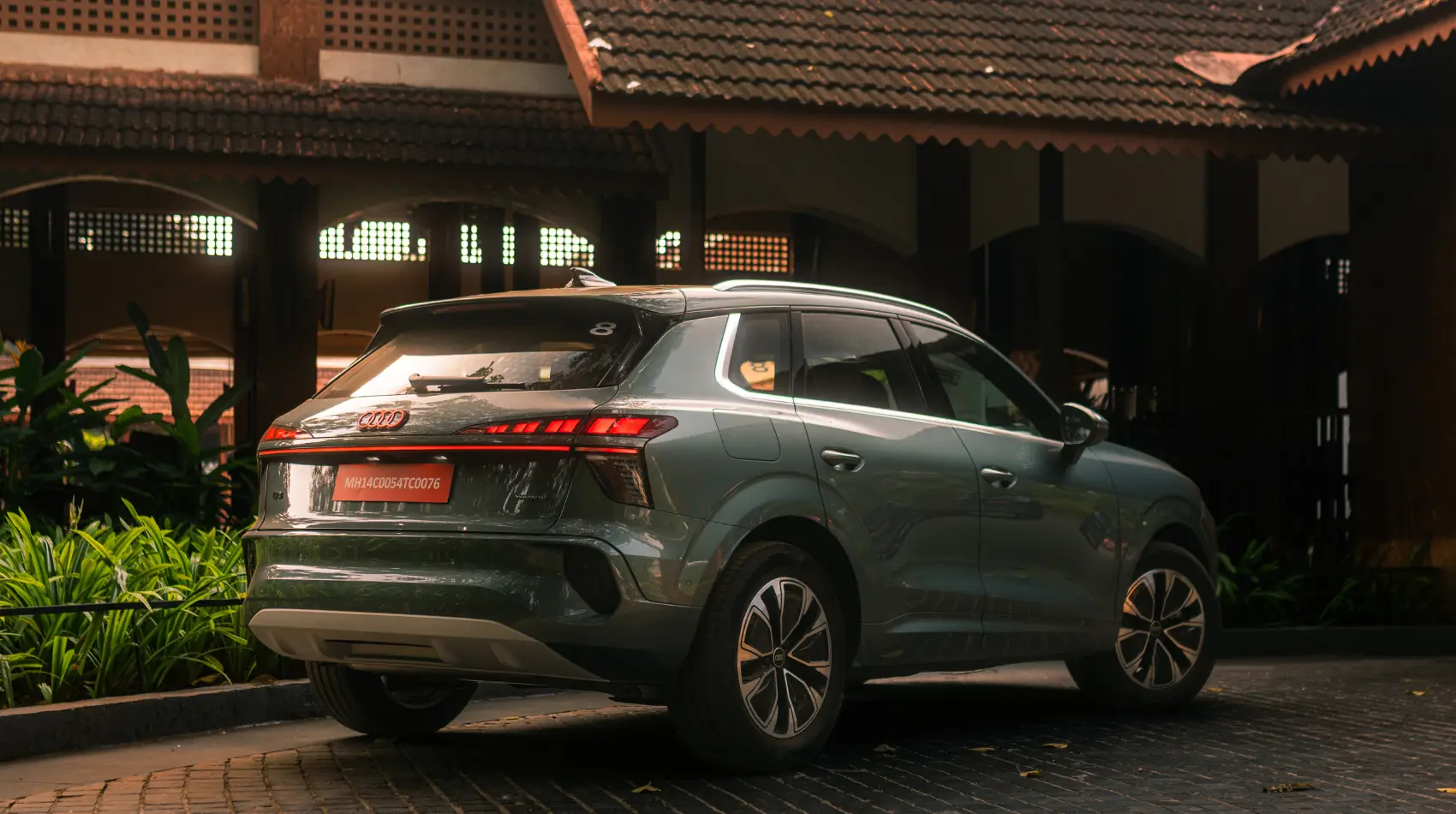
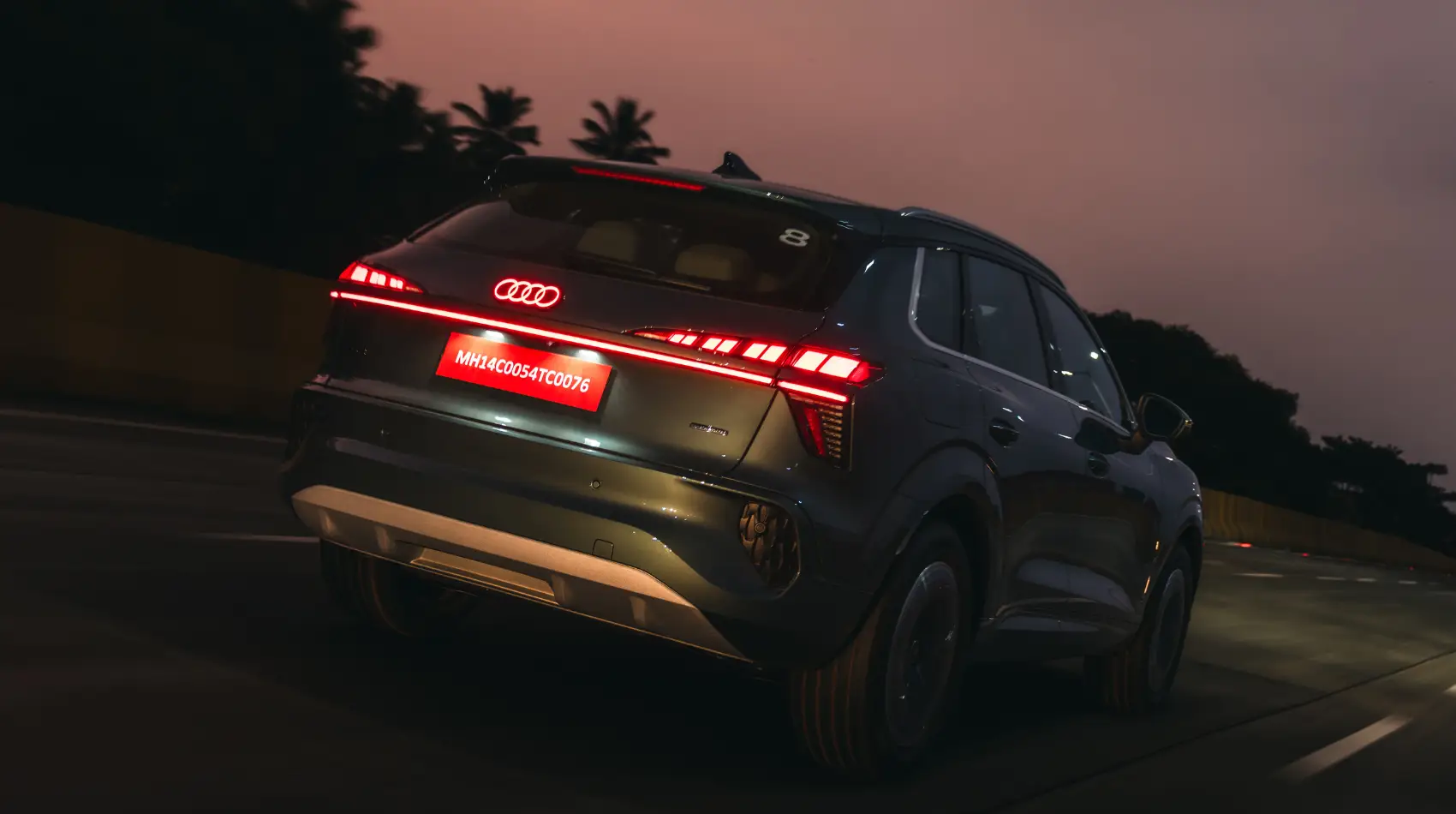
The rear, however, is my favourite angle. The connected tail-light treatment and illuminated Audi rings lend the car a more sophisticated appearance, while the overall shape manages to look sporty without becoming overly complicated. Parked beside its predecessor, the new Q3 looks like a considerably more expensive and contemporary product. It finally has the visual confidence expected of a modern Audi.
Inside the cabin: A proper generational leap
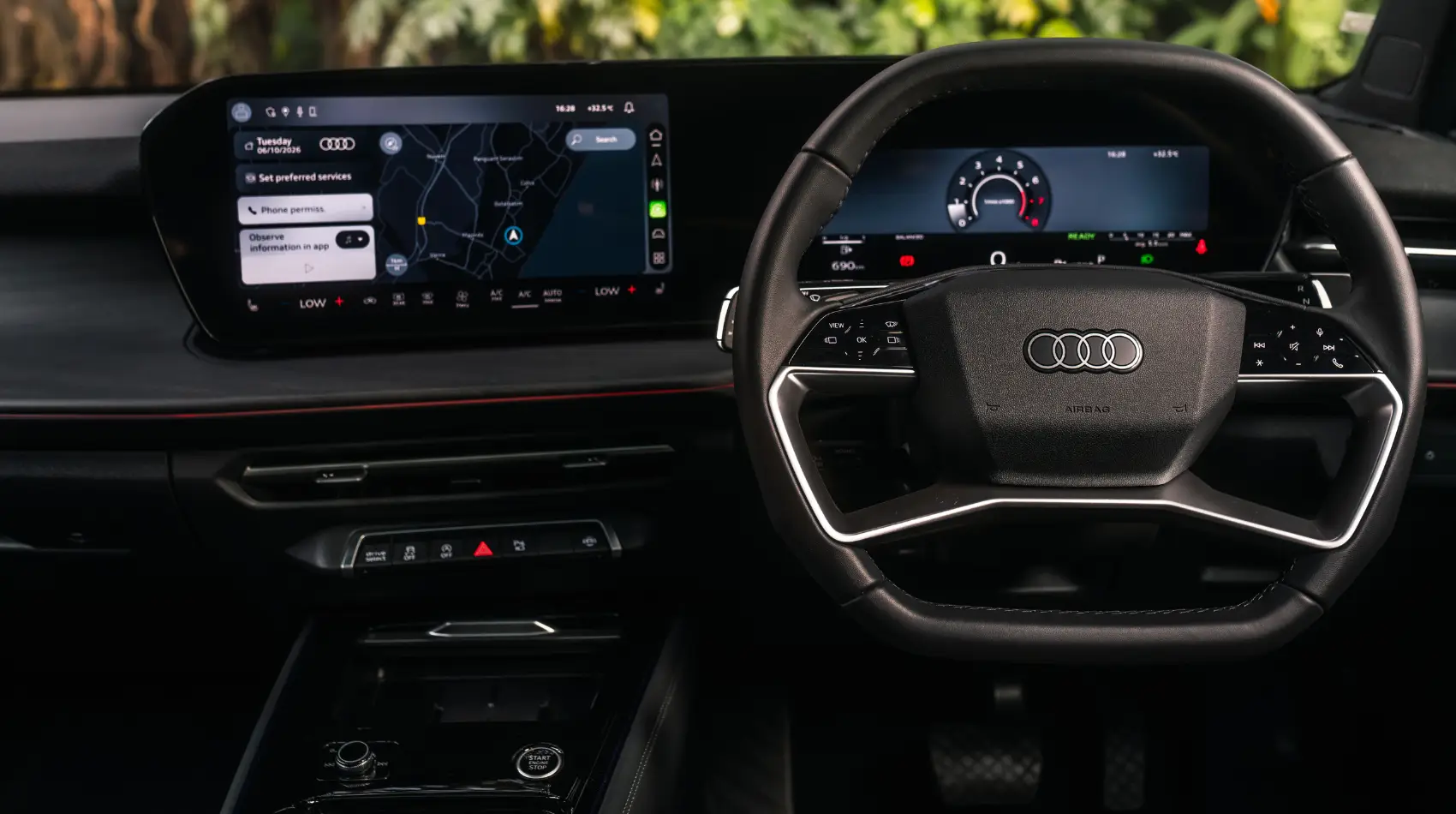
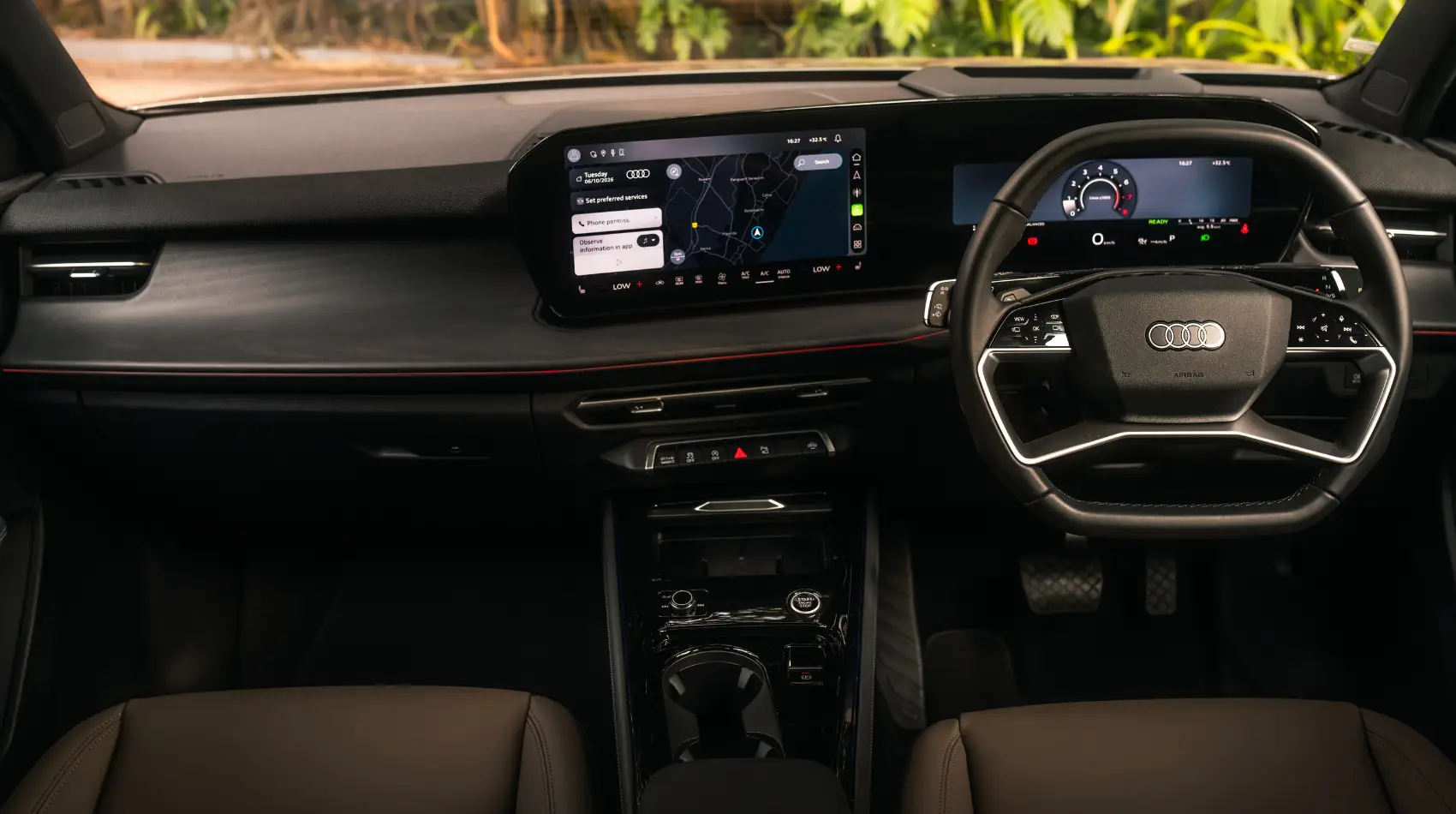
The biggest transformation is inside. The dashboard has been redesigned around a curved, driver-focused display arrangement, comprising an 11.9-inch digital instrument cluster and a 12.8-inch touchscreen. The presentation feels more contemporary, and the screens are responsive. The different materials and textures across the dashboard, combined with the ambient lighting, give the cabin a premium feel without making it look unnecessarily busy.
The most controversial change is the gear selector, which has moved to the steering column. The controls for the lights and wipers are arranged on the other side, freeing up space on the centre console. It is an interesting solution, but one that requires some adjustment if you are accustomed to conventional gear selectors. The layout makes the cabin feel cleaner, although whether it is more intuitive will depend on how quickly you adapt to it.
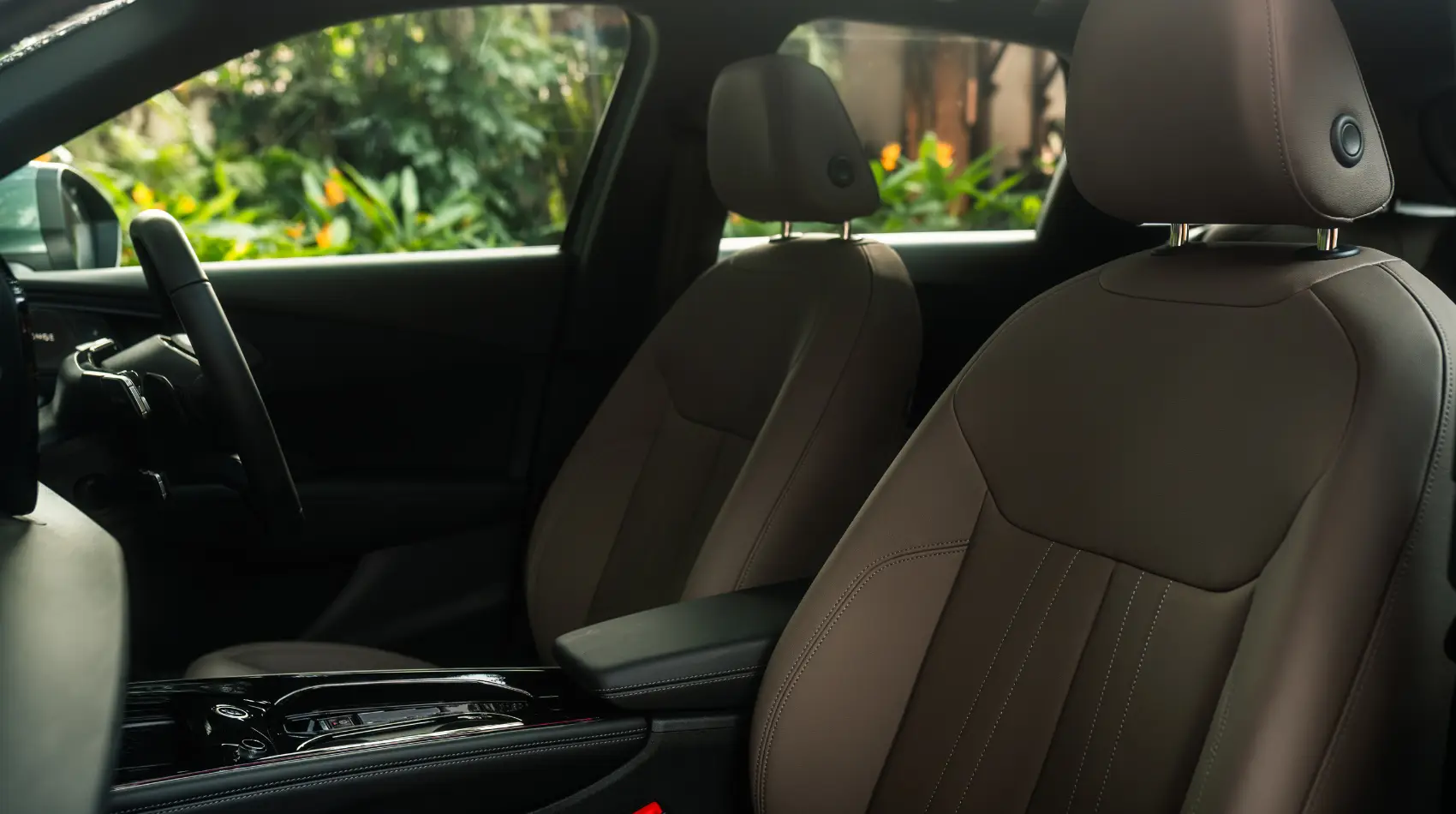
The steering wheel is another highlight. Its design looks sporty and fits the new cockpit-style layout, while the surrounding digital displays keep essential information within the driver’s line of sight. The seats are comfortable and offer good lateral support, and the overall ambience is more upmarket than that of the outgoing Q3.
But there is one omission I find difficult to overlook: ventilated seats. The Q3 gets heated seats, which made more sense during my drive in Scotland, but in Goa’s heat and humidity, ventilation would have been far more useful. A feature that feels optional in a colder climate becomes considerably more relevant in India. It is not a deal-breaker, but it is a curious omission in a premium SUV arriving in a market where summer temperatures can make a cabin feel uncomfortable very quickly.
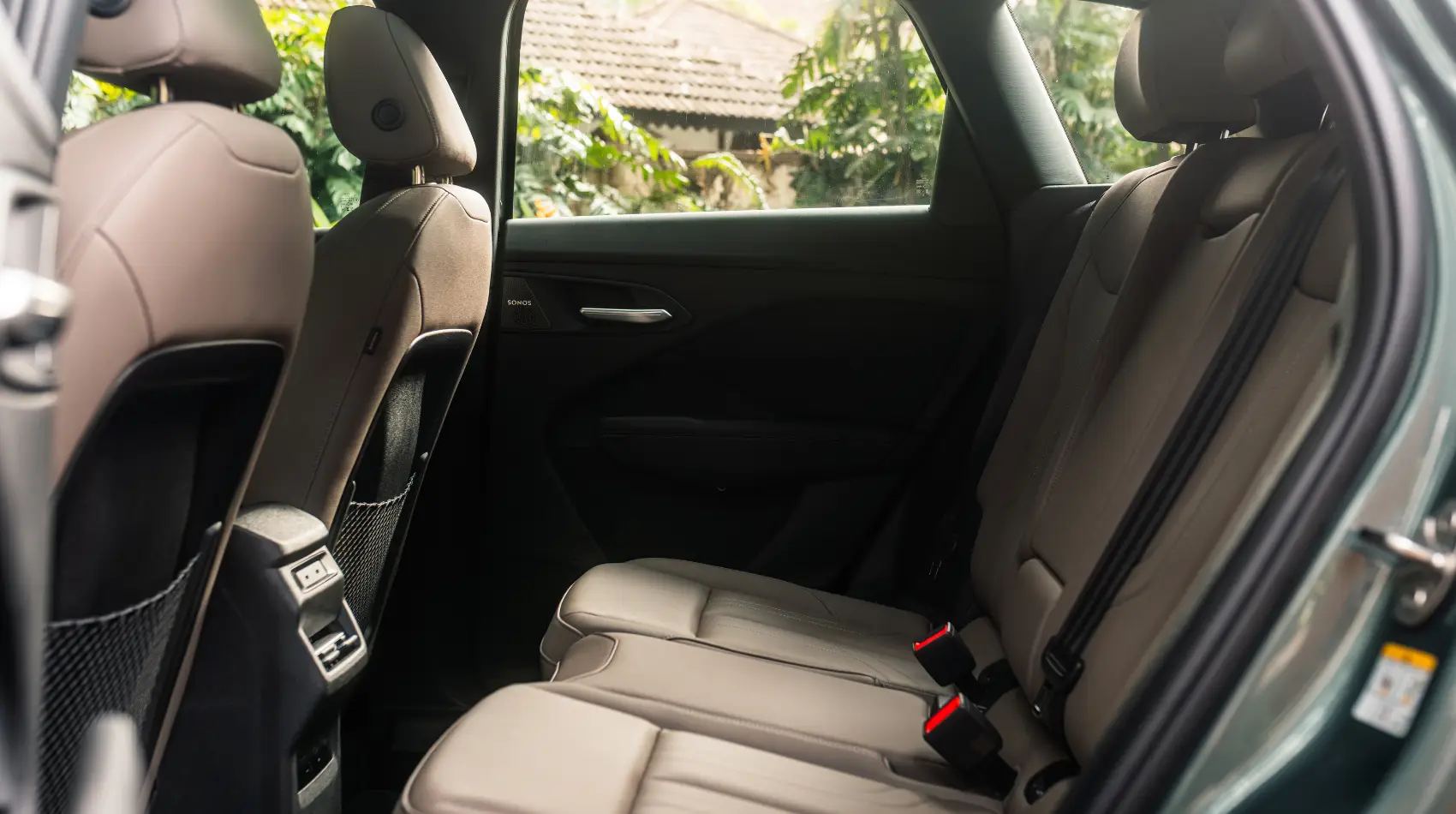
Rear-seat space is reasonable for the class. At 5ft 10 inches, I found the legroom and headroom adequate, and the centre armrest with cupholders adds to everyday practicality. This is not a chauffeur-focused SUV, nor does it need to be. Two adults and a child should be comfortable on a weekend drive, although buyers who prioritise rear-seat space above everything else should compare the Q3 with the longer-wheelbase BMW X1.
The heart of the matter: One engine, four driven wheels
Under the bonnet sits a 2.0-litre, four-cylinder TFSI turbo-petrol engine producing 201bhp and 320Nm of torque. It is paired with a seven-speed S tronic dual-clutch automatic transmission, with power sent to all four wheels through Audi’s quattro system. Audi claims a 0-100km/h time of around 7.1 seconds for the Indian-specification car, which should be more than adequate for a compact luxury SUV.
On the wet Scottish B-roads, the combination felt reassuring. Grip was plentiful, traction was immediate and the car remained composed through sweeping bends. The quattro system gave the Q3 a planted character, particularly when the weather turned against us. It felt secure rather than overtly sporty, and that distinction is important. The Q3 is not trying to be a performance SUV, but it does give you the confidence to make progress when conditions are less than ideal.
The Goa drive, however, revealed a few nuances that were less apparent on Scotland’s smoother roads. In bumper-to-bumper traffic, the engine feels adequately responsive, and the automatic transmission makes everyday driving relatively effortless. Get onto a faster road, though, and the initial acceleration can feel hesitant. There is a noticeable pause before the engine delivers its punch, and you sometimes find yourself pressing the accelerator harder than expected to extract the performance.
The paddle shifters help. A downshift brings a more immediate surge of torque, although that urgency is relatively short-lived. The engine maintains its pace reasonably well through the mid-range, and the gearbox shifts smoothly at higher speeds. There is a little hesitation in the way the transmission responds when you ask for an immediate burst of acceleration, but once you are moving, the powertrain feels more settled.
This is where the Q3 could do with a sharper response. The engine has enough power on paper, and the quattro system gives it the traction to put that power down, but the initial delivery does not always feel as eager as the numbers suggest. It is competent rather than particularly exciting, and buyers expecting an immediate surge every time they press the accelerator may find themselves wanting more.
Ride and handling: The Indian road test
Scotland gave the Q3 long stretches of smooth tarmac on which to demonstrate its composure. Goa offered a different perspective, with uneven surfaces, tighter bends and the sort of road conditions that make suspension tuning matter far more than a specification sheet ever can.
The ride is slightly firm, particularly at the rear when the car goes over sharper bumps. It is not uncomfortable all the time, but certain imperfections make their presence felt more than I would like. Body roll is also noticeable when you begin to push through corners, so the Q3 does not feel as flat or as tightly controlled as its sporty design might suggest.
There are positives, though. The quattro system gives the Q3 reassuring traction, and the rear feels responsive when you turn into a bend. The car changes direction predictably, and that sense of security makes a winding road enjoyable. Switch from Dynamic to Comfort mode and the suspension becomes marginally more forgiving, taking some of the edge off rougher surfaces. The difference is perceptible, if not dramatic.
The Q3 is therefore a car that inspires confidence more readily than it inspires excitement. It feels secure and capable, but the ride and braking calibration could have been more polished.
The technology that matters
Beyond the screens and lighting signatures, the Q3’s equipment needs to make sense in everyday use. The Digital Matrix LED headlights are a standout feature, with their micro-LED technology allowing precise light distribution and additional illumination functions. Features such as lane and orientation lighting are designed to improve visibility by helping illuminate the road in relation to the vehicle’s direction and steering inputs.
On Indian roads, where street lighting can be inconsistent and road markings are not always clear, such technology has genuine practical potential. The benefit will depend on the functions available in the Indian-specification model and the conditions in which they operate, but the underlying idea is sound. Good lighting is not simply about making a car look distinctive. It can make night driving less tiring and help drivers better understand the road ahead.
The driver-focused display, wireless smartphone connectivity and panoramic sunroof add to the modern cabin experience. However, the Q3 also illustrates a broader point about luxury cars today: screens and lighting technology can create a strong first impression, but they cannot compensate for everyday shortcomings. The engine must respond naturally, the suspension must deal with bad roads and the brakes must inspire confidence. Those fundamentals remain as important as ever.
The India equation: BMW X1, Mercedes-Benz GLA or Audi Q3?
The Q3’s competition is well established. The BMW X1 appeals to buyers who want a practical SUV with a more driver-focused character, while the Mercedes-Benz GLA offers a stylish, urban interpretation of the luxury SUV formula. The Audi’s strongest argument is the combination of a 2.0-litre turbo-petrol engine, quattro all-wheel drive, a modern cabin and distinctive lighting technology.
The Indian powertrain line-up is also worth understanding. While the international Q3 range includes mild-hybrid and plug-in hybrid options, India is getting the 2.0-litre turbo-petrol version with the seven-speed dual-clutch transmission and quattro all-wheel drive. There is no hybrid variant planned for India, which keeps the choice relatively straightforward but leaves buyers without an electrified alternative. Those prioritising fuel efficiency over performance may want to compare real-world consumption figures carefully before making a decision.
Audi has begun local assembly of the new Q3 at its facility in Chhatrapati Sambhajinagar, Maharashtra, ahead of its Indian launch. Pricing is expected to be announced on 16 October 2026, with the SUV positioned against the BMW X1 and Mercedes-Benz GLA. The final price and variant-wise equipment will be crucial, particularly because buyers in this segment are increasingly particular about features, safety technology and ownership costs. We expect it to be between Rs 60-70 lakhs.The Audi Q3 sits in an interesting position within the brand’s SUV line-up. While its name places it alongside the BMW X3 in Audi’s naming hierarchy, its direct competitor is the BMW X1. This gives the Q3 a slightly more premium positioning, an advantage Audi can build on through its design, cabin quality and technology.
The Q3 has the potential to be the balanced choice. It looks more sophisticated than before, offers the reassurance of all-wheel drive and has a cabin that finally feels aligned with Audi’s latest products. But it needs to be priced sensibly, and the driving experience must deliver on the promise of its specifications.
Verdict: The right Audi, with room to improve
Having driven the new Audi Q3 in Scotland and now in Goa, I come away with a more complete understanding of what this car gets right and where it still needs work. The exterior is a substantial improvement, the cabin is more modern, and the lighting technology is genuinely interesting. The quattro system also gives the car a reassuring sense of traction, particularly on winding roads and in changing conditions.
The engine response could be a little sharper, while the brake pedal and rear suspension could do with some refinement, particularly over broken surfaces. Ventilated seats would also have been a welcome addition for the Indian market. These are relatively minor shortcomings in an otherwise well-rounded package, and with a few improvements, the Q3 could be an even more compelling proposition.
Can it turn things around for Audi in India? It certainly has a stronger foundation than the outgoing model. The final verdict will depend on pricing, equipment and how buyers value its particular mix of technology, performance and all-wheel-drive capability against its rivals.The new Q3 finally looks like the Audi we wanted