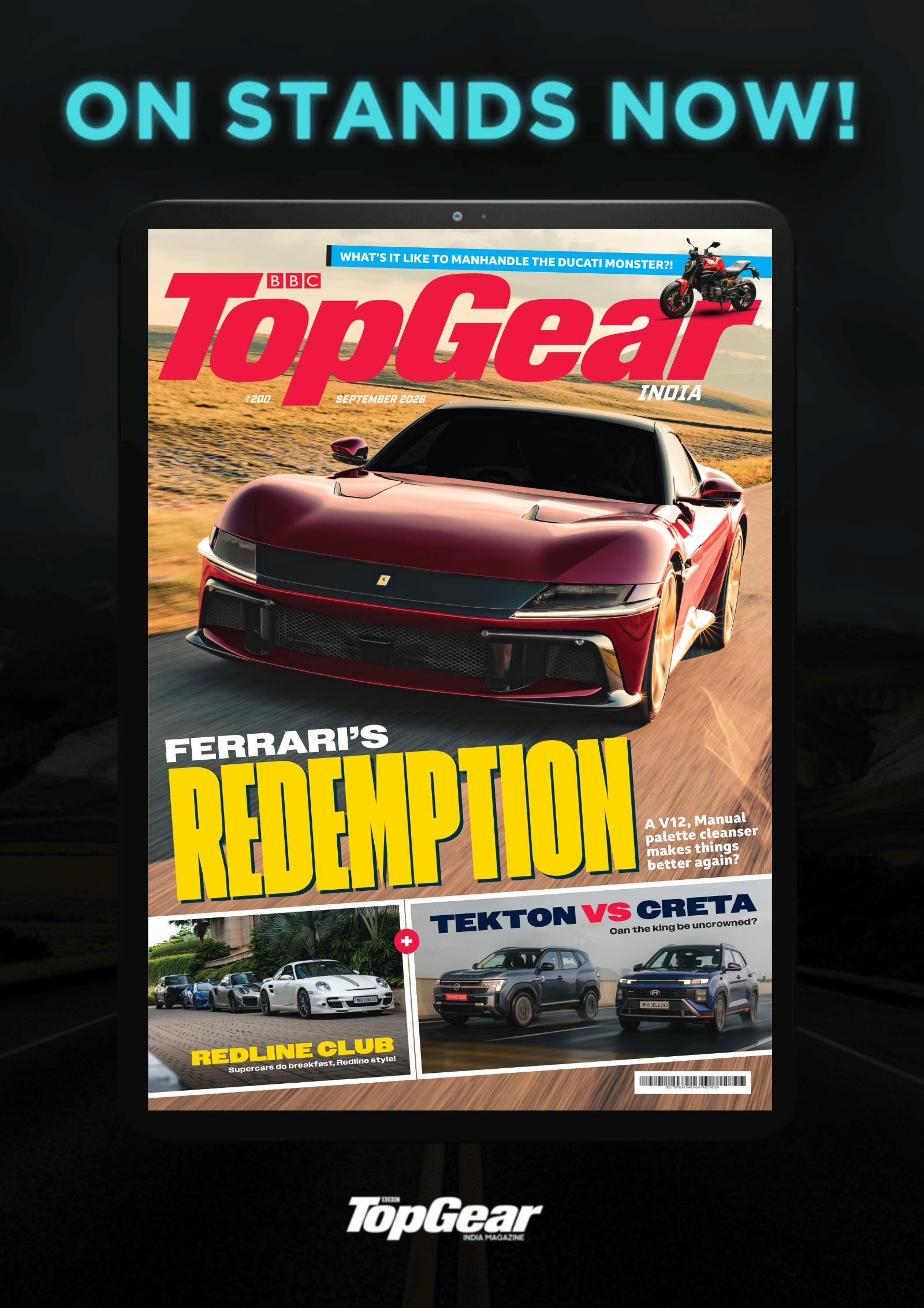
The Nissan Texton is Nissan’s version of the new Duster and packs a mighty impressive punch in a cutthroat segment where every little bit matters. But can the once giant automaker that ruled the world and hearts of many find a long overdue foothold in the India SUV space?
Nissan has done it again! The Japanese automaker might have lost its aura for the last few years, but with the new Tekton, which is basically Nissan’s version of the new Renault Duster, the aura, mojo and any other Gen Z slang you’d like to insert here, is back! But its not like this is the first time Nissan has mobbed Renault. Remember the Terrano?
Back in 2013, the Terrano always lived in the Duster's shadow. Despite being the more expensive and arguably more premium-looking SUV, buyers continued to flock towards the Renault. History, unfortunately for Nissan, was never particularly kind.
The Tekton cannot afford to repeat that mistake. Because this isn't simply another SUV joining one of India's busiest segments. It is arguably Nissan India's most important product in years and perhaps its final opportunity to become relevant again in a market that has largely moved on without it. Fortunately, the first signs are encouraging.
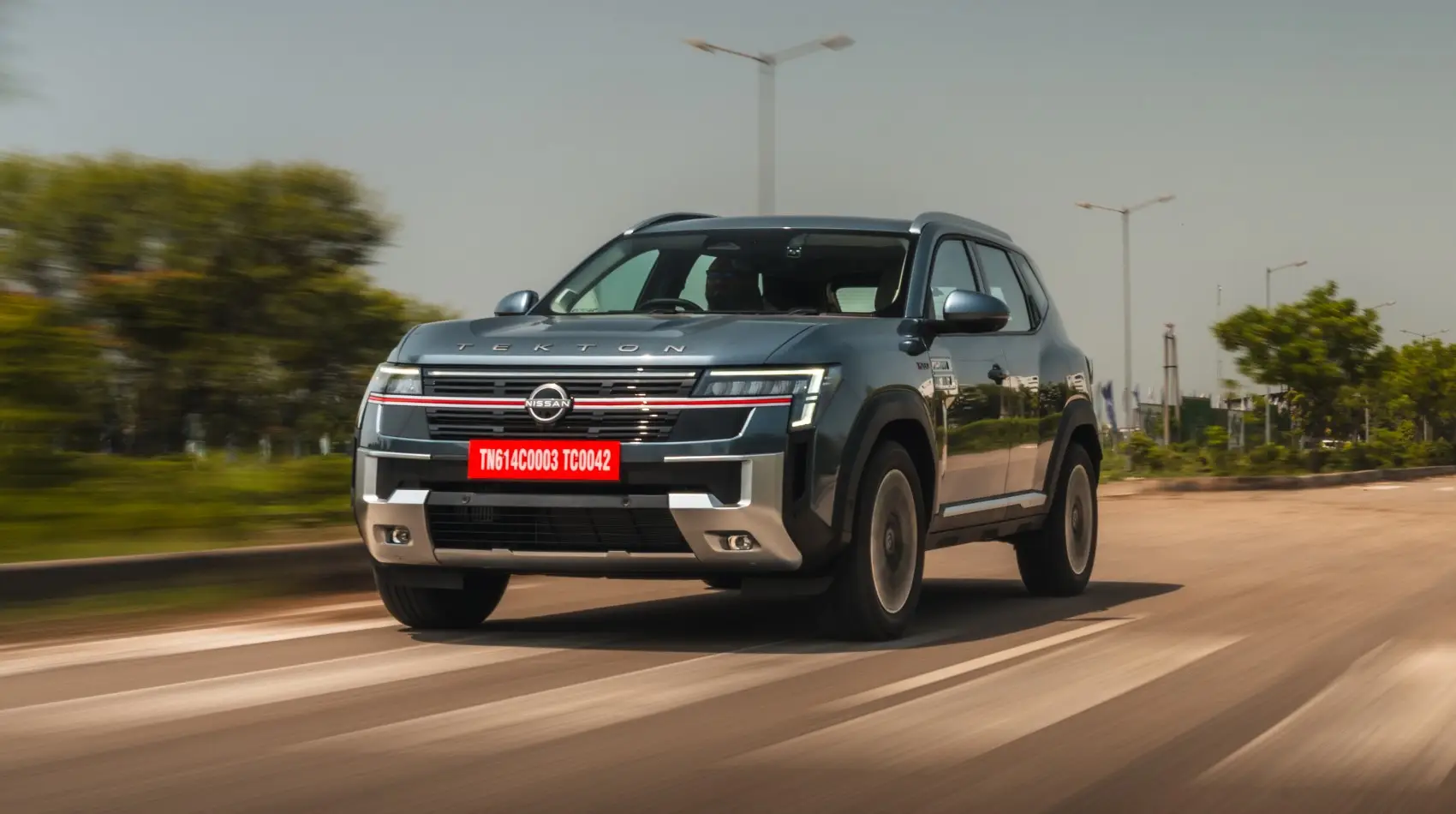
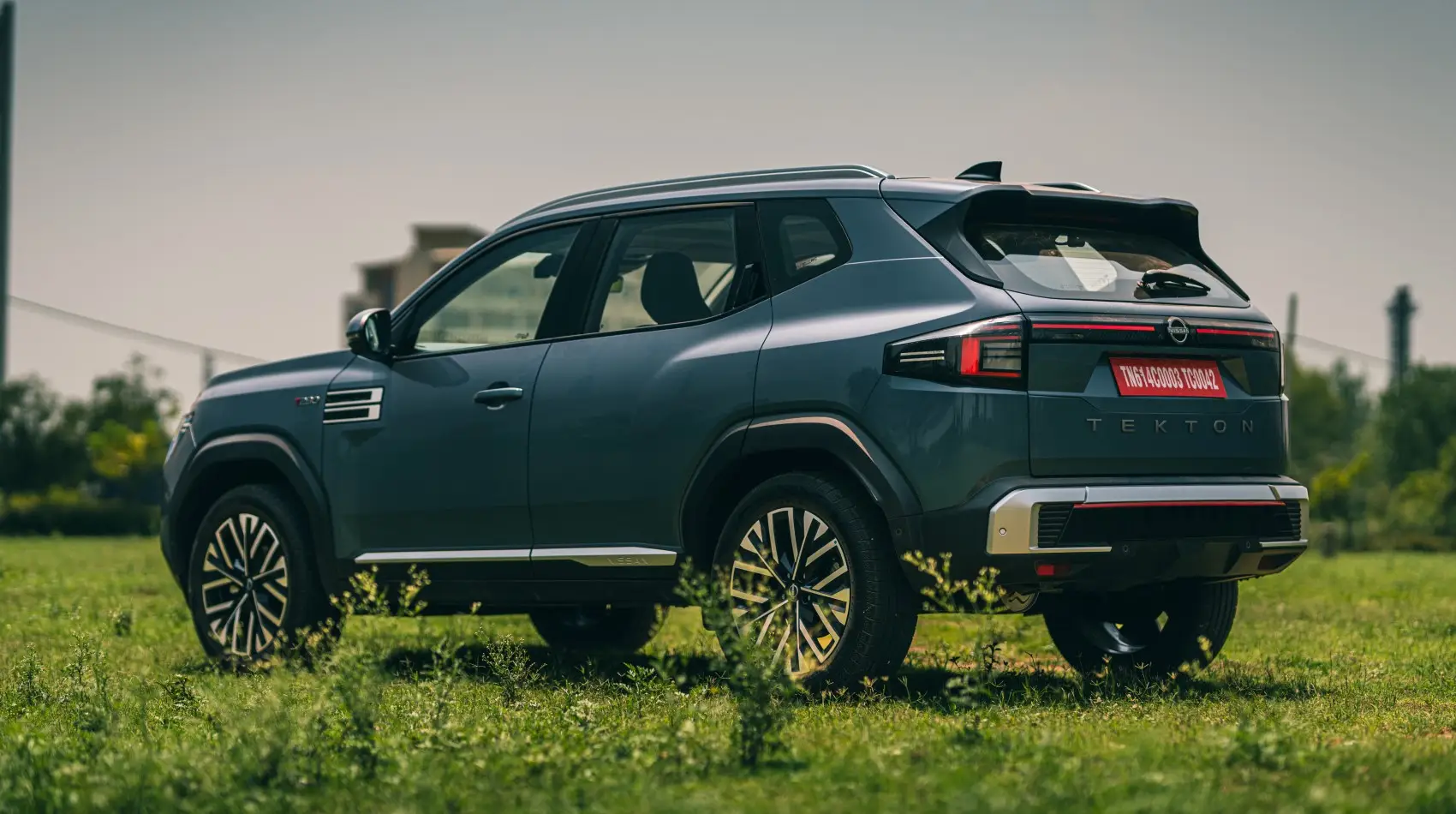
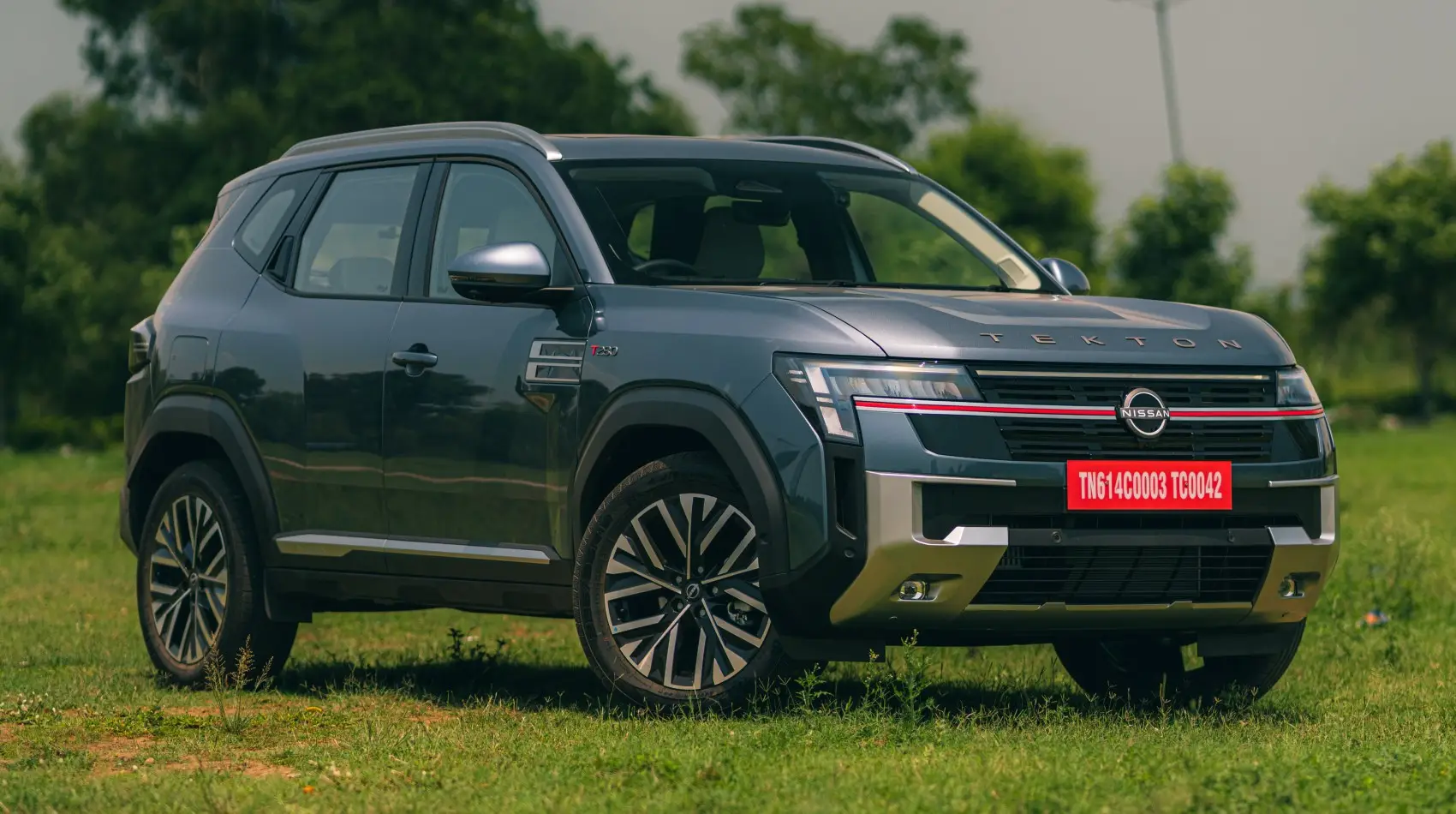
The remarkable thing about the Tekton is just how different it manages to look despite sharing almost everything with the Duster underneath. The wheelbase is identical. The roof is identical. The doors, fenders, wheel arches, tyres and even the ground clearance remain unchanged. Yet park the two cars next to each other and the Nissan immediately appears larger, tougher and considerably more substantial. That illusion comes almost entirely from Nissan's redesign.
The front end is noticeably more upright, with a larger bumper, a far more assertive grille and a stronger, squarer design language throughout. Where the Duster feels modern and sleek, the Tekton deliberately chases a more rugged, almost American SUV aesthetic.
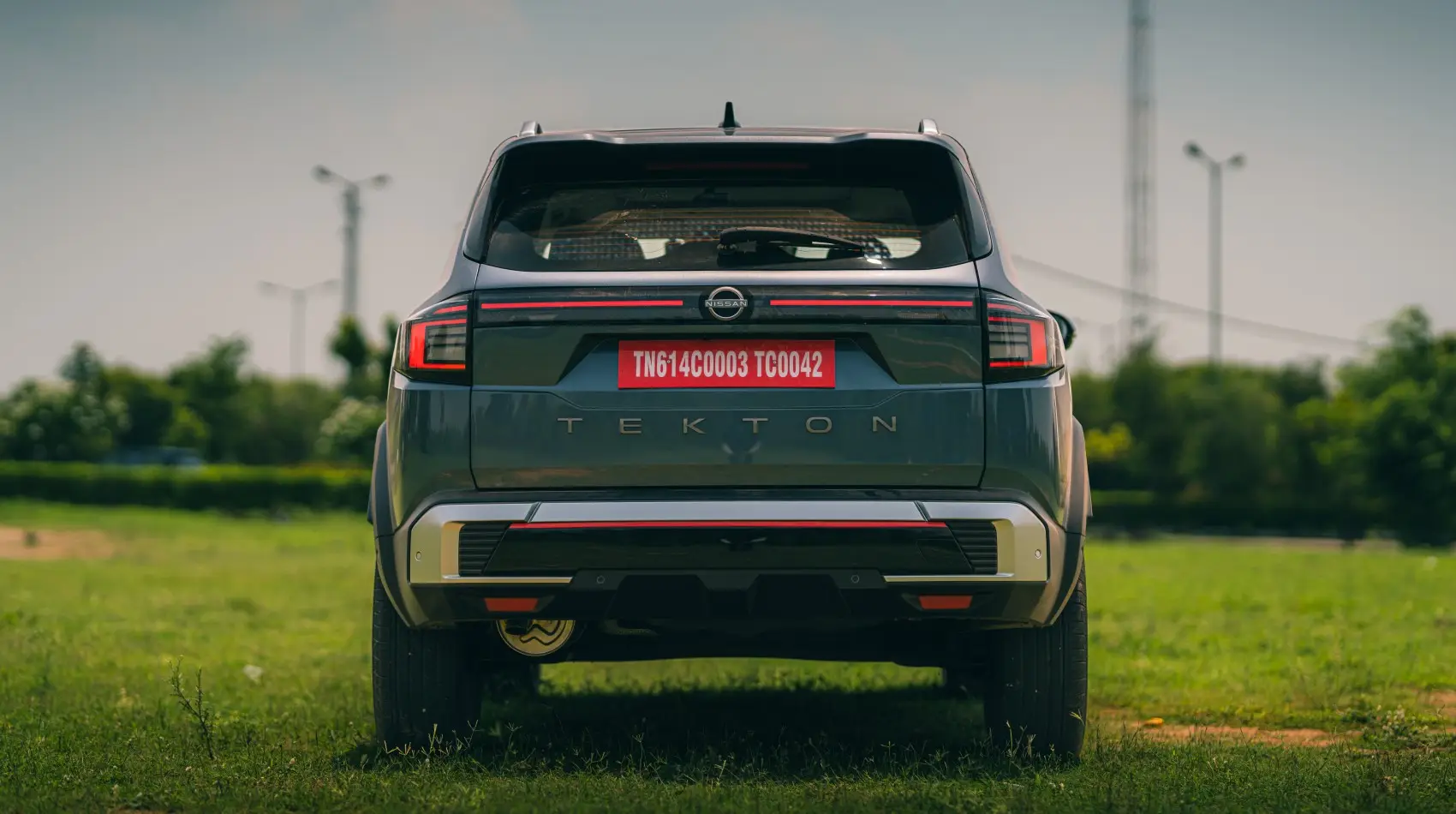
The headlights reinforce that theme. The slimmer lighting units on the Renault make way for chunkier lamps with much more prominent daytime running lights, while the squared-off detailing gives the entire front fascia considerably more presence. The same philosophy continues at the rear. Although the taillight housings share their basic architecture, Nissan has completely reworked the lighting signature. The result is a rear end that feels broader and visually more planted.
Also Read: Nissan Tekton previewed ahead of 2026 debut in India
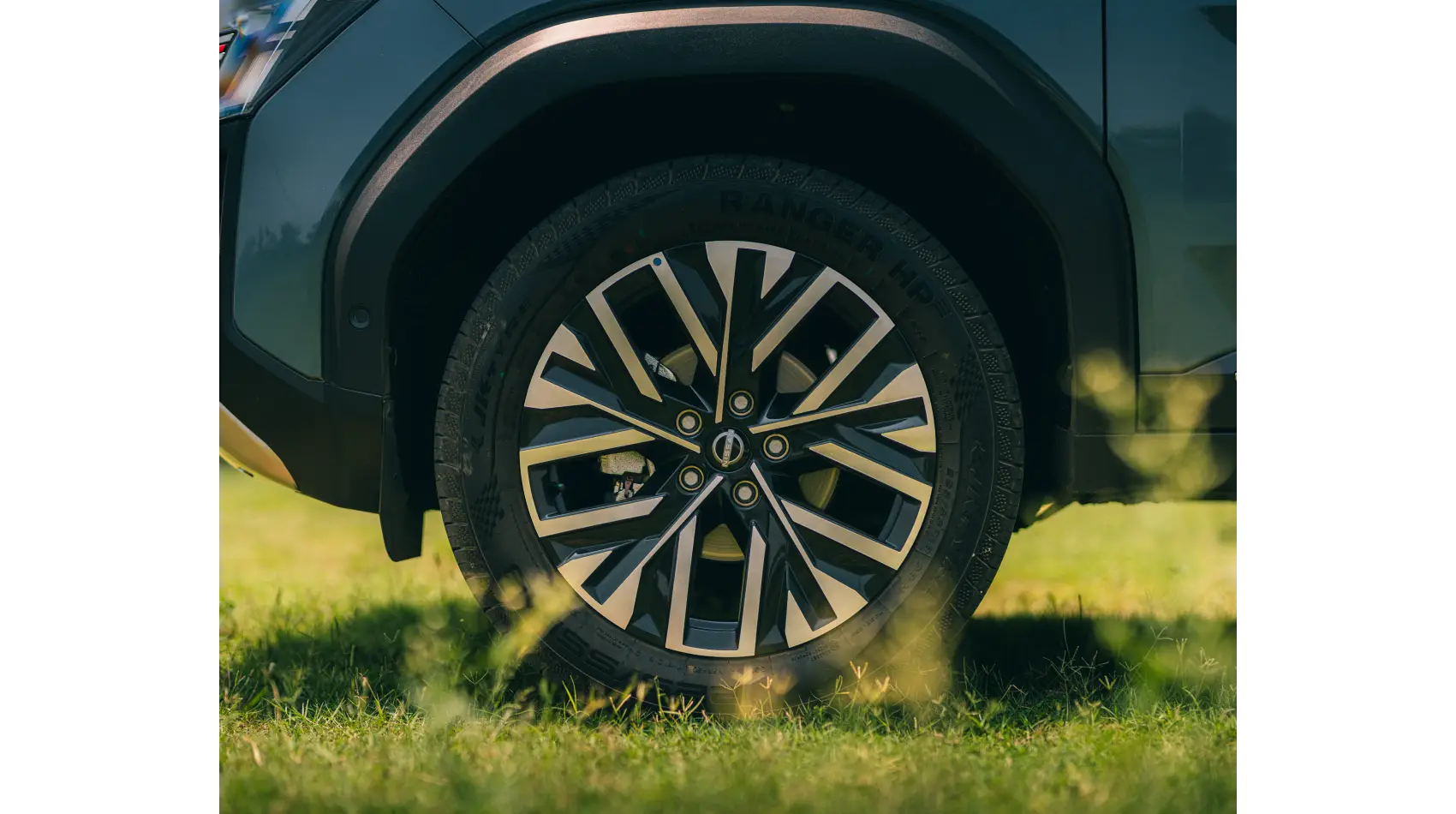
Even the wheels contribute to the effect. While the Duster's black alloys are understated, the Tekton adopts machined dual-tone wheels that normally wouldn't appeal to enthusiasts. Surprisingly though, they suit the car perfectly, complementing the tougher styling without appearing overly flashy. The result is an SUV that somehow feels like it belongs in a segment above.
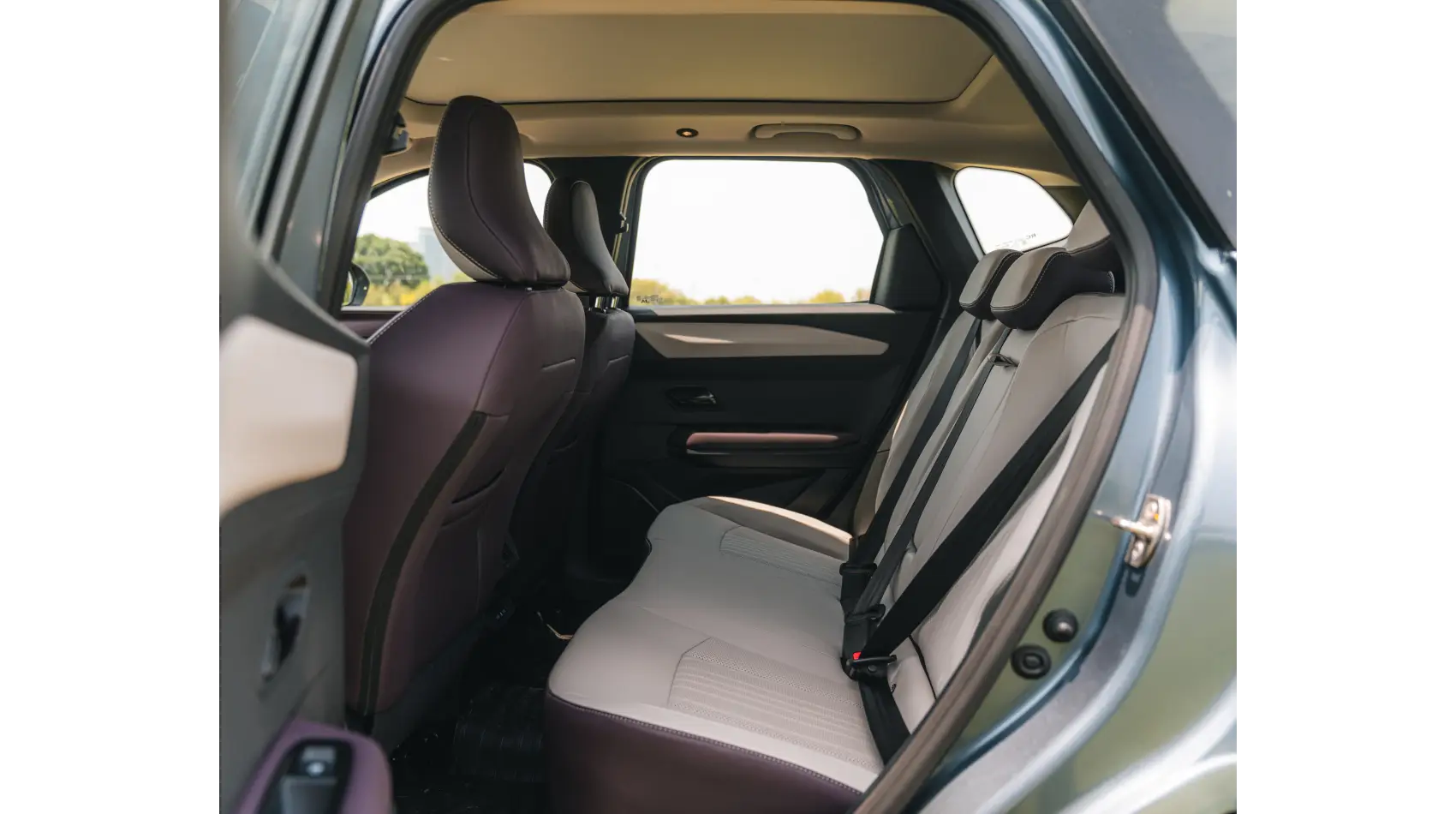
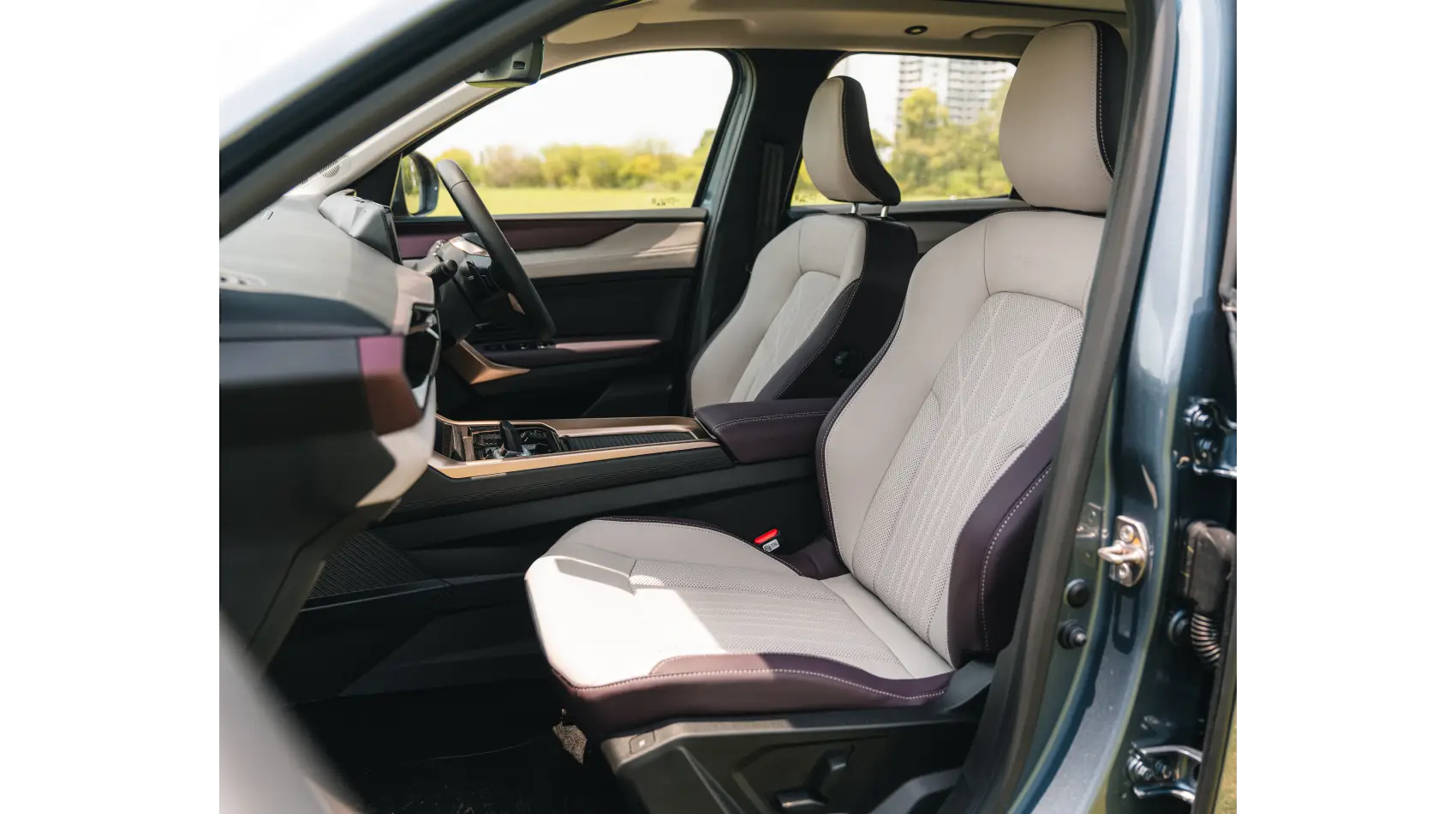
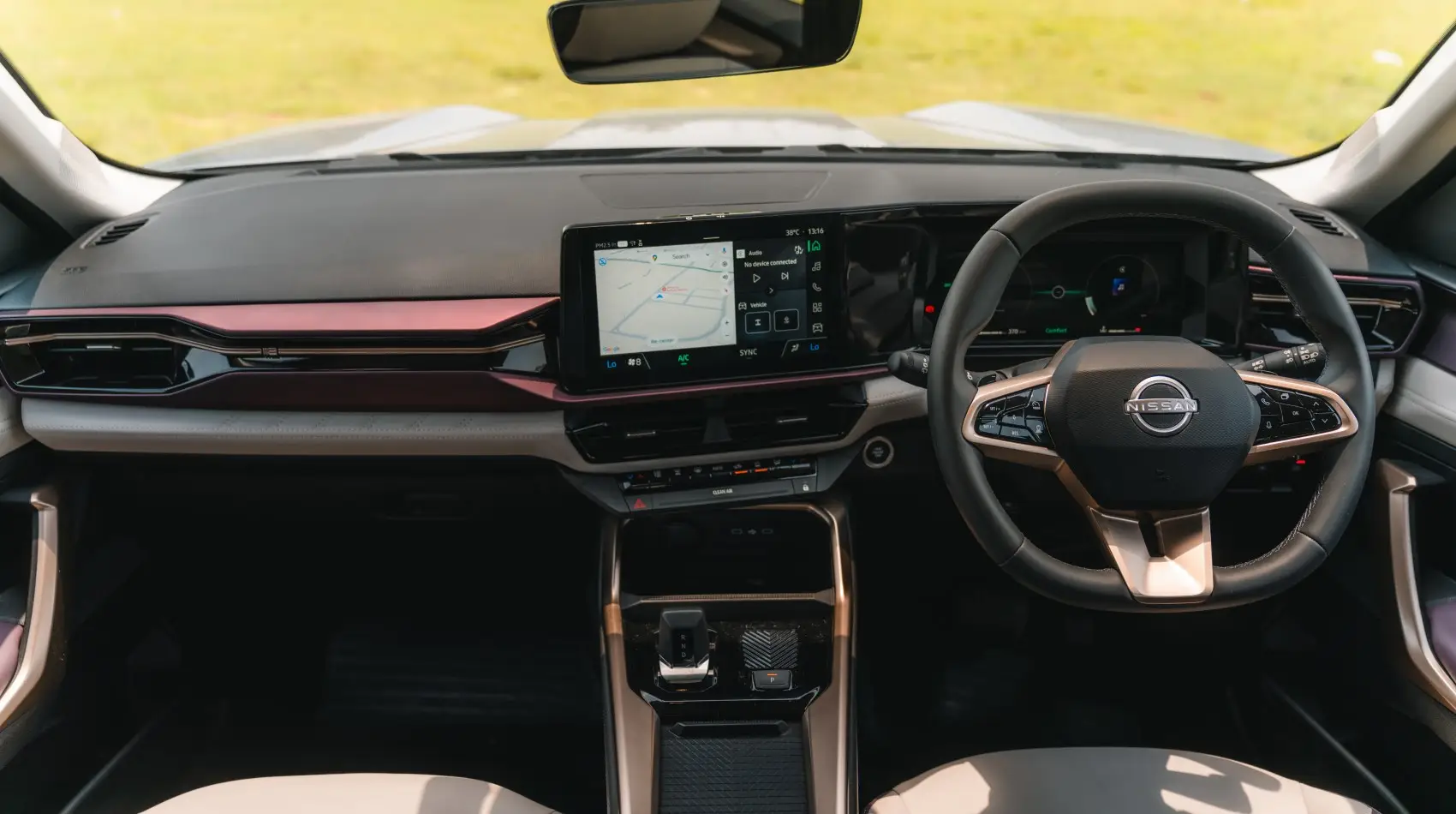
Step inside and the Tekton immediately separates itself from the rather conservative interiors we've come to associate with Nissan in India. Instead of the predictable black-and-grey formula, the cabin combines plum upholstery, white trim and rose-gold accents. It is bold, unusual and unlike anything else currently available in the mass-market SUV space.
Whether buyers embrace it, however, remains an interesting question. The colour combination undoubtedly photographs beautifully and gives the cabin a premium, contemporary feel. A small group of buyers will absolutely love its individuality. Others may find it slightly too adventurous.
Personally, a darker red interior may have been the safer compromise. Red interiors have already proven successful in cars like the Tata Harrier and Safari, while premium manufacturers have demonstrated for years just how effective they can be. The Tekton's exterior already carries subtle red accents, making such an interior feel entirely natural.
The white upholstery also raises another concern. Indian conditions have never been particularly kind to light-coloured interiors. Dust, denim, children and everyday use inevitably leave their mark, something several manufacturers have already discovered the hard way.
Colour choices aside, though, the quality itself deserves praise. Material quality, switchgear and overall fit and finish comfortably match the best in the segment. And that's exactly where they need to be. Buyers in this class have become incredibly demanding, leaving very little room for cost-cutting.
Must Read: Mid-Sized SUV Mega Comparo
If you've already experienced the new Duster, the overall cabin layout will feel immediately familiar. The infotainment system, digital instrument cluster and general ergonomics are virtually identical.
Unfortunately, so is the rear-seat space. During our recent Mega SUV Test, the Duster recorded the smallest rear-seat legroom measurement in the segment using our standardised testing method, and the Tekton naturally delivers identical figures. There is enough room for average-sized adults, but rivals offer noticeably more space. Ironically, the bright interior partially disguises this limitation by making the cabin feel significantly airier than it actually is.
Mechanically, nothing changes. The Tekton continues with the same 1.0-litre and 1.3-litre turbo-petrol engines offered in the Duster, with our test car using the more powerful 163hp 1.3-litre turbo producing 280Nm. That also means it inherits one of the Duster's greatest strengths.
Quite simply, this is one of the nicest SUVs to drive in its class. Body control is excellent without becoming uncomfortable. Grip levels inspire confidence, steering responses are predictable and the chassis always encourages you to drive just a little quicker than you probably should.
Yet it never feels nervous or overly sporty. Settle into a relaxed cruise and the Tekton becomes smooth, refined and remarkably easy to live with. Interestingly, our Mega SUV Test did reveal one surprise. Despite feeling quiet subjectively, the Duster actually recorded the highest cabin noise levels in our objective sound test. It's a reminder that numbers don't always align with perception.
Nevertheless, from a purely dynamic perspective, the Tekton remains one of the segment's standout driver's SUVs. That said, this is also where the Tekton feels like a missed opportunity. Visually, Nissan has succeeded in giving the SUV its own distinct identity. Mechanically, however, it remains almost indistinguishable from the Duster. A slightly softer suspension tune, a comfort-oriented calibration or even subtle steering revisions would have helped establish a unique driving character. Instead, both cars deliver almost exactly the same experience. And that's a shame because the styling practically begs for something more.
In fact, Nissan already has the perfect answer sitting within its own heritage. A genuine Nismo package would make enormous sense. Not necessarily a full-blown performance derivative, but perhaps a sportier exhaust, revised suspension, sharper steering calibration and more aggressive cosmetic enhancements to rival cars like the Hyundai Creta N Line.
Alternatively, Nissan could head in the opposite direction. Raise the ride height slightly, fit chunkier all-terrain tyres, add rugged wheels and tasteful Nismo-inspired detailing, and the Tekton would instantly become one of the most desirable lifestyle SUVs in its class.
The foundations are already there. Its square proportions, upright stance and muscular styling naturally evoke far more expensive icons like the Defender, Bronco, Wrangler and G-Class. Leaning further into that identity could create something genuinely unique.
The Tekton is exactly the car Nissan needed. Rather than merely rebadging the Duster, the company has managed to create an SUV with a completely different visual personality. It looks tougher, more distinctive and arguably more desirable than its Renault sibling, while retaining all the dynamic strengths that already made the Duster one of the best driver's SUVs in the segment.
If choosing purely on styling, I'd happily take the Tekton over the Duster. The bigger challenge now lies beyond the product itself. Nissan needs to rebuild confidence in its brand, strengthen its dealer network and become far more visible in the Indian market. Because the engineering is already convincing. The Tekton proves Nissan still knows how to build an excellent SUV. Now it simply has to convince buyers to walk into the showroom.