First introduced in 2023, the Tata Punch EV has always been an excellent city electric car. It offered a respectable real-world range, looked more radical than its ICE-powered siblings, and came packed with features. Its only real compromise was practicality — but that’s largely a matter of size. Even so, it remains a usable four-seater, with enough boot space to stash luggage for a weekend getaway. It is also almost 50 per cent more powerful than its ICE counterparts, and that added punch, no pun intended, combined with well-sorted dynamics, makes it fairly enjoyable to drive. However, it was always a touch expensive, particularly in its higher variants that ticked all the right boxes.
Now, in 2026, Tata Motors has rolled out a facelifted version with larger battery options and sleeker styling. More importantly, it has become significantly more affordable than before. That shift comes from the omission of certain features and improved drivetrain packaging, which has helped rationalise costs. Tata is also offering it with the Battery as a Service scheme, which brings down the entry price from ₹9.69 lakh, ex-showroom to ₹6.5 lakh + the monthly battery rental cost. More on that later. I’ve spent some time with the updated Tata Punch EV, and here’s what it’s like now, starting with the design.
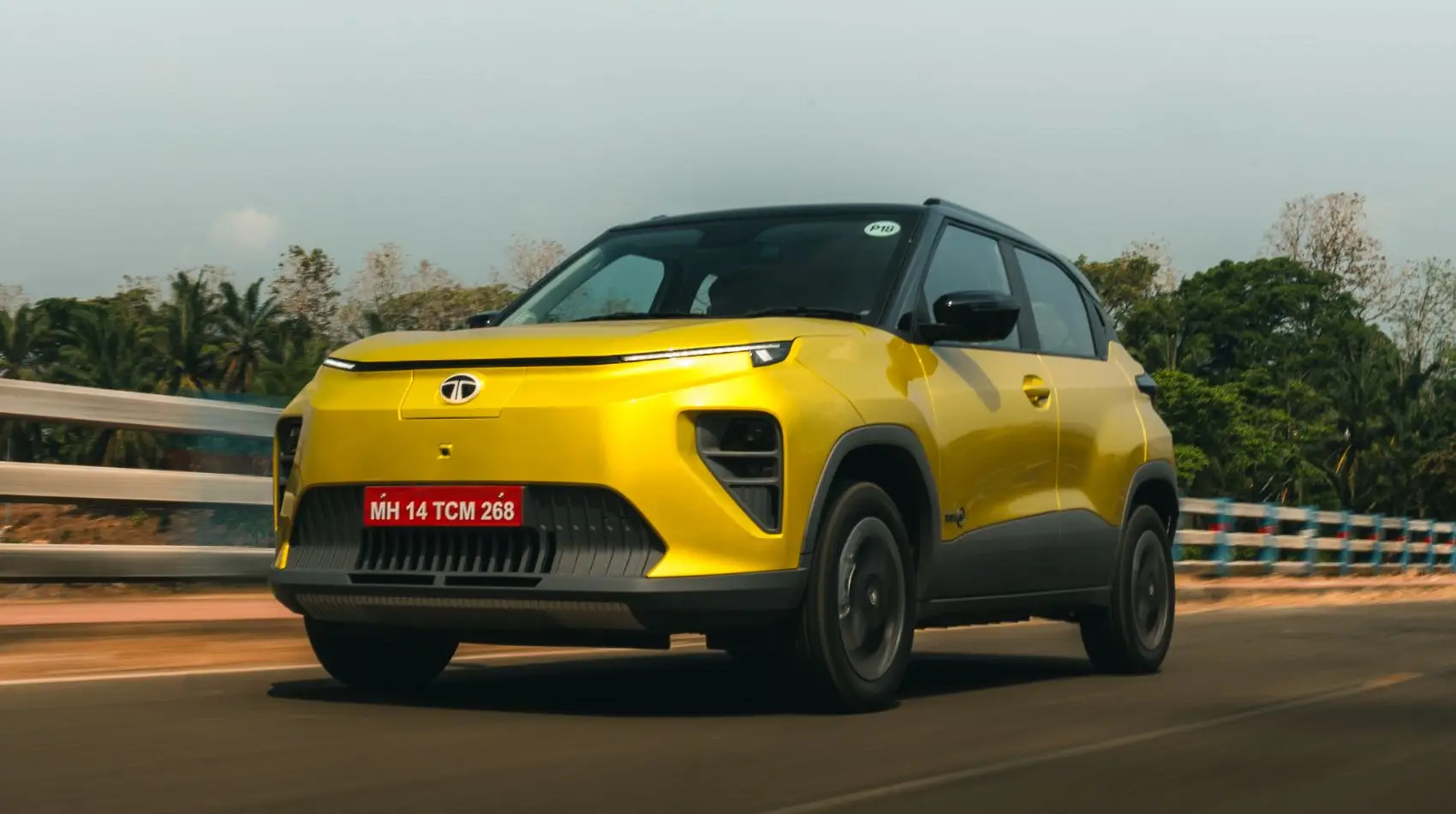
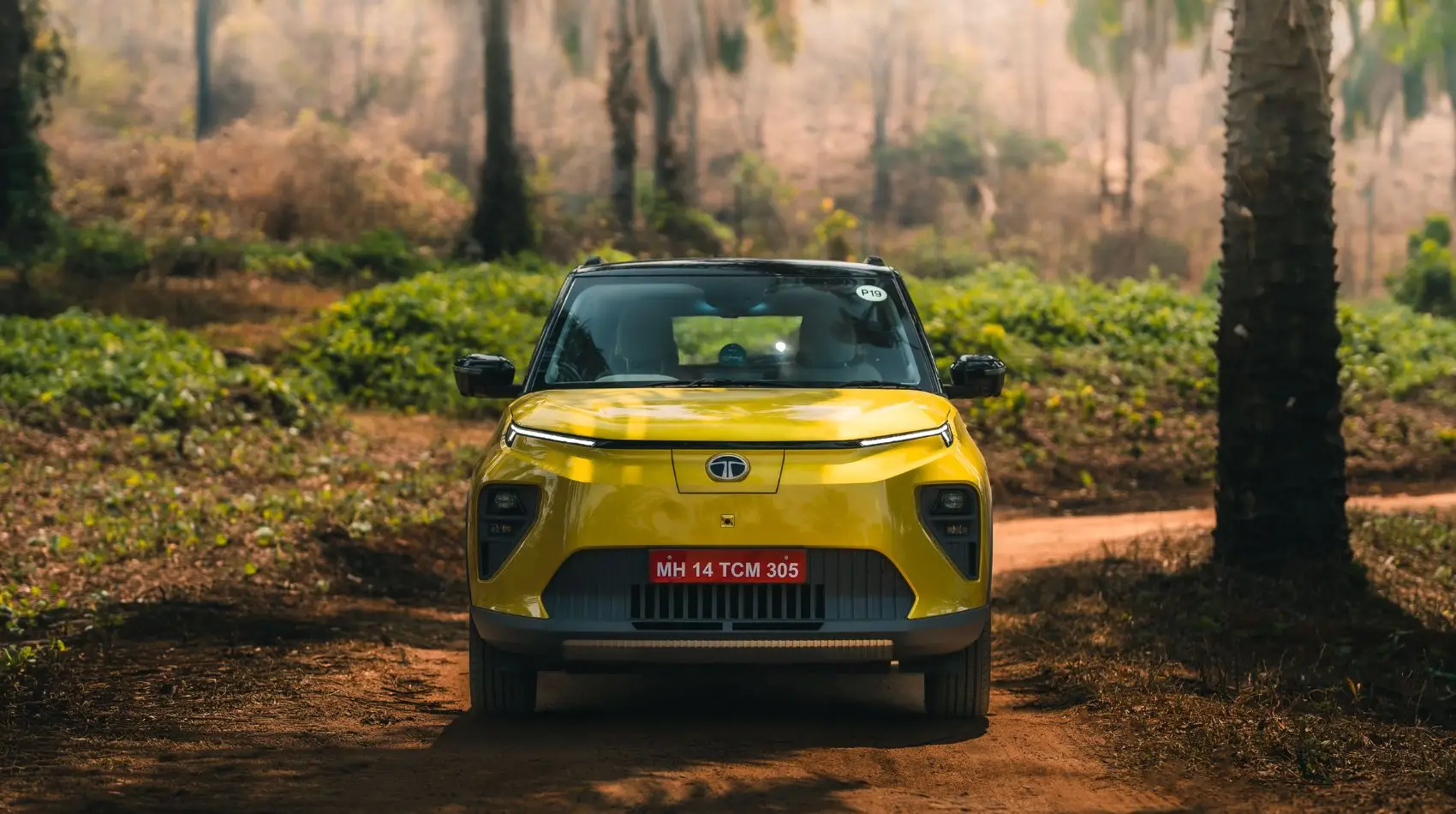
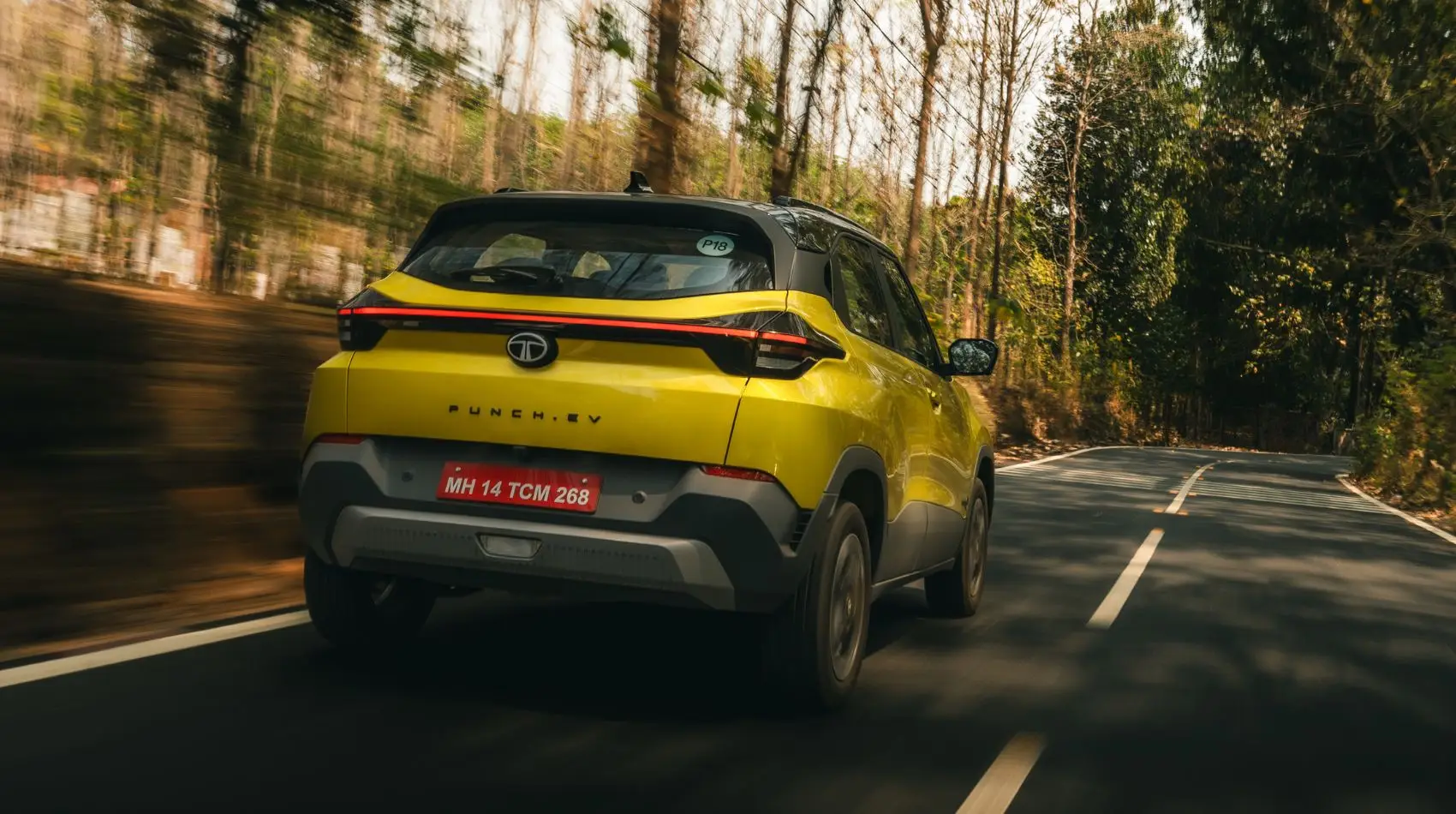
The Punch EV always looked cleaner than the standard Punch, and this facelift pushes that distinction a little further. The split-grille setup has been dropped in favour of a neater, more cohesive front-end design. The headlamp housings are now rounder, and the lower section of the bumper has been subtly reworked. Along the sides, however, very little has changed. Apart from the Tata.EV badge on the front doors, it remains identical to before. At the rear, it continues with the full-width LED light bar and wraparound tail-light treatment seen on the updated Punch facelift. One change that stands out — and not in a good way — is the body cladding. Tata Motors has chosen to paint the cladding on the front, sides and rear in grey. I’m not a fan. The earlier black finish may have been prone to visible scratches, as the brand points out, but it added contrast and a rugged edge. This new, almost primer-like grey looks unfinished and, frankly, a bit cheap. Instead of elevating the design, it slightly dulls what is otherwise a smart and distinctive update. That said, taken as a whole, I do like the way this car looks. The proportions still work, the stance remains upright and confident, and Tata has introduced a few new, more vibrant colour options — all of which suit the Punch EV rather well and add a welcome dose of personality.
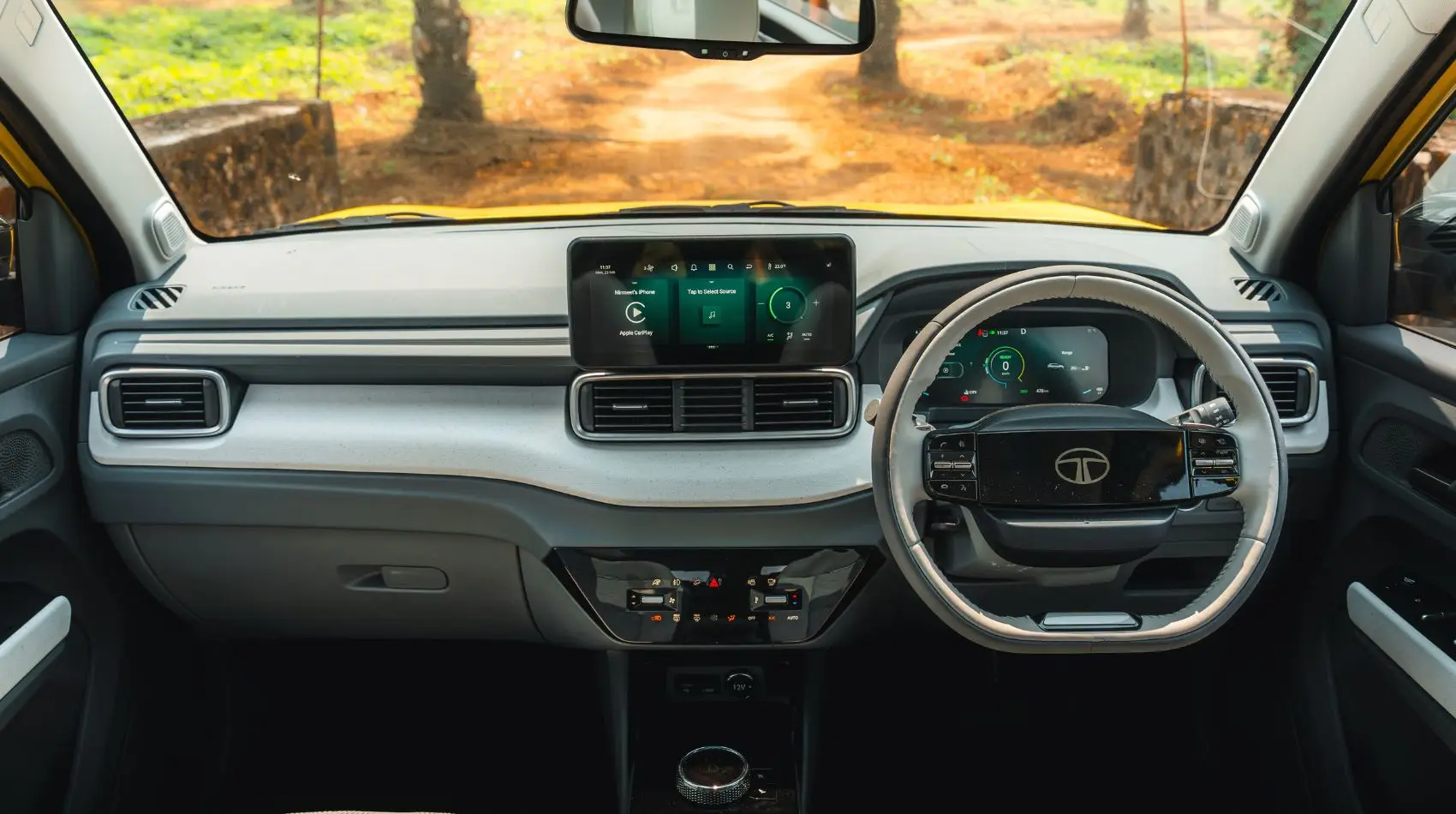
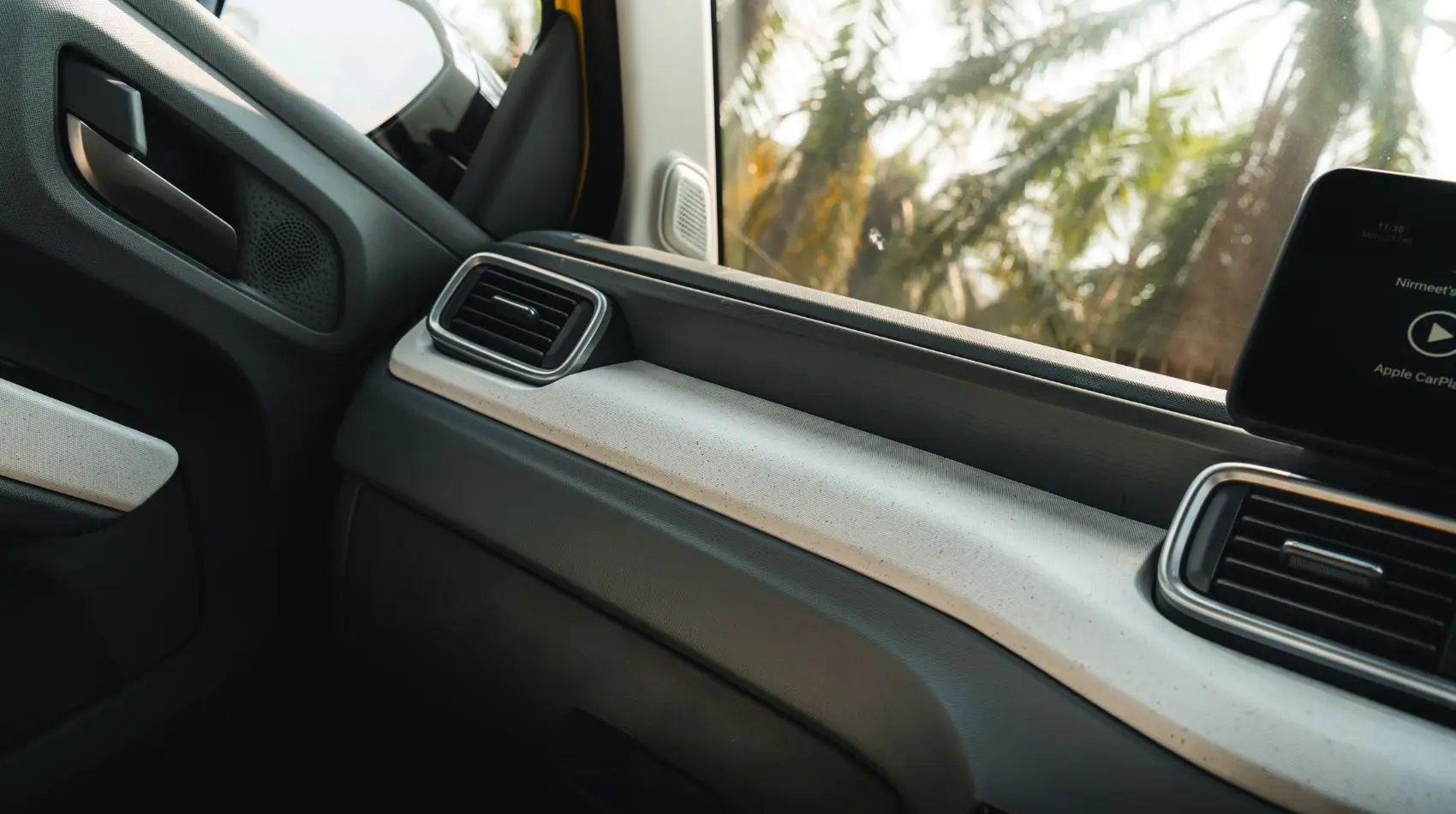
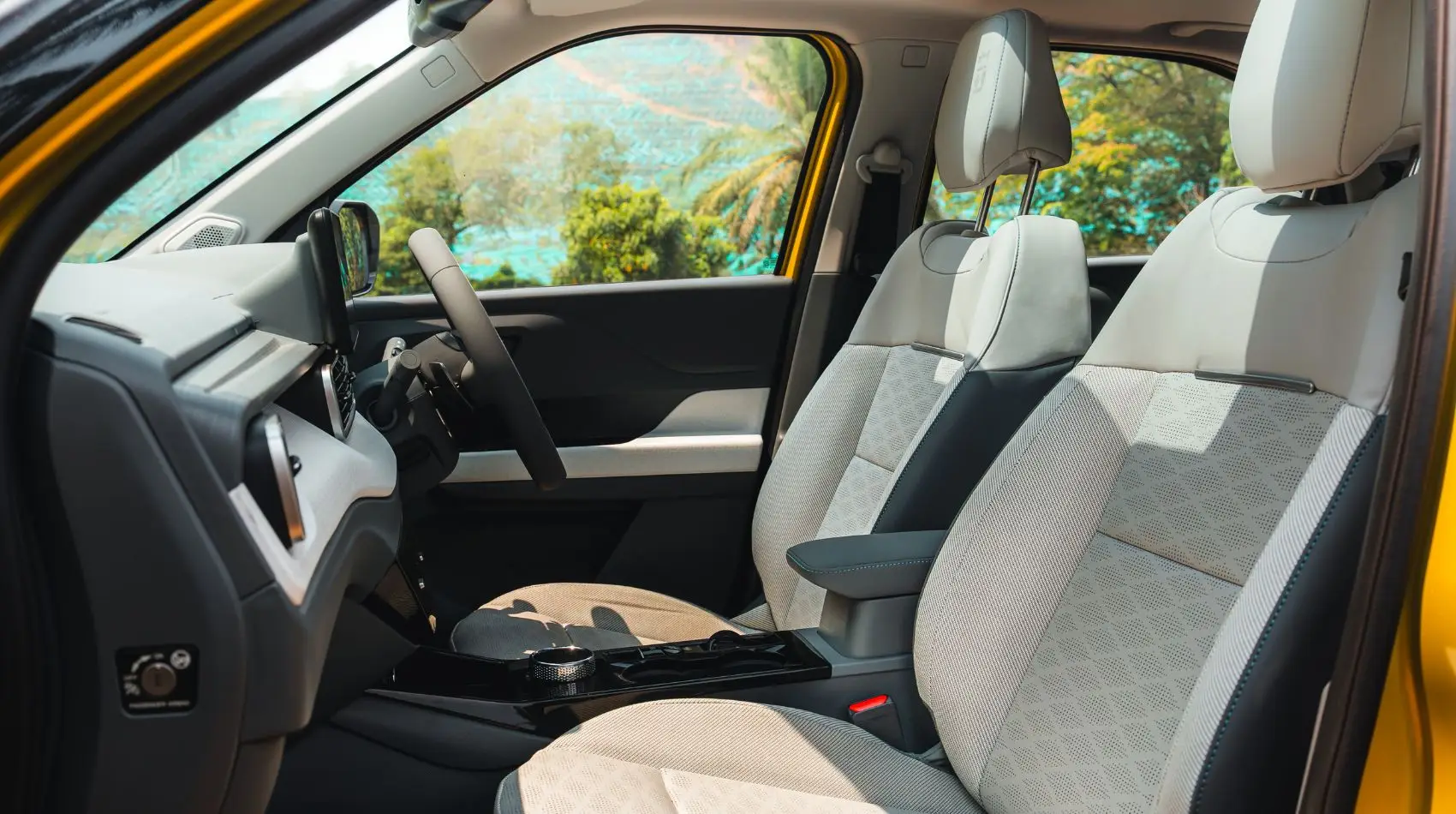
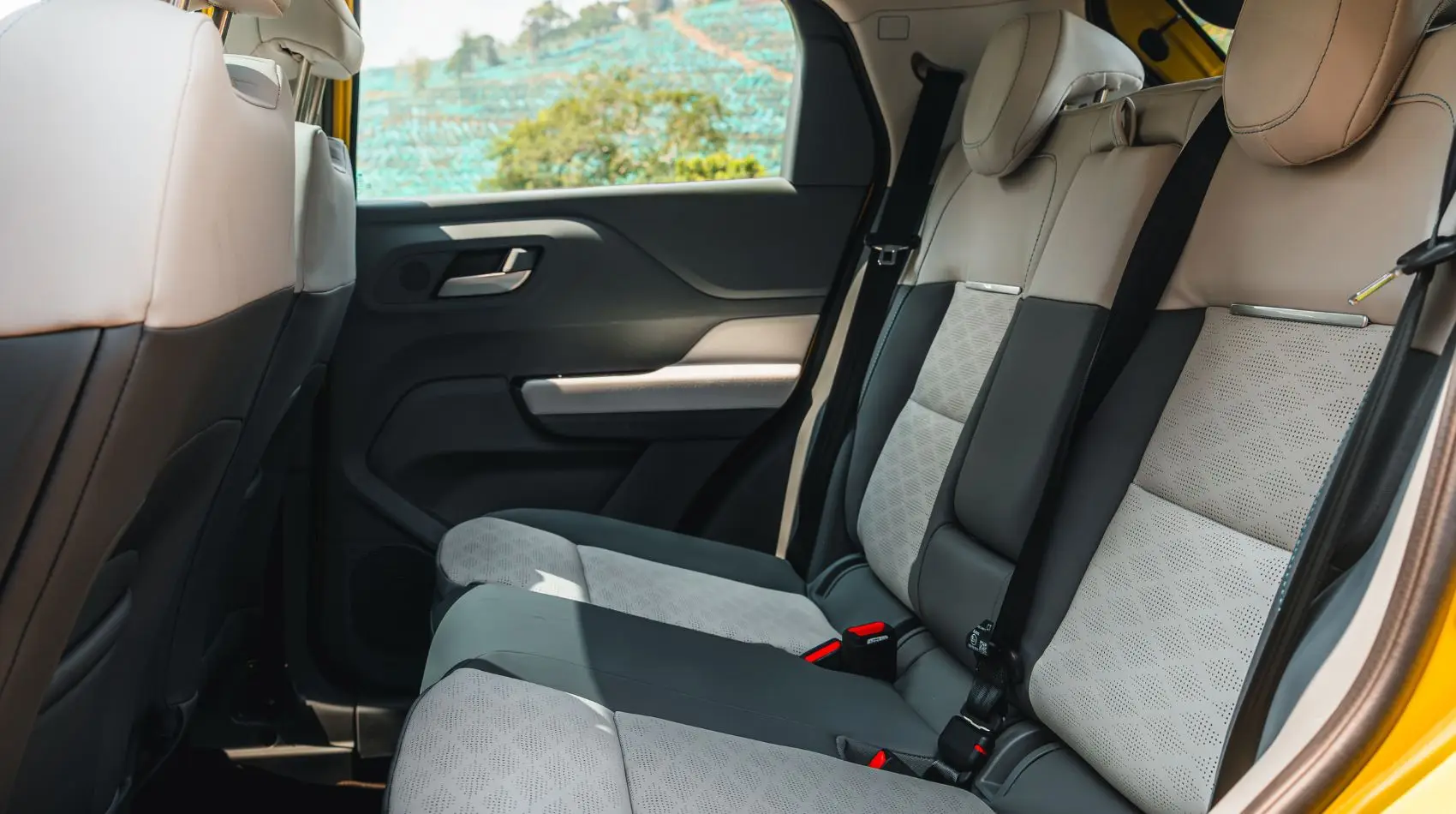
Step inside, and you’ll notice that very little has fundamentally changed. The grey theme carries over into the cabin, with the dashboard and door cards now finished in a dual-tone grey and white combination, replacing the earlier black-on-grey layout. Unfortunately, much like the exterior cladding, this lighter treatment doesn’t quite hit the mark. It looks clean, certainly, but lacks the contrast and visual depth that the darker scheme offered.
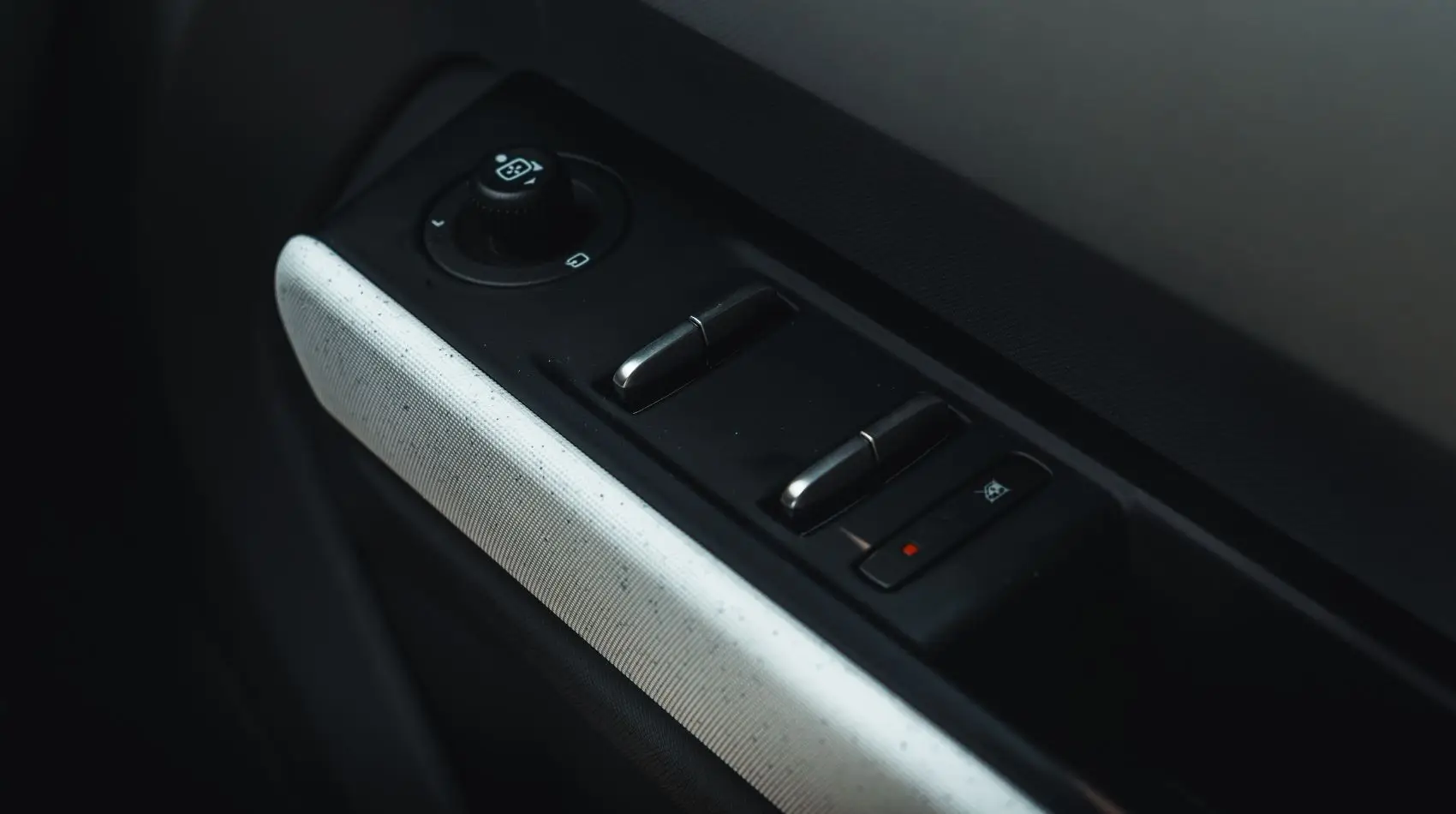
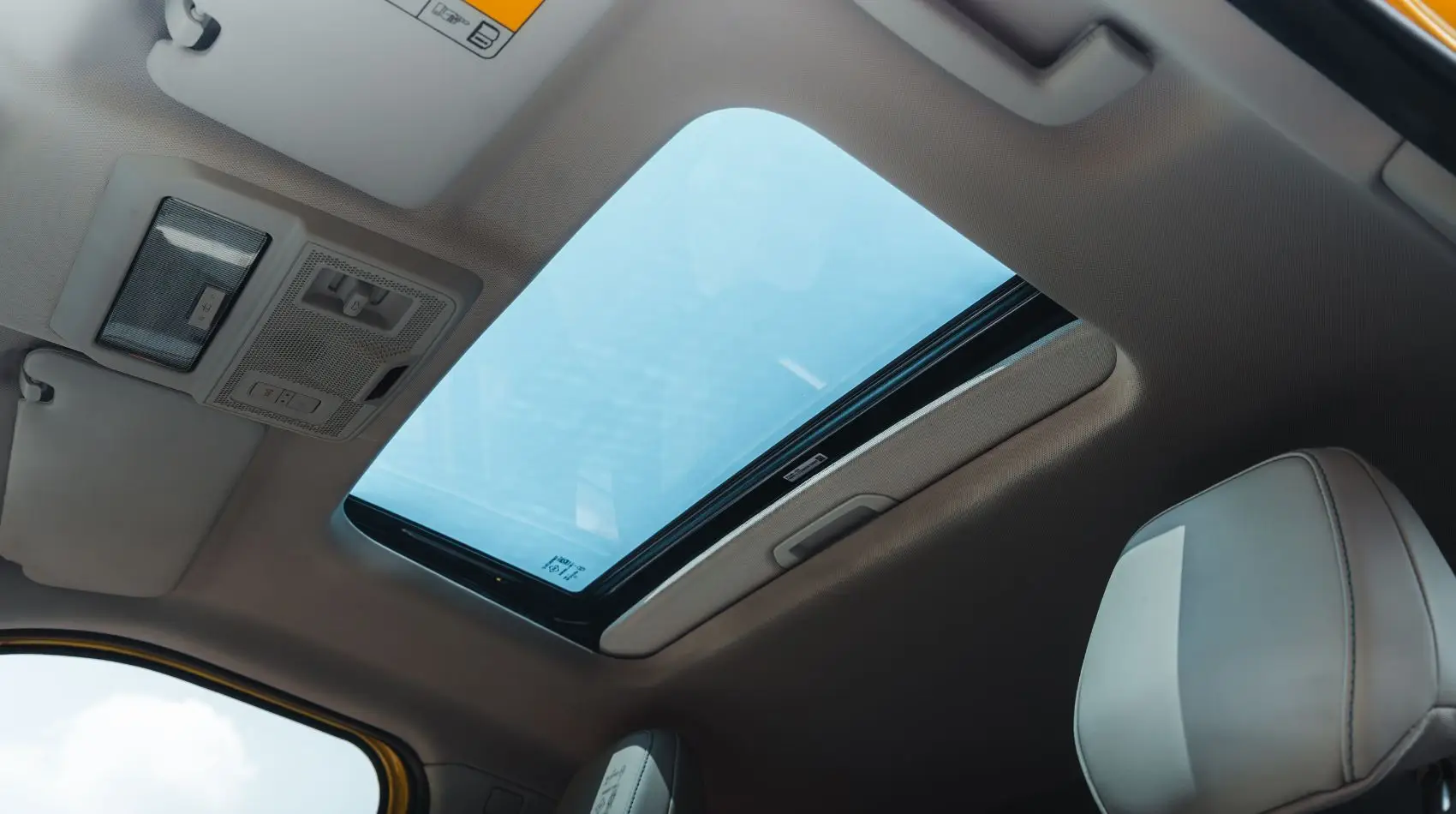
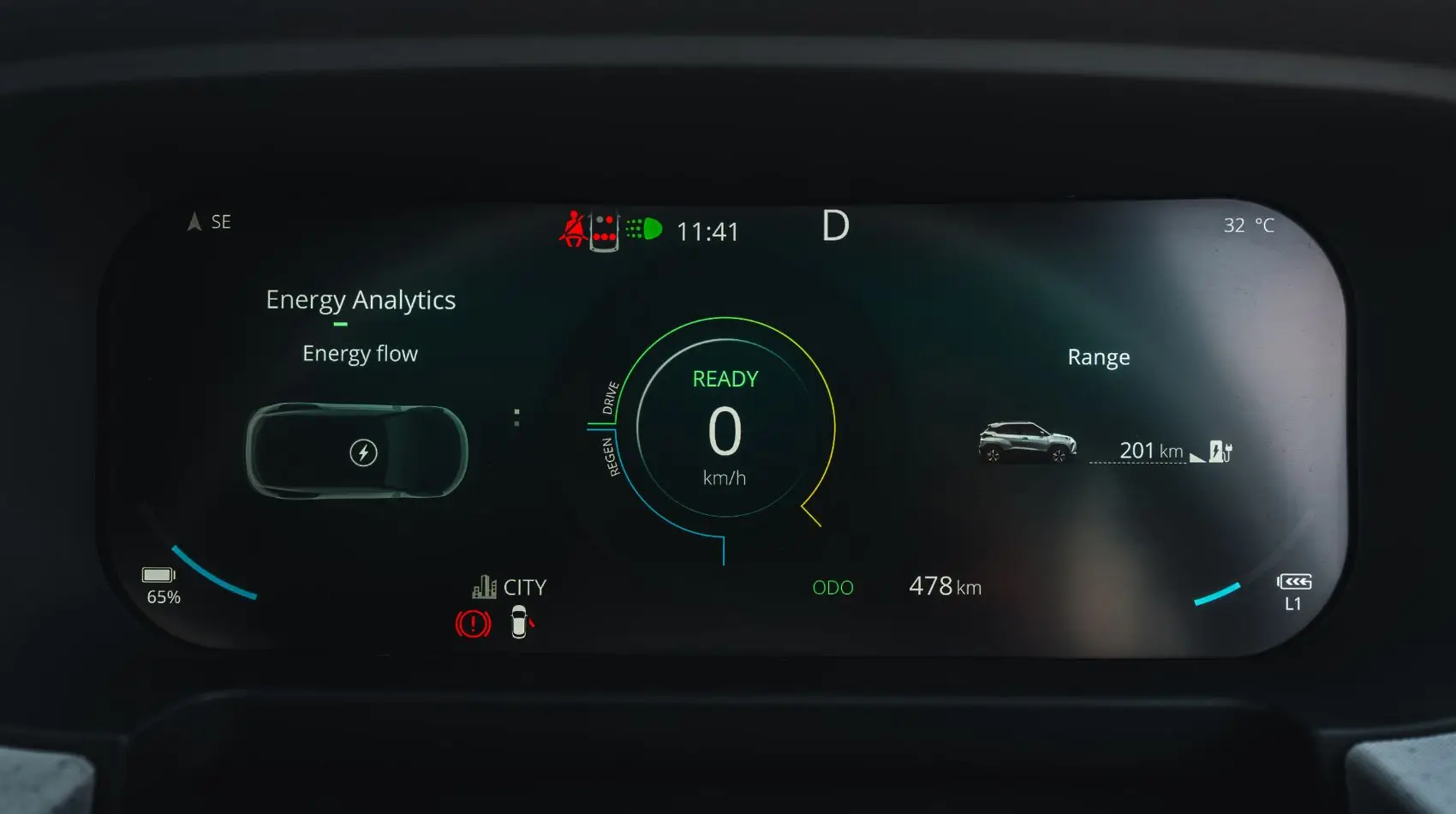
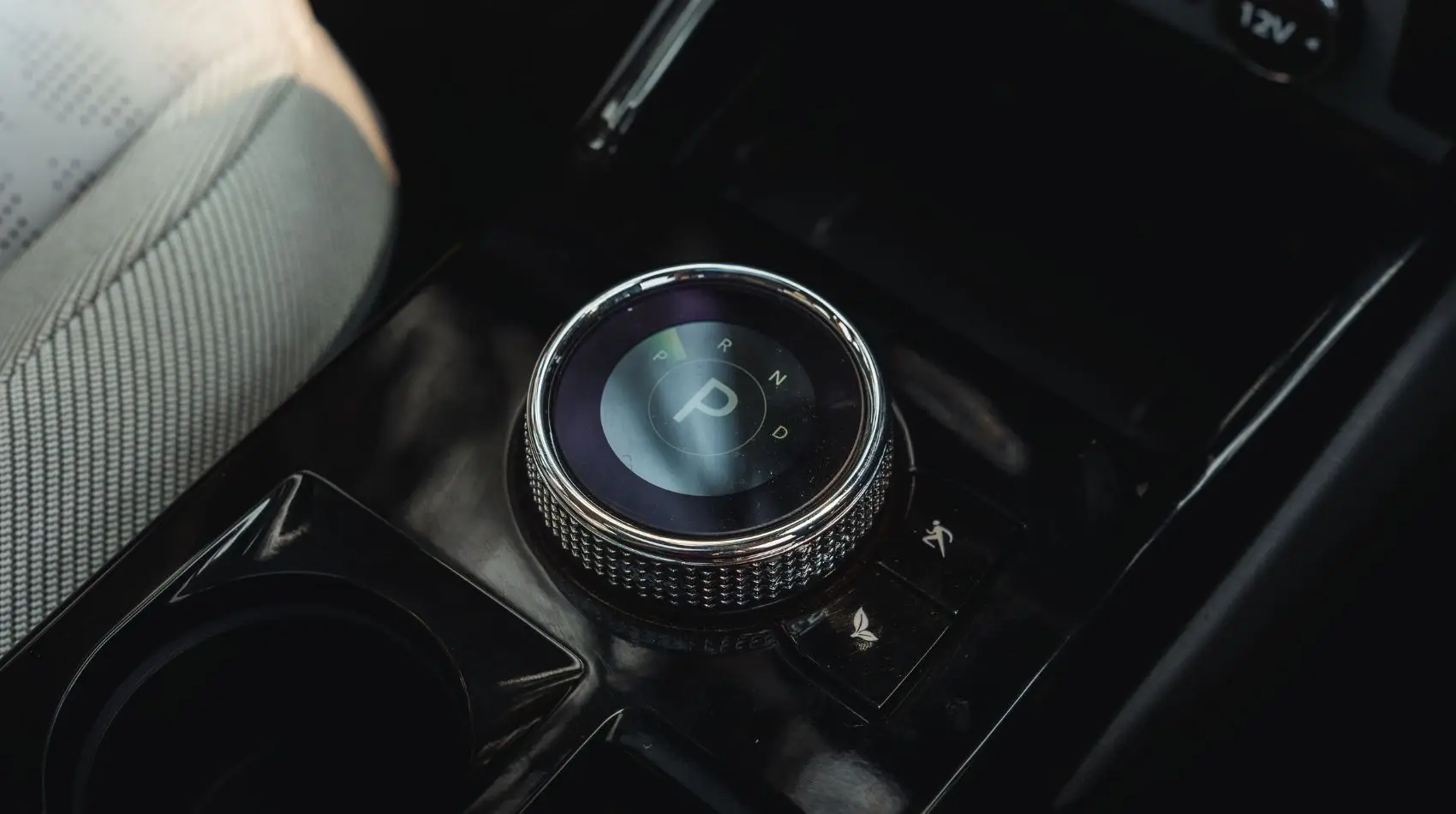
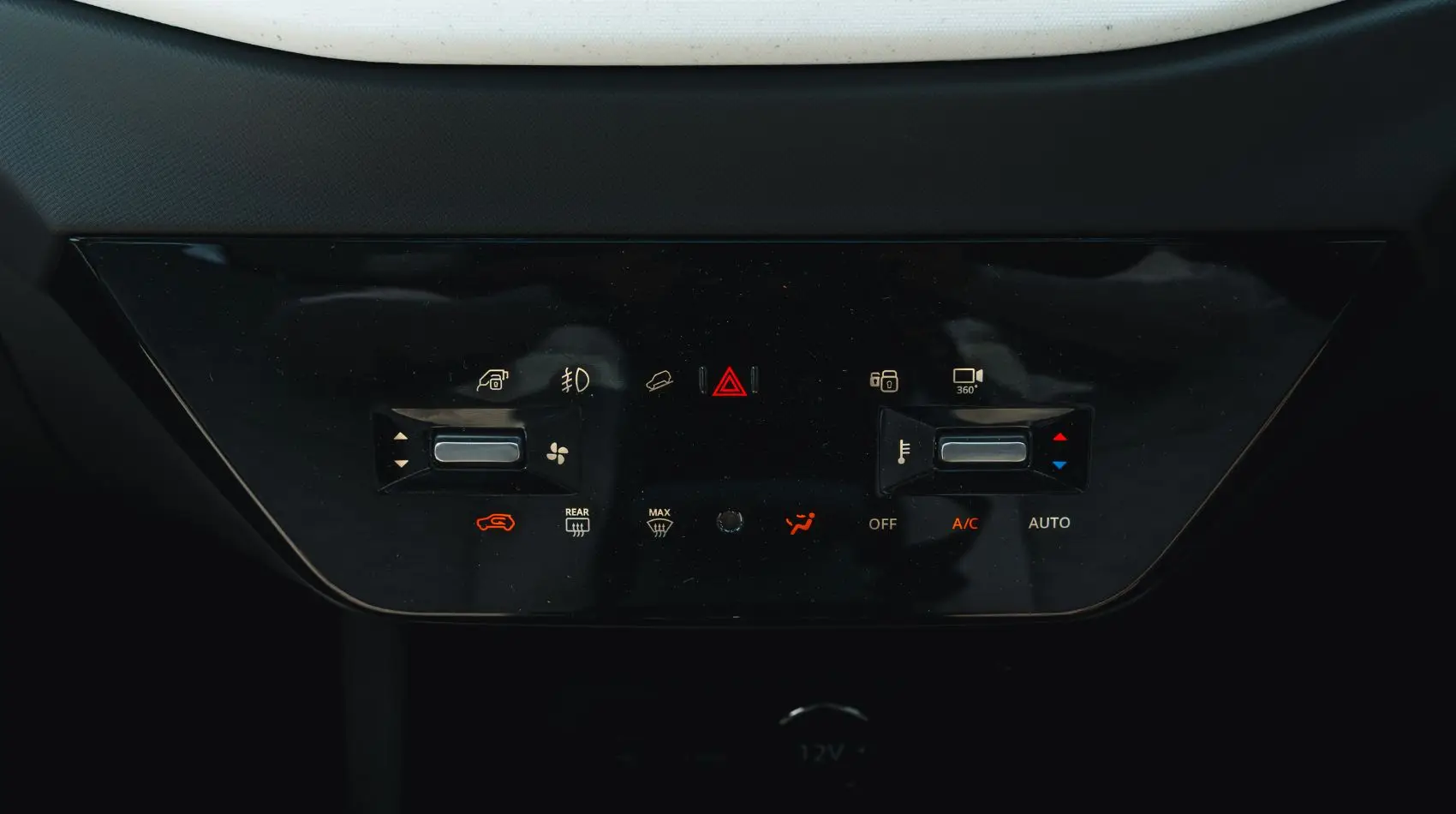
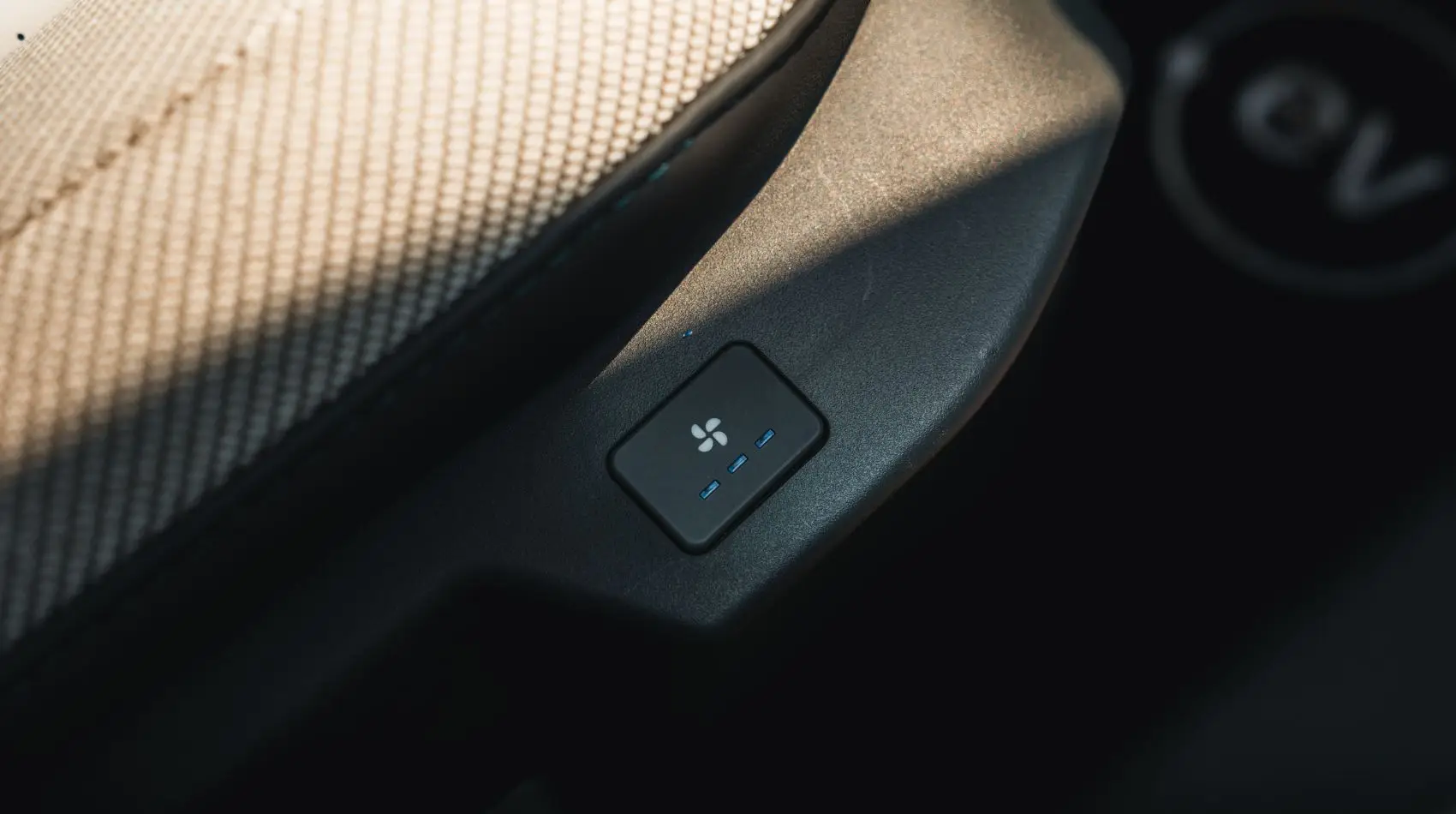
There are some updates, though. The window switches are new — sleeker in design and noticeably more tactile to operate. They feel like an upgrade in terms of quality, even if their reverse-function operation takes a moment to get used to. All the other features – a smooth 10.25-inch infotainment touchscreen which supports wireless Apple CarPlay and Android Auto, a crisp 360-degree camera system, 10.25-inch configurable digital driver’s display, 10W wireless charger, ventilated front seats, sunroof, electronic parking brake with auto-hold – remain unchanged. What also remains unchanged is the two-spoke steering wheel and the haptic central panel to control your air-con and other functions. Both are prone to accidental touches, and the latter actually requires you to take your eyes off the road to operate a few functions. Thankfully, the air-con blower speed and temperature controls are rocker switches. The jeweled gear selector looks ace, but has a rather slow operation process. Boot space remains unchanged at 366-litres, and it can swallow three checkin-style suit cases with ease.
Fit and finish is very good on the exterior with consistent panel gaps, and good quality paintwork. Even the plastics on the inside don’t feel very cheap and the car does feel solid overall. On the safety front, it continues with six airbags, ESP and ISOFIX mounts.
But enough of all this, let me get into the meat of the matter and tell you about the important changes that are skin deep. Firstly, the battery capacities have gone up – thanks to a switch from cylindrical to prismatic cells – the earlier 25kWh and 35kWh packs have been replaced by 30kWh and 40kWh units; and that translates to more range. The smaller battery (which is still under certification) should boast an MIDC-claimed 375km range, which Tata Motors claims should give you a real world figure of about 275km. And the bigger battery, which is MIDC-certified for 468km, should provide about 355km of range on a single charge. Respectable numbers. And I can tell you that those real-world figures are easily achievable even with a slightly heavy foot and the air-con on, as I drove the car for about 140km, and the range indicator dropped to 42 per cent from 100, with 188km of range still being displayed on the cluster. Mind you I was driving in Sport mode 70 per cent of the time, and wasn’t shy on the throttle. So yes, a 350km real-world figure can be easily achieved if you drive sedately. And that’s a good amount of range for a car that will most primarily live in the city.
One of the few things – apart from the omission of disc brakes at the rear, and the removal of the light bar at the front – that have made possible the lower price is clever packaging of components. Parts like the motor, DC-DC converter, reduction gear are now housed in a single 6-in-1 drive unit that is much more compact, freeing up space under the hood, and bringing the weight down. All this means lower parts, and that equals lower costs.
Power figures have also been altered. The motor makes approx 7bhp more on both batteries, and about 40Nm/36Nm lower torque. This isn’t noticeable from behind the wheel, but Punch.EV clocks faster 0 to 100kmph time. Performance remains brisk, with the three drive modes altering throttle calibration for more oomph, and in the Sport mode particularly this car takes off rather quickly.
But enough about the cosmetic changes — let’s get to the bits that really matter. The biggest update lies beneath the surface. Battery capacities have increased, thanks to a shift from cylindrical to prismatic cells. The earlier 25kWh and 35kWh packs have now been replaced by 30kWh and 40kWh units, and that naturally translates to more range.
The smaller battery — still under certification at the time of writing — is expected to deliver an MIDC-claimed range of 375km. Tata Motors suggests a real-world figure of around 275km. The larger 40kWh pack, officially MIDC-rated at 468km, should realistically offer about 355km on a single charge. Respectable numbers.
Power figures have changed slightly too. Output is up by approximately 7bhp on both battery variants, while torque has dropped by around 40Nm on the larger pack and 36Nm on the smaller one. But wheel torque is actually the same, thanks to reduction in the gearing. As a result, the Punch EV now posts a quicker 0 to 100kmph time. It also supports faster 65kW DC charging now, which can add 20 to 80 per cent charge in just 26 minutes.
Performance remains brisk and well-suited to urban driving. The three drive modes Eco, Normal, Sport) adjust throttle calibration to suit different moods, and in Sport mode especially, the Punch EV feels eager in the low-end and mid-range. It accelerates with a sense of urgency that makes darting through gaps in city traffic surprisingly enjoyable. That, coupled with fairly direct steering and an excellent chassis, makes the Punch EV a very capable car dynamically. It rides well, smoothing out imperfections with good composure and feeling like a much bigger car. Not only is the battery mounted low, but it also excels on the handling front — holding its line confidently and allowing you to have some fun on twisty roads. The removal of rear disc brakes has not significantly hampered braking performance; the regenerative braking is well calibrated and can be adjusted quickly via the paddle shifters behind the wheel.
On the ergonomic front, the Punch EV is easy to drive. It offers a good view out of the front and, because of its upright bonnet, it is easy to place on the road. The small rear window and large C-pillar do create a blind spot; however, the blind-spot monitor, which activates when you indicate, helps significantly. It is a small car — there is no arguing with that — and that strictly makes it a four-seater. Taller occupants will likely feel cosy, but the seat cushioning is excellent and remains comfortable on longer journeys. Ventilated front seats are also a welcome addition.
The Punch EV was a good car to begin with, and this update takes it further. Tata Motors is also offering it with the Battery-as-a-Service (BaaS) scheme, which means you can get it for as low as ₹6.5 lakh, plus a monthly battery rental based on the subscription plan, if that appeals to you.
Moreover, Tata is offering lifetime battery pack warranty for the 40kWh unit and 8 years of warranty extendable up to 2 years for 30kWh
The facelift looks better, in my opinion, offers improved range, is well equipped, and — aside from the grey plastic cladding, which doesn’t suit the car, and a few minor interior niggles — is very hard to fault. It has become more affordable, rides well, is a joy to drive, and should be an ideal city car, with enough range for uninterrupted cross-city trips of up to 300km.