When the Kia Seltos arrived in India in 2019, it managed to do something special. Besides selling in big numbers, it was also the opener for Kia in India. It rewrote expectations in the market. Overnight, the midsize SUV segment went from being about compromise to being about abundance. Buyers no longer had to choose between space, performance, features and perceived luxury. The Seltos offered all of it and forced every rival to raise its game.
Six years later, the landscape is very different. The segment the Seltos once disrupted has grown up around it. Rivals have caught up. The Hyundai Creta has matured, the Germans have arrived, Tata has gone upmarket with the Sierra and even Maruti wants a seat at the table. The Seltos is no longer the outlier, which makes this second-generation Seltos a far more difficult car to execute than the first.
This time, Kia does not get the benefit of surprise. It does not get to shock buyers with features they didn’t know they wanted. It has to justify its place at the top of a segment it helped establish. And Kia’s answer to that challenge is clear.
Make it bigger.
Make it more premium.
And push it closer to the next class up.
Growth as strategy
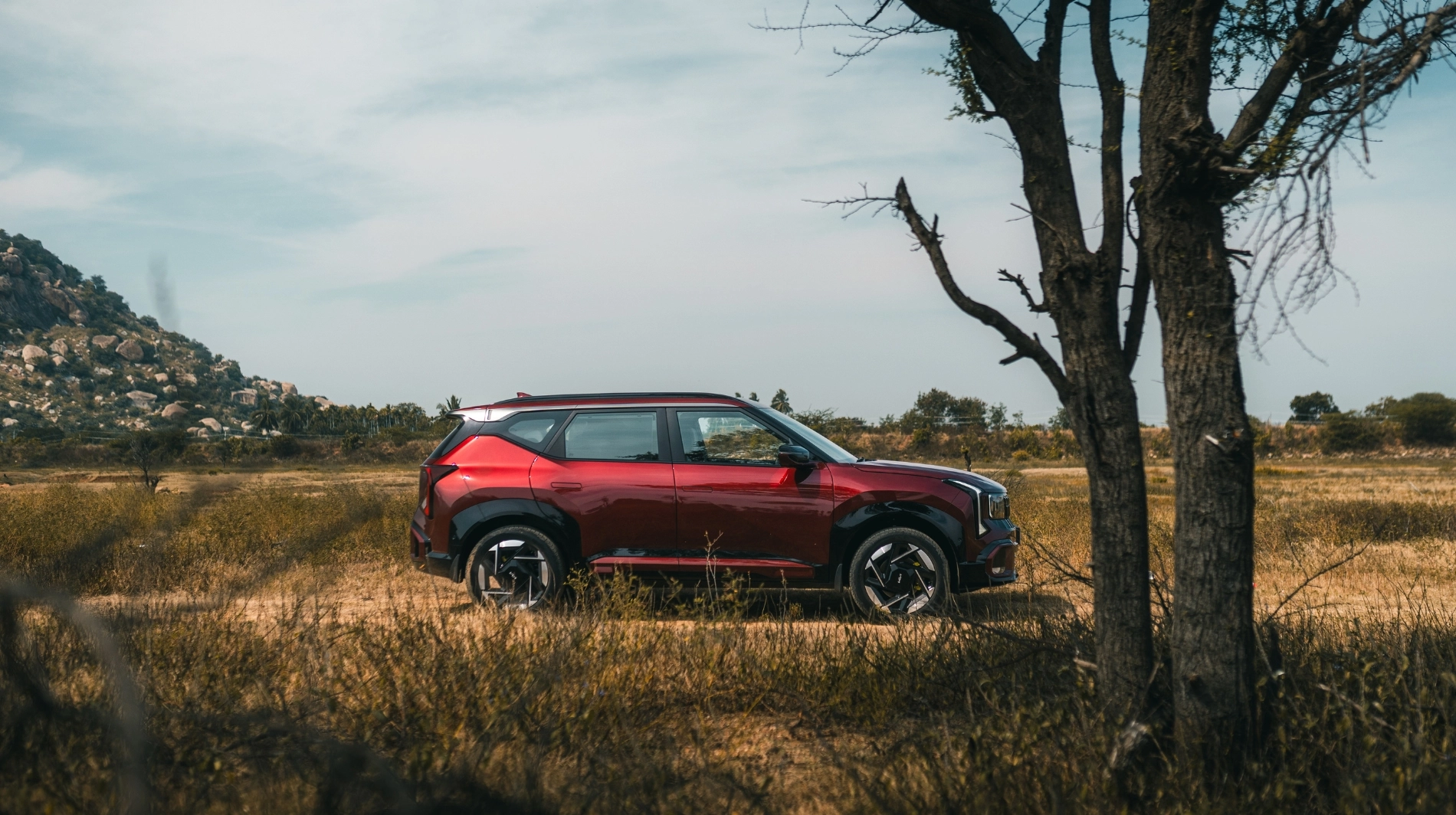
The most important change with the new Seltos is not how it looks or what it’s equipped with. It is how much it has grown. Built on a new K3 platform, the second-generation Seltos is nearly 100mm longer than before, 30mm wider and rides on a wheelbase that has grown by 80mm. These fundamentally alter the car’s proportions and the space it occupies on the road.
Stand next to the outgoing Seltos and the difference is immediately apparent. The old car now looks compact, almost conservative. The new one feels substantial, more upright, more aggressive and more in your face. This is a midsize SUV actively pushing into executive territory. That shift matters because it changes expectations. A bigger car is judged more harshly on ride quality, composure and refinement. A bigger car has less margin for feeling flimsy or unsettled. And a bigger car demands more from its powertrain and suspension. This is the lens through which the new Seltos must be judged.
From expressive to assertive
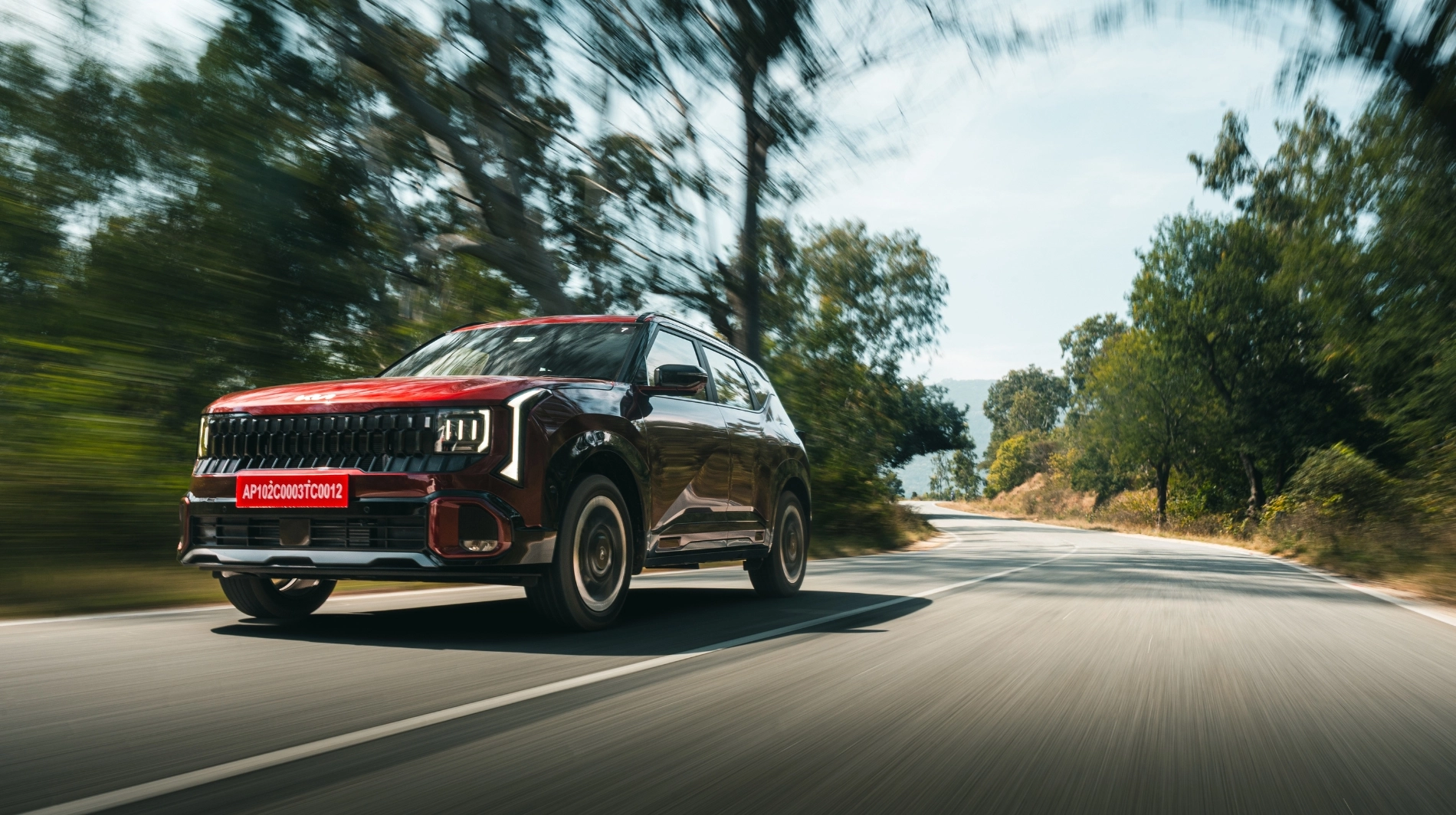
The design evolution mirrors this strategic shift. Where the first-generation Seltos leaned on flowing lines and a slightly sporty stance, the new car is unapologetically square and upright. The face is dominated by an edge-to-edge grille that visually connects with the headlamp clusters, leaving very little unused space. Vertical LED elements frame the edges of the bonnet, giving the front end a strong visual signature. It is a busy design, but it is intentionally so. The Seltos wants to look large, bold and commanding, especially in traffic.
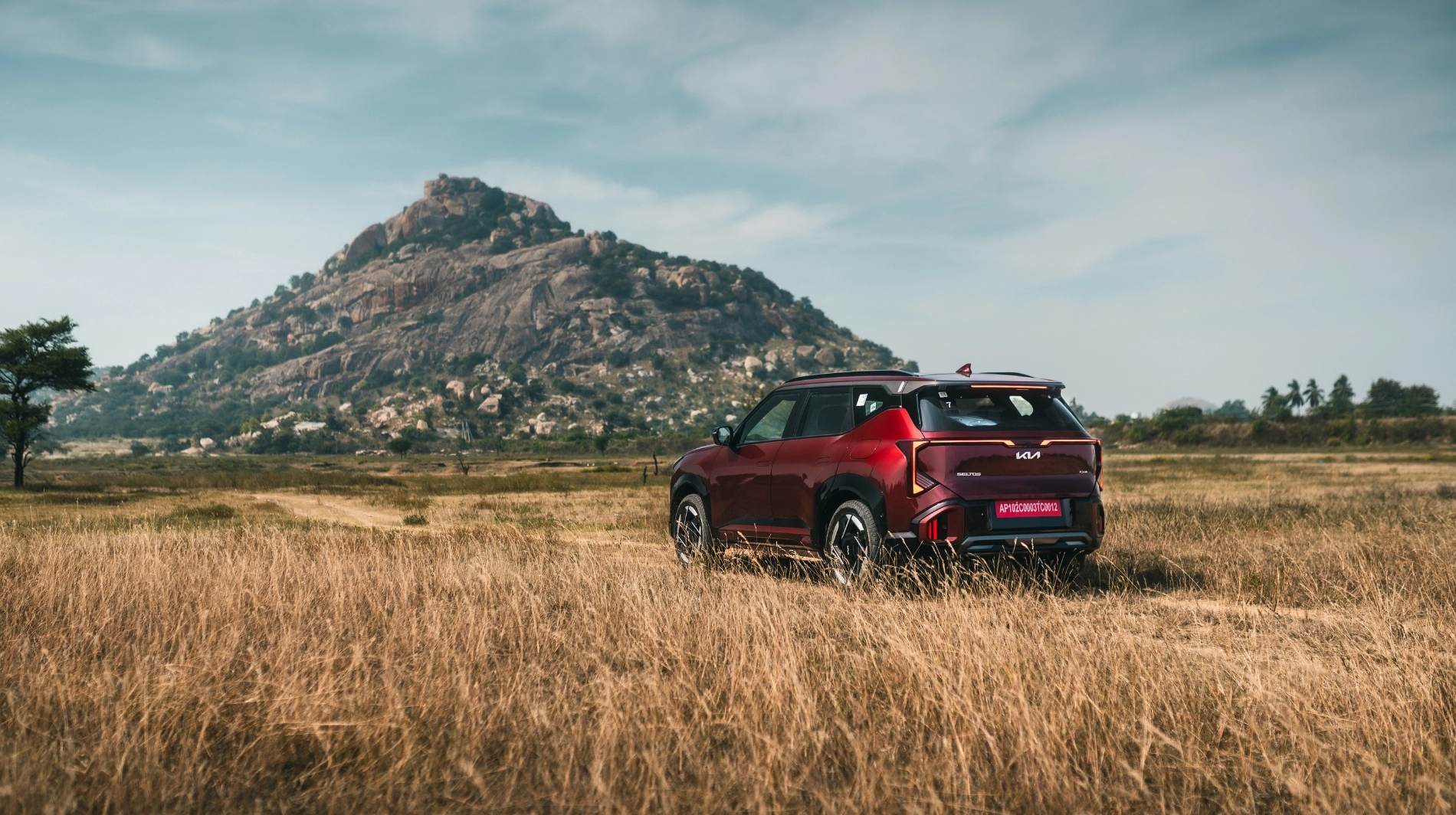
The bonnet sits higher, the shoulders are flatter and the entire car has a more planted stance. There are clear visual links to Kia’s larger SUVs and EVs, which lends the Seltos a sense of belonging higher up the brand hierarchy. In profile, the growth pays dividends. The longer wheelbase and wider track give the car better visual balance. Flush-fitting door handles, thicker cladding and stronger character lines add to the sense of mass. The 18-inch wheels look appropriate now, though their effect on ride quality remains a talking point. At the rear, the design is familiar but tidy. The inverted L-shaped tail lamps echo other Kia models, the tailgate is more upright and the bumper treatment reinforces the SUV stance. It is not dramatic, but it is cohesive.
Playing in a higher league
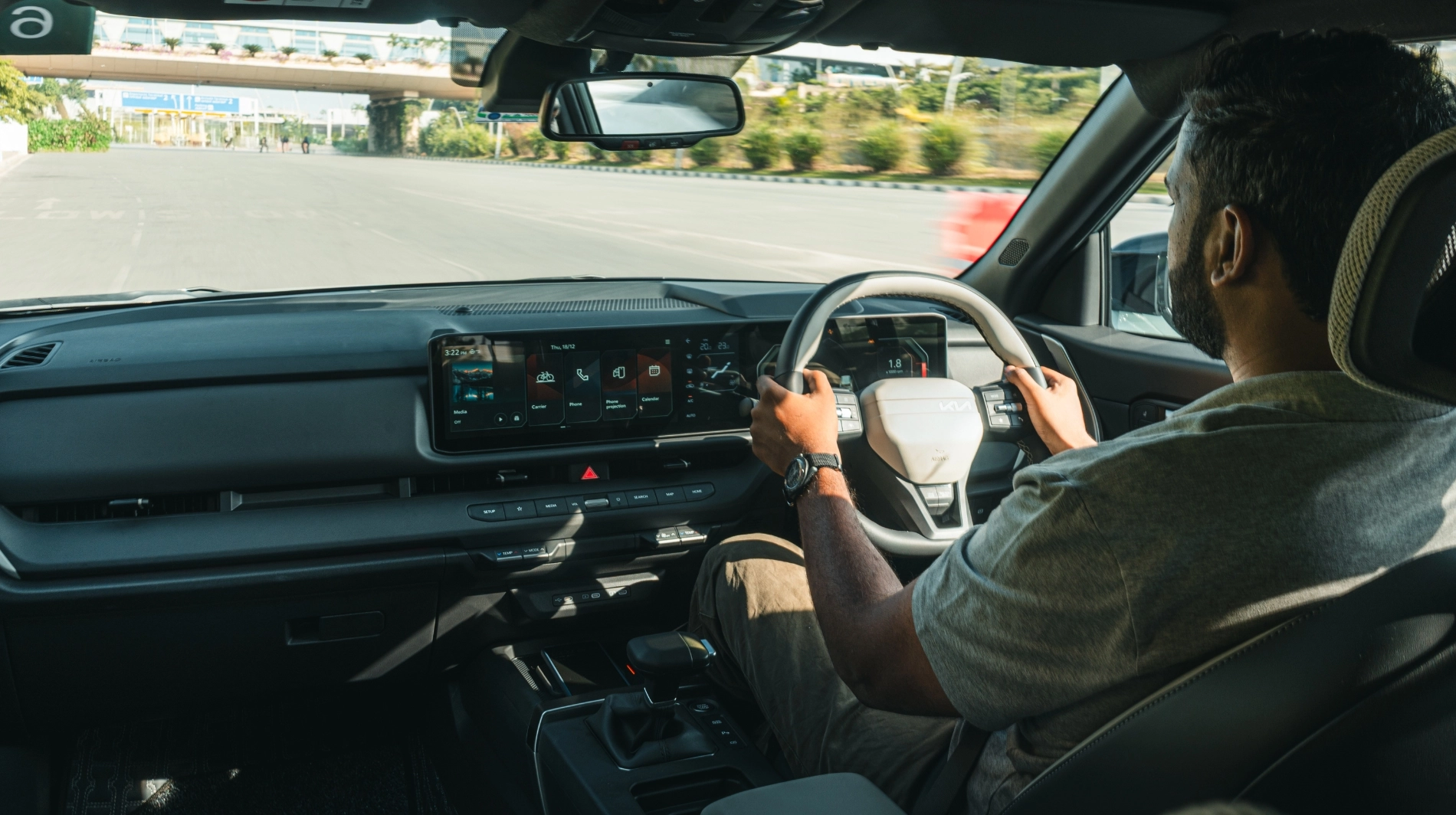
Step inside and it becomes clear where most of the development effort has gone. The cabin feels larger. The seating position is higher, the dashboard is more upright and the sense of width is unmistakable. Kia has made full use of the additional dimensions and the Seltos now feels like a car from a segment above when viewed from the driver’s seat.
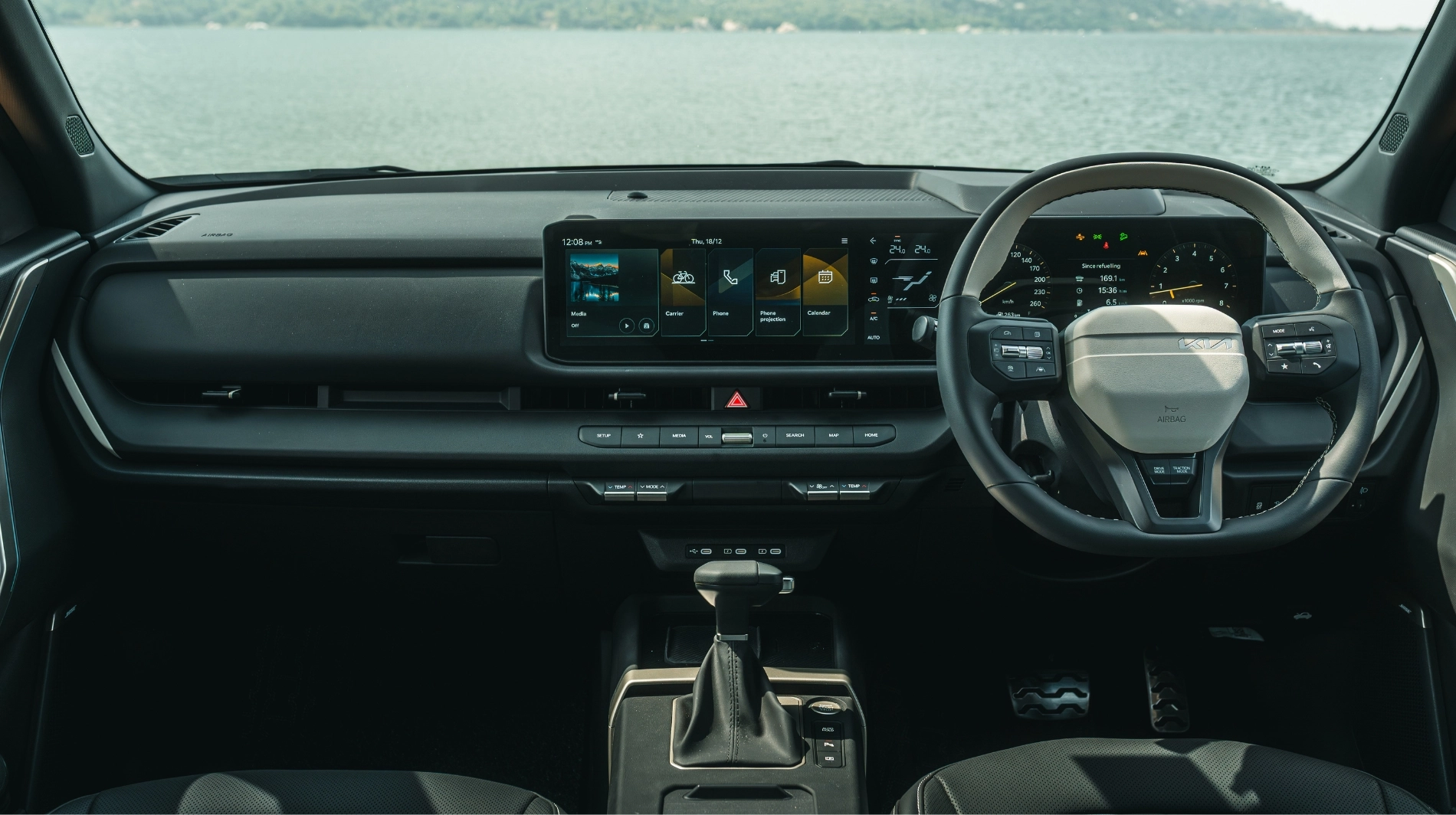
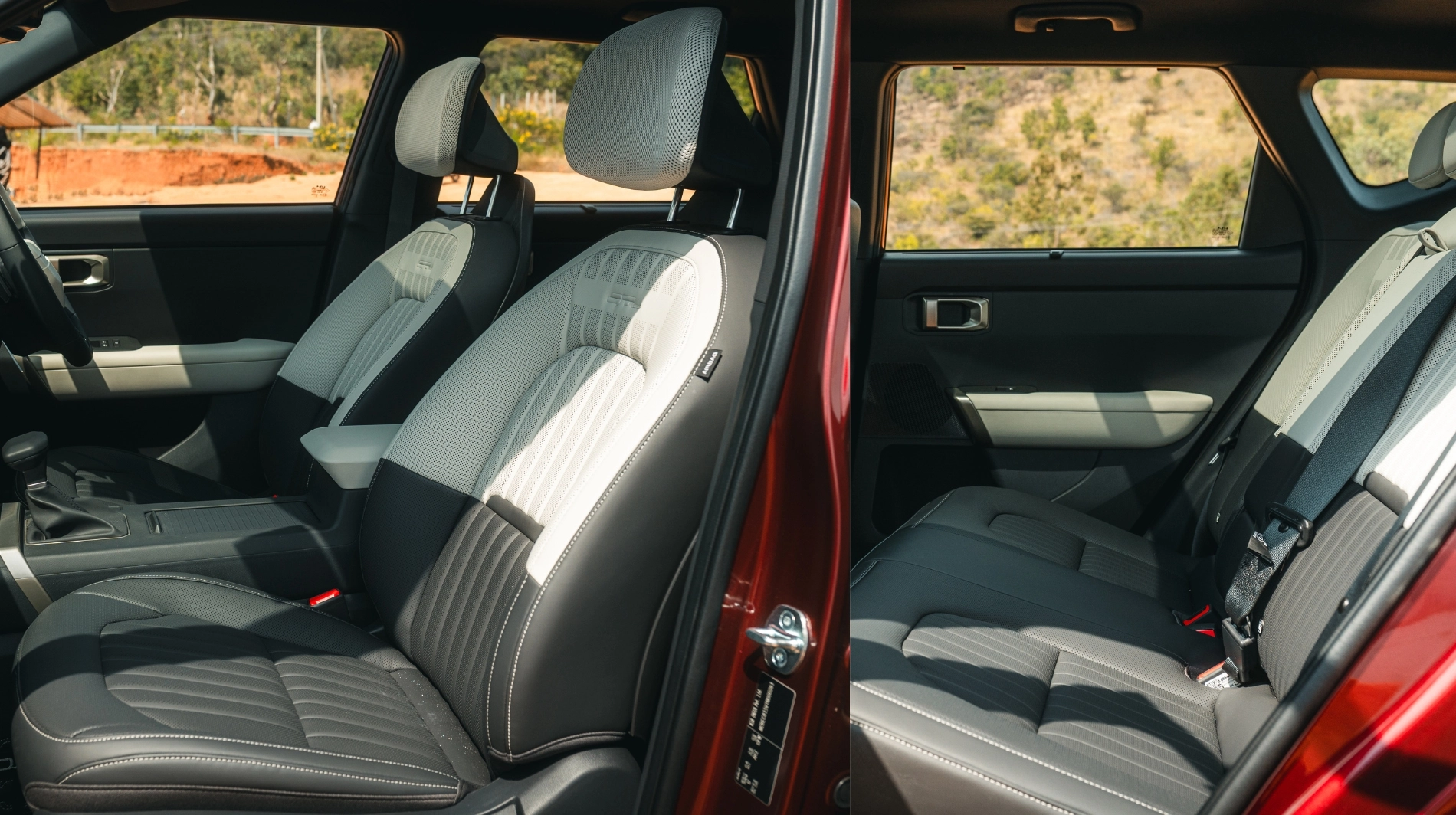
The dashboard layout borrows heavily from Kia’s newer models, with twin 12.3-inch screens dominating the visual experience. A separate touchscreen panel handles climate control duties, but crucially, Kia has retained physical buttons and dials where they matter. You are not forced to dive into menus for basic functions. Material quality is a clear step up. Soft-touch leatherette surfaces, textured plastics and subtle ambient lighting give the cabin a premium feel. The front seats are wide, well-padded and immediately comfortable. The hollow headrests with knitted mesh are to cradle your head and reduce fatigue over longer drives gently. The driving position feels natural, though taller drivers -like me- may wish the seat could drop a little lower.
The new steering wheel design feels solid in the hand, with well-judged physical button placement. Interestingly, drive and traction modes are controlled via buttons on the steering wheel itself - very Porsche, which keeps the centre console uncluttered.
Where the Seltos truly levels up
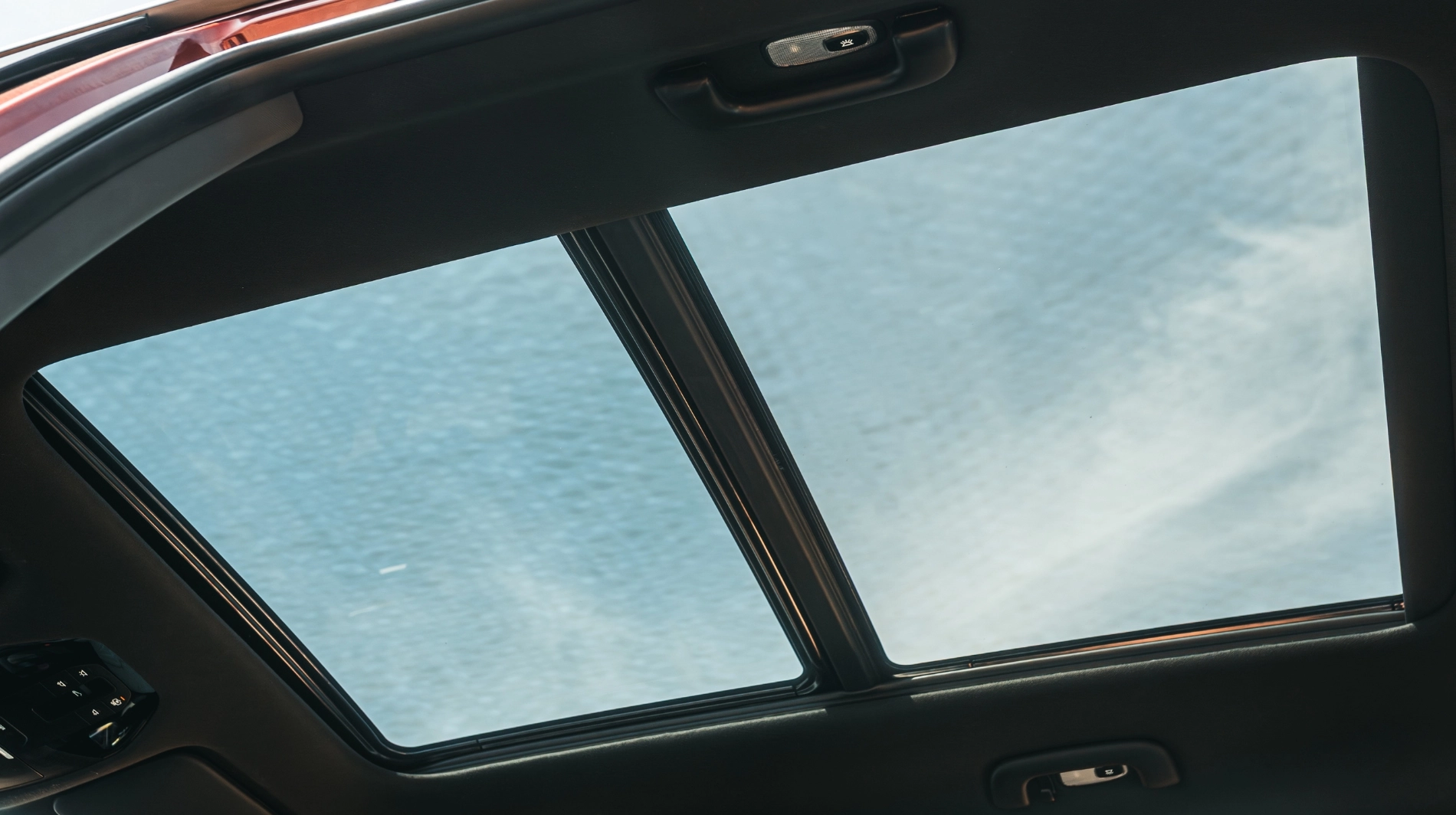
If the front of the cabin feels premium, the rear seat is where the Seltos makes its strongest case. The increase in wheelbase has directly transformed rear legroom. There is now enough space to comfortably accommodate taller passengers without their knees brushing the front seats. The seat base is longer, better cushioned and offers excellent under-thigh support. It feels more like a sofa than a bench. The backrest reclines slightly (2-step), rear sunshades improve comfort and privacy and despite the panoramic sunroof, headroom remains acceptable. Rear AC vents are standard and Type-C charging ports are located on the backs of the front seats.
This is a far more chauffeur-friendly Seltos than before. However, there are omissions. There is no powered co-driver seat or boss mode, no rear seat ventilation and no sliding function. Given that some rivals now offer these features, their absence is noticeable. Still, in terms of sheer comfort and space, this is a substantial improvement over the outgoing model.
Boot space and practicality
Boot capacity has increased to 447 litres, which is useful but not class-leading. The bigger issue is the high loading lip, which makes lifting heavy luggage slightly cumbersome. Underfloor storage houses a near full-size spare wheel, which is a welcome touch for long-distance touring. Overall, practicality is solid rather than exceptional.
Continuity over reinvention
Mechanically, Kia has chosen not to disrupt a formula that already works. The engine lineup carries over unchanged. Buyers can choose between a 1.5-litre naturally aspirated petrol, a 1.5-litre turbo-petrol and a 1.5-litre diesel, paired with a wide selection of manual and automatic gearboxes. The key question is how these engines cope with a car that is now significantly larger and heavier.
The 1.5-litre turbo-petrol remains the most engaging option. Despite the added mass, performance feels largely unchanged and is still brisk. Once past initial turbo lag, acceleration builds strongly and the engine still enjoys being worked hard.
The DCT gearbox continues to do a good job of masking lag in city driving and responds predictably to throttle inputs. Throttle calibration feels smoother than before, suggesting some tuning changes to suit the new platform.
The diesel continues to make a strong case for itself. Its torque delivery suits the larger Seltos well and on the move, even though it feels a bit underpowered and noisy compared to the turbo-petrol mill. For highway users and long-distance travellers, it remains a compelling option.
The defining question
Ride quality is where expectations are highest and scrutiny is sharpest. The previous Seltos was often criticised for being too firm, especially on larger wheels. With the new car being longer, wider and heavier, suspension tuning becomes even more critical.
At low speeds over broken city roads, the new Seltos feels more compliant than before. Sharp edges and potholes are dealt with more calmly, suggesting that Kia has reworked the suspension to account for the added mass. There is still a firm underlying setup, but it no longer feels edgy or abrupt.
Over undulating surfaces, body movements are better controlled and the car feels more settled than the outgoing model. This is not a dramatic transformation, but it is a meaningful one. Ride quality is no longer a weak link and that alone changes how the Seltos is perceived.
Body roll is well contained for a comfort-focused SUV, grip levels are adequate and the chassis remains stable, but this is not a car that encourages enthusiastic driving. Compared to rivals like the Kushaq and Taigun, which still set the benchmark for ride and handling balance, the Seltos feels more comfort-oriented when driven hard.
Push harder through corners and the car feels comfort-biased. Body roll is more pronounced than before and while grip levels are adequate, this is not a car that encourages enthusiastic driving.
Steering and handling
The steering remains light at low speeds, which suits the Seltos’ urban role well. Despite the increase in size, manoeuvrability is surprisingly good and the car does not feel intimidating in traffic.
As speeds rise, steering weight builds progressively, though feedback remains limited. Push harder through corners and the Seltos feels predictable rather than engaging.
Refinement and NVH
One area where the new platform clearly delivers gains is refinement. Road noise is better suppressed and engine noise under load feels more muted. At cruising speeds, the Seltos feels quieter and calmer, reinforcing its move upmarket. It does not feel luxurious in the traditional sense, but it does feel more mature and better resolved than before. This is not a dramatic transformation, but it does contribute to a more mature driving experience.
ADAS and technology
Kia’s ADAS suite remains one of its strengths. Level 2 assistance includes adaptive cruise control, lane-keeping assist and blind-spot monitoring. In real-world use, the system feels well calibrated and importantly, Kia continues to allow drivers to switch features off without them reactivating automatically. In Indian traffic conditions, that flexibility matters.
First Drive Verdict
The new Kia Seltos is not aiming to redefine the midsize SUV segment in the way the original did. That moment has passed. This car is about consolidation and elevation. It is bigger, more spacious and more premium than before, and those gains are immediately obvious. The cabin feels a class above, rear seat comfort has taken a meaningful step forward and the technology list remains one of the longest in the segment.
What’s changed is the attitude. The Seltos no longer tries to surprise you. Instead, it wants to reassure. And in doing so, it trades a little of its disruptive spark for maturity. This is no longer the bold new kid on the block. It is the established name playing it safe.
1.5-litre turbo-petrol, 4-cylinder
1.5-litre diesel, 4-cylinder
Power:
Turbo-petrol: 158bhp
Diesel: 114bhp
Torque:
Turbo-petrol: 253Nm
Diesel: 250Nm
Transmission:
Turbo-petrol: 7-speed dual-clutch automatic
Diesel: 6-speed torque-converter automatic