How do you build a flagship when you haven’t really had one for a while? Volkswagen’s recent history in India has been defined by capable, sensible SUVs, cars that did most things well, but none that honestly sat at the top of the showroom and showed what the brand could be when allowed to stretch. When the Tiguan Allspace bowed out, Volkswagen didn’t just lose a three-row SUV. It lost its reference point. The Tayron R-Line is meant to be that reference point again.
On paper, the brief is convincing. A three-row SUV with 201bhp and 320Nm, all-wheel drive and massaging seats. Volkswagen has either lost the plot or finally found its flagship. Which one is it? We spent time with the Tayron R-Line in Jaisalmer to find out whether it feels like a natural evolution or simply a collection of impressive features.
Volkswagen Tayron R-Line styling
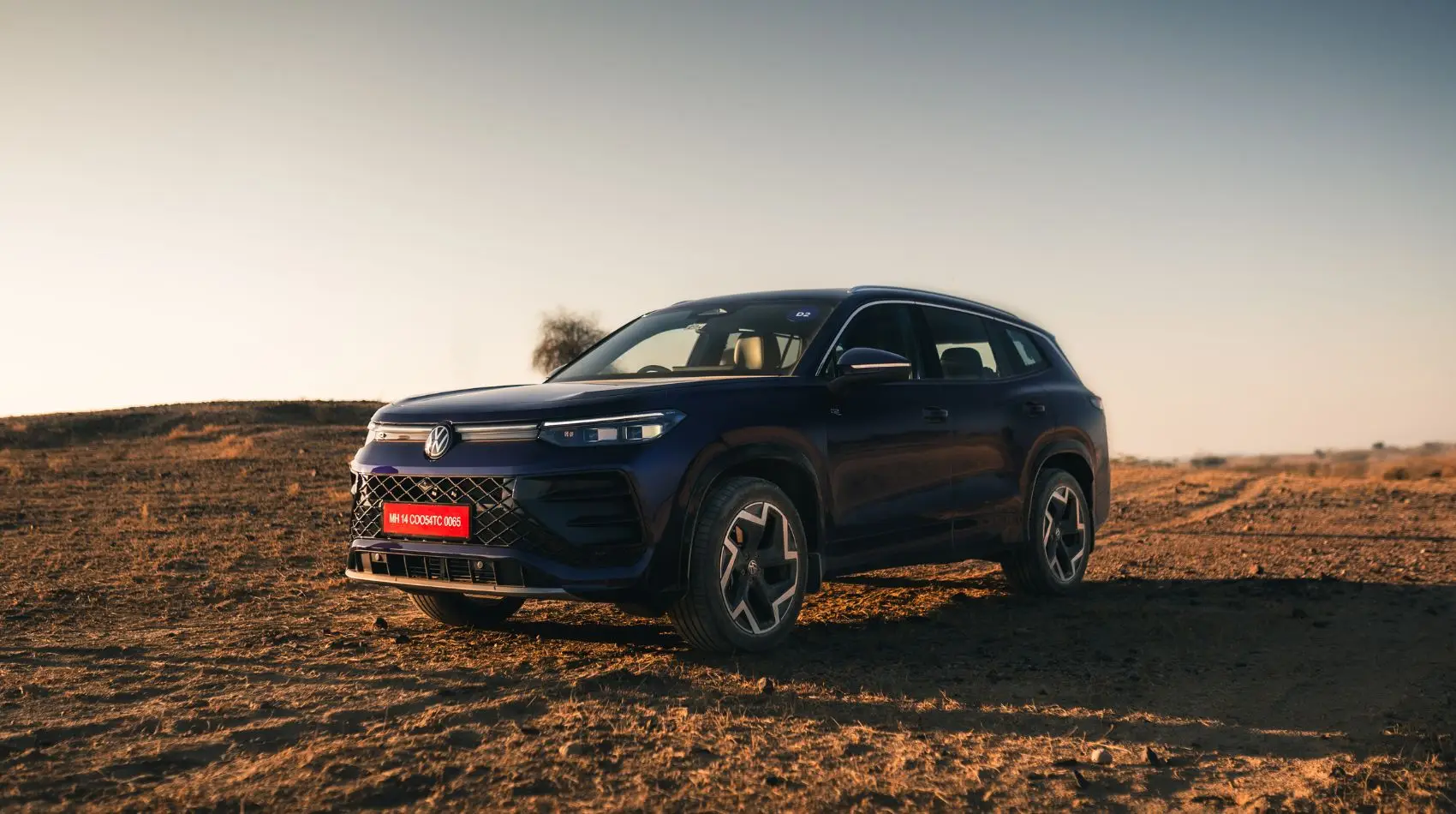
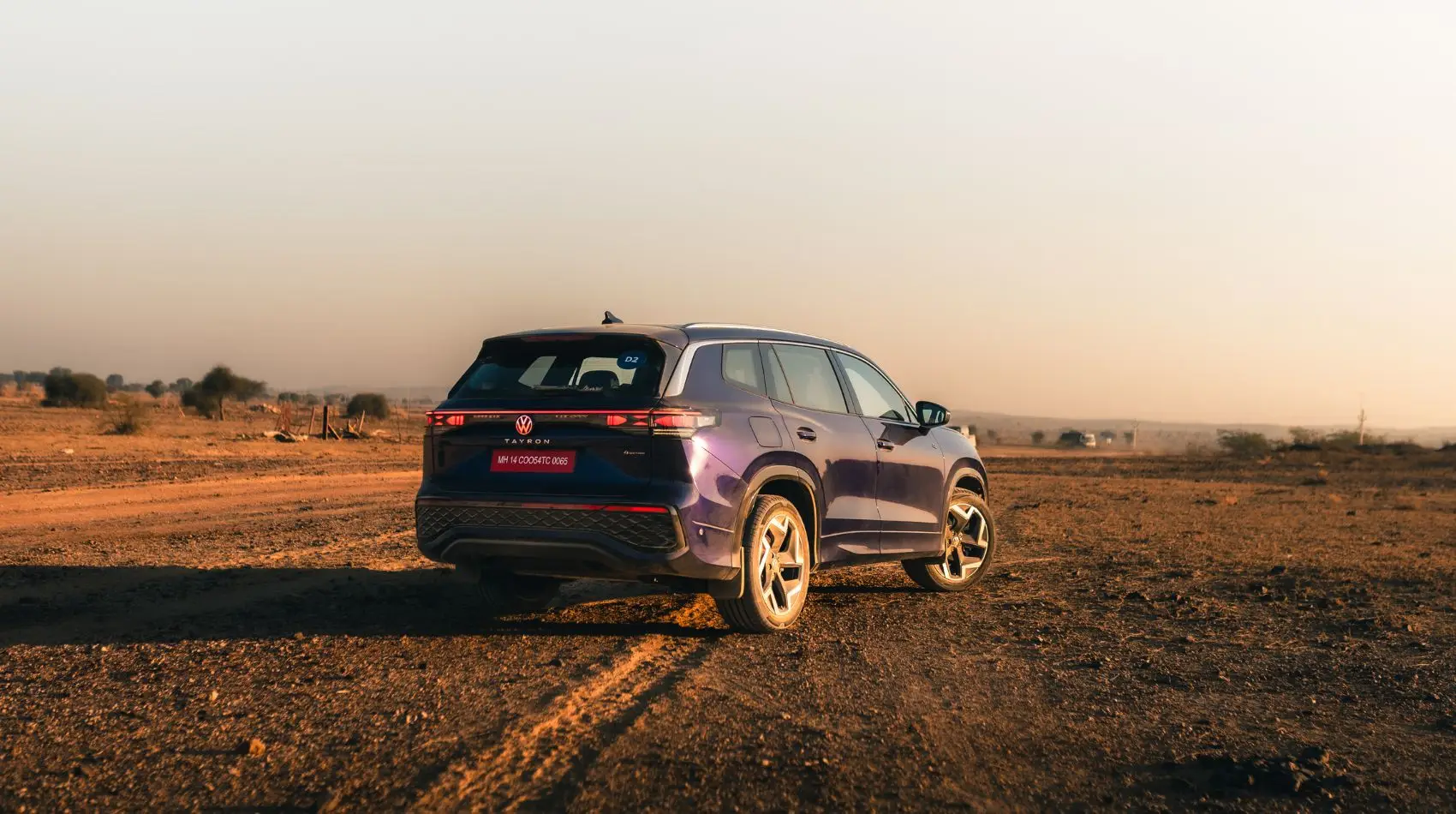
More confident than radical is how I would describe the Tayron’s design. The proportions do most of the work. Long, wide and planted, the Tayron has the stance expected of a flagship SUV. The overhangs are short, the shoulder line is strong and the surfaces are clean. It doesn’t try to look overtly rugged or aggressively sporty. Instead, it leans into a premium, urban character.
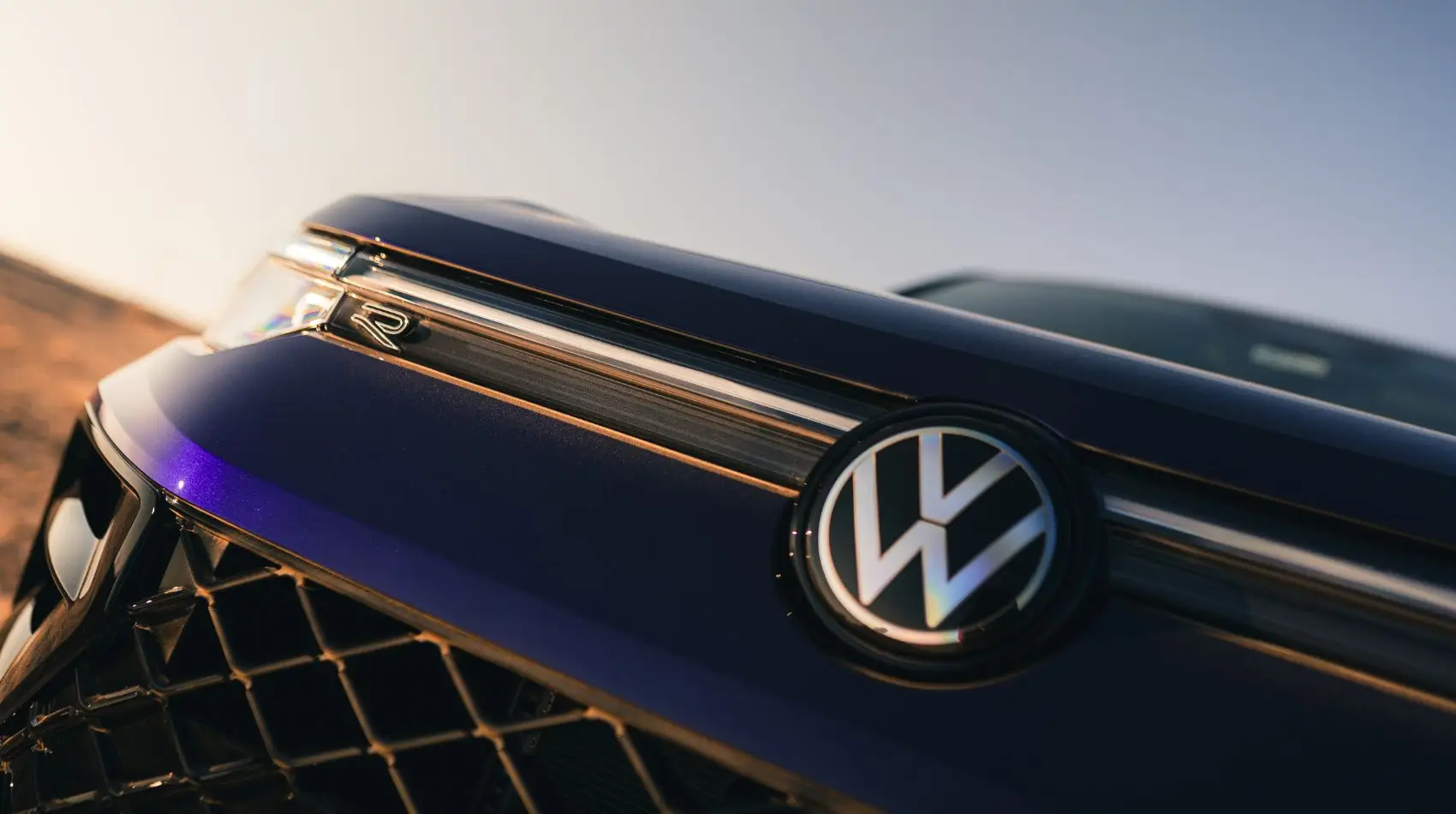
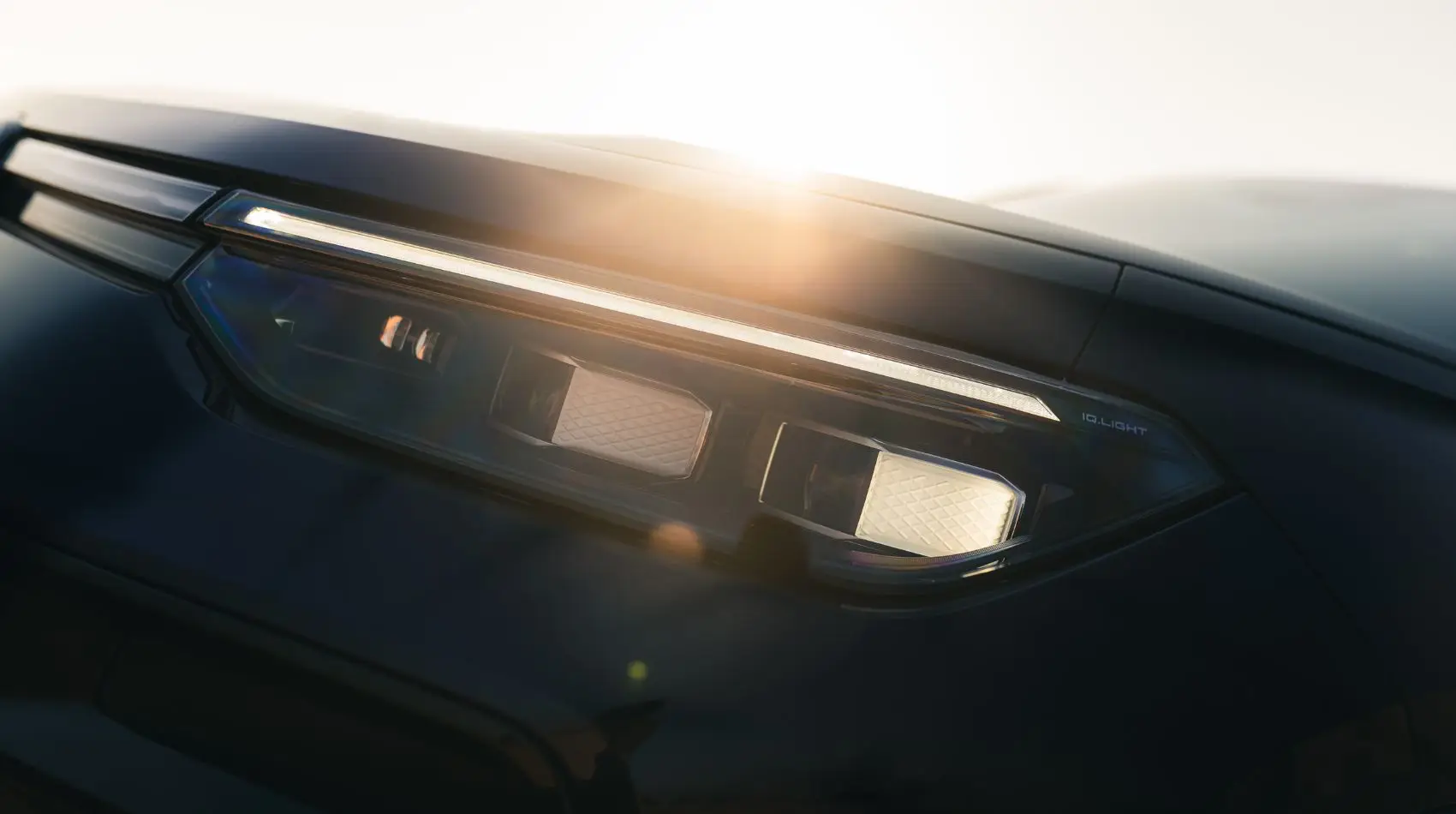
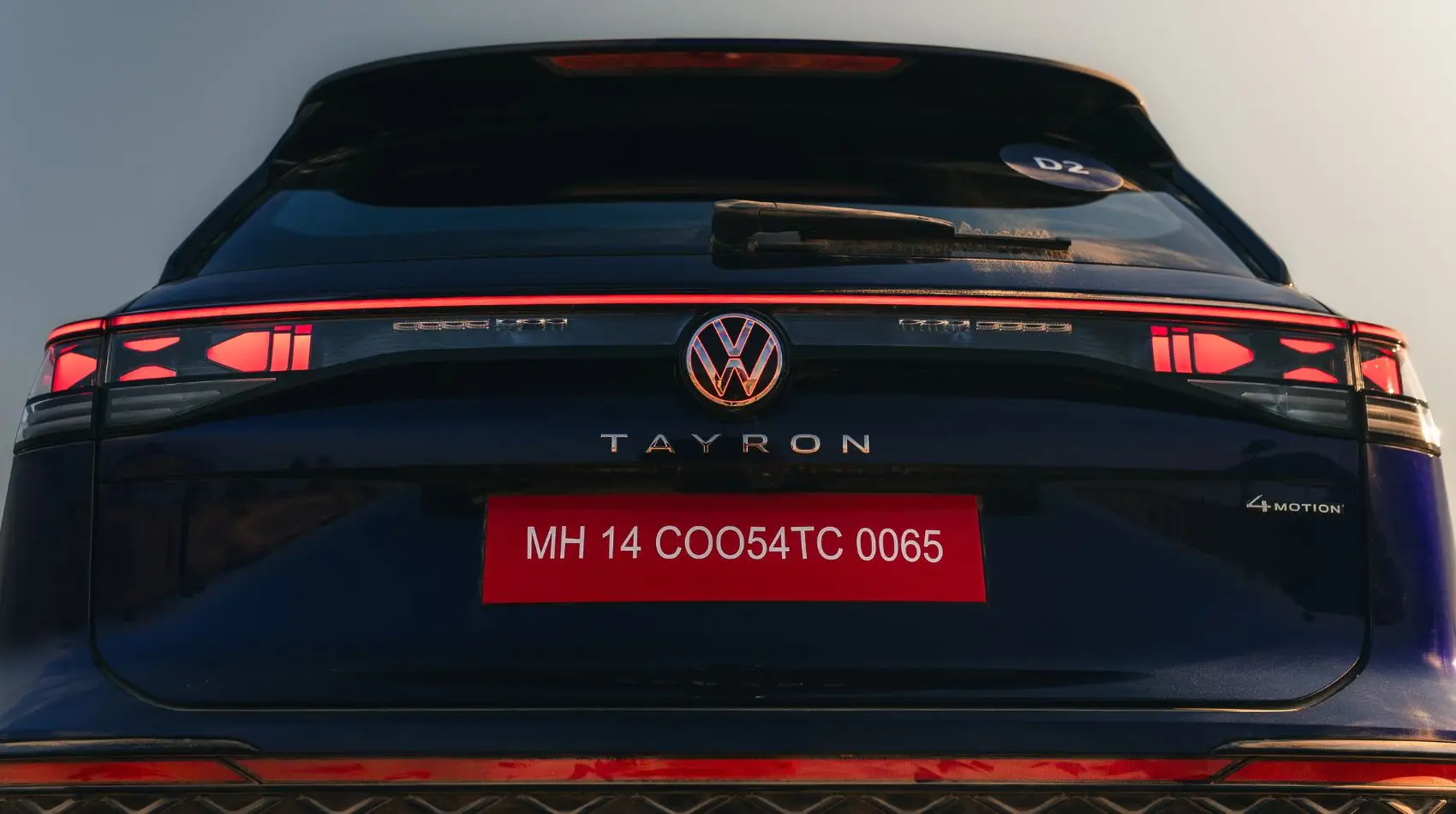
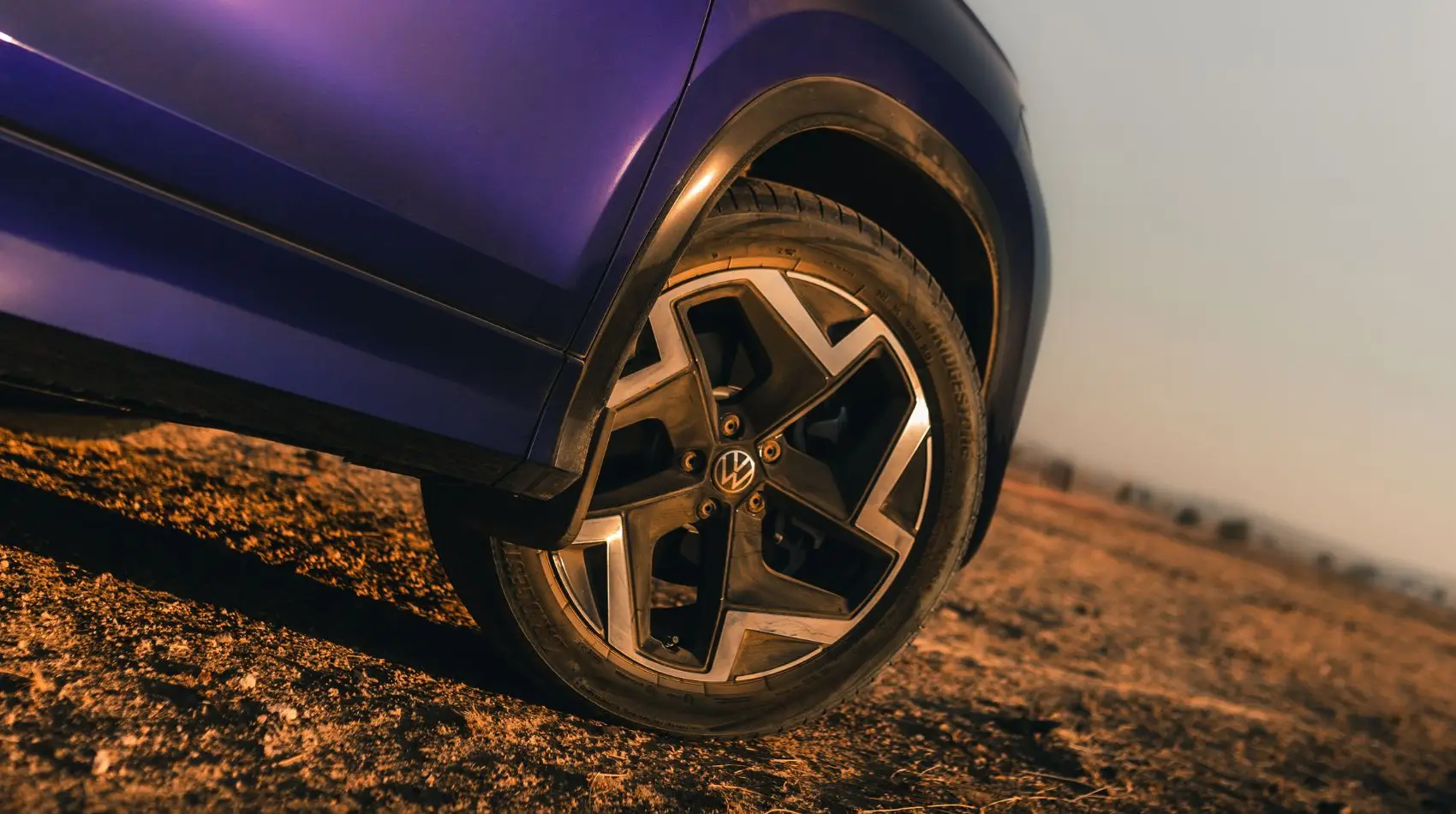
The R-Line treatment sharpens the Tayron without changing its intent. Sportier bumpers, gloss-black detailing, larger alloy wheels and illuminated front and rear logos add presence, but the design remains restrained. There’s a maturity to the way it presents itself. No unnecessary creases nor any visual noise.
In traffic, the Tayron has genuine road presence. You are constantly aware of its size, but also of how well it has been managed. It doesn’t feel ungainly. It doesn’t feel top-heavy nor one that is stretched in the back. It simply occupies space convincingly. It looks like it belongs at the top of Volkswagen’s range. And that is not something every large SUV manages.
Volkswagen Tayron R-Line interior and features
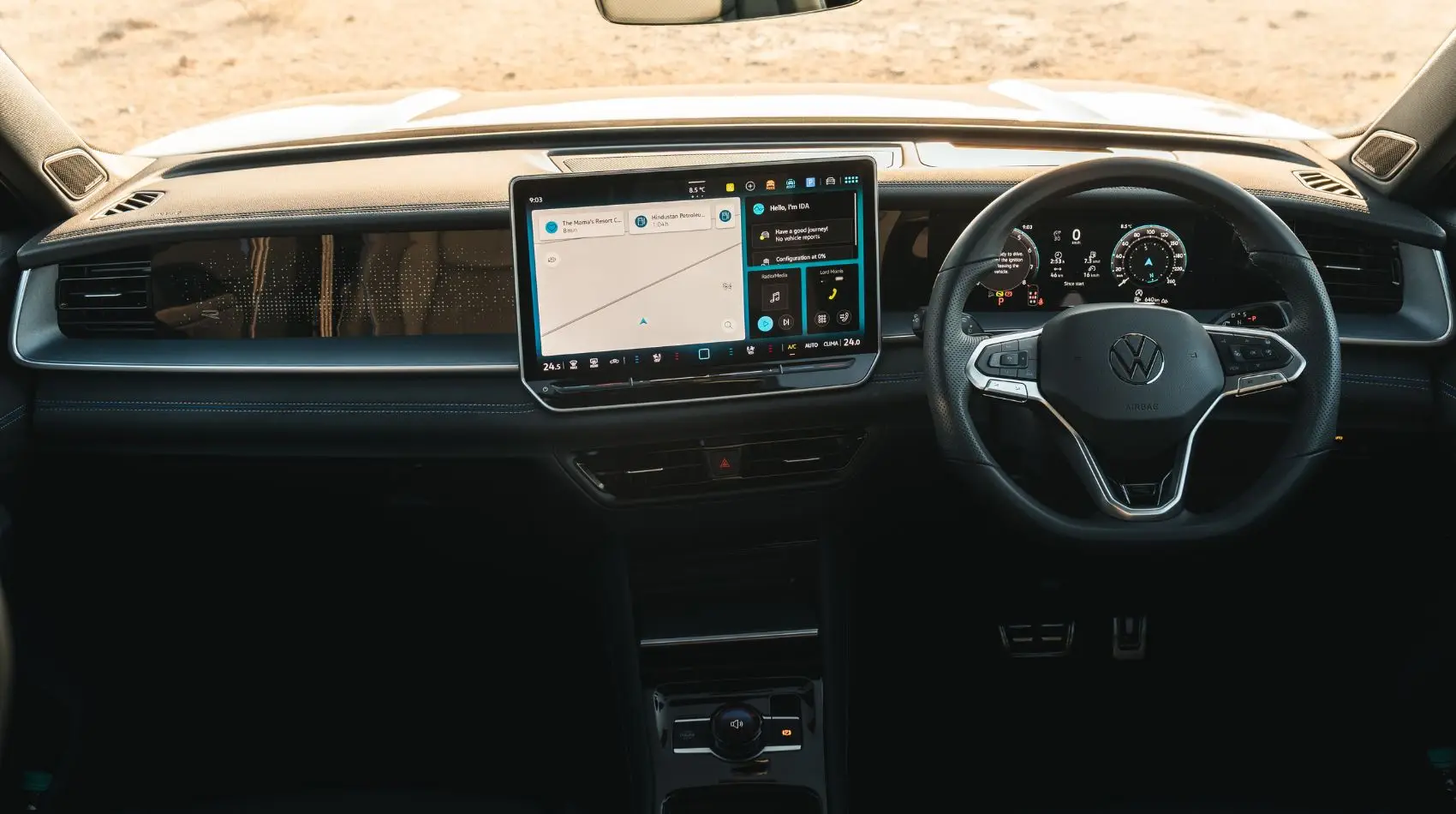
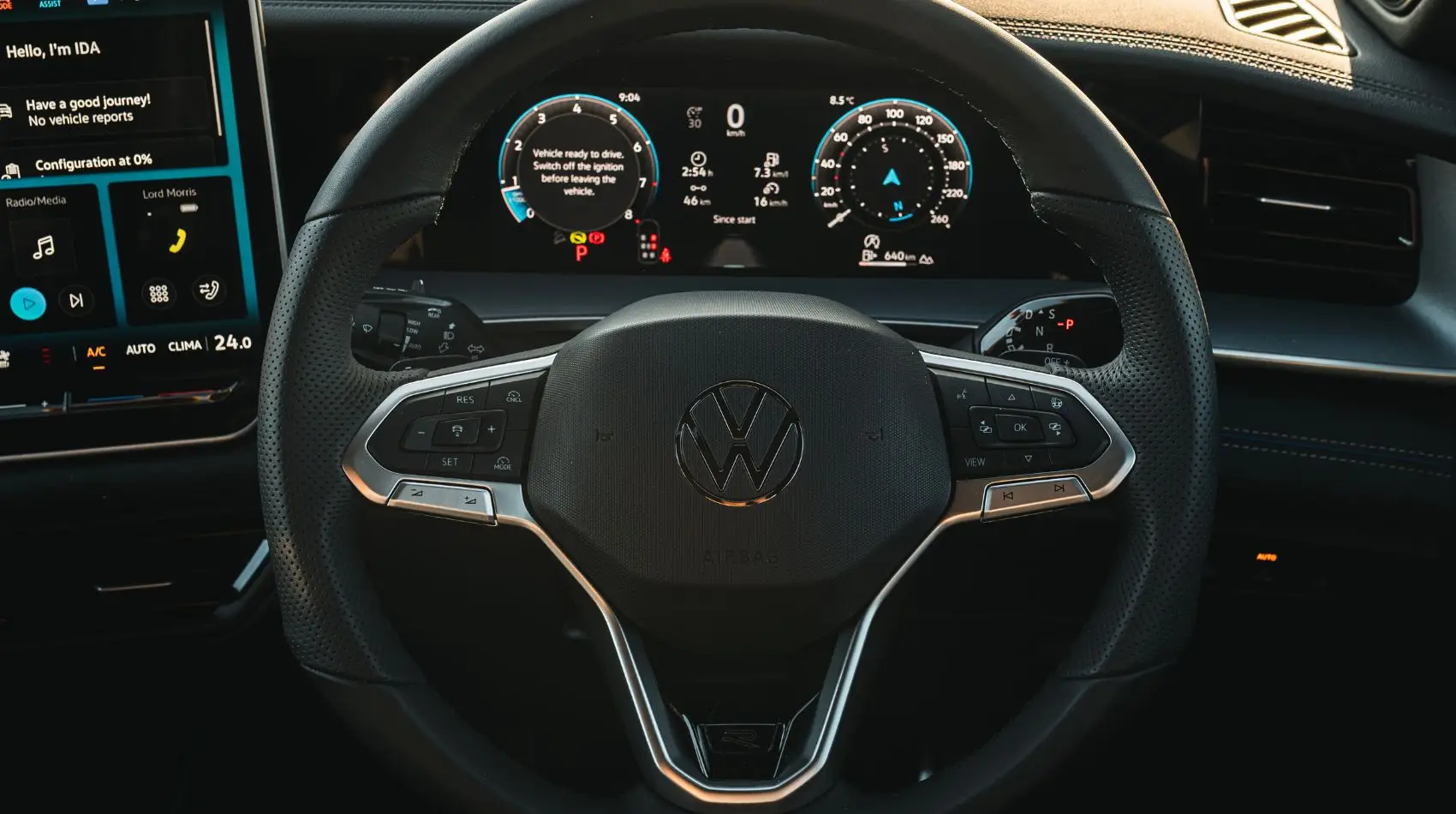
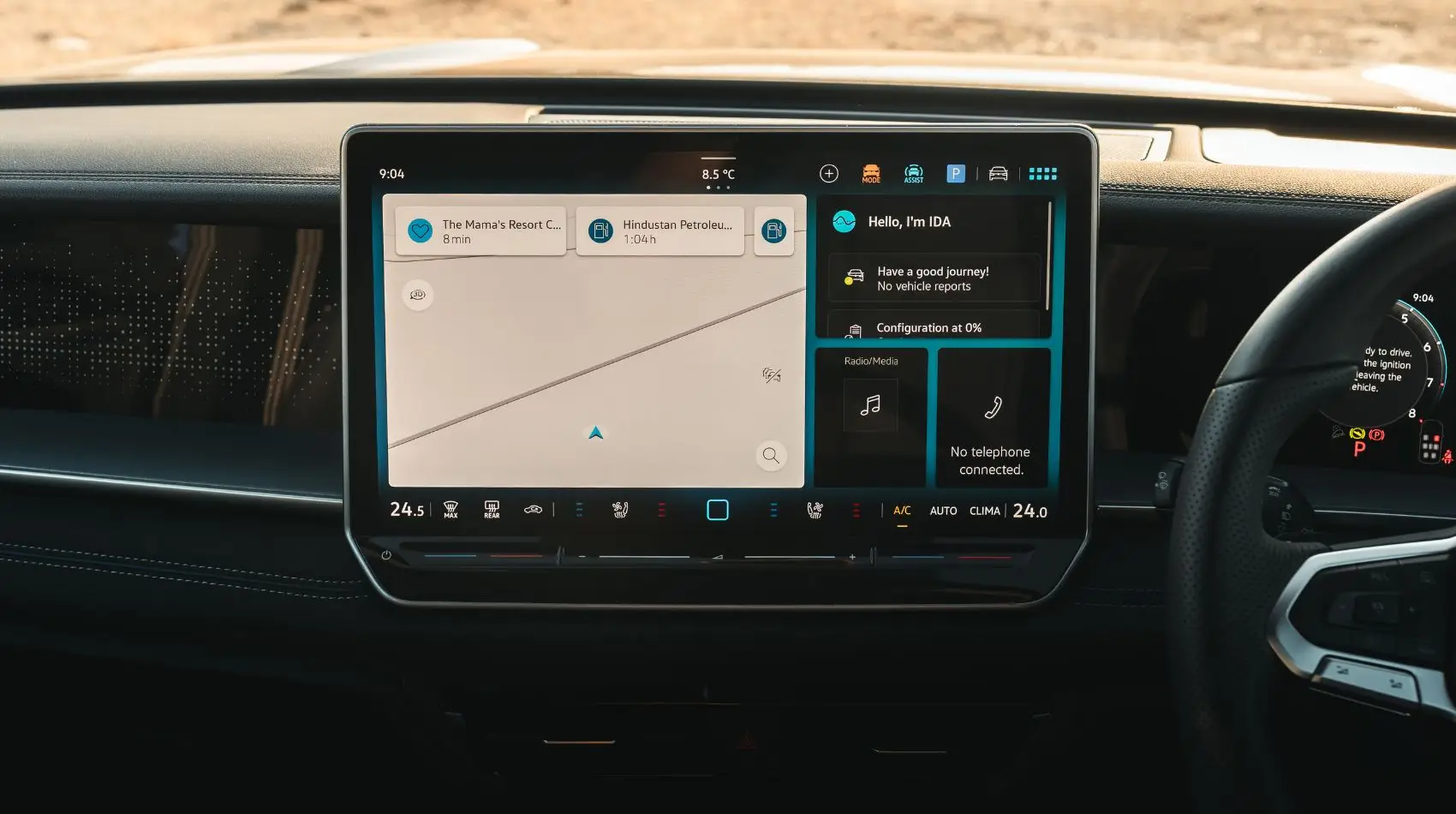
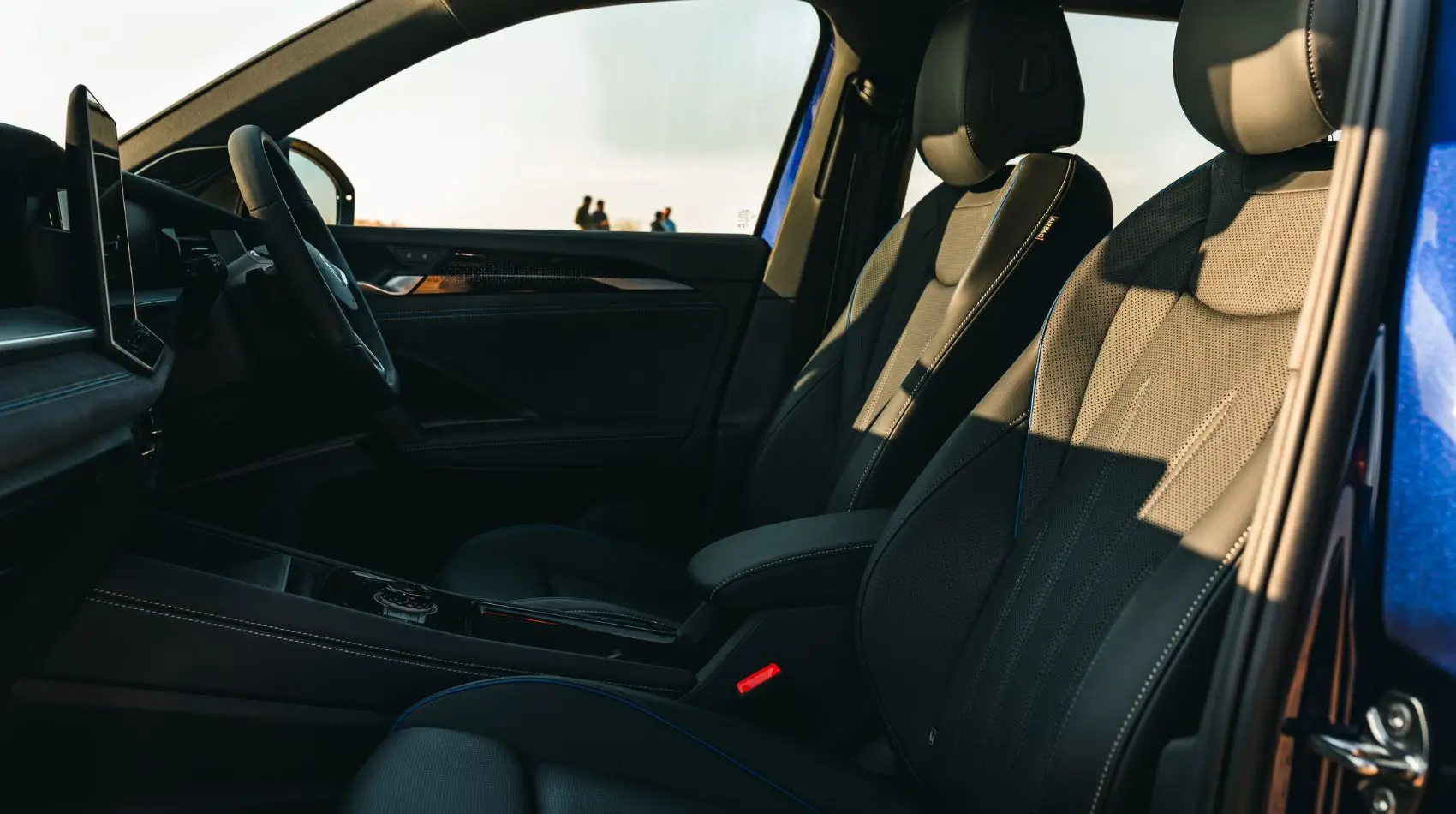
This is where you see the Tayrons’ real shift in philosophy. The layout is familiar compared to recent Volkswagens. The dashboard is dominated by a 15-inch central touchscreen, a fully digital instrument cluster and an augmented-reality head-up display. But what defines the cabin is not just the screens. It is the layering and lighting.
The use of ambient lighting with up to 30 colour options fundamentally changes the mood of the interior, especially at night. It gives the Tayron a warmth and depth that older Volkswagen cabins never really aimed for. Material quality is convincing. Soft-touch surfaces are used generously, switchgear feels solid and metallic accents are applied with restraint. It feels like a genuine attempt to elevate.
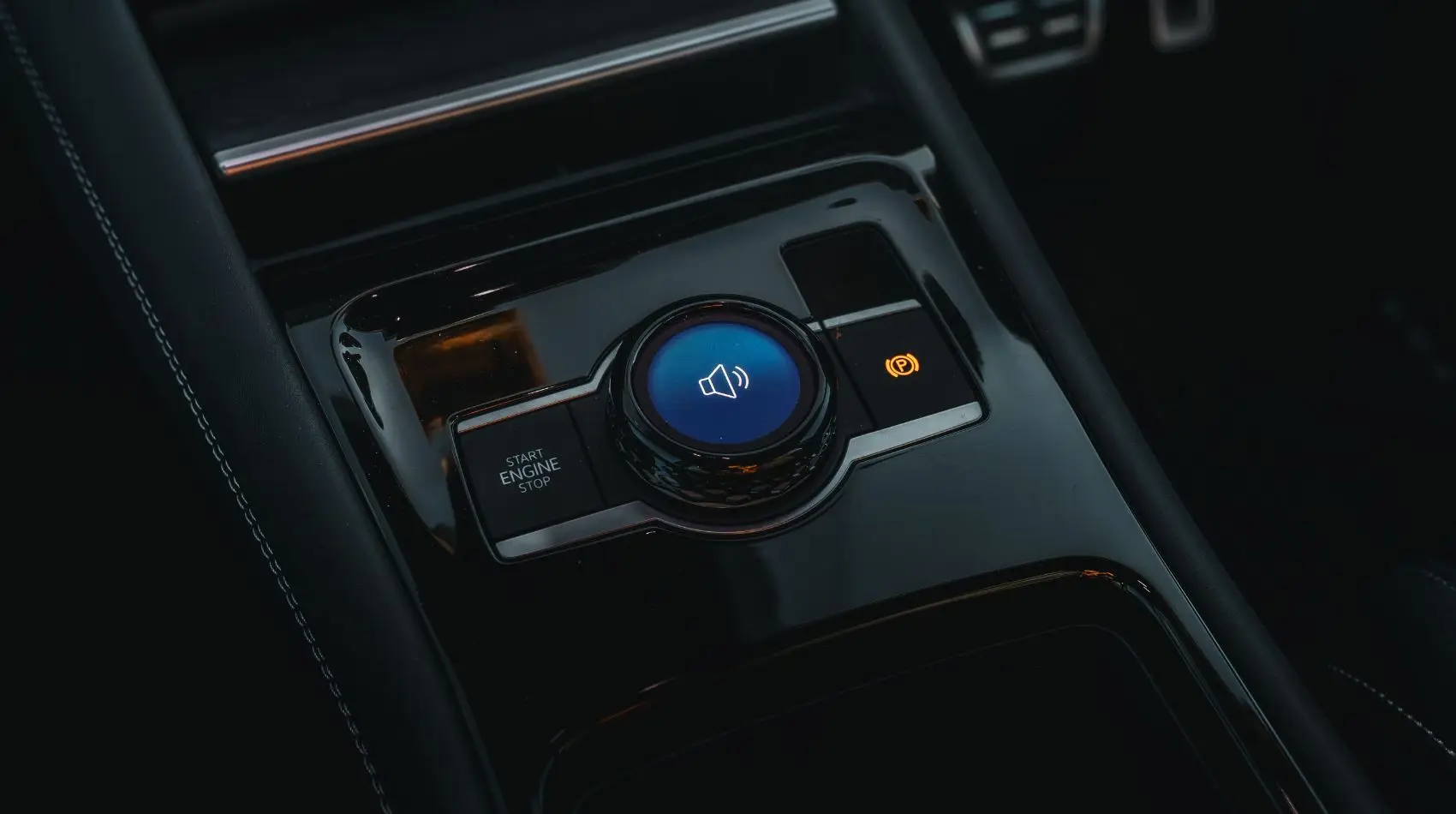
What lets the experience down is Volkswagen’s continued insistence on touch-sensitive HVAC controls. Even here, in a flagship, temperature adjustment is handled by a slim touch slider positioned directly beneath the massive central screen, alongside a touch-sensitive volume control. The result is predictably frustrating. A small slip of the finger and instead of changing the cabin temperature, you’re adjusting the audio. In a car so focused on comfort and ease, this feels like an unnecessary own goal.
The front seats play a central role and feel like a class above the ones found in the smaller sibling, the Tiguan R-Line. Volkswagen’s ErgoActive units offer 12-way electric adjustment, memory for 3 users, heating, ventilation and multi-mode massage. The massage function isn’t intrusive. It works gently and, over longer stints, genuinely reduces fatigue. These are seats designed for time and relaxation.
Equipment levels are, as you would expect, comprehensive. A 700-watt Harman Kardon sound system, multiple wireless charging pads, fast USB-C ports, three-zone climate control, gesture-controlled tailgate, voice-assistant and connected technology are all part of the Tayron’s offering.
Volkswagen Tayron R-Line second and third row
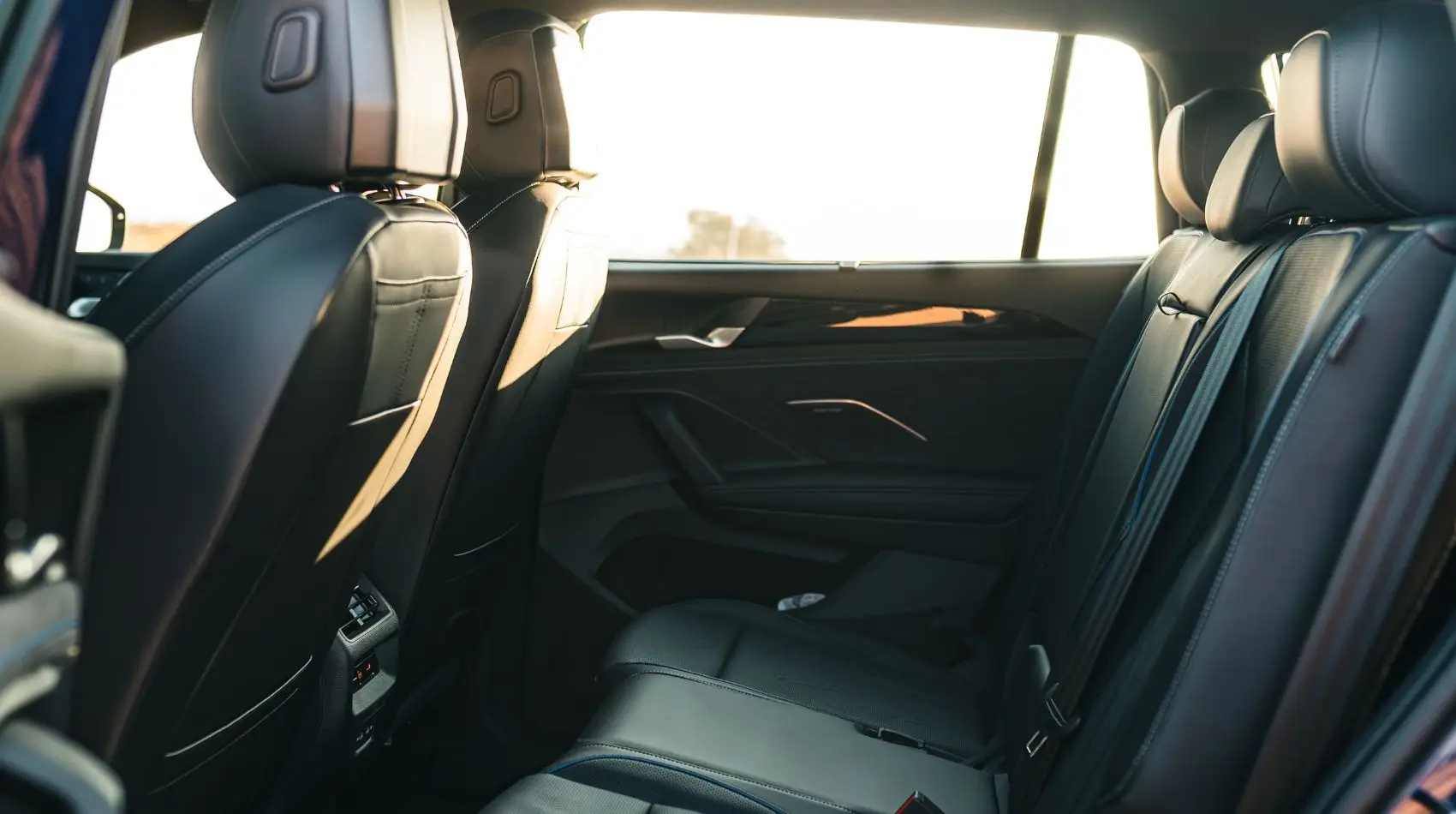
Space has always been a Volkswagen strength, and the Tayron builds on that. The second row is genuinely generous. The seats can slide forward and backwards, knee room is ample, the backrests recline, the floor has a hump to house the transmission tunnel, and the large panoramic sunroof adds to the sense of airiness. It is a comfortable place to spend time, whether you are being chauffeured or carrying family.
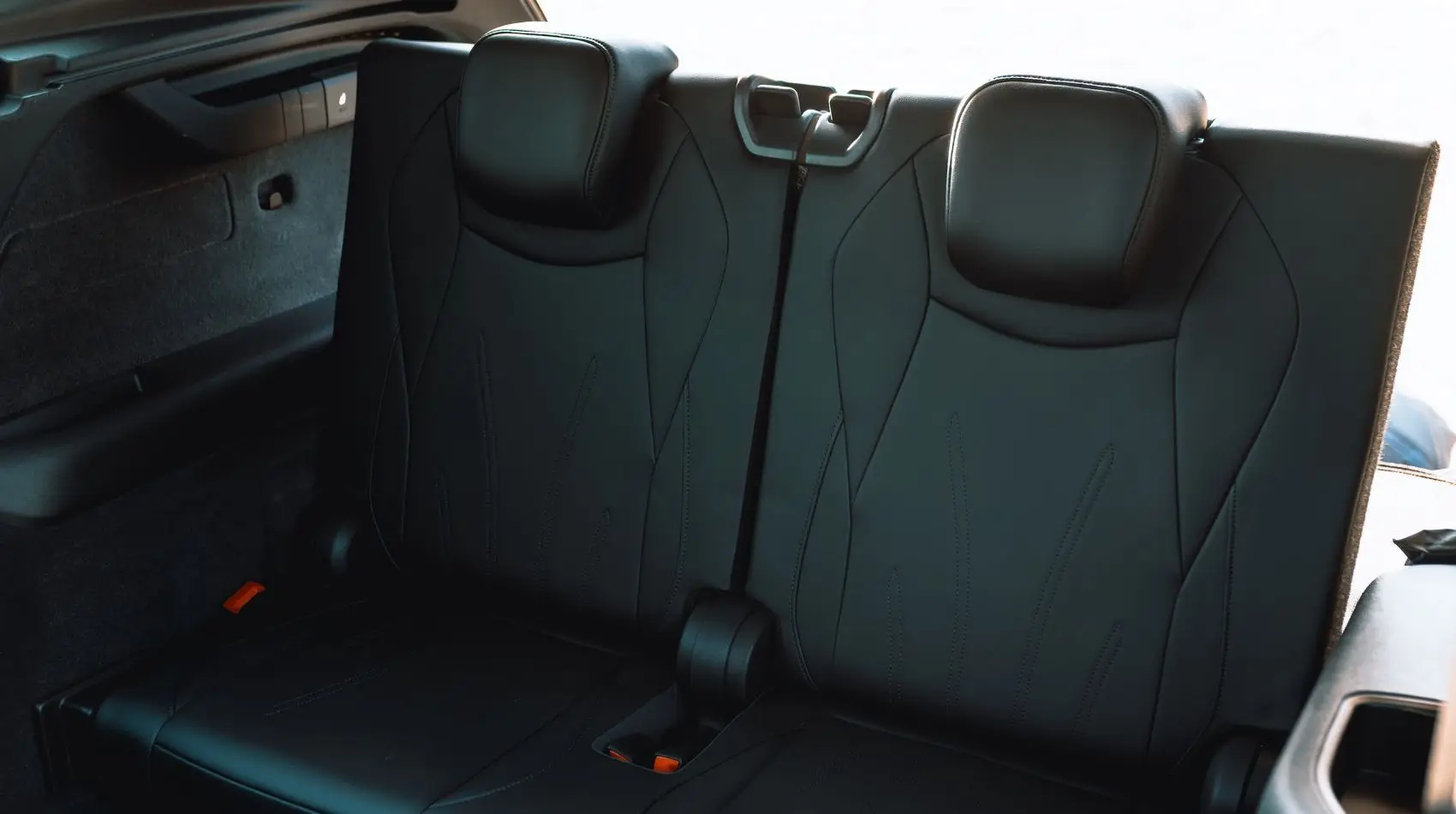
Access to the third row is straightforward. The space itself is a compromise, as it is in most three-row SUVs of this class. Knee room just about fit me in, considering it is acceptable if the second row is moved forward, but the seating position is better suited to children or shorter adults. It is usable and functional, but not indulgent.
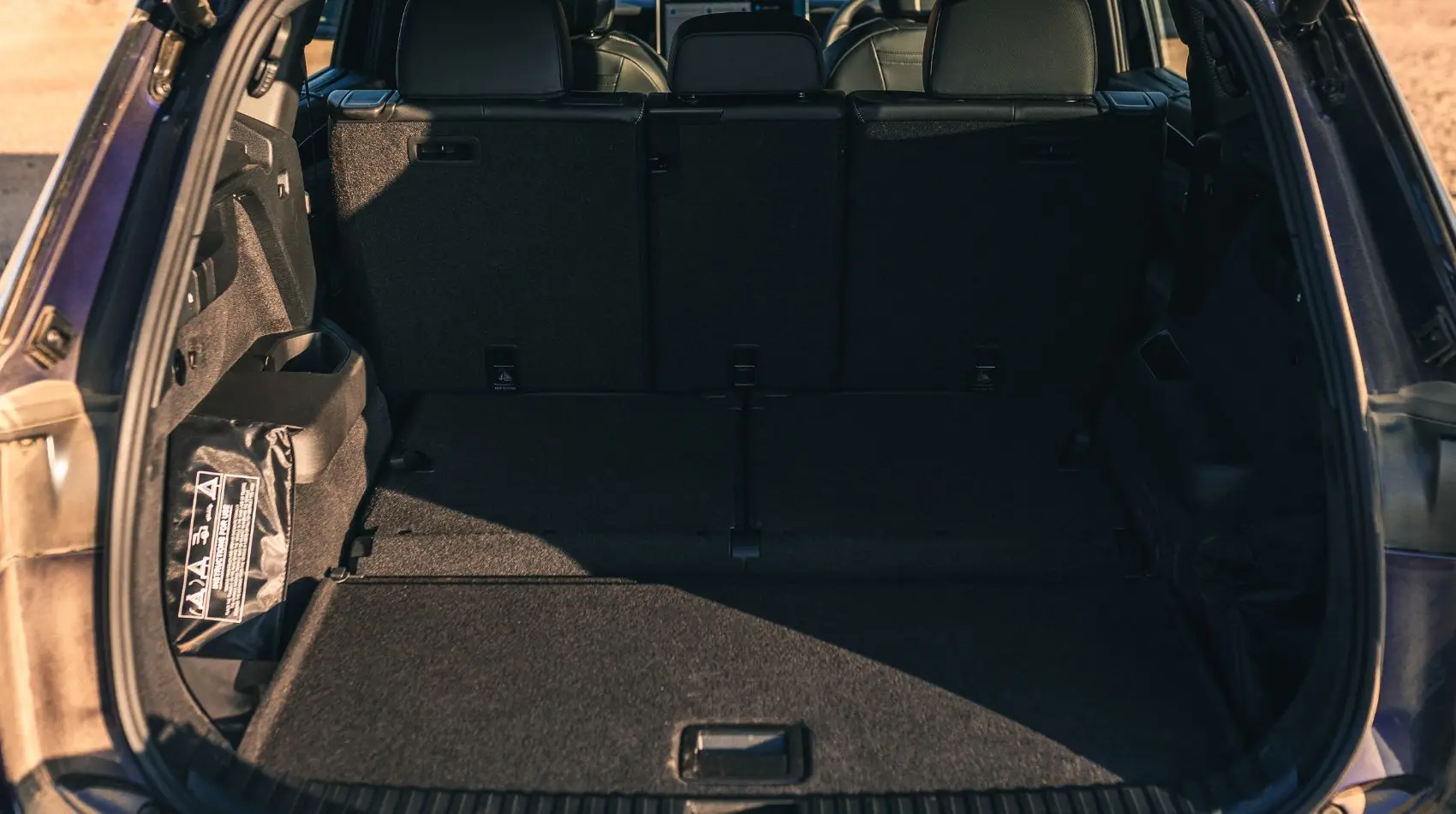
Where the Tayron truly impresses is luggage capacity. Volkswagen claims up to 1,905 litres with the rear rows folded, underlining the Tayron’s touring intent.
The missing piece finally arrives.
Powering the Tayron R-Line is Volkswagen’s EA888 Evo4 2.0-litre turbo-petrol engine, producing 201bhp and 320Nm. It is paired with a seven-speed DSG gearbox and Volkswagen’s 4MOTION all-wheel-drive system. Volkswagen claims a 0–100kmph time of 7.3 seconds and a top speed of 224kmph. Figures aside, what stands out is the way the Tayron delivers its performance.
There is strong torque from low revs, which makes city driving easy despite the Tayron’s size. You don’t need to work the engine hard to stay in the flow of traffic. Throttle response is progressive and the Tayron never feels strained or lethargic despite its size. Out on the open road, the mid-range becomes the defining feature. Overtakes might need planning because of the sheer mass, but the powertrain feels confident and the Tayron builds speed in a steady, unhurried manner. It feels energetic rather than aggressive. Even in its more relaxed drive modes, there is ample performance on tap, and quick progress requires very little effort.
Refinement is a strong point. The engine is smooth, likes to rev and remains distant even when pushed. The DSG gearbox complements it well, delivering quick, clean shifts without hesitation. We did smell the clutch after pushing it for 30 mins to make it in time to catch our flight back. But in everyday driving, it fades into the background, allowing you to focus on the road rather than the mechanics.
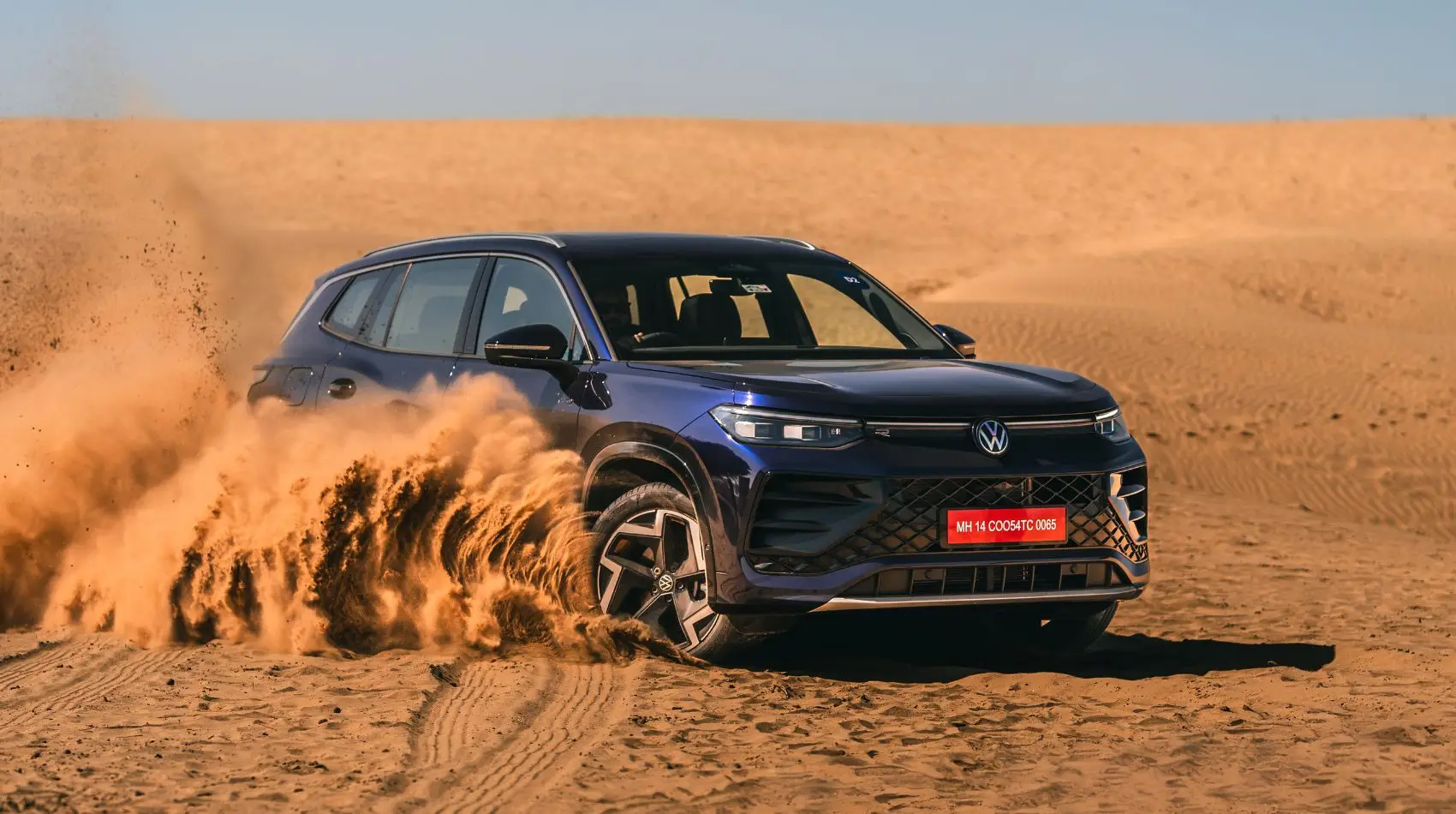
The presence of all-wheel drive adds an extra layer of assurance. Hard acceleration, loose surfaces and broken hill roads are handled without drama. Traction is strong, and the Tayron always feels like it is deploying its performance neatly rather than wasting it in smoke.
This powertrain fundamentally changes Volkswagen’s flagship narrative in India. The Tayron is adequately powered, properly quick, and more importantly, it is effortlessly so.
Comfort first, confidence always
The Tayron’s suspension tuning makes its priorities clear the moment you roll away. At urban speeds, the ride is supple. Broken surfaces are absorbed cleanly and sharp edges are rounded off rather than transmitted into the cabin. You are always aware of the Tayron’s mass, but also of how effectively it is being managed. On particularly poor roads, a firmness does come through, yet it never feels brittle or unsettled. Instead, it feels controlled.
As speeds rise, the Tayron settles into an impressively composed gait. Highway undulations are dismissed with a single, well-contained movement. The body doesn’t continue to float or oscillate after a bump, and that sense of control plays a huge role in defining the Tayron’s long-distance character. Stability, composure and predictability, all those qualities associated with well-engineered European SUVs, are very much present here.
Handling is not the Tayron’s headline act, but it is thoughtfully executed. Body roll exists, as expected, but it builds progressively and is well-managed. Switch to Sport and the setup firms up noticeably, although the absence of DCC Pro on the India-spec car is felt. Turn-in is predictable rather than sharp, and the steering prioritises consistency over aggression.
We didn’t chase dynamic limits because the Tayron doesn’t encourage that kind of driving. Instead, it excels at inspiring confidence. It may be threading through city traffic, covering long highway distances or dealing with broken hill roads, the Tayron always feels secure and reassuring, an SUV engineered to make progress feel easy rather than exciting.
A few observations from my time behind the wheel: the Tayron is impressively quiet at cruising speeds and wind and road noise are well suppressed. The seating position is upright and commanding, though some may find it slightly high at first. Control weights, steering, throttle and brake are all on the lighter side, which suits the Tayron’s comfort-led character, but I personally would have liked them to be a bit heavier.
A flagship, at last
The Tayron R-Line does something genuinely important for Volkswagen India. It restores a sense of hierarchy. It introduces a level of sophistication that ups the brand’s SUV line-up. It delivers a cabin that feels designed, not merely assembled. And it backs all of this up with ride quality and refinement that are well-suited to Indian conditions. Like the best all-rounders, the Tayron doesn’t chase extremes. It is comfortable without being floaty. Quick without being aggressive. Premium without being over-engineered. Much will depend on pricing and how Volkswagen supports the Tayron from an ownership perspective and I expect it to sit in the Rs 50–55 lakh ex-showroom range.
But beyond numbers and features, the Tayron R-Line succeeds in a more fundamental way. It finally feels like a Volkswagen that was designed to lead. Not to fill a gap, but to define the top of the brand. And in doing so, it gives Volkswagen India something it has been missing for a long time: a flagship that truly makes sense.
Price: Rs 50-55 lakh (ex-showroom estimated)
Engine: 2.0-litre, 4-cyl turbo-petrol (EA888 Evo4)
Power: 201 bhp
Torque: 320 Nm
Gearbox: 7-speed DSG automatic
Drivetrain: 4MOTION all-wheel drive
0–100 kmph: 7.3 seconds (claimed)
Top speed: 224 kmph (claimed)