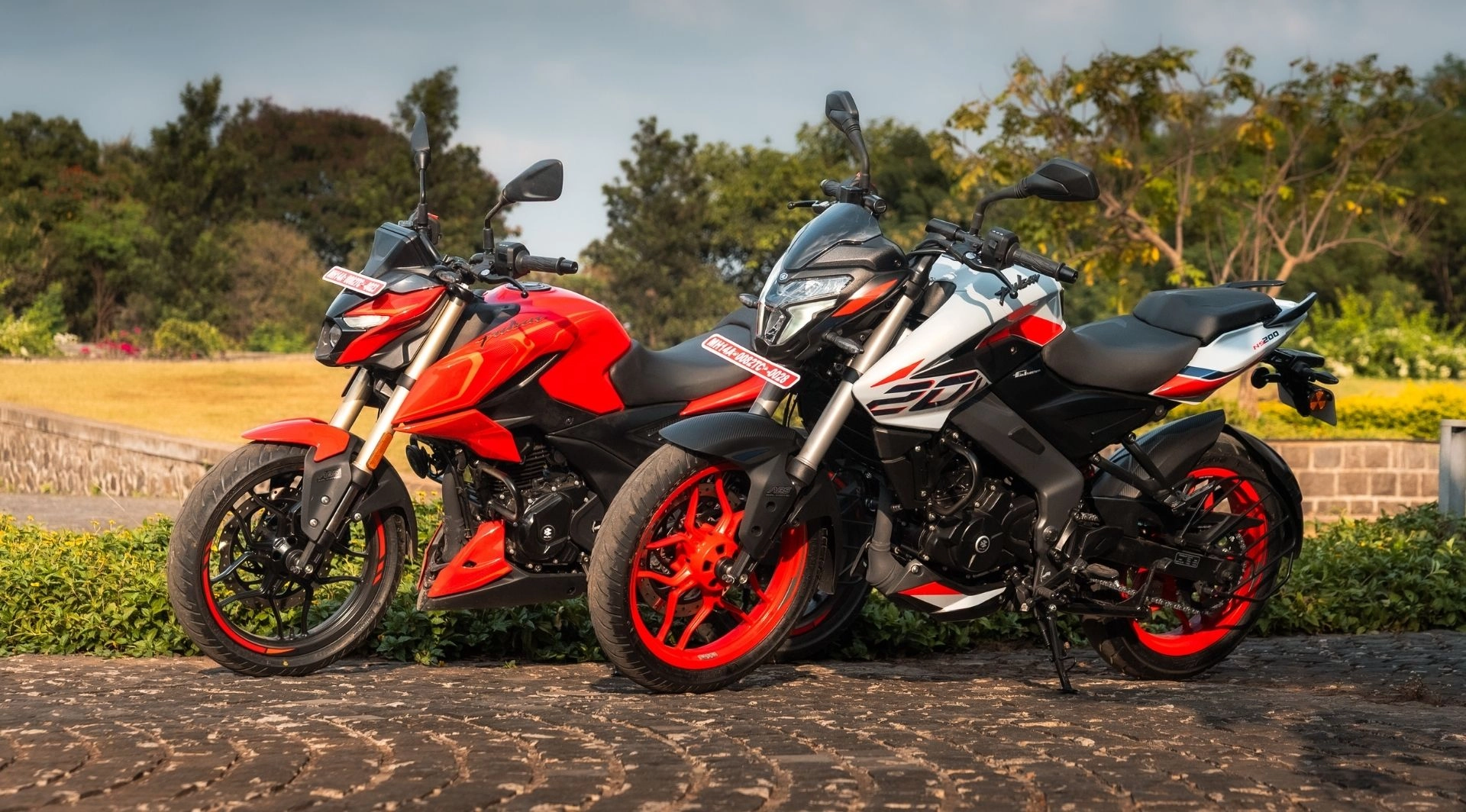
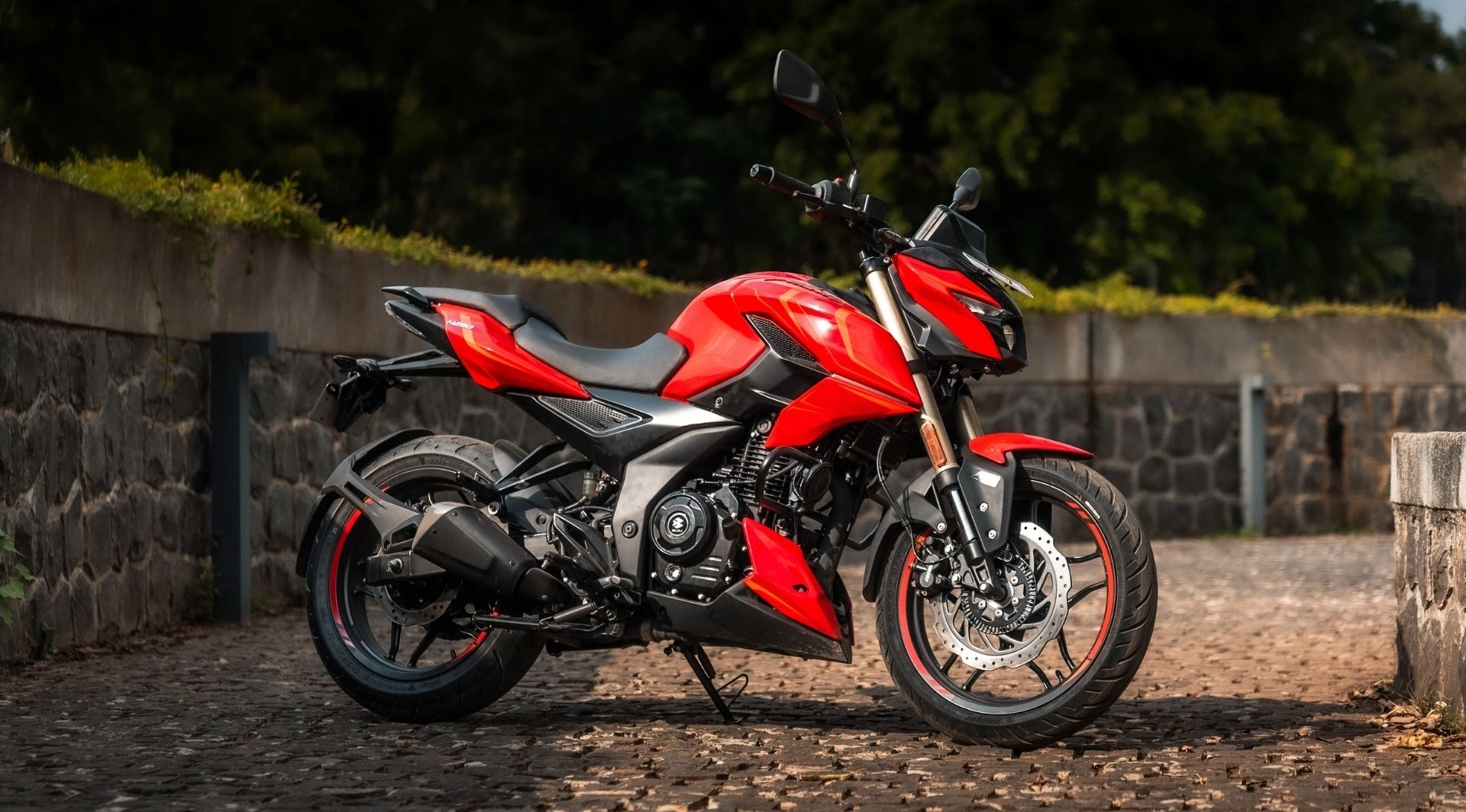
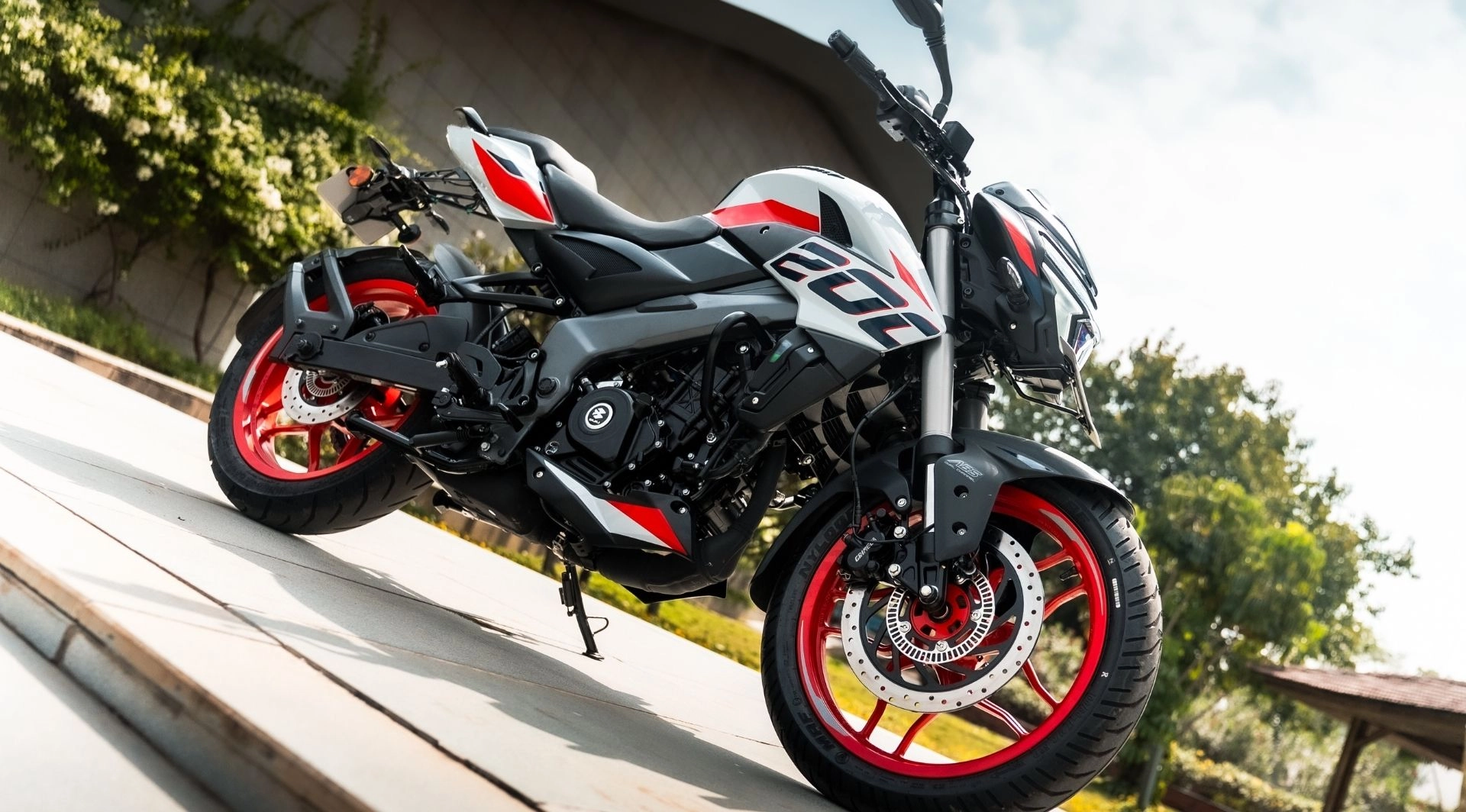
Electronic throttles, traction control and connected dashboards are finding their way into smaller motorcycles. The new Bajaj Pulsar N160 SS is an example of how the performance commuter is evolving.
There was a time when buying a 160cc motorcycle was a fairly straightforward affair. You wanted something quick enough to keep up with traffic, manageable enough for everyday use and entertaining enough to make the occasional ride worthwhile. The engine, the handling and the price usually did most of the talking.
That brief hasn't changed much. What has changed is the motorcycle itself.
Electronic throttles, traction control, multiple ride modes and connected instrument consoles are beginning to find their way into smaller-capacity motorcycles. Features that were once associated with more expensive machines are gradually becoming part of the conversation in India's performance commuter segment.
The newly launched Bajaj Pulsar N160 SS is an interesting example of this shift. With an electronic throttle body, four riding modes, traction control and a connected TFT console, it brings a considerable amount of technology to a category traditionally defined by accessible performance.
The question is whether all this technology changes the experience of riding a 160cc motorcycle. And, more importantly, whether it makes sense on Indian roads.
When the Throttle Gets Smarter
One of the more significant developments is the introduction of an Electronic Throttle Body, or ETB. Unlike a conventional mechanical throttle, which relies on a physical cable to operate the throttle valve, an electronic system interprets the rider's input and communicates it to the engine management system.
This allows the motorcycle to manage throttle response more precisely. It also opens the door to different riding modes, since the relationship between the rider's input and the engine's response can be adjusted electronically.
On the Pulsar N160 SS, this translates into four riding modes: Rain, Road, Sport and Off-Road.
The idea is fairly straightforward. Different riding conditions demand different responses from a motorcycle. A wet road calls for a more measured approach to acceleration, while an open stretch of tarmac might allow the rider to make better use of the engine's performance.
The electronics can adapt the motorcycle's behaviour accordingly.
It is worth remembering, however, that riding modes cannot compensate for poor judgement or a lack of grip. Their purpose is to help manage the motorcycle's response, not to eliminate the risks associated with riding.
Performance Still Matters
For all the talk of electronics, a motorcycle in this segment still needs to deliver on performance.
The Pulsar N160 SS gets an all-new 165cc, four-valve engine producing 18.5 PS. Bajaj claims a 0–60 km/h acceleration time of 4.5 seconds, which it positions as a segment-leading figure.
That sort of acceleration is particularly relevant in urban conditions. Getting away from a traffic signal, making a measured overtake or finding a gap in moving traffic are all situations where a responsive engine can make the difference.
The important thing is how the performance is delivered.
An electronic throttle gives the manufacturer greater control over the engine's response, while the different ride modes allow that response to be tailored to the conditions. The objective is to make the motorcycle feel more adaptable without taking away the direct connection between the rider and the machine.
Whether that translates into a meaningful improvement will ultimately depend on how the motorcycle behaves in the real world.
Making Technology Useful in Traffic
Indian roads present a rather different set of challenges from an open stretch of highway.
There are traffic signals, narrow gaps, sudden braking, uneven surfaces and the familiar stop-and-go rhythm of a busy commute. A motorcycle that feels perfectly comfortable at speed can become tiring when it spends much of its time moving at walking pace.
This is where the Pulsar N160 SS introduces Crawl Technology.
The system is intended to make low-speed movement easier, particularly in traffic, by helping the motorcycle manage its response when moving slowly.
For a rider navigating a crowded city, that could be more relevant than a headline acceleration figure.
The motorcycle also gets traction control. The system is designed to help manage rear-wheel slip by adjusting the motorcycle's response when it detects a loss of traction.
Rain mode and traction control could prove useful when road conditions are less than ideal. But their effectiveness depends on the circumstances, and neither should be treated as a substitute for appropriate speed, tyres or rider input.
The broader point is that electronic rider aids are beginning to address some of the everyday challenges associated with riding in India.
The Connected Cockpit
The other significant change is taking place in front of the rider.
The Pulsar N160 SS gets a 5-inch TFT instrument console with Google Maps integration. Bajaj says it is the first sports motorcycle in India to offer turn-by-turn navigation directly through its instrument cluster without requiring an external phone mount.
Navigation has become a familiar feature in cars, but its integration into motorcycle dashboards is a relatively different proposition.
A phone mounted on the handlebar can provide directions, but it also introduces another device into the cockpit. An integrated display offers a cleaner arrangement, with information presented directly in the rider's line of sight.
The usefulness of such a system depends on how clearly the directions are displayed and how easily the rider can interpret them while moving.
A connected dashboard should ideally reduce distractions rather than introduce more information to process.
That distinction matters particularly on a motorcycle, where the rider has to remain attentive to traffic, road conditions and the behaviour of other vehicles.
A Changing Segment
The 160cc category has always been an important part of India's motorcycle market. It offers a balance between performance, everyday usability and accessibility.
But the expectations associated with the segment are gradually expanding.
Engine performance remains important. So does handling. Yet riders are increasingly being offered features that influence how a motorcycle responds, how it communicates information and how manageable it feels in different conditions.
The Pulsar N160 SS brings these developments together in one package. Its electronic throttle, ride modes, traction control, connected instrumentation and low-speed assistance represent a broader move towards making smaller motorcycles more technologically sophisticated.
That does not automatically make it the benchmark for the segment. The real test will be how these systems work together when the motorcycle is ridden every day.
What is clear is that the 160cc motorcycle is no longer being defined by displacement and acceleration alone.
The next phase of the segment could be just as much about the intelligence behind the performance as the performance itself.