If you've been tracking the Indian car market closely, you'll know something interesting is brewing. The next 12 to 24 months won't just bring new cars; they'll bring a shift in direction. And not a subtle one.
These new entries reflect key trends: aggressive EV rollouts (supported by subsidies, rising charging infrastructure, and FAME-II norms), increased localisation (to keep prices competitive), and stricter safety/homologation standards. Consumers can expect more BEVs and hybrids across all segments. In the analysis below, we provide a prioritised table of 20 expected launches with timing, specs and rivals, followed by detailed commentary on why each matters in India.
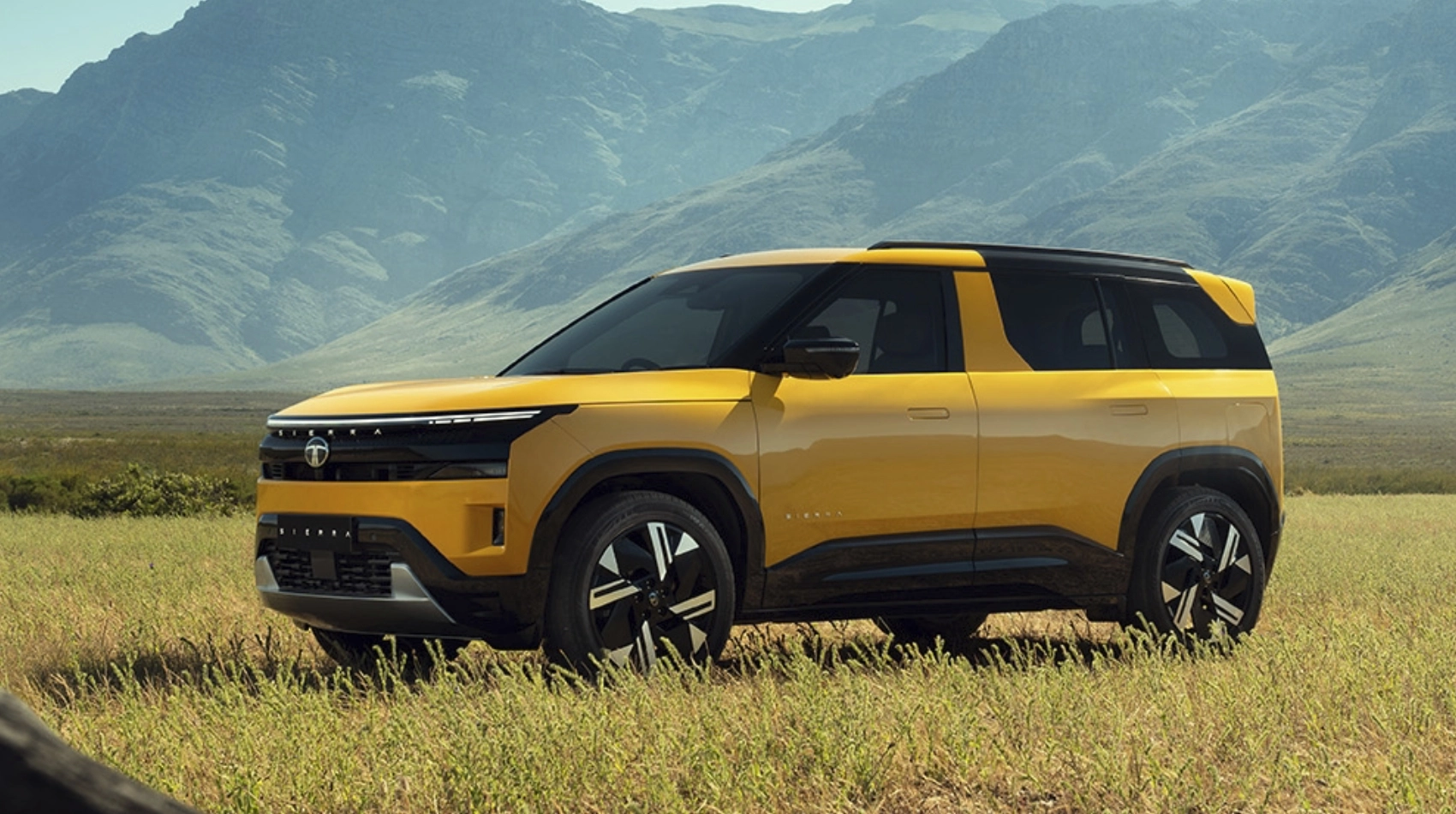
Tata Sierra EV – Late 2026

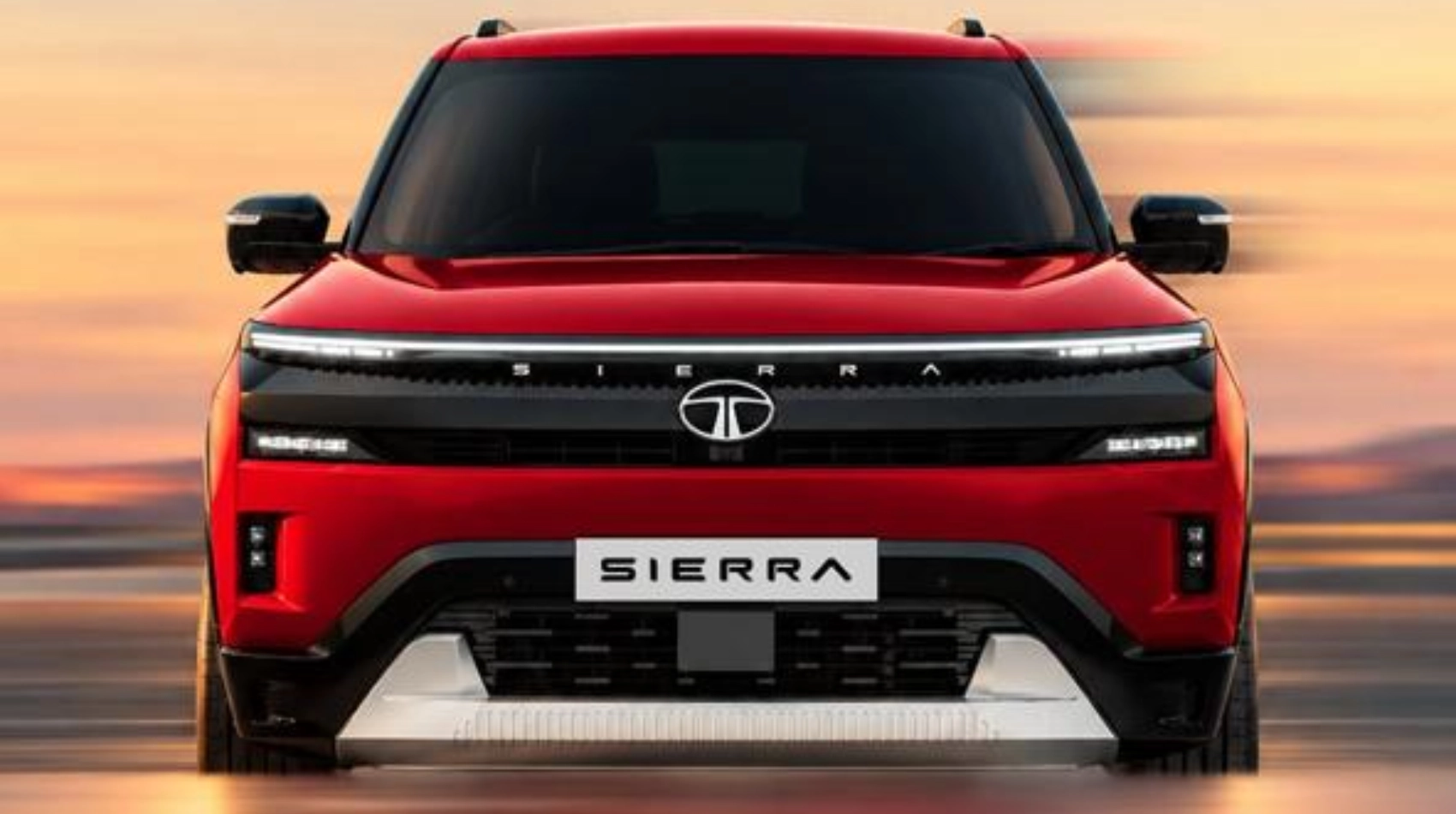
Tata's Sierra brand revival continues with a full EV. Launching in late 2026, the Sierra EV rides on Tata's fast-growing electric SUV platform (shared with Harrier EV). It will come with 55 kWh and 65 kWh battery packs, RWD (and AWD on top trims), and roughly 180–200 bhp total. Claimed ranges will be around 540km, similar to the Harrier EV (≈538–627 km). It features a distinctive retro-modern design and Tata's triple-screen dashboard in the top trims. The Sierra EV is positioned above the Punch EV but below the Safari EV in price – likely ₹30–35 lakh. Since it's built in India (Pune plant) with high local content, Tata can keep costs in check. Competitors? It will go up against the Mahindra BE 6 and the Hyundai Creta EVs. Volume might be 5K/year, as the "Sierra" name has strong recall and Tata's EV trust is high. For India, Sierra EV is significant as a premium yet accessible EV SUV – it tests how well richer Indians accept Tata's tech in a three-row EV.
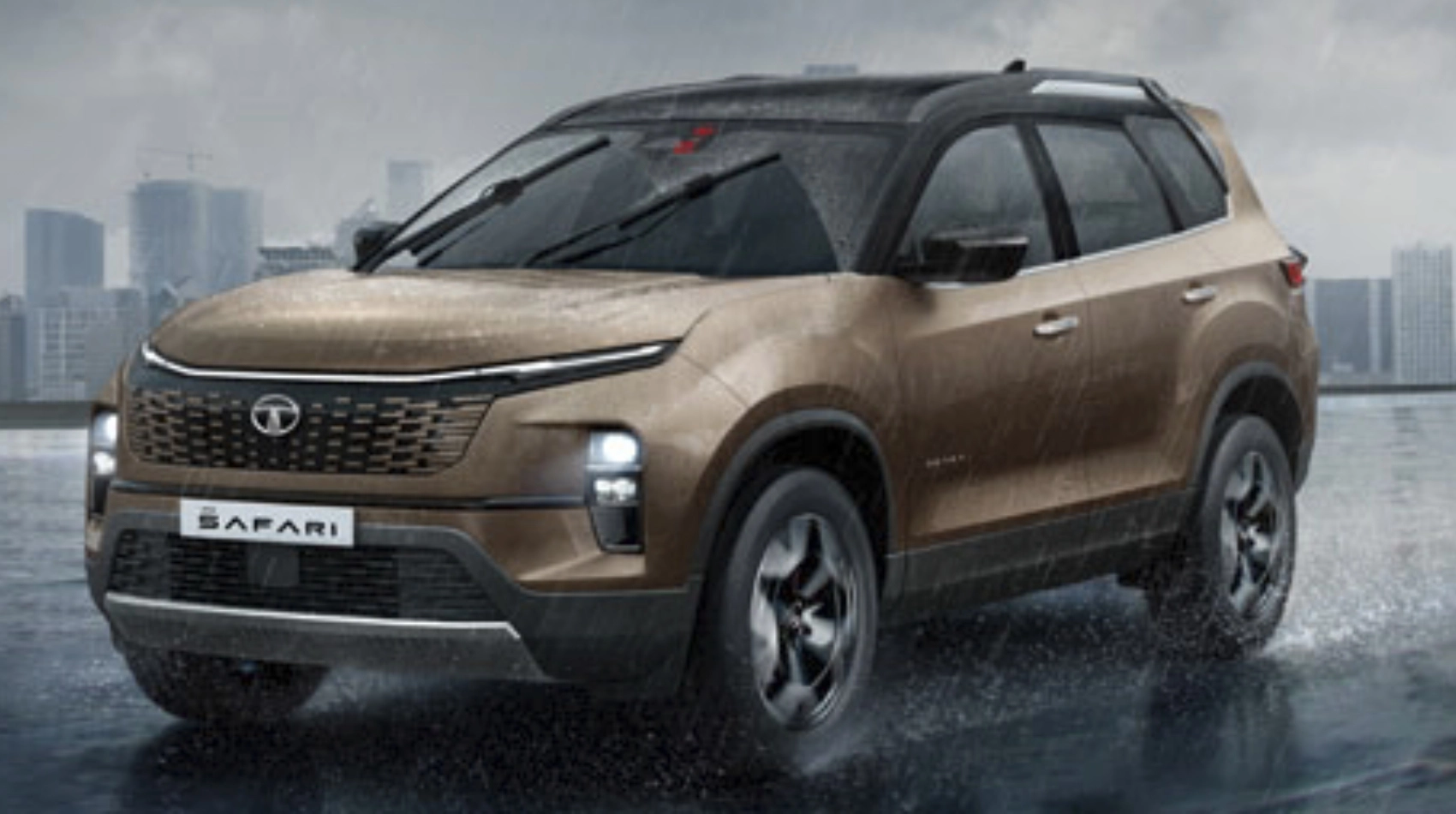
Tata Safari EV – Late 2026

Following the Harrier, Tata's flagship Safari goes electric. Production starts Aug 2026, aiming for a festive 2026 launch. Two batteries (65 and 75 kWh) will power single/multi-motor RWD/AWD versions. Top-spec RWD 75 kWh Harrier EV hits 627 km, so Safari EV might offer ~600 km (ARAI). Power would be around 250–300 bhp(assuming 180 kW dual-motor for AWD). At ~4.65m length, it seats seven. Price is expected to be ₹32.5–45 lakh, undercutting hybrid rivals. It fills the niche for large SUV buyers shifting to EV, targeting Toyota Innova HyCross or Fortuner folk looking for greener tech. Tata's retail network and existing Safari customer base will drive sales; early estimates are 1K–2K/month. The Safari EV will validate the electric transition for India's family haulier segment. Its success will hinge on delivering the ARAI range, competitive pricing against the ICE Safari, and ensuring fast-charging infrastructure on highways for long trips (Tata offers 100 kW DC charging).
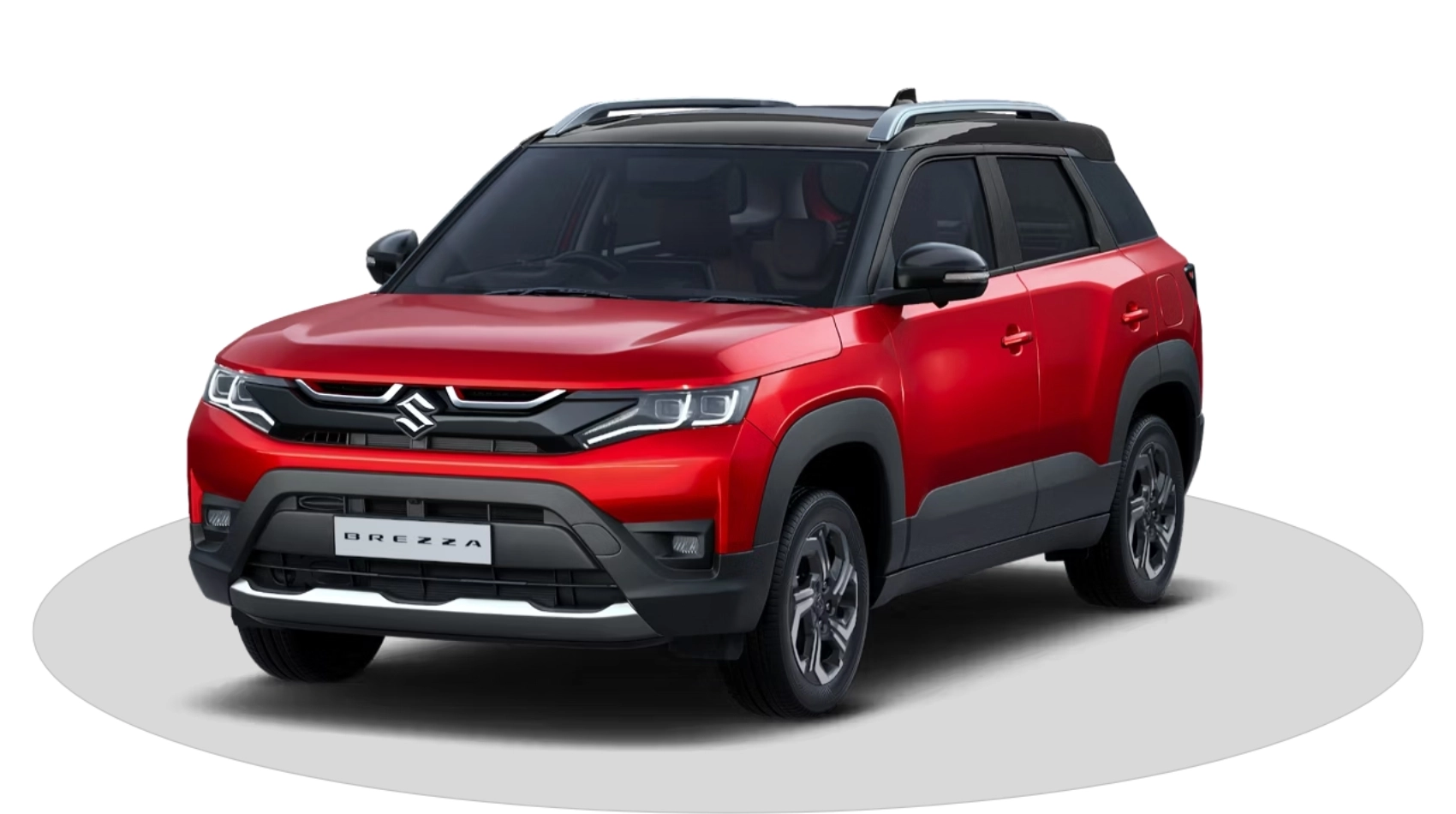
Maruti Brezza (Facelift) – 2026

India's perennial best-seller gets a mid-cycle update in 2026. The Brezza will keep its 1.5L K15C petrol engine (97 bhp, 137 Nm) and mild-hybrid variant (100 bhp, 139 Nm), but add a new 10.25-inch touchscreen (up from 9″) and possibly Level-2 ADAS. A new 6-speed manual replaces the old 5MT. Cosmetic tweaks (restyled bumpers, alloy wheels) will freshen its look. Prices should stay near ₹9–13 lakh. Localisation is 100% (Manesar plant), so margins are healthy. The facelift is crucial: Brezza rivals Sonet, Nexon, and the upcoming Grand Vitara, so Maruti must retain volume. It appeals to budget-conscious small-SUV buyers looking for reliability and low running costs. No CNG/high-end hybrid is planned; it's purely petrol/mild-hybrid/CNG. Likely monthly sales: 10–15K (pre-update was ~9K/month). The Brezza F/L will keep Maruti competitive in its heartland segment.
Maruti Grand Vitara (Facelift) – Late 2026

The Grand Vitara (Suzuki Escudo) will also be refreshed by 2026, to fend off competition from Sierra EV, Seltos and Duster. Updates include new LED headlamps, bumpers and 17-inch alloys, plus s 10.25-inch digital cluster and a 10.1-inch touchscreen with gesture tailgate. The powertrains (1.5L NA petrol 100 bhp; 1.5L smart-hybrid 124 bhp; 1.5L CNG 71 bhp) will carry over. Price range remains ~₹16–25 lakh. Localisation is high (India's Gujarat plant). The facelift's goal is to boost perceived value: the Grand Vitara historically lost ground to XUV700 and Creta, so high-tech features and cosmetics are key selling points. Buyers are currently mid-30s to 50s families who want Maruti reliability but a step above the Brezza. Expected sales: 2–3K/month. A strong facelift can solidify Maruti's footing in this segment by attracting those who might otherwise switch brands for gadgetry.
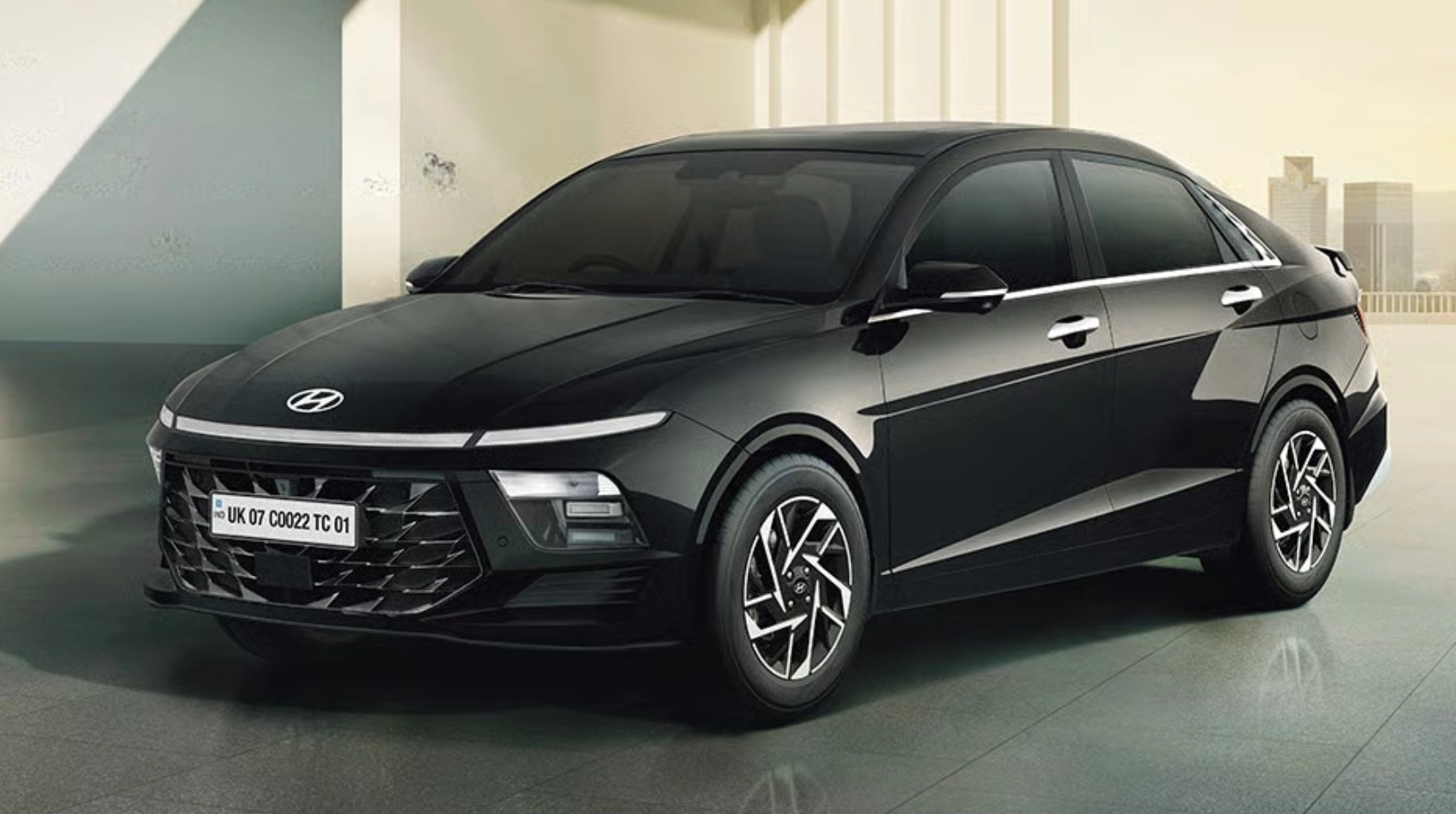
Hyundai Verna (Facelift) – Mid-2026

Hyundai will update its Verna sedan in Q2 2026. Expect subtle styling changes (revised grille and lights) and new features (7-inch digital cluster, more connected tech). Powertrains stay 1.5L NA (110 bhp) and 1.5L turbo (158 bhp) – possibly adding a mild-hybrid option. Pricing should be ₹11–18 lakh. The Verna F/L competes with the likes of Honda City, VW Virtus, and Skoda Slavia. It matters because the sedan segment is saturated, and Hyundai must maintain leadership against a new City (facelift) and Virtus. Local assembly (Sriperumbudur) is well-established, so the update will likely be margin-friendly. Sales might slightly rise from the current ~3K/month, as buyers upgrade for fresh tech and design. The Verna F/L is also expected to introduce more ADAS (today's mid-level cars increasingly have Level-1 ADAS), keeping the model "premium" in perceived safety.
Hyundai Bayon – Late 2026

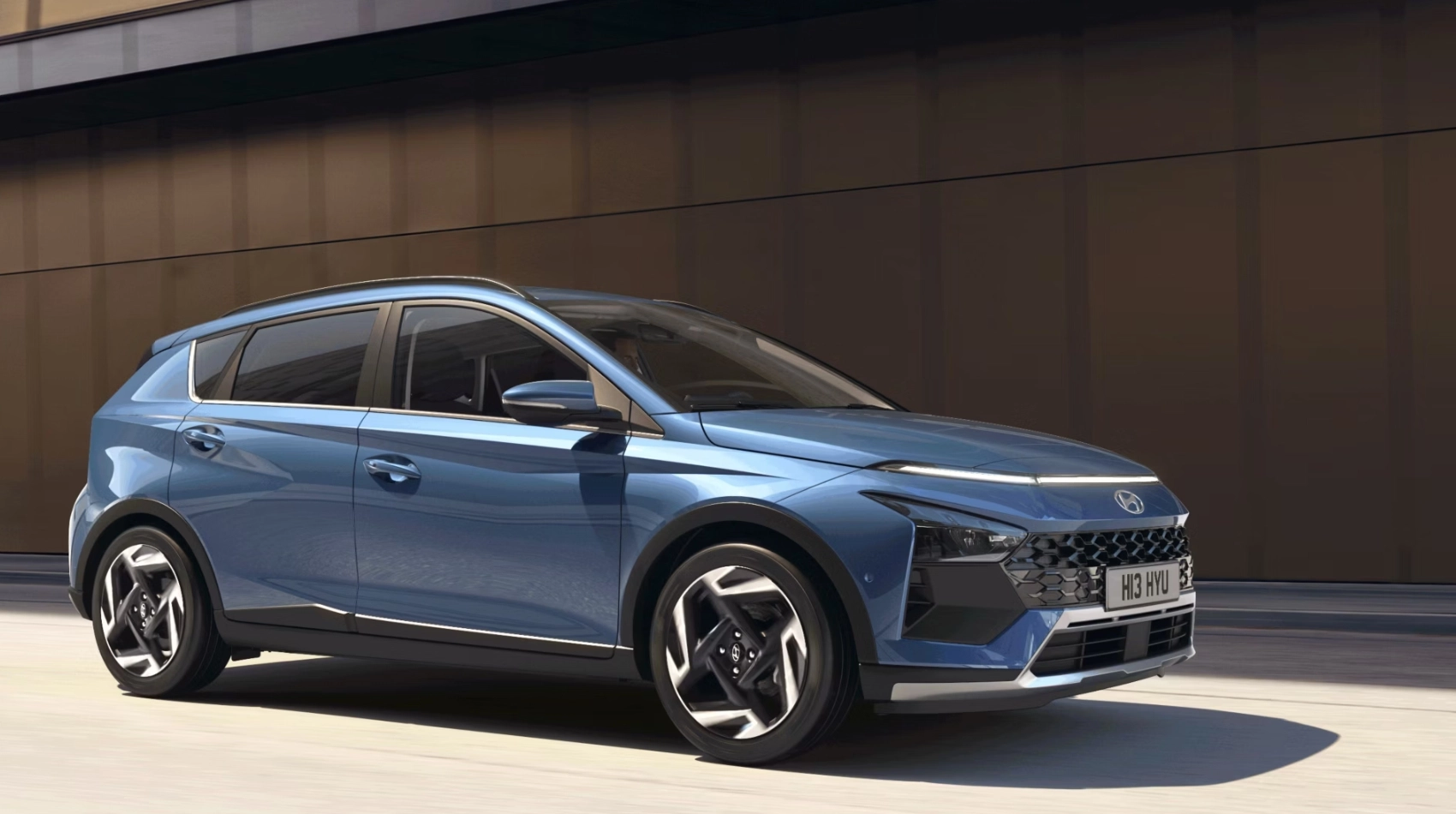
The Hyundai Bayon – a rebadged Ford Puma cousin – will debut in India around late 2026. It's a micro-SUV with a 1.2L turbo-petrol (~97 bhp/172 Nm) and 1.5L diesel (~98bhp). Priced ~₹8–13 lakh, it slots below the Venue, appealing to first-time SUV buyers (in tier-II cities and rural areas) who want a stylish hatchback-like SUV. Built in India (Korea-India JV), it will rival Maruti Fronx, Nissan Magnite and Tata Nexon (lower trims). Its success depends on balancing features (expected 10″ touchscreen) with price; at its core, it must undercut the Venue. Volume could be high if Hyundai localises it heavily, as it taps the sub-4m tax break. Its introduction reflects a trend of global mini-SUVs coming to India (Volkswagen Taigun similarly downscales).
Honda City (Facelift & Hybrid)

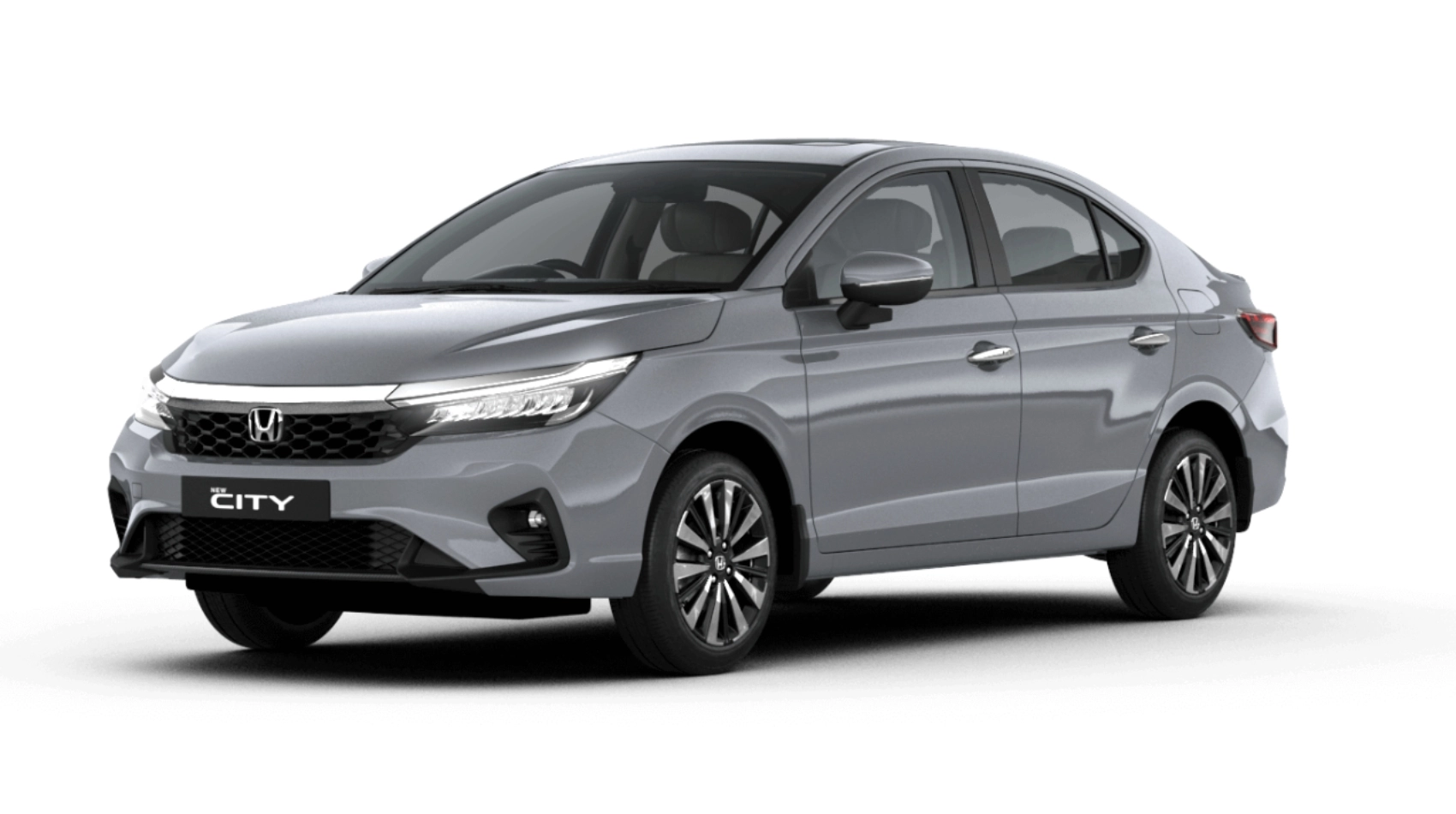
Honda's City sedan gets its second facelift (fifth-gen) in May 2026. Visual tweaks (new grille, LED lights) and updated cabin (new trim, optional 360° camera) will refresh the appeal. Crucially, the existing 1.5L NA engine (118 bhp) remains, and the e: HEV hybrid (124 bhp) continues, making the City one of the most frugal sedans (est. 20–25 km/l). Price ~₹12–16 lakh places it against the Verna and Slavia. Like Brezza, the City relies on local assembly (Tapukara) and high volume. Its hybrid variant particularly targets eco-conscious buyers who still want a petrol core (no pure EV SUV sedan in this bracket yet). Honda will advertise its fuel efficiency and tech (Honda Sensing ADAS). Expected monthly sales: ~5K, as loyal City buyers upgrade. The hybrid option may also attract urban buyers seeking lower fuel bills without sacrificing performance.
Kia Sonet (Next Generation) – 2027

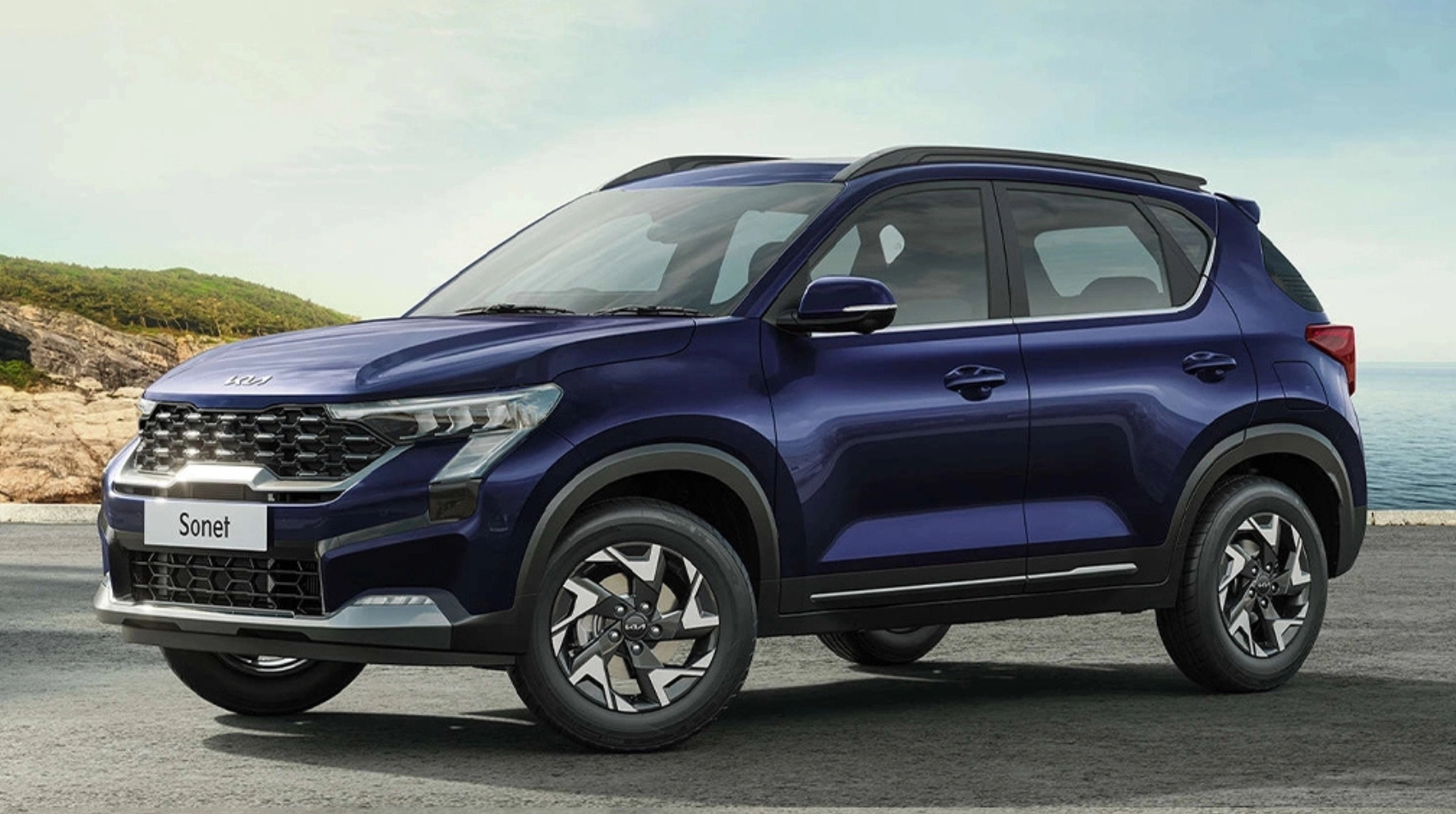
Kia is developing a new Sonet (expected launch early 2027) on a fresh platform. While details are sparse, it will likely continue with familiar engines (1.2L NA ~80bhp, 1.0L Turbo ~118bhp, plus a planned mild-hybrid). Price is likely ₹8–15 lakh, similar to today. Production at Kia's Andhra plant will ensure high localisation. The Sonet NG must build on the current model's success (mostly young buyers, ~5K/month sales). A new Sonet will compete with the Venue, Nexon, and Brezza facelift. Notably, Kia may finally introduce a hybrid variant (per global trends), which would help meet CAFE norms and boost appeal. For the Indian market, the Sonet NG represents a stable seller, refreshing to keep Korean competitiveness; it could even move slightly upmarket to near the Creta price band with more features.
Kia Syros EV (aka EV3):

Launch by June 2026, price ~₹15–18L. Based on the new Syros/Exter mini-SUV platform, we expect two battery options: ~42 kWh (~300 km) and 49 kWh (~350 km). FWD. Shares motor (122 bhp) with Hyundai Exter EV. Underpinnings likely from Kia’s global EV2 platform. Why it matters: will be India’s first “mini EV SUV” from a big brand, targeting buyers looking for an affordable, practical EV city-runabout.
MG 3-Row Electric SUV ("Accomplish"?) – Late 2026

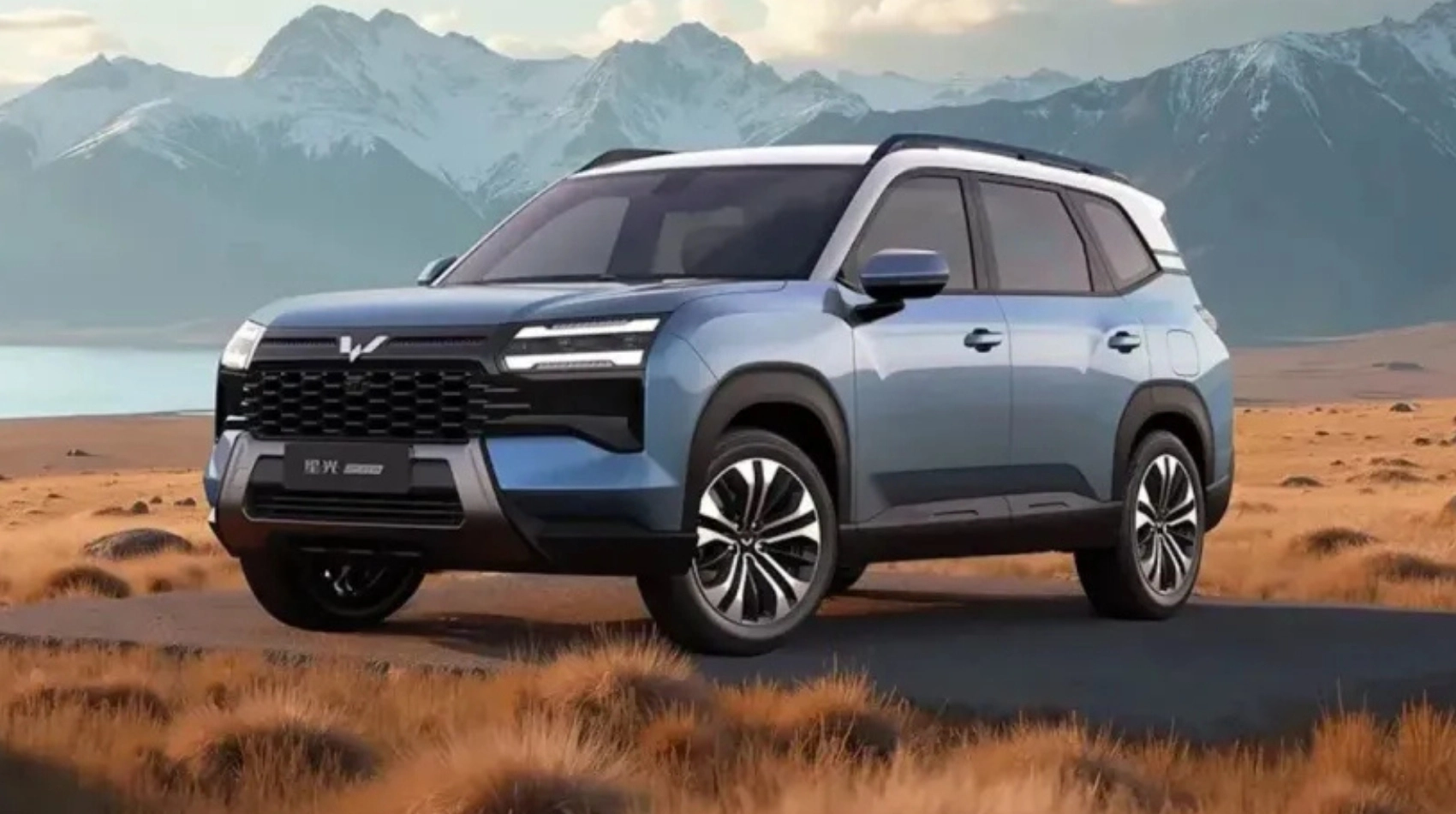
MG is preparing a large 7-seater EV, based on China's Wuling Almaz (Starlight) platform. Expected late 2026 at ~₹30–40 lakh, it will offer BEV and PHEV variants. The EV version will have ~70–100 kWh batteries (500+ km) and a dual motor. With a design hinting at MG's styling cues, it targets buyers seeking premium features at slightly lower cost than German EV SUVs. Competitors include Tata Sierra EV, Mahindra's upcoming XUV9S, and to some extent, MG's own Hector Plus. It will be assembled (CKD) from China kits, so localisation (~50%) will grow over time. If well-priced, this model could sell 2–3K/year (the MG Hector does ~1.5K/month pre-facelift). It's significant as one of the first large all-electric 7-seat SUVs in the ₹30–40L band, offering an alternative to ICE SUVs for large families.
Skoda Kodiaq RS (CBU): Launch by June 2026

Skoda Kodiaq RS is set to arrive in India by mid-2026 as the brand’s first RS-badged SUV. Expected to be priced around ~₹60 lakh (CBU), it will be powered by a 2.0-litre TSI turbo-petrol engine producing ~261 bhp and 400 Nm, paired with a 7-speed DSG and AWD. Performance is a big talking point, with 0–100 km/h in ~6.3 seconds, making it one of the quickest 7-seat SUVs in the segment. Visually, it builds on the standard Kodiaq’s clean design but adds sportier RS elements—blacked-out accents, larger alloys, and subtle red highlights inside. It won’t have a direct rival in India, sitting somewhere between luxury SUVs and performance cars like the Octavia RS or Golf GTI. Being a CBU, volumes will be limited (likely a few hundred units annually). It’s significant as a niche offering—bringing genuine performance to a practical 7-seater format for buyers who want both pace and space.
Mercedes-Benz GLC (Electric) – Late 2026

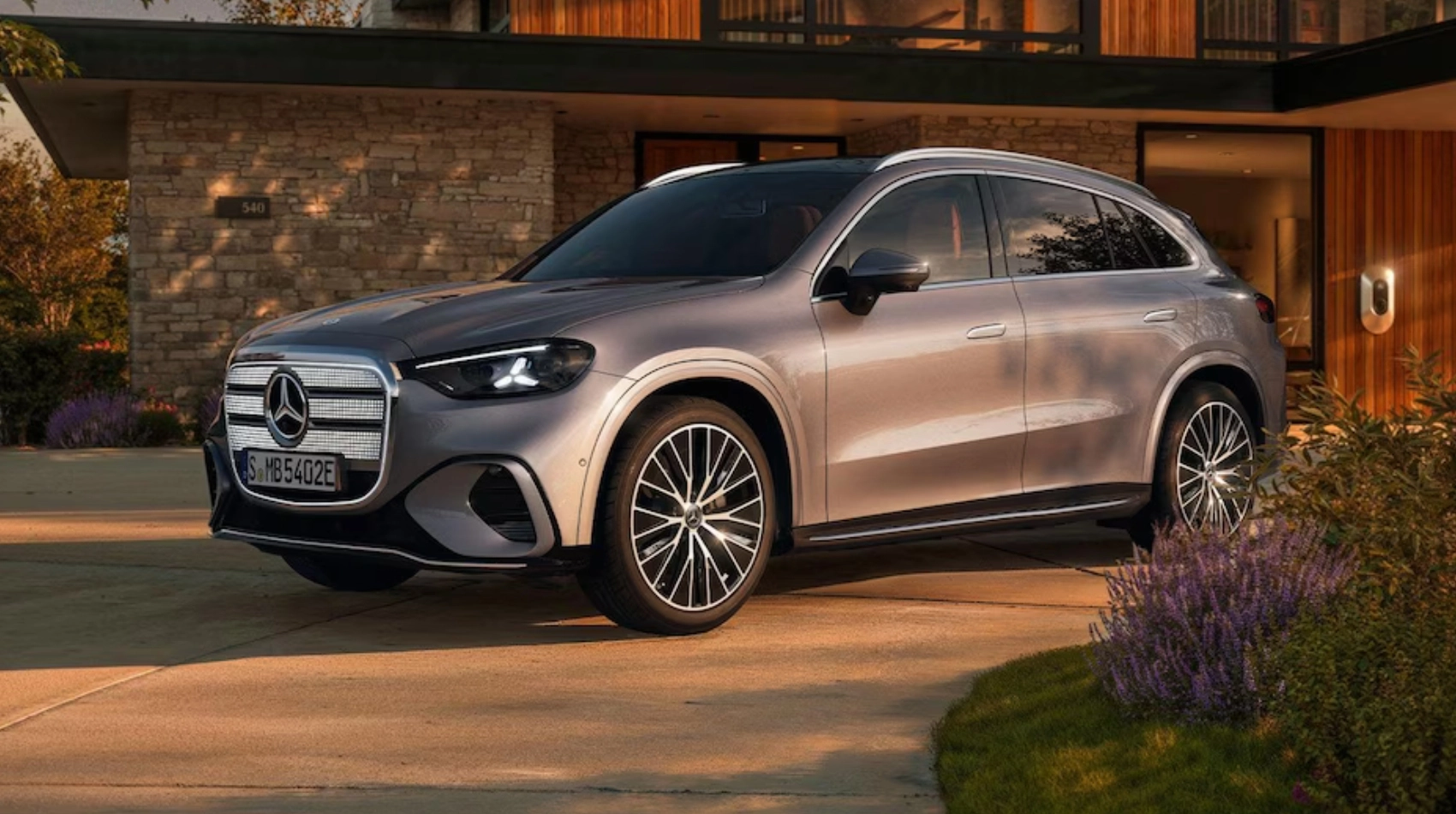
Mercedes will introduce the GLC (long-wheelbase EV) in India around late 2026, probably CKD-assembled in Pune. The GLC Electric will use the 800V architecture and a ~90–100 kWh battery, targeting ~400–500 km range. AWD dual-motor output might reach ~350–400 bhp. Expected price ~₹60–70 lakh. It competes with premium EV SUVs like the BMW iX3 or an upcoming electric Audi Q5 (global Q5 EV planned). For Indian buyers, this addresses the aspirational EV segment below ₹1 crore, attractive to global luxury EV enthusiasts (tech-savvy CEOs, affluent executives). Localisation (Pune) will help trim duties, making Mercedes EVs more accessible than a CBU import. Sales will be low-volume (hundreds/year), as this is a niche luxury product, but its launch indicates India's readiness for high-end EVs and supports Mercedes' strategy to have EVs across all segments.
Audi Q6 e-tron: Launch H2 2026

Audi Q6 e-tron is expected to arrive in India by late 2026 as Audi’s next-generation electric SUV, sitting between the Q4 e-tron and Q8 e-tron. Likely to be priced around ~₹80–90 lakh, it will be based on the new PPE (Premium Platform Electric) architecture co-developed with Porsche. Powertrain options globally include dual-motor setups producing up to ~382 bhp and 580 Nm in standard guise, with higher-output variants expected later. The Q6 e-tron will use a ~100 kWh battery, delivering a claimed range of over 600 km (WLTP), and support 800V architecture with ultra-fast charging—adding ~250 km in around 10 minutes under ideal conditions.
Design-wise, it introduces Audi’s newer EV styling with a closed-off grille, split headlamp setup and customisable digital lighting signatures. Inside, the focus shifts heavily to tech, with a curved digital display setup, passenger screen and next-gen infotainment. It will target buyers looking at the BMW iX and Mercedes EQE SUV, but with a more driver-focused positioning. Expected to be locally assembled (CKD), it could be one of Audi’s more competitive luxury EVs in India, bridging the gap between entry-level EVs and flagship offerings.
Mercedes-Benz C-Class (Electric) – Apr 2027

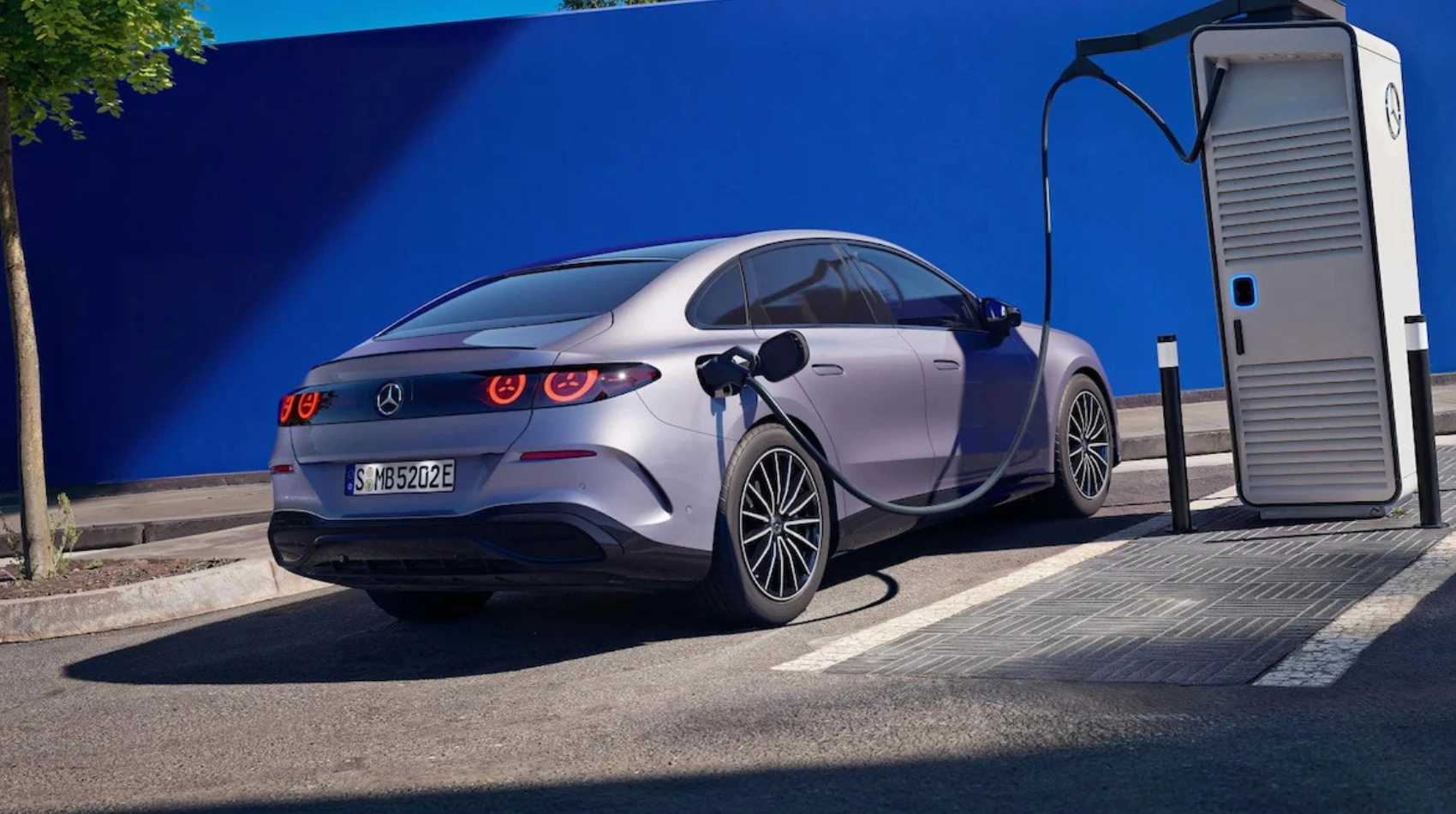
The EQ C-Class (MB.EA platform) debuts ~April 2027. With a 94 kWh battery and an 800V system, it claims up to 762 km WLTP range. Motor output (likely 489 hp for the C 400) yields 0–100 km/h in ~4.0s. At ~₹75–85 lakh, it's Mercedes' answer to the BMW i4 (though i4 isn't on sale in India) and upper-Tesla Model 3. As a luxury sedan, its buyers are enthusiasts who want a silent EV luxury saloon. CKD assembly (Pune) may be planned to reduce costs. The C EV will likely feature the massive 39.1″ Hyperscreen (as per pre-reveal) and AI interfaces. Its effect on the market is more prestige/technology than volume; expected sales are modest. However, it sets a tech benchmark (EyeQ SoCs, OTA updates) and signals to competitors (BMW i4 is delayed in India, Audi E-Tron GT not offered) that Mercedes is pushing EV tech here first among German brands.
Honda 0 Alpha (EV SUV) – ~2027

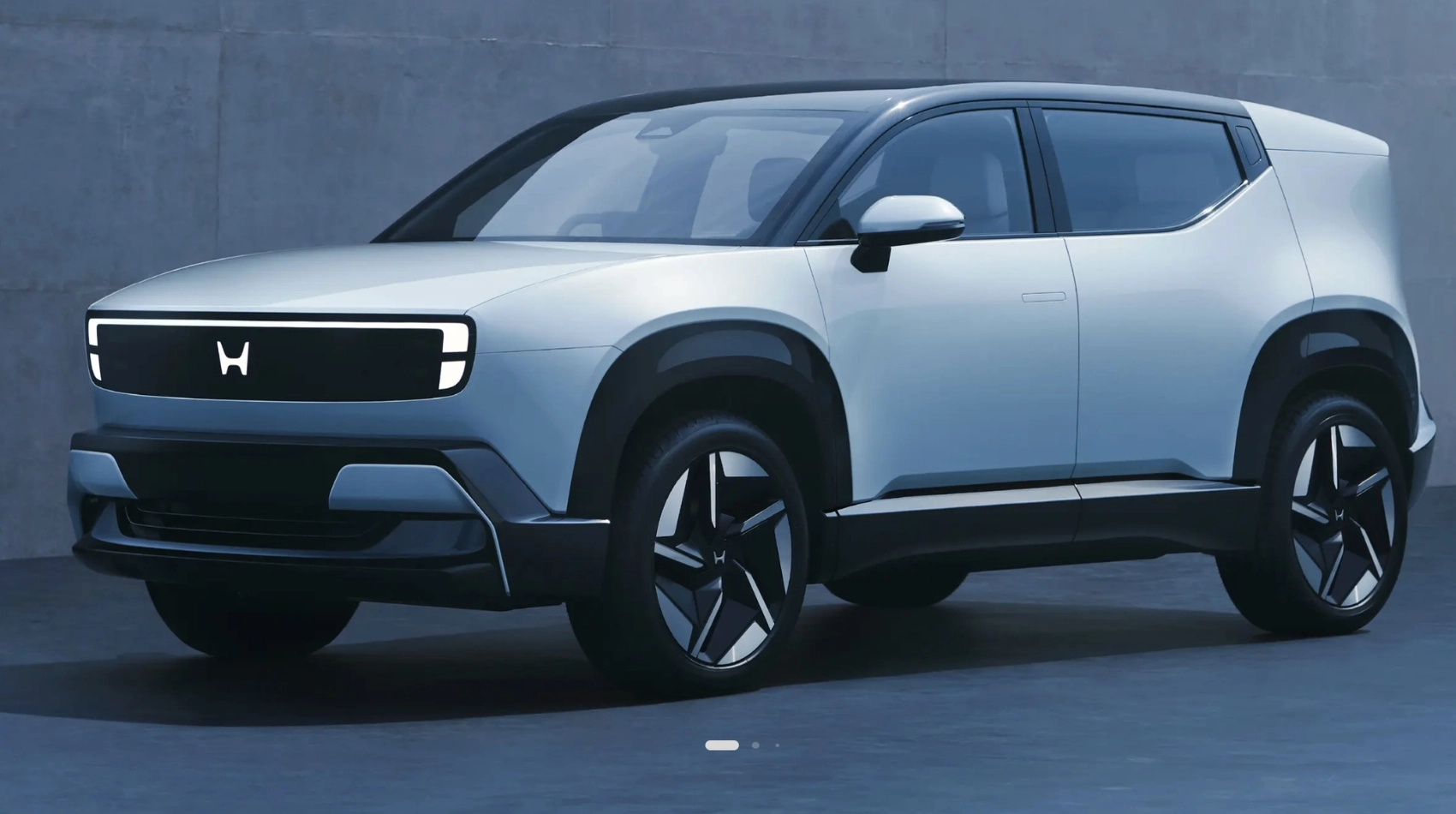
Honda's first dedicated EV (codenamed 0 Alpha) is expected in 2027, likely a compact crossover with styling cues from the 0 Series EV (e: NY1 concept). Details are scarce, but it will be AWD with ~60–70 kWh battery (target ~300+ km range). Power around ~150–200 kW. Price may be ₹25–30 lakh. If built in India (part of Honda's hybrid/EV push), it will rival Hyundai's Ioniq 5 and Kia EV6, though those are imported. Its significance: Honda has lagged in EVs in India (only hybrid City); this will be their mainstream EV debut. Target buyers are younger urban professionals who like Honda's brand. Volume will initially be low (~500/month),h) but it sets Honda on an EV path.
Tata Avinya (Premium EV CUV) – ~2027

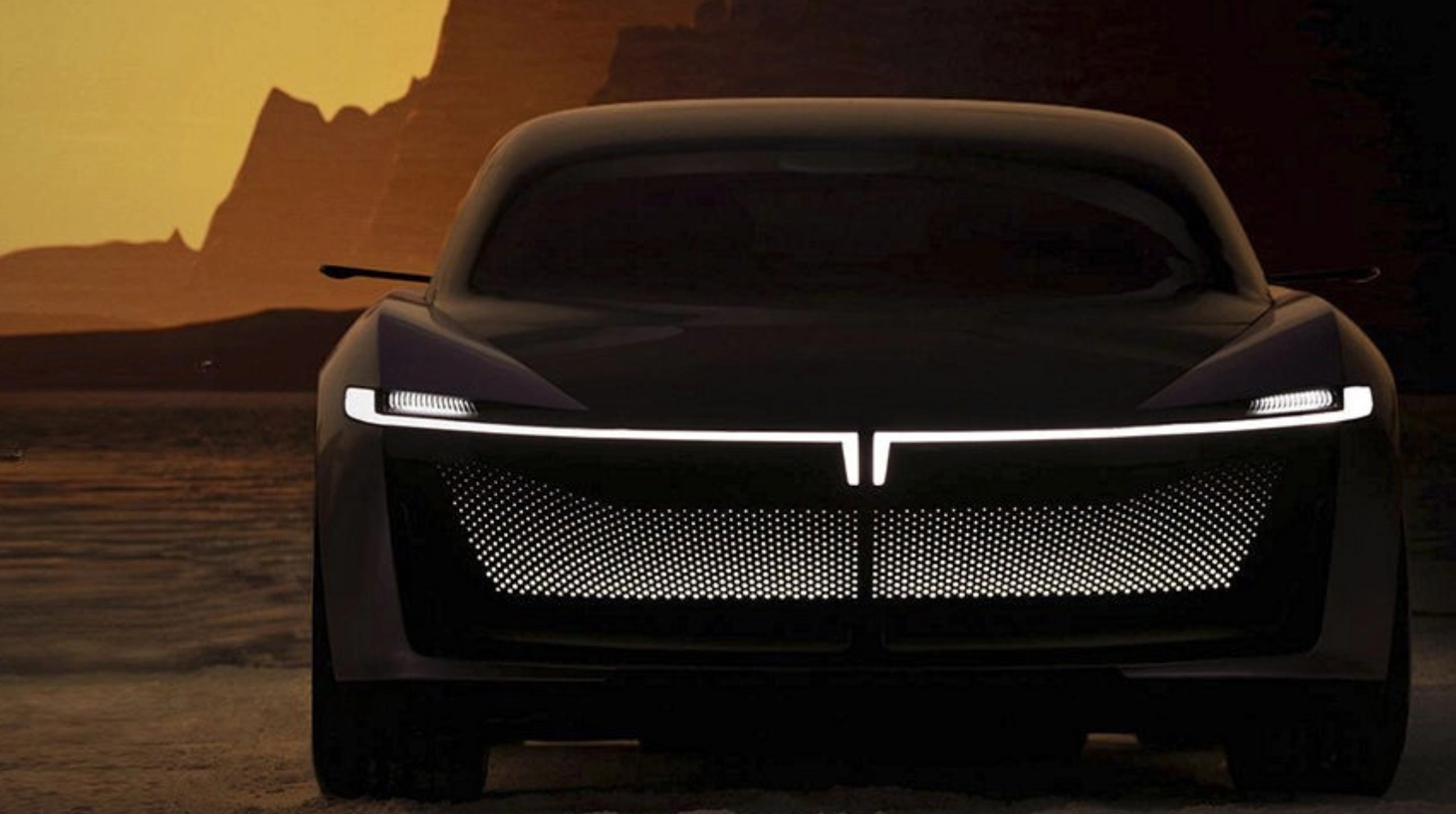
Tata's Avinya concept points to a premium electric crossover (~2027 launch). Expected to carry a ~85 kWh battery (dual motor, ~400 km range) and fast 800V charging. Price ~₹35–45 lakh. It essentially creates a new "electric CX-30" segment for Tata, above the Harrier. Competitors (Mercedes GLC EV, BMW iX3) will be expensive imports; Avinya will be locally made (lowering price) and use Tata's proven ICE/EV tech (ZipTron). The design will influence future Tata cars. It matters as Tata tries to move upmarket in EVs; even if volumes are small (a few hundred per month), Avinya will draw premium buyers away from BMW/Merc by offering "EVXUV" value.
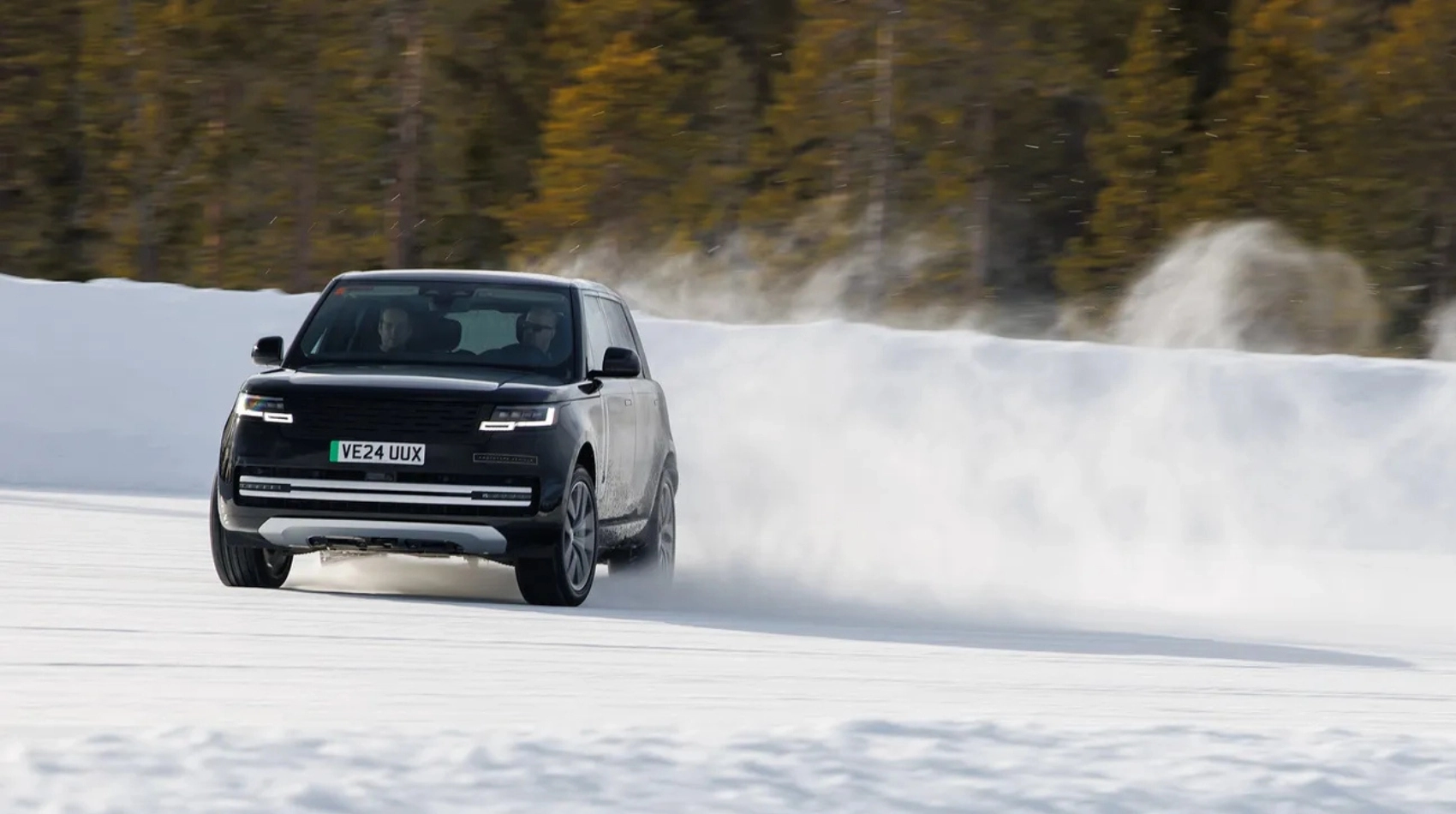
Land Rover Range Rover (Electric) – 2026

Jaguar Land Rover will launch a fully-electric Range Rover (L462 EV) in India in 2026, presumably as a CBU from the UK. Its 101 kWh battery (two motors, AWD, ~500 km) will have ~375 bhp. Price is expected to be well above ₹3 crore. This model is for ultra-luxury customers wanting a status SUV with zero emissions. Its Indian launch depends on the safety/homologation of its unique air-suspension EV (Range Rover is already imported; the EV version extends the legacy). Sales will be tiny (<100/year), but it signals India's luxury buyers are ready for EVs. It may also intensify competition (BMW X7 EV, Merc EQS SUV, Audi Q9) over the next few years.
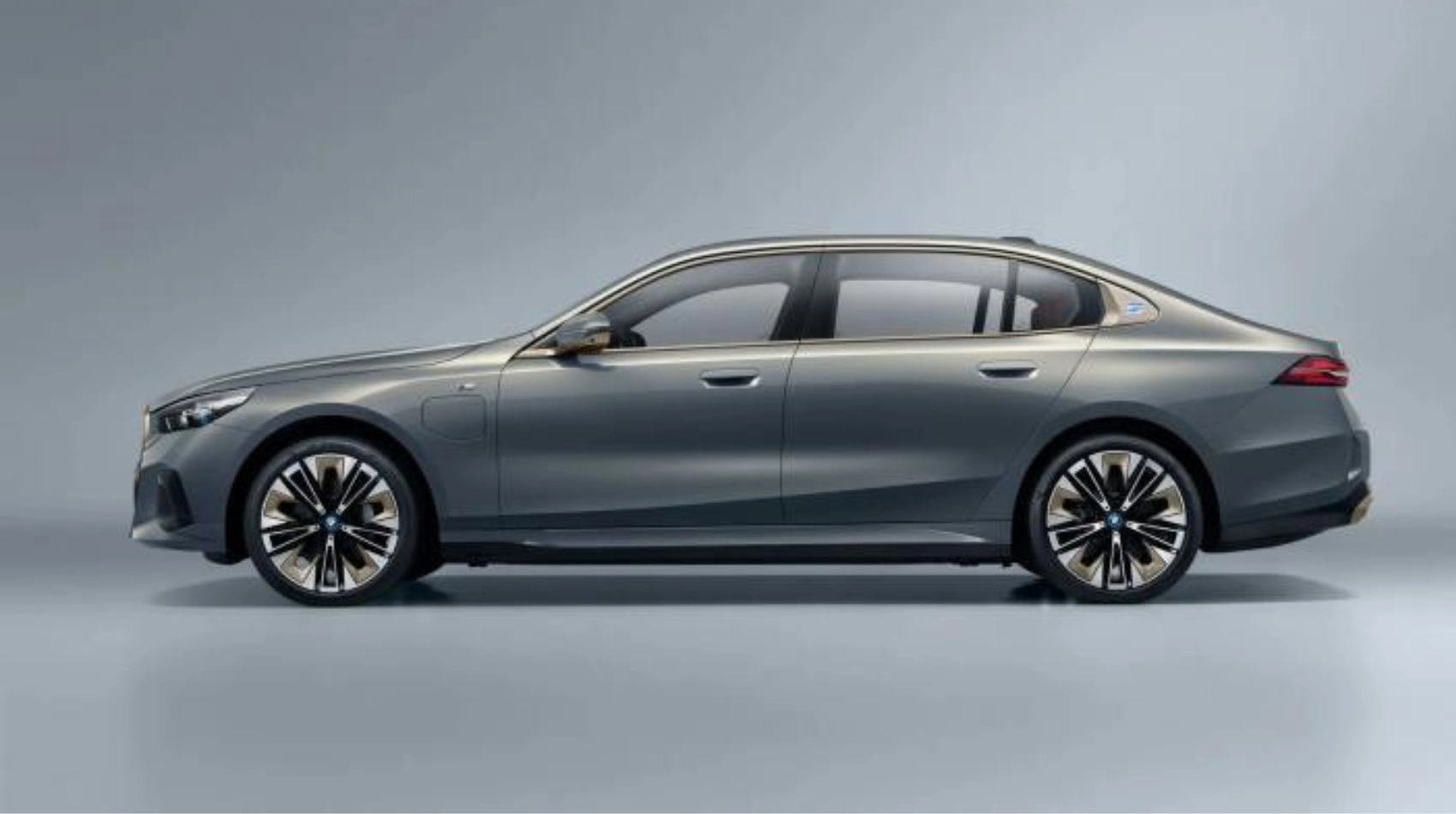
BMW i5 LWB (Electric Sedan) – Mid-2026

BMW plans a long-wheelbase i5 sedan for India by mid-2026. Using the iX platform, it will offer ~80–108 kWh, AWD, and an astounding 530–720 km range (Chinese CLTC) at 720 bhp (i5 M60) or 335 bhp (eDrive40). It aims to challenge Mercedes EQE and the upcoming Audi. With CKD assembly in Chennai, BMW may price it at ₹70–85 lakh. Its buyer is the tech-focused luxury segment: executives wanting a "straight-six-beater" EV sedan. Even if annual sales are ~200–300, the i5 positions BMW as an EV leader. The i5's efficient motors (MW motors have 91%+ efficiency) show that Indian EVs can match ICE in performance.
Conclusion
In the coming 12–24 months, India's new-car landscape will be defined by electrification and diversification. From affordable city SUVs to luxury EV sedans, nearly every segment will see a fresh entry or facelift. Key to success will be pricing and localisation: India's tax structure heavily favours locally made EVs and hybrids. The chart below illustrates the increasingly EV-heavy mix of launches. Dealers are gearing up (training for high-voltage systems), and the charging network is expanding nationwide.
Overall, buyers should expect more EVs per segment, with ICE/hybrid alternatives persisting in volume segments. Safety and tech features are becoming standard even in midsize cars. The success of these launches will depend on balancing cost and features. Regulatory support (GST cut, FAME incentives) should accelerate adoption, especially for sub-₹20L EVs. If executed well, the next 2 years could firmly plant EVs into mainstream India, while reinvigorating ICE segments with competitive, feature-rich updates