Volkswagen has finally pulled the covers off the all-new Volkswagen ID. Polo, marking the arrival of the first fully electric Polo in the nameplate’s 50-plus-year history. And importantly, this isn’t just an electric version of the current petrol Polo — it is a completely new car built from the ground up as an EV.
Previewed earlier by the ID.2all concept, the production version now carries the familiar Polo badge with an “ID.” prefix, as part of Volkswagen’s new strategy of giving its electric cars recognisable names instead of confusing number-based badges.
ID.Polo Styling
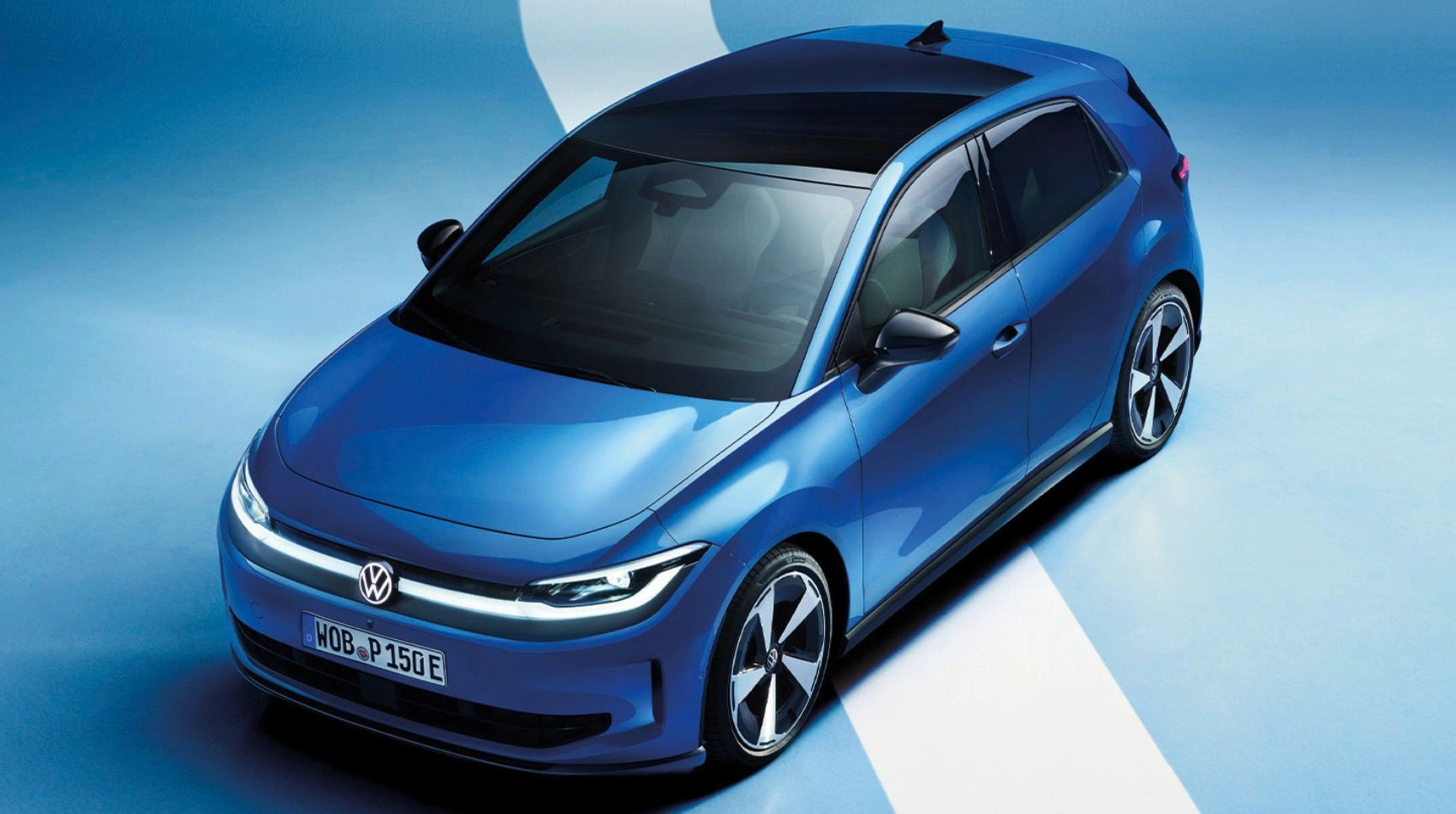
The ID. Polo gets a clean and simple design with a familiar hatchback shape. Up front, it features slim LED headlights connected by a full-width light bar, along with a smoother bumper design and a closed-off grille area, which is typical of an EV. The bonnet is short, while the upright stance and balanced proportions help it retain the classic Polo look.
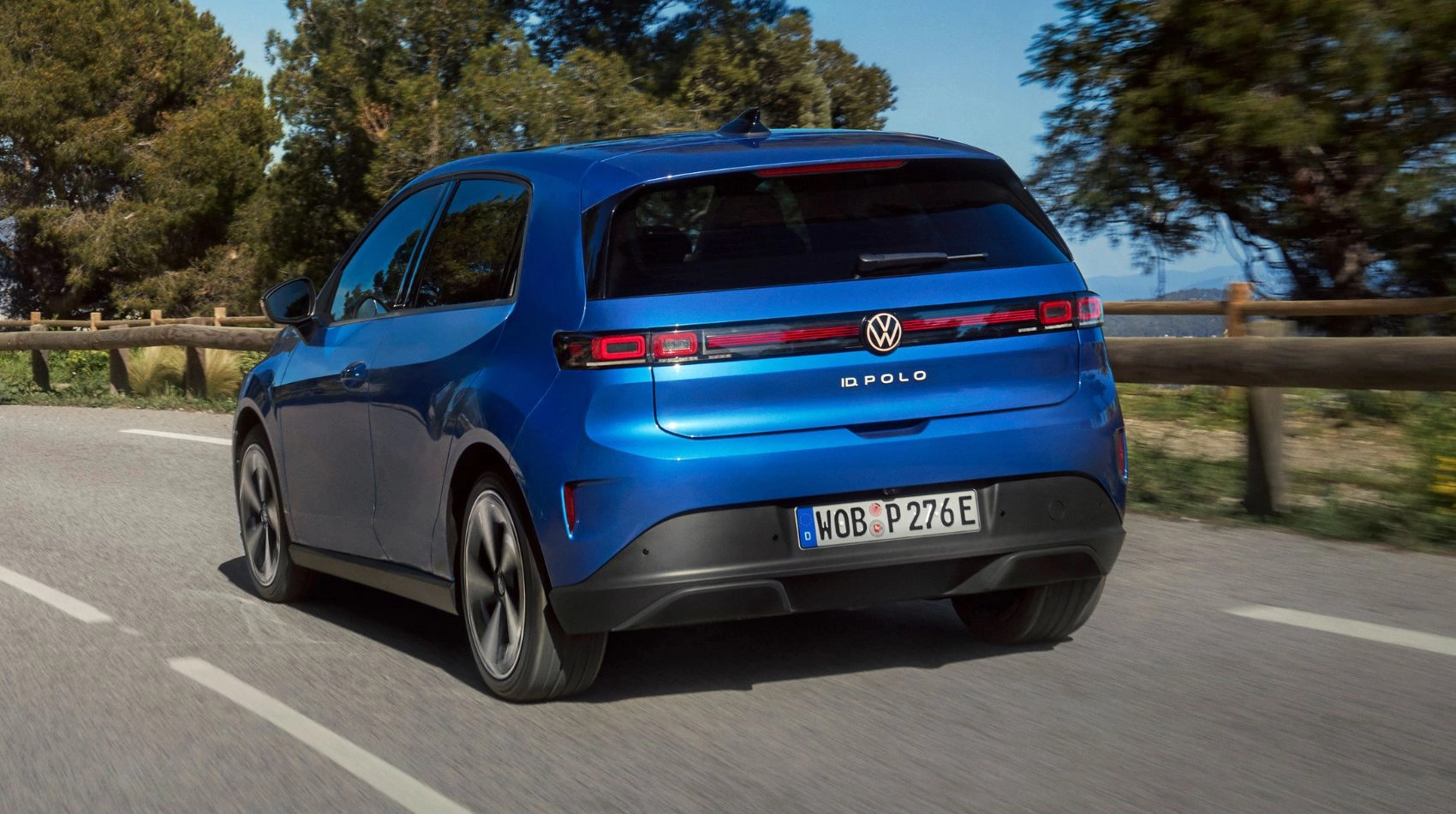
At the rear, it gets slimmer LED taillights and a wider-looking stance, giving it a more planted appearance. The rear pillar design takes inspiration from the original Golf, adding a subtle retro touch. Higher variants also get illuminated Volkswagen badges at the front and rear. There are subtle nods to older Volkswagens too, including styling cues inspired by the original Golf’s C-pillar design. Depending on the trim, illuminated VW logos at the front and rear are also offered.
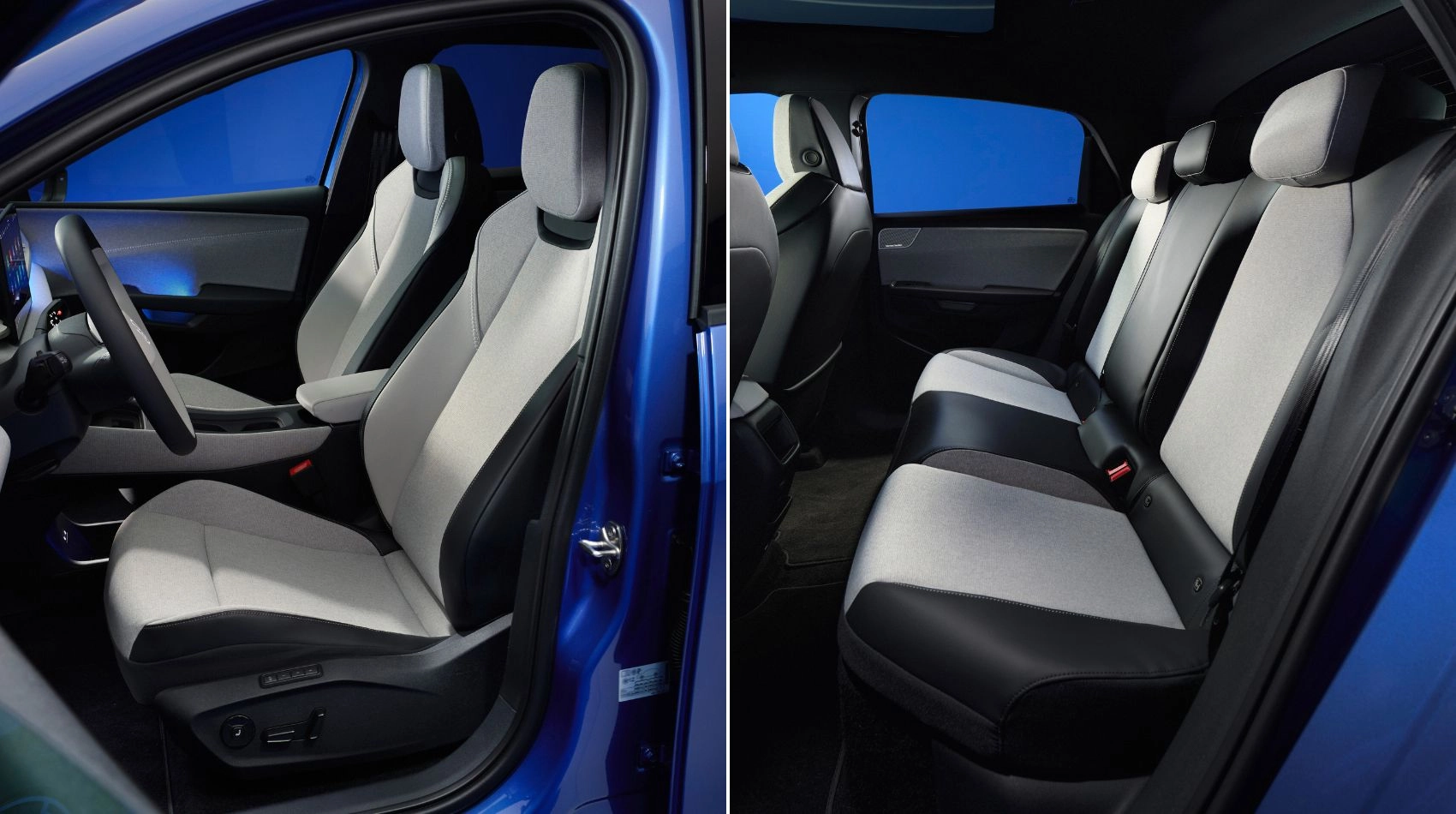
Although the car is just over four metres long, the dedicated EV platform helps improve interior space significantly. It can seat five adults comfortably, with better rear-seat room than the regular petrol Polo. Boot space stands at 441 litres, making it one of the more practical hatchbacks in its size segment.
ID.Polo interior and features
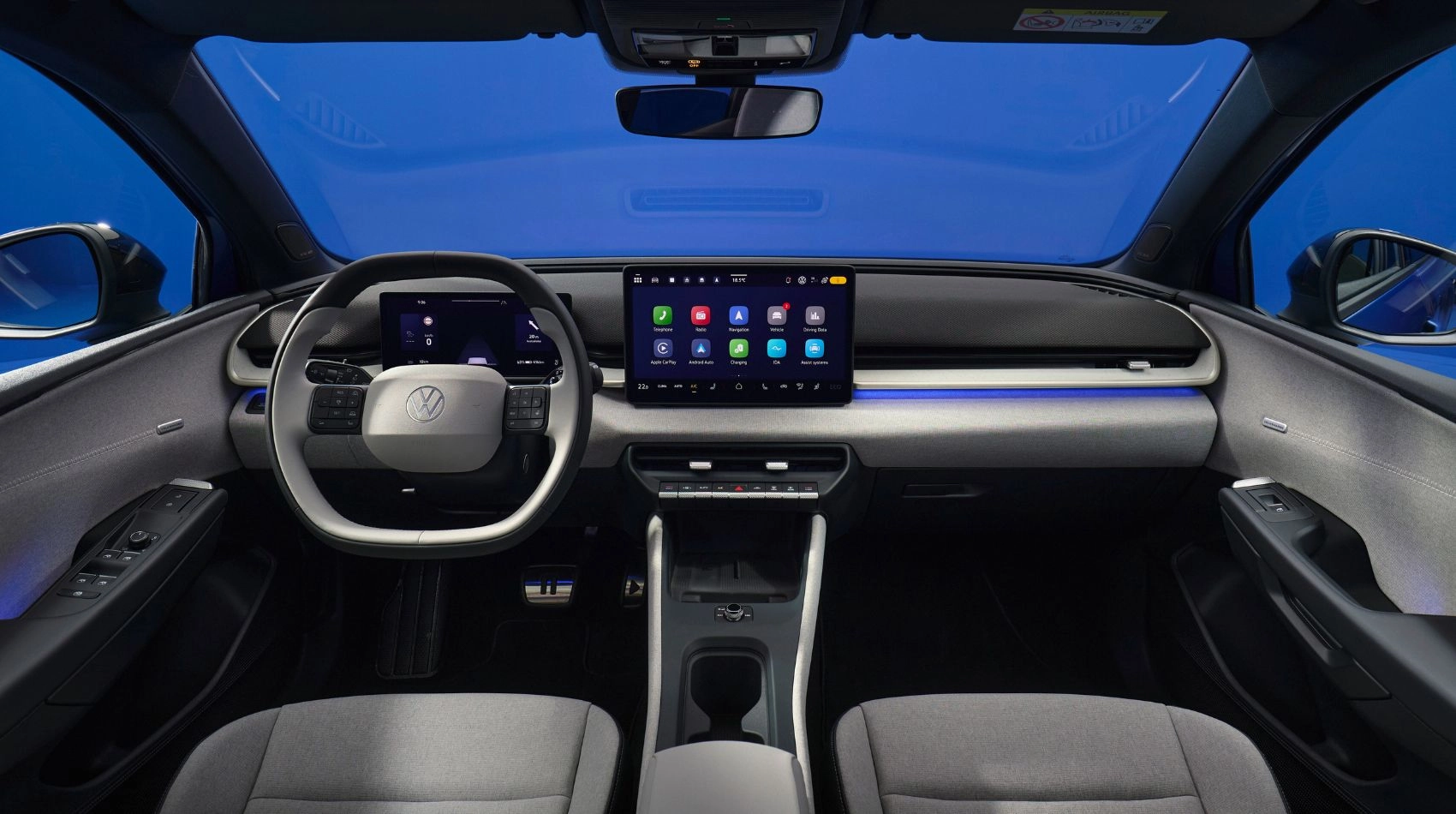
Inside, the ID. Polo gets a completely redesigned cabin centred around a 13-inch touchscreen infotainment system and a compact fully digital driver’s display placed behind the steering wheel. Volkswagen has brought back physical buttons for key functions like climate control, fan speed, volume and drive settings, positioned below the main screen for easier access. The steering wheel also gets regular physical buttons instead of touch-sensitive controls.
The dashboard follows a clean horizontal layout with slim air-con vents and a floating-style centre console, which frees up extra storage space underneath for small bags and daily-use items. There are larger door bins, multiple cupholders, additional cubby spaces, front and rear USB-C charging ports and a wireless phone charger on higher trims.
The front seats get improved cushioning and support, while rear passengers benefit from better legroom and headroom thanks to the dedicated EV platform and flat floor design. Depending on the variant, the cabin also gets ambient lighting, heated front seats, wireless Android Auto and Apple CarPlay, connected car technology, keyless entry, push-button start and a panoramic glass roof.
The ID. Polo also gets features like Connected Travel Assist, automatic traffic light recognition, one-pedal driving and even vehicle-to-load (V2L) capability, meaning it can power external devices like e-bikes or camping equipment. Volkswagen says the chassis has been tuned to strike the right balance between comfort and agility, keeping that familiar easy-to-drive Polo feel while adding the instant response of an EV.
ID.Polo Battery, Range and Performance
The ID. Polo will be offered with two battery options and three power outputs at launch, all with front-wheel drive. The entry-level versions use a 37kWh battery and are available with either 114bhp or 133bhp. This battery offers up to 329km of claimed range and supports DC fast charging up to 90kW, allowing a 10 to 80 per cent top-up in around 23 minutes. The more powerful version gets a 52kWh battery paired with a 208bhp motor. This setup pushes the claimed range up to 454km and supports faster 105kW DC charging, taking around 24 minutes for the same 10 to 80 per cent charge. Volkswagen says the car’s low 0.26 drag coefficient also helps improve efficiency. A hotter ID. Polo GTI is already confirmed for 2027, and that one will make 226bhp.
Pre-sales for the ID. Polo have already started in Germany, with prices beginning at €24,995 (roughly ₹24 lakh before taxes and duties). It will be offered in Trend, Life and Style trims initially, with the sportier GTI arriving later. This feels like one of Volkswagen’s smartest EV moves yet. Instead of trying to make the ID. Polo look futuristic for the sake of it, VW has focused on making it feel familiar — easy to understand, practical to live with and genuinely desirable as an everyday hatchback. It looks like a Polo, drives like a Polo should, and crucially, it brings back the simple things buyers actually care about — space, usability and proper buttons. For a lot of people, that might matter far more than flashy screens or wild styling. And honestly, that’s exactly why the ID. Polo could end up being one of the most important small EVs in the market.