

Renault India is bringing back one of its most recognisable nameplates and this time the expectations are very different. When the Duster first arrived in 2012, it helped define what a compact SUV could be in India. On January 26, 2026, it returns to a market that now knows exactly what it wants. Here’s what the new Duster is expected to deliver.
A tougher, more upright design
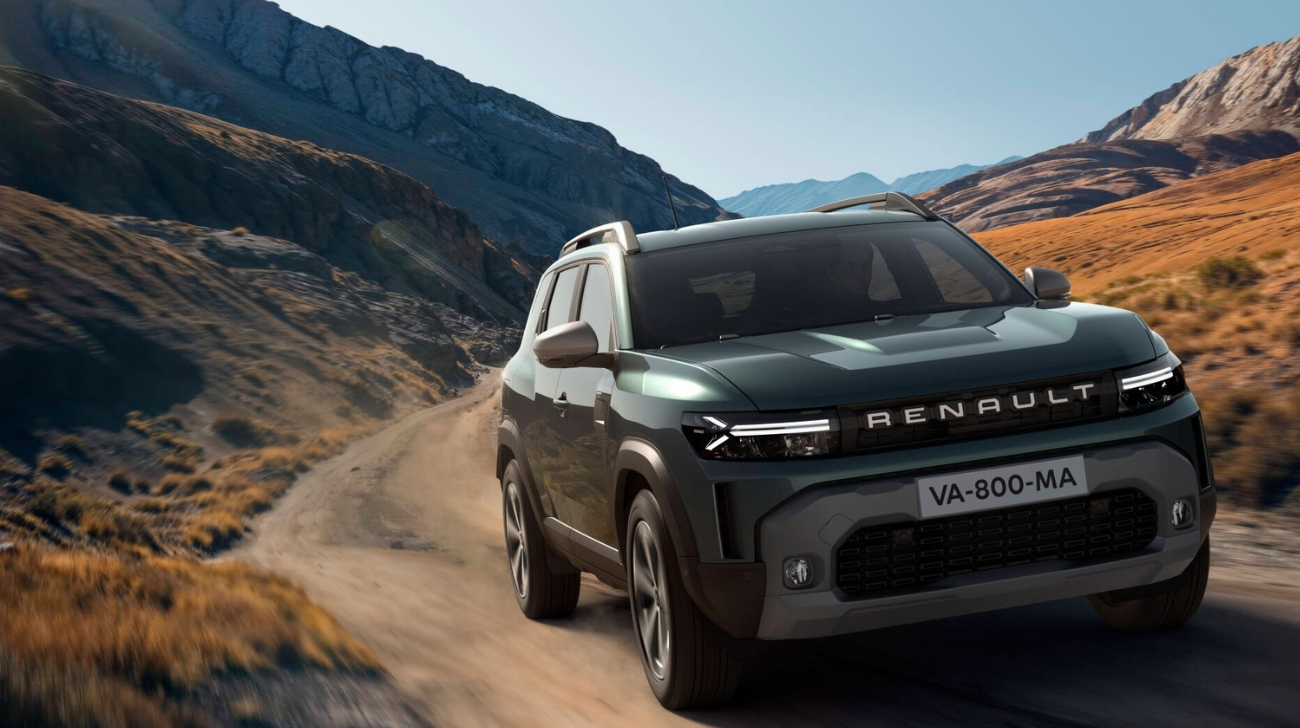
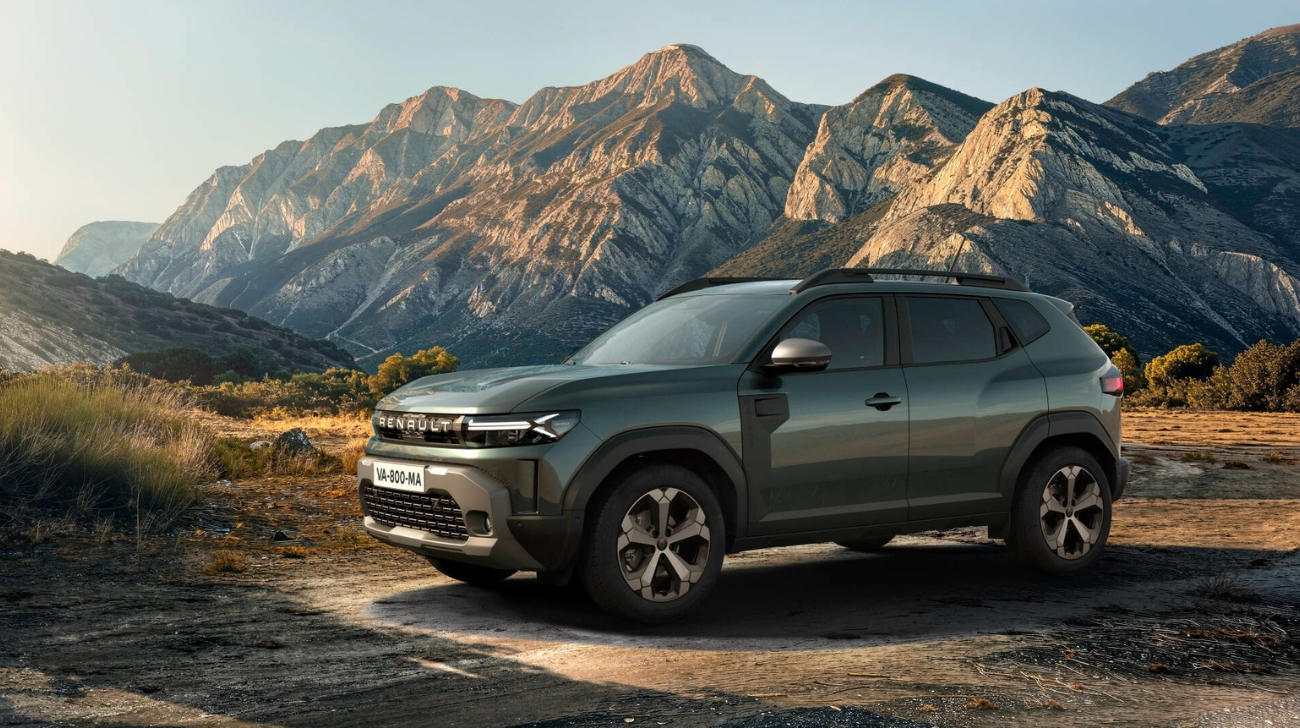
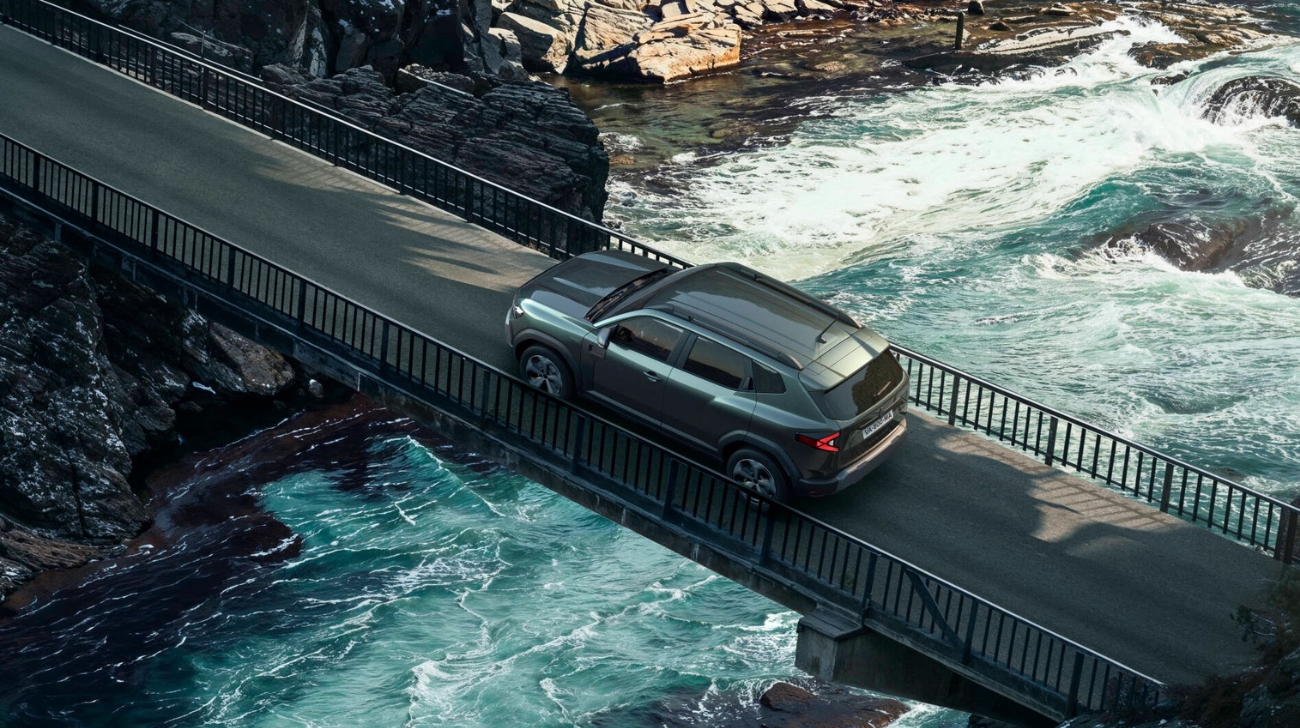
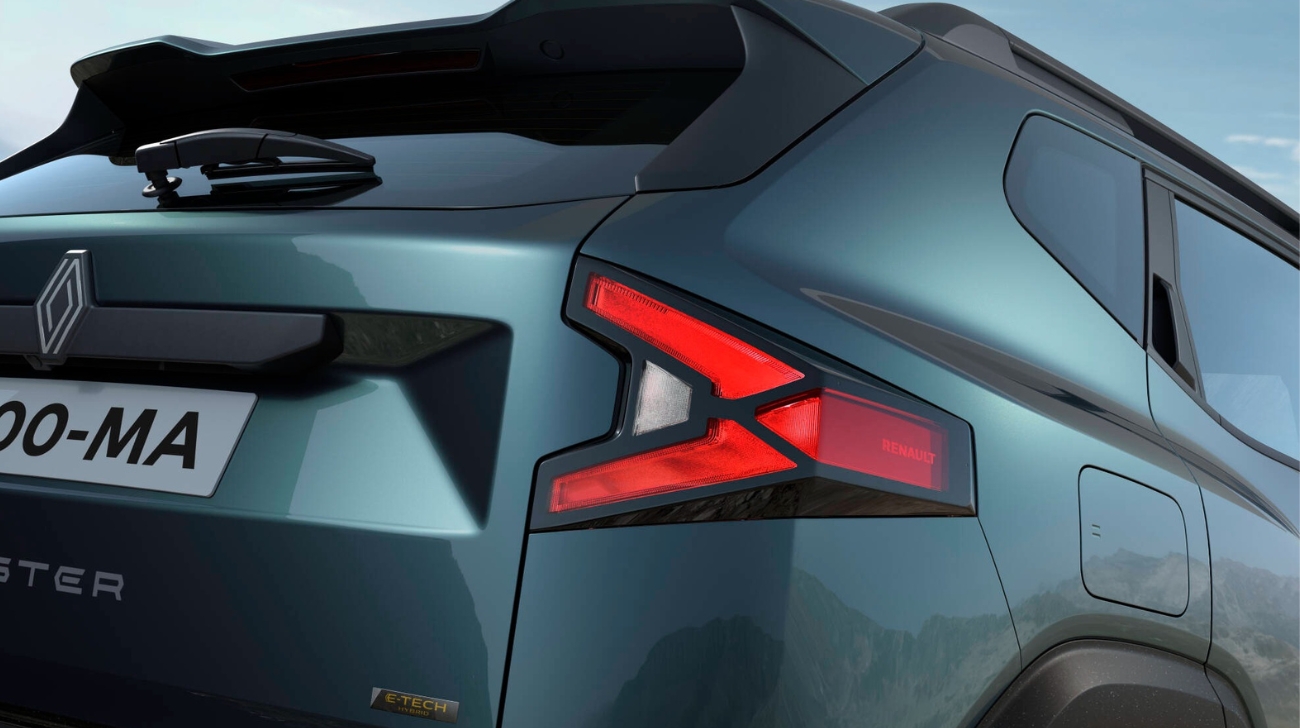
Teasers suggest the new Duster will look noticeably boxier than before, moving away from the rounded lines of the old model. Expect a more upright stance, strong body creases, prominent cladding and tall roof rails, all pointing to a more rugged visual identity. At the rear, Renault has hinted at a connected LED tail-lamp setup, which appears to differ from the international-spec version. LED DRLs are also visible, giving the new Duster a sharper lighting signature.
A modernised cabin
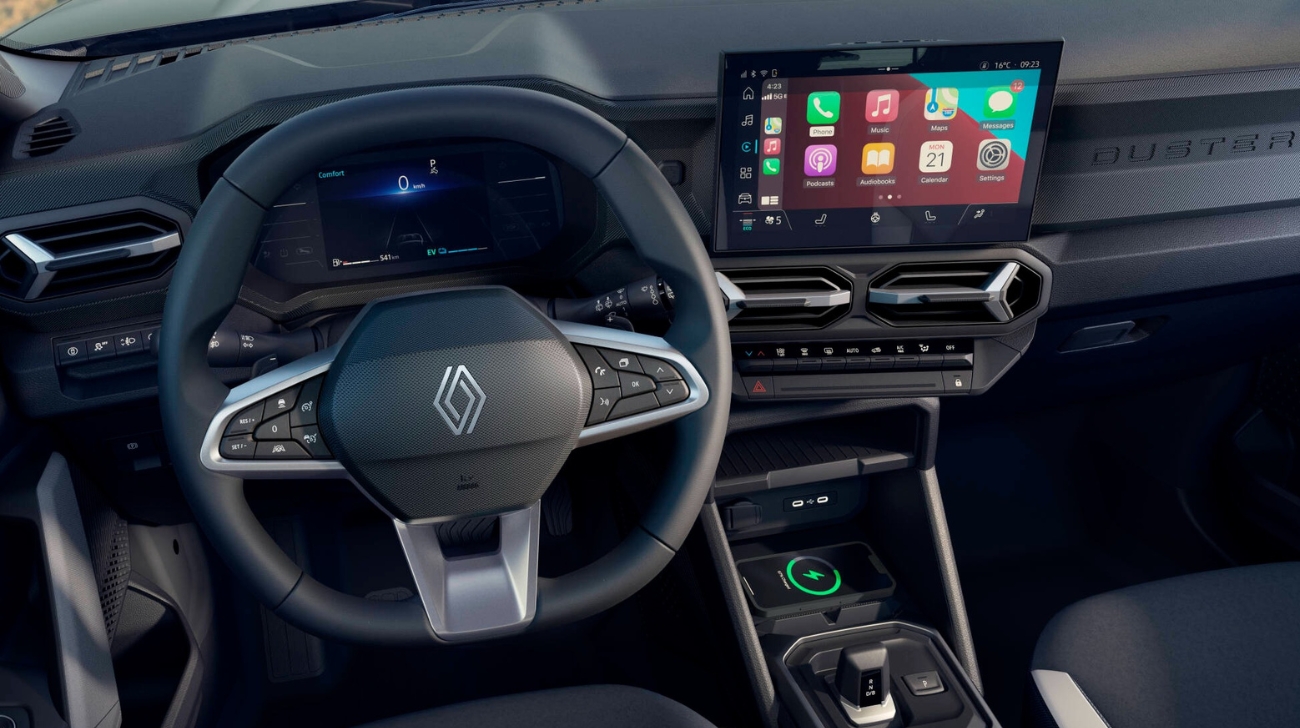
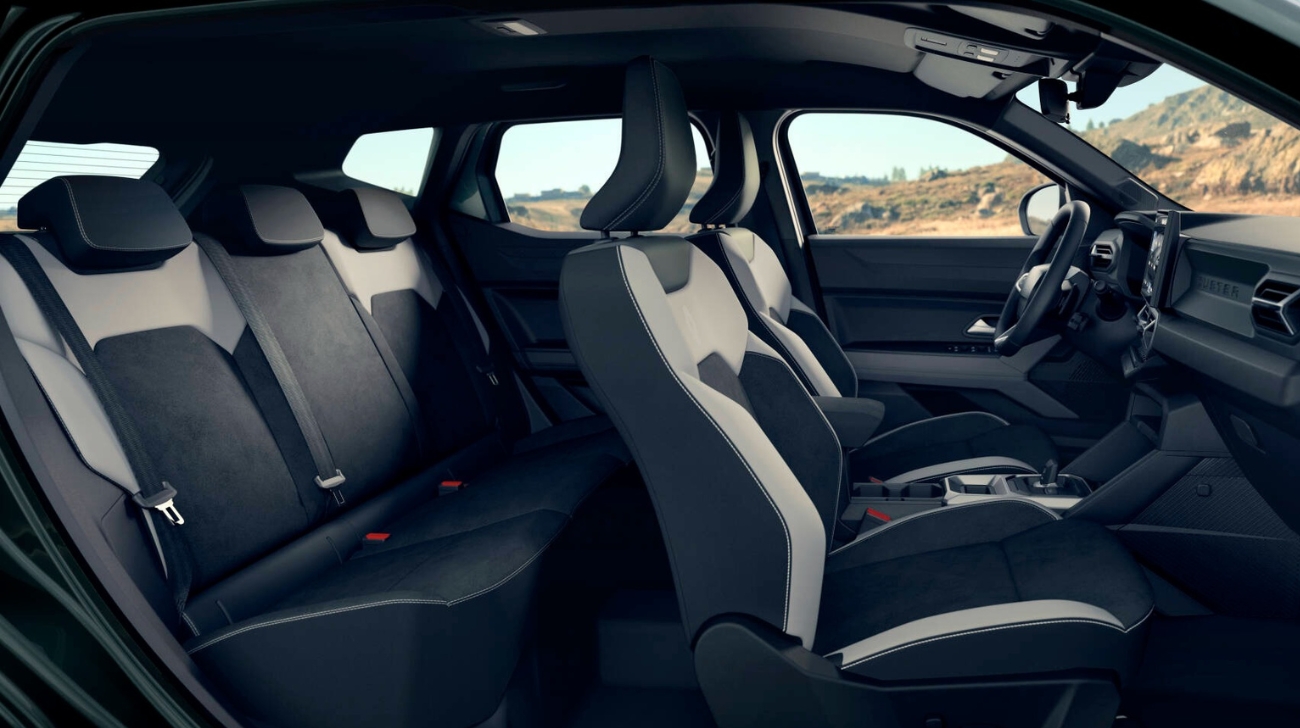
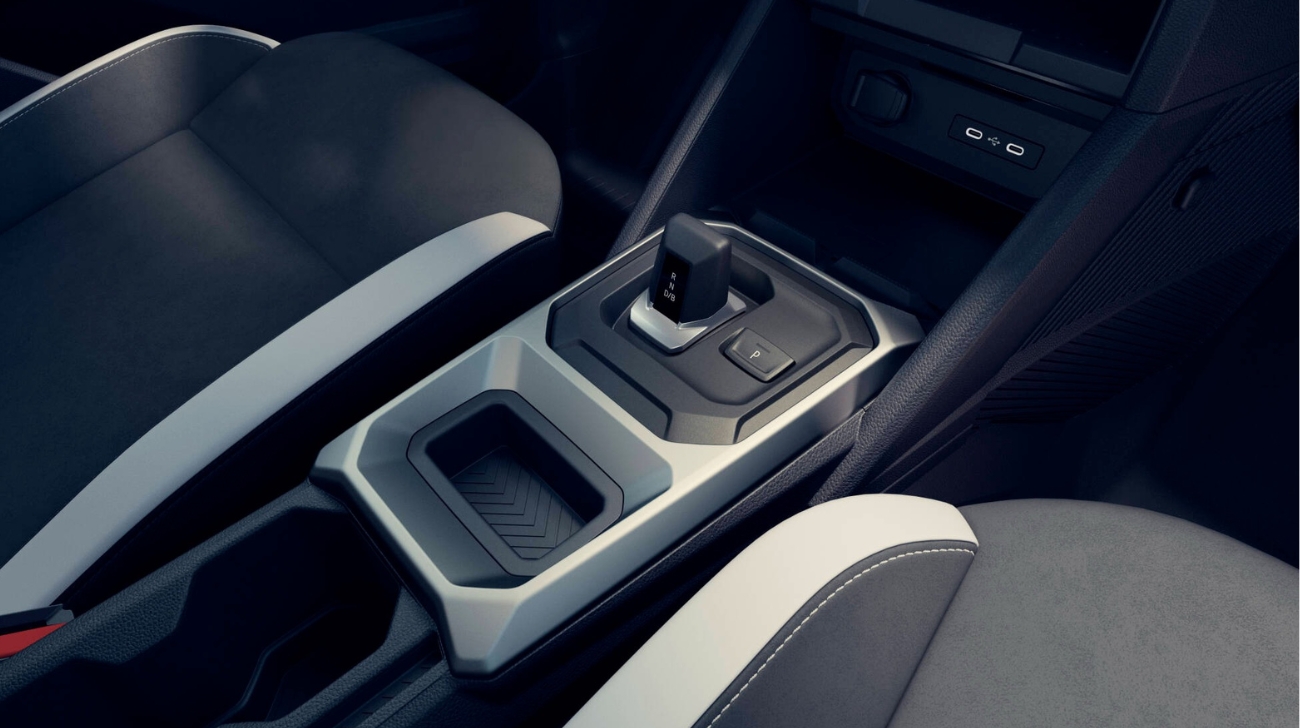
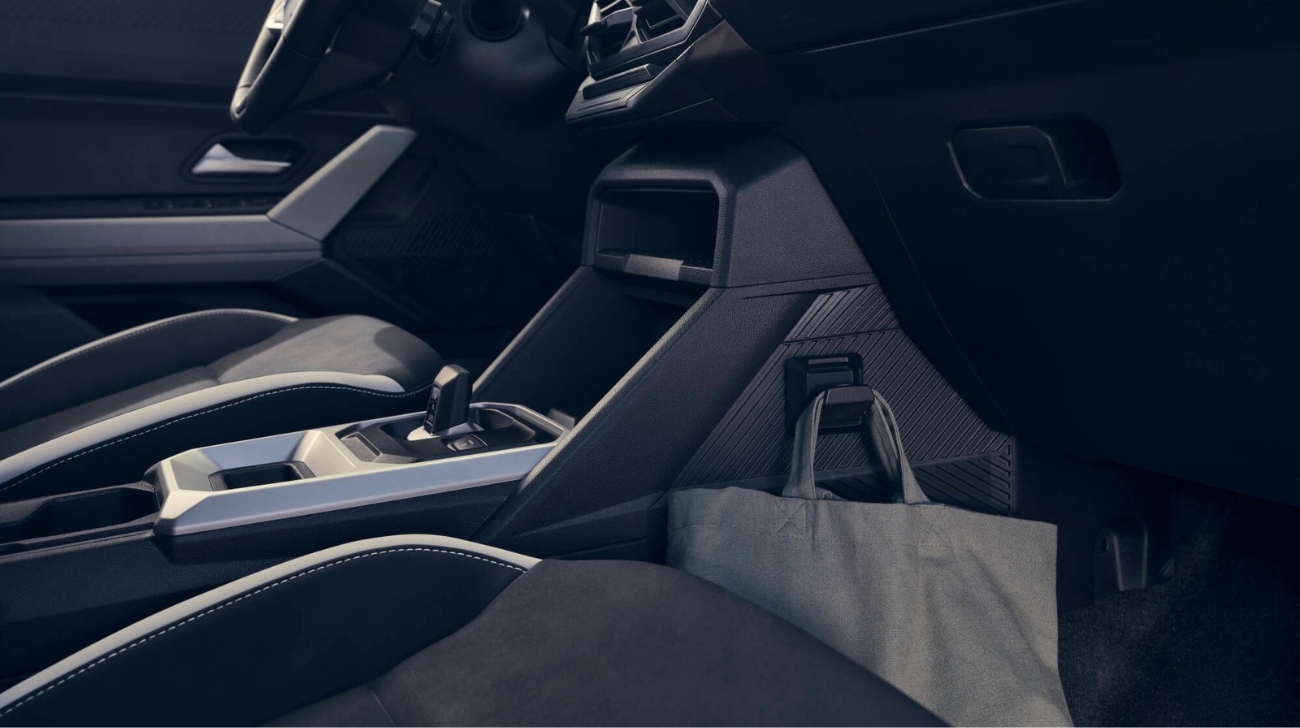
The original Duster was never about interior flair. The new one will need to be. Expect a completely redesigned dashboard with a large central touchscreen, likely around 10-inches, offering wireless Android Auto and Apple CarPlay. A digital instrument cluster, wireless charging and ambient lighting are also expected to feature. Comfort should see a clear upgrade too, with features such as ventilated front seats, a powered driver’s seat and a panoramic sunroof likely to be offered on higher variants.
Safety finally takes centre stage.
Safety is where the new Duster is expected to make its biggest leap. Six airbags are likely to be standard across the range, alongside electronic stability control, tyre pressure monitoring and ISOFIX child-seat mounts. A 360-degree camera and ADAS features could also be introduced, depending on how Renault chooses to position the Duster against increasingly tech-heavy rivals.
Powertrain options and platform
The new Duster will be based on Renault-Nissan’s CMF-B platform, which supports electrification and all-wheel drive. Internationally, the SUV is offered with turbo-petrol mild-hybrid and strong-hybrid powertrains and while India-specific details are yet to be confirmed, electrified petrol options appear likely. The return of all-wheel drive would be particularly significant, recalling one of the original Duster’s strongest differentiators.
Price positioning and competition
Pricing is expected to start around ₹10 lakh ex-showroom, placing the Duster squarely in the midsize SUV segment. It will go up against established players like the Hyundai Creta and Kia Seltos, as well as newer rivals from Maruti Suzuki, Toyota, Skoda and Volkswagen.
The bigger picture
The Duster is no longer entering a segment it created. It is stepping back into one that has moved on rapidly. The brief this time has to be to combine the nameplate’s rugged DNA with the features, safety and refinement today’s buyers expect. January 26 will tell us whether Renault has got that balance right.